Zombie Horror Shows
The zombie apocalypse has become one of television's most compelling backdrops for exploring human nature under extreme circumstances, spawning a golden age of undead entertainment that shows no signs of slowing down. Whether you're drawn to post-apocalyptic survival sagas, international outbreak thrillers, or psychological horror examining what humanity becomes when society crumbles, zombie horror shows deliver visceral thrills alongside profound character studies. From acclaimed prestige dramas that redefined the genre to innovative international series bringing fresh perspectives to shambling corpses and viral infections, these 14 essential zombie TV shows represent the finest undead entertainment across streaming platforms and cable networks. You'll find pulse-pounding tales of survivors navigating collapsed civilizations, intimate character dramas set against walker-infested wastelands, and mind-bending supernatural horror that pushes beyond traditional zombie conventions. Each series captures the relentless dread of the living dead while exploring timeless questions about morality, community, and what we're willing to sacrifice when everything falls apart. Get ready to binge the most gripping, terrifying, and thought-provoking zombie television that will keep you watching well into the night.
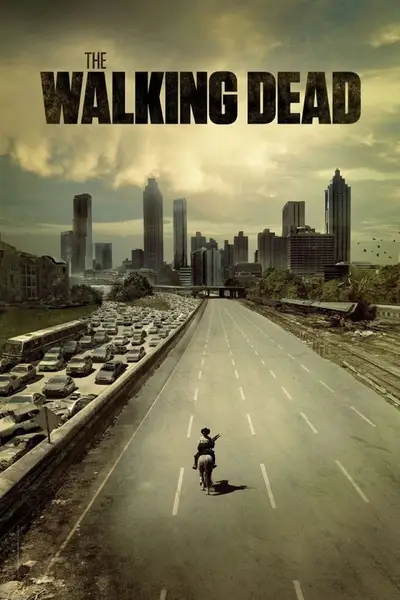
This post-apocalyptic horror drama created by Frank Darabont delivers consistently gripping survival storytelling across its impressive run. Andrew Lincoln anchors the series as Rick Grimes, a sheriff's deputy who awakens from a coma to find civilization collapsed and the dead walking the earth. What begins as pure zombie survival gradually evolves into something deeper—an examination of what humanity means when society's rules no longer apply. The makeup effects are genuinely unsettling, and the show doesn't shy away from brutal consequences. Norman Reedus and Melissa McBride develop particularly compelling arcs as survivors learning to navigate this new world. While some seasons prove stronger than others, the core concept remains powerful: in a world full of walkers, other people become the real threat. It's solidly engaging television that knows how to deliver both spectacle and substance.
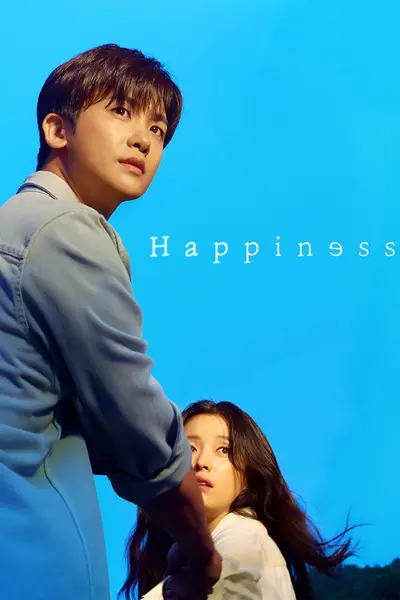
Bleak, claustrophobic, and relentlessly tense, this Korean thriller traps residents in an apartment complex during a zombie-like outbreak. Park Hyung-sik and Han Hyo-joo lead the ensemble as survivors navigating not just the infected but also class divisions and human selfishness that emerge during the crisis. Directed by Ahn Gil-ho, the series uses its high-rise setting effectively, creating a pressure-cooker environment where social hierarchies determine access to resources and safety. The zombie elements provide horror thrills, but the show's real interest lies in how disaster amplifies existing inequalities and moral compromises. Unfortunately, the execution doesn't always match the ambition—pacing issues plague the middle episodes, and some character decisions strain credibility. The social commentary occasionally overwhelms the narrative momentum. There's intelligent material here about pandemic response and social fractures, but the series doesn't quite cohere into a fully satisfying whole.
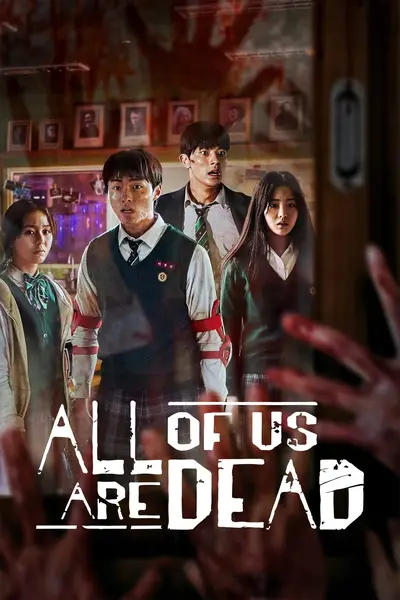
This Korean zombie thriller traps a group of high school students inside their school when an outbreak turns their classmates and teachers into the undead. What sets it apart from typical zombie fare is its focus on the student dynamics and class tensions that emerge under extreme pressure, with the ensemble cast delivering surprisingly nuanced performances. The action sequences are intense and well-choreographed, but the series also makes time for genuine character development and emotional moments that give weight to the survival stakes. Based on a webtoon, the show balances horror with coming-of-age themes as the students grapple with impossible choices and their own mortality. Some subplots work better than others, and the pacing occasionally stalls, but when it hits its stride, it's genuinely gripping. The production values are impressive throughout, and the young cast sells both the terror and the humanity of their situation effectively.
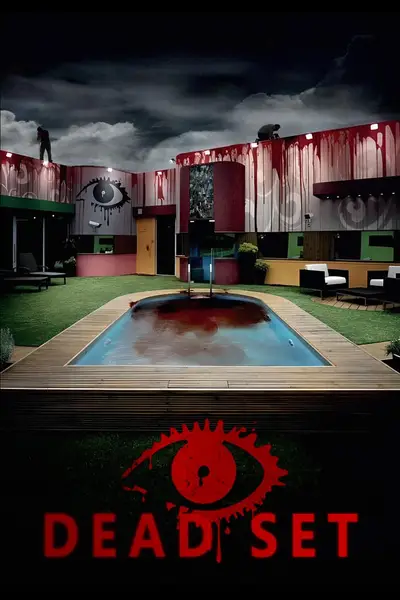
Jaime Winstone plays Kelly, a reality TV producer trapped inside the Big Brother house when the zombie apocalypse erupts outside, transforming meta-commentary into survival horror. Writer Charlie Brooker brings his signature satirical edge to this five-episode miniseries, using the confined setting to explore how self-absorbed reality contestants and producers react when actual stakes replace manufactured drama. The concept is sharper than the execution—the zombie carnage is effective enough, and there's dark pleasure in watching vapid personalities confront genuine consequences, but the social commentary sometimes undercuts the horror rather than enhancing it. Davina McCall appears as herself, lending authenticity to the Big Brother framework while becoming part of the nightmare scenario. Director Yann Demange creates genuine tension within the limited location, though the series struggles to sustain its premise across five hours, feeling stretched thin even at this modest length.
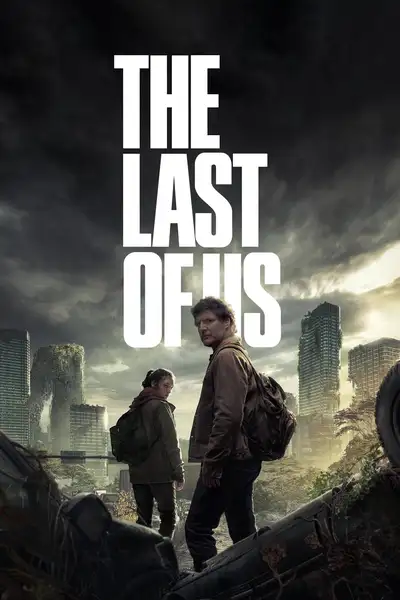
Pedro Pascal brings remarkable depth to Joel, a hardened survivor tasked with protecting Ellie (Bella Ramsey) in HBO's adaptation of the acclaimed video game. Created by Craig Mazin and Neil Druckmann, the series follows their dangerous journey across a post-apocalyptic America ravaged by a fungal infection that turns humans into monsters. What sets this adaptation apart is its commitment to character development over action spectacle—the quieter moments between Joel and Ellie resonate just as powerfully as the tense encounters with infected and hostile survivors. The production values are impressive, with desolate cityscapes and abandoned landscapes that feel hauntingly real. While the pacing occasionally slows, the emotional core remains strong throughout, making this a solid entry in the post-apocalyptic genre that respects its source material while standing on its own merits.
Showrunners Dave Erickson and Andrew Chambliss crafted this companion series to *The Walking Dead* that stands as a worthwhile entry in the zombie apocalypse genre. The show follows a blended family in Los Angeles as civilization collapses, offering a fresh perspective by actually showing the outbreak's early days rather than starting after the fall. Kim Dickens and Cliff Curtis lead a strong ensemble cast through increasingly difficult moral terrain as society crumbles around them. While the series underwent significant creative shifts over its run—sometimes to its detriment—it found compelling storylines in exploring how ordinary people transform in extraordinary circumstances. The show's willingness to reinvent itself and take risks with its characters keeps things unpredictable, even if not every creative swing connects. For fans of the genre looking to expand beyond the original series, this offers enough distinctive moments and character work to justify the time investment.
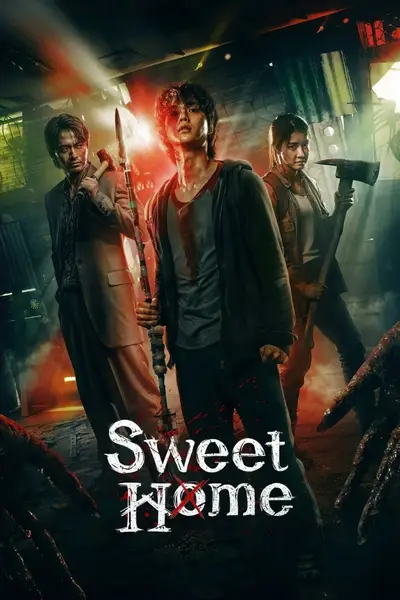
In this South Korean monster horror series, residents of a dilapidated apartment building find themselves trapped when their neighbors begin transforming into grotesque creatures born from their deepest desires. Based on the webtoon by Kim Carnby and Hwang Young-chan, the show stars Song Kang as a suicidal teenager who must find reasons to survive amid the apocalyptic chaos. The creature designs are genuinely inventive and disturbing, and the production values deliver some spectacular body horror moments. However, the series suffers from uneven characterization and a tendency toward melodrama that undercuts the horror elements. The social commentary about isolation and monstrosity feels underdeveloped, despite promising themes about what turns humans into monsters. When it focuses on survival horror and practical effects, it's quite effective; when it detours into romantic subplots and overwrought backstories, momentum stalls. Genre fans will find things to appreciate, but it's a mixed bag overall.
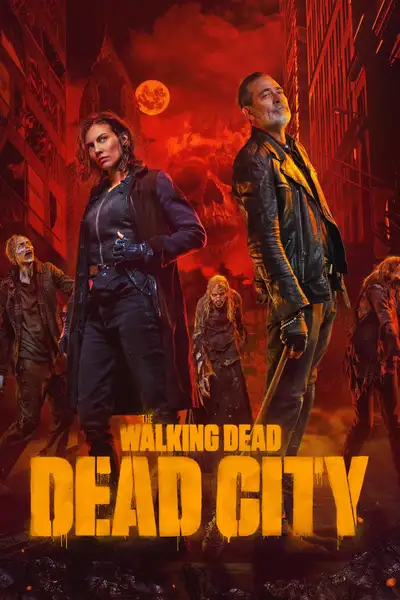
This post-apocalyptic spin-off reunites fan-favorite characters Maggie Rhee (Lauren Cohan) and Negan (Jeffrey Dean Morgan) in the ruins of Manhattan, where both search for Maggie's kidnapped son while navigating the complex and violent tribal politics of the island's survivors. The premise promises to explore the uneasy alliance between a mother and the man who murdered her husband—a relationship built on justified hatred and grudging mutual respect. When the series leans into that central tension, allowing Cohan and Morgan to dig into the moral complications of their partnership, it delivers on its potential. The Manhattan setting offers visual novelty after years of Georgia forests, with the overgrown urban landscape providing fresh apocalyptic imagery. However, the show too often sidelines its compelling leads for less interesting supporting characters and predictable conflicts with new villain groups that feel recycled from the parent series. The production values remain solid, and both leads clearly relish the opportunity to develop their characters beyond previous limits. It's entertaining enough for Walking Dead completists and showcases moments of genuine emotional complexity, though it doesn't quite justify its existence as a separate series rather than a limited arc within the larger franchise.
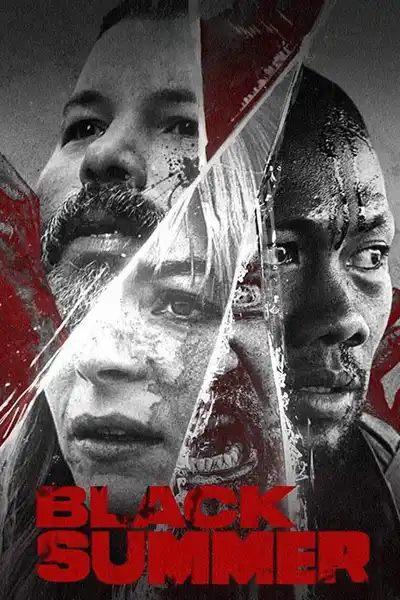
This zombie survival series takes a stripped-down approach to the undead apocalypse, focusing on raw survival rather than elaborate worldbuilding. Created by Karl Schaefer and John Hyams, Black Summer serves as a prequel to Z Nation, set during the chaotic early days of the outbreak. Jaime King leads the cast as Rose, a mother desperately trying to reunite with her daughter amid the collapse of civilization. The show opts for a fragmented narrative structure and minimal dialogue, which creates an appropriately disorienting atmosphere but can also feel frustratingly opaque. When the action sequences hit, they're genuinely tense and well-executed, capturing the frantic desperation of the scenario. However, the thin characterization and bleak tone throughout can make it difficult to stay invested. It's a competent entry in the zombie genre that will appeal to fans seeking something grittier, though it lacks the depth to fully distinguish itself.
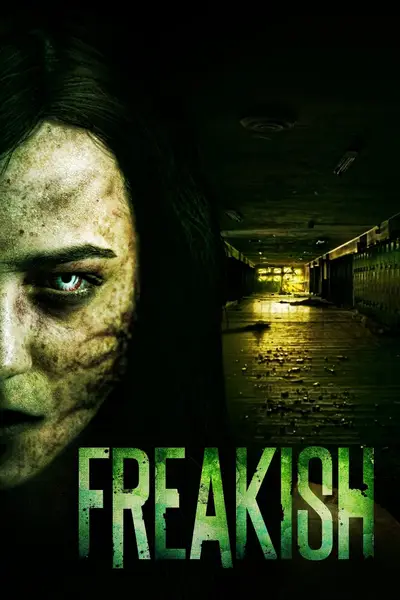
This teen horror-drama traps a group of high school students inside their building after a chemical explosion turns people into violent mutants outside. "Freakish" comes from creators Beth Szymkowski and AwesomenessTV, offering a "Breakfast Club meets zombie apocalypse" scenario that works better in theory than practice. The young ensemble cast, including Leo Howard and Liza Koshy, brings energy to their archetypal roles—the jock, the nerd, the rebel—but the writing rarely transcends these familiar categories. The confined setting creates some genuine tension in early episodes, though the show struggles to maintain suspense across its run. Production values are serviceable for a YouTube Premium series, and there are moments of effective claustrophobic dread. Unfortunately, character decisions often defy logic, and the overarching mystery about the disaster lacks the depth needed to sustain investment beyond casual viewing.
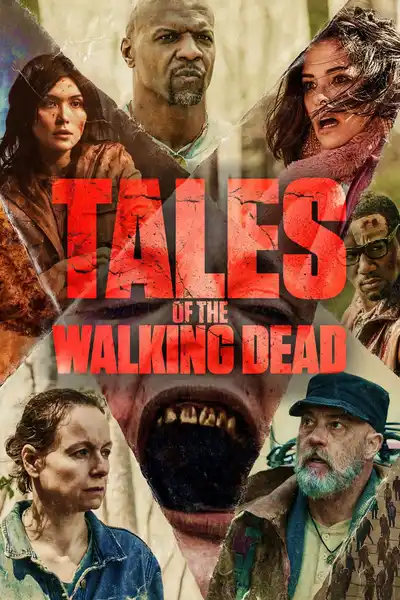
An anthology series set in The Walking Dead universe, this collection of standalone episodes explores untold stories from different corners and timelines of the zombie apocalypse. Executive produced by Scott M. Gimple and Channing Powell, each episode features different characters, settings, and survival scenarios, allowing for experimentation with tone and style beyond the constraints of the main series. The format yields mixed results—some episodes deliver genuinely fresh perspectives on familiar apocalyptic themes, while others feel like minor footnotes to the larger franchise. Standout installments benefit from strong guest performances and creative approaches to the zombie genre's tropes. The anthology structure means viewers can sample episodes without commitment, though the quality inconsistency may frustrate those seeking the sustained narrative drive of the parent series. It's an interesting experiment that expands the franchise's scope without necessarily being essential viewing.
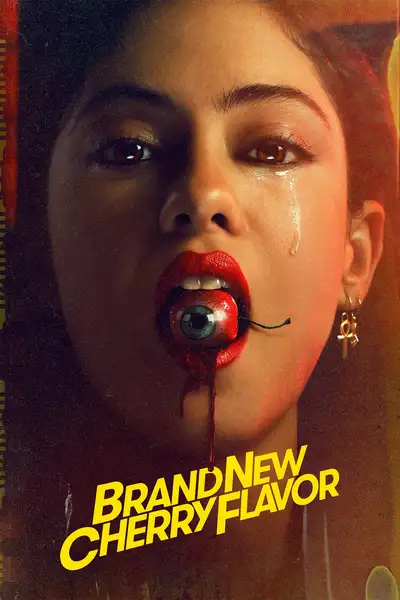
This genre-blending Netflix limited series drops viewers into a neon-soaked nightmare that's part Hollywood satire, part body horror, part revenge thriller, and doesn't quite succeed at any of them. Rosa Salazar plays Lisa Nova, an aspiring filmmaker who arrives in 1990s Los Angeles seeking revenge against the producer who wronged her, only to stumble into supernatural chaos involving curses, zombies, and reality-bending horror. Created by Nick Antosca and Lenore Zion, the show boasts striking visuals—director Arkasha Stevenson and her team create genuinely unsettling imagery—and Salazar commits fully to Lisa's increasingly unhinged journey. Catherine Keener adds gravitas in a key supporting role. However, the series struggles with tonal consistency and narrative coherence, throwing so many bizarre elements at the screen that the emotional core gets lost. When it works, Brand New Cherry Flavor offers memorably weird television, but the pieces never quite gel into something greater than their peculiar parts.
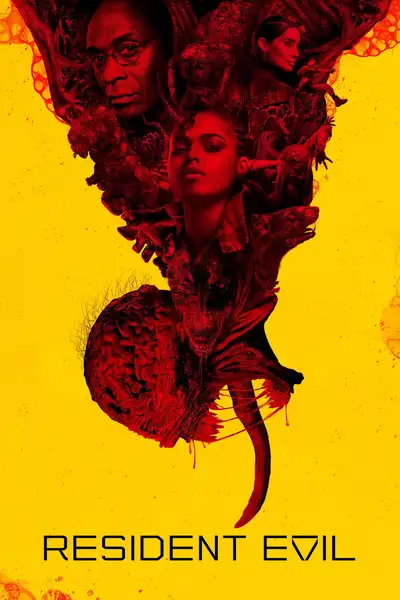
Dark and action-focused with occasional flashes of horror, this adaptation of Capcom's iconic video game franchise follows two timelines—one in 2022 and one fourteen years later in a zombie-ravaged world. Lance Reddick brings gravitas to Albert Wesker, reimagined here as a morally compromised scientist with secrets that threaten his two daughters, played by Ella Balinska and Siena Agudong. The series takes significant liberties with established lore, which will frustrate purists but allows newcomers to enter without homework. The post-apocalyptic timeline delivers the creature-feature thrills fans expect, though the family drama in the 2022 timeline occasionally feels disconnected from the horror elements. The show's ambitions sometimes exceed its execution, and pacing issues plague the middle episodes, but the practical effects and action sequences demonstrate real craftsmanship. It's an imperfect translation that offers enough entertainment for genre fans willing to accept a different interpretation of familiar material.
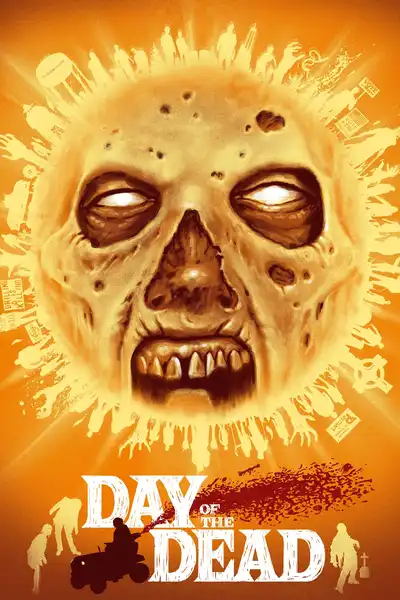
A zombie outbreak transforms a small Pennsylvania town into a battleground for survival, but rather than breaking new ground, this series mostly shuffles through familiar undead territory without the wit or style to distinguish itself from the countless other zombie stories saturating the genre. Loosely inspired by George A. Romero's classic film, the show follows a group of locals—including characters played by Keenan Tracey and Daniel Doheny—as they deal with the suddenly reanimated dead and the collapse of social order. There are moments where the series seems interested in exploring how different generations and social groups respond to catastrophe, but these ideas are quickly abandoned in favor of standard zombie action and jump scares. The practical effects work is decent enough, and the cast is more capable than the material they're given, but the writing lacks the satirical edge of Romero's work or the character depth that might compensate for the overfamiliar premise.
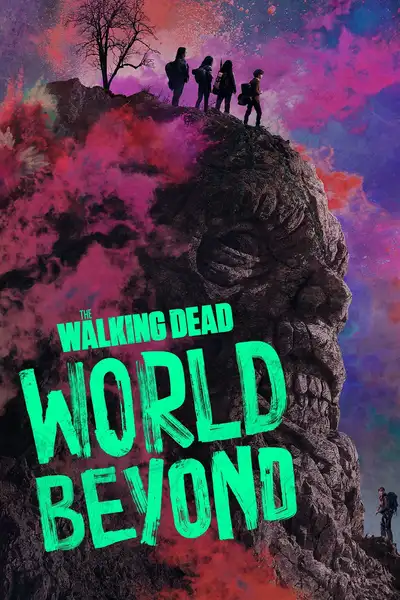
Scott M. Gimple expands "The Walking Dead" universe with this limited series focused on the first generation to come of age during the apocalypse, but the result feels more obligatory than inspired. Set a decade after the outbreak, the show follows a group of teenagers from a seemingly safe community who venture into the wider world to find their missing father, a scientist working on a cure. Alexa Mansour and Nicolas Cantu lead the young cast with earnest performances, though they're hampered by dialogue that often feels more CW than AMC. The series introduces intriguing mythology about the mysterious Civic Republic Military, which matters for franchise completists but may not engage casual viewers. There are moments of genuine emotion and some impressive zombie setpieces, yet the show never quite justifies its existence beyond corporate world-building.