Western Shows
The untamed spirit of the American frontier comes alive through the best western shows that transport viewers to an era of six-shooters, cattle drives, and frontier justice. From classic television series that defined the genre decades ago to contemporary dramas that reimagine the Old West for modern audiences, western shows continue to captivate with their tales of cowboys, outlaws, and lawmen carving out civilization in rugged, unforgiving landscapes. These episodic adventures blend action-packed gunfights and horseback chases with deeper explorations of morality, survival, and the clash between wilderness and progress. Whether you're drawn to period-authentic depictions of historical events and legendary figures or prefer modern takes that infuse western themes with contemporary storytelling techniques, the genre offers something for every fan of frontier drama. Spanning multiple generations of television production, these 21 essential western shows represent the finest examples of serialized storytelling set against the backdrop of dusty towns, sprawling ranches, and the endless horizons that defined America's westward expansion. Saddle up for an unforgettable journey through the greatest western series ever made.
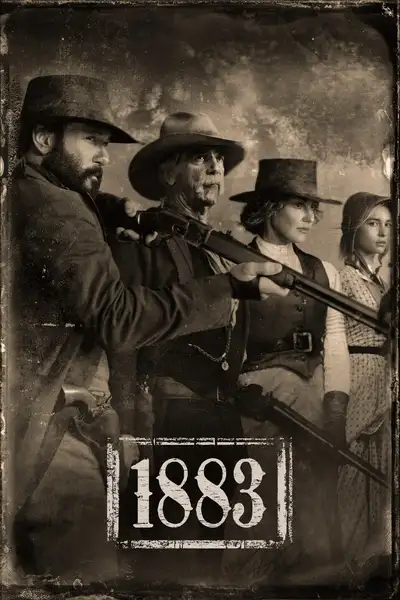
Following the Dutton family's harrowing journey along the Oregon Trail in the 1880s, this *Yellowstone* prequel is a masterclass in Western storytelling that absolutely deserves your attention. Creator Taylor Sheridan delivers his most refined work yet, crafting an epic tale of survival, sacrifice, and the brutal cost of the American Dream. Sam Elliott leads an exceptional cast that includes Tim McGraw and Faith Hill, all delivering career-defining performances against the stunning backdrop of the American frontier. The cinematography is breathtaking, capturing both the majestic beauty and merciless cruelty of the landscape. Every episode feels cinematic in scope, with Sheridan's unflinching approach to depicting the harsh realities of westward expansion creating television that's as emotionally devastating as it is visually spectacular. This is prestige television at its finest.
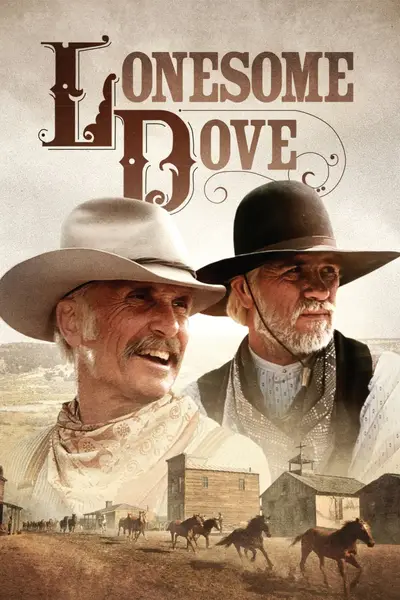
In this sweeping Western epic, two aging Texas Rangers decide to drive a cattle herd from the Rio Grande to Montana, embarking on one final grand adventure. Based on Larry McMurtry's Pulitzer Prize-winning novel and directed by Simon Wincer, this miniseries is an absolute masterpiece that redefined what television Westerns could achieve. Robert Duvall and Tommy Lee Jones deliver career-best performances as Gus McCrae and Woodrow Call, friends whose contrasting personalities anchor a story spanning thousands of miles and exploring themes of friendship, mortality, and the closing of the frontier. The scope is cinematic, with stunning landscapes and a sprawling cast of memorable characters, yet the storytelling remains intimate and character-driven. It's nearly six hours long, but every minute earns its place in what remains one of the finest miniseries ever produced—essential viewing for anyone who appreciates ambitious, emotionally resonant storytelling.
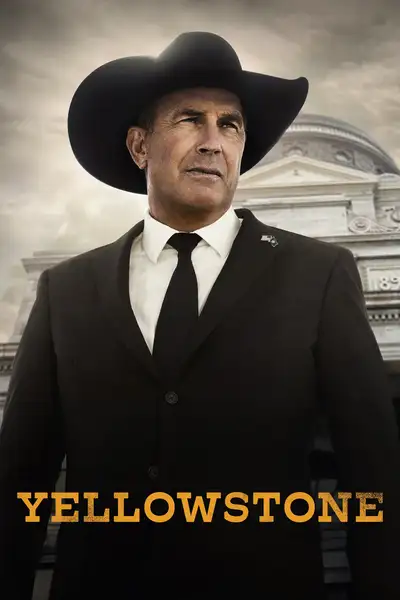
Kevin Costner commands the screen as John Dutton, the patriarch of a powerful Montana ranching family fighting to protect their land from developers, politicians, and neighboring reservations in Taylor Sheridan's modern Western epic. This is television operating at peak ambition—sprawling, cinematic, and unapologetically dramatic in ways that recall classic primetime soaps but with contemporary grit. The cast, including Kelly Reilly, Luke Grimes, Wes Bentley, and Cole Hauser, fully commits to the heightened emotions and Shakespearean family dynamics. Sheridan brings his screenwriting talents from films like Hell or High Water to create a show that's genuinely interested in exploring power, legacy, and the mythology of the American West. The Montana landscapes are breathtaking, the family conflicts are operatic, and the stakes feel enormous. It's not subtle—but when executed this confidently, it doesn't need to be. The show has become a cultural phenomenon for good reason, delivering the kind of addictive, big-canvas storytelling that's increasingly rare on television.
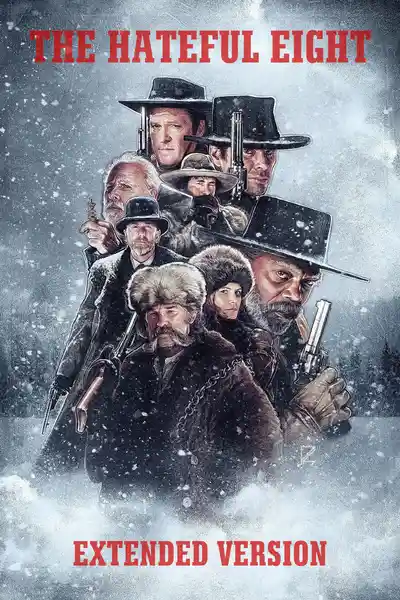
Samuel L. Jackson commands the screen as Major Marquis Warren in this extended miniseries adaptation of Quentin Tarantino's chamber piece western. The format allows the claustrophobic tension of the original film to breathe across multiple episodes, giving each of the snowbound strangers at Minnie's Haberdashery room to reveal their secrets and allegiances. Tarantino's signature dialogue crackles throughout, with the ensemble cast—including Walton Goggins, Jennifer Jason Leigh, and Tim Roth—delivering performances that benefit from the extra runtime. The episodic structure transforms the story into a genuine whodunit, parceling out revelations with deliberate precision while maintaining the director's distinctive blend of violence, dark humor, and period authenticity. Ennio Morricone's haunting score continues to underscore the paranoia that permeates every frame, making this an essential watch for fans who want to spend more time in Tarantino's unforgiving frontier.
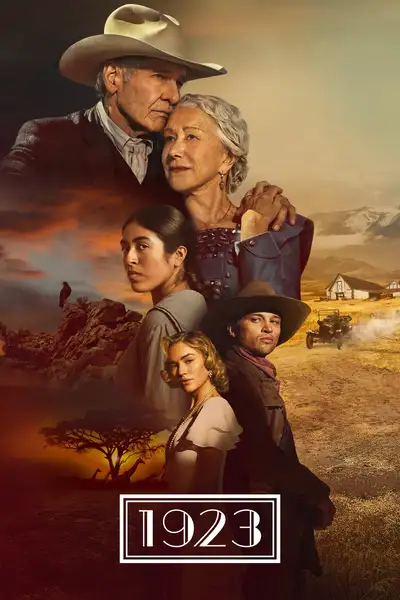
The Dutton family faces existential threats from all sides as they fight to maintain their Montana ranch during the early 20th century against drought, economic collapse, and powerful enemies seeking their land. Taylor Sheridan's prequel to "Yellowstone" stars Harrison Ford and Helen Mirren as Jacob and Cara Dutton, delivering performances that anchor the sprawling narrative with gravitas and grit. The series doesn't romanticize the era—it's brutal, showing the violence and prejudice of the time alongside breathtaking cinematography of the American West. Brandon Sklenar stands out as Spencer Dutton, whose African adventures provide a compelling parallel storyline. While some plotlines feel stretched to fill episodes, the production values are movie-quality and the character work is consistently strong. Sheridan understands how to make family legacy feel like life-or-death stakes, creating a western that honors the genre while feeling thoroughly modern.
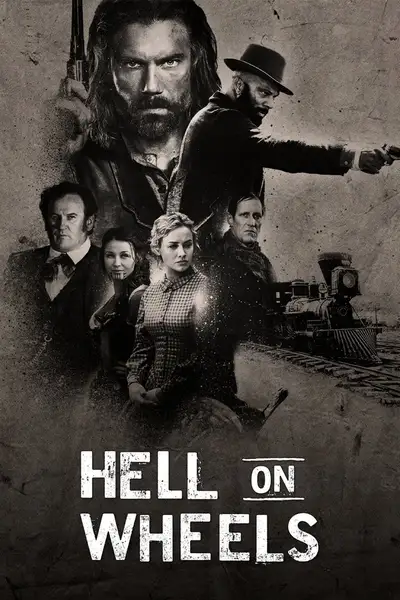
This gripping Western drama follows the construction of the First Transcontinental Railroad through the eyes of Cullen Bohannon, a former Confederate soldier seeking revenge for his family's murder while working on this monumental engineering project. Anson Mount delivers a compelling performance as the brooding, morally complex protagonist navigating the brutal world of 1860s railroad construction, where violence, ambition, and survival collide on the American frontier. Created by Joe and Tony Gayton, the series excels at portraying the diverse cast of characters—freed slaves, Irish immigrants, Native Americans, and ruthless businessmen—all drawn together by this transformative infrastructure project. The production values are impressive, with authentic period detail and sweeping cinematography that captures both the beauty and harshness of the untamed West. It's a thoughtful examination of America's expansion and the human cost of progress.
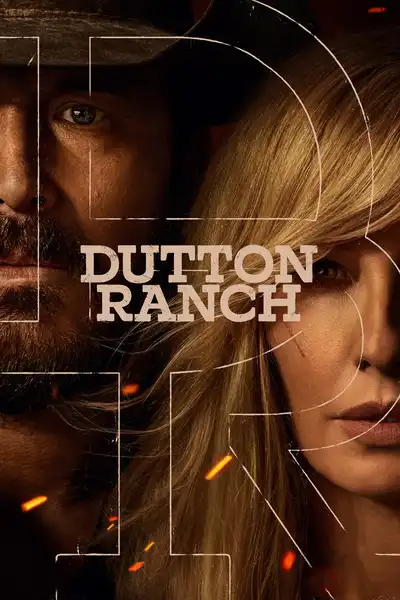
When a multi-generational family fights to maintain their sprawling cattle operation against corporate developers, shifting environmental policies, and internal power struggles, the stage is set for this gripping modern Western drama. Creator Taylor Sheridan brings his signature authenticity to Dutton Ranch, crafting a series that feels both epic in scope and intimately character-driven. The ensemble cast, led by Kevin Costner as the patriarch, delivers nuanced performances that elevate what could have been standard soap opera fare into something truly compelling. The cinematography captures the rugged beauty of ranch life while the writing tackles complex themes of legacy, land rights, and what it means to preserve a way of life in changing times. This is prestige television that earns its ambitions, offering viewers a richly textured world worth investing in week after week.
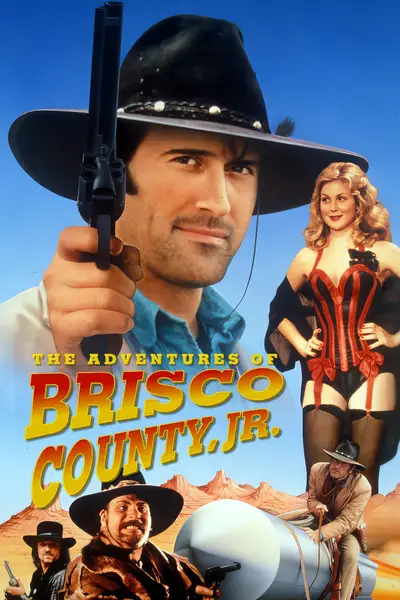
Bruce Campbell brings his signature charisma to Brisco County Jr., a Harvard-educated lawyer turned bounty hunter navigating the Old West at the turn of the 20th century. Created by Jeffrey Boam and Carlton Cuse, this short-lived series blends Western action with science fiction elements and witty humor in a way that feels fresh even decades later. The show follows Brisco as he hunts down the gang responsible for his marshal father's death while encountering mysterious orbs and futuristic technology. Campbell's comedic timing perfectly balances the adventure, and the supporting cast—including Christian Clemenson and Julius Carry—adds depth to this unique genre mashup. Though it only lasted one season, the show developed a devoted cult following for good reason. It's inventive, entertaining, and proof that taking risks with genre conventions can pay off brilliantly.
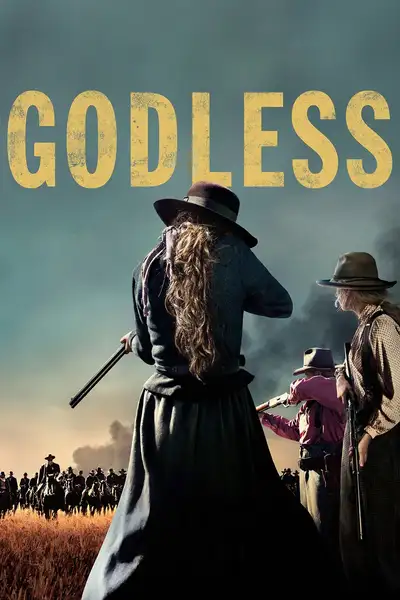
Scott Frank's Western limited series presents a fresh take on the genre by centering on a New Mexico mining town populated almost entirely by women after a tragedy killed most of the men. When an outlaw named Frank Griffin (Jeff Daniels, commanding and menacing) arrives hunting for his former protégé Roy Goode (Jack O'Connell), the town of La Belle becomes caught in their deadly conflict. Michelle Dockery is excellent as Alice Fletcher, a ranch owner with a complicated past who takes in the wounded Roy. The series subverts Western tropes while honoring the genre's traditions, creating something that feels both classic and contemporary. The cinematography is stunning, capturing the harsh beauty of the landscape, while the deliberate pacing allows for rich character development. It's a meditative, beautifully crafted exploration of violence, community, and survival.
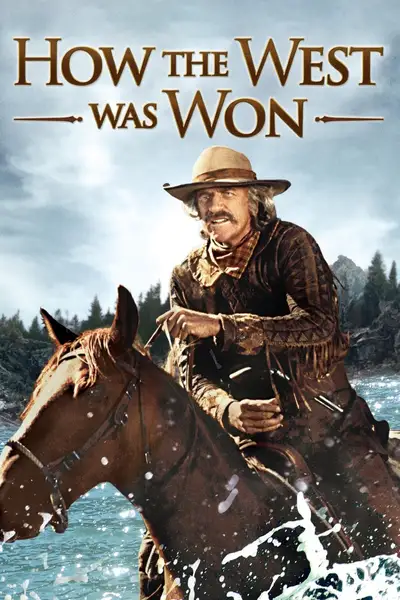
The sprawling Macahan family embarks on a treacherous journey from Virginia to the Oregon Territory in the 1860s, facing the harsh realities and dangers of frontier life across three generations. This epic Western miniseries-turned-television show captures the spirit of American expansion with impressive scope and production values that were ambitious for television at the time. James Arness leads the cast as Zeb Macahan, the family patriarch, bringing gravitas and authenticity to the role following his iconic run on Gunsmoke. The series doesn't shy away from depicting the violence, hardship, and moral complexities of westward expansion, including conflicts with Native Americans and the impact of the Civil War on families. With stunning location photography and action sequences that rival theatrical Westerns, the show delivers genuine adventure and emotional depth. It's a reminder of when television networks invested in prestige programming that treated historical drama with both respect and entertainment value.
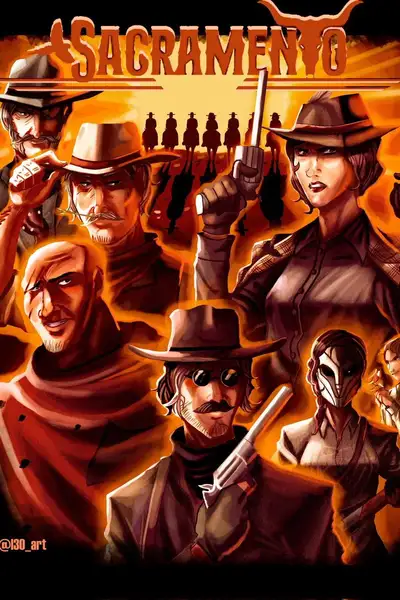
This darkly comic series explores the intersection of human connection, isolation, and the search for meaning in modern life, delivering something genuinely special. The narrative centers on characters navigating loneliness and identity in California's capital, using the city's unglamorous setting as perfect backdrop for stories about people existing outside mainstream narratives. James Adomian's creative vision shines through in both writing and performance, crafting portraits that feel authentic rather than caricatured. What elevates the show beyond simple character comedy is its underlying melancholy—these aren't just jokes but meditations on what it means to belong somewhere, to someone, or to yourself. The series trusts its audience to find humor in nuance and depth in seemingly simple scenarios. It's rare to find comedy this thoughtfully constructed yet effortlessly funny, making Sacramento essential viewing for anyone craving substance alongside their laughs.
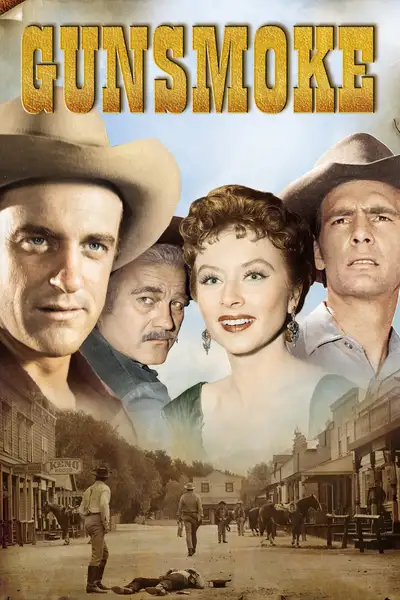
This Western drama set in Dodge City, Kansas, during the 1870s remains one of television's longest-running and most influential series. James Arness anchors the show as Marshal Matt Dillon, bringing quiet authority and moral complexity to a character who could have been a simple good-guy archetype. Creator Charles Marquis Warren and the writing team crafted stories that explored frontier justice, community building, and the costs of violence with surprising sophistication. The supporting cast, including Milburn Stone as Doc Adams and Amanda Blake as Kitty Russell, created one of TV's first truly ensemble dramas. What sets the series apart is its willingness to embrace moral ambiguity and let episodes end without tidy resolutions. The show's influence on both television and film Westerns cannot be overstated, and its best episodes hold up remarkably well.
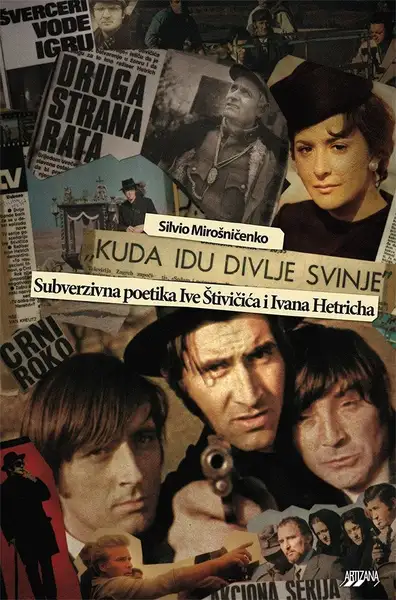
Set against the untamed wilderness of 1870s frontier America, this naturalistic drama follows a group of settlers whose lives intertwine with the rhythms of the land they're attempting to civilize. Director Robert Altman brings his trademark ensemble approach to the small screen, creating a tapestry of interconnected stories that feel organic rather than plotted. The series, featuring early career performances from Jeff Bridges and Sally Kellerman, captures a specific moment in American history with remarkable attention to period detail and an unflinching eye toward the harsh realities of frontier existence. What distinguishes Where the Wild Boars Go from typical Westerns is its patient pacing and willingness to let scenes breathe, allowing viewers to fully inhabit this world. It's a underseen gem from television's early prestige era that rewards patient viewers with its authenticity and craft.
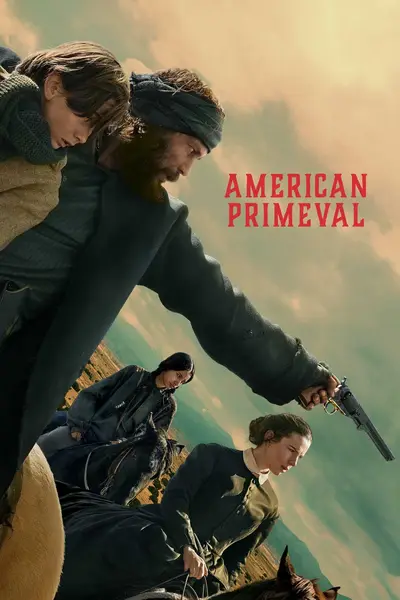
Mark L. Smith brings visceral authenticity to this unflinching portrayal of the American frontier during its most violent and transformative period. Set in 1857, "American Primeval" follows multiple characters whose paths converge in the brutal wilderness of the Utah Territory, where survival means navigating conflicts between settlers, Native tribes, and religious militias. Taylor Kitsch leads an exceptional ensemble cast in a series that refuses to romanticize the Old West, instead presenting it as a place of moral ambiguity and constant peril. The production values are stunning, with cinematography that captures both the stark beauty and the unforgiving harshness of the landscape. Smith's script doesn't shy away from the era's complexities, exploring the collision of cultures with nuance and respect. This is prestige television that earns its grimness through careful storytelling and powerful performances.
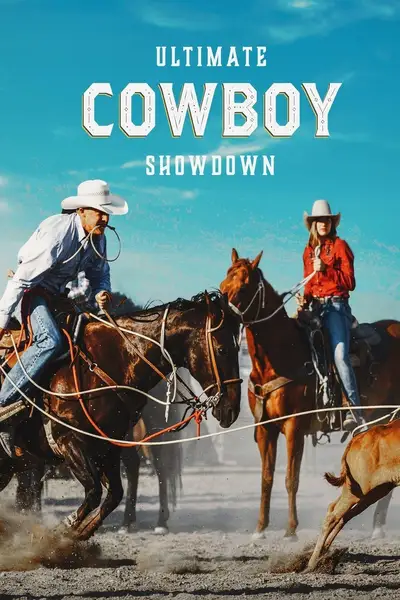
A group of experienced ranchers and rodeo professionals compete in authentic cowboy challenges for the opportunity to win a working cattle ranch in this reality competition that emphasizes genuine skills over manufactured drama. Unlike many reality shows, *Ultimate Cowboy Showdown* respects its subject matter and participants, focusing on horsemanship, livestock handling, and ranch management abilities that require years to develop. Host Trace Adkins brings credibility and warmth to the proceedings, while the competitors demonstrate impressive expertise and sportsmanship. The challenges test practical abilities essential to actual ranch work rather than contrived spectacles, giving the series educational value alongside its entertainment. The Wyoming setting provides stunning scenery, and the cinematography captures both the beauty and difficulty of cowboy life. For viewers tired of reality show cynicism, this offers refreshingly straightforward competition with high stakes and admirable skills on display.
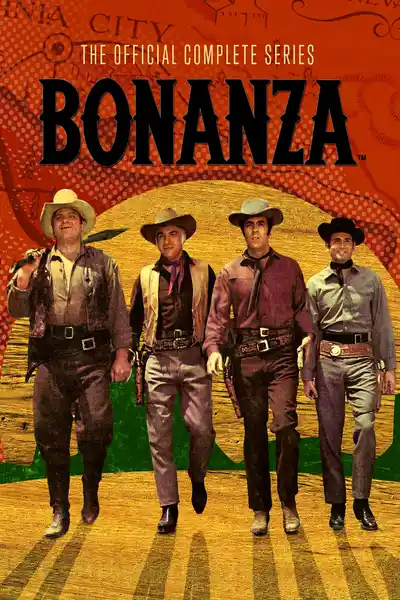
The struggle to maintain a prosperous ranch in 1860s Nevada provides the framework for this long-running Western that became one of television's most successful series. Created by David Dortort, Bonanza follows widower Ben Cartwright (Lorne Greene) and his three sons—Adam (Pernell Roberts), Hoss (Dan Blocker), and Little Joe (Michael Landon)—as they defend their Ponderosa ranch against claim jumpers, outlaws, and various threats while navigating moral dilemmas. The series distinguished itself by emphasizing family bonds and ethical questions over simple gunfights, though plenty of action remains. The episodic format means quality varies wildly across fourteen seasons and over 400 episodes, with some installments offering thoughtful commentary on prejudice and justice while others fall into Western clichés. The characters' essential decency and the show's fundamental wholesomeness feel quaint by modern standards, and the pacing drags by contemporary measures. Still, the craftsmanship and performances hold up better than expected, making it worthwhile for Western enthusiasts and television history buffs.
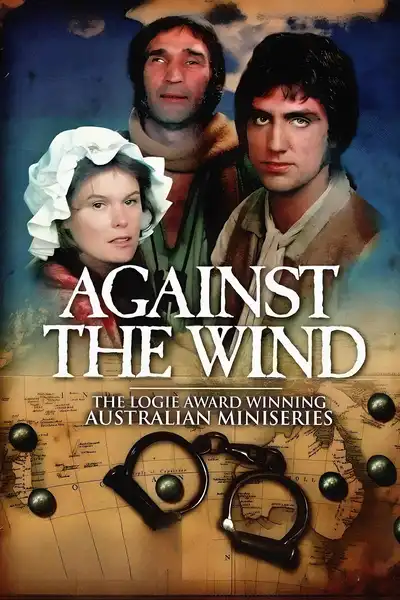
The struggle between convicts seeking redemption and the oppressive colonial system that denies them dignity drives this Australian historical drama with powerful resonance. "Against the Wind" chronicles the lives of transported Irish rebels in early 19th-century Australia, exploring how they navigate harsh conditions while maintaining hope and humanity. Created by Bronwyn Binns, the series features strong performances from Jon English and Mary Larkin as characters fighting for survival and freedom in an unforgiving landscape. The production doesn't romanticize the brutal realities of convict life, instead presenting a clear-eyed view of institutional cruelty and resistance. What elevates the series beyond standard historical drama is its attention to individual stories within the larger historical sweep, making abstract injustice painfully personal. The writing balances period authenticity with emotional accessibility, drawing viewers into circumstances that feel both distant and immediate. It's an important piece of Australian television that tackles national history with honesty and dramatic skill.
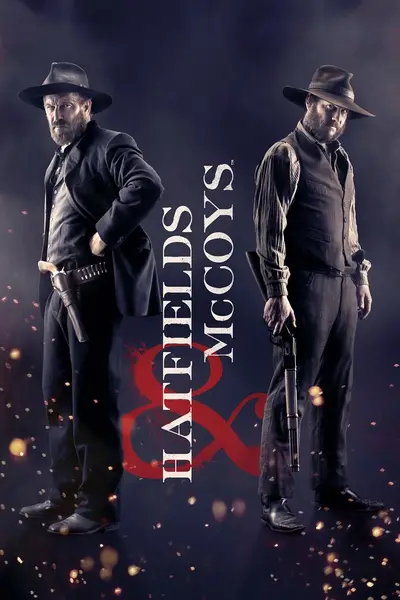
This epic miniseries delivers a gripping, unflinching portrayal of America's most infamous family feud with exceptional production values and powerhouse performances. Kevin Costner and Bill Paxton lead the ensemble as Devil Anse Hatfield and Randall McCoy, two former Civil War comrades whose clans spiral into decades of violence along the Kentucky-West Virginia border. Writer/director Kevin Reynolds crafts a sprawling narrative that explores how personal grudges, economic pressures, and cultural codes of honor can escalate into tragic bloodshed that destroys generations. The supporting cast, including Tom Berenger and Mare Winningham, brings depth to characters who could have been simple archetypes. The production captures both the harsh beauty of Appalachian terrain and the brutal reality of frontier justice. What distinguishes this from standard historical drama is its refusal to romanticize either side, showing how pride and vengeance consume everyone involved. It's compelling storytelling that feels both intimate and expansive, making three nights of viewing feel earned rather than padded.
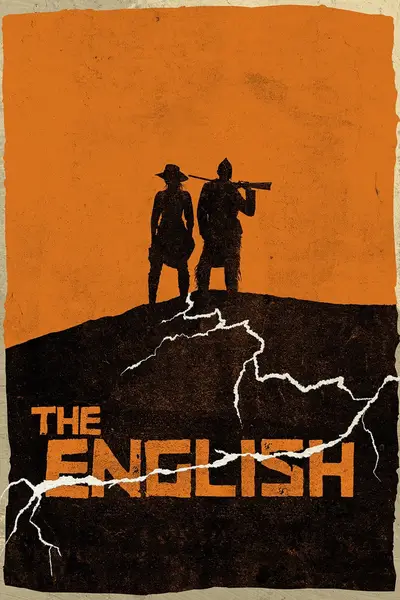
This Western revenge tale pairs Emily Blunt as an Englishwoman seeking vengeance in 1890s America with Chaske Spencer as a Pawnee scout with his own painful past. Creators Hugo Blick crafts a visually stunning meditation on trauma, justice, and unlikely connection against the brutal backdrop of the American frontier. The six-episode limited series takes its time, allowing silence and landscape to speak as loudly as dialogue. Blunt and Spencer share remarkable chemistry, and their characters' gradually deepening bond forms the emotional core of the story. The cinematography is consistently breathtaking, capturing both the stark beauty and harshness of the Plains. While the pacing may test viewers expecting constant action, those willing to surrender to its deliberate rhythm will find a rewarding, emotionally resonant journey that transcends typical genre conventions.
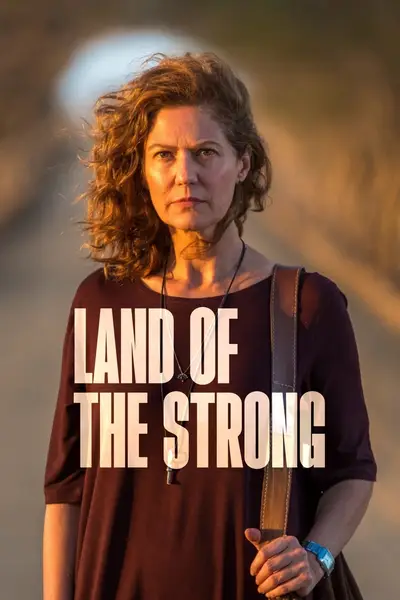
Created by Luiz Fernando Carvalho, this visually striking series explores Brazil's rural communities and the people whose lives are inseparably tied to the land they work. The narrative examines themes of survival, tradition, and resistance in the face of modernization and exploitation, centering on characters whose strength is tested by harsh realities. The cinematography captures both the beauty and brutality of rural life, creating a portrait of a Brazil often overlooked in favor of urban stories. While the pacing is deliberate and the tone sometimes heavy, the series offers a powerful meditation on what it means to belong to a place and fight for it. Carvalho's distinctive directorial vision transforms what could have been a simple rural drama into something more poetic and visually ambitious, celebrating the resilience of those who endure.
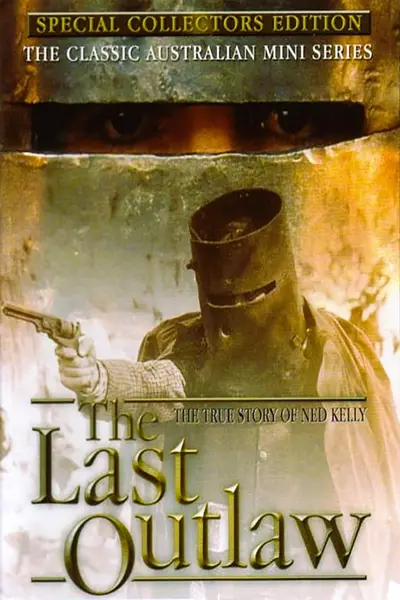
This Western miniseries delivers a compelling tale of aging outlaw Grainger, played by Charles Gray, who attempts one final robbery before retirement. The BBC production brings British sensibilities to the American frontier genre, resulting in a character study that prioritizes moral complexity over action sequences. Gray's nuanced performance captures a man grappling with his violent past while seeking redemption, supported by strong work from the ensemble cast. Director Alan Bridges maintains a deliberate pace that allows the ethical dilemmas to resonate, exploring themes of loyalty, justice, and the consequences of a life lived outside the law. The cinematography captures the harsh beauty of the frontier landscape, reinforcing the story's meditation on isolation and community. While it may test the patience of viewers seeking traditional Western thrills, those who appreciate psychological depth will find much to admire in this thoughtful take on the genre.