War Shows
When bullets fly and empires clash, the small screen transforms into an epic canvas for exploring humanity's most devastating conflicts through the lens of compelling television drama. War shows have become some of the most critically acclaimed and emotionally powerful productions in television history, transporting viewers from ancient battlefields to World War II resistance movements, from medieval conquests to modern special operations missions. These gripping series don't just depict military strategy and combat—they delve deep into the psychological toll of warfare, the bonds forged between soldiers under fire, and the ripple effects that conflict creates across societies. Whether you're drawn to historically accurate period dramas that recreate pivotal moments in military history, or prefer character-driven narratives that examine the moral complexities of armed conflict, the best war television series offer unforgettable storytelling that balances intense action with profound human drama. From groundbreaking classics that defined the genre to contemporary masterpieces leveraging cutting-edge production values, these 21 exceptional shows represent the pinnacle of war storytelling on television, honoring the sacrifice of those who served while never shying away from the brutal realities and ethical dilemmas inherent in combat.
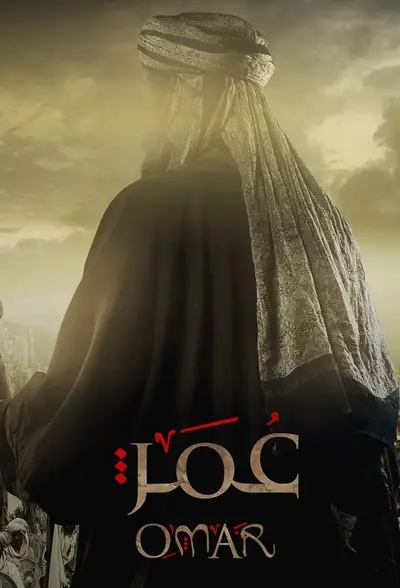
This historical drama masterfully chronicles the life of Omar Ibn Al-Khattab, one of Islam's most influential figures and the second caliph. The ambitious production spans Omar's journey from fierce opponent of the early Muslim community to becoming one of its greatest leaders and reformers. Samer Ismail delivers a commanding performance in the title role, capturing both the strength and vulnerability of a man whose decisions shaped history. The series, directed by Hatem Ali, is notable for its historical detail and scope, recreating seventh-century Arabia with impressive production values and attention to cultural authenticity. The writing balances political intrigue, military campaigns, and personal relationships while exploring themes of justice, leadership, and faith that resonate beyond its historical setting. What distinguishes this from other religious historical dramas is its willingness to present Omar as a fully human figure whose greatness emerged through struggle and growth rather than innate perfection. It's epic television that illuminates a pivotal period in Islamic history with intelligence and dramatic power.
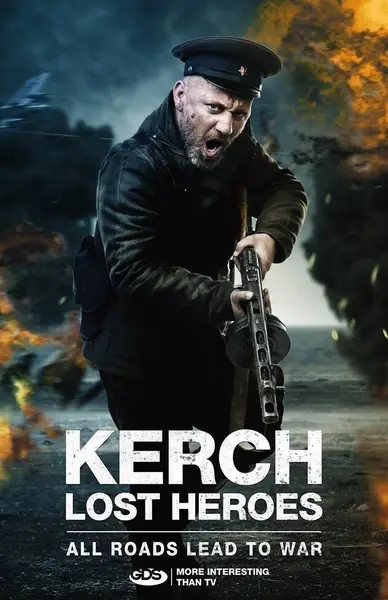
Director Alexander Galibin crafts an absolutely riveting war drama that brings a nearly forgotten chapter of World War II history into sharp, emotionally resonant focus. "Kerch: Lost Heroes" chronicles the desperate defense of the Kerch Peninsula in Crimea during 1942, where Soviet forces mounted a determined resistance against overwhelming German forces under brutal conditions. The miniseries excels at humanizing this massive historical event through its focus on individual soldiers, civilians, and commanders whose courage and sacrifice have been overshadowed by more famous battles. The production demonstrates remarkable attention to historical detail, from the authenticity of military equipment to the harrowing depiction of combat in the limestone quarries where defenders took refuge. The cast delivers powerful, unflinching performances that convey both the horror of warfare and the resilience of the human spirit. Galibin refuses to sugarcoat the tragedy while simultaneously honoring the genuine heroism on display, creating a viewing experience that is both devastating and inspiring. This is essential historical drama that deserves far wider recognition.
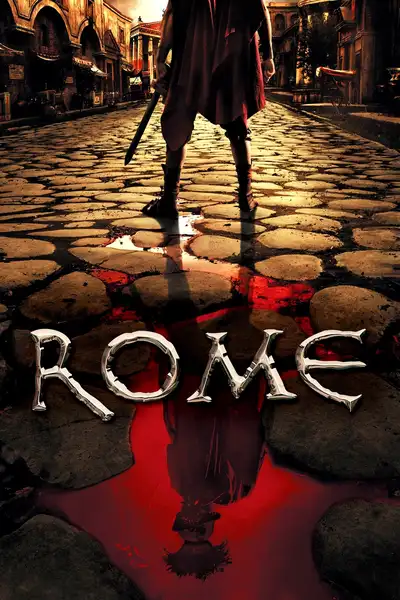
The fall of the Roman Republic provides the backdrop for this spectacular historical drama that makes ancient politics feel immediate and urgent. Created by John Milius, William J. MacDonald, and Bruno Heller, Rome follows two soldiers—Lucius Vorenus (Kevin McKiever) and Titus Pullo (Ray Stevenson)—whose lives intersect with Caesar, Pompey, Cleopatra, and other legendary figures during one of history's most tumultuous periods. The production is astonishingly lavish, recreating ancient Rome with gritty authenticity rather than Hollywood gloss, while the writing treats viewers as intelligent enough to follow complex political maneuvering. The show brilliantly balances the personal stories of ordinary Romans with epic historical events, and the performances are uniformly excellent. It's essential viewing that combines entertainment with genuine historical insight.
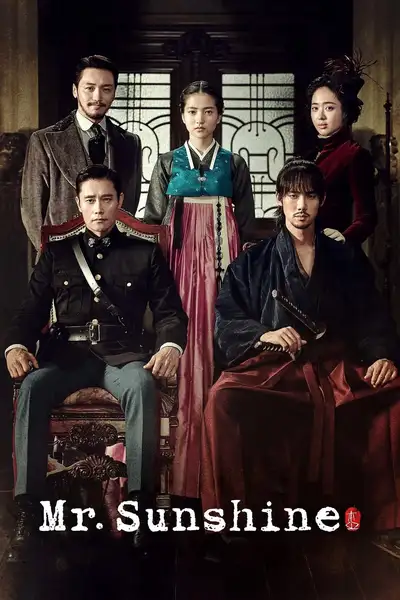
Writer Kim Eun-sook, the visionary behind "Goblin" and "Descendants of the Sun," delivers a sweeping historical epic that follows Eugene Choi, a Korean-born American Marine officer who returns to his homeland in 1902 during the tumultuous final years of the Joseon Dynasty. Lee Byung-hun gives a commanding performance as Eugene, a man caught between cultures and allegiances, while Kim Tae-ri shines as Go Ae-shin, an aristocrat secretly fighting as a righteous army sniper. The production values are absolutely cinematic, with battle sequences and period details that rival feature films, capturing early 20th century Korea as imperial powers circle like vultures. What makes this twenty-four episode series truly exceptional is how it balances intimate character drama with vast historical sweep, exploring themes of identity, colonialism, and sacrifice without losing sight of the deeply moving romance at its center. The supporting ensemble, including Yoo Yeon-seok and Byun Yo-han, brings complexity to characters on all sides of Korea's struggle for sovereignty.
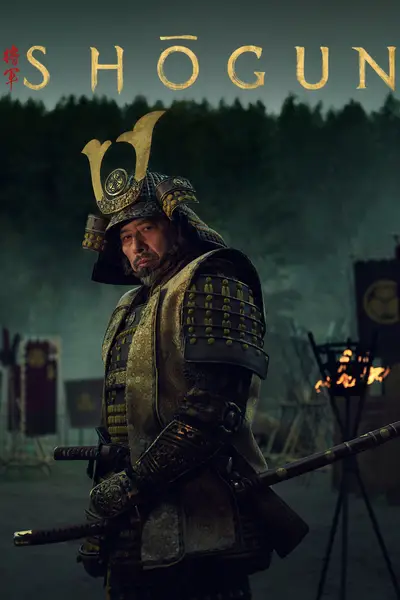
At its core, this is a story about cultural collision, power, and survival when East meets West in feudal Japan. Based on James Clavell's novel and adapted by Rachel Kondo and Justin Marks, the series follows English sailor John Blackthorne (Cosmo Jarvis) as he becomes entangled in Japanese political intrigue while the nation teeters on the brink of civil war. Hiroyuki Sanada delivers a commanding performance as Lord Toranaga, bringing gravitas and subtlety to every scene, while Anna Sawai's Mariko serves as both translator and the emotional heart of the story. The production values are film-quality, with meticulous attention to historical detail and stunning cinematography that captures both beauty and brutality. What makes this adaptation special is its commitment to authenticity—Japanese characters speak Japanese, and the show trusts its audience to engage with subtitled dialogue. It's epic television that respects its source material while feeling thoroughly modern in its execution and themes.
Radiating warmth and wit, this British drama from creator Dick Sharples celebrates the resilience of four professionals forced into early retirement who refuse to fade quietly into irrelevance. Richard Wilson, Frank Middlemass, John Meillon, and Deddie Davies star as the quartet who transform their unwanted leisure time into opportunities for adventure, mischief, and purpose. The series operates from a place of genuine affection for its characters, never treating their age as a punchline while acknowledging the frustrations and freedoms of their situation. What could have been a simple comedy instead becomes something richer—a meditation on value, contribution, and society's tendency to discard experience. The chemistry among the cast creates a lived-in feeling of genuine friendship, and the scripts balance humor with poignant moments that never tip into sentimentality. It's television made with intelligence and heart, reminding viewers that being written off by others doesn't mean writing yourself off.
The struggle to preserve identity and home across generations forms the magnificent core of Edgar Reitz's German masterwork, which chronicles the Simon family in the village of Schabbach from 1919 through 1982. This isn't merely a family saga but an epic meditation on how ordinary lives intersect with history, as characters navigate the Weimar Republic, Nazi Germany, World War II, and the postwar reconstruction. Marita Breuer's luminous performance as Maria Simon anchors eleven hours of storytelling that never feels indulgent, each episode revealing how personal choices and historical forces shape destinies. Reitz's patient, observational style creates intimacy on a grand scale, finding profound meaning in everyday rituals and quiet moments. The cinematography transforms rural Germany into something both specific and universal, making this essential viewing for anyone interested in how television can achieve genuine artistry.
This British crime drama proves that procedural television can be both entertaining and emotionally resonant. The series focuses on a specialized police unit that reopens cold cases, bringing fresh eyes to investigations that went nowhere years earlier. What sets the show apart is its willingness to explore how unsolved crimes haunt both victims' families and the officers who couldn't crack them initially. The ensemble cast, led by experienced British television veterans, brings authenticity to their roles as detectives balancing professional dedication with personal lives affected by their work. Each case unfolds with meticulous attention to investigative detail while maintaining narrative momentum. The writing respects the intelligence of its audience, offering complex mysteries that reward careful attention without becoming inaccessible. It's a thoroughly engaging series that elevated the crime drama format during its original run.

Finland's brutal fight for survival against Soviet invasion during World War II forms the gripping core of this powerful war drama based on Väinö Linna's classic novel. Directed by Aku Louhimies and featuring an exceptional ensemble cast including Eero Aho, Johannes Holopainen, and Jussi Vatanen, the series follows a machine gun company through the Continuation War from 1941 to 1944. The production doesn't flinch from depicting the horrific realities of combat, the psychological toll on soldiers, or the moral ambiguities of warfare. What elevates it beyond standard war drama is its deeply human focus—these aren't faceless heroes but flawed individuals struggling with fear, exhaustion, and the bonds of brotherhood forged in impossible circumstances. The cinematography is stunning, the battle sequences visceral, and the performances uniformly excellent. It's a sobering, masterfully crafted examination of war's impact on ordinary people.
Zhang Binbin stars as Zuo Qingci, a gentle scholar whose life becomes entangled with political intrigue and romance in this lavish period drama. The series follows his journey from idealistic young man to seasoned strategist as he navigates the treacherous waters of court politics while maintaining his moral compass. Director Huang Tianren crafts a visually stunning world of ancient China, with meticulous attention to costume design and breathtaking cinematography that brings the era to vivid life. The chemistry between Zhang and co-star Yuan Bingyan elevates what could have been standard historical fare into something genuinely compelling. The pacing occasionally drags during the middle episodes, but the stellar performances and intricate plot twists more than compensate, building to a satisfying conclusion that rewards patient viewers.
Powerful and unflinching, this British drama series created by Lavinia Warner explores the experiences of British and Australian women imprisoned in a Japanese internment camp during World War II. Starring Ann Bell, Stephanie Cole, and Stephanie Beacham among an exceptional ensemble cast, Tenko examines how these women from vastly different backgrounds forge bonds of survival under brutal conditions. The series never exploits its subject matter for mere shock value; instead, it treats these characters with dignity while honestly depicting the physical and psychological toll of captivity. The performances are uniformly excellent, with each actress bringing depth to stories of courage, sacrifice, and resilience. It's compelling historical drama that illuminates an often-overlooked aspect of WWII while exploring timeless themes of human endurance and solidarity.
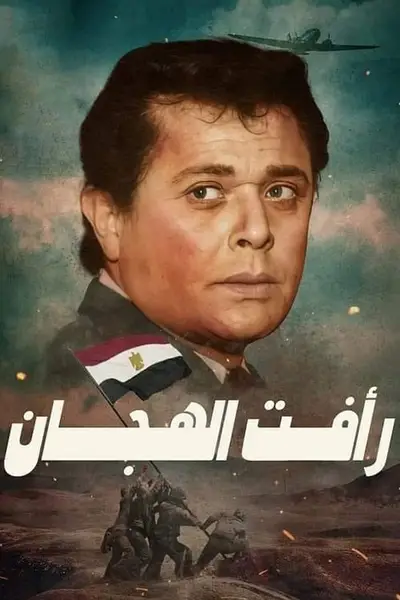
Salah Jahin and Yusuf Francis crafted this landmark Egyptian series that dramatizes the remarkable true story of Raafat Al-Haggan, who worked as a spy for Egypt while embedded deep within Israeli society. Mahmoud Abdel Aziz delivers a career-defining performance as the titular agent, capturing both the courage required for such dangerous work and the psychological toll of living a double life for decades. The series, spanning multiple seasons, meticulously chronicles his recruitment, training, and years operating under cover with a level of detail that makes the espionage feel authentic rather than sensationalized. Director Yehia El Alami maintains tension throughout while never losing sight of the human cost of intelligence work. It remains a touchstone of Arabic television drama, combining historical significance with compelling storytelling that transcends its specific cultural context.
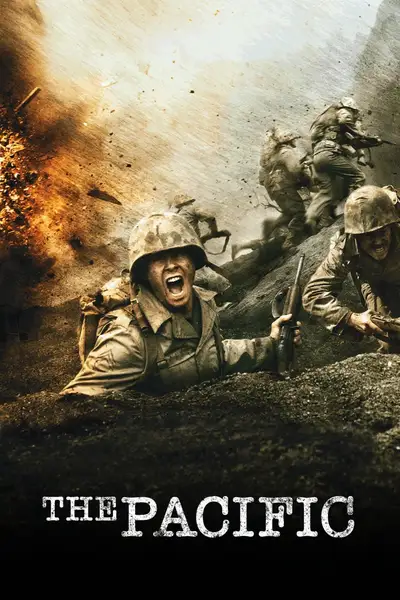
James Badge Dale leads as Robert Leckie in this World War II miniseries from Tom Hanks and Steven Spielberg that follows three Marines through the brutal Pacific Theater campaign. The production values are undeniably impressive, with authentically staged battles and period detail that immerse viewers in the island-hopping warfare. However, the series struggles with its sprawling narrative structure, jumping between multiple protagonists in a way that prevents deep emotional connection with any single character. Joseph Mazzello and Jon Seda round out the main cast, each carrying their own storylines that occasionally feel disconnected. While individual episodes contain powerful moments depicting the psychological toll of combat, the overall experience feels more educational than emotionally resonant, making it a worthwhile but uneven companion piece to Band of Brothers.
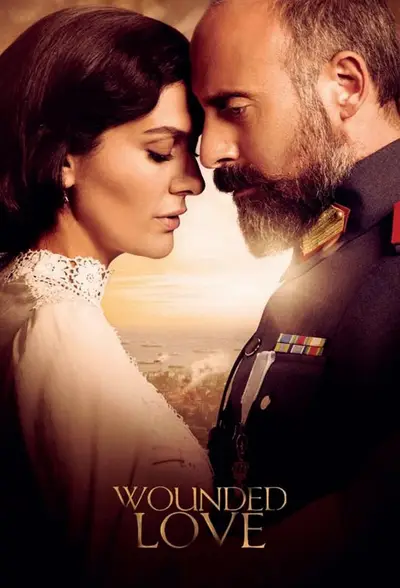
A young woman's life becomes entangled with a mysterious man harboring deep secrets and emotional scars in this Turkish romantic drama. The series weaves together themes of healing, redemption, and the transformative power of love as two damaged souls find unexpected solace in each other. The chemistry between the leads crackles with intensity, making even quiet moments feel charged with emotion. Created with gorgeous cinematography that captures both Istanbul's urban landscape and Turkey's stunning countryside, the show balances melodrama with genuine emotional depth. The supporting cast adds rich layers to the central romance, particularly through family dynamics that feel authentic and lived-in. While it follows some familiar romantic drama beats, the performances elevate the material, and the willingness to explore darker psychological territory gives the love story real stakes and complexity.
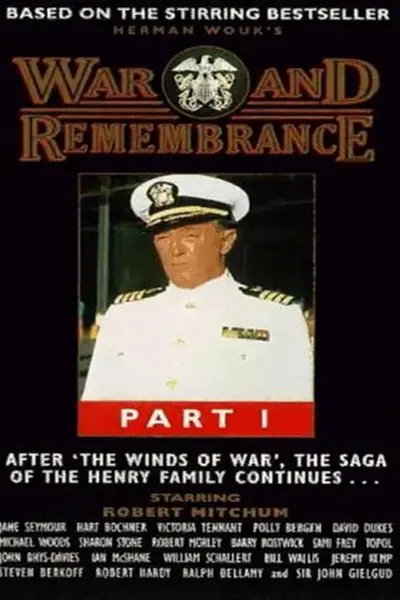
Spanning the years of World War II from multiple continents and perspectives, this ambitious miniseries adaptation of Herman Wouk's novel presents the global conflict with epic scope and intimate human detail. The production follows the interconnected Henry and Jastrow families as they experience the war's horrors and heroism from Pearl Harbor to Auschwitz to the Pacific theater. Robert Mitchum anchors the sprawling ensemble as Victor "Pug" Henry, bringing understated authority to a career naval officer navigating military and personal challenges. The series doesn't shy from depicting the Holocaust's atrocities, presenting historical tragedy with appropriate gravity. At over 30 hours, the runtime demands commitment, but the meticulous period recreation and interwoven storylines reward patient viewers with a comprehensive portrait of the war's human cost. While some romantic subplots feel soap operatic, the combat sequences and political maneuvering maintain tension throughout.
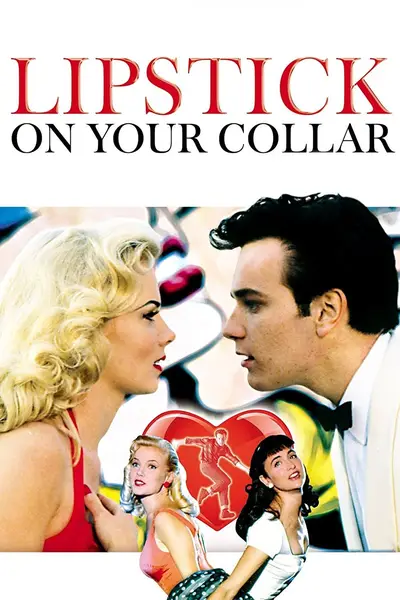
When a young clerk in 1956 London finds himself torn between his mundane military work and his vibrant fantasies of rock and roll stardom, the tension between duty and desire drives this colorful musical drama. Written by Dennis Potter and featuring Ewan McGregor in an early role, the series brilliantly contrasts the grey bureaucracy of post-war Britain with the explosive energy of American pop culture flooding across the Atlantic. McGregor and co-star Louise Germaine navigate their characters' romantic entanglement with sensitivity while the supporting cast populates the War Office with memorably eccentric personalities. Potter's signature style is on full display, with musical numbers erupting organically from everyday situations to express internal emotions. The period recreation is meticulous, and the exploration of sexual awakening and political disillusionment remains surprisingly relevant.
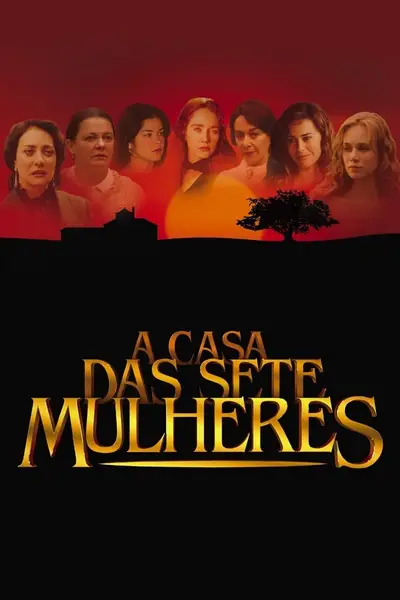
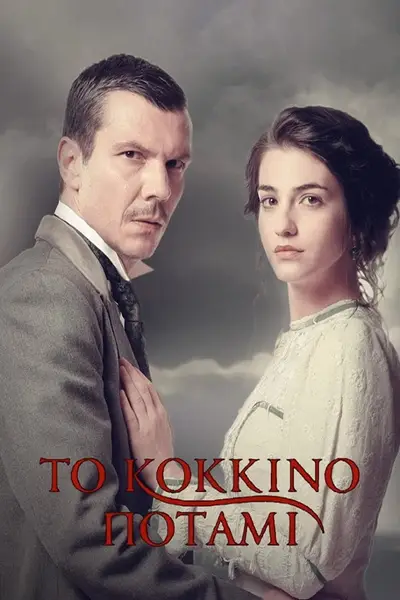
In this sweeping historical drama, seven remarkable women navigate love, war, and social upheaval across different generations of Greek history. Created by Eleni Giannakopoulou and featuring an ensemble cast led by Katerina Lehou, Anna Panagiotopoulou, and Miranda Myrat, the series weaves together multiple storylines spanning from the early 20th century through Greece's tumultuous mid-century period. The production captures both intimate family dynamics and broader historical forces with equal care, grounding major events in personal consequences. The performances are uniformly strong, with each actress bringing distinct personality to their character while contributing to the generational tapestry. While the ambitious scope occasionally means certain storylines receive less development than others, the overall effect is moving and historically resonant. For viewers who appreciate multi-generational sagas with strong female perspectives, this delivers compelling drama rooted in real historical context.
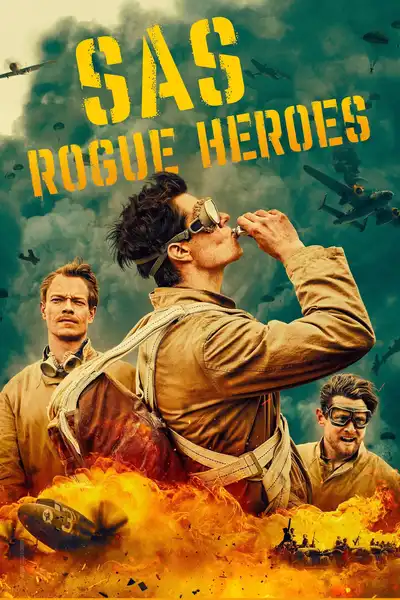
Audacious, thrilling, and surprisingly funny, SAS Rogue Heroes chronicles the formation of Britain's Special Air Service during World War II's North African campaign. Creator Steven Knight brings his signature style to this historical drama, with Connor Swindells, Jack O'Connell, and Alfie Allen leading an exceptional ensemble cast as the unconventional soldiers who invented modern special forces tactics. The series captures both the daring raids behind enemy lines and the bureaucratic battles against military establishment, showing how a group of misfits and visionaries changed warfare forever. Knight balances intense action sequences with sharp character work and unexpected humor, creating a war drama that feels fresh and vital. Dominic West adds gravitas as a commanding officer who recognizes the unit's potential. SAS Rogue Heroes stands as one of the finest period war dramas in recent years, delivering both entertainment and historical insight with remarkable confidence.
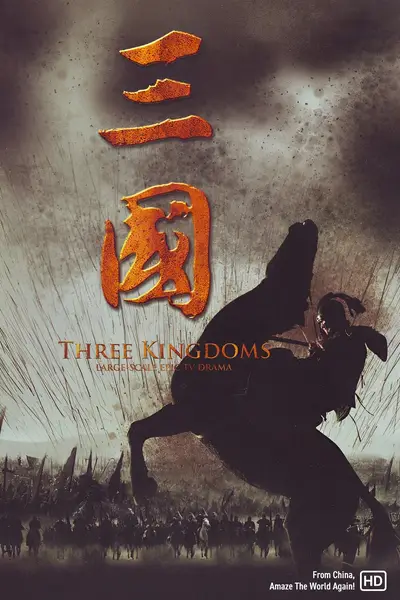
Director Gao Xixi brings one of China's most celebrated historical epics to television with impressive scope and attention to detail in this adaptation of the Romance of the Three Kingdoms. The series chronicles the tumultuous period following the fall of the Han Dynasty, when warlords battled for control of China in conflicts that would shape the nation for centuries. With 95 episodes, the production has room to explore both grand military campaigns and intimate character moments, creating a rich tapestry of political intrigue, battlefield strategy, and personal loyalty. The ensemble cast delivers nuanced performances that humanize legendary figures without diminishing their historical stature. Production design authentically recreates third-century China, from armor and weapons to architectural details. While the length demands commitment, the storytelling rewards patience with complex narratives that avoid simplistic heroism in favor of morally ambiguous realism.
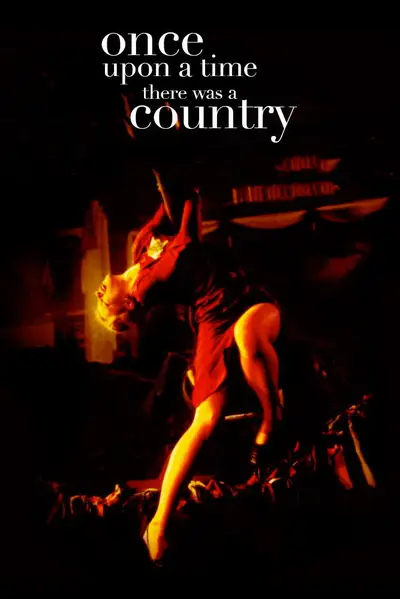
The struggle between tradition and modernity, between collective identity and individual freedom, forms the heart of this Yugoslav drama that chronicles a family's experiences through decades of political upheaval. Director Predrag Antonijević weaves personal stories against the backdrop of Yugoslavia's turbulent 20th century, with the Kovačević family serving as a microcosm for the larger national experience. Led by a remarkable performance from Bora Todorović, "Once Upon a Time There Was a Country" captures the complexity of living through historical transformation, showing how political ideology infiltrates every aspect of daily life. The series doesn't offer simple answers or clear villains, instead presenting the contradictions and compromises that ordinary people make to survive extraordinary times. Its nostalgic yet critical examination of the Yugoslav era resonates with both historical authenticity and emotional truth, creating a powerful meditation on national identity.
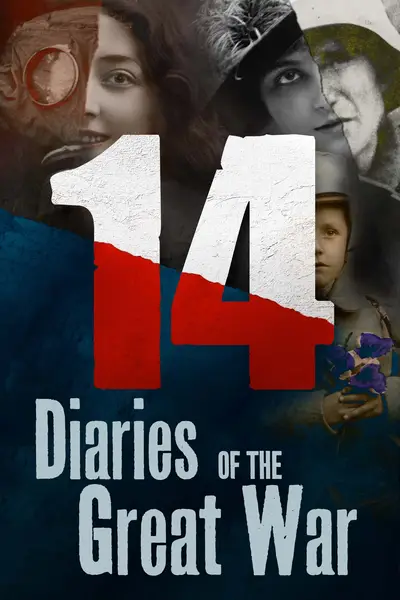
Haunting yet deeply human, this documentary-drama hybrid brings World War I to life through the intimate personal accounts of eight young people across different nations. Jan Peter and Yury Winterberg crafted something remarkable here: each episode is structured around authentic diary entries, letters, and memoirs from individuals who lived through the Great War, brought to life through compelling dramatizations and archival footage. The series doesn't glorify warfare but instead focuses on the personal experiences—fear, hope, loss, and resilience—that defined this transformative period. What makes it particularly powerful is its multinational perspective, showing how the war affected ordinary people on all sides of the conflict. The production values are excellent, with careful attention to historical detail and performances that feel genuine rather than theatrical. For anyone seeking to understand WWI beyond battle statistics and political strategies, this series offers an emotional, accessible entry point that honors the memory of those who documented their experiences.