Vampire Horror Shows
The immortal allure of vampire horror shows has captivated audiences for decades, blending supernatural terror with seductive darkness in ways that continue to evolve and enthrall. Whether you're drawn to gothic atmospheres dripping with Old World menace, pulse-pounding action featuring dhampir hunters, or psychological explorations of eternal existence and bloodlust, the small screen has proven to be the perfect medium for extended vampire storytelling. From adaptations of beloved literary classics to original series that reimagine vampire mythology for contemporary audiences, these productions showcase the incredible range of vampire horror television. Our carefully curated selection of 21 essential vampire series spans multiple decades and diverse approaches to the undead, featuring everything from romantic entanglements with centuries-old creatures to apocalyptic scenarios where vampiric plagues threaten humanity's survival. You'll discover shows that honor traditional vampire lore alongside bold reinventions that push genre boundaries, each offering unique takes on what it means to be forever cursed—or blessed—with immortality. Prepare to explore the best vampire horror shows that television has to offer, where fangs, blood, and darkness reign supreme.
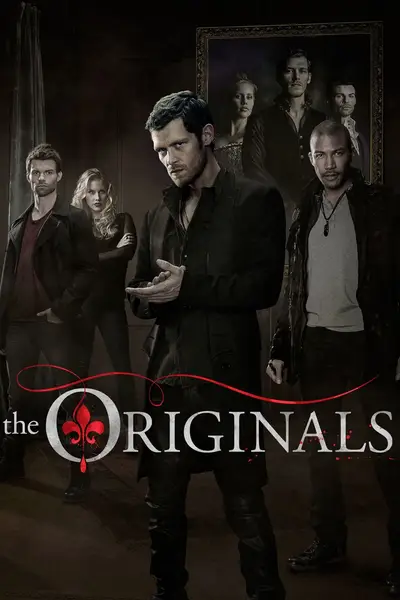
The Mikaelson siblings—the world's first vampires—relocate to New Orleans to reclaim the city they helped build centuries ago, only to discover family drama and supernatural politics have become impossibly entangled. This spin-off from *The Vampire Diaries* finds its own identity through creator Julie Plec's focus on family loyalty and the weight of immortality. Joseph Morgan, Daniel Gillies, and Phoebe Tonkin lead a cast that fully commits to the heightened emotions and baroque plotting, delivering Shakespearean family conflict amid vampire-werewolf-witch power struggles. The New Orleans setting provides atmospheric richness, and the show isn't afraid to explore the darkness of its supposedly heroic protagonists. While it requires some familiarity with its parent series, the mythology and character relationships develop enough depth to reward investment, creating an addictive supernatural saga about the bonds that transcend time.
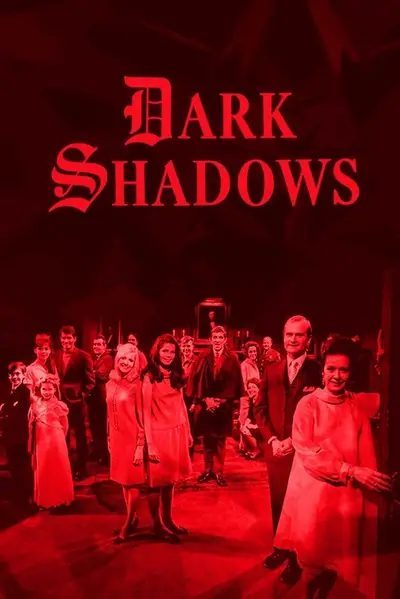
The Collins family mansion holds dark secrets that extend far beyond typical Gothic melodrama in this groundbreaking daytime soap opera that introduced supernatural elements to afternoon television. What began as a conventional family drama transformed when creator Dan Curtis brought in vampire Barnabas Collins, played with brooding intensity by Jonathan Frid, whose arrival turned the series into a cultural phenomenon. The show's willingness to embrace horror tropes—vampires, witches, werewolves, time travel, and parallel dimensions—within a soap opera framework was revolutionary for its time. While production constraints meant wobbly sets, visible boom mics, and occasional flubbed lines (the show aired live-to-tape with minimal retakes), these imperfections became part of its charm. The sprawling storylines could be convoluted, and pacing varied wildly, but the commitment to atmospheric storytelling and complex mythology created devoted fans. The ensemble cast brought surprising depth to outlandish scenarios, treating the material with sincerity that sold even the most absurd plot developments. For viewers interested in television history or Gothic storytelling, Dark Shadows remains a fascinating artifact that influenced countless supernatural dramas to come.
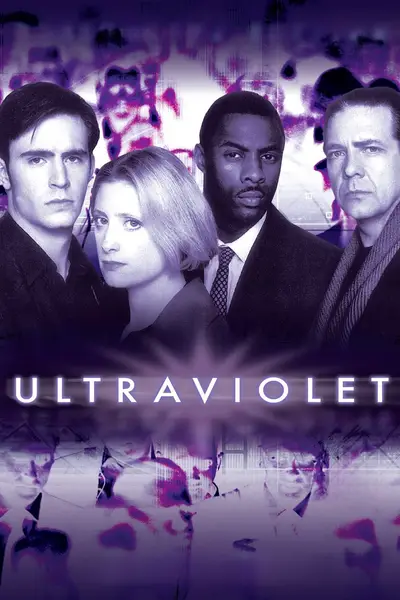
A covert government unit battles vampires in contemporary Britain, but these aren't your typical bloodsuckers—they're portrayed as a genuine threat that operates in the shadows of modern society. Created by Joe Ahearne, this British series takes a procedural approach to supernatural horror, with Jack Davenport leading the squad of investigators who use science and technology rather than crosses and holy water. The show's strength lies in its grounded tone; it treats the vampire threat seriously and explores the moral complexities of hunting beings that were once human. However, the short six-episode run feels both rushed and padded simultaneously, with some storylines receiving insufficient development while others meander. The production values are solid for late-90s British television, though they feel dated now. It's an interesting curiosity for vampire genre completists, offering a different take on familiar mythology, but it ultimately feels like unrealized potential.
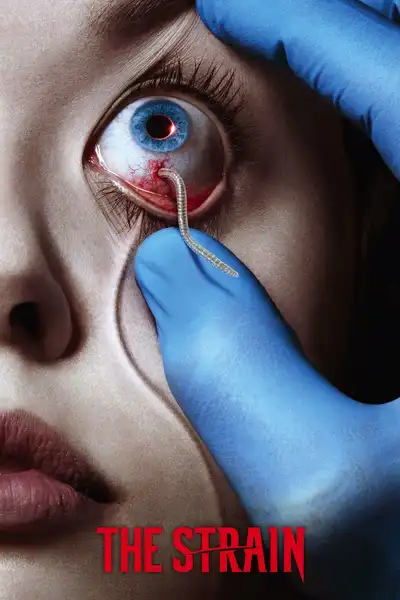
This horror-thriller from Guillermo del Toro and Chuck Hogan transforms vampire mythology into something genuinely unsettling—a viral plague that threatens human extinction. Based on their novel trilogy, the series follows CDC epidemiologist Dr. Ephraim Goodweather (Corey Stoll) and an unlikely team of fighters as they battle an ancient vampiric strain spreading through New York City. Del Toro's influence shows in the creature design; these aren't romantic bloodsuckers but parasitic monsters with disturbing biological mechanics. The show balances body horror with character drama effectively, particularly in exploring how apocalypse strains personal relationships. David Bradley shines as Abraham Setrakian, an elderly pawnbroker with a lifetime of vampire-hunting experience. While the final season stumbles somewhat, the series maintains tension throughout and isn't afraid to kill major characters. For horror fans tired of sanitized vampires, this delivers genuine scares and creative mythology.
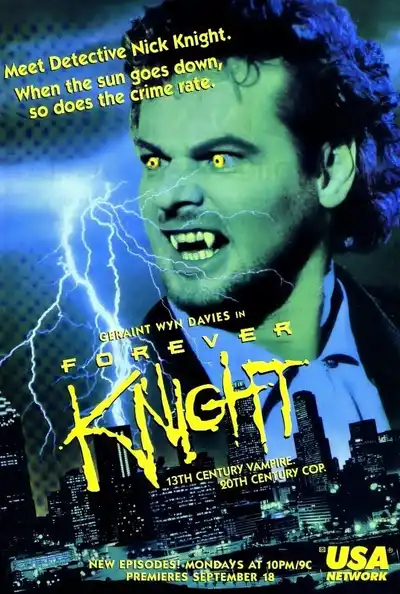
Geraint Wyn Davies stars as Nick Knight, an 800-year-old vampire working as a detective in modern-day Toronto who seeks redemption for his dark past. Created by Barney Cohen and James D. Parriott, this atmospheric series cleverly blends crime procedural elements with gothic supernatural drama, following Nick as he investigates murders by night while searching for a cure to his vampirism. The show benefits from strong chemistry between Davies and his co-stars, particularly John Kapelos as his mortal partner and Nigel Bennett as the menacing Lacroix. While the production values show their early '90s roots, the noir-tinged storytelling and compelling mythology make for engaging viewing. The flashback sequences exploring Nick's centuries-long existence add depth to the ongoing cases, creating a satisfying balance between episodic investigations and overarching character development.
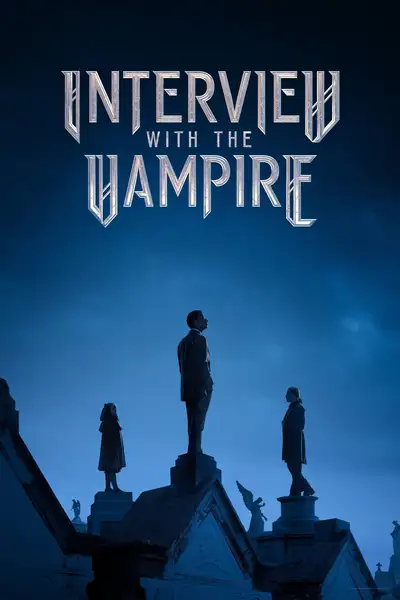
Dark, seductive, and psychologically complex, this adaptation of Anne Rice's vampire chronicles brings Gothic horror into the modern era with remarkable style. Jacob Anderson and Sam Reid deliver magnetic performances as Louis and Lestat, whose toxic, passionate relationship forms the show's electrifying core. Showrunner Rolin Jones makes bold choices in updating Rice's material, shifting the timeline and adding layers of racial and sexual identity that deepen the original narrative. The framing device of an older Louis recounting his story to journalist Daniel Molloy (Eric Bogdaniel) adds intriguing questions about memory and truth. While some purists may debate the changes to Rice's beloved novels, the series creates its own compelling vision, rich with atmosphere and anchored by powerful performances. Interview with the Vampire succeeds as both a prestige horror drama and a thoughtful exploration of power, memory, and monstrosity.
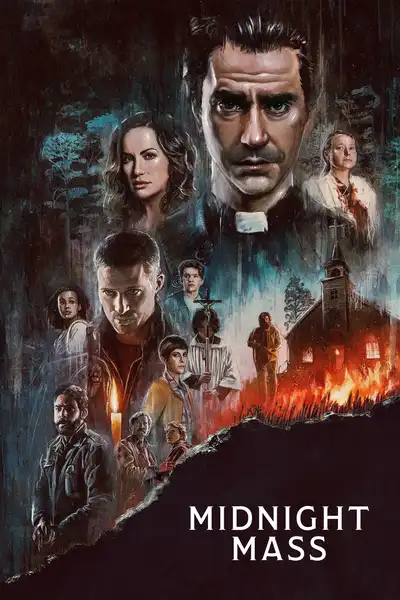
Mike Flanagan brings his gothic sensibilities to an isolated island community whose faith is tested by the arrival of a charismatic young priest. The director's trademark style—long monologues, atmospheric dread, slow-burn storytelling—is fully on display here, which will either mesmerize or frustrate depending on your tolerance for deliberate pacing. Zach Gilford and Kate Siegel anchor the ensemble cast, and the performances commit fully to the material's heady themes about belief, mortality, and community. The series offers genuinely unsettling horror imagery and ambitious philosophical exploration, though it frequently gets tangled in its own verbosity. When Flanagan trusts his visuals and actors, the show soars; when characters deliver thesis statements disguised as dialogue, it stalls. There's compelling television here, but it requires patience with its more indulgent impulses.
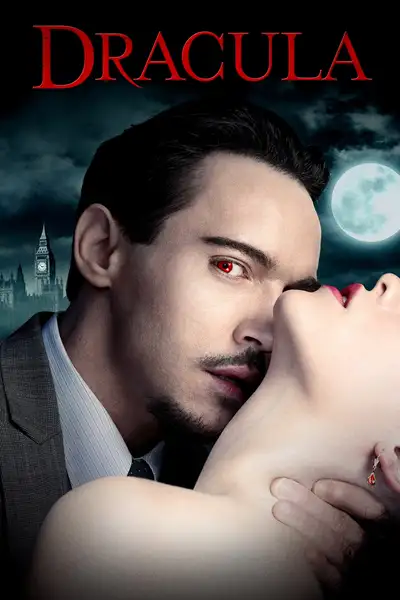
Dark, seductive, and deliciously Gothic, this reimagining of the Dracula legend transplants the infamous vampire into modern-day London with stylish results. Jonathan Rhys Meyers stars as Alexander Grayson, the immortal count disguised as an American entrepreneur seeking revenge against the secret society that destroyed his previous life. Created by Cole Haddon, the series blends Victorian sensibilities with contemporary intrigue, adding steampunk elements and corporate warfare to the familiar vampire mythology. The production design is sumptuous, with period costumes and atmospheric cinematography creating a visually striking world. While it takes significant liberties with Bram Stoker's source material, the show offers enough brooding romance and supernatural scheming to satisfy genre fans. Meyers brings intensity to the role, though the series sometimes struggles to balance its various plot threads. It's not groundbreaking television, but for those craving a moody vampire drama with decent production values, this version offers an entertaining if somewhat uneven experience.
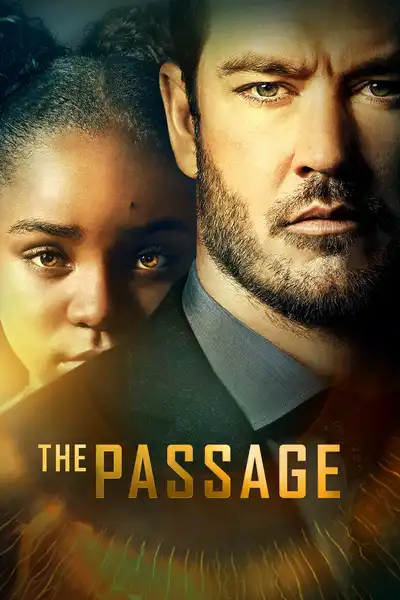
Thematically, this is a story about humanity's desperate search for salvation through science and the catastrophic consequences of playing god. Based on Justin Cronin's post-apocalyptic vampire trilogy, the series follows a government experiment to create super-soldiers that instead unleashes a viral outbreak threatening to destroy civilization. The cast includes Mark-Paul Gosselaar as an FBI agent and Saniyya Sidney as a young girl who may hold the cure, both delivering solid performances in a narrative that jumps between conspiracy thriller and post-apocalyptic horror. Executive produced by Ridley Scott and developed by Liz Heldens, the show has impressive production values and establishes an intriguing mythology. However, it struggles to maintain momentum, with tonal shifts that don't always cohere and too many storylines competing for attention. The series was canceled after one season, leaving numerous threads unresolved, which makes it a frustrating watch despite its ambitious scope and occasional thrilling moments.
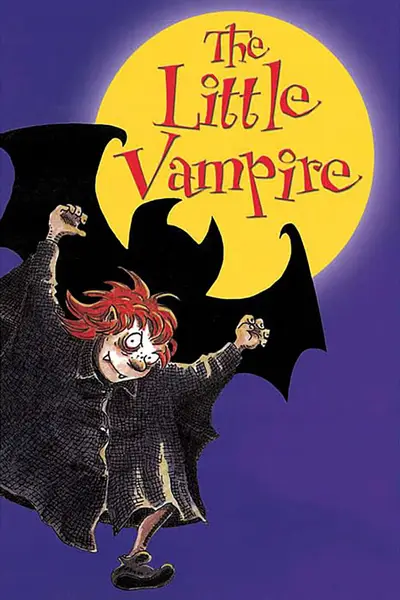
Set in a world where vampires and humans occasionally cross paths, this German animated series from the 1980s follows the adventures of young vampire Rüdiger von Schlotterstein and his unlikely friendship with a human boy. Created by Amelie von Klix and based on Angela Sommer-Bodenburg's beloved books, the show captures the charm of the original stories while adding visual personality through its distinctive animation style. The premise centers on the complications that arise when vampires try to maintain their nocturnal lifestyle while navigating friendships, family expectations, and the occasional vampire hunter. The tone remains light and child-friendly throughout, focusing more on adventure and humor than genuine scares. While the animation certainly shows its age by today's standards, there's a nostalgic appeal to its European sensibility and the way it approaches vampire mythology through a younger lens.
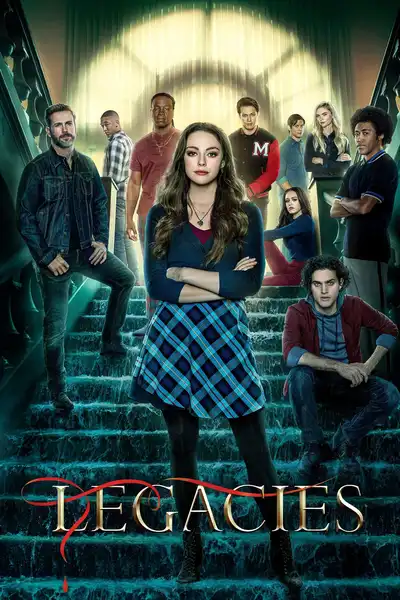
Light-hearted supernatural drama dominates this Vampire Diaries spinoff, which follows Hope Mikaelson—a tribrid of vampire, werewolf, and witch—as she attends the Salvatore School for the Young and Gifted alongside other supernatural teens. Created by Julie Plec, the series starring Danielle Rose Russell leans heavily into monster-of-the-week storytelling, with creatures from Malivore threatening the students in increasingly creative ways. The show has an undeniable charm and the young cast brings enthusiasm to their roles, making it easy viewing for fans of the franchise. However, it never quite escapes the shadow of its predecessors, and the tonal inconsistency—bouncing between teen melodrama, comedy, and darker supernatural threats—can be jarring. The mythology becomes convoluted as seasons progress, and character development sometimes takes a backseat to introducing new magical creatures. It's perfectly serviceable for those seeking teen-focused supernatural content, but it lacks the urgency that made the original series appointment viewing.
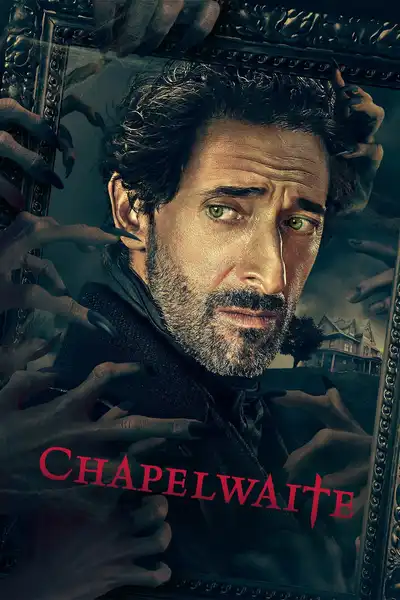
Gothic horror meets family drama in this Stephen King adaptation that struggles to balance its literary ambitions with genre expectations. Adrien Brody stars as Captain Charles Boone, who relocates his family to his ancestral home in 1850s Maine after his wife's tragic death, only to discover dark secrets lurking within Chapelwaite's walls. The series benefits from Brody's committed performance and genuinely atmospheric cinematography that captures the bleakness of the setting. However, the pacing suffers from uneven writing that stretches a relatively simple story across ten episodes. Emily Hampshire provides solid support as the resourceful governess, though her character deserved more development. The horror elements work best when they're subtle—creeping dread rather than jump scares—but the show occasionally fumbles its own mythology. Based on King's short story "Jerusalem's Lot," it takes considerable liberties that don't always improve upon the source material. There's enough here to satisfy dedicated King fans, but it never quite achieves the unsettling power it reaches for.
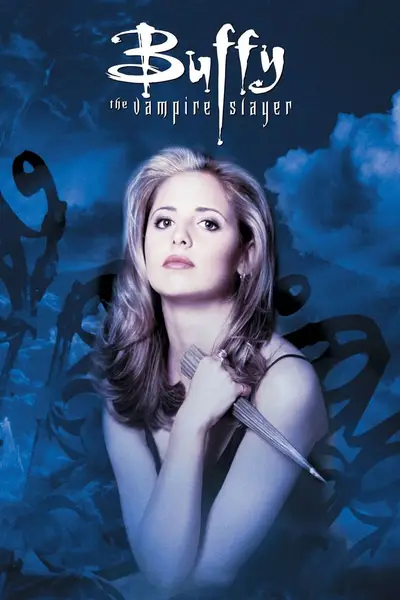
Sarah Michelle Gellar plays Buffy Summers, a teenage girl chosen to battle vampires and demons while navigating high school in the cursed town of Sunnydale. Creator Joss Whedon's series became a cultural phenomenon in its time, blending horror, comedy, and metaphorical monsters representing adolescent anxieties. The show's influence on television storytelling is undeniable, and episodes like "Once More, With Feeling" and "Hush" demonstrate genuine creative ambition. However, viewing it now reveals significant issues with pacing, especially in early seasons where monster-of-the-week episodes feel dated. The cast—including Alyson Hannigan, Nicholas Brendon, and Anthony Stewart Head—developed strong chemistry, but the show's treatment of certain relationships and its tonal inconsistencies haven't aged well. There's worthy material here, particularly in later seasons exploring darker themes, but it requires patience with '90s television conventions and an understanding of its historical context.
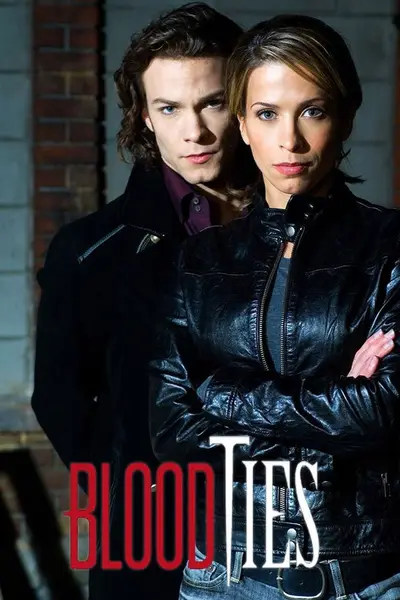
A private investigator discovers her ex-boyfriend is actually a vampire and becomes entangled in the supernatural underworld of Toronto while maintaining her career solving earthly crimes. Christina Cox stars as Vicki Nelson, a former homicide detective, opposite Dylan Neal as the immortal Henry Fitzroy, creating a dynamic that balances procedural investigation with paranormal intrigue. Based on Tanya Huff's novels, the series effectively blends crime-of-the-week storytelling with a gradually unfolding mythology about vampire politics and supernatural threats. The chemistry between the leads carries much of the show's appeal, and while the special effects can feel dated, the writing manages to keep both the investigative and romantic elements engaging without letting either overshadow the other.
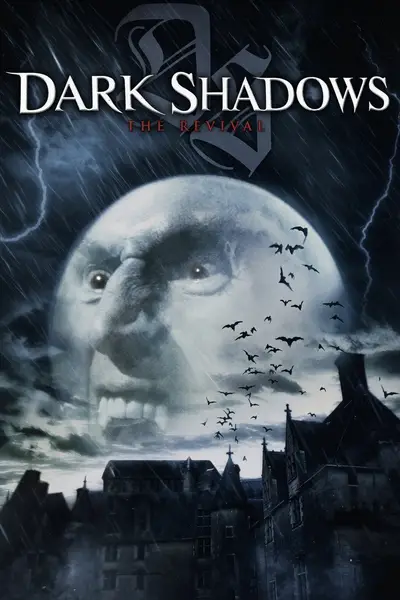
Ben Cross brings brooding intensity to Barnabas Collins in this atmospheric revival of the Gothic soap opera classic. When the mysterious vampire returns to his ancestral home of Collinwood in 1991, he encounters a dysfunctional family plagued by supernatural forces and dark secrets. Created by Dan Curtis, who also produced the original 1960s series, this short-lived NBC version maintains the campy charm while updating the production values for a new generation. Cross captures the tragic romanticism of the cursed protagonist, supported by a capable ensemble cast including Joanna Going and Barbara Steele. While it only lasted twelve episodes before cancellation, the series delivers genuine Gothic atmosphere with foggy graveyards, candlelit mansions, and plenty of melodramatic encounters. Fans of supernatural period pieces will appreciate its commitment to the source material's eerie, old-fashioned sensibility.
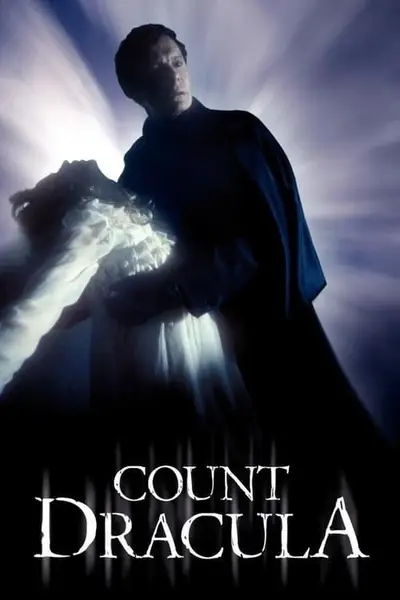
Atmospheric and surprisingly faithful, this BBC adaptation of Bram Stoker's novel stands as one of the more respectful screen treatments of the vampire classic. Louis Jourdan brings aristocratic menace to the title role, playing Dracula as seductive and cultured rather than purely monstrous, while Frank Finlay's Van Helsing provides intellectual gravitas to counter the supernatural threat. Director Philip Saville works within the constraints of late-1970s television to create genuine Gothic dread, using shadow and suggestion effectively when explicit horror isn't possible. The 150-minute production takes time to develop characters and build atmosphere, following Stoker's epistolary structure more closely than most adaptations. While the pacing feels deliberate by modern standards and some effects show their age, the production's commitment to the source material and strong performances make it worthwhile for fans of classic Gothic horror. It captures the novel's Victorian anxieties about sexuality, foreign corruption, and modernity with intelligence.
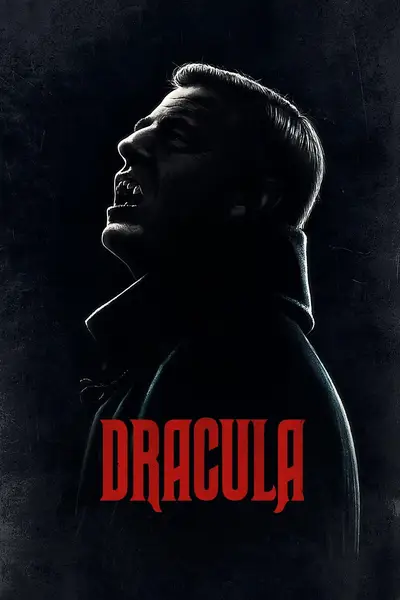
Ambitious but uneven, this three-episode reimagining from Mark Gatiss and Steven Moffat attempts to bring fresh perspective to Bram Stoker's immortal vampire through a clever structure that moves from Transylvania to contemporary London. Claes Bang delivers a charismatic, darkly witty Count Dracula who dominates every scene, playing the vampire as sophisticated predator with mordant humor and unsettling charm. The first two episodes showcase the creative team's storytelling inventiveness, particularly a claustrophobic bottle episode aboard the Demeter that generates genuine suspense. However, the modern-day final episode feels rushed and conceptually underdeveloped, introducing interesting ideas about immortality and adaptation without fully exploring them. Dolly Wells provides strong support as the Van Helsing descendent, but the series struggles to justify its timeline jump or stick its landing. The production values and performances deserve better than the inconsistent execution, making this a frustrating near-miss that entertains without fully satisfying.
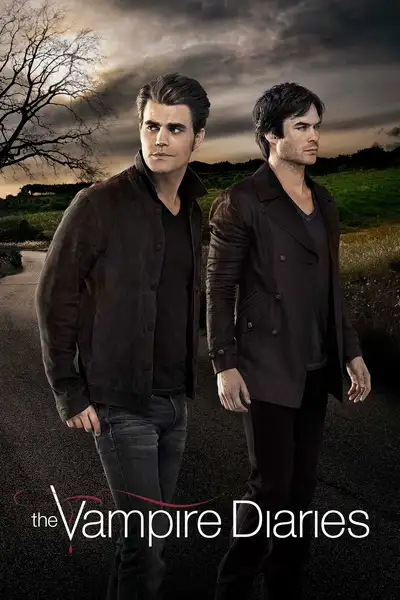
The battle between vampires, werewolves, witches, and humans in the small town of Mystic Falls drives this supernatural drama that transforms teenage love triangles into matters of life and death. Created by Kevin Williamson and Julie Plec based on L.J. Smith's novels, the series stars Nina Dobrev as Elena Gilbert, who finds herself caught between vampire brothers Stefan (Paul Wesley) and Damon Salvatore (Ian Somerhalder). What begins as fairly standard CW fare evolves into something more ambitious, with mythology that deepens considerably as the show progresses. The series isn't afraid to kill off major characters or completely upend its status quo, keeping viewers genuinely uncertain about where the story is headed. The supporting cast, including Kat Graham and Candice King, gets substantial development beyond their initial roles. While the romantic entanglements can become exhausting and the plot occasionally collapses under its own complexity, the show maintains emotional stakes that elevate it above typical teen supernatural drama. It's addictive viewing that rewards investment in its increasingly elaborate lore.
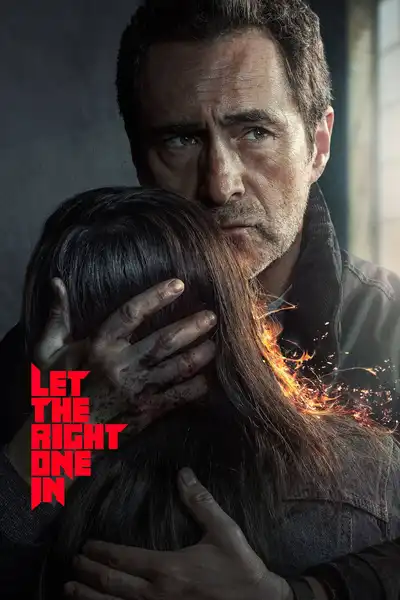
Demián Bichir delivers a heartbreaking performance as Mark Kane, a desperate father protecting his daughter Eleanor—who happens to be a vampire—in this atmospheric adaptation of John Ajvide Lindqvist's novel. Showrunner Andrew Hinderaker relocates the story to contemporary New York City, where Mark must procure blood for his child while searching for a cure and evading those who would destroy her. Anika Noni Rose co-stars as a police detective investigating a series of murders, while young Madison Taylor Baez brings both innocence and otherworldliness to Eleanor. The series emphasizes the emotional horror of Mark's impossible situation over gore, creating a moody, melancholic tone that distinguishes it from typical vampire fare. The parent-child relationship anchors the narrative effectively, and the production design captures both urban grit and gothic shadows. While pacing issues occasionally slow momentum, the show's commitment to character-driven horror and its exploration of how far love can push us into darkness make it a worthy addition to the vampire genre.
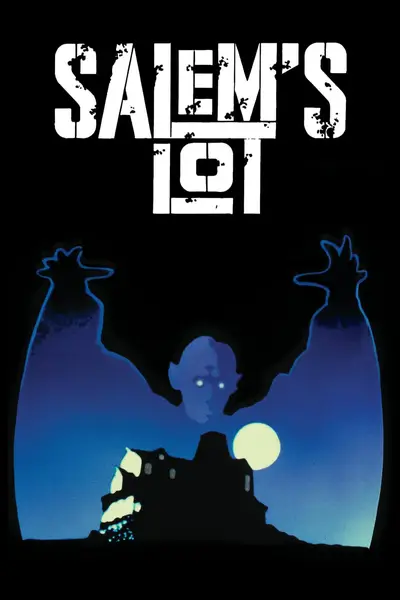
This horror miniseries adaptation of Stephen King's vampire novel remains one of the most faithful and atmospheric translations of his work to the small screen. Directed by Tobe Hooper and starring David Soul as Ben Mears, a writer who returns to his childhood hometown only to discover it's being overtaken by an ancient vampire, the two-part production effectively builds creeping dread. James Mason brings sinister elegance to the role of Richard Straker, while the undead Kurt Barlow remains genuinely frightening decades later. The made-for-TV constraints mean limited gore, but Hooper compensates with unsettling imagery and patient tension-building that recalls his work on The Texas Chain Saw Massacre. Some effects have aged, and the pacing occasionally drags, but the core scares remain effective. It captures the small-town paranoia and supernatural menace of King's novel better than many bigger-budget adaptations, making it worthwhile for horror fans willing to accept its 1970s television aesthetic.
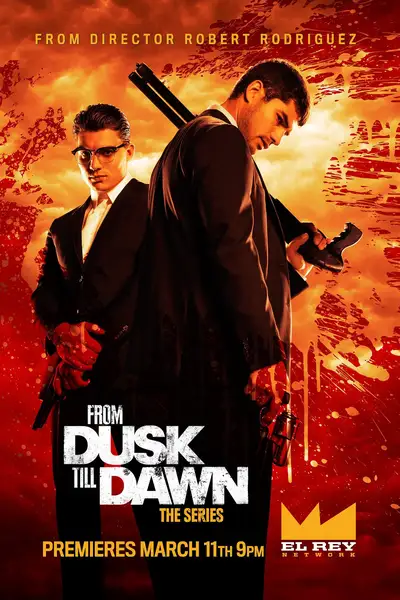
Set along the Texas-Mexico border, this series expansion of Robert Rodriguez's cult classic film trades the original's concentrated mayhem for a broader mythological canvas. D.J. Cotrona and Zane Holtz step into the roles of the Gecko brothers—criminal antiheroes who stumble into a vampire-infested underworld while fleeing from the law. Rodriguez serves as showrunner and frequent director, stretching the film's one-night stand into a season-long exploration of Mesoamerican mythology and cartel politics. The extended format allows for deeper character development, particularly in its exploration of the Fuller family's crisis of faith, though the pacing occasionally sags under the weight of its expanded ambitions. What the series does exceptionally well is maintain the original's practical effects aesthetic while building out a richer supernatural lore, making this a worthy companion piece that stands on its own merits.