Urban Adventure Shows
The concrete jungle becomes the ultimate playground in the most electrifying urban adventure shows that transform city streets into stages for heroic action and gripping crime drama. From towering skyscrapers to shadowy alleyways, these metropolitan thrill rides capture the pulse of city life where masked vigilantes, elite tactical units, and unexpected heroes emerge from the urban landscape to battle crime and corruption. Whether you're drawn to tokusatsu warriors defending their neighborhoods, street-level superheroes swinging between buildings, or specialized police forces navigating the dangerous underbelly of sprawling metropolises, this curated selection of 20 shows delivers non-stop excitement against backdrops of iconic cityscapes. Spanning decades of television from genre-defining classics to cutting-edge contemporary series, these urban action shows prove that the most compelling adventures don't require distant galaxies or fantasy realms—sometimes the greatest stories unfold on the very streets we walk every day. Get ready to experience the city like never before through tales of courage, justice, and adrenaline-pumping action where every corner holds potential danger and every rooftop offers a new perspective on what it means to be a hero in the modern world.
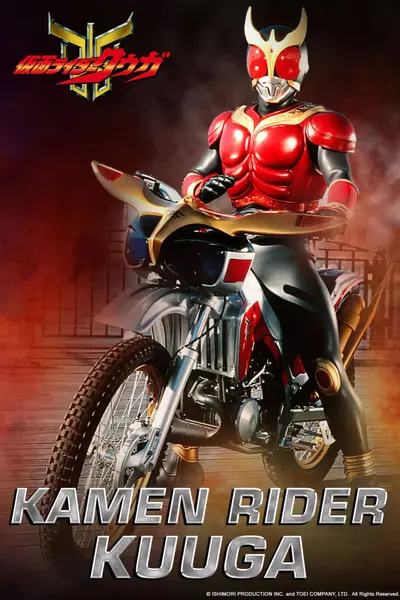
An ancient evil awakens when mysterious Gurongi beings begin targeting humans in a horrifying game, forcing archaeologist Yusuke Godai to bond with an ancient power and become the legendary warrior Kuuga. This landmark entry in the Kamen Rider franchise, produced by Toei and airing from 2000-2001, revolutionized the long-running series with a more grounded, dramatic approach that respected its audience's intelligence. Odagiri Joe delivers a compelling performance as Godai, whose genuine heroism and compassion set him apart from typical tokusatsu protagonists. The series develops its mythology thoughtfully across its episodes, building tension while exploring themes of violence, sacrifice, and what it truly means to protect others. The practical effects and suit designs remain impressive, and the action sequences balance spectacle with emotional stakes. Kuuga set a new standard for the genre and remains influential.
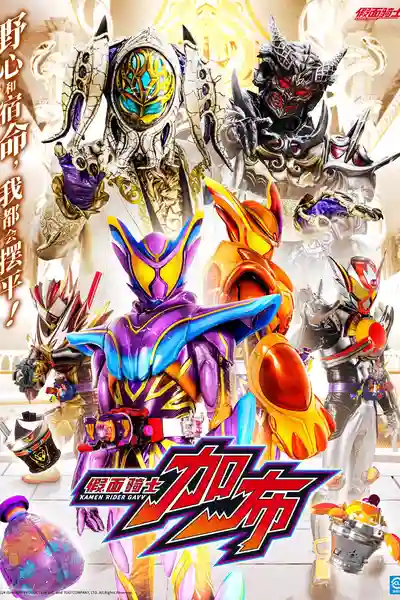
Takahito Ōmori developed this latest entry in the Kamen Rider franchise, and it's a delightfully creative addition that showcases everything that makes the series endure. The story follows Shouma Stomach, a young man who transforms into Kamen Rider Gavv using candy-themed powers to battle monsters while searching for his missing mother. What could have been a silly gimmick instead becomes genuinely inventive, with confectionery motifs integrated cleverly into both the suit designs and combat choreography. Lead actor Hidekazu Chinen brings earnest charm to Shouma, making his personal journey emotionally resonant amid the fantastical action. The show balances episodic monster battles with an engaging serialized narrative that rewards regular viewing. Production values are excellent, with practical effects and CGI blending seamlessly to create memorable action sequences. The writing team finds surprising depth in exploring themes of family, identity, and belonging without ever losing sight of the fun inherent in the premise. It's Kamen Rider firing on all cylinders—imaginative, heartfelt, and thoroughly entertaining.
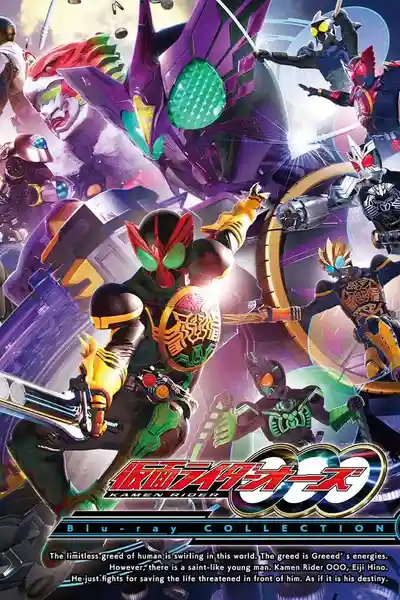
A mysterious hand passes out magical medals that allow a wandering greeter named Eiji Hino to transform into the insect-like Kamen Rider OOO, fighting ancient monsters called Greeed who seek to complete themselves by collecting Core Medals. This 2010 installment in the long-running tokusatsu franchise starring Shu Watanabe tries to balance its coin-collecting gimmick with deeper themes about desire and what it means to be human, though results vary wildly from episode to episode. When the show focuses on character relationships—particularly the odd-couple dynamic between Eiji and his Greeed companion Ankh—it finds genuine heart. However, the monster-of-the-week format often feels repetitive, and the medal combination system, while initially novel, becomes more confusing than exciting as the series progresses. Fans of the Kamen Rider franchise will find enough to appreciate here, but newcomers might struggle with its uneven pacing.

Literature comes alive through the imagination of an adventurous Jack Russell terrier in this educational series that introduced a generation of children to classic stories and their cultural contexts. Each episode features Wishbone, voiced by Larry Brantley and portrayed by the canine actor Soccer, inserting himself into famous literary works—from "The Odyssey" to "Frankenstein"—while paralleling those adventures with challenges his young owner Joe and friends face in their contemporary Texas neighborhood. Created by Rick Duffield, the show's dual-narrative structure cleverly makes classic literature accessible without dumbing it down, though the contemporary storylines sometimes feel thin by comparison. The production quality is respectable for mid-90s PBS fare, with the literary segments showing genuine effort to recreate period details despite budget limitations. It's earnest and undeniably wholesome, perhaps too much so for viewers seeking edge, but it achieved its educational mission with enough charm that former young viewers remember it fondly, even if it doesn't hold up as essential viewing for adults.

In this series, thirteen Kamen Riders must battle each other in a deadly tournament, with each victory bringing them closer to having their wish granted by mysterious forces. Created by Yasuko Kobayashi, Kamen Rider Ryuki marked a darker turn for the long-running franchise, introducing moral ambiguity and genuine consequences to the typically heroic tokusatsu formula. Takamasa Suga plays Shinji Kido, an idealistic journalist who becomes Ryuki and struggles with the tournament's brutal premise, refusing to accept that someone must die for him to win. The Mirror World concept—where Riders battle in a parallel dimension—provides impressive action sequences and creative monster designs, though special effects quality varies depending on the episode's budget allocation. The serialized narrative allows for character development unusual in the genre, though pacing issues and repetitive fight scenes in the middle stretch test viewer patience. It's an ambitious entry that doesn't fully succeed in balancing its grim premise with the franchise's need for merchandise-friendly heroes, but remains interesting for its willingness to experiment.
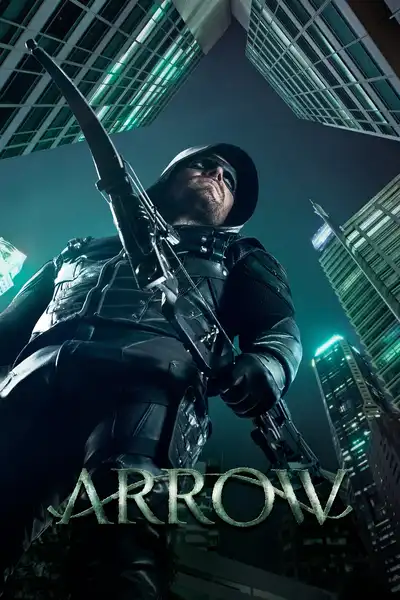
When billionaire playboy Oliver Queen returns home after five years stranded on a hostile island, he brings back skills and secrets that will transform him into his city's greatest protector. Stephen Amell brings intense physicality to the role of Oliver Queen/Green Arrow, anchoring this series created by Greg Berlanti, Marc Guggenheim, and Andrew Kreisberg. The show successfully translates DC Comics mythology into a grounded, gritty world where vigilante justice comes with real consequences. The early seasons balance flashbacks to Oliver's island ordeal with present-day crusades against corrupt businessmen and criminals, creating a compelling dual narrative. Emily Bett Rickards and David Ramsey provide strong support as Felicity and Diggle, forming a team that feels genuine rather than manufactured. While later seasons occasionally stumble with convoluted plotting, the core emotional journey remains engaging. The show's influence on the Arrowverse cannot be understated, launching an interconnected universe that dominated CW programming for years.
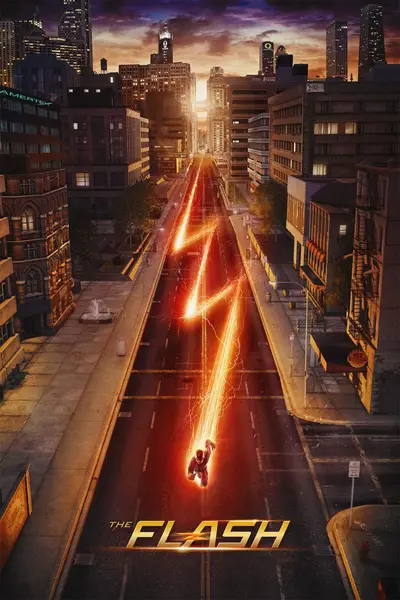
Greg Berlanti, Andrew Kreisberg, and Geoff Johns brought DC's Scarlet Speedster to television with Grant Gustin as Barry Allen, a forensic scientist who gains super-speed after a particle accelerator explosion. The series embraces its comic book origins wholeheartedly, delivering earnest superhero action alongside melodramatic relationship dynamics and increasingly complex multiverse storylines. Gustin brings genuine warmth to Barry, making him one of the more likable heroes in the Arrowverse despite the character's tendency toward self-doubt and poor decision-making. The supporting cast, including Candice Patton, Danielle Panabaker, and Tom Cavanagh in multiple roles, keeps the emotional stakes grounded even when the plot ventures into time travel paradoxes. The show's special effects are impressive for network television, though the constant reliance on villain-of-the-week speedsters can feel formulaic. When it focuses on the found family dynamic of Team Flash, the series works best. It's an energetic, often fun superhero show that occasionally gets lost in its own convoluted mythology.
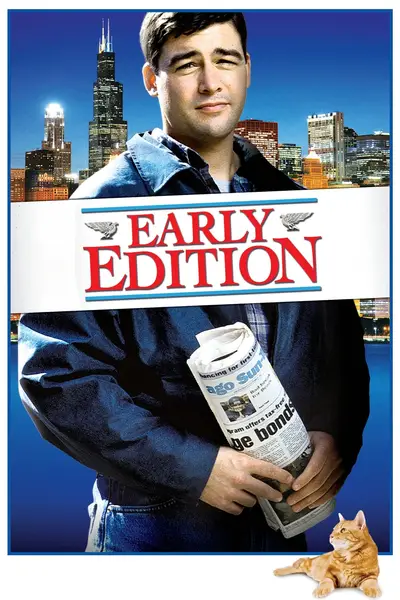
Kyle Chandler plays Gary Hobson, a Chicago stockbroker whose life takes a bizarre turn when he begins receiving tomorrow's newspaper today, forcing him to decide whether to profit from or prevent the events he reads about. The premise offers fertile ground for moral dilemmas and heroic interventions, and the show mines it reasonably well across its four-season run. Chandler brings everyman likability to a character who could easily become sanctimonious, and his chemistry with supporting players Fisher Stevens and Shanésia Davis-Williams grounds the fantastical concept. Created by Ian Abrams, Vik Rubenfeld, and Patrick Q. Page, the series works best when it focuses on intimate, character-driven stories rather than attempting grand conspiracies. The episodic format becomes predictable—Gary reads paper, Gary tries to save someone, complications ensue—but individual installments vary enough in quality to maintain interest. The show's earnest optimism feels somewhat dated now, though there's something comforting about a hero whose only superpower is advance information and good intentions. It never quite fulfilled its potential to explore deeper questions about free will and responsibility, settling instead for pleasant procedural storytelling.
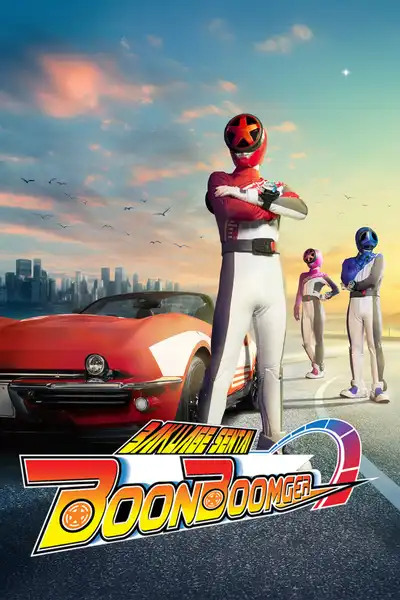
From the creators of the long-running Super Sentai franchise comes this colorful entry featuring a team of heroes who transform into race car-themed warriors to battle interdimensional threats. The series follows the established formula of the tokusatsu genre: a diverse team, transformation sequences, monster-of-the-week battles, and an overarching villain conspiracy. The automotive theme allows for creative vehicle designs and racing-inspired action sequences that younger viewers will likely enjoy. As with most Sentai series, the tone is energetic and aimed squarely at children, with straightforward moral lessons and broad humor. The practical effects and suit work maintain the franchise's traditional aesthetic, which will either feel charmingly retro or dated depending on your perspective. Adult viewers coming to it without nostalgia may find it simplistic, while franchise fans will appreciate the familiar rhythms and spectacle. It delivers exactly what the genre promises without pushing boundaries or surprising anyone familiar with Sentai conventions.
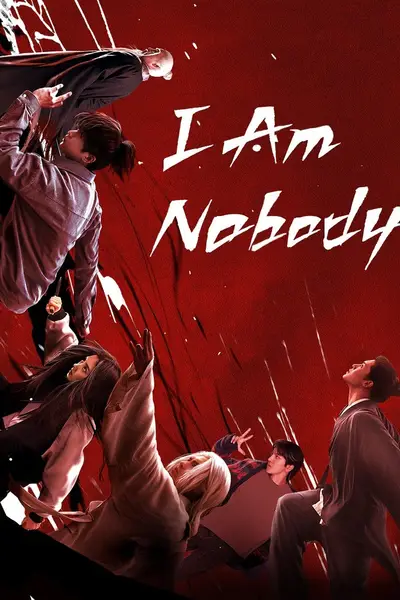
Set against the bustling backdrop of contemporary urban China, this intriguing drama follows an ordinary man thrust into extraordinary circumstances when he witnesses a crime that powerful forces want buried. Created by Wang Wei and starring Wan Qian and Wang Yanhui, the series effectively captures the paranoia and moral complexity of trying to do the right thing in a system designed to protect the powerful. The cinematography makes excellent use of the city's architecture, turning familiar spaces into claustrophobic mazes where danger lurks around every corner. Wang Yanhui delivers a nuanced performance as a protagonist who must reconcile his desire for a quiet life with his conscience. The pacing is deliberate but purposeful, building tension methodically while developing its characters beyond simple archetypes. The show doesn't shy away from uncomfortable questions about complicity and courage, treating its audience with intelligence and respect throughout.
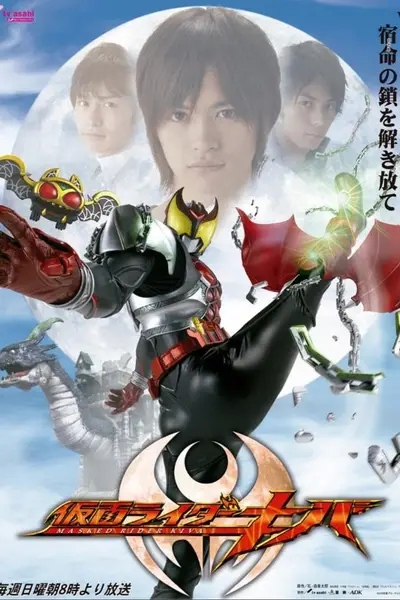
In 2008 Japan, a young violin maker discovers his connection to a legacy of monsters and vampire hunters, splitting his life between the present day and 1986 as he battles the Fangire race threatening humanity. Kōji Seto plays dual roles as Wataru Kurenai and his father Otoya, creating an unusual narrative structure where past and present storylines run parallel throughout the series. This 22nd entry in the Kamen Rider franchise leans heavily into gothic horror aesthetics and musical themes, with violin performances and classical music motifs woven throughout. Producer Shinichiro Shirakura brings baroque visual style to the tokusatsu format, though the dramatic tone shifts—from romantic tragedy to rubber-suit monster battles—don't always mesh smoothly. The serialized storytelling is more ambitious than some Rider series, with genuine emotional stakes in both timelines, but the execution can feel overwrought. For franchise fans, it's a distinctive entry that takes risks; for newcomers, the tonal whiplash and genre conventions may prove challenging.
Shinji Tōdō stars as Takuya Yamashiro, a young motorcyclist who gains spider powers and a giant robot to battle the evil Iron Cross Army in this wildly inventive Japanese tokusatsu adaptation that bears little resemblance to its Marvel Comics source material. Created by Toei Company under license from Marvel, the series transforms Spider-Man into something uniquely Japanese, complete with a massive mecha called Leopardon that Spidey summons to fight monster-of-the-week villains. The show's willingness to completely reimagine the character results in something simultaneously baffling and entertaining for Western audiences familiar with the webslinger's traditional adventures. Production values are typical of 1970s tokusatsu—meaning practical effects, rubber monsters, and enthusiastic overacting—which gives the series a charming, campy quality. While purists might object to the radical changes, the show succeeds on its own terms as colorful superhero action entertainment, and its influence on Super Sentai and Power Rangers franchises is undeniable.
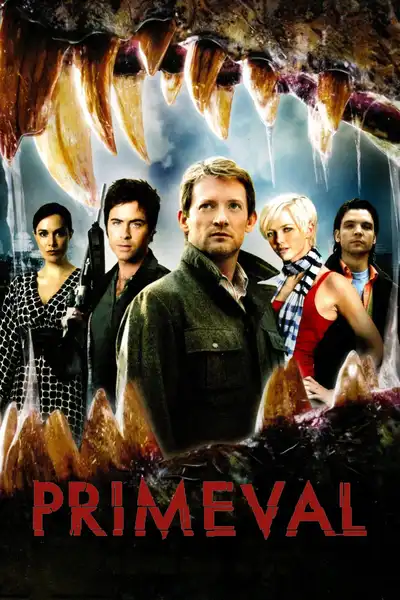
Douglas Henshall plays Professor Nick Cutter, a paleontologist who discovers temporal anomalies allowing prehistoric creatures to emerge into modern-day Britain in this science fiction adventure series. Created by Adrian Hodges and Tim Haines, the show follows Cutter and his team—including scientists, students, and eventually military personnel—as they investigate these anomalies and deal with the dangerous animals coming through them. The premise offers plenty of creature-feature excitement, with dinosaurs and other prehistoric beasts wreaking havoc in contemporary settings. The special effects are hit-or-miss, sometimes impressive for television and sometimes noticeably budget-constrained. The human drama involving Cutter's missing wife and the mysteries surrounding the anomalies adds intrigue beyond the monster-of-the-week format. However, the characterization can be thin, and the plotting occasionally feels repetitive. When it leans into its pulpy adventure roots, the show is entertaining enough, though it never quite reaches its full potential.
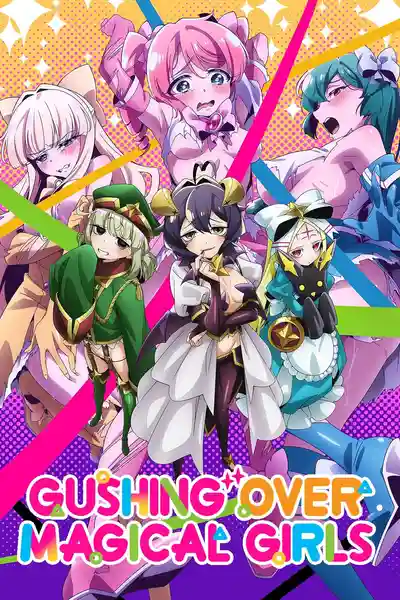
This magical girl anime takes a decidedly adult twist when devoted fan Utena Hiiragi gains powers and discovers her admiration for magical girls has unexpected dimensions. Based on Akihiro Ononaka's manga and produced by Asahi Production, "Gushing Over Magical Girls" ventures into provocative territory that will appeal to specific audiences while alienating others through its sexually charged content and subversive approach to typically wholesome genre conventions. The series commits fully to its transgressive premise, following Utena as she becomes a villain opposing the magical girls she obsesses over, with battles that blur lines between combat and fetishistic fantasy. Voice actress Fūka Izumi brings enthusiasm to Utena's conflicted character, and the animation quality remains consistent throughout. However, the fanservice-heavy approach and dubious consent dynamics in several scenes will prove deeply uncomfortable for many viewers, even those generally tolerant of adult anime content. The show occasionally raises interesting questions about desire and fandom but mostly prioritizes titillation over substantive exploration. It knows its niche audience and serves them specifically, but requires significant content warnings and won't appeal beyond that narrow demographic.
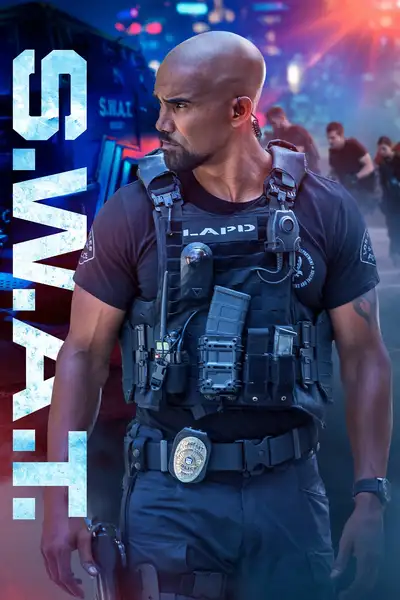
Shawn Ryan and Aaron Rahsaan Thomas bring gritty authenticity to this reboot following a Los Angeles SWAT team led by Daniel "Hondo" Harrelson, played with commanding presence by Shemar Moore. The series balances high-octane tactical operations with thoughtful exploration of community policing, racial tensions, and the complexities of law enforcement in contemporary America. While it's fundamentally a procedural with familiar case-of-the-week structures, the show distinguishes itself through its ensemble cast—including Stephanie Sigman, Alex Russell, and Jay Harrington—who develop genuine chemistry as a team. The action sequences are well-choreographed and satisfying, delivering the adrenaline rushes you'd expect from the premise. The series doesn't shy away from social issues, though its handling of police reform topics occasionally feels simplistic. Still, it succeeds as entertaining action television that makes some effort to engage with real-world concerns without becoming preachy. Solid comfort viewing for procedural fans who appreciate some substance with their action.
Exuberant, colorful, and delightfully earnest, this phenomenon launched an entire franchise by combining Japanese tokusatsu footage with American-filmed sequences featuring teenagers with attitude. Created by Haim Saban and Shuki Levy, the series follows five high school students recruited by the sage Zordon to defend Earth from the evil Rita Repulsa and her monsters. The formula proves endlessly repeatable: personal conflicts, moral lessons, martial arts action, giant monster battles, and piloting massive combining robots called Zords. While the acting ranges from charmingly wooden to surprisingly competent, and the dialogue often skews heavily didactic, there's an infectious joy to the proceedings that transcends its low-budget origins. The original cast—including Austin St. John, Amy Jo Johnson, and David Yost—brings genuine camaraderie to their roles, making the friendships feel authentic despite the campy dialogue. For nostalgic millennials or parents introducing kids to superhero team dynamics, this remains an entertaining time capsule.
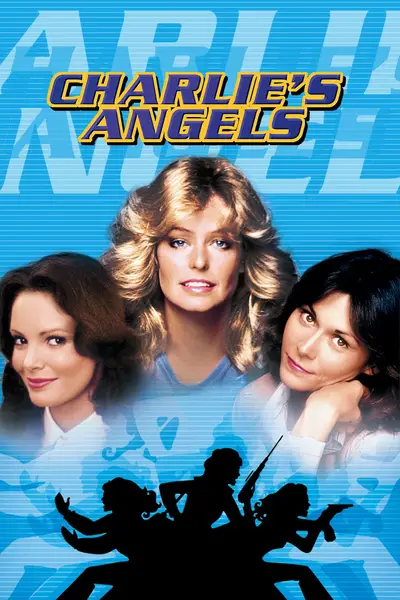
This action-adventure series defined an era of television with its perfect blend of crime-fighting thrills, glamorous style, and female empowerment. Created by Ivan Goff and Ben Roberts, the show follows three talented women—played initially by Kate Jackson, Farrah Fawcett, and Jaclyn Smith—who work as private investigators for the mysterious Charlie Townsend, heard only through a speakerphone. The series struck a chord with audiences by presenting capable, intelligent women who could handle themselves in dangerous situations while maintaining an undeniable sense of style. While some episodes lean heavily on the era's aesthetic and attitudes, the core concept remains engaging, with the Angels solving cases through wit, skill, and teamwork. The show's cultural impact cannot be overstated, and despite its dated moments, it still delivers entertaining escapism with genuine charm.
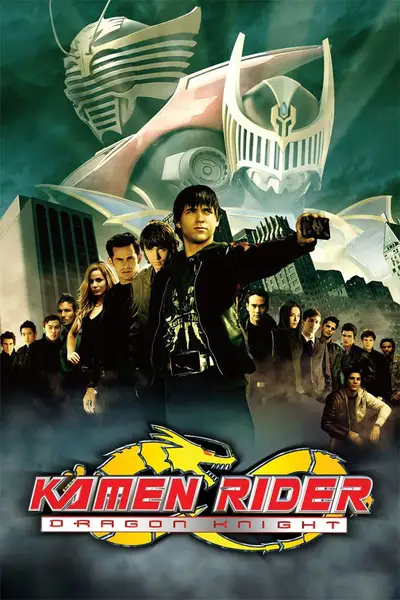
Darker and more serious than typical Saturday morning fare, this American adaptation of the Japanese tokusatsu franchise attempts to bring legitimacy to the Power Rangers-adjacent genre with mixed results. Matt Mullins stars as Kit Taylor, an ordinary guy drawn into an interdimensional conflict where chosen warriors use special decks to transform into armored riders. Created for The CW's 4Kids block, the series aims for a more mature tone with actual consequences and character development, which represents an admirable departure from purely episodic kids' programming. The production values are respectable given the constraints, and the fight choreography shows genuine effort. However, the dramatic aspirations sometimes clash awkwardly with the inherent silliness of the premise, resulting in uneven tonal shifts. Die-hard Kamen Rider fans may appreciate the attempt to honor the source material, but the series struggles to find an audience between nostalgic adults and younger viewers.
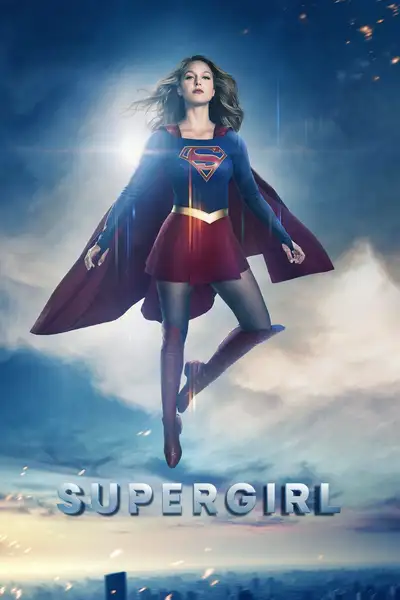
Greg Berlanti and Ali Adler adapted Superman's cousin for television in this series that struggles to balance its earnest optimism with increasingly convoluted plotting and uneven character development. Melissa Benoist brings charm and sincerity to Kara Danvers/Supergirl, particularly in early seasons where the show finds success in exploring what it means to step out of a famous relative's shadow while forging your own heroic identity. The supporting cast, including Chyler Leigh as Kara's sister Alex and Mehcad Brooks as James Olsen, provides strong foundation work when the scripts allow. However, the series becomes progressively weighed down by Arrowverse crossover obligations and a tendency toward preachy dialogue that undermines its genuinely progressive intentions. The action sequences remain competent if never particularly innovative, and certain seasons deliver compelling emotional arcs, but the show too often defaults to repetitive relationship drama and villain-of-the-week stories that fail to capitalize on the rich mythology available. It has its moments, but rarely achieves the heights its premise promises.

Post-apocalyptic science fiction meets gender politics in this adaptation of Brian K. Vaughan's acclaimed comic series about a world where a mysterious plague kills every mammal with a Y chromosome—except for amateur escape artist Yorick Brown and his pet monkey. Ben Schnetzer stars as Yorick, with Diane Lane as his mother, now the President of the United States, and Ashley Romans as Agent 355, tasked with protecting possibly the last man on Earth. Showrunner Eliza Clark attempts to explore how society would reorganize itself in the aftermath of such a catastrophic event, examining power structures, survival, and hope. The premise is inherently compelling, and the cast commits fully to the material. However, the execution struggles with pacing issues and tonal inconsistencies that undermine the more interesting thematic elements. Some episodes successfully grapple with the premise's complexities, while others feel sluggish or lose narrative focus. It's an ambitious adaptation that doesn't quite capture the comic's energy or fully realize its own potential.
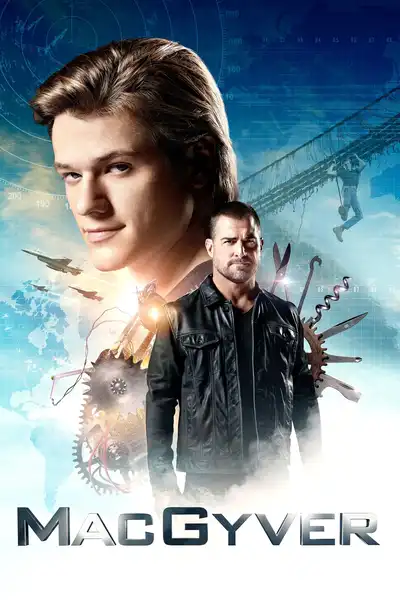
This reboot attempts to modernize the classic problem-solving hero for contemporary audiences, exploring themes of ingenuity and teamwork in an age of high-tech espionage. Lucas Till steps into the iconic role previously inhabited by Richard Dean Anderson, bringing youthful energy to the resourceful secret agent who eschews guns for improvised solutions. Created by Peter M. Lenkov, the series updates the premise with current technology and faster pacing, though it sometimes loses the original's distinctive charm in favor of generic action beats. The supporting cast, including George Eads and Tristin Mays, adds dimension to what could have been a one-man show. While the creative MacGyverisms remain entertaining—watching him escape danger with duct tape and chemistry knowledge never gets old—the series struggles to distinguish itself in a crowded action-TV landscape. It's competent entertainment that occasionally captures the spirit of its predecessor but rarely exceeds it.