True Crime Shows
From notorious serial killers to complex criminal conspiracies, true crime shows have become one of the most captivating genres in television, offering viewers an unforgettable journey into the darkest corners of real-life criminal cases. These gripping docuseries and dramatizations bring actual murders, mysteries, and criminal investigations to life through meticulous research, compelling narratives, and access to never-before-seen evidence. Whether you're fascinated by cold cases that haunted investigators for decades, intrigued by the psychology of notorious criminals, or drawn to stories of wrongful convictions and justice system failures, the best true crime shows deliver edge-of-your-seat entertainment rooted in authentic events. Featuring interviews with witnesses, family members, detectives, and sometimes even the perpetrators themselves, these productions span from classic investigative series to cutting-edge modern releases that utilize advanced forensic techniques and fresh perspectives. Each show peels back layers of deception, examines the evidence with forensic precision, and explores the real human impact behind headline-grabbing crimes that captivated audiences worldwide. Get ready to dive deep into riveting criminal cases that blur the line between documentary filmmaking and suspenseful storytelling.
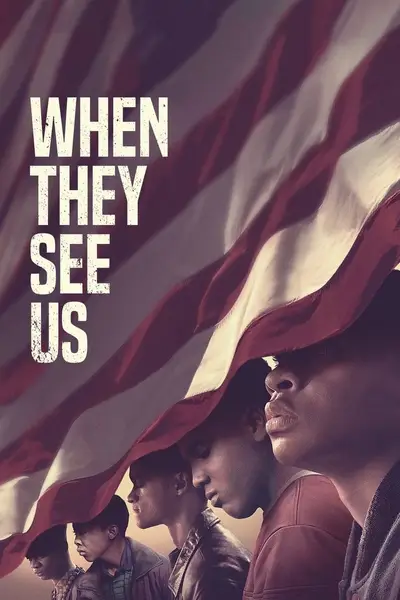
Asante Blackk delivers a devastating performance as Kevin Richardson in this searing limited series that chronicles the wrongful conviction of five Harlem teenagers in the infamous Central Park jogger case. Ava DuVernay masterfully directs this four-part drama that spans decades, tracing the lives of the Exonerated Five from their coerced confessions in 1989 through their eventual exoneration. The ensemble cast, including Jharrel Jerome in an Emmy-winning turn as Korey Wise, brings profound humanity to this miscarriage of justice. Each episode focuses on different members of the group, revealing how their youth was stolen by a criminal justice system fueled by racial bias and public hysteria. This is essential viewing that transforms tragedy into powerful testament, honoring these men's resilience while indicting the institutions that failed them so catastrophically.
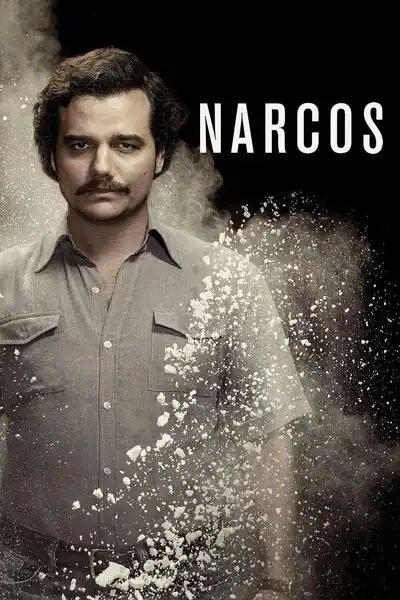
The rise and fall of Colombian drug lord Pablo Escobar provides the framework for this crime drama that delivers strong performances but struggles with uneven pacing. Creator Chris Brockman crafts a narco-thriller that stars Wagner Moura as the infamous kingpin, with Boyd Holbrook and Pedro Pascal as DEA agents pursuing him through 1980s Colombia. The documentary-style narration from Holbrook's character provides historical context, though it sometimes feels like a crutch when the drama should speak for itself. Moura's transformation into Escobar is genuinely impressive, capturing both the charm and ruthlessness that made him such a complex figure. However, the show occasionally glamorizes the violence it's depicting, and certain storylines meander when they should propel forward. The production values are solid and the Colombian locations add authenticity, but the series works better in bursts than as a sustained binge.
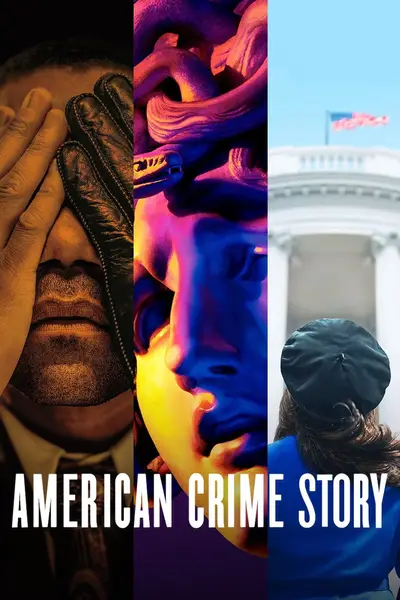
Dark, meticulous, and utterly gripping, this anthology series from Ryan Murphy transforms true crime into prestige television that respects both its subjects and its audience. Each season tackles a different high-profile American case, beginning with the O.J. Simpson trial and featuring powerhouse performances from Sarah Paulson, Sterling K. Brown, Cuba Gooding Jr., and Courtney B. Vance. What sets the show apart is its commitment to exploring the cultural and social contexts surrounding these crimes rather than simply sensationalizing them. The production values are exceptional, with period-perfect details and sophisticated direction that creates mounting tension even when you know the outcome. While some seasons are stronger than others, the series consistently demonstrates how criminal cases reflect broader issues of race, class, gender, and media manipulation in American society. It's compulsively watchable television that also manages to be thought-provoking.
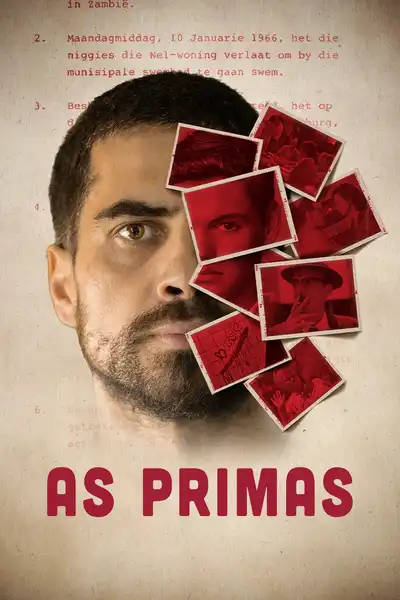
In the working-class neighborhoods of modern-day Newcastle, this 2025 British drama follows a group of young friends navigating economic hardship, family dysfunction, and limited opportunities while maintaining fierce loyalty to each other and their community. Created by Stephen Graham, who also directs several episodes, Niggies (local slang for "friends" or "mates") aims for gritty authenticity in its depiction of contemporary Northern England, featuring dialogue thick with regional dialect and situations drawn from real social conditions. The young ensemble cast, mostly newcomers, brings raw energy to their roles, though the performances range from genuinely naturalistic to occasionally amateurish. Graham's directorial hand is evident in the series' best moments—quiet scenes that reveal character through behavior rather than exposition—but the writing doesn't always match that subtlety, sometimes explaining themes that the visuals already conveyed. The series tackles addiction, unemployment, and cyclical poverty with good intentions, though it occasionally borders on misery tourism. When Niggies trusts its characters enough to show their resilience and humor alongside their struggles, it achieves something worthwhile, but tonal consistency remains elusive.

When a young woman's rape report is questioned and ultimately recanted under pressure, two female detectives hundreds of miles away begin investigating a string of eerily similar assaults. This powerful limited series, created by Susannah Grant, Ayelet Waldman, and Michael Chabon, follows both Marie (Kaitlyn Dever), the survivor whose trauma is compounded by institutional failure, and detectives Grace Rasmussen and Karen Duvall (Toni Collette and Merritt Wever) as they methodically pursue the truth. Based on real events, the series handles its sensitive subject matter with care and intelligence, never exploiting trauma while unflinchingly examining how systems fail survivors. Dever delivers a heartbreaking performance that captures resilience and vulnerability, while Collette and Wever bring determination and humanity to their procedural investigation. Unbelievable is essential viewing that balances difficult content with ultimately affirming storytelling about belief, justice, and the power of women supporting women.
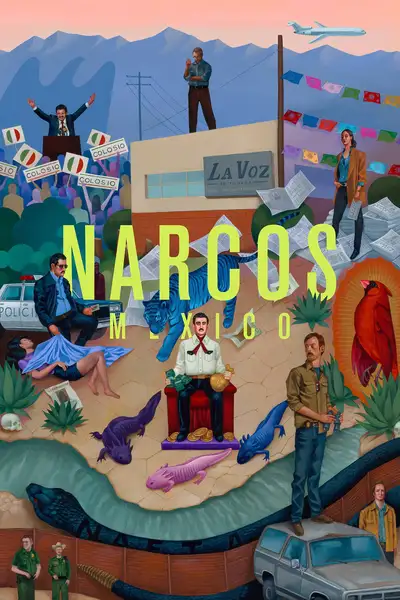
The rise of the Guadalajara Cartel in 1980s Mexico forms the backdrop for this Narcos spinoff, which attempts to explore how the modern drug trade began but doesn't quite achieve its predecessor's impact. Michael Peña and Diego Luna lead the cast, with Luna particularly strong as Miguel Ángel Félix Gallardo, the ambitious trafficker who united Mexican drug operations. Creator Carlo Bernard moves the action from Colombia to Mexico, and the production design effectively captures the period. However, the series occasionally feels repetitive, covering similar ground to the original Narcos with less compelling execution. The pacing drags in places, and some characters remain underdeveloped despite multiple seasons. When it focuses on the political and social complexities of Mexico's relationship with the drug trade, the show finds its footing, but it's inconsistent. Worth watching for fans of the franchise, though it lacks the original's urgency and focus.
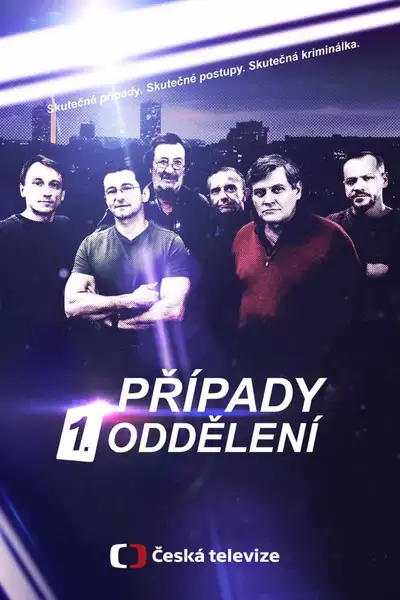
The first department of Prague's criminal police tackles complex cases requiring methodical investigation and psychological insight in this Czech crime procedural. The series follows detectives as they work through murders, organized crime, and cases that challenge both their professional skills and personal ethics. What distinguishes this show from similar European crime dramas is its focus on investigative procedure and team dynamics rather than flashy action sequences or gratuitous violence. The cast, led by experienced Czech television actors, brings authenticity to their roles as investigators who treat their work as both profession and calling. Creator Petr Kolečko ensures cases feel grounded in reality, with solutions emerging from careful police work rather than convenient coincidences. The show respects its audience's intelligence, allowing them to piece together clues alongside the detectives. For viewers who appreciate methodical crime-solving and character development over sensationalism, this series delivers consistently engaging episodes.
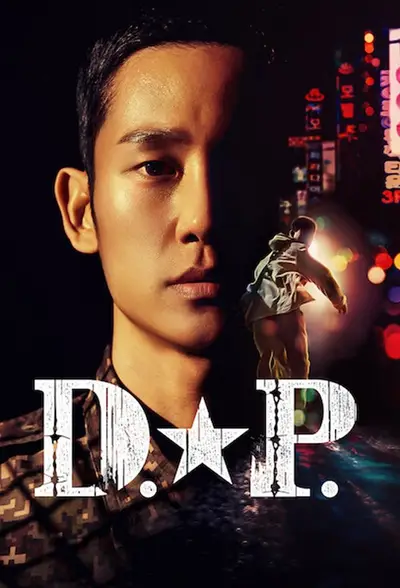
When two young South Korean soldiers are assigned to the Military Police's Deserter Pursuit unit, they find themselves hunting down fellow servicemen who have fled from compulsory military service. Jung Hae-in and Koo Kyo-hwan deliver powerful performances as the duo who gradually uncover the systemic abuse and injustice that drive soldiers to desperation. Created by Kim Bo-tong and directed by Han Jun-hee, this Netflix series is a searing indictment of military culture that balances its heavy themes with moments of genuine humanity and dark humor. The show's strength lies in its episodic structure, with each deserter's story revealing different facets of institutional cruelty while building toward a larger narrative about complicity and courage. It's compelling social commentary wrapped in gripping procedural storytelling that never loses sight of its characters' emotional journeys.

This Czech series takes viewers behind the scenes of criminal investigations, exploring the scientific methods and forensic techniques used to solve real-world cases. Each episode presents a different mystery, meticulously detailing how criminologists and forensic experts piece together evidence to identify perpetrators. The show struck a chord with audiences by demystifying the investigative process and showcasing the dedication required in forensic work. What makes "Dobrodružství kriminalistiky" particularly engaging is its educational approach without sacrificing entertainment value—viewers learn about fingerprint analysis, ballistics, and autopsy procedures while remaining invested in each case's outcome. The series proved influential in Czech television, running successfully and introducing a generation to the fascinating world of forensic science long before it became a staple of international crime programming.
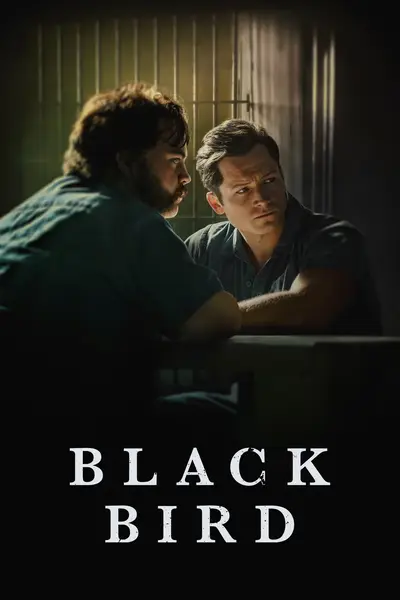
In the early 1990s, a minimum-security prison becomes the setting for this tense true-crime adaptation where football star Jimmy Keene (Taron Egerton) accepts a dangerous deal: befriend suspected serial killer Larry Hall (Paul Walter Hauser) and extract a confession in exchange for his own freedom. Created by Dennis Lehane and based on Keene's memoir, this six-episode miniseries is elevated by two exceptional central performances, with Hauser delivering a chilling portrayal that avoids easy villain clichés while remaining deeply unsettling. The claustrophobic prison environment mirrors the psychological trap Keene finds himself in as he gets closer to Hall, never certain if his manipulation will work or if he's simply providing company to a monster. Ray Liotta, in one of his final roles, adds gravitas as a determined detective, while Greg Kinnear brings complexity to his FBI agent. The series moves with purpose through its runtime, building tension through character interaction rather than cheap thrills, resulting in a gripping psychological drama that trusts its audience's intelligence.
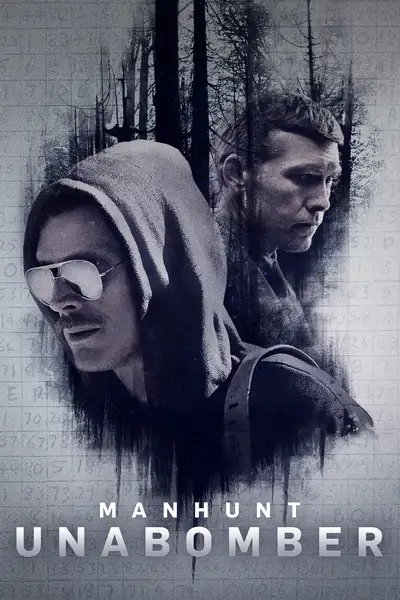
This anthology series explores the American obsession with justice, revenge, and the human capacity for both heroism and obsession. The first season, created by Andrew Sodroski, Jim Clemente, and Tony Gittelson, chronicles the hunt for the Unabomber, with Sam Worthington delivering an intense performance as FBI profiler Jim "Fitz" Fitzgerald and Paul Bettany disappearing into the role of Ted Kaczynski. The deliberate pacing allows for deep character exploration, examining how Fitz's unconventional linguistic approach ultimately cracked the case while taking a personal toll. Subsequent seasons tackle the Atlanta Olympic bombing and other manhunts with similar intelligence and nuance. The series respects viewers' intelligence, avoiding sensationalism while maintaining genuine suspense even when outcomes are known. The attention to period detail, strong performances across the board, and thoughtful examination of law enforcement methodology make this compelling viewing for true crime enthusiasts.

In 1990s Tokyo, American journalist Jake Adelstein (Ansel Elgort) navigates the dangerous intersection of media, yakuza crime syndicates, and police corruption while working at one of Japan's most prestigious newspapers. Based on Adelstein's memoir and created by J.T. Rogers, the series immerses viewers in Tokyo's neon-lit underworld with atmospheric cinematography that captures both the city's glamour and its shadows. Ken Watanabe delivers a magnetic performance as Detective Hiroto Katagiri, who becomes Jake's guide into the criminal world, while Rinko Kikuchi and Rachel Keller round out the strong ensemble. The show thoughtfully explores Jake's position as a foreigner granted rare access to Japanese institutions while depicting the personal costs of investigative journalism. Michael Mann's direction brings cinematic scope to the material, and the series doesn't shy away from the violence and moral complexity of its world. It's a stylish, substantive crime drama that earns its deliberate pacing.
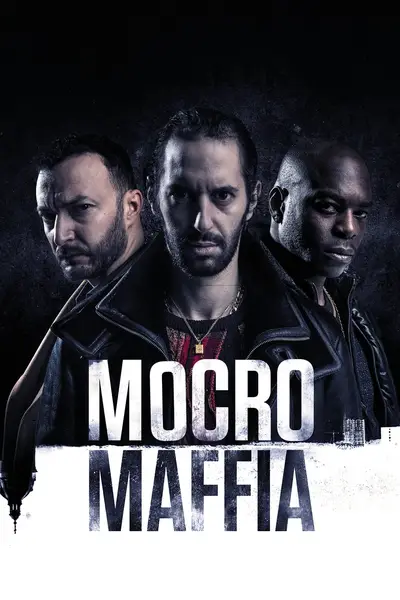
Walid Benmbarek commands the screen as Romano, a Dutch-Moroccan criminal rising through Amsterdam's underworld in this compelling crime drama that brings fresh perspective to the gangster genre. Created by Achmed Akkabi, who also plays a key role, the series explores the Dutch-Moroccan criminal networks in Amsterdam with gritty authenticity and complex characterization. Romano's journey from street-level dealer to major player is compellingly rendered, avoiding simplistic morality while showing the genuine consequences of the life he's chosen. The show doesn't glamorize its subject matter but instead presents a nuanced portrait of how family, loyalty, and ambition intersect in the criminal world. The Dutch-Moroccan cultural context adds layers often missing from American crime dramas, and the performances across the board are intense and believable. It's taut, well-paced storytelling that proves the crime drama formula still has plenty of life when approached with intelligence and cultural specificity.
In this Danish crime series, an elite mobile police unit tackles the country's most serious cases, from serial murders to kidnappings, combining procedural investigation with character-driven drama. Unit One, led by Charlotte Fich as the determined detective Ingrid Dahl, established many conventions that later Scandinavian crime dramas would adopt—morally complex protagonists, bleak atmospheric cinematography, and cases that extend across multiple episodes. The writing balances police work mechanics with personal storylines, giving the ensemble cast room to develop beyond their professional roles. What distinguished Unit One during its original run was its willingness to show the psychological toll of constant exposure to violence, with characters displaying genuine emotional strain rather than procedural television's typical resilience. The production values hold up reasonably well, and the cases remain compelling even for viewers who've since consumed countless Nordic noir series. It's foundational television that rewards attention from crime drama enthusiasts.
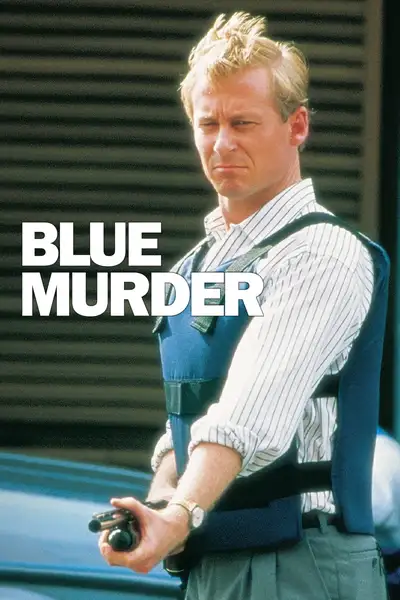
Ian Kennedy Martin created this exceptional British crime drama that follows Detective Chief Inspector Janine Lewis, played with fierce intelligence by Caroline Quentin, as she investigates murders while navigating the male-dominated Manchester police force. The series distinguishes itself through its unflinching portrayal of a female detective facing both external cases and internal departmental politics. Quentin delivers a powerhouse performance, making Janine complex and compelling—ambitious, flawed, and absolutely determined. The supporting cast, including Ian Kelsey, brings depth to the squad room dynamics as colleagues alternately support and undermine Janine's authority. Each case is intricately plotted, with the procedural elements serving character development rather than overshadowing it. The writing tackles sexism head-on without reducing Janine to a symbol, allowing her to be fully human in her professional drive and personal struggles. It's a smart, sophisticated crime drama that respects its audience's intelligence while delivering the satisfying investigations the genre demands.
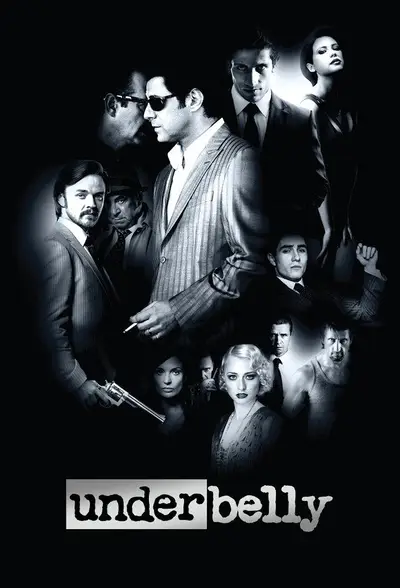
Gyton Grantley commands the screen as Carl Williams in this gripping Australian crime drama that chronicles the real-life Melbourne gangland wars of the 1990s and early 2000s. Created by Peter Gawler and Greg Haddrick, the series pulls no punches in its portrayal of the brutal underworld conflicts that left dozens dead and forever changed the city's criminal landscape. The show's unflinching approach to violence and corruption is balanced by compelling character work, with each season exploring different perspectives on the same events. The production values are consistently strong, and the ensemble cast delivers performances that feel authentic rather than sensationalized. It's raw, intense Australian television that treats true crime with the seriousness it deserves while remaining thoroughly engrossing entertainment.
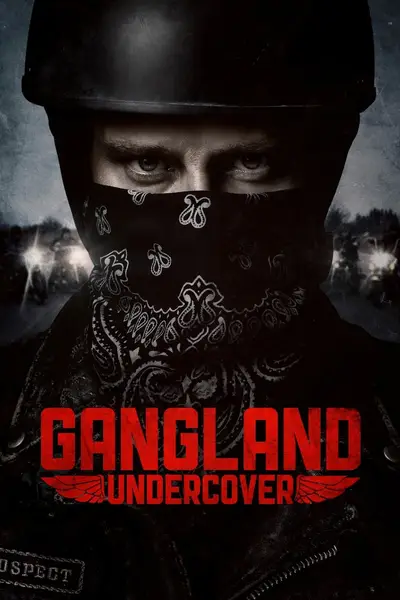
When former ATF agent Charles Falco infiltrates the Vagos Motorcycle Club, he finds himself walking a dangerous line between maintaining his cover and preserving his humanity. Based on Falco's actual experiences and adapted by executive producer Stephen Kemp, this crime drama stars Damon Runyan as the undercover operative who spent years embedded in outlaw biker culture. The series excels at building tension as Falco navigates increasingly risky situations while gathering evidence against the organization. What elevates it beyond typical undercover narratives is its attention to the psychological toll of the assignment—the isolation, moral compromises, and constant threat of exposure. The supporting cast effectively portrays the complex dynamics within the motorcycle club, creating antagonists who feel like real people rather than one-dimensional villains.
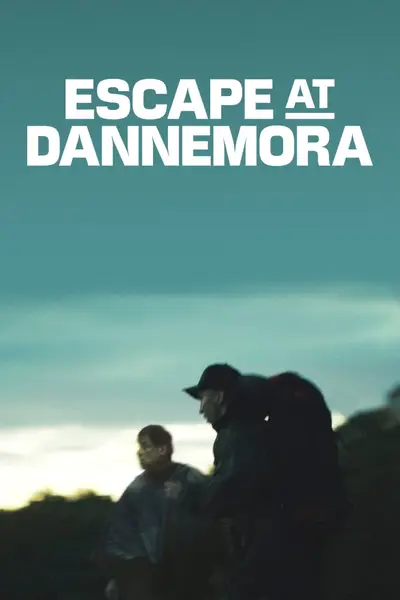
Two inmates orchestrate an elaborate escape from a maximum-security New York prison with the help of a female civilian employee who becomes romantically and psychologically entangled with both men in this gripping Showtime limited series. Directed by Ben Stiller, the seven-episode miniseries dramatizes the shocking 2015 breakout from Clinton Correctional Facility with meticulous attention to the logistics of the escape and the twisted relationships that made it possible. Benicio del Toro and Paul Dano deliver fascinatingly different performances as the convicts—del Toro's Richard Matt is charismatic and manipulative, while Dano's David Sweat remains enigmatic and calculating. Patricia Arquette is devastating as Joyce "Tilly" Mitchell, the prison employee whose desperate need for validation leads her into catastrophic decisions. Stiller's direction eschews sensationalism for steady, mounting tension, allowing viewers to understand how the impossible became possible through a combination of institutional failures and human weakness. The production design authentically recreates the claustrophobic prison environment and the painstaking escape route. It's true crime storytelling that respects both the facts and the complexity of everyone involved, building to a conclusion that feels inevitable yet still gripping.
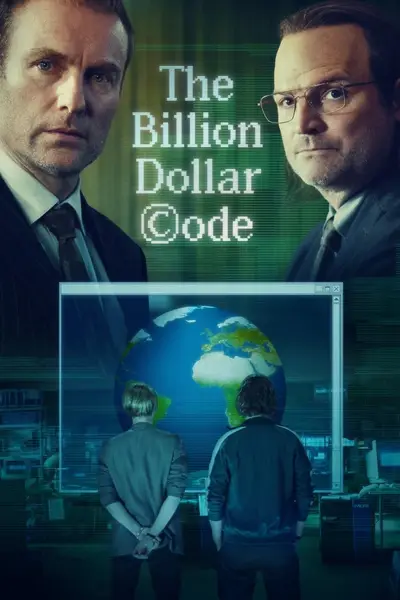
In 1990s Berlin, just after the fall of the Wall, two idealistic programmers created something revolutionary that would later become the foundation for a technology giant's mapping empire. This German miniseries tells the incredible true story of Carsten Schlüter and Juri Müller, who developed Terravision, an early version of what we now know as Google Earth, only to find themselves in a David-versus-Goliath legal battle years later. The series expertly captures the scrappy energy of post-reunification Berlin's tech scene while building genuine tension around the courtroom drama. Directors Robert Thalheim brings both technical clarity and emotional depth to this underdog story, and the performances from Marius Ahrendt and Leonard Scheicher make you genuinely invested in these pioneers who may have changed the world without receiving credit.
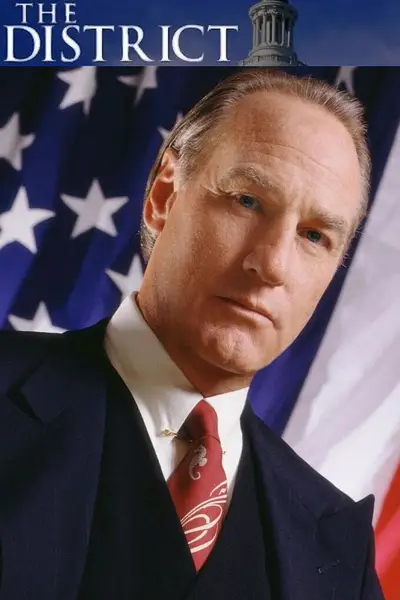
At its core, this police procedural explores leadership, reform, and the possibility of change within broken institutions. Craig T. Nelson commands the screen as Jack Mannion, a former NYPD deputy chief who takes over Washington D.C.'s troubled police department with a mandate to clean house and restore public trust. Created by Jack Maple and Terry George, the series distinguishes itself by focusing less on individual cases and more on systemic challenges—community relations, internal corruption, political pressure, and the daily compromises required to do good work within imperfect systems. The supporting cast, including Roger Aaron Brown, Sean Patrick Thomas, and Elizabeth Marvel, brings depth to characters who could have been archetypes. While the show occasionally indulges in feel-good resolutions that real police reform rarely achieves, it remains grounded in recognizing that meaningful change requires both idealism and pragmatism.
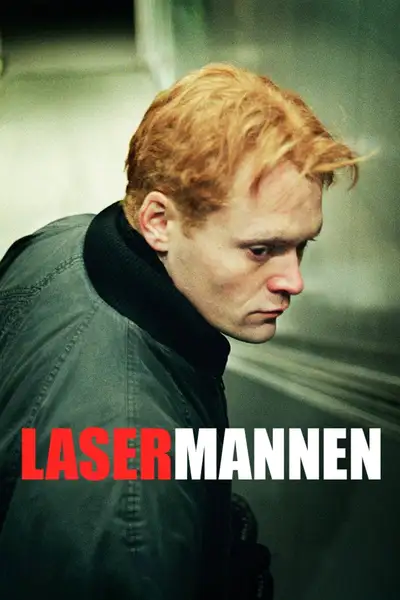
Stockholm in the early 1990s provides the haunting backdrop for this gripping Swedish crime miniseries that examines one of Sweden's most disturbing criminal cases. The series chronicles the police investigation into a series of shootings targeting immigrants, following Detective Inspector Clas Junesjö as he leads the hunt for the perpetrator who terrorized the city. Mikael Persbrandt delivers a measured, compelling performance as the determined investigator facing both the urgency of stopping the attacks and the bureaucratic complications of a high-profile case. Director Mans Marlind and writer Måns Marlind craft a procedural that respects the gravity of real events while maintaining dramatic tension. The show excels at portraying the methodical, often frustrating work of police investigation without resorting to sensationalism. It's a sobering reminder of a dark chapter in Swedish history, handled with the seriousness and sensitivity the subject matter demands, while still functioning as engrossing television that keeps viewers invested in the pursuit of justice.