Tragedy Shows
When the weight of inevitable downfall meets masterful storytelling, television reaches its most powerful and emotionally devastating heights. The best tragedy shows captivate audiences by fearlessly exploring themes of loss, moral decay, and the catastrophic consequences of flawed choices, delivering profound examinations of human suffering that linger long after the final credits roll. From groundbreaking prestige dramas that redefined television storytelling to contemporary masterpieces pushing narrative boundaries, these tragic series represent the pinnacle of dramatic achievement across all eras of the medium. Whether chronicling the gradual corruption of once-noble characters, depicting societies crumbling under dystopian oppression, or following families torn apart by ambition and betrayal, these 21 essential tragedy shows demonstrate why audiences continue seeking out stories that challenge, devastate, and ultimately illuminate the darker corners of human experience. Each series featured here showcases the genre's ability to transform sorrow into art, offering unflinching portrayals of downfall that prove emotionally rewarding despite—or perhaps because of—their willingness to explore life's most painful truths through compelling character-driven narratives that rank among television's greatest achievements.
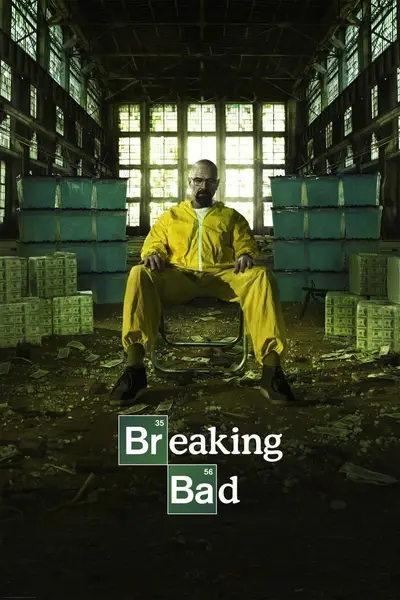
A high school chemistry teacher diagnosed with terminal cancer partners with a former student to cook methamphetamine, and what unfolds is nothing short of television perfection. Vince Gilligan's masterwork transforms Bryan Cranston's Walter White from mild-mannered educator to ruthless drug kingpin in the most meticulously crafted character study ever committed to screen. Aaron Paul's Jesse Pinkman provides the emotional core as Walt's partner, their toxic relationship driving five seasons of escalating tension and moral decay. The New Mexico setting becomes a character itself, with cinematography that turns the desert into something both beautiful and menacing. Every episode tightens the noose, every decision carries devastating consequences, and the writing never takes a single shortcut. This is what happens when every creative element aligns perfectly.
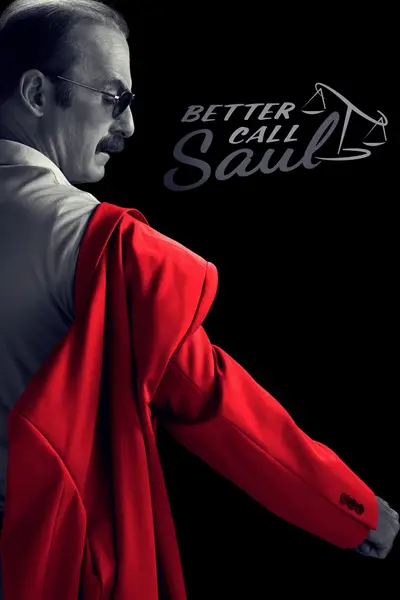
In this Breaking Bad prequel, Vince Gilligan and Peter Gould trace the transformation of small-time lawyer Jimmy McGill into the criminal attorney Saul Goodman with extraordinary patience and precision. Bob Odenkirk delivers career-best work as Jimmy, a man struggling between his desire for legitimacy and his natural gift for running cons. What makes this special isn't just the connection to its parent series—it's the meticulous character work, the stunning cinematography that rivals any prestige drama, and the way it explores morality in shades of gray rather than black and white. Rhea Seehorn's Kim Wexler emerges as an equally compelling co-lead, while Jonathan Banks brings depth to the Mike Ehrmantraut storyline. The pacing is deliberately measured, rewarding patient viewers with rich storytelling that proves prequels can stand as masterworks in their own right.
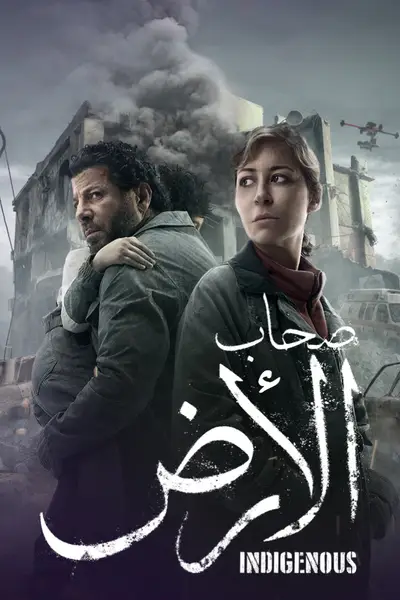
The collision between Indigenous land rights and corporate development ignites when a mining company arrives in a remote community, forcing residents to choose between economic opportunity and cultural preservation. Director Kiana Blackwater and showrunner Marcus Littlefeather have created something truly special here—a series that tackles heavy political and social themes while remaining thoroughly engaging as drama. The predominantly Indigenous cast, led by powerhouse performances from Sarah Redfeather and James Crowchild, brings authenticity and nuance to characters who refuse easy categorization. The writing avoids didacticism, trusting viewers to grasp the complexities without spelling everything out. Cinematographer Lisa Chen captures the landscape with reverence, making the land itself a character whose importance we understand viscerally. This is bold, uncompromising television that doesn't soften its edges for mainstream comfort while remaining accessible and dramatically compelling. It's essential viewing that expands what television can do.

In late 1990s Buenos Aires, amid economic uncertainty and social tension, this groundbreaking series follows a group of young people who squat in an abandoned building and attempt to create their own community. Rodrigo de la Serna leads the ensemble as Ricardo, whose idealism gradually confronts harsh reality as the okupas movement faces eviction, internal conflicts, and the complexities of survival outside society's rules. Creator Bruno Stagnaro crafted something rare for Argentine television at the time—a gritty, uncompromising look at youth culture that felt authentic rather than sanitized. The series captures a specific moment in Buenos Aires history while telling a timeless story about belonging, disillusionment, and the space between youthful rebellion and adult responsibility. Its influence on Latin American television drama cannot be overstated.
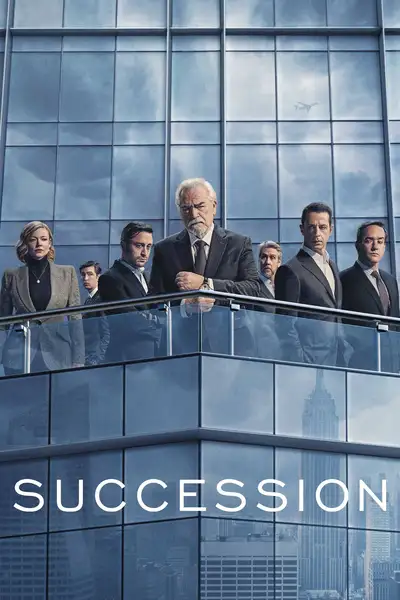
Jesse Armstrong created this masterful drama about the Roy family, whose aging patriarch Logan (Brian Cox) controls a global media empire that his four adult children desperately want to inherit. The show is a vicious satire of wealth, power, and family dysfunction, following Kendall (Jeremy Strong), Shiv (Sarah Snook), Roman (Kieran Culkin), and Connor (Alan Ruck) as they scheme, betray, and occasionally support each other in their quest for their father's approval and succession. The writing is razor-sharp, delivering devastating insults and brilliant character work in equal measure, while the cast performs at the highest level across the board. What makes the show exceptional is how it renders these terrible people compelling without ever asking us to sympathize with them—we're laughing at them, not with them. The series explores how extreme wealth corrupts and isolates while telling a Shakespearean family tragedy with contemporary relevance. Every detail feels considered, from the mumbly naturalism of the dialogue to the handheld camerawork. It's simply extraordinary television, a complete artistic achievement that stands among the medium's finest accomplishments.
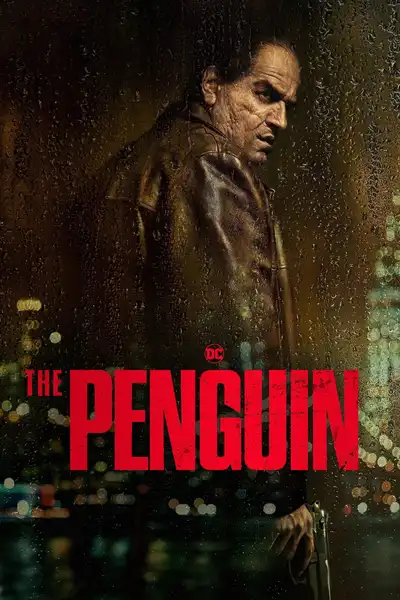
Colin Farrell returns as Oz Cobb, the disfigured gangster from The Batman, in this HBO series that cements the character as one of television's most compelling antiheroes. Under layers of prosthetics that transform him completely, Farrell delivers a powerhouse performance as Oz claws his way up Gotham's criminal underworld following the Riddler's devastation of the city. Showrunner Lauren LeFranc crafts a gritty crime saga that stands alongside prestige dramas like The Sopranos, exploring power, loyalty, and the American dream's darkest perversions. Cristin Milioti is equally magnetic as Sofia Falcone, bringing complexity to what could have been a standard villain role. The series doesn't pull punches—it's brutal, morally complex, and deeply character-driven, more interested in psychological warfare than superhero spectacle. The production design maintains Matt Reeves's film aesthetic while expanding Gotham's criminal landscape. It's proof that comic book properties can produce truly adult drama when given proper creative freedom.

Set across multiple decades in Appalachia and beyond, this devastating miniseries chronicles the opioid crisis from every devastating angle imaginable. Creator Danny Strong has crafted something truly exceptional here: a searing examination of corporate greed, regulatory failure, and human suffering that never loses sight of the individuals behind the statistics. Michael Keaton delivers career-best work as a small-town doctor who becomes an unlikely activist, while Kaitlyn Dever breaks your heart as a young woman caught in addiction's grip. The ensemble cast, including Peter Sarsgaard, Michael Stuhlbarg, and Rosario Dawson, creates a tapestry of perspectives that reveals how systemic this tragedy truly was. It's challenging viewing that demands your attention and rewards it with storytelling that's both furiously angry and deeply compassionate. Essential television that illuminates one of America's darkest chapters.
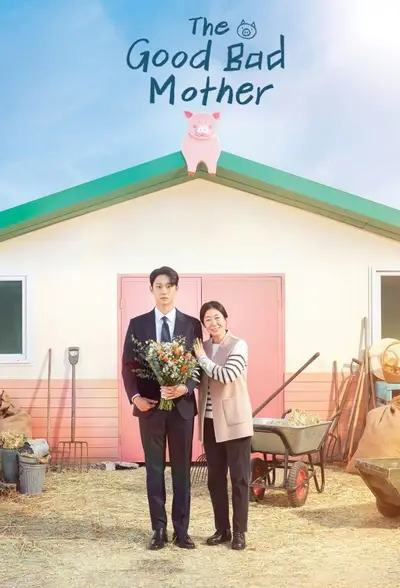
This Korean melodrama follows a domineering mother whose overprotective parenting of her prosecutor son takes a dramatic turn when an accident erases his memory and transforms their toxic relationship. The series masterfully shifts between tearjerker and heartwarming redemption story as Kang-ho reverts to a childlike state, forcing his mother Jin Young-soon, played by Ra Mi-ran, to confront the damage her extreme parenting has caused. Ra delivers a powerhouse performance that takes Young-soon from seemingly villainous to deeply sympathetic as layers of her own trauma are revealed. Lee Do-hyun matches her as Kang-ho, making his character's regression believable while maintaining dignity throughout. Created by Bae Hee-young, the series doesn't shy away from difficult themes including childhood trauma, abuse, and the cycle of generational pain, but it handles them with surprising sensitivity. The supporting cast, including Ahn Eun-jin as Kang-ho's childhood friend, adds emotional depth to what could have been a simple recovery story. It's an emotionally manipulative show, to be sure, but it earns its tears through strong performances and genuine character growth rather than cheap tricks.
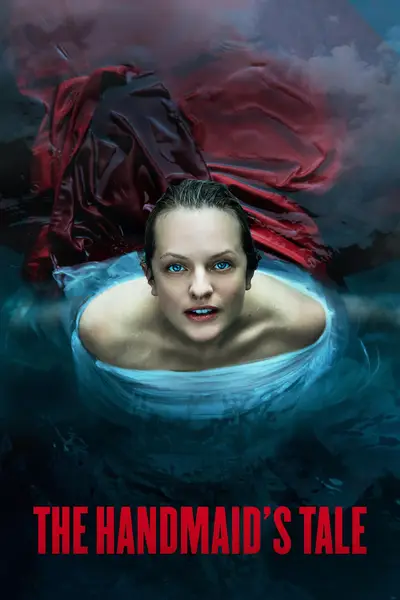
In a dystopian near-future America transformed into the theocratic nation of Gilead, women have been stripped of all rights and forced into rigid societal roles based on their fertility. Bruce Miller's adaptation of Margaret Atwood's novel expands the source material into a haunting exploration of power, resistance, and survival. Elisabeth Moss delivers an Emmy-winning performance as Offred/June, a handmaid forced to bear children for the ruling class, conveying volumes through subtle expressions and devastating voiceovers. The supporting cast, including Yvonne Strahovski, Ann Dowd, and Joseph Fiennes, is uniformly excellent. The series finds artistry in horror, using color, music, and cinematography to create a world that's beautiful and terrifying. Later seasons occasionally stretch the narrative thin, but the show remains powerful in its portrayal of systematic oppression and quiet rebellion. It's difficult viewing—intentionally so—but essential for those willing to engage with its unflinching examination of patriarchy and authoritarianism.
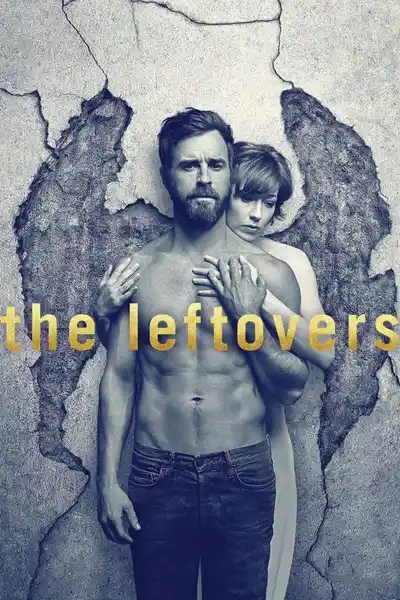
When two percent of the world's population suddenly vanishes without explanation, the remaining inhabitants struggle with grief, faith, and the fundamental question of why they were left behind. Damon Lindelof's adaptation of Tom Perrotta's novel transcends its sci-fi premise to become a profound exploration of loss and how humans find meaning in the face of inexplicable tragedy. Justin Theroux anchors the series as Kevin Garvey, a police chief barely holding himself together, while Carrie Coon delivers a stunning performance as a woman who joins a silent cult of chain-smoking witnesses. The show improves dramatically after its first season, taking creative risks that include perspective-shifting episodes and departures from the source material. It refuses to provide easy answers about the central mystery, instead focusing on emotional truth and character development. The result is television that's challenging, deeply moving, and unafraid to embrace ambiguity while still delivering satisfying emotional resolution.
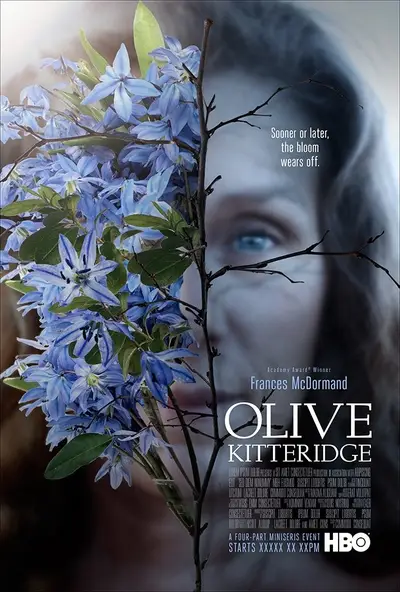
In a small coastal town in Maine, a retired schoolteacher navigates the complexities of marriage, motherhood, and community with a prickly exterior that masks deep wells of pain and occasional tenderness. Based on Elizabeth Strout's Pulitzer Prize-winning novel, this HBO miniseries features Frances McDormand in the title role, delivering a fearlessly unsentimental performance as a woman whose sharp tongue and harsh judgments have isolated her from the very connections she craves. Director Lisa Cholodenko brings a patient, observational eye to the material, allowing scenes to unfold without rushing toward resolution or easy emotional catharsis. Richard Jenkins and Zoe Kazan provide strong support in a narrative that jumps through time, revealing how past wounds shape present behavior. The miniseries captures small-town New England life with authenticity—the claustrophobic intimacy of communities where everyone knows your business, the natural beauty that coexists with economic struggle. However, Olive's relentless abrasiveness, while clearly intentional, can make for challenging viewing, and the episodic structure sometimes feels more like connected short stories than a cohesive narrative. Admirers of character-driven literary adaptation will find much to appreciate, though it requires patience.
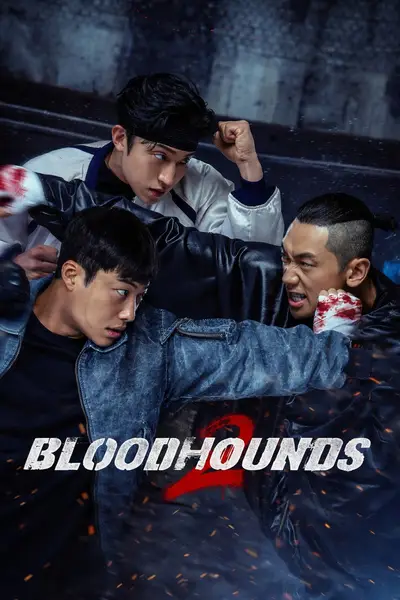
Director Kim Joo-hwan brings his signature kinetic action style to this story of two young boxers who become unlikely debt collectors fighting against predatory loan sharks. Woo Do-hwan and Lee Sang-yi have exceptional chemistry as Gun-woo and Woo-jin, best friends whose physical prowess makes them valuable to both sides of the criminal underworld they're reluctantly drawn into. What could have been a standard revenge thriller becomes something more compelling through its emphasis on loyalty, mentorship, and the bonds formed between decent people in desperate circumstances. The action choreography is genuinely impressive—brutal, clearly shot, and grounded in the characters' boxing backgrounds rather than generic martial arts. Kim balances bone-crunching fight sequences with surprising emotional depth, particularly in the relationships between the young men and the older figures who try to protect or exploit them. It's a stylish, heartfelt action series that understands spectacle works best when you genuinely care about who's throwing the punches.
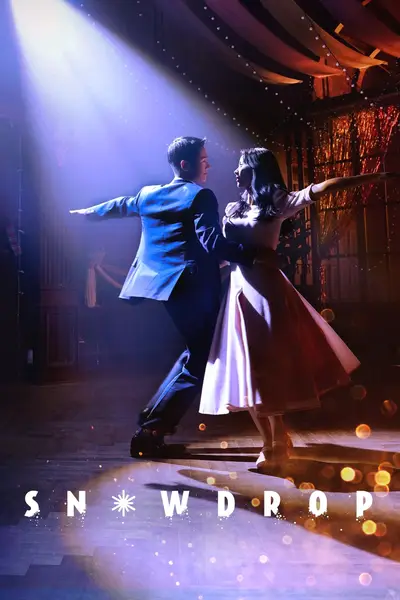
When a North Korean spy seeks refuge in a South Korean women's dormitory during the political turmoil of 1987, a dangerous romance blossoms against the backdrop of democracy protests and authoritarian crackdowns. Starring Jung Hae-in as the enigmatic graduate student with a hidden agenda and Jisoo (of BLACKPINK) in her first leading television role as the spirited university student who shelters him, this period drama from director Jo Hyun-tak delivers both sweeping historical drama and intimate character moments. The series excels at depicting the era's tensions, from student activism to government surveillance, while developing a genuinely affecting central relationship. The supporting cast brings depth to the ensemble, and the production design authentically recreates 1980s Seoul. Despite some narrative detours in the middle episodes, the show builds to an emotionally resonant conclusion that honors both its romantic and political storylines with equal weight.
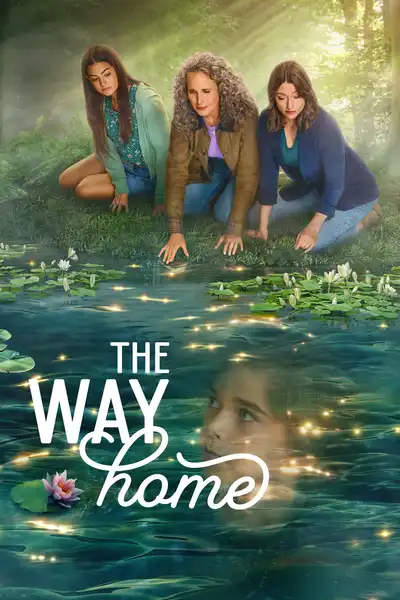
In this series, three generations of women discover a mysterious pond on their family farm that serves as a portal through time, allowing them to revisit and potentially alter their shared past. Andie MacDowell, Chyler Leigh, and Sadie Lafayette star as grandmother, mother, and daughter whose fractured relationships get a chance at healing through this supernatural intervention. Created by Alexandra Clarke, the show uses its time-travel premise not for spectacle but for emotional exploration, examining how family secrets and misunderstandings echo across decades. The performances are uniformly strong, with genuine chemistry among the leads that sells the complicated family dynamics. The Canadian landscapes provide beautiful cinematography, while the writing balances mystery with heartfelt character work. The show trusts its emotional core rather than overcomplicating the time-travel mechanics, resulting in a moving drama that uses its fantastical element to explore very human themes of regret, forgiveness, and connection.
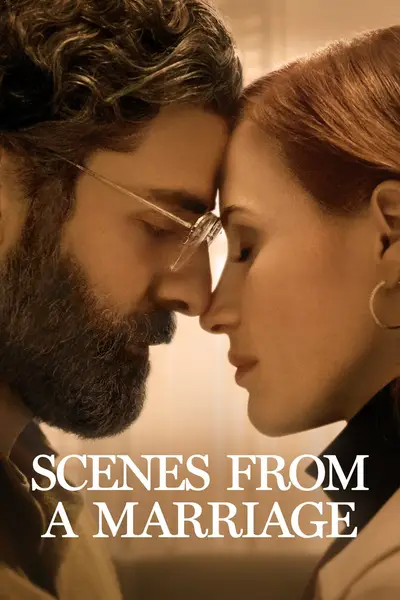
Oscar Isaac and Jessica Chastain portray Jonathan and Mira, a couple whose marriage slowly disintegrates across five episodes in this HBO limited series adapted and directed by Hagai Levi from Ingmar Bergman's 1973 Swedish masterwork. The performances are intensely committed, with both actors fully inhabiting their characters' pain, resentment, and occasional tenderness through long, dialogue-heavy scenes that deliberately avoid cinematic flourishes. Levi wisely doesn't attempt to simply recreate Bergman's achievement but rather recontextualizes the material for contemporary American audiences, exploring how two intellectuals navigate divorce in an era of therapy-speak and competing narrative frameworks. The problem is that the update sometimes feels like diminishment—Bergman's philosophical and emotional depths occasionally reduced to more familiar relationship drama beats. When Isaac and Chastain are locked in combat or painful honesty, the series crackles with uncomfortable authenticity. But the limited format struggles to develop the surrounding characters, and certain choices feel more like prestige-TV obligation than organic storytelling. It's admirably serious work featuring two extraordinary performers, yet somehow less than the sum of its impressive parts.

Woo Do-hwan stars as Hae-jo, a man with a terminal diagnosis who embarks on a chaotic road trip that upends a wedding and reunites him with his ex-girlfriend. Created by Jo Yong, this Korean drama attempts to blend romance, comedy, and existential crisis but struggles to find its footing across ten episodes. The premise promises emotional depth—a dying man seeking closure—but the execution veers between melodrama and oddball humor without committing fully to either. Lee You-mi brings warmth as the conflicted bride-to-be, and the chemistry between leads has its moments, but the tonal whiplash undermines the more poignant beats. There's ambition in exploring mortality through a romantic lens, yet the series feels overstuffed with subplots that dilute its impact. It's watchable for fans of the cast, though it never quite lives up to its potential.
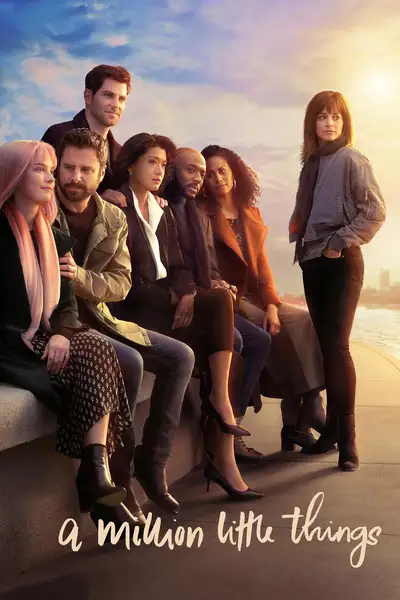
After a close friend's unexpected suicide, a group of Boston-area friends realizes how little they truly knew each other and commits to being there for one another moving forward. Created by DJ Nash, the series stars David Giuntoli, Romany Malco, James Roday Rodriguez, and Allison Miller as part of an ensemble navigating grief, depression, infidelity, and life's unexpected challenges. The show takes its premise seriously, refusing to treat heavy topics lightly while still finding moments of humor and hope. While the first season occasionally struggles with tonal balance, the performances ground even the more melodramatic storylines. The diverse cast and willingness to tackle difficult subjects like mental health, addiction, and marriage troubles give the show depth beyond typical friendship dramas. It's an earnest exploration of how tragedy can become a catalyst for change and deeper connection among people who thought they already knew each other well.
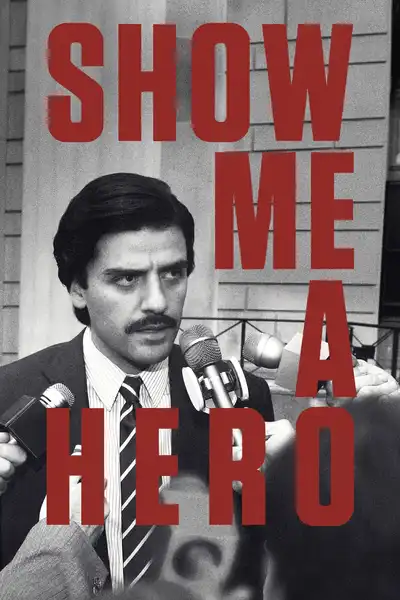
This HBO miniseries examines the conflict between political ambition and moral responsibility through the true story of Yonkers mayor Nick Wasicsko's battle to build public housing in white neighborhoods. Directed by Paul Haggis and based on Lisa Belkin's book, the six-part series stars Oscar Isaac as Wasicsko, a young mayor who finds his idealism tested by entrenched racism, political expediency, and NIMBY resistance. The production is characteristically excellent, with strong supporting turns from Winona Ryder, Catherine Keener, and Alfred Molina. However, the sprawling scope sometimes diffuses focus, and Haggis's approach can feel schematic, hitting sociological points more effectively than emotional ones. Isaac works hard to make Wasicsko compelling, but the script keeps him at a certain remove. The historical importance of the story is undeniable, and the series handles complex housing policy with clarity, but it doesn't quite achieve the dramatic urgency its subject deserves.
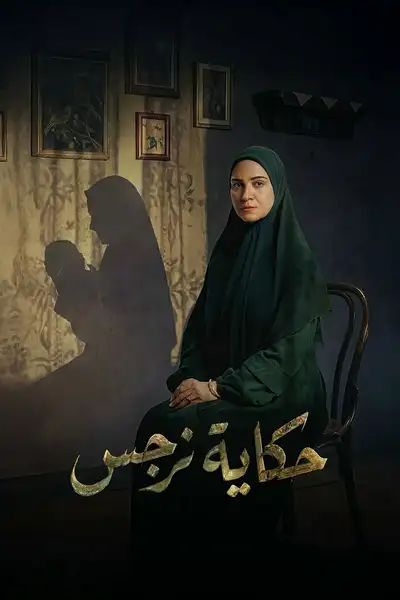
When a young woman finds herself caught between tradition and modernity in contemporary Tehran, her journey becomes a window into the complexities of Iranian life. "Narges's Story" follows its titular protagonist as she navigates family expectations, personal ambitions, and the shifting cultural landscape around her. The series offers an intimate portrait that feels both specific to its setting and universally relatable in its examination of identity and belonging. Writer and director Hana Makhmalbaf crafts each episode with careful attention to detail, allowing moments to breathe while maintaining engaging momentum. The lead performance brings remarkable depth to Narges, capturing her internal conflicts with subtlety and grace. What makes this series particularly compelling is its refusal to offer easy answers, instead presenting the nuanced reality of a woman forging her own path.
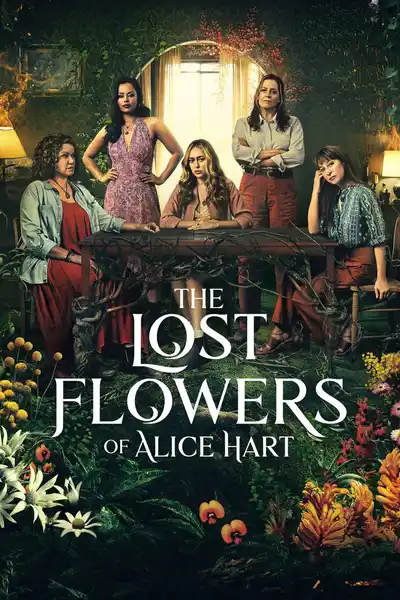
This Australian family drama follows a young girl who, after losing her parents in a tragic fire, is sent to live with her grandmother on a remote flower farm that harbors dark secrets spanning generations. Based on Holly Ringland's bestselling novel and starring Sigourney Weaver and Alycia Debnam-Carey, the Amazon series created by Sarah Lambert explores themes of trauma, resilience, and the cyclical nature of abuse within families. The cinematography is consistently gorgeous, capturing the Australian landscape with painterly beauty, and Weaver brings gravitas to her complex matriarch role. However, the series struggles with uneven pacing across its seven episodes, sometimes lingering too long on atmospheric moments while rushing through crucial emotional beats. The heavy subject matter is handled with sensitivity, though the narrative occasionally feels overly manipulative in its efforts to wring tears from viewers. It's a visually stunning but somewhat frustrating adaptation.
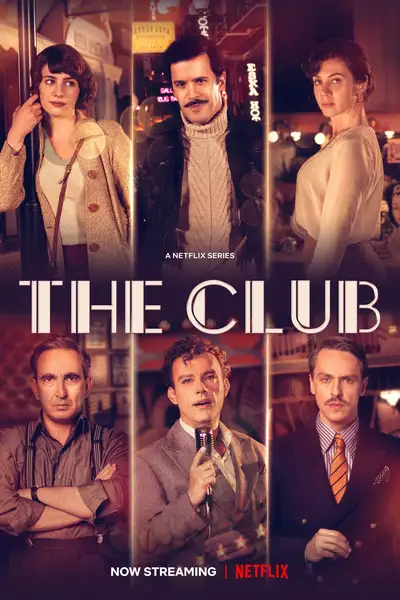
This Turkish period drama set in 1950s Istanbul centers on Matilda (Gökçe Bahadır), a Jewish woman released from prison who takes a job at a nightclub in the city's vibrant entertainment district. Created by Zeynep Günay Tan and Necati Şahin, "The Club" weaves together themes of identity, family secrets, trauma, and survival against the backdrop of Turkey's complex religious and ethnic history. The production is sumptuous, recreating postwar Istanbul's nightlife with meticulous attention to period detail, costuming, and music. What elevates the series is its willingness to tackle difficult historical subjects—particularly the treatment of minorities—with sophistication and emotional honesty. The ensemble cast is uniformly excellent, and the writing deftly balances intimate character work with larger social commentary. It's a gorgeously crafted exploration of belonging and resilience that never sacrifices storytelling for message-making.