Top Shows on Peacock Premium
Finding your next binge-worthy obsession just got easier with Peacock Premium's stellar lineup of shows spanning decades of television excellence. Whether you're searching for the best shows on Peacock Premium or simply exploring what Peacock Premium has to offer, this streaming service delivers an impressive mix of critically acclaimed series, cult classics, and fresh originals that cater to every taste. From beloved sitcoms that defined their generations to gripping dramas and addictive anime series, Peacock Premium shows range from iconic programs that launched in the 1970s to brand-new releases hitting screens in 2024. Our carefully curated selection of 21 top-rated Peacock Premium shows represents the cream of the crop currently streaming on the platform, featuring everything from late-night comedy institutions and police procedurals to animated adventures and supernatural thrillers. Each series has earned its place through outstanding reviews, devoted fan bases, and lasting cultural impact, ensuring that whether you're a comedy lover, drama enthusiast, or animation aficionado, you'll discover quality entertainment worth your time on Peacock Premium.
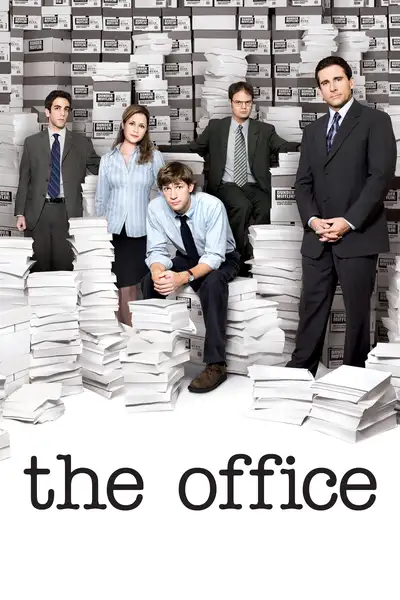
Steve Carell's portrayal of Michael Scott is nothing short of iconic in this masterpiece of workplace comedy that redefined the mockumentary format for American television. Created by Greg Daniels and adapted from Ricky Gervais's British series, the show follows the daily lives of employees at Dunder Mifflin's Scranton branch, where inappropriate comments, absurd office politics, and surprisingly heartfelt relationships collide in the most hilarious ways possible. The ensemble cast—including Rainn Wilson, John Krasinski, Jenna Fischer, and Mindy Kaling—delivers pitch-perfect performances that balance cringe comedy with genuine emotional depth. Whether you're watching Michael's latest HR nightmare unfold or rooting for Jim and Pam's romance, every episode offers quotable moments and laugh-out-loud scenarios that have kept audiences rewatching for years. This is essential viewing for anyone who loves smart, character-driven comedy.
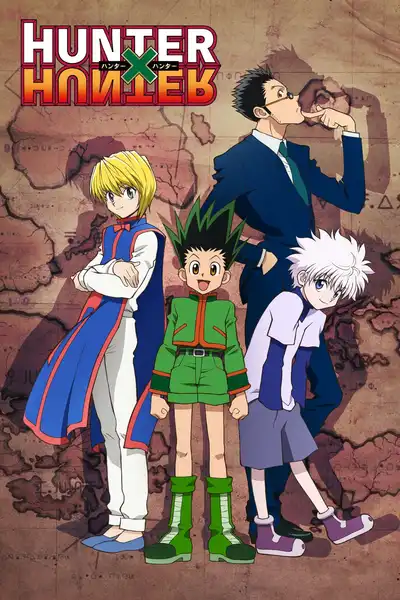
Deceptively whimsical at first, this shonen anime transforms into something progressively darker and more sophisticated as it explores the journey of young Gon Freecss searching for his absent father. Madhouse's 2011 adaptation of Yoshihiro Togashi's manga is a masterclass in long-form storytelling, with each arc building complexity in both plot and character development. What begins as a straightforward adventure anime evolves into a profound examination of human nature, morality, and the costs of ambition. The Chimera Ant arc alone stands as one of anime's greatest achievements—a harrowing, emotionally devastating exploration of what separates humans from monsters. The voice acting in both Japanese and English is exceptional, and the animation remains consistently strong across 148 episodes. This is essential viewing for anyone who thinks they've outgrown shonen anime, proving the genre can achieve genuine artistic depth.
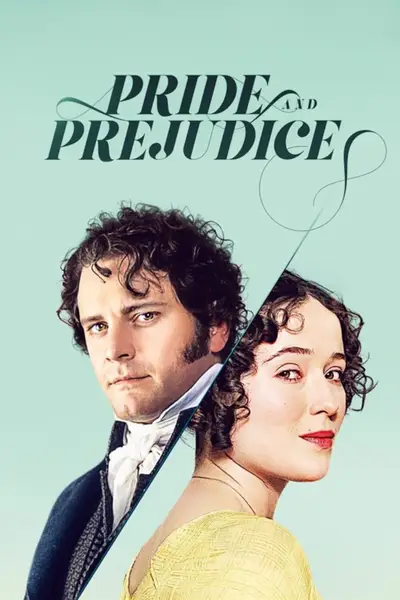
The clash between Elizabeth Bennet's independence and Mr. Darcy's pride forms the foundation of this pitch-perfect adaptation of Jane Austen's masterpiece, and it remains the definitive screen version nearly three decades later. Jennifer Ehle and Colin Firth deliver career-defining performances, creating such palpable chemistry that their slow-burn romance practically crackles off the screen. Writer Andrew Davies and director Simon Langton understand that Austen's genius lies in her sharp social observation and wit, preserving the novel's dialogue while making it accessible to modern audiences. The six-episode format allows the story to breathe, giving proper attention to secondary characters and subplots that film adaptations must rush through. From the countryside of Hertfordshire to the grandeur of Pemberley, every frame is beautifully composed. This is simply exemplary period drama that honors its source material while creating something cinematic and thoroughly captivating.
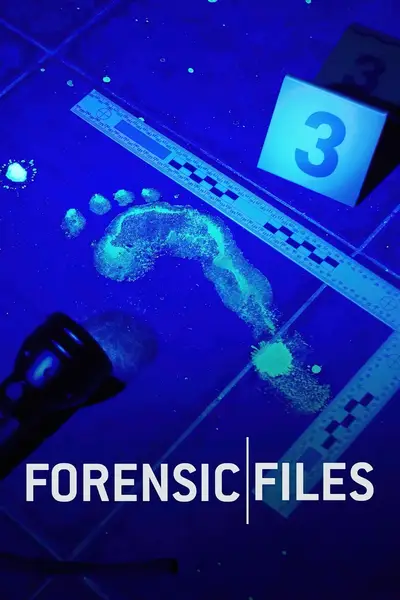
When scientific evidence meets criminal investigation, truth emerges from the smallest details—and this documentary series proves that premise with absolutely riveting consistency. Each episode examines a real criminal case solved through forensic science, from DNA analysis to fiber comparison to blood spatter patterns. What makes the show exceptional is its clarity in explaining complex scientific concepts without dumbing them down, respecting viewers' intelligence while remaining accessible. The calm, methodical narration by Peter Thomas perfectly complements the analytical approach, letting the cases unfold like puzzles being methodically solved. The series never sensationalizes its often-disturbing subject matter, maintaining appropriate gravity while celebrating the scientists and investigators who bring justice through painstaking work. Whether you're fascinated by true crime or scientific methodology, this series delivers consistently compelling television that's both educational and genuinely gripping.
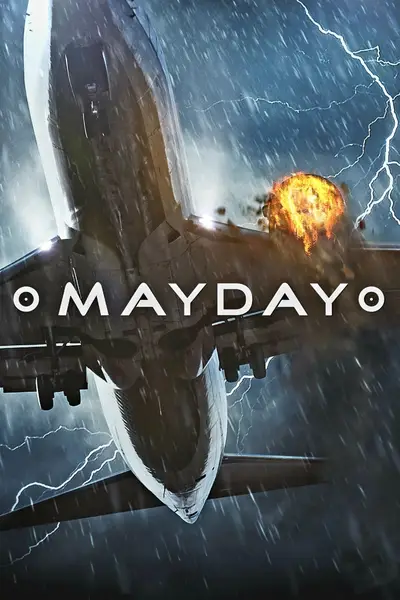
This riveting documentary series investigating real-life aviation disasters sets the standard for disaster reconstruction programming and remains utterly compelling viewing two decades later. Each episode meticulously examines a different air crash, combining dramatic reenactments, CGI animations, cockpit voice recordings, and interviews with investigators, survivors, and aviation experts to piece together what went wrong. Narrated with appropriate gravity by Stephen Bogaert and Jonathan Aris, "Mayday" excels at making complex technical failures comprehensible to general audiences while maintaining respect for victims and their families. The production values are consistently high, and the storytelling is suspenseful even when outcomes are known. Beyond the dramatic reconstructions, the series serves an educational purpose by highlighting how each tragedy led to crucial safety improvements that have made air travel significantly safer.
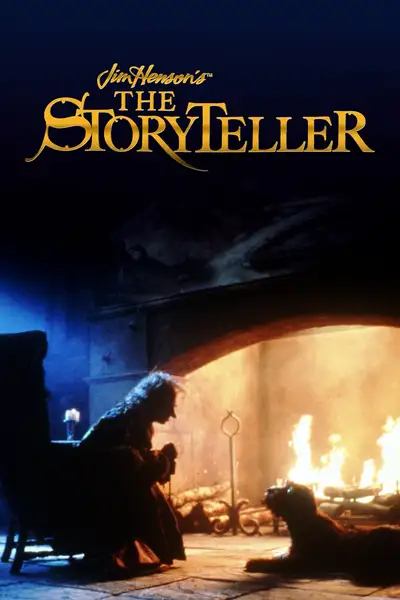
This fantasy anthology series brings European folk tales to enchanting life through the brilliant conceit of a storyteller and his dog entertaining unseen listeners by a fire. Jim Henson's creature shop magic combines with John Hurt's captivating narration to create something truly special that works for viewers of all ages. Each episode presents a different tale—from Greek myths to Northern European folklore—with extraordinary puppets and creature effects that showcase Henson's artistry at its finest. Director Peter Smith and writer Anthony Minghella understand how to honor the source material while making it accessible and visually stunning. The framing device of Hurt's Storyteller provides warmth and continuity, while the tales themselves range from darkly comic to genuinely moving. This is imaginative television that respects both its young audience and the timeless power of storytelling, creating something that remains remarkably fresh decades later.
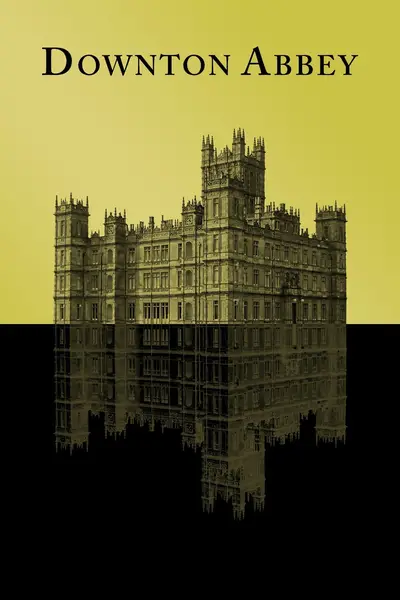
Julian Fellowes created this sumptuous period drama about the aristocratic Crawley family and their servants in early 20th-century England, crafting a masterful ensemble piece that makes class dynamics utterly compelling television. The sprawling cast, led by Maggie Smith's scene-stealing Dowager Countess and including Hugh Bonneville, Michelle Dockery, and Jim Carter, brings depth to characters on both sides of the upstairs-downstairs divide. Fellowes writes with wit and insight about how historical forces like World War I, technological change, and shifting social norms impact both aristocrats and servants, never reducing anyone to simple heroes or villains. The production values are impeccable, with the real Highclere Castle providing a stunning backdrop and costumes that authentically evolve through the decades. The show balances sweeping historical drama with intimate personal stories, soap opera twists with genuine emotional resonance. It's the rare period piece that feels both authentic to its era and accessible to modern audiences, proving that upstairs-downstairs drama still has plenty to say.
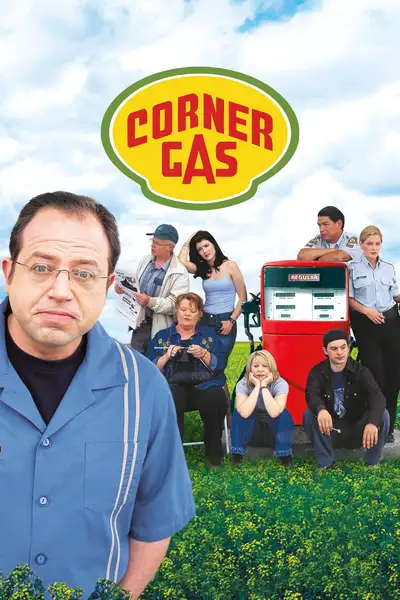
Effortlessly hilarious and impossibly endearing, this Saskatchewan-set sitcom proves that extraordinary comedy can emerge from the most ordinary settings. Created by and starring Brent Butt as Brent Leroy, the owner of the only gas station in the fictional town of Dog River, the series transforms small-town mundanity into comedy gold through razor-sharp writing and a perfect ensemble cast. Gabrielle Miller, Fred Ewanuick, Eric Peterson, Janet Wright, Tara Spencer-Nairn, and Lorne Cardinal round out a cast where every character is memorable and every actor understands exactly what makes the humor work. The show finds endless comedy in the daily interactions at the gas station, the local diner, and around town without ever feeling repetitive or stale. It's quintessentially Canadian in its sensibility—self-deprecating, warm, and clever—and ran for six seasons of consistently excellent episodes that still hold up beautifully.
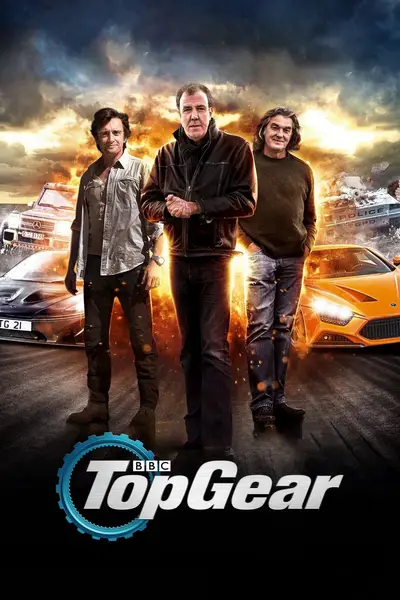
This motoring entertainment show transcends its genre to become something genuinely special, thanks to the chemistry between presenters Jeremy Clarkson, Richard Hammond, and James May, who transform car reviews into comedy gold and ambitious adventures. The format is deceptively simple—test supercars, create absurd challenges, and showcase stunning cinematography—but the execution is what made this iteration a global phenomenon. Whether racing across continents, building amphibious vehicles doomed to sink, or engaging in the kind of banter that only decades of friendship can produce, the trio makes even non-car enthusiasts care about automotive journalism. The production values are cinematic, with camera work and editing that rival high-budget documentaries, while the show's willingness to embrace spectacular failure makes it more engaging than if everything went smoothly. Yes, Clarkson's provocations occasionally cross lines, but the show's pure entertainment value and the hosts' evident passion for what they're doing make this essential viewing for anyone who appreciates adventure, humor, and genuine camaraderie.
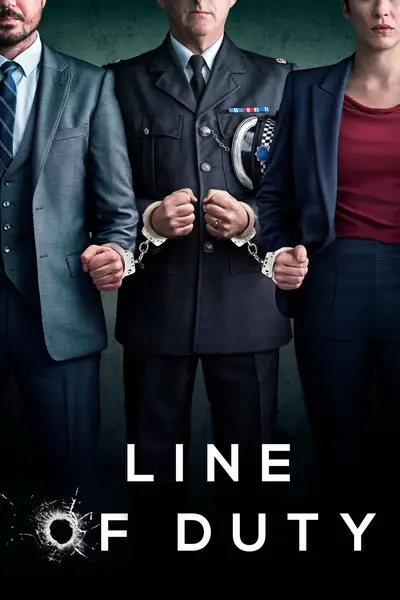
At its core, this gripping British police procedural explores corruption, loyalty, and the moral compromises that come with investigating your own colleagues. Created by Jed Mercurio, the series follows AC-12, an anti-corruption unit tasked with investigating potentially bent coppers within the police force. Martin Compston, Vicky McClure, and Adrian Dunbar form an exceptional trio as the dedicated investigators who must navigate complex cases where nothing is quite as it seems. The show's intricate plotting rewards careful attention, with each season building a case against a different suspect while contributing to larger ongoing storylines about institutional corruption. The interrogation scenes are particularly masterful—tense, dialogue-driven sequences that crackle with intensity. Mercurio's writing keeps you guessing until the final moments, delivering shocking twists that feel earned rather than gimmicky. This is addictive television that combines procedural excellence with character depth and social commentary about modern policing.
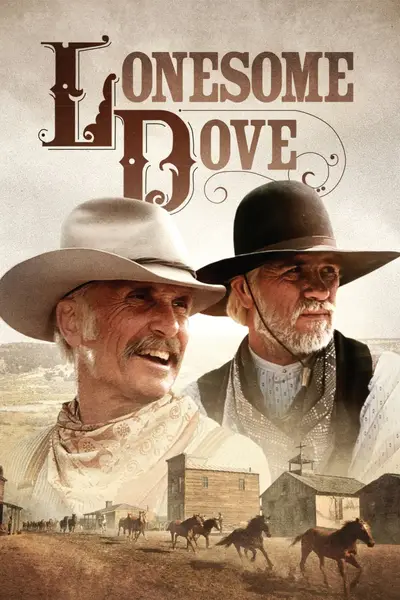
In this sweeping Western epic, two aging Texas Rangers decide to drive a cattle herd from the Rio Grande to Montana, embarking on one final grand adventure. Based on Larry McMurtry's Pulitzer Prize-winning novel and directed by Simon Wincer, this miniseries is an absolute masterpiece that redefined what television Westerns could achieve. Robert Duvall and Tommy Lee Jones deliver career-best performances as Gus McCrae and Woodrow Call, friends whose contrasting personalities anchor a story spanning thousands of miles and exploring themes of friendship, mortality, and the closing of the frontier. The scope is cinematic, with stunning landscapes and a sprawling cast of memorable characters, yet the storytelling remains intimate and character-driven. It's nearly six hours long, but every minute earns its place in what remains one of the finest miniseries ever produced—essential viewing for anyone who appreciates ambitious, emotionally resonant storytelling.
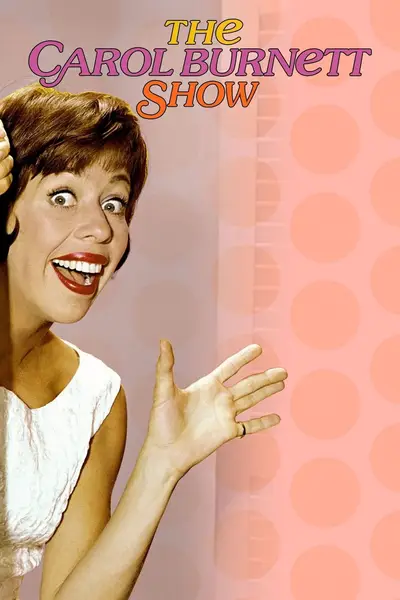
Joyous, inventive, and endlessly entertaining, this variety show represents television comedy at its finest. Carol Burnett leads a brilliant ensemble including Harvey Korman, Vicki Lawrence, Lyle Waggoner, and Tim Conway through sketches, musical numbers, and improvised moments that have become legendary. The chemistry among the cast is palpable, with their frequent on-camera laughter feeling infectious rather than unprofessional. What's remarkable is the show's consistency across eleven seasons—the quality never wavers, and the willingness to take risks keeps the comedy fresh. From elaborate parodies to simple character pieces, the variety in format and tone ensures something for everyone. The production values are impressive, with costume and set design that rival much bigger-budget productions. Watching these performers at the height of their powers, clearly having the time of their lives, remains an absolute delight.
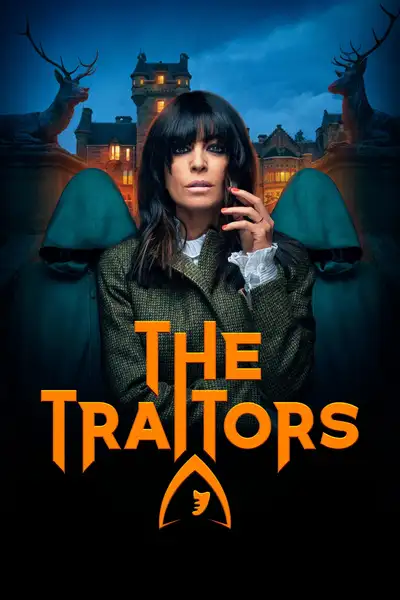
A group of strangers gathers in a Scottish castle where some are secretly designated as "traitors" tasked with eliminating "faithful" players, while everyone tries to identify the traitors before they're eliminated themselves—and the whole addictive mess is overseen by Alan Cumming in full dramatic regalia. The format, adapted from a Dutch series by Stephen Lambert, creates an irresistible psychological pressure cooker that exposes fascinating truths about trust, deception, and group dynamics. Cumming is perfection as host, delivering sardonic commentary and theatrical reveals that enhance rather than distract from the genuine tension. What makes this reality competition exceptional is how it rewards social strategy and psychological insight rather than just physical challenges or arbitrary twists. The casting brings together genuinely interesting personalities, and watching alliances form and crumble as paranoia spreads proves absolutely riveting television that's impossible to stop watching.
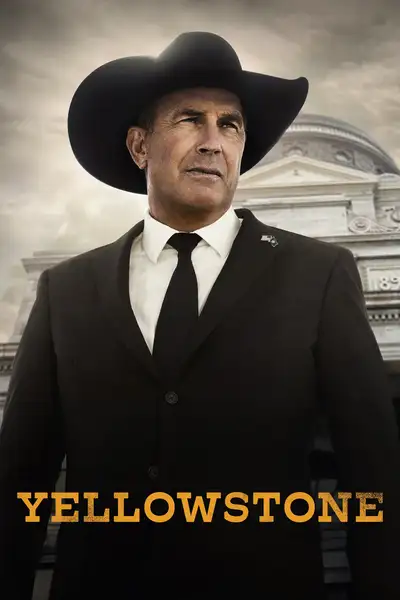
Kevin Costner commands the screen as John Dutton, the patriarch of a powerful Montana ranching family fighting to protect their land from developers, politicians, and neighboring reservations in Taylor Sheridan's modern Western epic. This is television operating at peak ambition—sprawling, cinematic, and unapologetically dramatic in ways that recall classic primetime soaps but with contemporary grit. The cast, including Kelly Reilly, Luke Grimes, Wes Bentley, and Cole Hauser, fully commits to the heightened emotions and Shakespearean family dynamics. Sheridan brings his screenwriting talents from films like Hell or High Water to create a show that's genuinely interested in exploring power, legacy, and the mythology of the American West. The Montana landscapes are breathtaking, the family conflicts are operatic, and the stakes feel enormous. It's not subtle—but when executed this confidently, it doesn't need to be. The show has become a cultural phenomenon for good reason, delivering the kind of addictive, big-canvas storytelling that's increasingly rare on television.

Filmmaker Vin Scully brings his masterful documentary eye to this absolutely riveting portrait of one of football's greatest quarterbacks. "Joe Montana: Cool Under Pressure" is essential viewing for sports enthusiasts and newcomers alike, offering unprecedented access to Montana's journey from small-town Pennsylvania to four-time Super Bowl champion. The documentary brilliantly interweaves archival footage with contemporary interviews, including candid conversations with Montana himself, teammates, coaches, and rivals who witnessed his legendary composure firsthand. What sets this apart from typical sports documentaries is its psychological depth—exploring not just what Montana accomplished, but how his unique mental approach revolutionized quarterback play. The pacing is impeccable, building tension even when you know the outcomes, and the storytelling never succumbs to hagiography, acknowledging failures alongside triumphs. This is documentary filmmaking at its finest, transforming athletic achievement into profound human drama.
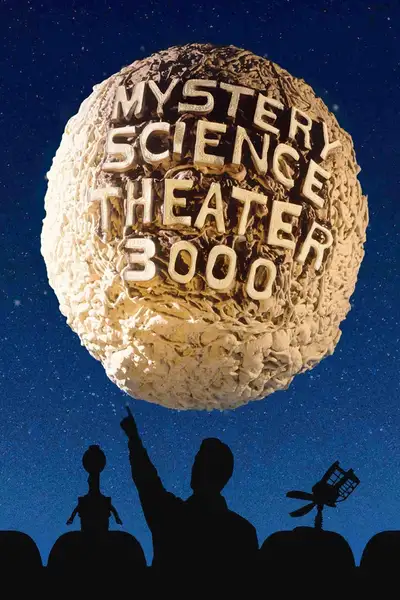
Gleefully absurd and endlessly inventive, this cult sensation turns bad movies into comedy gold through the simple premise of watching someone watch terrible films. Created by Joel Hodgson, the show follows a man trapped on a satellite forced to endure the worst cinema has to offer, accompanied by robot friends he built for company. Tom Servo and Crow T. Robot join Joel (later Mike Nelson) in riffing on everything from sci-fi disasters to incomprehensible international features, delivering a rapid-fire stream of jokes that rewards multiple viewings. The wit ranges from sophisticated cultural references to delightfully dumb puns, creating a humor style entirely its own. The silhouette format—mimicking a movie theater experience—remains iconic, and the show's influence on internet comedy culture is immeasurable. Whether you're discovering it for the first time or revisiting beloved episodes, MST3K offers something genuinely special: comedy that's smart, silly, and wonderfully welcoming.
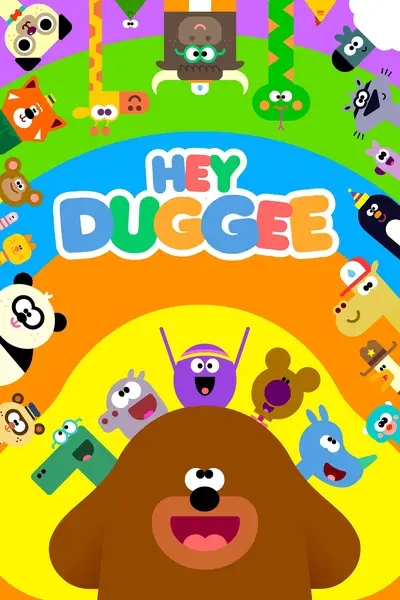
Grant Orchard created this absolutely delightful British animated series that has rightfully become a phenomenon among preschoolers and their parents alike! The show follows Duggee, an adorable dog who runs an after-school club where a group of animal children—the Squirrels—earn activity badges through various adventures and challenges. Each episode is a perfectly paced seven minutes of educational fun, teaching cooperation, problem-solving, and new skills while maintaining genuine wit that keeps adults thoroughly entertained. The animation style is vibrant and distinctive, the voice acting is charming (with comedian Alexander Armstrong as the narrator), and the writing cleverly layers in references that sail over young viewers' heads while delighting grown-ups. Hey Duggee has earned multiple BAFTAs for excellent reason—it respects children's intelligence while delivering pure joy in every episode. This is family programming done absolutely right!
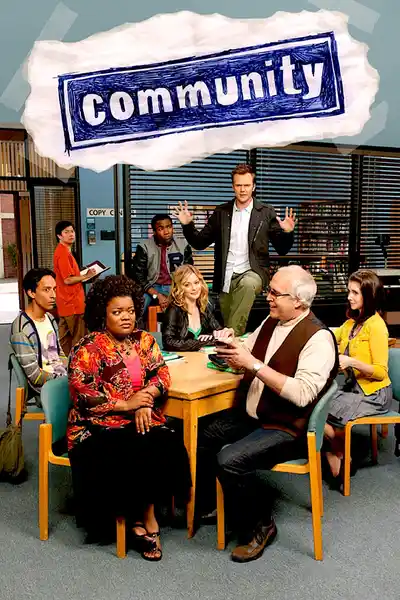
Dan Harmon created this brilliantly meta sitcom about a study group at a community college, and it's one of the smartest comedies of its era. The ensemble cast, led by Joel McHale and featuring Gillian Jacobs, Danny Pudi, Alison Brie, Donald Glover, Chevy Chase, Ken Jeong, and Yvette Nicole Brown, transforms what could have been a simple workplace comedy into something far more ambitious. The series fearlessly experiments with format—delivering genre parodies, musical episodes, claymation, and documentary-style installments—while maintaining emotional authenticity beneath the conceptual fireworks. The pop culture references are dense but never feel exclusionary, and the character work remains strong even during the show's wildest creative swings. Yes, the later seasons without Harmon and with cast departures lose some magic, but the peak seasons represent some of the most inventive comedy television has offered. It's the rare show that rewards both casual viewing and obsessive rewatching.
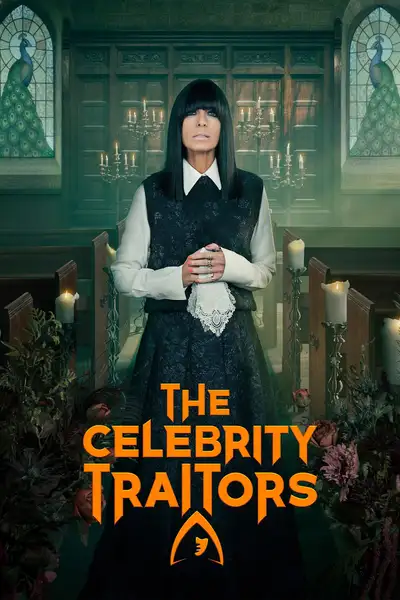
Reality competition television reaches spectacular new heights with this absolutely addictive twist on social deduction games that will have you questioning everyone's motives. Bringing together celebrities in a Scottish castle, the format challenges "Faithful" contestants to identify the "Traitors" among them before being eliminated themselves, with a cash prize hanging in the balance. The psychological gameplay creates genuinely thrilling television as alliances form and crumble, with famous faces revealing surprising strategic abilities and occasionally catastrophic judgment. What elevates this above typical celebrity fare is how completely the participants commit to the paranoia and backstabbing the game demands—you'll find yourself shouting at the screen as obvious traitors escape detection or faithful players get wrongly banished. It's compulsively watchable entertainment that justifies every minute of its runtime.
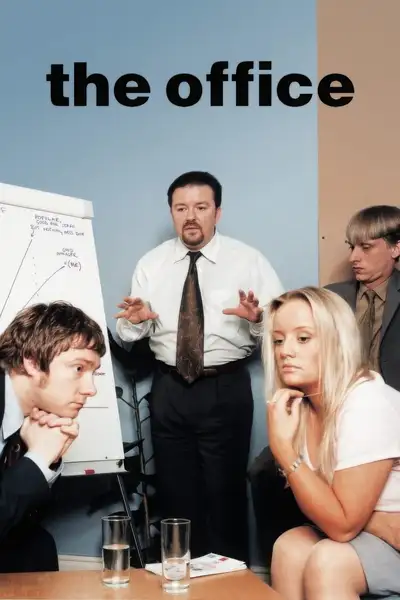
This workplace mockumentary from creators Ricky Gervais and Stephen Merchant revolutionized comedy television with its uncomfortable silences, cringe-inducing moments, and painfully realistic characters. Set in the Slough branch of the Wernham Hogg paper company, the show finds both humor and pathos in the mundane routines of office life. Gervais stars as David Brent, a delusional manager whose desperate need for approval makes him simultaneously pathetic and oddly sympathetic. The documentary-style filming creates an intimacy that makes every awkward moment land with maximum impact, while Martin Freeman grounds the show as the relatable Tim Canterbury. Though it only ran for two series plus specials, the British original remains a masterclass in character-based comedy. Its influence on television comedy—particularly its American adaptation—cannot be overstated.
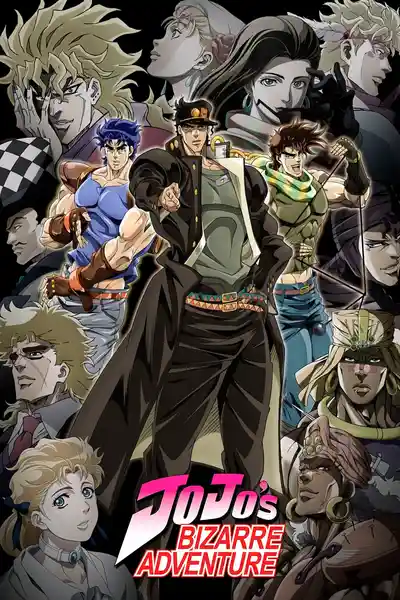
Hirohiko Araki's manga adaptation brings the wildly imaginative JoJo franchise to vivid animated life, following multiple generations of the Joestar family as they battle supernatural threats across different time periods. Each story arc, or "Part," features a new JoJo protagonist with unique abilities, from Jonathan's Hamon breathing techniques in Victorian England to Jotaro's Stand powers in 1980s Japan. David Production's adaptation honors Araki's distinctive art style with bold colors, dynamic poses, and creative visual flourishes that make every fight feel like a moving manga panel. The series embraces its own absurdity—characters are named after classic rock bands, battles rely on psychological gamesmanship as much as physical prowess, and dramatic declarations are delivered with maximum theatrical flair. While the tonal shifts between parts can be jarring, that variety keeps the formula fresh across multiple seasons. It's stylish, bizarre, and utterly confident in its own eccentric vision.