Supernatural Horror Shows
When the veil between worlds grows thin and malevolent forces lurk in the shadows, supernatural horror shows deliver the kind of spine-tingling terror that keeps viewers awake long after the credits roll. From classic series that defined paranormal storytelling to contemporary streaming sensations that push the boundaries of fear, these productions prove that the most terrifying threats often come from beyond our understanding. Whether you're drawn to haunted houses crawling with vengeful spirits, demon-hunting protagonists battling ancient evils, or anthology series that explore the darkest corners of the supernatural realm, this curated selection of 21 shows spans decades of television excellence. These aren't just jump-scare factories—they're masterfully crafted narratives that weave horror with rich supernatural mythology, creating immersive worlds where ghosts, witches, vampires, and otherworldly entities reign supreme. Perfect for fans seeking atmospheric dread, psychological terror, and stories that blur the line between the living and the dead, these supernatural horror series represent the genre's finest offerings across generations of television history, proving that our fascination with things that go bump in the night remains eternally captivating.
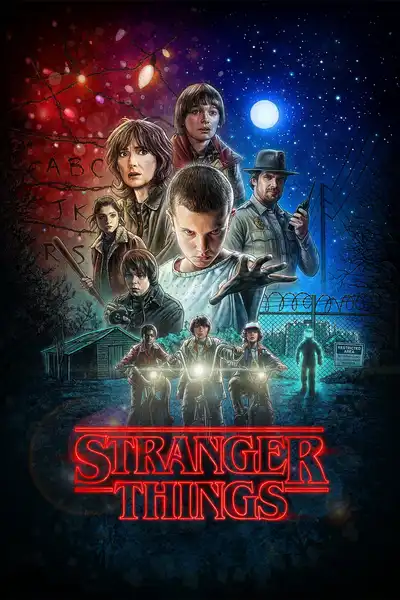
Set in 1980s Hawkins, Indiana, the Duffer Brothers have created an irresistible love letter to Spielbergian adventure and supernatural horror that hooks you instantly. When a young boy vanishes without a trace, his friends discover their small town harbors terrifying secrets involving government experiments and an alternate dimension called the Upside Down. Winona Ryder delivers a powerhouse performance as a desperate mother, while the young cast—led by Millie Bobby Brown's extraordinary Eleven—carries genuine chemistry that makes their friendship feel authentic. The synth-heavy soundtrack pulses with nostalgic energy, and the show brilliantly balances creature-feature scares with genuine heart. Whether you lived through the '80s or just love a perfectly crafted mystery with dimensional monsters, this Netflix phenomenon delivers thrills, tears, and more than a few genuine scares.
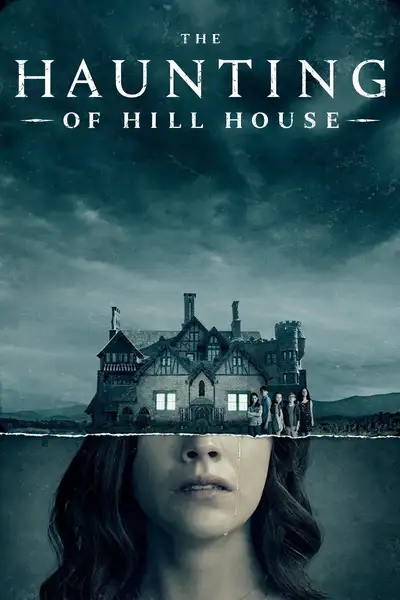
Set primarily in the 1990s with threads extending to the present day, this Mike Flanagan adaptation reimagines Shirley Jackson's classic novel as a family drama about five siblings haunted by their childhood in America's most famous haunted house. The series has undeniable strengths—the cinematography is gorgeous, the performances from Carla Gugino and the ensemble cast are committed, and several episodes deliver genuinely unsettling moments. Flanagan's signature "hidden ghosts" scattered throughout scenes reward attentive viewers. However, the show ultimately feels more interested in family therapy sessions than sustained horror, with lengthy monologues that slow the momentum. The nonlinear structure works against the tension building, and the ending opts for sentimentality over scares. It's a well-crafted production that horror fans might appreciate for its technical merit, but those expecting the existential dread of Jackson's novel may find it disappointingly tame.
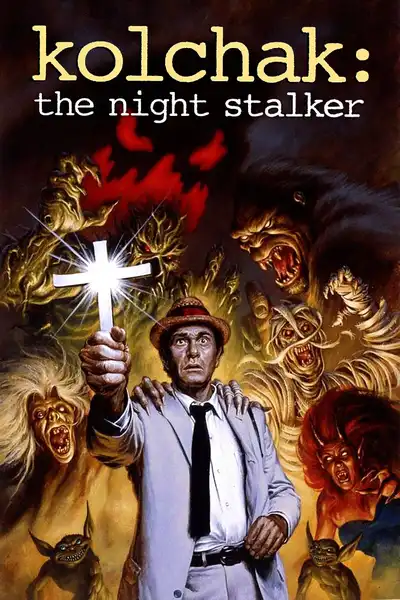
In 1970s Chicago, a rumpled newspaper reporter investigates cases that police dismiss as coincidental or mundane but which hide supernatural explanations. Darren McGavin stars as Carl Kolchak, an endearing everyman journalist whose curiosity and persistence lead him into weekly encounters with vampires, werewolves, and various creatures of folklore. Created by Jeff Rice, the series established many conventions that later shows like "The X-Files" would refine and popularize. McGavin's performance makes Kolchak simultaneously skeptical and believing, frightened yet determined, creating a protagonist viewers instinctively root for despite his professional failures. The production values may show their age, but the storytelling remains effective, with each episode functioning as a standalone monster-of-the-week adventure. It's classic genre television that understands character matters more than budget.
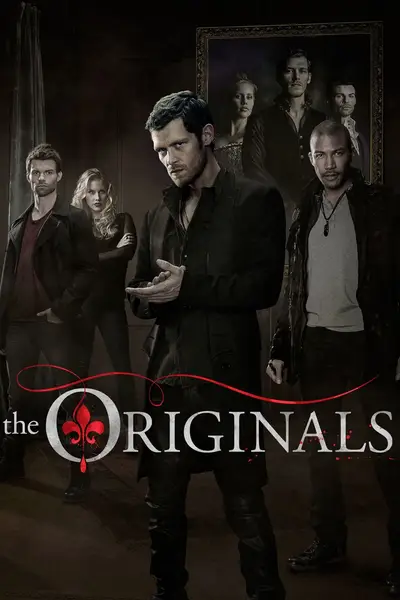
The Mikaelson siblings—the world's first vampires—relocate to New Orleans to reclaim the city they helped build centuries ago, only to discover family drama and supernatural politics have become impossibly entangled. This spin-off from *The Vampire Diaries* finds its own identity through creator Julie Plec's focus on family loyalty and the weight of immortality. Joseph Morgan, Daniel Gillies, and Phoebe Tonkin lead a cast that fully commits to the heightened emotions and baroque plotting, delivering Shakespearean family conflict amid vampire-werewolf-witch power struggles. The New Orleans setting provides atmospheric richness, and the show isn't afraid to explore the darkness of its supposedly heroic protagonists. While it requires some familiarity with its parent series, the mythology and character relationships develop enough depth to reward investment, creating an addictive supernatural saga about the bonds that transcend time.
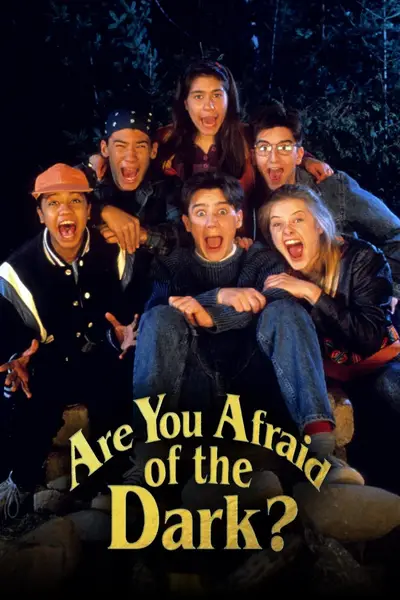
A group of teenagers calling themselves the Midnight Society gather around a campfire in the woods each week to tell terrifying tales that come vividly to life on screen. Created by D.J. MacHale, this Canadian anthology series became a defining Saturday night ritual for an entire generation of young viewers. Each episode features a self-contained horror story introduced by one of the society members, ranging from haunted houses and cursed objects to supernatural creatures and twisted wishes gone wrong. The show strikes a perfect balance between genuinely unsettling moments and age-appropriate storytelling, never talking down to its audience while respecting broadcast boundaries. The framing device of the campfire sessions adds warmth and camaraderie that makes the scary stories feel like a shared experience. With memorable monsters, clever twists, and that iconic opening theme, the series proved that children's programming could be both thoughtful and spine-tingling.
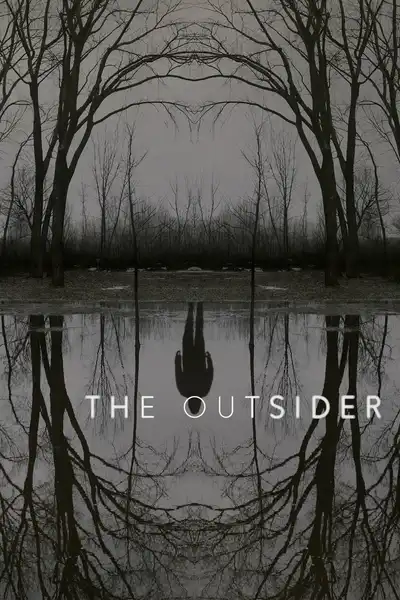
This story explores how a seemingly impossible crime can fracture a community's sense of reality and justice when the evidence contradicts what people desperately want to believe. Based on Stephen King's novel and adapted by Richard Price, the HBO miniseries begins with the brutal murder of a young boy and Detective Ralph Anderson (Ben Mendelsohn) arresting beloved Little League coach Terry Maitland (Jason Bateman, who also directs), backed by irrefutable forensic evidence. The twist: equally solid evidence places Terry in a different city at the exact time of the murder. What follows blends police procedural with supernatural horror as private investigator Holly Gibney (Cynthia Erivo) enters the case. The slow-burn approach builds effectively in the early episodes, though the series struggles to maintain momentum across ten episodes when King's novel might have supported eight. Mendelsohn and Erivo deliver strong performances, but the finale doesn't quite justify the patient buildup. It's an atmospheric watch that may frustrate those expecting either pure detective work or outright horror.
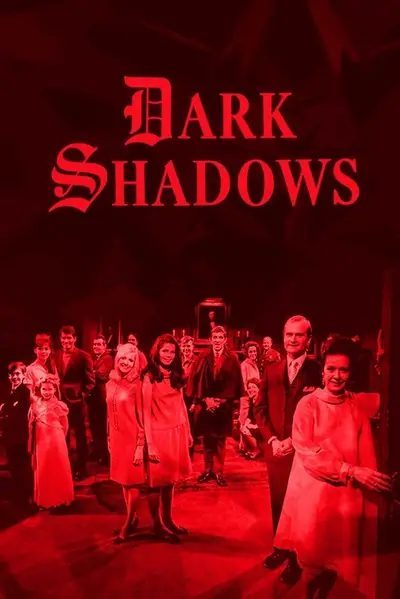
The Collins family mansion holds dark secrets that extend far beyond typical Gothic melodrama in this groundbreaking daytime soap opera that introduced supernatural elements to afternoon television. What began as a conventional family drama transformed when creator Dan Curtis brought in vampire Barnabas Collins, played with brooding intensity by Jonathan Frid, whose arrival turned the series into a cultural phenomenon. The show's willingness to embrace horror tropes—vampires, witches, werewolves, time travel, and parallel dimensions—within a soap opera framework was revolutionary for its time. While production constraints meant wobbly sets, visible boom mics, and occasional flubbed lines (the show aired live-to-tape with minimal retakes), these imperfections became part of its charm. The sprawling storylines could be convoluted, and pacing varied wildly, but the commitment to atmospheric storytelling and complex mythology created devoted fans. The ensemble cast brought surprising depth to outlandish scenarios, treating the material with sincerity that sold even the most absurd plot developments. For viewers interested in television history or Gothic storytelling, Dark Shadows remains a fascinating artifact that influenced countless supernatural dramas to come.
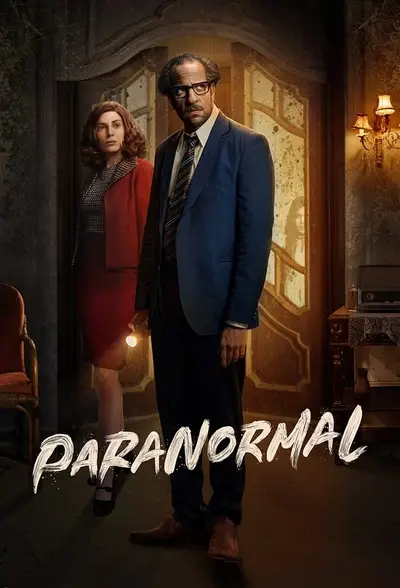
Ahmed Amin stars as Dr. Refaat Ismail, a cynical hematologist whose rationalist worldview collides with inexplicable supernatural phenomena in 1960s Egypt. Based on the beloved novels by Ahmed Khaled Tawfik and created by Amr Salama, this Arabic-language series brings distinctly Egyptian folklore and horror sensibilities to the screen with style and genuine scares. Amin's performance brilliantly captures Refaat's journey from dismissive skeptic to reluctant believer, while Razane Jammal provides grounding as his complicated former flame Maggie. The period setting is richly realized, and the show earns praise for its atmospheric tension rather than relying on cheap jump scares. At six episodes, the first season feels perfectly calibrated—tight enough to maintain momentum while building a mythology that leaves you wanting more. It's proof that horror works everywhere, especially when rooted in specific cultural traditions.
This series explores the erosion of reality itself through the lens of a fictional 1980s educational video company whose tapes contain something far more sinister than nature documentaries and home improvement guides. Creator Remy Abode has crafted one of analog horror's most effective entries, building a mythology that gradually reveals itself through degraded VHS footage, unsettling infomercials, and innocuous-seeming programming that conceals cosmic horror. The found-footage format is used brilliantly here—the aesthetic of worn videotape and tracking errors creates an atmosphere of creeping dread that builds episode by episode. What begins as slightly off-kilter nature content evolves into something genuinely disturbing, with body horror and existential threats emerging from the static. The worldbuilding is meticulous and rewards close attention, as details connect across episodes to form a larger, nightmarish picture. For fans of experimental horror and ARG-style storytelling, Gemini Home Entertainment represents the format at its most accomplished and unnerving.
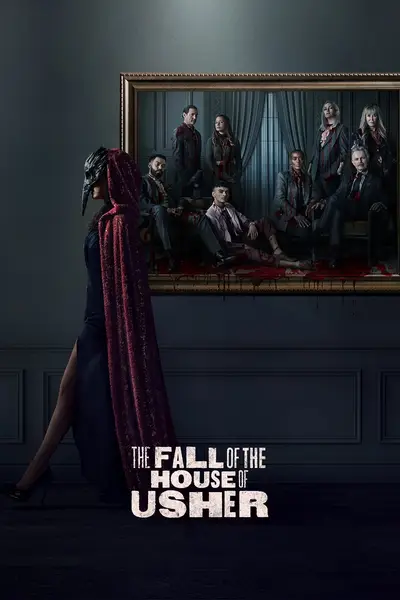
Eric Heisserer developed this adaptation of Leigh Bardugo's Grishaverse novels, bringing the fantasy world of Ravka to life with impressive visual effects and an appealing young cast. The series follows multiple storylines that converge around Alina Starkov, played by Jessie Mei Li, an orphan who discovers she possesses extraordinary powers that could change her war-torn world's fate. Ben Barnes brings brooding intensity to the Darkling, while the show smartly incorporates characters from Bardugo's Six of Crows novels to add heist elements to the epic fantasy framework. The magic system is visually distinctive, and the production design creates a world that feels genuinely lived-in despite the fantastical elements. While the plot occasionally struggles under the weight of its mythology and the pacing can be uneven, the cast's chemistry and commitment sells the material. It's an enjoyable entry in the fantasy streaming landscape that respects its source material while making necessary adaptations for television, offering enough intrigue and spectacle to satisfy genre fans looking for their next binge-worthy series.
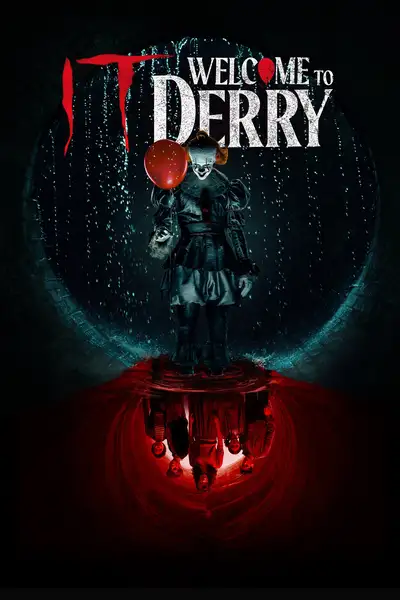
Atmospheric dread permeates every frame of this prequel series exploring the origins of Pennywise and the cursed history of Derry, Maine. Set decades before the events of Stephen King's iconic novel, the show delves into how fear took root in this seemingly ordinary town and the evil that has fed on its residents for generations. The period setting is meticulously crafted, immersing viewers in a Derry that feels both nostalgic and deeply unsettling. The creative team builds tension masterfully, understanding that horror works best when it's as much about human darkness as supernatural threats. While honoring King's source material and the world established in Andy Muschietti's films, the series carves out its own identity with fresh characters and storylines that expand the mythology. It's a worthy addition to the IT universe that horror fans will appreciate for its commitment to slow-burn scares and character-driven storytelling rather than relying solely on jump scares.
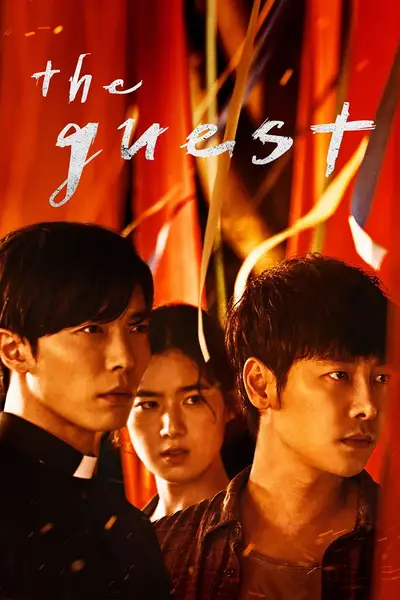
Gripping and atmospheric, this Korean supernatural thriller follows a psychic, a priest, and a detective who team up to combat malevolent spirits threatening the living. Kim Dong-wook stars as Yoon Hwa-pyung, a psychic taxi driver haunted by a childhood tragedy, alongside Kim Jae-wook as the conflicted priest Choi Yoon and Jung Eun-chae as the skeptical detective Kang Kil-young. Created by writer Kim Eun-hee-III and director Kim Hong-sun, the series blends horror elements with compelling character development and a mystery that deepens with each episode. The exorcism sequences are genuinely unsettling, enhanced by strong production values and committed performances from the leads. What elevates the show beyond typical supernatural fare is its exploration of trauma, faith, and redemption, giving emotional weight to the scares. The chemistry between the three leads drives the narrative forward through increasingly dangerous confrontations.
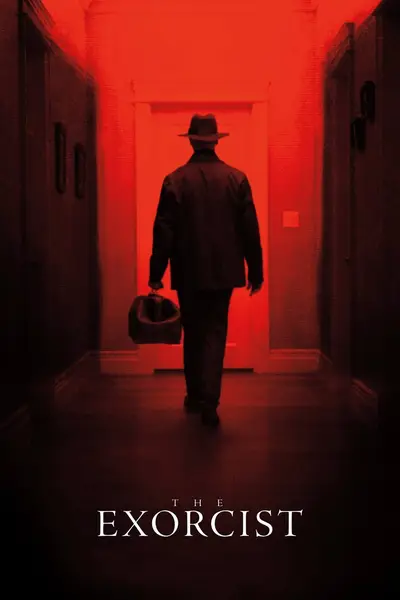
Jeremy Slater developed this underrated series that reimagines the iconic film franchise as a contemporary story about two priests battling demonic forces threatening a Chicago family. What could have been a simple retread instead expands the mythology while maintaining the original's themes of faith, doubt, and the reality of evil. Geena Davis delivers a powerful performance as the matriarch whose family becomes the target of possession, while Alfonso Herrera and Ben Daniels bring complexity to the priestly duo—one a modern progressive, the other a traditional exorcist with a haunted past. The series skillfully balances supernatural horror with family drama, exploring how trauma and belief intersect. Though it only ran two seasons, the show found its own identity while respecting the source material, offering genuinely unsettling moments and thoughtful examination of religious faith in the modern world.
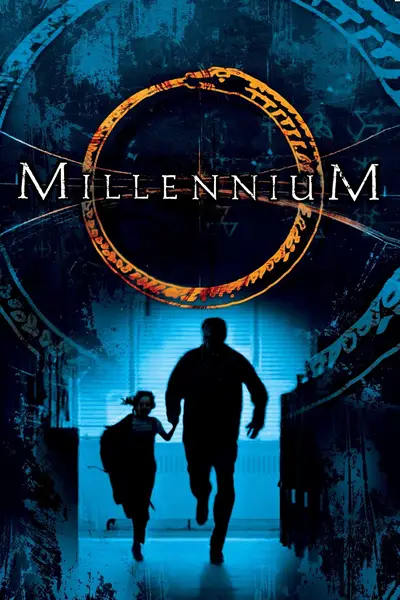
Haunting, atmospheric, and intellectually ambitious, this criminological thriller from Chris Carter stands as one of the finest examples of late-'90s prestige television. Lance Henriksen delivers a career-defining performance as Frank Black, a former FBI profiler with an uncanny ability to see into the minds of killers, who joins the mysterious Millennium Group. Unlike its spiritual predecessor The X-Files, this series opts for psychological horror grounded in human evil rather than alien conspiracies, creating a profoundly unsettling meditation on violence, faith, and the approaching millennium. The first season's procedural structure gives way to deeper mythology in subsequent years, with increasingly apocalyptic themes that reflected turn-of-the-century anxieties. The cinematography is deliberately dark and oppressive, matching Frank's descent into the darkness he studies. While the final season's network interference created some inconsistencies, the show's exploration of evil—both human and possibly supernatural—remains powerful, making it essential viewing for fans of thoughtful horror.
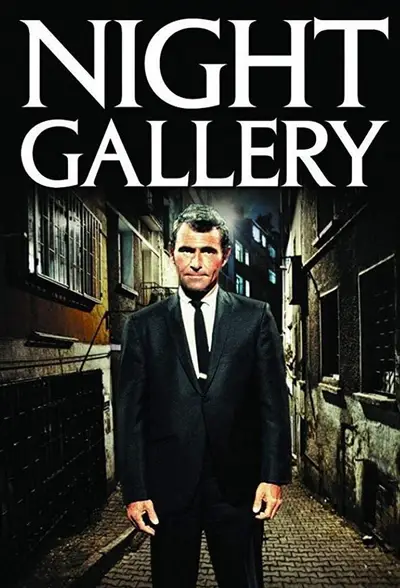
Rod Serling hosts this atmospheric anthology series where he introduces each tale from within a shadowy art gallery, featuring paintings that come to life with macabre stories. Following his success with The Twilight Zone, Serling curates a darker, more horror-focused collection that delves into psychological terror, supernatural revenge, and twisted irony. The series attracts impressive guest stars including Joan Crawford, Roddy McDowall, and Leonard Nimoy, each bringing gravitas to their unsettling roles. While the format mirrors its predecessor, Night Gallery leans harder into gothic horror and often ventures into genuinely disturbing territory. The painting framing device adds an elegant touch, and Serling's wry commentary provides the perfect counterbalance to the darkness. It's essential viewing for fans of classic horror anthologies who appreciate intelligent, character-driven storytelling wrapped in eerie atmosphere.
Created by Lynn Lehmann, this anthology series masterfully blurs the line between reality and fiction by presenting mysterious stories that challenge viewers to determine which tales are true. Host Jonathan Frakes guides audiences through each episode's collection of strange, supernatural, and unexplainable events, maintaining an engaging presence that adds to the suspense. The format is brilliantly simple: watch five stories, decide which are fact or fiction, then discover the truth. The variety of tales—from ghostly encounters to bizarre coincidences—keeps each episode fresh and unpredictable. The production embraces its modest budget with atmospheric direction and committed performances. What makes this series enduringly entertaining is how it engages viewers as active participants rather than passive watchers, turning each episode into a game that's both fun and genuinely intriguing.
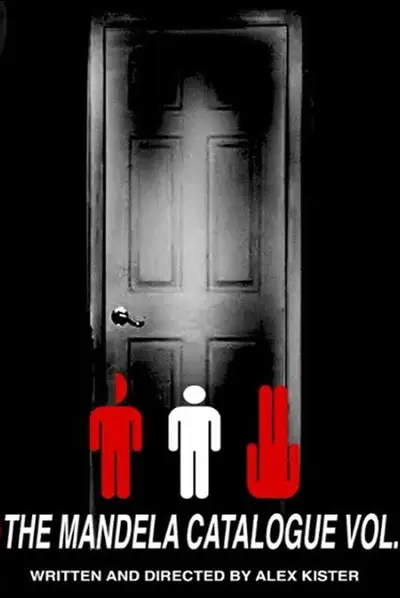
Set in Mandela County, Wisconsin, during an alternate timeline where supernatural entities have infiltrated human society, this analog horror series has redefined what YouTube horror can achieve. Creator Alex Kister uses deliberately lo-fi production values—grainy VHS footage, emergency broadcast warnings, and unsettling PSA-style videos—to craft something genuinely disturbing. The series follows the spread of "alternates," doppelgängers that psychologically torment their victims before replacing them, through found footage and institutional recordings that feel unnervingly authentic. Rather than relying on jump scares, Kister builds existential dread through implication and atmosphere, trusting viewers to fill in the horrifying blanks. The mythology deepens with each installment, weaving religious imagery and conspiracy theory aesthetics into a narrative that rewards close attention and repeated viewing.
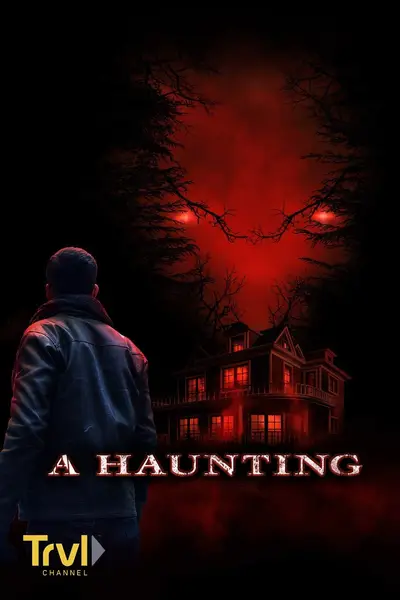
Produced by a team that understands the power of atmospheric dread, this paranormal docuseries recreates allegedly true encounters with the supernatural through a blend of interviews and dramatic reenactments. A Haunting presents each episode as a self-contained story, featuring firsthand accounts from people who claim to have experienced ghosts, demons, and unexplained phenomena in their homes. The production approach creates genuinely unsettling moments, with moody cinematography and sound design that amplifies the creepiness factor. Whether you're a true believer or a skeptic, the show succeeds at crafting engaging narratives that tap into primal fears about the unknown lurking in familiar spaces. The reenactments are surprisingly effective, avoiding the cheap theatrics that plague similar shows in favor of slow-building tension. While some episodes are more convincing than others, the series maintains a consistent quality that makes it perfect late-night viewing for horror fans and paranormal enthusiasts alike.
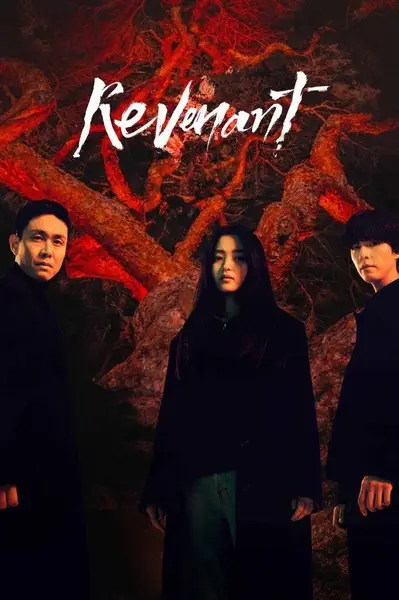
At its core, this Korean supernatural thriller examines grief, guilt, and the devastating lengths people will go to protect those they love from both earthly and otherworldly threats. Kim Tae-ri delivers a powerhouse performance as a folklorist who becomes entangled with a centuries-old demon, bringing emotional depth to scenes requiring both vulnerability and fierce determination. The series masterfully weaves traditional Korean folklore into a contemporary setting, creating genuinely unsettling horror moments while maintaining character-driven storytelling that gives the scares real weight. Director Kim Jung-min's visual approach uses shadow and suggestion effectively, proving that atmospheric dread often trumps jump scares. Supporting performances, particularly Oh Jung-se as a professor with his own dark secrets, add layers to what could have been a straightforward possession narrative. The pacing occasionally lags in middle episodes, but the payoff justifies the investment. This stands as one of the stronger entries in Korean horror television, offering both chills and substantial emotional resonance.
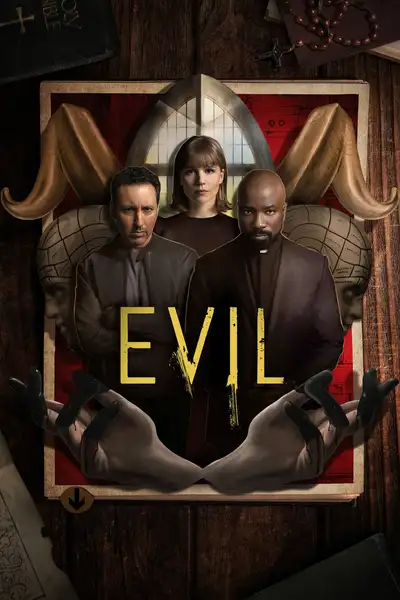
A skeptical psychologist joins a priest-in-training and a technology expert to investigate supposedly supernatural occurrences for the Catholic Church, searching for rational explanations while confronting genuinely unsettling phenomena. Katja Herbers leads the cast as Dr. Kristen Bouchard, with Mike Colter and Aasif Mandvi rounding out the investigative trio in this procedural from creators Robert and Michelle King. The show walks an interesting line between case-of-the-week structure and serialized storytelling, though it doesn't always balance these elements successfully. The demon-or-delusion ambiguity creates effective tension in early episodes, but the series occasionally leans too heavily into camp territory, undercutting its more serious explorations of faith and doubt. Still, the cast chemistry keeps things watchable even when individual episodes falter.
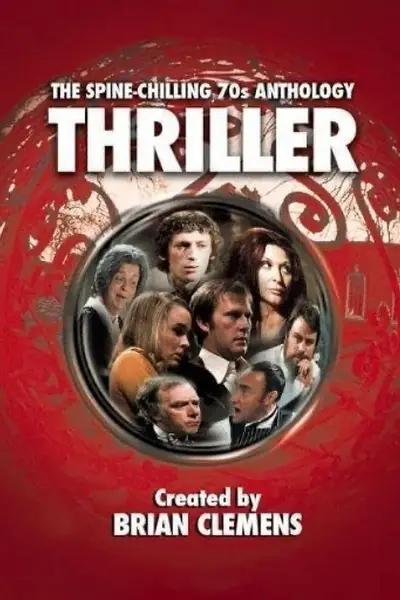
At its core, Thriller explores the darkness lurking beneath civilized society, examining how ordinary people confront extraordinary evil in its many forms. Hosted and sometimes directed by Boris Karloff, this British anthology series delivers sophisticated suspense that relies on psychological tension rather than gore or shock value. Each standalone episode presents a different story—from supernatural hauntings to criminal conspiracies—all unified by an atmosphere of creeping dread and moral ambiguity. The production values are impressive for early 1970s television, with moody cinematography and carefully constructed set pieces that enhance the unsettling narratives. Guest stars including Diana Rigg, Elaine Stritch, and Hayley Mills bring depth to characters facing impossible choices and terrifying revelations. Karloff's presence as host adds gravitas and a touch of macabre charm. The series demonstrates that effective horror doesn't require a large budget, just strong writing, committed performances, and an understanding of what truly frightens audiences: the fragility of safety and sanity.