Sports Shows
Whether you're a die-hard sports fanatic or simply love compelling television drama, the best sports shows deliver an unbeatable combination of athletic intensity, emotional storytelling, and unforgettable characters. From the Friday night lights of high school football to the electrifying world of professional wrestling, these series explore every corner of the sporting universe with authenticity and passion. Our carefully curated selection of 21 all-time great sports shows spans decades of television history, bringing together everything from acclaimed dramas that examine the psychological toll of competition to hilarious comedies set in fantasy football leagues, innovative sports journalism narratives, and immersive documentaries that take viewers behind the scenes of athletic excellence. You'll find powerful character studies of athletes facing career-defining moments, ensemble casts navigating the business of sports media, and both classic series that defined the genre alongside contemporary hits pushing boundaries in fresh directions. These shows prove that the most captivating sports stories aren't always about the final score—they're about the dedication, rivalry, camaraderie, and human drama that make athletic competition an endlessly fascinating lens through which to explore what drives us to compete, succeed, and sometimes fail spectacularly.
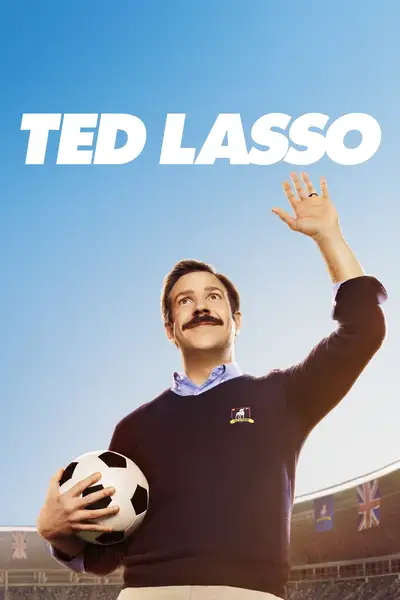
Jason Sudeikis plays Ted Lasso, an American football coach hired to manage a struggling English Premier League team despite knowing nothing about soccer—a premise that sounds more promising than it ultimately delivers. Created by Sudeikis, Bill Lawrence, Brendan Hunt, and Joe Kelly, the show aims for heartwarming inspiration but often lands on saccharine. Sudeikis brings genuine charm to the role, and his relentless optimism provides some effective moments, particularly when the show explores his underlying struggles with mental health. Hannah Waddingham and Brett Goldstein offer strong supporting performances that occasionally elevate the material. The first season's fish-out-of-water comedy works well enough, but subsequent seasons struggle to maintain momentum, recycling similar emotional beats and relationship dynamics. The show's insistence on niceness sometimes feels forced, sanding down potential conflict before it can develop into anything meaningful. There are genuinely touching moments scattered throughout, but the series too often chooses easy sentiment over earned emotional payoffs.
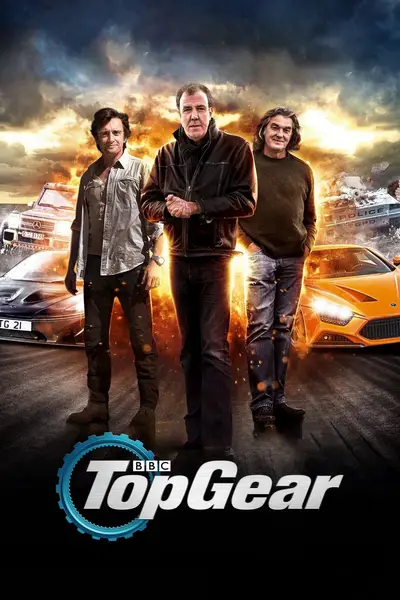
This motoring entertainment show transcends its genre to become something genuinely special, thanks to the chemistry between presenters Jeremy Clarkson, Richard Hammond, and James May, who transform car reviews into comedy gold and ambitious adventures. The format is deceptively simple—test supercars, create absurd challenges, and showcase stunning cinematography—but the execution is what made this iteration a global phenomenon. Whether racing across continents, building amphibious vehicles doomed to sink, or engaging in the kind of banter that only decades of friendship can produce, the trio makes even non-car enthusiasts care about automotive journalism. The production values are cinematic, with camera work and editing that rival high-budget documentaries, while the show's willingness to embrace spectacular failure makes it more engaging than if everything went smoothly. Yes, Clarkson's provocations occasionally cross lines, but the show's pure entertainment value and the hosts' evident passion for what they're doing make this essential viewing for anyone who appreciates adventure, humor, and genuine camaraderie.
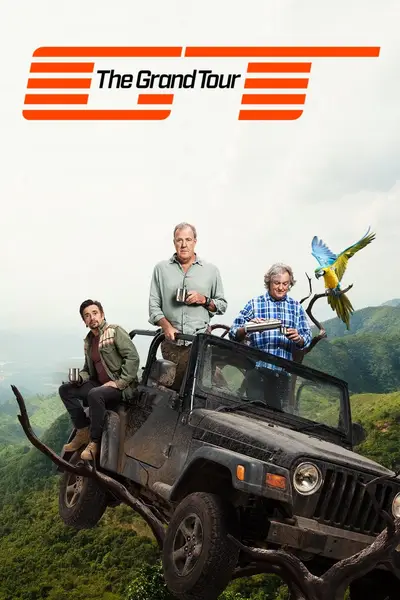
Jeremy Clarkson, Richard Hammond, and James May reunite as themselves for this Amazon automotive series that attempts to recapture their "Top Gear" chemistry with bigger budgets and global locations. The format remains familiar—elaborate road trips, absurd challenges, and celebrity guests—but something feels slightly off about the whole enterprise. When it works, particularly during their ambitious special episodes, the trio's genuine friendship and comic timing shine through. The production values are undeniably impressive, with cinematography that makes cars look spectacular. However, the scripted banter often feels more forced than spontaneous, and the show's reliance on spectacle over substance grows tiresome. Some segments drag, and the humor occasionally crosses from cheeky into mean-spirited. Fans of the original trio will find moments to enjoy, but this feels like watching a legacy act touring past glories rather than creating new ones.
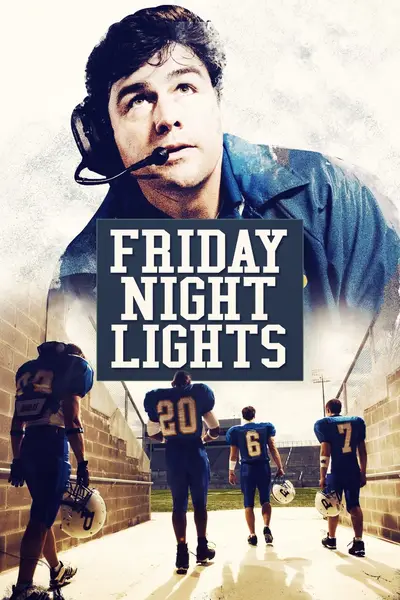
Kyle Chandler delivers a career-defining performance as Coach Eric Taylor, the moral center of this extraordinary drama about high school football in small-town Texas. Developed by Peter Berg and based on Buzz Bissinger's book, "Friday Night Lights" transcends its sports setting to become one of television's most authentic portraits of American life, capturing economic struggle, racial tension, and the weight of expectations with remarkable sensitivity. Connie Britton matches Chandler scene for scene as Tami Taylor, creating one of TV's great marriages built on mutual respect and lived-in intimacy. The series employs documentary-style cinematography and naturalistic dialogue that gives every moment genuine emotional texture, whether following the Dillon Panthers' championship hopes or exploring the characters' personal challenges off the field. The ensemble cast, including young talents like Michael B. Jordan and Taylor Kitsch, is uniformly excellent. Clear eyes, full hearts—this series truly can't lose.
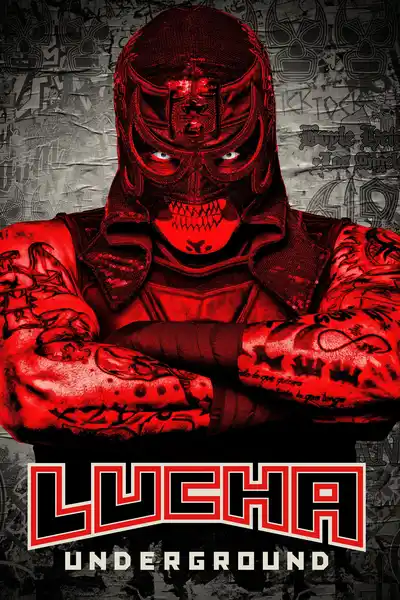
Professional wrestling elevated to pure art form, Lucha Underground revolutionized what wrestling television could be with its cinematic presentation and mythology-rich storytelling. Created by Robert Rodriguez and Mark Burnett, this isn't just wrestling—it's a serialized drama that happens to feature incredible athletic performances, blending lucha libre traditions with noir aesthetics and supernatural elements. The roster features phenomenal talent including Prince Puma, Pentagon Jr., and Mil Muertes, all portrayed as larger-than-life characters in an ongoing saga set in a mysterious temple. The production values are film-quality, with backstage segments shot like actual narrative scenes rather than typical wrestling promos. Every match feels consequential, every rivalry burns with intensity, and the innovative approach to presenting wrestling as legitimate drama makes this essential viewing for both hardcore fans and newcomers curious about what the medium can achieve.
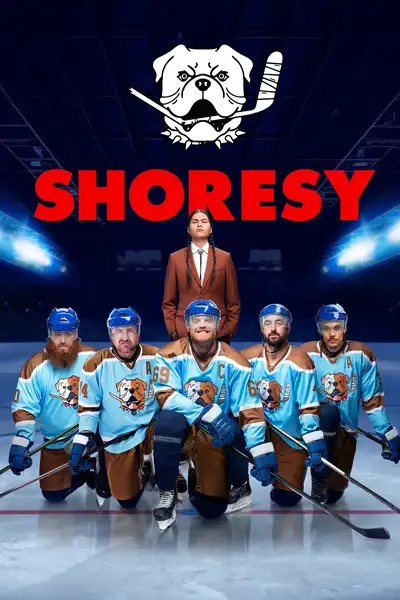
When a has-been hockey player takes on the challenge of coaching a losing senior AAA team in Sudbury, Ontario, the result is one of the sharpest, funniest sports comedies in recent memory. Jared Keeso (who also created the series) plays the titular Shoresy, a character spun off from "Letterkenny" who's determined to turn around the Sudbury Bulldogs' fortunes while delivering an endless stream of perfectly calibrated chirps and one-liners. The show captures the specific culture of minor league hockey with remarkable authenticity, from the locker room banter to the small-town dynamics that fuel the team's underdog journey. What could have been a one-note joke evolves into something genuinely heartfelt, celebrating the bonds formed through sport without ever losing its razor-sharp comedic edge. The ensemble cast brings incredible energy to every scene, making even the crudest jokes land with precision. This is essential viewing for hockey fans and comedy lovers alike.
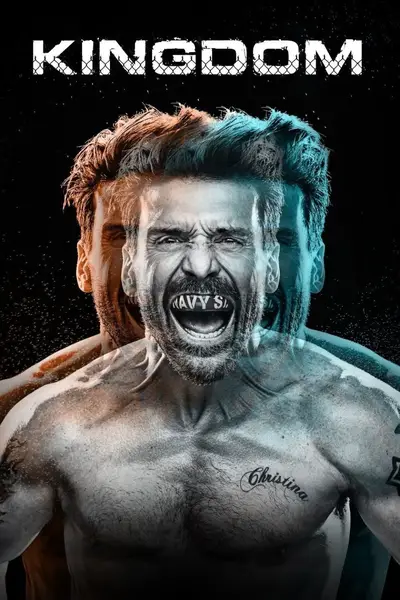
This gritty sports drama plunges viewers into the brutal world of mixed martial arts through the eyes of an ex-fighter trying to rebuild his life. Frank Grillo stars as Alvey Kulina, who runs a struggling MMA gym while managing two sons pursuing fighting careers. Created by Byron Balasco, the series doesn't glamorize combat sports—it shows the physical toll, financial struggles, and psychological damage that come with the territory. Jonathan Tucker and Nick Jonas deliver powerful performances as the Kulina brothers, each dealing with their own demons inside and outside the cage. Kiele Sanchez rounds out the cast as Alvey's girlfriend, bringing necessary emotional grounding to the testosterone-fueled world. The fight choreography is visceral and realistic, but the show's real strength lies in its character work and family dynamics. It's a raw, honest look at people fighting for survival in every sense of the word.
A struggling independent wrestling promotion in small-town Georgia becomes the backdrop for this surprisingly clever mockumentary series that affectionately satirizes the world of regional wrestling circuits. Created by Mike O'Brien, the show follows the colorful cast of wrestlers, promoters, and hangers-on at Southpaw Regional Wrestling as they navigate personal dramas, ridiculous storylines, and the constant threat of financial collapse. The genius lies in how the series, featuring performers like Chris Jericho and John Cena in hilarious character roles, captures the genuine heart beneath the absurdity—these wrestlers may be performing in high school gyms rather than arenas, but their dedication and dreams are completely authentic. The lo-fi production values and deliberately cheesy wrestling personas add to the charm, while the mockumentary format allows for plenty of sharp observations about ambition, community, and the strange world where athletic performance meets theatrical spectacle.
In this animated series, viewers follow a talented young soccer player joining the legendary Supa Strikas team for his first professional season, navigating rivalries, learning teamwork, and facing increasingly challenging opponents. The Rookie Season serves as an accessible entry point for new fans while delivering the high-energy sports action and colorful animation the franchise is known for. The show balances soccer action with character development, giving the rookie protagonist genuine obstacles to overcome both on and off the field. Voice acting is energetic without becoming grating, and the animation captures the excitement of match play effectively. Young viewers will appreciate the positive messages about perseverance and sportsmanship delivered without heavy-handedness. The series also sneaks in actual soccer strategy and skills, making it educational alongside entertaining. It's well-crafted sports animation that should appeal to young soccer enthusiasts and general animation fans alike.
This action-comedy sequel series resurrects the Karate Kid rivalry between Johnny Lawrence and Daniel LaRusso decades after their tournament showdown, and it's an absolute delight. Creators Josh Heald, Jon Hurwitz, and Hayden Schlossberg have crafted something that honors the original films while standing on its own merits. William Zabka finally gets to show Johnny's humanity, transforming the original movie's bully into a flawed but sympathetic protagonist struggling with modern life. Ralph Macchio's Daniel has become successful but hasn't entirely left his own insecurities behind. The series succeeds by taking its characters seriously while maintaining a self-aware sense of humor about its own absurdity. The fight choreography is surprisingly strong, and the show smartly develops its younger cast members into compelling characters rather than mere nostalgia vehicles. It's rare for a legacy sequel to feel this fresh and emotionally earned.
Behind-the-scenes workplace dramedy is what Aaron Sorkin does best, and this series about the production of a nightly sports news show showcases his signature rapid-fire dialogue and idealistic characters before "The West Wing" made him a household name. Peter Krause and Josh Charles star as the production team navigating ratings pressures, ethical dilemmas, and complicated romances while trying to produce quality television. Felicity Huffman and Sabrina Lloyd round out the ensemble cast, each bringing depth to characters who care deeply about their work. The show captures the controlled chaos of live television production while exploring how personal and professional lives intersect when people spend more time at work than anywhere else. Sorkin's dialogue crackles with wit and intelligence, though his style isn't for everyone—characters sometimes sound more like vehicles for clever banter than real people. Still, the series offers smart, engaging entertainment that respects its audience's intelligence and remains surprisingly relevant to contemporary media conversations.
Showrunner David Stevens crafts a powerful dramatization of the infamous 1932-33 cricket series between England and Australia, when the English team's controversial "bodyline" bowling tactics nearly caused an international incident between the two nations. Gary Sweet and Jim Holt anchor the production as Australian captain Bill Woodfull and English bowler Harold Larwood, respectively, bringing nuance to what could have been simple hero-villain dynamics. The series excels at making cricket comprehensible and exciting even for viewers unfamiliar with the sport, using the bodyline controversy to explore themes of sportsmanship, national pride, and class dynamics. Period recreation is convincing without being overly reverent, and the cricket sequences are shot with real kinetic energy. It's both excellent sports drama and fascinating historical examination of how a game became a diplomatic crisis.

At their Taipei high school, two competitive students develop an intense rivalry that masks deeper feelings, beginning a relationship that will span years and test their connection through separation and reunion. This Taiwanese BL drama, directed by Chiang Ping-Chen, delivers an emotionally rich story divided into two seasons that follow Yu Hao and Shi De from their school days into adulthood. Yu and Sam Lin bring genuine chemistry and emotional depth to their roles, making the relationship's evolution feel earned rather than rushed. The series distinguishes itself through its mature handling of communication challenges, personal growth, and the realistic obstacles that affect relationships beyond simple external disapproval. The production values are notably strong for the genre, with thoughtful cinematography that enhances the emotional beats. While it follows some familiar BL conventions, We Best Love succeeds through its commitment to character development and its willingness to show that love requires ongoing effort and understanding. Both seasons together create a satisfying arc that rewards invested viewers.
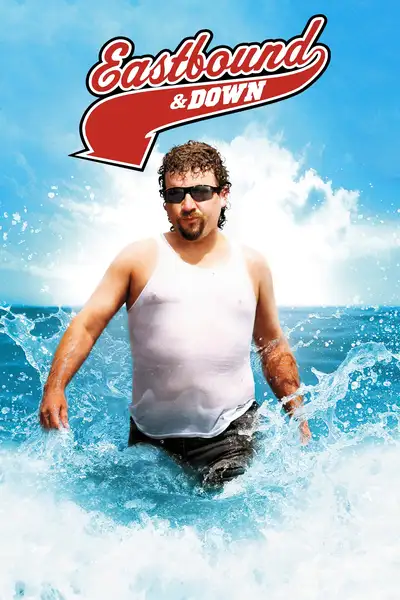
Danny McBride created and stars in this comedy about Kenny Powers, a former major league pitcher whose career imploded due to his own arrogance and bad behavior. Forced to return to his North Carolina hometown to teach middle school PE, Kenny schemes to reclaim his glory days while alienating nearly everyone around him. The show, co-created with Ben Best and Jody Hill, is deliberately abrasive—Kenny is a vulgar, delusional narcissist, and whether you find him funny or unbearable will determine your entire experience. When it works, the series offers sharp satire about American masculinity and athletic celebrity, with McBride committing so fully to the character's awfulness that it becomes almost admirable. But the joke wears thin across four seasons, and the show too often asks us to sympathize with someone who rarely shows growth or self-awareness. There are genuinely funny moments throughout, but it's a tough hang if you need characters to root for.
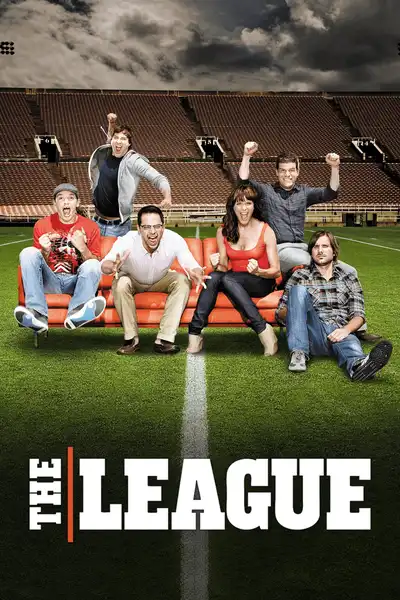
Carmen Finestra, David McFadzean, and Matt Williams created this sitcom that became a defining family comedy of the 1990s, starring Tim Allen as Tim "The Tool Man" Taylor, host of the home improvement show "Tool Time." The series follows Tim's well-meaning but accident-prone attempts to be the ultimate handyman and patriarch, often resulting in humorous disasters despite advice from his wise neighbor Wilson (Earl Hindman). Patricia Richardson plays his patient wife Jill, while Jonathan Taylor Thomas, Zachery Ty Bryan, and Taran Noah Smith portray their three sons navigating childhood and adolescence. The show balanced slapstick comedy with genuine family warmth, addressing parenting challenges and marital dynamics with humor and heart. Allen's comedic timing and the chemistry among the cast made this a reliable source of entertainment that appealed across generations.
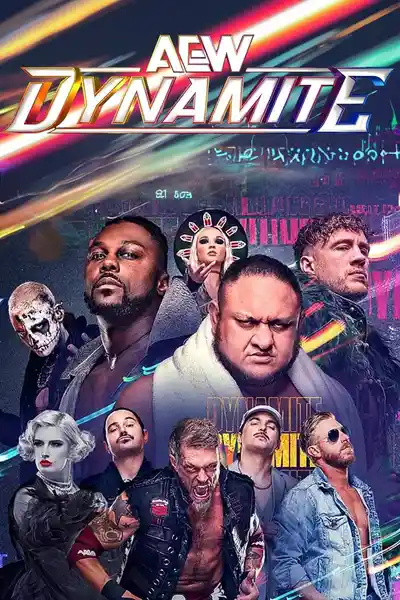
Professional wrestling found fresh energy when this live sports entertainment series launched on TNT, offering a genuine alternative to the industry's longtime monopoly. All Elite Wrestling: Dynamite showcases a roster mixing established legends with hungry independent scene favorites, all given space to tell compelling athletic stories. Founded by Tony Khan, AEW emphasizes in-ring work quality and longer-form storytelling that respects audience intelligence. Stars like Chris Jericho, Jon Moxley, and rising talents such as MJF and Britt Baker deliver consistently entertaining matches with real consequences. The weekly format keeps storylines moving briskly while the production values feel modern and cinematic. What makes Dynamite work is its willingness to embrace wrestling's inherent theatricality while delivering legitimate athletic competition. For lapsed fans seeking what drew them to wrestling originally, or newcomers curious about the medium, this provides an energetic entry point.
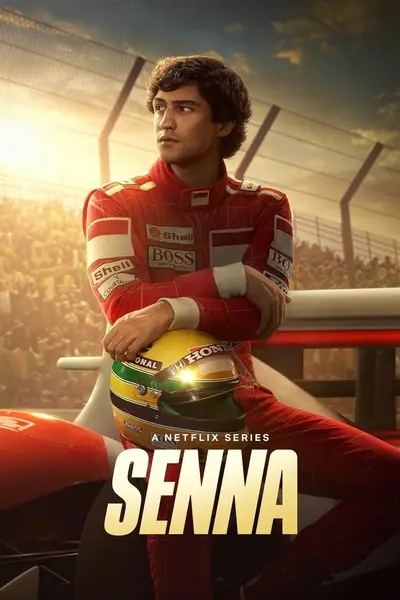
Brazil in the 1980s and early 1990s provides the vibrant backdrop for this compelling biographical drama about Formula One legend Ayrton Senna. The six-part limited series, created by Vicente Amorim, chronicles Senna's meteoric rise from karting prodigy to three-time world champion, capturing both his relentless competitive spirit and the personal costs of his obsessive pursuit of perfection. Gabriel Leone delivers a magnetic performance as the racing icon, embodying Senna's charisma and complexity without slipping into mere impersonation. The racing sequences are viscerally shot, putting viewers in the cockpit during some of motorsport's most dramatic moments. Beyond the adrenaline, the series thoughtfully explores Senna's rivalry with Alain Prost, his deep connection to Brazil, and the pressures of becoming a national hero.
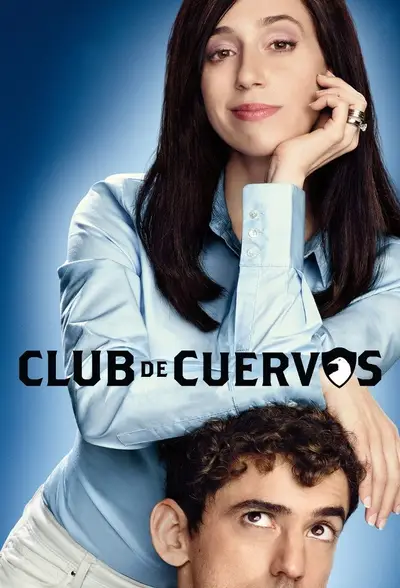
Luis Gerardo Méndez stars as Chava Iglesias, the black sheep of a wealthy Mexican family who suddenly finds himself battling his sister Isabel (Mariana Treviño) for control of their father's beloved soccer club, the Cuervos of Nuevo Toledo. Created by Gary Alazraki and Michael Lam, this Netflix original cleverly blends family drama with sports comedy, delivering sharp satire about privilege, ambition, and Mexican football culture. The sibling rivalry drives much of the humor, but the show also develops a surprisingly deep ensemble cast of players, staff, and hangers-on orbiting the dysfunctional Iglesias family. What makes Club de Cuervos special is its willingness to let its characters be genuinely flawed while remaining oddly sympathetic, creating a binge-worthy comedy that works whether you care about soccer or not.
John Carney, director of the beloved 2007 film of the same name, returns to expand his musical romance into a full series that captures the magic of the original while finding new stories to tell. The show follows aspiring musicians in Dublin as they collaborate, fall in love, and pursue their artistic dreams against the backdrop of Ireland's vibrant music scene. Glen Hansard and Markéta Irglová make guest appearances, but the new cast, led by Eoin Macken and Sarah Greene, brings fresh energy to the material. The musical performances are integrated organically into the narrative, never feeling forced or overly theatrical. Carney's intimate directorial style translates beautifully to the episodic format, allowing for deeper character development than the film's runtime permitted. The series radiates warmth and authenticity, celebrating the transformative power of music and human connection with understated grace.
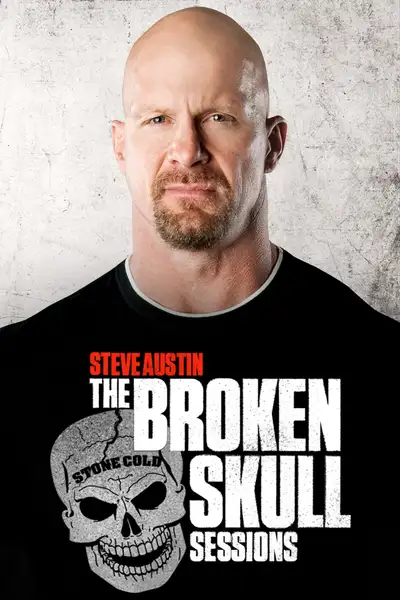
In this series, WWE Hall of Famer "Stone Cold" Steve Austin sits down with professional wrestling's biggest names for unscripted, revealing conversations that go beyond the ring. The format is refreshingly straightforward—no gimmicks, no elaborate sets, just Austin and his guests talking candidly about their careers, personal struggles, and the industry that shaped them. Guests have included The Undertaker, Goldberg, Kurt Angle, and many others who open up in ways they rarely do elsewhere, perhaps because Austin's authenticity and legendary status put them at ease. The show excels at drawing out stories fans have never heard, revealing the human beings behind the larger-than-life personas. Austin proves to be a natural interviewer, knowing when to press for details and when to simply let his guests talk. For wrestling fans, it's essential viewing that provides genuine insight into the business. Even those with casual interest will find the conversations engaging and surprisingly moving.

This Japanese obstacle course competition series revolutionized athletic entertainment by creating the ultimate test of human strength, agility, and determination. Developed by the Tokyo Broadcasting System, Sasuke (known internationally as Ninja Warrior) sends competitors through four increasingly brutal stages featuring obstacles like the Warped Wall, Spider Climb, and Ultimate Cliffhanger. What sets this apart from typical game shows is its genuine difficulty—total victory is so rare that seasons can pass without a single competitor conquering all four stages. The show launched an international phenomenon and inspired countless adaptations worldwide, but the original Japanese version maintains a purity of purpose that later versions sometimes lack. Commentary and production maintain focus on athletic achievement rather than manufactured drama, allowing the obstacles and competitors' determination to provide all the necessary excitement for compelling viewing.