Splatter Horror Shows
For fans who crave horror that doesn't hold back, splatter horror shows represent the pinnacle of extreme genre entertainment, delivering relentless gore, graphic violence, and boundary-pushing bloodshed that separates casual viewers from true devotees of visceral terror. These unflinching series embrace over-the-top practical effects and shocking imagery designed to disturb, provoke, and leave lasting impressions through sheer audacity and brutality. From zombie apocalypses dripping with carnage to supernatural nightmares soaked in arterial spray, the best splatter horror television has evolved dramatically over the years, with contemporary streaming platforms enabling creators to explore darker territories than ever before possible. Whether featuring post-apocalyptic survivors battling undead hordes, masked killers on methodical rampages, or reality-warping scenarios that literalize psychological horror through physical mutilation, these nine essential splatter shows demonstrate the subgenre's commitment to extreme horror aesthetics and unforgettable gore effects. Prepare yourself for gut-wrenching violence, creative kills, and practical effects work that celebrates the artistry of blood, guts, and mayhem—this definitive collection showcases splatter television at its most intense, uncompromising, and spectacularly gruesome.
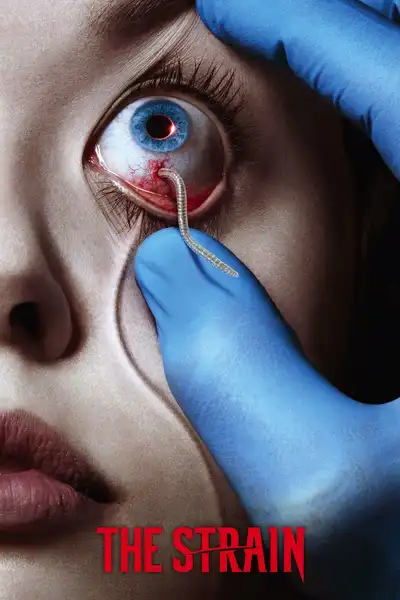
This horror-thriller from Guillermo del Toro and Chuck Hogan transforms vampire mythology into something genuinely unsettling—a viral plague that threatens human extinction. Based on their novel trilogy, the series follows CDC epidemiologist Dr. Ephraim Goodweather (Corey Stoll) and an unlikely team of fighters as they battle an ancient vampiric strain spreading through New York City. Del Toro's influence shows in the creature design; these aren't romantic bloodsuckers but parasitic monsters with disturbing biological mechanics. The show balances body horror with character drama effectively, particularly in exploring how apocalypse strains personal relationships. David Bradley shines as Abraham Setrakian, an elderly pawnbroker with a lifetime of vampire-hunting experience. While the final season stumbles somewhat, the series maintains tension throughout and isn't afraid to kill major characters. For horror fans tired of sanitized vampires, this delivers genuine scares and creative mythology.
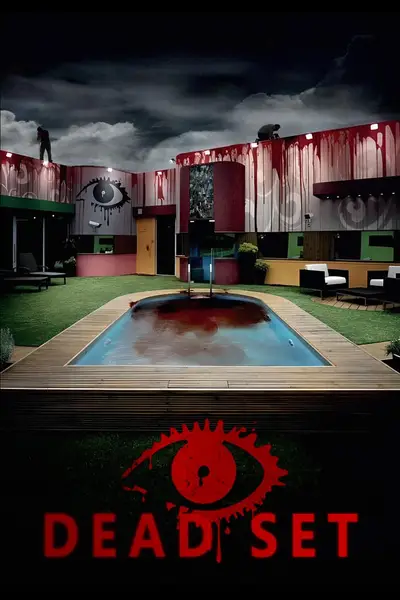
Jaime Winstone plays Kelly, a reality TV producer trapped inside the Big Brother house when the zombie apocalypse erupts outside, transforming meta-commentary into survival horror. Writer Charlie Brooker brings his signature satirical edge to this five-episode miniseries, using the confined setting to explore how self-absorbed reality contestants and producers react when actual stakes replace manufactured drama. The concept is sharper than the execution—the zombie carnage is effective enough, and there's dark pleasure in watching vapid personalities confront genuine consequences, but the social commentary sometimes undercuts the horror rather than enhancing it. Davina McCall appears as herself, lending authenticity to the Big Brother framework while becoming part of the nightmare scenario. Director Yann Demange creates genuine tension within the limited location, though the series struggles to sustain its premise across five hours, feeling stretched thin even at this modest length.
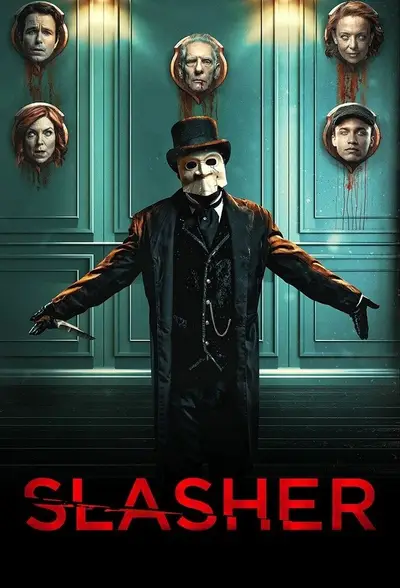
Katie McGrath leads the first season of this Canadian horror anthology as Sarah Bennett, a woman who returns to her hometown only to find herself targeted by a masked killer recreating the murders that claimed her parents' lives years earlier. Created by Aaron Martin, each season presents a new story with different characters facing their own masked tormentor, following the anthology format popularized by American Horror Story. The series delivers on gore and creative kills, appealing to slasher fans who appreciate inventive violence, though the execution varies wildly between seasons. Some installments build genuine tension and develop interesting characters, while others devolve into predictable genre exercises with paper-thin motivations. The production values are solid for a cable horror series, and occasional strong performances—including McGrath's committed turn—elevate the material. However, inconsistent writing and a tendency toward overwrought plotting undermine the show's ambitions. It's perfectly acceptable for horror fans seeking something new, offering enough visceral thrills to justify a watch, but it never quite transcends its genre limitations to become truly memorable television.
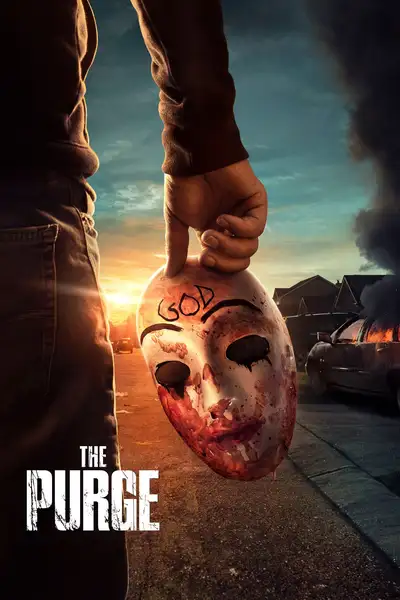
In an America where all crime is legal for twelve hours once a year, this anthology series explores how the Purge night affects various characters across different socioeconomic backgrounds. Developed by the franchise's creator James DeMonaco, the show expands beyond the films' single-night format to examine the days leading up to and following the annual event, with seasons following different casts including Gabriel Chavarria, Hannah Emily Anderson, and Jessica Garza. The concept allows for interesting social commentary about class warfare and systemic violence, but the execution is inconsistent. Some storylines deliver genuine tension and thought-provoking scenarios, while others feel like retreads of ideas better explored in the original films. The expanded timeline adds depth to the world-building, though the season-long format occasionally stretches thin what worked as a tight thriller premise.
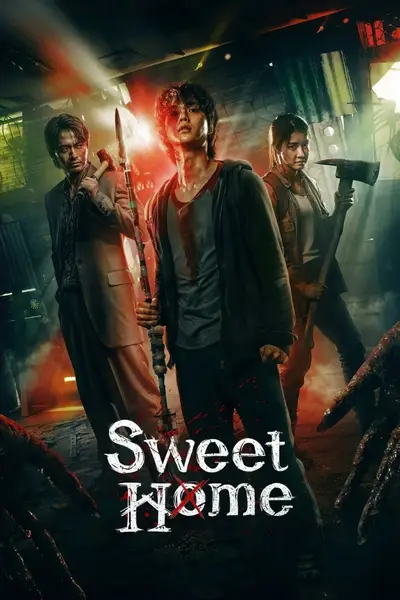
In this South Korean monster horror series, residents of a dilapidated apartment building find themselves trapped when their neighbors begin transforming into grotesque creatures born from their deepest desires. Based on the webtoon by Kim Carnby and Hwang Young-chan, the show stars Song Kang as a suicidal teenager who must find reasons to survive amid the apocalyptic chaos. The creature designs are genuinely inventive and disturbing, and the production values deliver some spectacular body horror moments. However, the series suffers from uneven characterization and a tendency toward melodrama that undercuts the horror elements. The social commentary about isolation and monstrosity feels underdeveloped, despite promising themes about what turns humans into monsters. When it focuses on survival horror and practical effects, it's quite effective; when it detours into romantic subplots and overwrought backstories, momentum stalls. Genre fans will find things to appreciate, but it's a mixed bag overall.
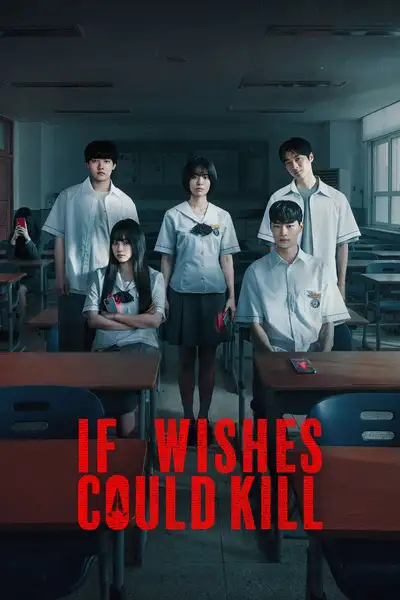
A woman discovers she possesses the terrifying ability to kill anyone simply by wishing them dead, forcing her to confront the darkness within herself and the moral implications of her power. Created by Anna Jordan and starring Jodie Comer, the psychological thriller explores the distance between fantasy and action, and what happens when that distance disappears. Comer brings intensity to a character wrestling with impulses most people safely contain, making the internal struggle as compelling as the external consequences. The show raises unsettling questions about responsibility, desire, and whether we're defined by our thoughts or our choices. The premise walks a tonal tightrope between thriller and dark comedy, not always finding perfect balance but remaining provocative throughout. Supporting performances from Paapa Essiedu and Ncuti Gatwa add depth to a narrative that examines how power corrupts even those who never sought it.
The battle between sleeping teenagers and the dream-invading menace Freddy Krueger expands beyond film in this horror anthology that uses the Nightmare on Elm Street mythology as a launching point for varied terror tales. Hosted by Robert Englund reprising his iconic role, the series alternates between stories directly involving Freddy's supernatural vengeance and standalone tales connected to Springwood's dark history. The show works best when embracing the franchise's surreal nightmare logic, creating genuinely unsettling imagery despite television budget constraints. However, the quality varies wildly between episodes, with some delivering clever horror concepts while others feel like rejected Tales from the Crypt scripts. The anthology format allows for creative freedom, though fans expecting Freddy to dominate every episode may feel shortchanged. For those who appreciate 1980s horror television's particular aesthetic and aren't demanding cinematic scares, it offers entertaining late-night viewing.
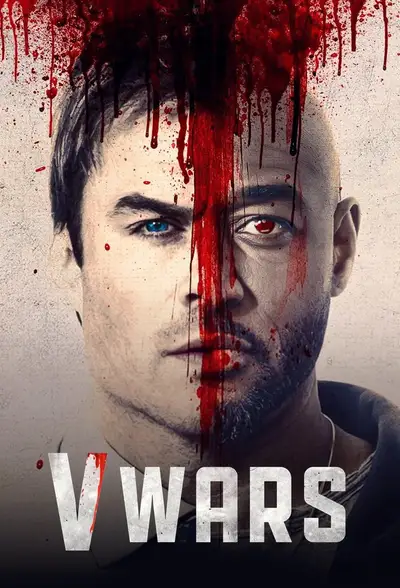
Ian Somerhalder plays Dr. Luther Swann, a scientist caught in a rapidly escalating war between humans and vampires after a mysterious disease transforms his best friend and thousands of others into blood-hungry predators. Based on Jonathan Maberry's novels and created by William Laurin and Glenn Davis, this vampire series attempts to inject fresh life into the genre through viral outbreak horror rather than supernatural romance. Adrian Holmes provides the emotional core as Michael Fayne, Luther's childhood friend turned vampire leader, and their fractured relationship drives the central conflict. The series offers decent production values and occasionally effective action sequences, with Somerhalder bringing familiarity from his Vampire Diaries tenure. However, the worldbuilding feels rushed, character motivations shift inconsistently, and the political allegory lacks subtlety. The single-season run leaves numerous threads dangling, suggesting larger ambitions the show never achieved. While vampire completists might find elements to appreciate, the execution doesn't distinguish itself enough in a crowded genre. It's watchable but ultimately forgettable—a premise with potential that never quite comes together.
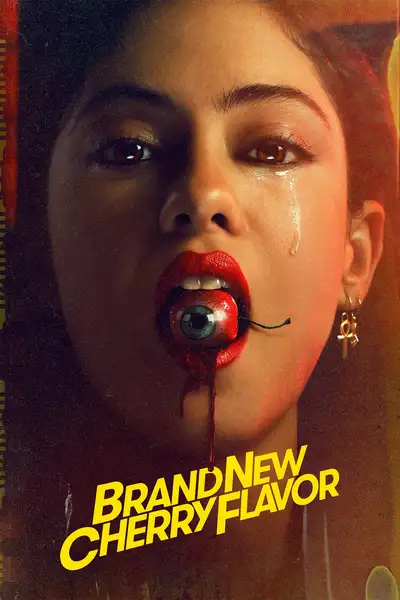
This genre-blending Netflix limited series drops viewers into a neon-soaked nightmare that's part Hollywood satire, part body horror, part revenge thriller, and doesn't quite succeed at any of them. Rosa Salazar plays Lisa Nova, an aspiring filmmaker who arrives in 1990s Los Angeles seeking revenge against the producer who wronged her, only to stumble into supernatural chaos involving curses, zombies, and reality-bending horror. Created by Nick Antosca and Lenore Zion, the show boasts striking visuals—director Arkasha Stevenson and her team create genuinely unsettling imagery—and Salazar commits fully to Lisa's increasingly unhinged journey. Catherine Keener adds gravitas in a key supporting role. However, the series struggles with tonal consistency and narrative coherence, throwing so many bizarre elements at the screen that the emotional core gets lost. When it works, Brand New Cherry Flavor offers memorably weird television, but the pieces never quite gel into something greater than their peculiar parts.
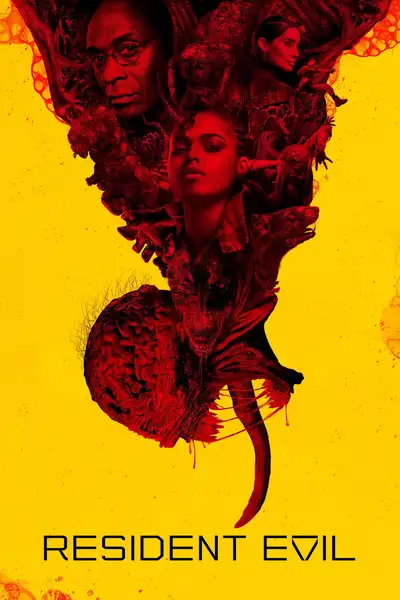
Dark and action-focused with occasional flashes of horror, this adaptation of Capcom's iconic video game franchise follows two timelines—one in 2022 and one fourteen years later in a zombie-ravaged world. Lance Reddick brings gravitas to Albert Wesker, reimagined here as a morally compromised scientist with secrets that threaten his two daughters, played by Ella Balinska and Siena Agudong. The series takes significant liberties with established lore, which will frustrate purists but allows newcomers to enter without homework. The post-apocalyptic timeline delivers the creature-feature thrills fans expect, though the family drama in the 2022 timeline occasionally feels disconnected from the horror elements. The show's ambitions sometimes exceed its execution, and pacing issues plague the middle episodes, but the practical effects and action sequences demonstrate real craftsmanship. It's an imperfect translation that offers enough entertainment for genre fans willing to accept a different interpretation of familiar material.
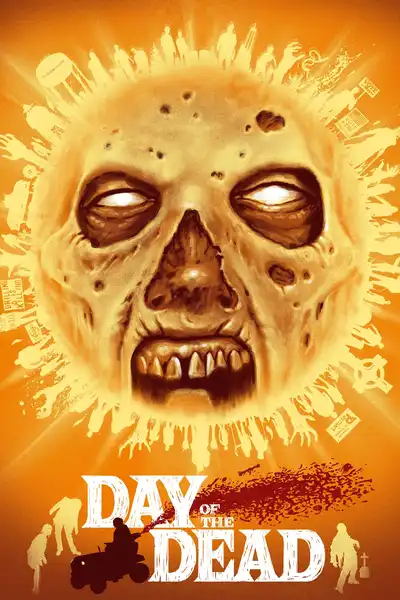
A zombie outbreak transforms a small Pennsylvania town into a battleground for survival, but rather than breaking new ground, this series mostly shuffles through familiar undead territory without the wit or style to distinguish itself from the countless other zombie stories saturating the genre. Loosely inspired by George A. Romero's classic film, the show follows a group of locals—including characters played by Keenan Tracey and Daniel Doheny—as they deal with the suddenly reanimated dead and the collapse of social order. There are moments where the series seems interested in exploring how different generations and social groups respond to catastrophe, but these ideas are quickly abandoned in favor of standard zombie action and jump scares. The practical effects work is decent enough, and the cast is more capable than the material they're given, but the writing lacks the satirical edge of Romero's work or the character depth that might compensate for the overfamiliar premise.
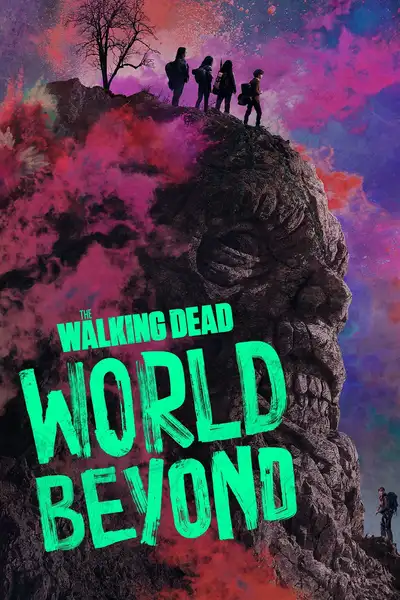
Scott M. Gimple expands "The Walking Dead" universe with this limited series focused on the first generation to come of age during the apocalypse, but the result feels more obligatory than inspired. Set a decade after the outbreak, the show follows a group of teenagers from a seemingly safe community who venture into the wider world to find their missing father, a scientist working on a cure. Alexa Mansour and Nicolas Cantu lead the young cast with earnest performances, though they're hampered by dialogue that often feels more CW than AMC. The series introduces intriguing mythology about the mysterious Civic Republic Military, which matters for franchise completists but may not engage casual viewers. There are moments of genuine emotion and some impressive zombie setpieces, yet the show never quite justifies its existence beyond corporate world-building.