Spanish Shows
Spanish television has exploded onto the global stage, captivating audiences worldwide with its bold storytelling, complex characters, and distinctive cultural voice that sets it apart from traditional English-language programming. Whether you're seeking pulse-pounding thrillers that keep you on the edge of your seat, intimate dramas exploring the human condition, laugh-out-loud comedies, or documentary series offering unprecedented behind-the-scenes access, Spanish shows deliver unforgettable viewing experiences that transcend language barriers. This carefully curated selection of 21 essential Spanish-language series spans decades of television excellence, showcasing award-winning performances from Spain's most talented actors, visionary directors who've redefined what television can achieve, and writers who've crafted stories that resonate across continents. From streaming originals that became global phenomena to critically acclaimed dramas that put Spanish television on the map, these must-watch Spanish shows represent the very best of Spain's rich televisual heritage. Prepare to discover groundbreaking series that blend traditional Spanish storytelling with contemporary themes, offering everything from historical epics and true crime narratives to cutting-edge comedies and sports documentaries that reveal the passion and artistry of Spanish television at its finest.
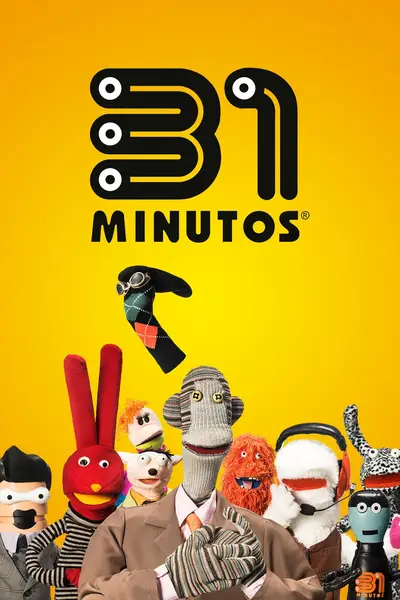
Delightfully absurd and sharply satirical, this Chilean mockumentary-style puppet show operates on a wavelength entirely its own. Created by Álvaro Díaz González and Pedro Peirano, "31 Minutos" presents itself as a chaotic children's news program hosted by puppet journalists Tulio Triviño and Juan Carlos Bodoque, who stumble through reporting while dealing with their own incompetence and interpersonal drama. The genius lies in how the show layers sophisticated media satire and social commentary beneath its colorful puppet antics, making it equally beloved by children and adults. The musical segments are genuinely catchy, the characters are surprisingly well-developed, and the humor ranges from slapstick to wickedly clever observations about journalism and society. It's become a cultural phenomenon in Latin America, and for good reason—there's simply nothing else quite like its inspired lunacy.
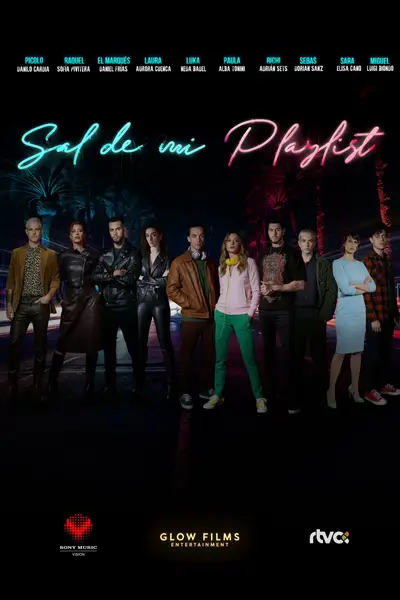
When a young music blogger discovers she can literally enter people's playlists and experience their memories through songs, her life transforms into an exhilarating journey of connection, healing, and self-discovery. This Mexican series is an absolute triumph of magical realism, blending heartfelt storytelling with an incredible soundtrack that spans decades and genres. Creator Daniela Moreno has crafted something truly special here, with lead actress Camila Torres delivering a breakout performance that radiates charm and vulnerability. Each episode explores a different character's musical story, creating an anthology-like structure within an overarching narrative that builds to a genuinely moving conclusion. The show's visual representation of music as physical spaces is imaginative and beautifully executed, making this a must-watch for anyone who believes in music's power to tell our deepest truths.

In late 1990s Buenos Aires, amid economic uncertainty and social tension, this groundbreaking series follows a group of young people who squat in an abandoned building and attempt to create their own community. Rodrigo de la Serna leads the ensemble as Ricardo, whose idealism gradually confronts harsh reality as the okupas movement faces eviction, internal conflicts, and the complexities of survival outside society's rules. Creator Bruno Stagnaro crafted something rare for Argentine television at the time—a gritty, uncompromising look at youth culture that felt authentic rather than sanitized. The series captures a specific moment in Buenos Aires history while telling a timeless story about belonging, disillusionment, and the space between youthful rebellion and adult responsibility. Its influence on Latin American television drama cannot be overstated.
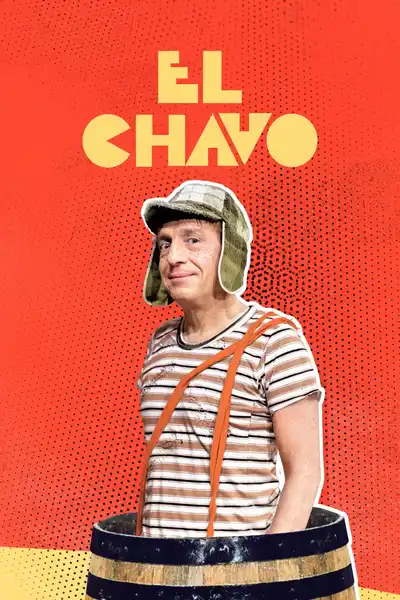
Bursting with innocent charm and timeless humor, this legendary Mexican sitcom created by Roberto Gómez Bolaños centers on the misadventures of El Chavo, a lovable orphan boy living in a barrel in a neighborhood courtyard, and his colorful group of friends and neighbors. Gómez Bolaños himself stars as the perpetually hungry, well-meaning Chavo, delivering physical comedy and childlike wonder that transcends language barriers and generations. The simple setting becomes a universe of imagination where everyday situations—games in the courtyard, misunderstandings between neighbors, schemes to get food—transform into comedy gold through brilliant character work and impeccable timing. What makes this show absolutely magical is its universal appeal; the humor is gentle, the characters are unforgettable, and the heart behind every episode shines through. Decades after its debut, it remains a cultural phenomenon across Latin America and beyond, beloved by audiences who grew up with it and new viewers discovering its timeless magic.
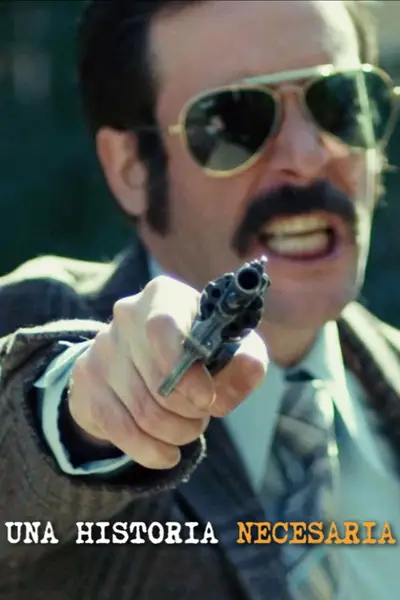
Lucía Puenzo, the acclaimed filmmaker behind "The German Doctor," brings her distinctive visual style and moral complexity to this stunning historical drama about the Madres de Plaza de Mayo. The series chronicles the mothers who gathered weekly in Buenos Aires to demand answers about their children who disappeared during Argentina's Dirty War, transforming personal grief into a movement that would help bring down a dictatorship. The performances are uniformly excellent, with Valeria Bertuccelli delivering a tour-de-force as one of the group's founders. Puenzo refuses to simplify the story or its characters, showing how ordinary women became extraordinary activists while grappling with impossible choices. It's essential viewing that honors its subjects while crafting genuinely gripping television—powerful, intimate, and devastatingly relevant to current struggles for justice worldwide.
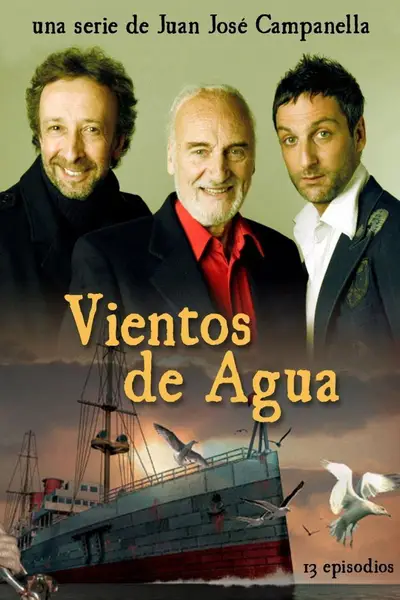
Spanning from 1950s Galicia to modern-day Argentina, this multigenerational epic traces the intertwined destinies of families separated by emigration and reunited by fate across decades and continents. Directors Juan José Campanella and Paula de Luque orchestrate an ambitious narrative that weaves historical events with intimate personal stories, showing how political upheaval in Spain and Argentina shaped individual lives in profound ways. The ensemble cast inhabits characters at different life stages with remarkable continuity, creating believable arcs that stretch across fifty years. The production seamlessly transitions between time periods through careful attention to period detail in both locations, using cinematography and production design to distinguish eras without relying on heavy-handed signposting. The emotional payoffs earned through patient storytelling feel genuinely moving rather than manipulative. This is epic television in the truest sense, ambitious in scope and deeply humanistic in execution, offering richly rewarding viewing for those willing to invest in its sprawling narrative.
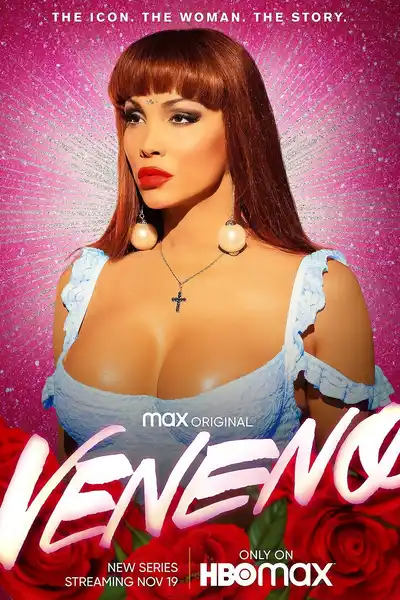
In 1990s Spain, a young journalist encounters a legendary transgender performer whose life story will transform both their lives in this stunning biographical drama. Created by Javier Ambrossi and Javier Calvo, "Veneno" tells the true story of La Veneno (born Cristina Ortiz Rodríguez), played brilliantly by three actors across different time periods: Isabel Torres, Daniela Santiago, and Jedet. The series is a masterclass in empathetic storytelling, capturing the joy, pain, and resilience of a woman who refused to be invisible in a society that wanted to erase her. The performances are extraordinary across the board, but Torres's portrayal of Veneno in her later years is particularly heartbreaking and fierce. The show moves fluidly between time periods, building a complete portrait of a complicated person rather than a sanitized icon. It's beautiful, angry, celebratory, and deeply moving—essential television that honors its subject while entertaining brilliantly.

Following Real Madrid through their dramatic 2022-2023 season culminating in their quest for a 14th Champions League title, this documentary series offers unprecedented access to one of football's most storied clubs. Directors Daniel Sánchez Arévalo and Miguel Ángel Campo capture intimate moments with players like Luka Modrić, Karim Benzema, and Vinícius Júnior alongside manager Carlo Ancelotti, revealing the pressure and passion behind the pristine white jerseys. The series excels at building tension even when outcomes are already known, using cinematic production values and emotional interviews to convey what's at stake beyond mere trophies. What sets it apart from similar sports documentaries is its access to crucial moments—locker room talks, tactical discussions, and private reactions—that illuminate the psychology of elite competition. Whether you're a die-hard Madridista or a casual football fan, the storytelling is compelling enough to transcend team loyalty. It's a masterclass in sports documentary filmmaking that captures both the beautiful game's drama and the human stories within it.
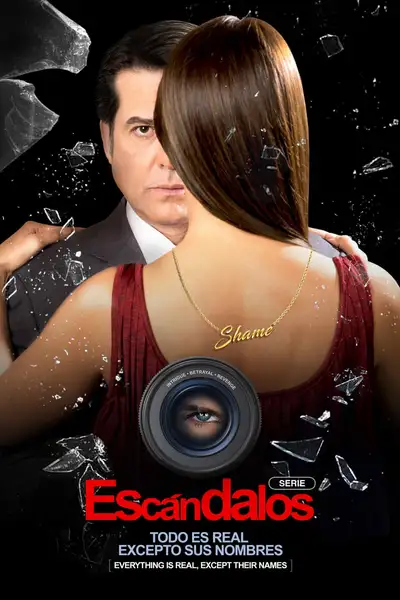
Set in the scandal-soaked corridors of power across Latin America, this Colombian anthology series dramatizes the region's most notorious political and social controversies with sharp writing and fearless performances. Creator Natalia Echeverri crafts each season around a different real-world scandal, changing names but preserving the essential truth of events that captivated—and often horrified—the public. The series excels at humanizing all players involved without excusing their behavior, presenting complex moral situations where viewers must draw their own conclusions. Strong ensemble casts across multiple seasons deliver compelling performances that capture both the banality and the drama of corruption. The show manages to be entertaining without trivializing serious subject matter, offering insight into how power operates behind closed doors. It's addictive television that also serves as a fascinating cultural document of contemporary Latin American politics.
Set against the backdrop of Cold War-era East Germany, this gripping series plunges viewers into the shadowy world of espionage and political intrigue. "Den of Wolves" masterfully recreates the paranoia and moral ambiguity of life behind the Iron Curtain, where loyalty is currency and trust is a dangerous luxury. The production design authentically captures the stark aesthetic of 1960s communist Europe, while the writing refuses to paint anyone as simply hero or villain. Director Rainer Wolffhardt guides an ensemble cast through labyrinthine plots involving intelligence agencies, double agents, and ordinary citizens caught in extraordinary circumstances. Each character feels fully realized, with motivations that shift as allegiances are tested. The pacing allows for both tense action sequences and quieter character moments that reveal the human cost of living under constant surveillance. This is intelligent thriller television that respects its audience.

In this adaptation of the workplace mockumentary format for Latin American audiences, creator Guillermo Torres transplants the cringe comedy of office dysfunction to a Mexico City corporate setting with excellent results. The cast, led by Ricardo Mendoza as the well-meaning but obtuse regional manager, navigates cultural translation smartly, finding equivalents for familiar dynamics rather than simply copying them. The supporting ensemble, including standout Rosa Delgado as the long-suffering assistant, creates distinct characters who feel rooted in their specific workplace culture. The mockumentary format allows for sharp observational humor about Mexican corporate life, generational divides, and class dynamics within professional settings. While viewers familiar with other versions will recognize certain story beats, the execution feels fresh rather than derivative. The show finds its own rhythm by the third episode and builds from there. It's consistently funny, occasionally insightful, and a worthy entry in the mockumentary workplace canon.
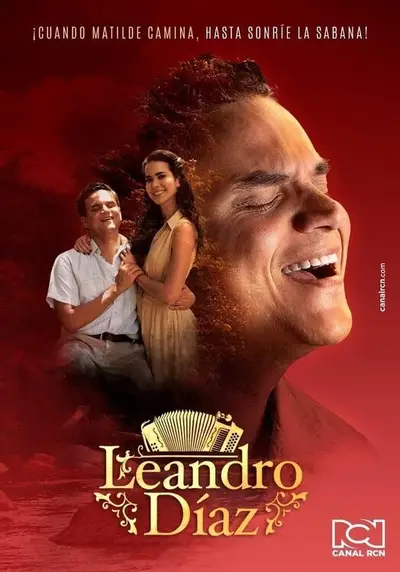
In this biographical series, viewers discover the remarkable true story of Leandro Díaz, the blind Colombian vallenato composer who became one of his country's most beloved musical voices despite facing poverty and discrimination. Created by Julie Camargo, the show traces Díaz's journey from rural obscurity to national treasure, with Silvestre Dangond delivering a transformative performance as the musician across different stages of his life. The series doesn't shy away from the hardships Díaz faced—extreme poverty, marginalization due to his disability, romantic heartbreak—but it tells his story with dignity and celebrates his resilience and extraordinary talent. The musical performances are outstanding, bringing Díaz's compositions to life with authentic instrumentation and arrangements. Supporting cast members, including Carolina Ramírez as Díaz's great love Margarita, provide emotional depth to the relationships that shaped him. It's an inspiring portrait that honors its subject while offering a window into Colombian culture and the power of music to transcend circumstances.
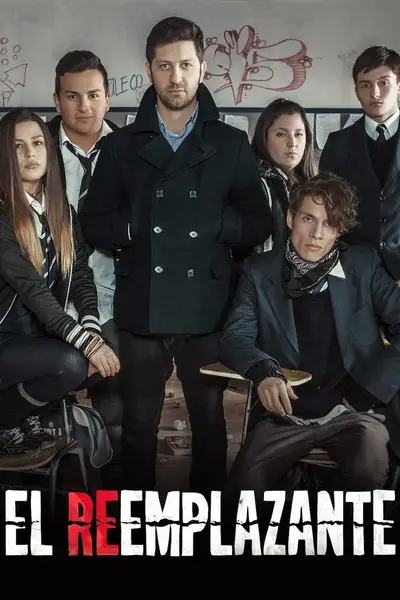
Rodrigo Sepúlveda crafted this compelling Chilean drama that tackles educational inequality with both heart and intelligence. "El Reemplazante" stars Felipe Braun as an unconventional teacher who goes undercover in struggling schools to identify and address systemic problems. The series balances feel-good moments with genuine critique of institutional failures, never shying away from the complex realities facing students in underserved communities. What could have been a simple savior narrative instead evolves into a nuanced examination of how one dedicated individual can spark change while acknowledging the limitations of individual action. The writing respects both the teachers trying their best within broken systems and the students navigating difficult circumstances. Strong performances from the ensemble cast bring authenticity to classroom scenes that feel lived-in rather than staged. The show earned its popularity by combining accessible storytelling with meaningful social commentary.
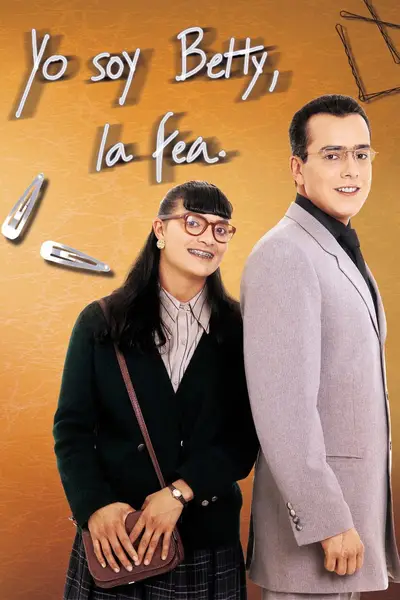
This groundbreaking Colombian telenovela follows Beatriz "Betty" Pinzón, an intelligent but conventionally unattractive economist who lands a job at a prestigious fashion company where appearance seems to matter more than ability. Ana María Orozco delivers a star-making performance as Betty, creating a character whose inner beauty and professional competence gradually challenge everyone's superficial assumptions. The series revolutionized the telenovela format by centering an unconventional protagonist and addressing themes of workplace discrimination, self-worth, and the cruelty of beauty standards. What starts as a familiar Cinderella story deepens into something more complex, examining class differences, corporate ethics, and the complicated nature of romantic attraction. The ensemble cast creates memorable characters beyond simple villains and allies, and the writing balances comedy with genuine emotional stakes. Its influence cannot be overstated—spawning adaptations worldwide, including Ugly Betty. The original remains compelling because Betty's journey toward self-acceptance and professional respect feels earned, not gifted by a magical makeover.
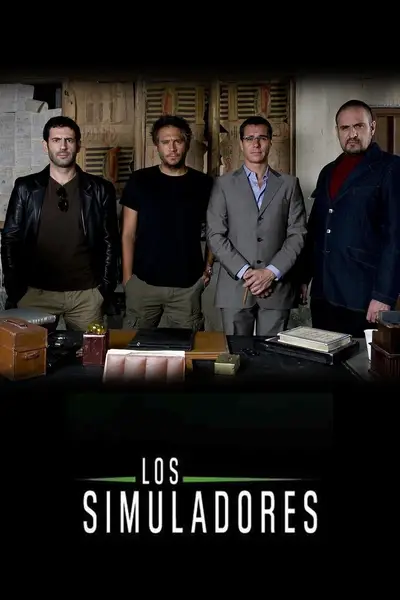
This action-comedy-drama hybrid follows a group of skilled individuals who use their diverse talents to help ordinary people caught in seemingly impossible situations. The Russian adaptation brings fresh energy to the concept originally developed in Argentina, with a team that includes specialists in psychology, technology, and strategic planning working together to execute elaborate schemes. The ensemble cast delivers engaging performances that balance the show's lighter moments with genuine tension during their more complex operations. Each episode typically presents a new case requiring the team's intervention, allowing for creative problem-solving scenarios that keep viewers guessing. The series works because it doesn't take itself too seriously while still maintaining stakes that matter, and the camaraderie among the team members feels authentic. It's an entertaining watch that successfully blends multiple genres into something that satisfies fans of procedural television.

This epic magical realism adaptation brings Gabriel García Márquez's masterpiece to the screen with stunning visual ambition and emotional depth. The Netflix series traces multiple generations of the Buendía family in the fictional town of Macondo, weaving together love, war, prophecy, and the cyclical nature of history. Shot entirely in Colombia with Spanish dialogue, the production honors the novel's Latin American roots while making the sprawling narrative accessible to viewers unfamiliar with the source material. The performances capture both the earthbound reality and supernatural elements that define Márquez's work, while the cinematography renders Macondo as a character unto itself. This is prestige television that takes risks, trusting audiences to embrace a story that spans decades and defies conventional narrative structure. For literary adaptation enthusiasts and anyone seeking truly ambitious storytelling, this series delivers a remarkable achievement.
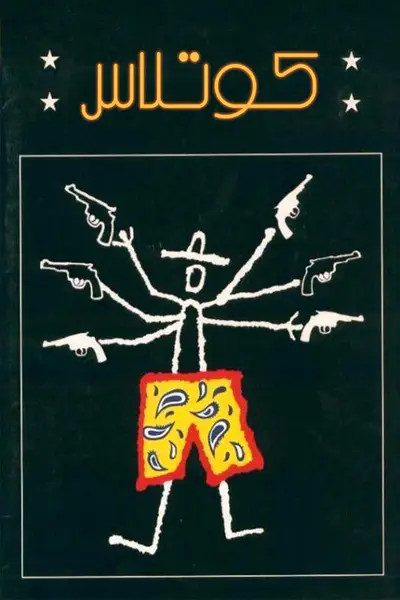
When a struggling documentary filmmaker stumbles upon a cache of mysterious microfilm reels in an abandoned storage facility, she uncovers a conspiracy that reaches back decades. CUTTLAS MICROFILMS masterfully blends thriller elements with historical intrigue, as each episode reveals another layer of the puzzle hidden within the aging film stock. Creator and showrunner crafts a tight narrative that respects both the intelligence of its protagonist and its audience, avoiding easy answers while maintaining momentum. The early-90s aesthetic is captured authentically without feeling like pastiche, from the clunky technology to the pre-internet methods of investigation. The lead performance carries the series with determination and wit, supported by a memorable cast of archivists, whistleblowers, and stonewalling bureaucrats. It's a smart, propulsive mystery that understands the appeal of watching someone piece together the truth.
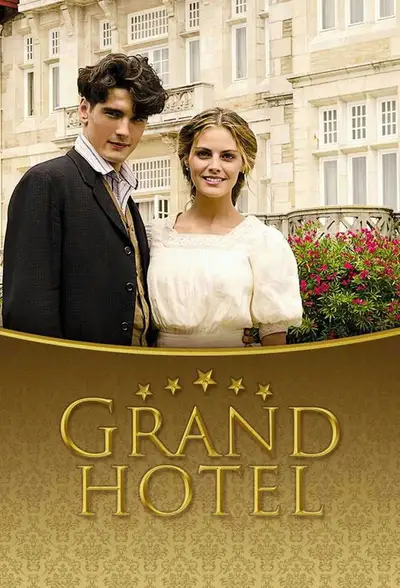
Ramón Campos created this elegant Spanish period drama set in the fictional Grand Hotel, a luxurious early 20th-century resort where the wealthy vacation while dark secrets simmer beneath the glamorous surface. The series masterfully blends mystery, romance, and family drama as Julio Olmedo arrives at the hotel to investigate his sister's mysterious disappearance, only to uncover a web of intrigue involving the aristocratic Alarcón family who owns the establishment. Yon González stars as Julio, bringing determination and charm to the role, while Amaia Salamanca plays Alicia, the hotel owner's daughter with whom he develops a complicated romance. The show's production design authentically recreates the period setting with stunning costumes and gorgeous locations that transport viewers to 1900s Spain. Each season reveals new mysteries while developing relationships between the upstairs aristocrats and downstairs staff. The plotting keeps you guessing with genuine surprises, and the ensemble cast delivers performances that make you care about their fates in this addictive historical drama.
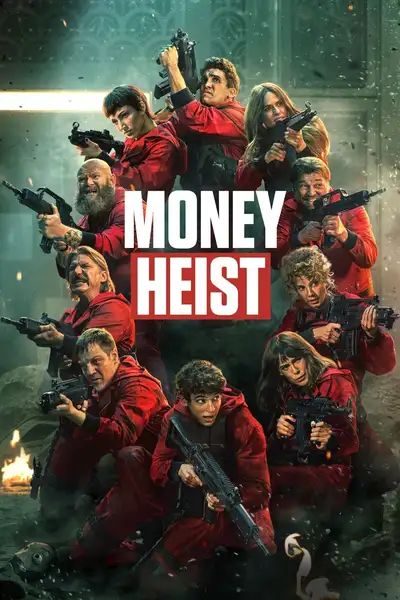
Álvaro Morte's portrayal of the enigmatic Professor anchors this Spanish heist thriller that became a global phenomenon. The series follows a carefully assembled team of criminals, each with a codename based on a city, as they attempt to execute the most ambitious heist in history at the Royal Mint of Spain. Created by Álex Pina, the show masterfully weaves together present-day action with character-revealing flashbacks, building genuine tension even as the team faces seemingly impossible obstacles. The chemistry among the ensemble cast, including Úrsula Corberó as the fierce Tokyo and Pedro Alonso as the volatile Berlin, elevates what could have been a standard caper into something emotionally resonant. With its distinctive red jumpsuits, Salvador Dalí masks, and the haunting "Bella Ciao," the series created iconic imagery that transcended the screen and became a cultural touchstone.
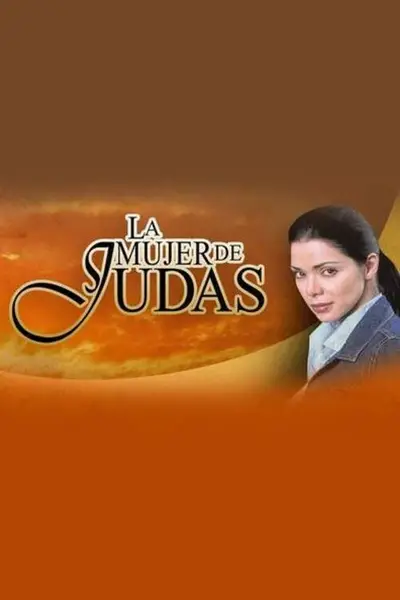
This compelling Mexican telenovela weaves together romance, betrayal, and redemption in a story that showcases the genre at its finest. Anette Michel and Victor Noriega lead the cast through a complex narrative involving forbidden love and family secrets that span generations. The production, created by Carla Estrada, demonstrates the sophisticated storytelling that elevated telenovelas beyond simple melodrama during this era. While it embraces the heightened emotions and dramatic twists that define the genre, the performances ground the story with genuine pathos. The chemistry between the leads drives the narrative forward through its many complications, and the supporting cast adds depth to what could have been one-dimensional roles. The pacing keeps viewers invested across its run, revealing secrets and complications at a measured pace that rewards patient viewing.
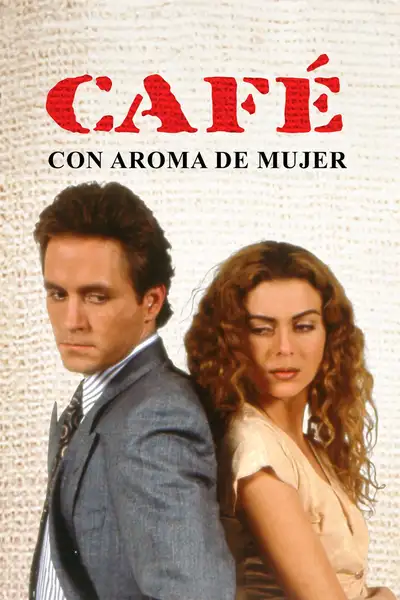
In the lush coffee-growing regions of Colombia, class divisions and family secrets fuel this beloved telenovela that became a cultural phenomenon across Latin America. The story centers on Gaviota, a coffee picker who falls for Sebastián, heir to a coffee dynasty, setting up a romance complicated by social hierarchies and family opposition. Margarita Rosa de Francisco and Guy Ecker anchor the series with chemistry that sold the central relationship despite the familiar premise. What distinguishes it from typical romantic melodrama is the attention to Colombia's coffee culture and the economic realities shaping characters' choices. The production values showcase the country's beautiful landscapes while the writing balances romance with substantive exploration of class and ambition, creating addictive viewing that justified its massive success and multiple international adaptations.