Space Sci-Fi Shows
The cosmos has always beckoned humanity to imagine what lies beyond our world, and space sci-fi shows have answered that call with spectacular visions of interstellar adventure that span decades of television history. From the groundbreaking classics that first transported audiences to distant galaxies to cutting-edge streaming series that reimagine space exploration for modern viewers, these programs represent the pinnacle of science fiction storytelling on the small screen. Whether you're drawn to epic tales of starship crews navigating uncharted territories, intricate narratives about alien civilizations and first contact, or sweeping sagas of humanity's expansion across the cosmos, the best space sci-fi TV series deliver unforgettable journeys into the final frontier. These shows combine stunning visual effects, complex world-building, and thought-provoking themes that explore everything from advanced technology and space colonies to the philosophical questions that arise when we venture beyond Earth. Our curated selection of 21 essential space sci-fi series showcases the genre's evolution across all eras, highlighting programs that have defined and redefined what television can achieve when boldly going where no show has gone before.
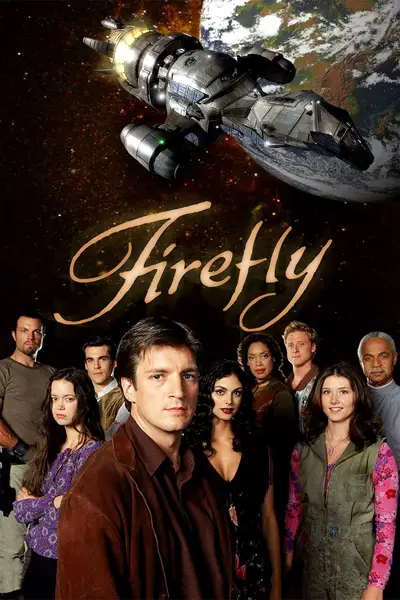
Nathan Fillion leads this brilliant space western as Captain Malcolm Reynolds, a charming rogue navigating the galaxy's outer rim aboard his beloved Firefly-class ship, Serenity. Created by Joss Whedon, this criminally short-lived series blends witty banter, lived-in sci-fi aesthetics, and genuine heart into something truly special. The ensemble cast—including Gina Torres, Alan Tudyk, and Morena Baccarin—creates a found family dynamic that feels authentic and deeply affecting. Each episode balances standalone adventures with serialized character development, exploring themes of loyalty, freedom, and survival in a 'verse where the Alliance's reach extends far but not everywhere. The Western-meets-space-opera setting provides endless opportunities for creative storytelling, while the Mandarin-peppered dialogue and lived-in production design make the universe feel remarkably real. Despite lasting only one season, Firefly's influence on science fiction television remains undeniable, proving that fourteen episodes can leave a lasting legacy.
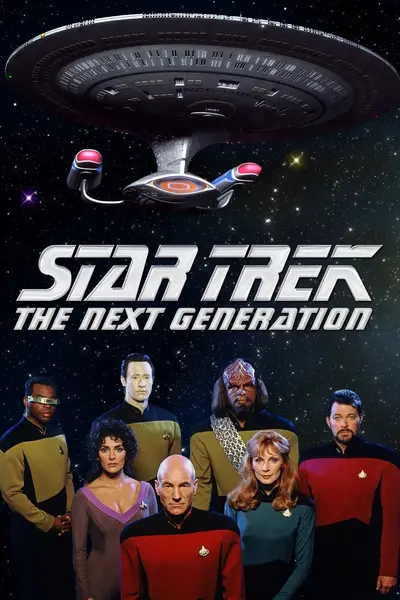
Boldly optimistic and intellectually engaging, this Star Trek series represents science fiction at its most thoughtful and aspirational. Created by Gene Roddenberry, The Next Generation follows Captain Jean-Luc Picard (Patrick Stewart in a career-defining role) and the crew of the USS Enterprise-D as they explore strange new worlds a century after the original series. The show elevates the franchise with sophisticated storytelling that tackles complex moral dilemmas, philosophical questions, and social issues through the lens of futuristic adventure. The ensemble cast—including Jonathan Frakes, Brent Spiner, LeVar Burton, and Marina Sirtis—creates a genuine sense of camaraderie and professionalism. Stewart's commanding yet nuanced performance as Picard anchors the series in gravitas while episodes range from thrilling action to contemplative character studies. The Next Generation proves that science fiction can inspire, challenge, and entertain simultaneously, setting a standard that few series in any genre have matched.
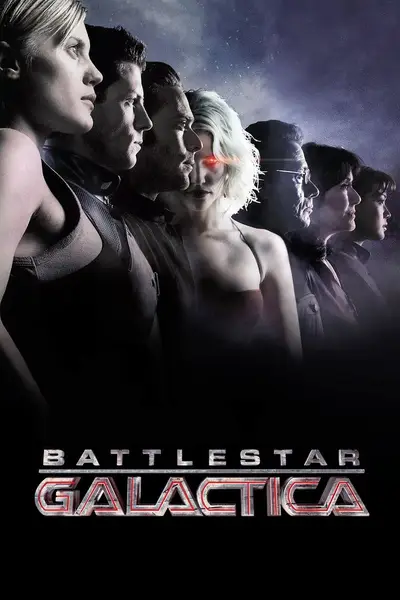
Edward James Olmos leads this reimagined space opera as Admiral William Adama, commanding humanity's last survivors after a devastating Cylon attack. Created by Ronald D. Moore, this series transforms the 1970s concept into a masterwork of serialized television that tackles religious extremism, political corruption, and what it means to be human. The performances are universally stellar, with Mary McDonnell's President Roslin and James Callis's Gaius Baltar delivering career-defining work. The show maintains relentless tension across four seasons, balancing large-scale space battles with intimate character drama. Every episode feels essential, every twist earned. This is science fiction television at its absolute peak—a show that respects its audience's intelligence while delivering pulse-pounding action and genuine emotional weight.
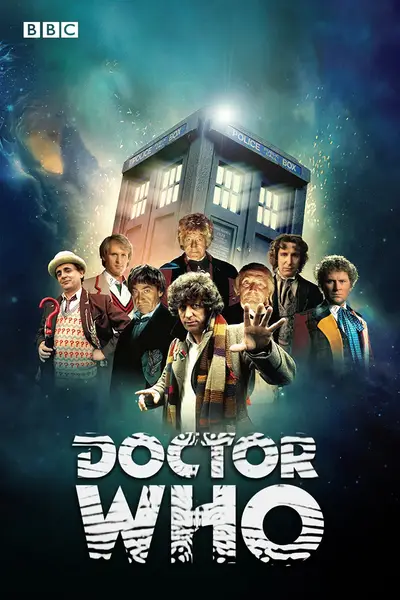
Science fiction television doesn't get more iconic, enduring, or downright brilliant than this British institution that has been captivating audiences across generations since its debut. The show's genius lies in its infinitely renewable format: a time-traveling alien called the Doctor, who regenerates into new bodies, explores all of time and space in a police box called the TARDIS. Created by Sydney Newman, C.E. Roberts, and Donald Wilson, the series has featured countless memorable Doctors, companions, and monsters (the Daleks and Cybermen remain genuinely chilling). Whether you're watching classic episodes from the original run or the revived series that began in 2005 with Russell T Davies at the helm, you'll find imaginative storytelling that balances humor, horror, and heart. The show's ability to reinvent itself while maintaining its essential spirit is unmatched in television history.
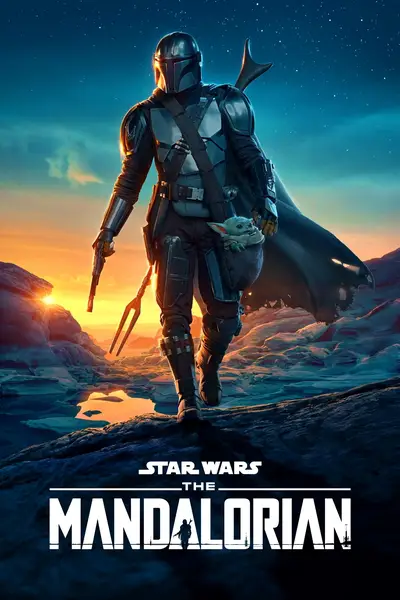
Jon Favreau has crafted something truly special with this Star Wars series that captures the spirit of the original trilogy while carving out its own legendary path. The Mandalorian follows Din Djarin (Pedro Pascal), a lone bounty hunter navigating the outer reaches of the galaxy in the aftermath of the Empire's fall, whose life changes completely when he encounters a mysterious Force-sensitive child. The episodic structure brilliantly evokes classic Westerns, with each adventure feeling like a self-contained story while building toward larger narrative arcs. The practical effects and creature work are phenomenal, giving the series a tangible quality that modern blockbusters often lack. Giancarlo Esposito delivers a chilling performance as Moff Gideon, while the supporting cast of recurring characters enriches the expanding world. The show respects Star Wars lore without being enslaved by it, making it accessible to newcomers while rewarding longtime fans with deep-cut references and connections that enhance rather than overshadow the storytelling.
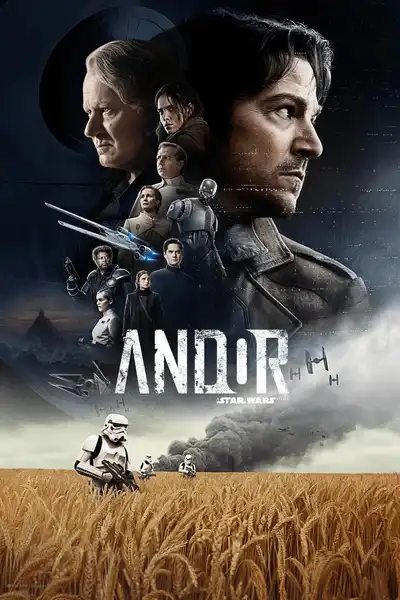
Following Cassian Andor in the years before Rogue One, this Star Wars series explores how ordinary people become radicalized into rebellion against an authoritarian regime, delivering the franchise's most mature and politically sophisticated storytelling to date. Creator Tony Gilroy strips away the typical Star Wars mythology to focus on the ground-level reality of life under the Empire, showing how oppression and injustice gradually transform a cynical survivor into a committed revolutionary. Diego Luna brings depth and moral ambiguity to Cassian, supported by an exceptional ensemble including Stellan Skarsgård as a rebellion architect and Fiona Shaw as a complex adoptive mother figure. The show takes its time building tension and character, trusting the audience to engage with slower pacing in service of richer storytelling. The dialogue crackles with intelligence, the production design feels lived-in and authentic, and the exploration of fascism's mundane bureaucratic evil resonates powerfully. This is ambitious, adult science fiction that transcends its franchise origins.
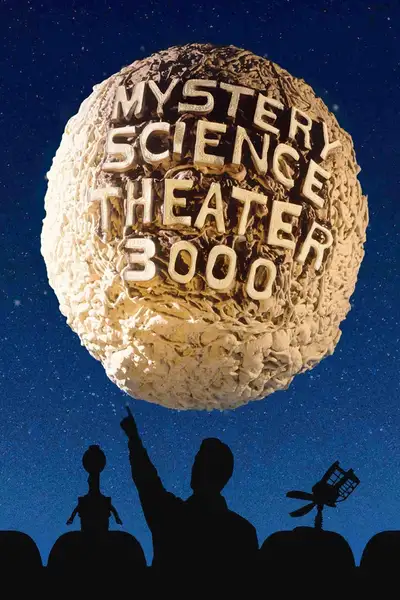
Gleefully absurd and endlessly inventive, this cult sensation turns bad movies into comedy gold through the simple premise of watching someone watch terrible films. Created by Joel Hodgson, the show follows a man trapped on a satellite forced to endure the worst cinema has to offer, accompanied by robot friends he built for company. Tom Servo and Crow T. Robot join Joel (later Mike Nelson) in riffing on everything from sci-fi disasters to incomprehensible international features, delivering a rapid-fire stream of jokes that rewards multiple viewings. The wit ranges from sophisticated cultural references to delightfully dumb puns, creating a humor style entirely its own. The silhouette format—mimicking a movie theater experience—remains iconic, and the show's influence on internet comedy culture is immeasurable. Whether you're discovering it for the first time or revisiting beloved episodes, MST3K offers something genuinely special: comedy that's smart, silly, and wonderfully welcoming.
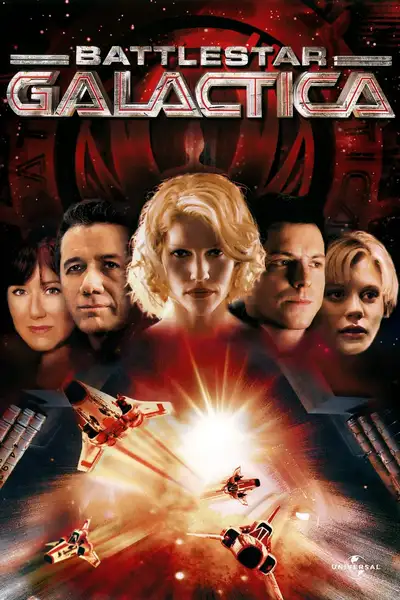
Edward James Olmos brings commanding gravitas to William Adama, the weathered commander leading humanity's last survivors in this reimagined sci-fi masterpiece. Created by Ronald D. Moore, Battlestar Galactica transforms the campy 1970s original into a tense, politically charged drama where the remnants of civilization flee aboard a ragtag fleet, pursued relentlessly by the Cylons—robotic creations who've evolved beyond recognition and now look disturbingly human. Mary McDonnell shines as President Laura Roslin, navigating impossible moral choices alongside Adama while the crew searches desperately for the mythical planet Earth. The series tackles weighty themes of survival, identity, and what it means to remain human under impossible circumstances, all wrapped in genuinely thrilling space battles and conspiracies. It's dark, philosophical television that respects its audience's intelligence while delivering edge-of-your-seat entertainment.
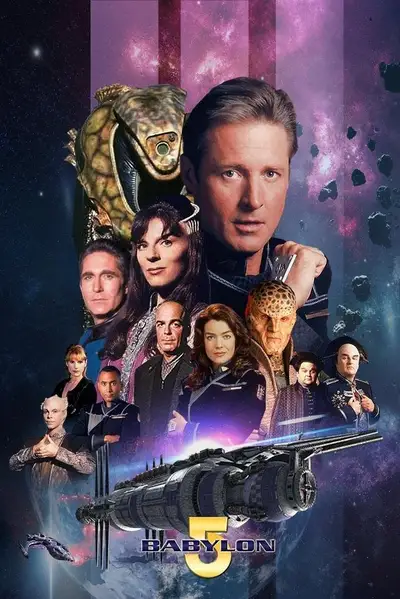
Michael O'Hare stars as Commander Jeffrey Sinclair in this landmark science fiction series that redefined serialized television storytelling. Created by J. Michael Straczynski, the show unfolds aboard a massive space station in the 23rd century, serving as neutral ground for diplomatic relations between Earth and various alien civilizations. What begins as an episodic diplomatic drama gradually reveals itself as an intricately plotted epic spanning war, prophecy, and the evolution of galactic society. The ensemble cast, including Bruce Boxleitner and Claudia Christian, brings depth to characters who genuinely grow and change over five seasons. Straczynski's meticulous planning pays off magnificently with story threads planted in early episodes that don't pay off until years later, rewarding attentive viewers with one of television's most satisfying narrative experiences.
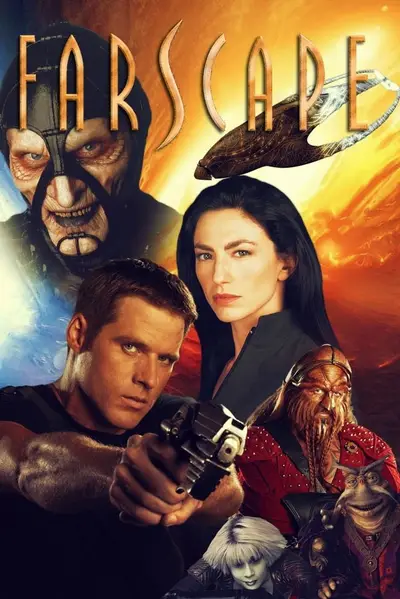
This space adventure series embraces wild creativity, blending science fiction with fantasy elements and puppetry to create something genuinely unique in the television landscape. Created by Rockne S. O'Bannon and produced by The Jim Henson Company, the show follows astronaut John Crichton (Ben Browder) who gets accidentally shot through a wormhole and trapped aboard a living ship with escaped alien prisoners. What makes the series special is its willingness to be weird—thanks to Henson's creature work, the alien characters feel truly alien rather than humans with forehead prosthetics. Claudia Black is fantastic as Aeryn Sun, a Peacekeeper warrior whose relationship with Crichton develops organically over the show's run. The plotting grows increasingly complex and serialized, rewarding dedicated viewers while maintaining humor and heart. The show isn't afraid to put characters through emotional wringer or challenge genre conventions. It's cult science fiction at its finest, offering imaginative storytelling and memorable characters that have earned devoted fans.
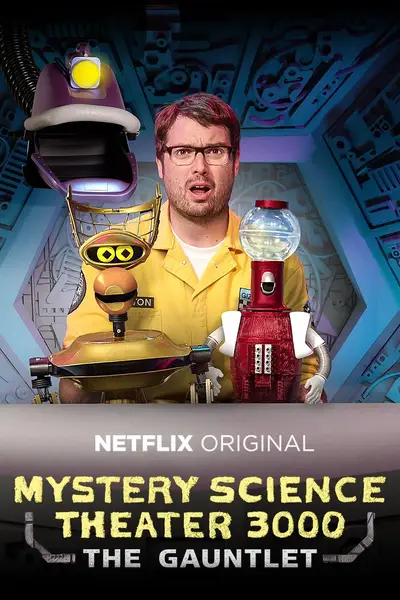
Cheerfully irreverent yet somewhat inconsistent, this Netflix revival brings back the beloved B-movie riffing format with new host Jonah Heston (Jonah Ray) and his robot companions. Creator Joel Hodgson returns to produce this continuation of his cult classic, trapping Jonah aboard the Satellite of Love where mad scientist Kinga Forrester (Felicia Day) forces him to watch terrible films. The concept remains unchanged—Jonah and the bots provide running commentary over genuinely awful movies—and when the jokes click, it recaptures the original's absurdist magic. Ray proves an affable host, and the production values are significantly upgraded from the scrappy original series. However, the writing feels uneven across episodes, with some films inspiring inspired riffs while others result in stretches where the jokes don't land as consistently. Longtime fans will appreciate the callbacks and cameos, but the rapid-fire joke density sometimes prioritizes quantity over quality. It's comfort food for MSTies that occasionally reaches the heights of the original run, though it doesn't consistently maintain that standard throughout its seasons.
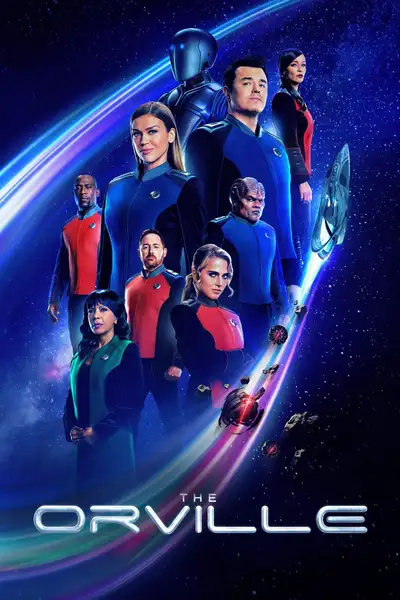
This science fiction series follows the USS Orville, a mid-level exploratory spaceship in the Planetary Union, and its crew navigating both cosmic phenomena and interpersonal drama under the command of Captain Ed Mercer (Seth MacFarlane). Created by MacFarlane, the show begins as an obvious Star Trek homage with comedic elements, but evolves into something more ambitious as it progresses. The ensemble cast—including Adrianne Palicki, Penny Johnson Jerald, Scott Grimes, and Peter Macon—develops genuine chemistry, making the bridge crew interactions as engaging as the sci-fi concepts. What distinguishes The Orville is its willingness to tackle serious ethical and social issues through allegory while maintaining optimistic humanism reminiscent of classic Trek. Later seasons reduce the comedy in favor of thoughtful storytelling that respects both the characters and audience intelligence. The production values rival prestige science fiction, with impressive visual effects and detailed alien worlds. For viewers disappointed by modern Star Trek's darker tone, this offers the hopeful, philosophical space exploration they've been missing.
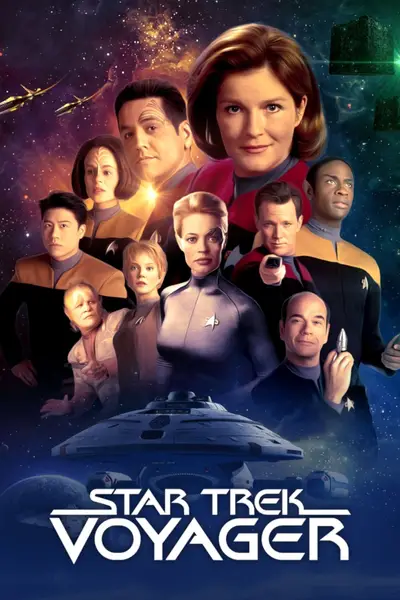
Adventurous, thoughtful, and consistently engaging, this fourth "Star Trek" series follows Captain Kathryn Janeway (Kate Mulgrew) and her crew after their starship is hurled 70,000 light-years from home into the unexplored Delta Quadrant. Created by Rick Berman, Michael Piller, and Jeri Taylor, "Voyager" excels at balancing episodic storytelling with its compelling premise of a crew trying to get home while maintaining Federation principles far from Federation space. Mulgrew delivers one of the franchise's finest captain performances, bringing authority, compassion, and complexity to Janeway. The ensemble cast, including Robert Beltran, Roxann Dawson, Tim Russ, and later addition Jeri Ryan as Seven of Nine, creates genuine chemistry. The series isn't afraid to experiment, delivering memorable episodes about time travel, morality, and scientific curiosity while introducing fascinating new species like the Borg collective and Species 8472. "Voyager" represents "Star Trek" at its best: optimistic, intelligent, and endlessly imaginative across seven strong seasons.
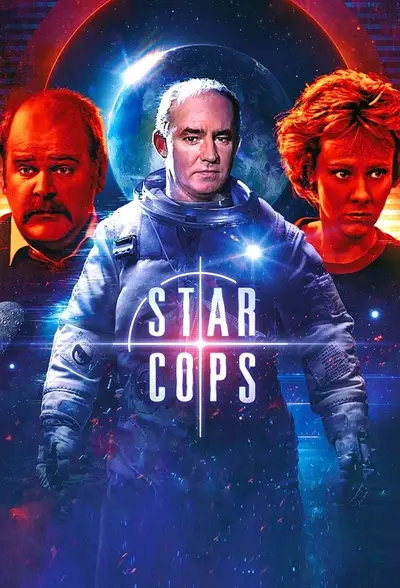
When crime follows humanity into space, who keeps order among the orbital stations and lunar colonies? This intelligent British sci-fi series from the late 1980s tackles that question with refreshing seriousness, creating a procedural that's more concerned with detective work than laser battles. Created by Chris Boucher and starring David Calder as the world-weary Detective Nathan Spring, the show imagines the practical challenges of law enforcement in zero gravity with impressive attention to detail. The cases range from murder investigations to corporate espionage, all grounded in believable human motivations despite the futuristic setting. Production values are admittedly modest even for the era, but strong writing and committed performances overcome budgetary limitations. The series deserves recognition for treating space exploration as a workplace rather than an adventure, finding drama in jurisdictional disputes and forensic challenges that feel surprisingly contemporary.
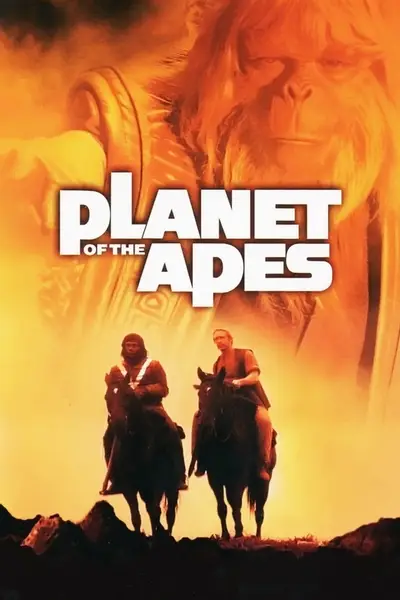
Producer Herbert Hirschman and writer Anthony Wilson brought Pierre Boulle's iconic science fiction concept to the small screen with this short-lived but fascinating television series. Following the events of the film franchise, the show follows two astronauts, played by Ron Harper and James Naughton, who find themselves stranded on a future Earth dominated by intelligent apes. Roddy McDowall reprises his role from the films, adding continuity and star power to the proceedings. Despite budget limitations that sometimes show, the series manages to explore thought-provoking themes about civilization, prejudice, and power dynamics. The weekly adventures strike a balance between action and social commentary, making this a worthy extension of the beloved film series that deserves more recognition than it typically receives.
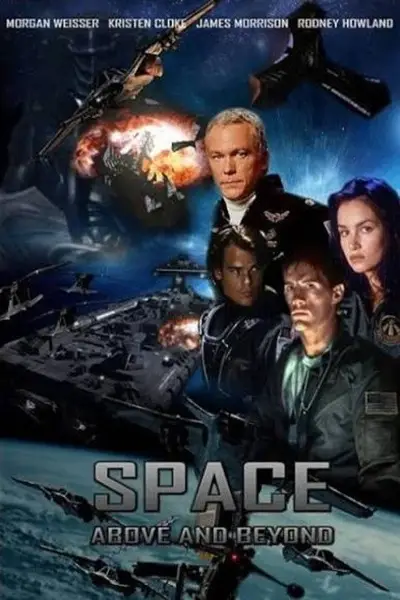
At its core, this is a story about youth, duty, and the brutal cost of war, following a squadron of young Marines fighting humanity's first interstellar conflict against an alien enemy. Created by Glen Morgan and James Wong, the series stars Morgan Weisser, Kristen Cloke, and Rodney Rowland as members of the 58th "Wild Cards" squadron, artificial-born soldiers fighting the mysterious Chigs. The show doesn't shy away from the psychological toll of combat, delivering character-driven drama alongside impressive (for 1995) space battle sequences. While the alien invasion provides the backdrop, the series is really about the bonds formed between soldiers and the sacrifices demanded by war. The ensemble cast is strong, and the writing treats its military subjects with respect while questioning the institutions that send young people to fight. It deserved more than its single season.
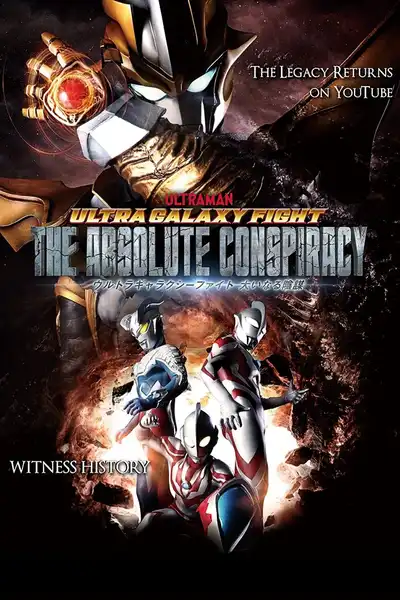
In the Land of Light and across multiple galaxies, Ultraman heroes unite to combat the Absolute Tartarus and his forces threatening the multiverse. This Japanese tokusatsu miniseries serves as a crossover event connecting various Ultra Series timelines, rewarding longtime fans with team-ups previously only imagined. Directed by Koichi Sakamoto, the production maximizes its streaming format with impressive special effects that surpass traditional television budgets for the franchise. The narrative moves swiftly through interdimensional conflicts, balancing fan service with accessibility for newer viewers. Voice performances from Tatsuhisa Suzuki and other series veterans bring gravitas to the cosmic stakes, while the fight choreography showcases why the Ultra Series remains a cornerstone of Japanese superhero entertainment. The mythology grows dense with references that may overwhelm casual viewers, but enthusiasts will appreciate the continuity connections. It's an exhilarating celebration of the franchise that demonstrates Tsuburaya Productions' continued commitment to expanding the Ultra universe.
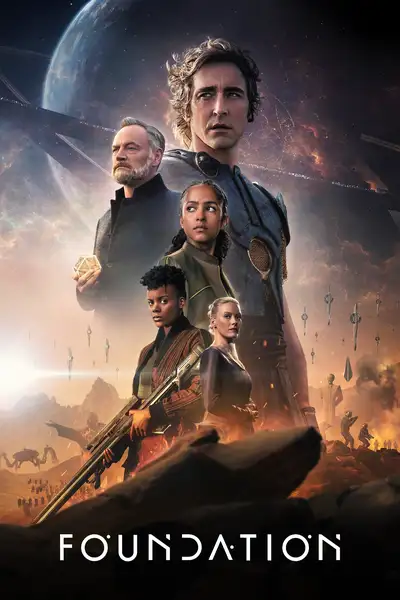
This science fiction epic adapts Isaac Asimov's legendary book series, tackling one of the genre's most ambitious narratives about the fall and rise of galactic civilizations. Showrunner David S. Goyer brings Asimov's psychohistory concept to life, following mathematician Hari Seldon (Jared Harris) as he predicts the Empire's collapse and establishes a foundation to preserve knowledge through the coming dark age. The series makes smart choices in expanding character development beyond Asimov's idea-focused original, particularly with Lee Pace's magnetic performance as the cloned Emperor. Spanning multiple timelines and generations, the show juggles complex political intrigue, philosophical questions, and spectacular visual effects. The production values are impressive, creating a lived-in universe that feels appropriately vast. While purists might debate certain adaptations, the series succeeds in making Asimov's cerebral concepts dramatically engaging for television.
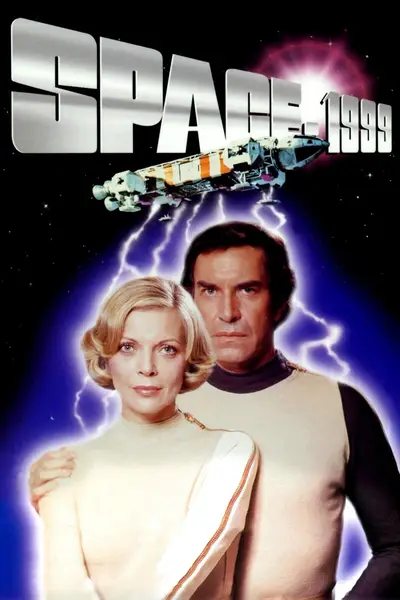
When a massive nuclear explosion knocks the Moon out of Earth's orbit, the 311 inhabitants of Moonbase Alpha find themselves hurtling through space on an impossible journey into the unknown. Created by Gerry and Sylvia Anderson, this ambitious British science fiction series stars Martin Landau and Barbara Bain as Commander John Koenig and Dr. Helena Russell, leaders trying to keep hope alive as their lunar base encounters bizarre alien phenomena and existential threats. The series is remarkable for its philosophical approach to sci-fi storytelling, often prioritizing psychological and metaphysical questions over action sequences. The production design and special effects, while dated, possess a distinct aesthetic that remains visually striking decades later. The show's willingness to embrace weird, surreal narratives—sometimes leaving questions deliberately unanswered—makes it uniquely compelling even when individual episodes don't fully cohere. It's thoughtful space opera that treats its audience as intelligent viewers capable of handling ambiguity and complex ideas.
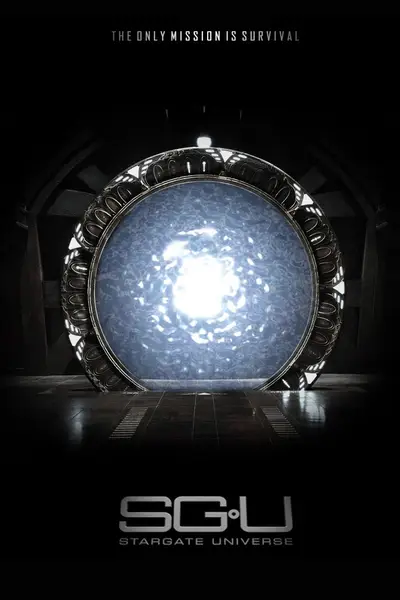
Robert Carlyle leads as Dr. Nicholas Rush in this thrilling addition to the Stargate franchise that takes the series in a bold new direction. When a team of scientists and military personnel are stranded billions of light-years from Earth aboard the Ancient starship Destiny, they must work together to survive while the ship follows a pre-programmed mission through uncharted galaxies. Created by Brad Wright and Robert C. Cooper, the series delivers compelling character drama alongside science fiction adventure, with strong performances from the ensemble cast including Louis Ferreira, Brian J. Smith, and Elyse Levesque. The show's darker, more serialized approach offers a fresh take on the Stargate universe, emphasizing interpersonal conflict and moral ambiguity as the crew faces impossible choices with no easy way home.
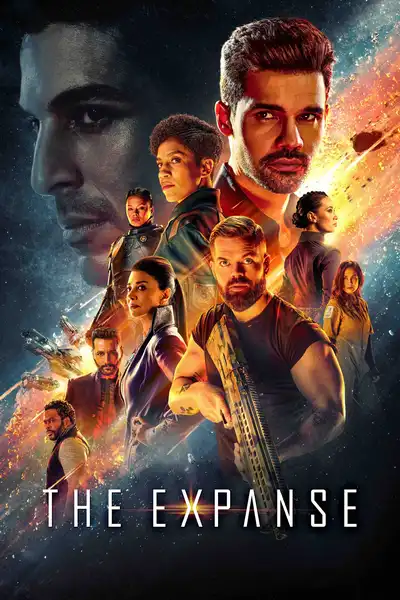
Developed by Mark Fergus and Hawk Ostby and based on James S.A. Corey's novels, this space opera follows humanity's expansion across the solar system and the political tensions between Earth, Mars, and the exploited Belt. The Expanse starts as a noir-tinged mystery involving a missing woman and escalates into an epic story about alien technology, interplanetary war, and survival itself. The cast, including Steven Strait, Dominique Tipper, and Wes Chatham as the crew of the Rocinante, brings depth to what could have been stock characters. The show respects both scientific plausibility and narrative momentum, creating space battles with actual physics and political intrigue with real consequences. It's everything great science fiction should be—intellectually engaging, visually impressive, and emotionally resonant across multiple seasons.