Soccer Shows
Whether you're a die-hard football fanatic or simply appreciate compelling storytelling, soccer shows offer a captivating blend of athleticism, drama, and human emotion that transcends the sport itself. The beautiful game has inspired television series that explore everything from historic rivalries and underdog triumphs to the cultural significance of football across continents. These soccer dramas and documentaries delve deep into player psychology, team dynamics, and the passionate communities that live and breathe the sport, delivering entertainment that resonates far beyond the pitch. From period pieces that examine football's origins and evolution to modern comedies that celebrate the game's universal appeal, the best soccer shows capture why billions of fans worldwide are devoted to this sport. Whether you're drawn to intense competition series, heartfelt character-driven narratives, or behind-the-scenes looks at football culture, these programs showcase the dedication, rivalry, and pure joy that make soccer the world's most beloved game, proving that great sports television can appeal to enthusiasts and casual viewers alike.
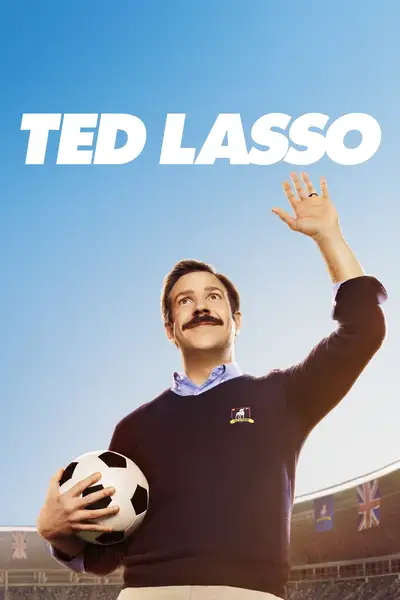
Jason Sudeikis plays Ted Lasso, an American football coach hired to manage a struggling English Premier League team despite knowing nothing about soccer—a premise that sounds more promising than it ultimately delivers. Created by Sudeikis, Bill Lawrence, Brendan Hunt, and Joe Kelly, the show aims for heartwarming inspiration but often lands on saccharine. Sudeikis brings genuine charm to the role, and his relentless optimism provides some effective moments, particularly when the show explores his underlying struggles with mental health. Hannah Waddingham and Brett Goldstein offer strong supporting performances that occasionally elevate the material. The first season's fish-out-of-water comedy works well enough, but subsequent seasons struggle to maintain momentum, recycling similar emotional beats and relationship dynamics. The show's insistence on niceness sometimes feels forced, sanding down potential conflict before it can develop into anything meaningful. There are genuinely touching moments scattered throughout, but the series too often chooses easy sentiment over earned emotional payoffs.

John Carney, director of the beloved 2007 film of the same name, returns to expand his musical romance into a full series that captures the magic of the original while finding new stories to tell. The show follows aspiring musicians in Dublin as they collaborate, fall in love, and pursue their artistic dreams against the backdrop of Ireland's vibrant music scene. Glen Hansard and Markéta Irglová make guest appearances, but the new cast, led by Eoin Macken and Sarah Greene, brings fresh energy to the material. The musical performances are integrated organically into the narrative, never feeling forced or overly theatrical. Carney's intimate directorial style translates beautifully to the episodic format, allowing for deeper character development than the film's runtime permitted. The series radiates warmth and authenticity, celebrating the transformative power of music and human connection with understated grace.

With celebratory energy befitting the world's biggest sporting event, this coverage of the 2026 FIFA World Cup captures the tournament spanning the United States, Canada, and Mexico—the first World Cup to feature 48 teams. The expanded format creates more matches and more storylines to follow, from traditional powerhouses to nations making their debuts on football's grandest stage. The production benefits from the geographic spread, showcasing diverse host cities and the passion of fans across North America. Commentary teams bring expertise and enthusiasm, though the sheer volume of matches means coverage quality varies across broadcasts. The tournament's historic nature—the first three-nation host and expanded field—adds significance beyond the matches themselves. While purists may debate the format changes, the increased access and representation make for compelling viewing. For football fans and casual viewers alike, it's a solid way to experience the global spectacle, even if logistical challenges occasionally show through the broadcast.
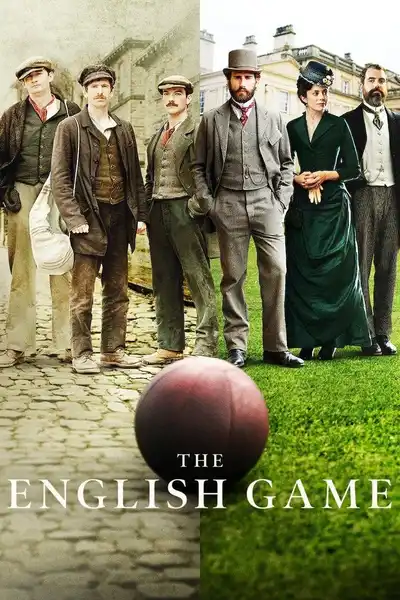
In 1870s England, as football transforms from an aristocratic pastime into the working-class game we know today, two players from opposite ends of society find their lives intersecting on and off the pitch. Created by Julian Fellowes, this Netflix miniseries dramatizes the sport's evolution through fictional characters Arthur Kinnaird (Edward Holcroft), a privileged Eton graduate, and Fergus Suter (Kevin Guthrie), a Scottish mill worker and early professional player. The production design impressively recreates Victorian England, and the football sequences demonstrate how brutal and chaotic the sport once was. The series works best when focusing on the class tensions and economic forces reshaping British society, with Fellowes applying his Downton Abbey expertise to sports history. However, the personal storylines often feel contrived, relying on melodramatic coincidences and romantic entanglements that strain credibility. The performances are earnest but rarely transcendent, and the six-episode run feels simultaneously rushed in some areas and padded in others. It's a decent historical drama that illuminates an interesting period in sports history, though it never quite scores the emotional goals it aims for.
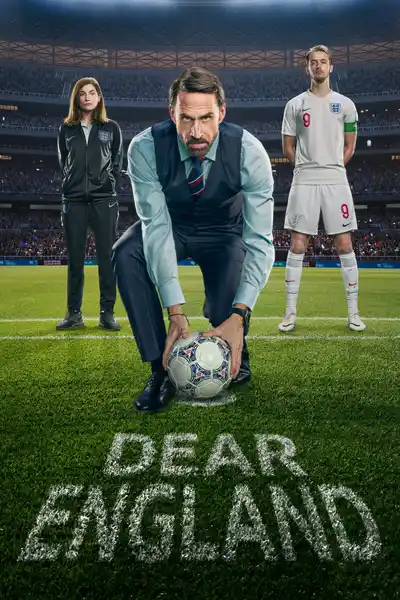
Created by acclaimed playwright James Graham, this dramatization of Gareth Southgate's tenure as England football manager brings surprising emotional depth to the world of international sports. The series examines not just tactics and training but the psychological burden of leading a nation with sky-high expectations and a painful history of near-misses. Joseph Fiennes captures Southgate's thoughtful, progressive approach to leadership, showing a manager trying to change both a team's performance and its culture. Graham's theatrical background shines through in dialogue-heavy scenes that explore masculinity, national identity, and what it means to handle pressure with grace. The production doesn't shy away from the heartbreak of tournament losses while celebrating the incremental progress of building something meaningful. Even non-football fans will find themselves drawn into this character study of a man attempting to heal a fractured relationship between team and country.