Slasher Horror Shows
The blood-curdling thrill of masked killers and creative death sequences has found a chilling new home on the small screen, where slasher horror shows deliver weekly doses of terror that rival their cinematic counterparts. From prestige anthology series to pulse-pounding serial narratives, television has embraced the slasher genre with elaborate kills, mysterious antagonists, and final girls who fight tooth and nail for survival. These horror series blend the visceral intensity of classic slasher films with the character development and sustained tension that only episodic storytelling can provide. Whether you're drawn to supernatural slashers stalking unsuspecting victims, survival game premises that unleash mayhem, or psychological thrillers featuring cunning serial killers, the evolution of slasher content on streaming platforms and networks has created a golden age for fans of terror television. Our curated selection of 12 essential slasher horror shows spans from groundbreaking recent releases to modern classics that redefined what televised horror could achieve, showcasing masked murderers, inventive carnage, and the kind of suspenseful cat-and-mouse games that keep viewers sleeping with the lights on.
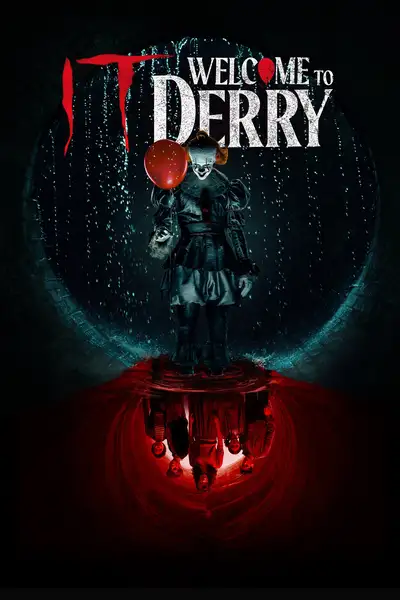
Atmospheric dread permeates every frame of this prequel series exploring the origins of Pennywise and the cursed history of Derry, Maine. Set decades before the events of Stephen King's iconic novel, the show delves into how fear took root in this seemingly ordinary town and the evil that has fed on its residents for generations. The period setting is meticulously crafted, immersing viewers in a Derry that feels both nostalgic and deeply unsettling. The creative team builds tension masterfully, understanding that horror works best when it's as much about human darkness as supernatural threats. While honoring King's source material and the world established in Andy Muschietti's films, the series carves out its own identity with fresh characters and storylines that expand the mythology. It's a worthy addition to the IT universe that horror fans will appreciate for its commitment to slow-burn scares and character-driven storytelling rather than relying solely on jump scares.
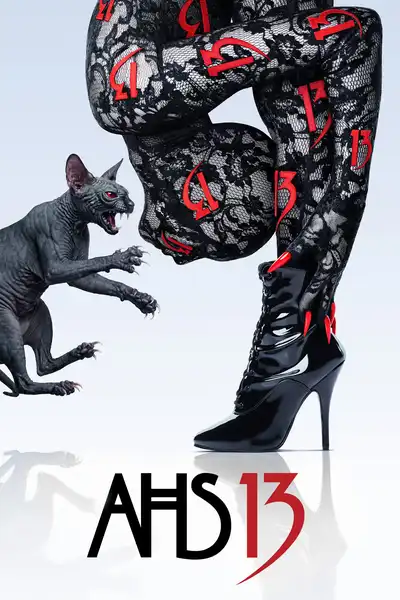
Evan Peters headlines this anthology series created by Ryan Murphy and Brad Falchuk, appearing in multiple seasons as different characters navigating various horror scenarios from haunted houses to insane asylums to apocalyptic cults. Each season presents a self-contained story with recurring cast members taking on new roles, allowing actors like Sarah Paulson, Jessica Lange, and Kathy Bates to showcase their range across wildly different scenarios. The show's visual style is undeniably striking, with Murphy's signature glossy aesthetic applied to disturbing subject matter ranging from supernatural threats to very human monstrosity. When it works, the series delivers genuinely unsettling horror alongside biting social commentary and campy theatricality. However, the seasons vary wildly in quality, and Murphy's tendency to prioritize shocking imagery over coherent storytelling can undermine the horror. Some seasons collapse under the weight of too many plotlines and undercooked themes. The anthology format means a disappointing season won't ruin future installments. It's ambitious horror television that swings for the fences, landing solid hits often enough to justify the occasional miss.
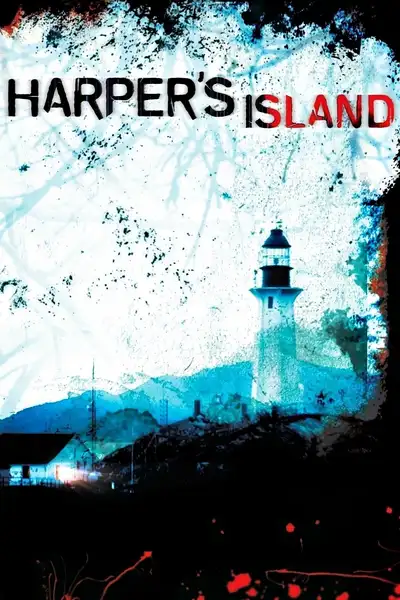
This murder-mystery miniseries attempts to blend slasher horror with whodunit intrigue as wedding guests gather on a secluded island where a killer begins picking them off one by one. Created by Ari Schlossberg, the show features a large ensemble cast including Elaine Cassidy and Christopher Gorham, giving each character potential motive and opportunity while bodies accumulate with increasing frequency. The premise promises summer camp scares meets Agatha Christie, but the execution wavers between genuine suspense and predictable genre beats. Some episodes effectively build dread through isolation and paranoia, while others feel padded with soap opera subplots that dilute the central mystery. The reveal, when it arrives, may satisfy some viewers while leaving others underwhelmed by the journey. As a self-contained 13-episode event, it offers a bingeable distraction for mystery fans with modest expectations, though it never quite achieves the cult status it seemed designed to capture.
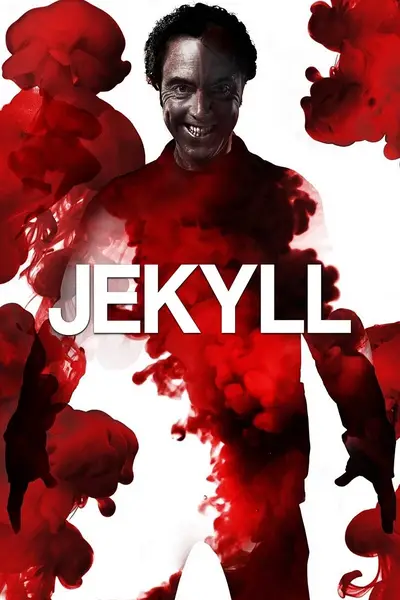
James Nesbitt plays Tom Jackman, a modern descendant of Dr. Jekyll struggling with his own violent alter ego in this contemporary reimagining of the classic tale. Created by Steven Moffat, the series follows Jackman as he attempts to manage his transformations through careful documentation and the help of his assistants, while keeping his condition secret from his family. Nesbitt delivers a compelling dual performance, switching between the anxious, controlled Jackman and his savage counterpart with unsettling ease. The show has an intriguing premise and benefits from Moffat's clever writing, but the six-episode run feels both rushed and overly complicated at times. The psychological horror elements work well, though the series sometimes struggles to balance its darker themes with moments of dark humor. It's an ambitious adaptation that doesn't always hit its marks, but remains watchable thanks to its lead performance.
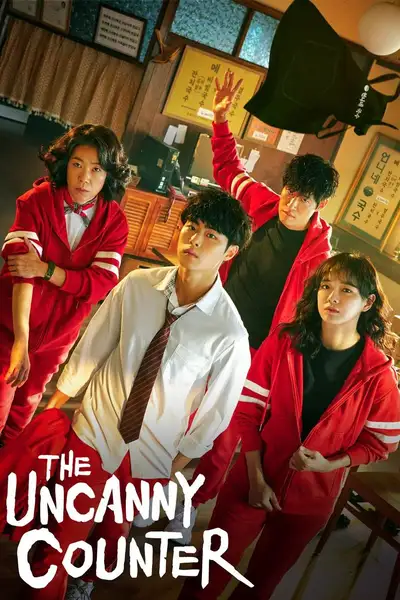
Created by Yeo Ji-na and based on a webtoon, this South Korean series blends supernatural action with demon-hunting adventures as a group of humans with special abilities work undercover in a noodle shop. Starring Jo Byeong-kyu, Kim Se-jeong, and Yoo Jun-sang, the show follows counters who hunt evil spirits while dealing with their own personal traumas and complicated pasts. The premise offers an intriguing mix of fantasy elements and emotional depth, with creative fight choreography and visual effects that enhance the supernatural battles. However, the tonal shifts between heartfelt character moments and action sequences don't always land smoothly, and the pacing occasionally drags when juggling multiple storylines. The cast commits fully to the material, bringing warmth to the found-family dynamics, making this an entertaining watch for fans of Korean supernatural dramas willing to overlook some narrative unevenness.
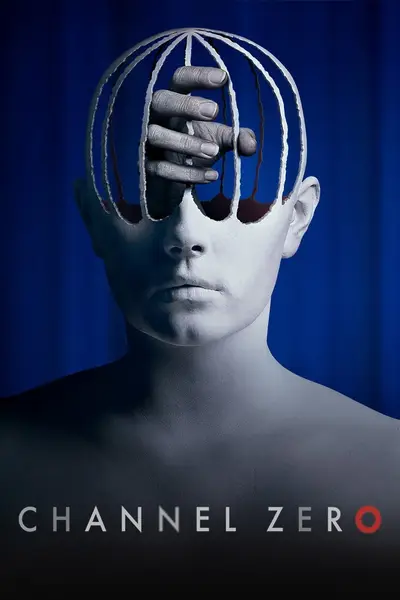
Unsettling and genuinely creative, this horror anthology series adapts internet creepypasta stories into season-long narratives that burrow under your skin. Each season tackles a different urban legend—from "Candle Cove" to "The Dream Door"—with showrunner Nick Antosca crafting slow-burn psychological horror that favors dread over jump scares. The approach won't satisfy everyone; these stories unfold methodically, building atmosphere through disturbing imagery and mounting paranoia rather than constant shocks. The cast changes each season, with standout performances from Paul Schneider, Brandon Scott, and Amy Forsyth in their respective chapters. What distinguishes Channel Zero from other horror anthologies is its willingness to embrace surreal, nightmare logic and its commitment to practical effects that create truly disturbing visuals. Some seasons work better than others, and the pacing can test patience, but for horror fans tired of formulaic scares, this offers something refreshingly weird and occasionally profound about fear, memory, and trauma.
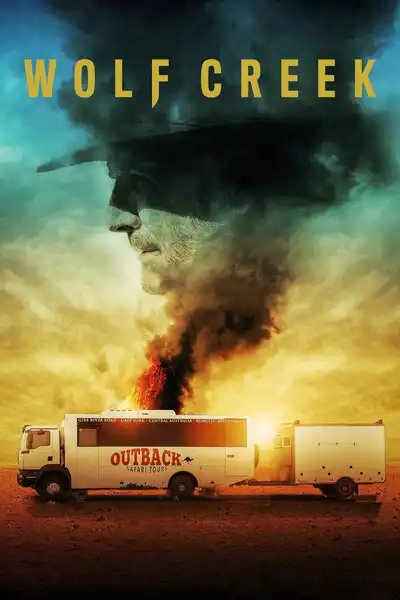
Tourists become prey in the Australian outback when they encounter a sadistic serial killer in this brutal adaptation of the cult horror films. The anthology format allows each season to follow different victims as they cross paths with Mick Taylor, the deranged bushman played with terrifying charisma by John Jarratt reprising his film role. Created by Greg McLean, who directed the original movies, the series stretches the cat-and-mouse premise across multiple episodes with varying degrees of success. The Australian landscape is captured in all its harsh, isolating beauty, serving as both stunning backdrop and hostile environment. The violence is unflinching and often difficult to watch, which may appeal to hardcore horror fans but limits broader accessibility. Some episodes effectively build tension and develop sympathetic characters worth rooting for, while others feel like drawn-out torture with diminishing returns. It's competently made and Jarratt remains compellingly monstrous, but the extended format sometimes exposes the limitations of the straightforward predator-prey concept.
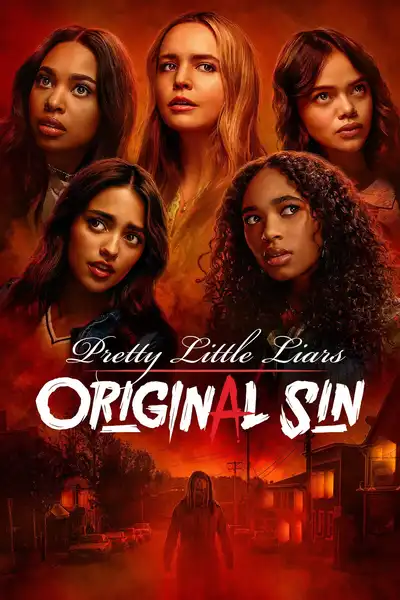
Twenty years after the original "Pretty Little Liars" terrorized Rosewood, a new generation of teenage girls in the blue-collar town of Millwood finds themselves tormented by a mysterious masked assailant connected to dark secrets from their mothers' past. Showrunners Roberto Aguirre-Sacasa and Lindsay Calhoon Bring infuse this HBO Max reboot with a decidedly darker, slasher-influenced tone that distinguishes it from its glossy predecessor. The series stars Bailee Madison, Chandler Kinney, and Malia Pyles as part of an ensemble cast that brings genuine chemistry and depth to their characters. While it honors the spirit of the original with its mystery-box storytelling and focus on female friendship, "Original Sin" embraces horror elements more fully, delivering genuine scares alongside the requisite teen drama. The dual-timeline structure effectively connects past sins to present consequences, and the show doesn't shy away from addressing class divisions and generational trauma in thoughtful ways.
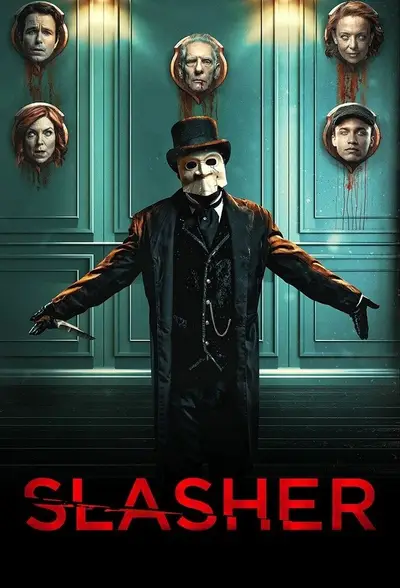
Katie McGrath leads the first season of this Canadian horror anthology as Sarah Bennett, a woman who returns to her hometown only to find herself targeted by a masked killer recreating the murders that claimed her parents' lives years earlier. Created by Aaron Martin, each season presents a new story with different characters facing their own masked tormentor, following the anthology format popularized by American Horror Story. The series delivers on gore and creative kills, appealing to slasher fans who appreciate inventive violence, though the execution varies wildly between seasons. Some installments build genuine tension and develop interesting characters, while others devolve into predictable genre exercises with paper-thin motivations. The production values are solid for a cable horror series, and occasional strong performances—including McGrath's committed turn—elevate the material. However, inconsistent writing and a tendency toward overwrought plotting undermine the show's ambitions. It's perfectly acceptable for horror fans seeking something new, offering enough visceral thrills to justify a watch, but it never quite transcends its genre limitations to become truly memorable television.
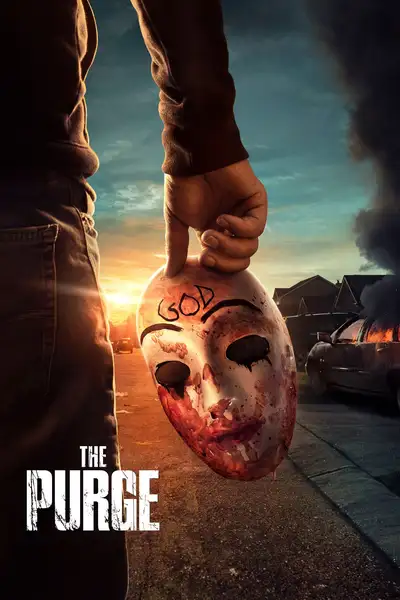
In an America where all crime is legal for twelve hours once a year, this anthology series explores how the Purge night affects various characters across different socioeconomic backgrounds. Developed by the franchise's creator James DeMonaco, the show expands beyond the films' single-night format to examine the days leading up to and following the annual event, with seasons following different casts including Gabriel Chavarria, Hannah Emily Anderson, and Jessica Garza. The concept allows for interesting social commentary about class warfare and systemic violence, but the execution is inconsistent. Some storylines deliver genuine tension and thought-provoking scenarios, while others feel like retreads of ideas better explored in the original films. The expanded timeline adds depth to the world-building, though the season-long format occasionally stretches thin what worked as a tight thriller premise.
Creator Shinobu Yaguchi brings his observational eye to this darkly comedic examination of a family's involvement with a religious organization that increasingly reveals its manipulative nature. The series walks a tightrope between satire and drama as it follows the Sunny family's gradual realization that their spiritual community operates more like a cult than a church. The performances, particularly from the actors playing the conflicted adult children, capture the psychological complexity of wanting to break free while fearing the loss of community and identity. Yaguchi's direction finds uncomfortable humor in the absurdity of cult logic without mocking the genuine believers caught in its web. However, the show doesn't always maintain its tonal balance, occasionally veering too far into either broad comedy or somber drama. The pacing can feel repetitive as characters cycle through similar doubts and recommitments, though the ultimate trajectory remains compelling enough to sustain interest.
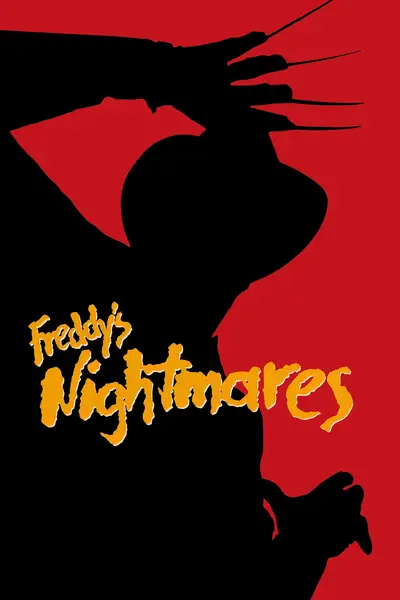
The battle between sleeping teenagers and the dream-invading menace Freddy Krueger expands beyond film in this horror anthology that uses the Nightmare on Elm Street mythology as a launching point for varied terror tales. Hosted by Robert Englund reprising his iconic role, the series alternates between stories directly involving Freddy's supernatural vengeance and standalone tales connected to Springwood's dark history. The show works best when embracing the franchise's surreal nightmare logic, creating genuinely unsettling imagery despite television budget constraints. However, the quality varies wildly between episodes, with some delivering clever horror concepts while others feel like rejected Tales from the Crypt scripts. The anthology format allows for creative freedom, though fans expecting Freddy to dominate every episode may feel shortchanged. For those who appreciate 1980s horror television's particular aesthetic and aren't demanding cinematic scares, it offers entertaining late-night viewing.
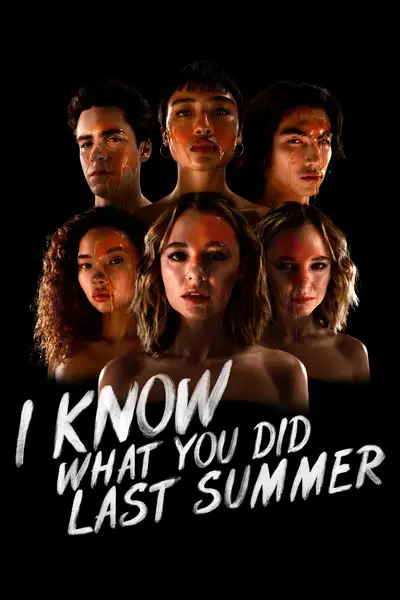
This horror series attempts to reimagine the 1997 slasher film for contemporary audiences, following a group of teenagers haunted by a deadly secret from their past. Developed by Sara Goodman and produced by Amazon, the show stars Madison Iseman and Brianne Tju among an ensemble of young actors facing mysterious deaths one year after a fatal accident. The premise remains fundamentally the same, but the execution struggles to justify this adaptation's existence beyond brand recognition. The scares feel recycled from better horror properties, and the characters never develop beyond their basic archetypes despite having eight episodes to do so. There are competent technical elements, and some individual sequences generate tension, but the series lacks a distinctive voice or fresh perspective on the material. The reveal, when it arrives, feels both predictable and unsatisfying. Completists of the franchise might find something here, but most viewers would be better served revisiting the original film.

The tension between traditional Korean values and modern urban life drives this supernatural drama that never quite decides what it wants to be. Kim Do-yoon and Lee Hyun-wook star as investigators exploring mysterious deaths connected to urban legends circulating on social media. Creator Ahn Seo-hui blends horror elements with procedural storytelling, though the two genres don't always mesh smoothly. Some episodes deliver effective chills when exploring how ancient folklore adapts to contemporary settings, while others get bogged down in convoluted mythology that raises more questions than it answers. The production design creates appropriately eerie atmospheres, particularly in nighttime city sequences, but jumps scares often substitute for sustained dread. It's an intriguing concept that needed tighter execution and clearer vision about whether to prioritize scares or mystery-solving.