Slapstick Shows
Physical comedy never goes out of style, and the best slapstick shows prove that perfectly timed pratfalls, outrageous sight gags, and hilariously exaggerated stunts can transcend language barriers and cultural differences to deliver universal laughter. Whether you're a fan of classic comedic television or contemporary streaming series, slapstick humor continues to evolve while maintaining its core appeal: watching characters stumble, crash, and bumble their way through absurd situations with impeccable comedic timing. These 21 slapstick comedy shows span decades of television history, showcasing how physical humor has adapted from traditional sitcoms to modern animated series and international productions. From British comedy gems that embrace theatrical chaos to anime adventures that amplify physical comedy to cartoonish extremes, each entry demonstrates the enduring power of visual gags and body-based humor. Expect to discover everything from workplace mishaps and supernatural shenanigans to sci-fi adventures where the laughs come not from witty dialogue but from expertly choreographed physical comedy that would make silent film legends proud. These shows prove that sometimes the funniest moments require no words at all—just expert timing, fearless performers, and a willingness to embrace the gloriously ridiculous art of slapstick entertainment.

Bursting with innocent charm and timeless humor, this legendary Mexican sitcom created by Roberto Gómez Bolaños centers on the misadventures of El Chavo, a lovable orphan boy living in a barrel in a neighborhood courtyard, and his colorful group of friends and neighbors. Gómez Bolaños himself stars as the perpetually hungry, well-meaning Chavo, delivering physical comedy and childlike wonder that transcends language barriers and generations. The simple setting becomes a universe of imagination where everyday situations—games in the courtyard, misunderstandings between neighbors, schemes to get food—transform into comedy gold through brilliant character work and impeccable timing. What makes this show absolutely magical is its universal appeal; the humor is gentle, the characters are unforgettable, and the heart behind every episode shines through. Decades after its debut, it remains a cultural phenomenon across Latin America and beyond, beloved by audiences who grew up with it and new viewers discovering its timeless magic.
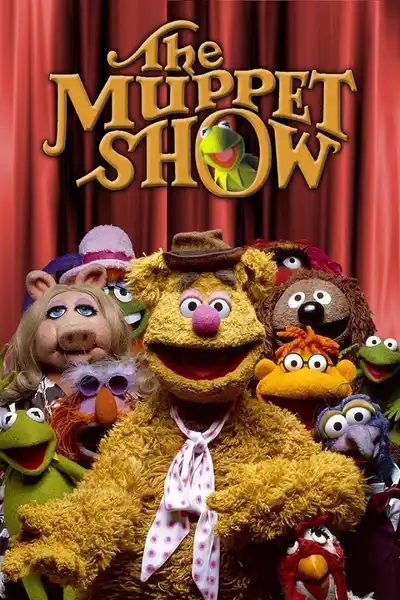
From a vaudeville-style theater in 1970s television came this groundbreaking variety show that forever changed puppetry and entertainment. Jim Henson's vision brought together an unforgettable cast of felt characters hosting celebrity guests in a backstage chaos that felt refreshingly authentic. Kermit the Frog serves as the beleaguered host trying to maintain order while Miss Piggy, Fozzie Bear, Gonzo, and the entire Muppet ensemble create controlled mayhem week after week. The show's genius lies in its multi-generational appeal, offering slapstick humor for children while sneaking in sophisticated wit and genuine musical performances for adults. Guest stars from Rudolf Nureyev to Alice Cooper gamely participated in the madness, often delivering their best work through sheer joy. The series remains a masterclass in variety entertainment, proving that puppets could carry prime-time television with heart, humor, and surprising emotional depth.
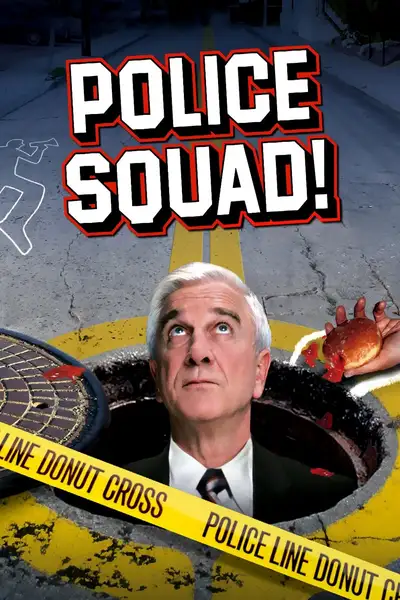
Leslie Nielsen stars as the hapless Detective Frank Drebin in this brilliantly absurd crime comedy that lampoons police procedurals with relentless wit. Created by the team behind Airplane!, Police Squad! packs an astounding number of visual gags, verbal puns, and sight gags into each half-hour episode, with jokes layered so densely that repeat viewings reveal new details. Nielsen plays everything with deadpan perfection, treating the most ridiculous situations with complete seriousness, which makes the comedy land even harder. Despite running only six episodes before cancellation, the series spawned The Naked Gun film franchise and remains a masterclass in parody. The show's freeze-frame endings—where everyone but Drebin actually freezes—exemplify its commitment to taking silly concepts to their logical extreme. It's rapid-fire comedy gold that rewards your full attention.

Don Adams stars as Maxwell Smart, Agent 86 of CONTROL, a hilariously inept secret agent battling the evil organization KAOS in this endlessly clever spy parody. Created by Mel Brooks and Buck Henry at the height of Cold War spy mania, the series brilliantly satirizes James Bond conventions while creating its own memorable comedy universe. Adams' physical comedy and impeccable timing make Max's incompetence genuinely endearing, while Barbara Feldon's Agent 99 provides the actual competence that saves missions. The show's inventive gadgets—from the iconic shoe phone to the cone of silence—became cultural touchstones, and the catchphrases remain quotable decades later. What's remarkable is how well the humor holds up; the chemistry between Adams and Feldon, combined with sharp writing that plays with spy genre tropes, creates timeless comedy that transcends its Cold War origins.
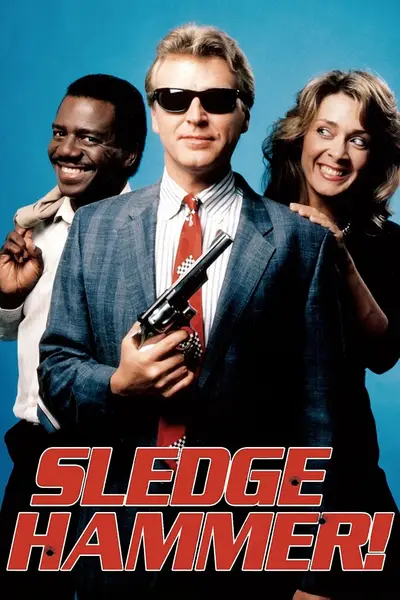
When excessive police violence meets satirical comedy, you get this brilliantly absurd send-up of 1980s action cop shows that remains remarkably prescient today. David Rasche stars as the title character, a violence-obsessed San Francisco detective whose solution to every problem involves his comically oversized .44 Magnum and a complete disregard for civil liberties, due process, or common sense. Created by Alan Spencer, the series brilliantly parodies Dirty Harry-style vigilante cops by taking their attitudes to ridiculous extremes—Sledge shoots first, asks questions never, and considers collateral damage a myth. The deadpan humor and Rasche's perfectly earnest performance make the satire sing, with Sledge remaining blissfully unaware that he's the joke. Anne-Marie Martin provides grounded support as his long-suffering partner Dori. The show's willingness to mock fascistic law enforcement attitudes was ahead of its time, creating a cult classic that's both hilarious and surprisingly sharp in its cultural commentary.
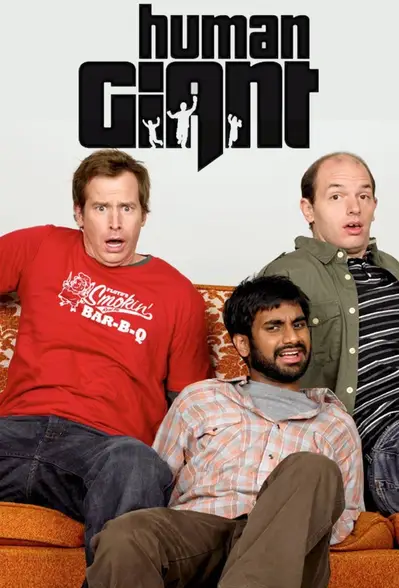
In the mid-2000s New York comedy scene, this sketch series brought together the comedy trio of Aziz Ansari, Rob Huebel, and Paul Scheer for MTV. The show features a mix of pre-recorded sketches and man-on-the-street segments that capture a particular moment in alternative comedy before its stars went on to bigger projects. The humor is hit-or-miss, ranging from genuinely clever observations about modern life to overly self-indulgent bits that feel more amusing to the performers than the audience. Guest appearances from comedians like Patton Oswalt and Zach Galifianakis add occasional energy, but the uneven quality across sketches makes full episodes feel inconsistent. Looking back, it's interesting primarily as a time capsule of where these now-successful comedians started and what mid-2000s comedy trends looked like. Fans of the individual performers might enjoy seeing their early work, but the show itself doesn't hold up as particularly essential or groundbreaking comedy television.
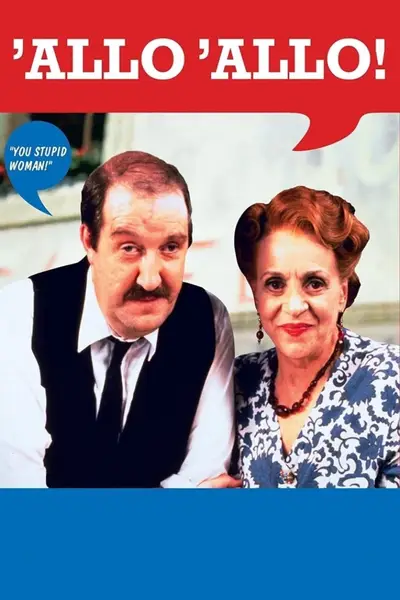
Gordon Kaye stars as René Artois, a hapless café owner in Nazi-occupied France who finds himself caught between the Resistance, German officers, and his own romantic entanglements in this long-running British sitcom created by David Croft and Jeremy Lloyd. The show walks a precarious tightrope, mining comedy from World War II while relying heavily on broad physical humor, cartoonish accents, and repetitive plot devices. When it works, there's a certain charm to the farcical misunderstandings and the ensemble cast's committed performances, but the formula grows thin over its nine-season run. The show's approach to historical tragedy as comedic backdrop won't suit all tastes, and the humor feels decidedly of its era. Still, for those who appreciate classic British farce and can overlook its dated sensibilities, there are amusing moments scattered throughout.
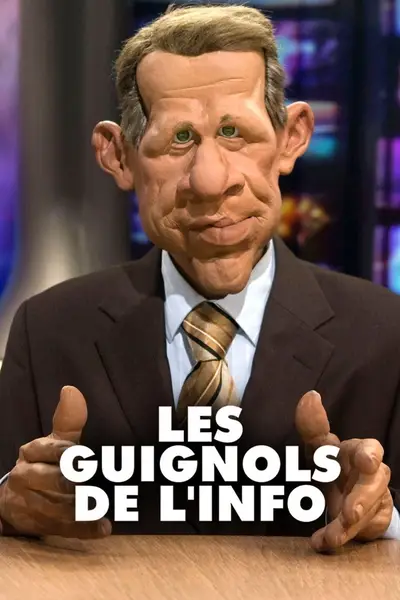
Jim Henson brings his signature puppet magic to the evening news desk in this delightfully inventive series that reimagines broadcast journalism through a felt-covered lens. The show cleverly uses its puppet format to deliver sharp social commentary and actual news analysis, proving that educational content doesn't have to be dry or condescending. Created by the master puppeteer himself, the series features an ensemble cast of memorable characters who tackle real-world issues with wit and warmth. The writing strikes an impressive balance between entertainment and information, making complex topics accessible without dumbing them down. It's a refreshing reminder that creative formats can enhance rather than diminish serious content, and the show's influence on educational television continues to resonate decades later.
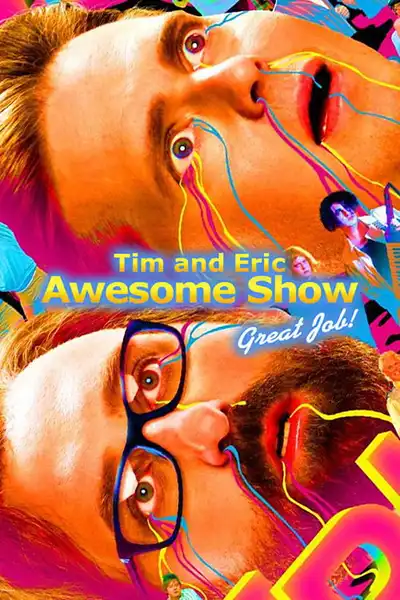
Adult Swim's fever-dream of anti-comedy drops Tim Heidecker and Eric Wareheim into a deliberately lo-fi public access television aesthetic for sketch comedy that aggressively rejects conventional humor. Their five-season run from 2007-2010 created a cult following through deliberately uncomfortable premises, unsettling body humor, and the relentless deconstruction of both television conventions and good taste. Recurring characters like Dr. Steve Brule (John C. Reilly) and the "Cinco" product line established a shared universe of absurdity that influenced countless alternative comedians. The show's confrontational approach—complete with intentionally amateurish effects and cringe-inducing performances—either clicks immediately or alienates completely; there's little middle ground. Will Forte, Zach Galifianakis, and others contribute to the organized chaos. For those attuned to its wavelength, it's boundary-pushing brilliance. For others, it's intentionally unwatchable provocation. Your tolerance for avant-garde discomfort will determine which camp you occupy.
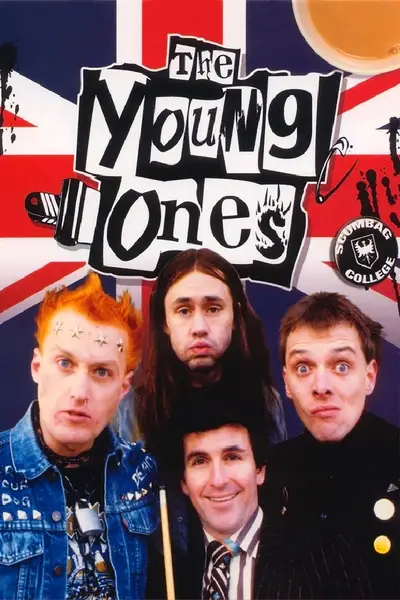
Four mismatched university students share a disgusting house in Thatcher-era Britain, and chaos erupts with gleeful anarchy in every episode. Created by Ben Elton, Rik Mayall, and Lise Mayer, *The Young Ones* revolutionized British comedy by blending slapstick, surrealism, and punk rock energy into something genuinely groundbreaking. Rick (Mayall), the self-righteous wannabe revolutionary; Neil (Nigel Planer), the depressed hippie; Vyvyan (Adrian Edmondson), the violent medical student; and Mike (Christopher Ryan), the cool operator, create a perfect storm of comedic destruction. The show fearlessly smashes through the fourth wall, incorporates musical performances, and delights in absurdist tangents that somehow never derail the manic momentum. It's aggressive, clever, and utterly unlike anything that came before it, establishing a template for alternative comedy that still resonates today.
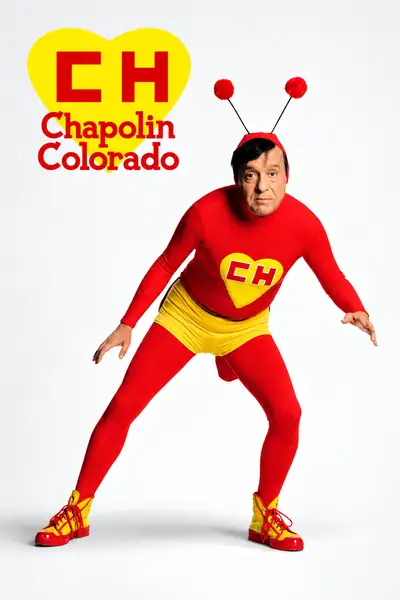
When a bumbling, good-hearted superhero attempts to save the day but inevitably creates more chaos than he resolves, comedy gold ensues in this beloved Mexican series. Roberto Gómez Bolaños created and starred as the titular character, a pint-sized hero whose oversized heart far exceeds his actual abilities. El Chapulín Colorado became a cultural phenomenon by subverting superhero tropes decades before it became fashionable, presenting a protagonist who trips over his own feet, misuses his gadgets, and succeeds mostly through sheer luck and persistence. The show's slapstick humor transcends language barriers, while its gentle satire and Bolaños's impeccable physical comedy created something that worked for both children and adults. Its influence on Latin American pop culture cannot be overstated, spawning catchphrases and references that endure generations later.
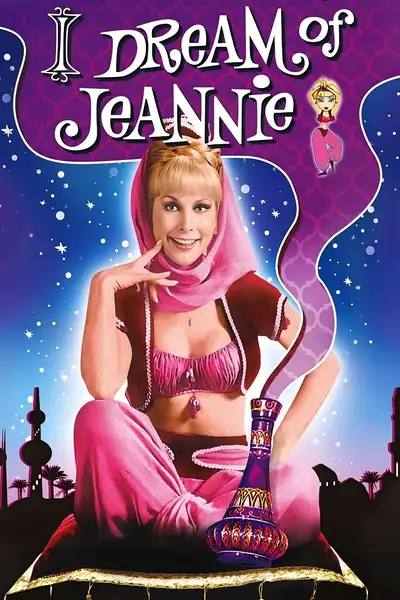
Barbara Eden stars as the titular Jeannie, a 2,000-year-old genie who emerges from a bottle on a deserted island and immediately falls for astronaut Tony Nelson (Larry Hagman). Created by Sidney Sheldon, this delightful sitcom ran for five seasons and became a defining show of 1960s television. The chemistry between Eden and Hagman drives the series, with Jeannie's magical mishaps and desperate attempts to please her "master" creating endless comedic possibilities. Bill Daily shines as Tony's best friend Roger, often caught in the crossfire of Jeannie's well-intentioned chaos. The show's charm lies in its playful innocence and Eden's luminous performance, which balances physical comedy with genuine warmth. While the premise might feel dated to modern viewers, the show's heart and humor remain thoroughly entertaining, making it a nostalgic treat that still delivers consistent laughs.
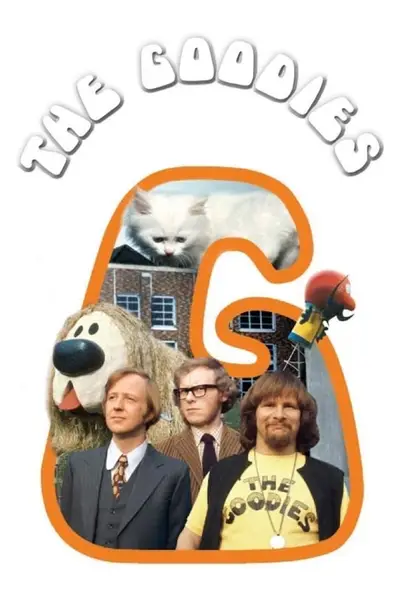
Absurdist, anarchic, and absolutely hilarious, this British comedy troupe's sketch show pushed boundaries and challenged conventions throughout its seven-season run. Tim Brooke-Taylor, Graeme Garden, and Bill Oddie created and starred in a series that blended slapstick, satire, and surrealism in ways that influenced generations of comedians. The trio's willingness to embrace complete nonsense—whether fighting giant kittens, parodying popular culture, or engaging in elaborate musical numbers—gave the show an unpredictable energy that still feels fresh decades later. Created during a golden age of British comedy, "The Goodies" distinguished itself through visual gags and physical comedy that transcended the limitations of the era's television production. The chemistry between the three leads makes even the most ridiculous premises work, and their satirical edge gives the comedy substance beneath the silliness.
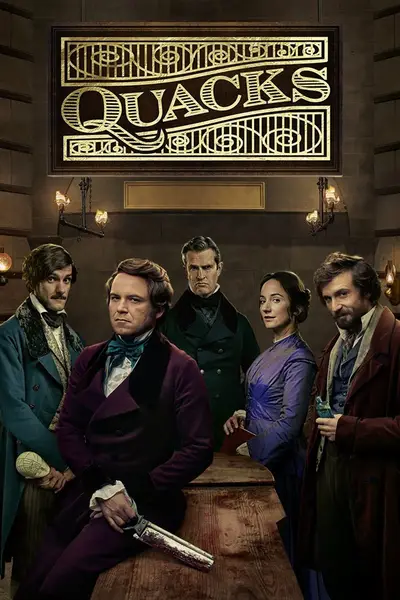
At its core, this BBC period comedy examines ambition, charlatanism, and medical ethics through the lens of four competing surgeons in 1840s London, a time when surgery was brutal, filthy, and often fatal. Created by James Wood, the series follows Robert Llewellyn (Rory Kinnear), William Agar (Mathew Baynton), John Sutton (Tom Basden), and Caroline Bennet (Lydia Leonard) as they navigate the last days of pre-anesthetic surgery while jockeying for professional advancement. The premise is ripe for satirical exploration—these are doctors sawing through conscious patients while maintaining complete confidence in contradictory theories—and the cast commits fully to the absurdist humor. However, the show struggles with consistency; some episodes cleverly skewer Victorian pomposity and pseudoscience, while others settle for repetitive gross-out gags that grow tiresome. The production design authentically captures the era's squalid medical theaters, perhaps too authentically for comfortable viewing. When Quacks connects its historical satire to contemporary resonances about expertise and professional ego, it finds purpose. Too often, though, it simply spins wheels in blood and sawdust without deeper insight.

Creator Jamie Demetriou stars as the hilariously incompetent Stath, a letting agent working at his father's struggling London property agency alongside his sister and a cast of equally dysfunctional colleagues. The cringe comedy mines awkward social interactions and workplace disasters for laughs, with Demetriou's painfully earnest character stumbling through property viewings and romantic pursuits with misguided confidence. The humor operates in that distinctly British tradition of uncomfortable character comedy, where secondhand embarrassment becomes entertainment. When it works, the show delivers genuinely funny moments built on strong character work and sharp observational writing about the absurdities of London's rental market. However, the relentless awkwardness can become exhausting, and some viewers may find Stath more irritating than endearing. The supporting cast, including Natasia Demetriou and Ellie White, provide solid foils to the chaos, though the show's narrow comedic focus may limit its appeal beyond fans of cringe humor.
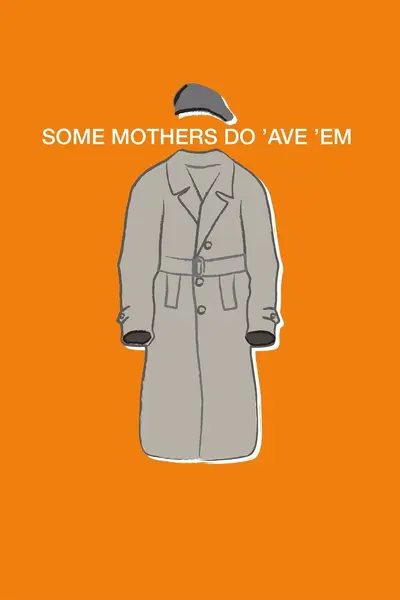
Michael Crawford stars as the well-meaning but disaster-prone Frank Spencer in this beloved British sitcom that defined physical comedy for a generation. Created by Raymond Allen, the series follows Frank's attempts to hold down various jobs while supporting his patient wife Betty (Michele Dotrice), though his spectacular incompetence ensures chaos follows him everywhere. Crawford's commitment to the elaborate slapstick sequences is remarkable, performing many of his own stunts as Frank tumbles through windows, dangles from scaffolding, and destroys everything in his path. The show's gentle heart prevents it from becoming mean-spirited, and Frank's eternal optimism despite his constant failures makes him endearing rather than frustrating. While some episodes rely heavily on repetitive misfortune, the best installments showcase genuinely clever setups and payoffs that reward attentive viewers.
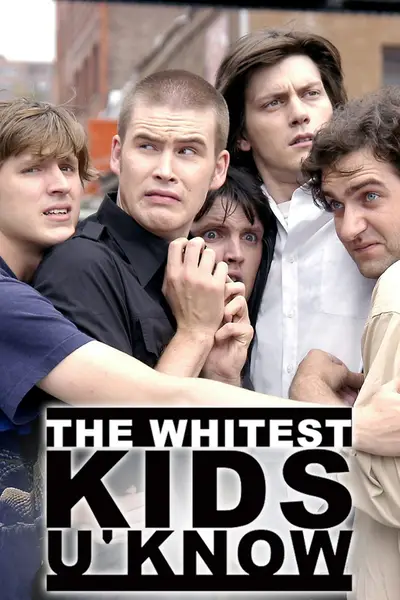
The central conflict here pits absurdist comedy impulses against the constraints of basic coherence, and your enjoyment depends entirely on which side you want to win. This sketch comedy troupe—Trevor Moore, Zach Cregger, Sam Brown, Timmy Williams, and Darren Trumeter—commits fully to surreal, often offensive premises that deliberately push boundaries of taste and logic. Created by the troupe itself, the show features sketches ranging from brilliantly subversive satire to juvenile provocation that feels more edgy than actually funny. When they're on target, there's a anarchic creativity that genuinely surprises; when they miss, the sketches can feel interminable and pointlessly crude. The low-budget aesthetic sometimes adds to the charm and sometimes just looks cheap. It's comedy that clearly inspired a devoted cult following, and certain sketches have earned their place in internet comedy history, but the hit-to-miss ratio makes this a challenging watch for anyone outside the target demographic.
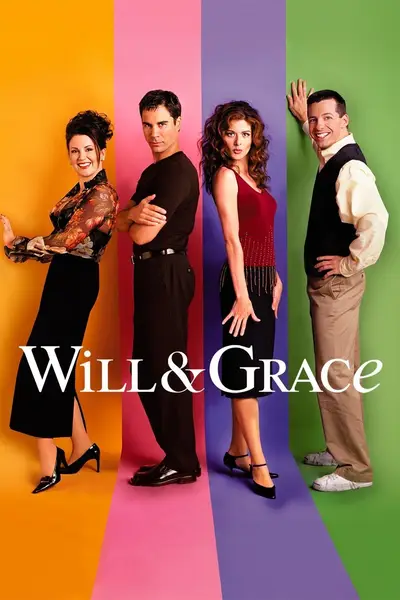
This sitcom from creators Max Mutchnick and David Kohan centers on the friendship between gay lawyer Will Truman and straight interior designer Grace Adler, who share a New York apartment and navigate relationships together. Eric McCormack and Debra Messing anchor the series with genuine chemistry, while Sean Hayes and Megan Mullally steal scenes as the flamboyant Jack and the wealthy, sharp-tongued Karen. The show broke ground for LGBTQ+ representation on network television, though its approach to gay characters now feels dated and sometimes problematic, relying on stereotypes for easy laughs. The writing delivers solid one-liners and the cast's comic timing remains impeccable, but the humor can veer into shrill territory, particularly in later seasons. The revival seasons struggle to recapture the original's cultural relevance, often feeling like a nostalgia exercise rather than fresh comedy.
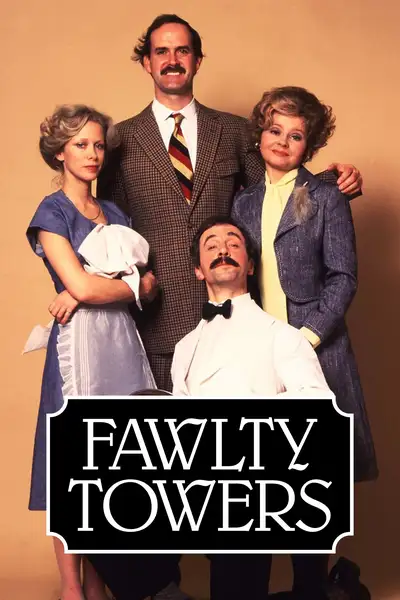
Basil Fawlty (John Cleese) runs a small hotel in the English seaside town of Torquay, where his pomposity, short temper, and desperate social climbing turn every guest interaction into catastrophe. Created and written by Cleese and Connie Booth (who also stars as waitress Polly), this British sitcom has achieved legendary status despite producing only 12 episodes across two series. Cleese's physical comedy and impeccable timing create undeniably iconic moments—the "Don't mention the war!" scene remains a masterclass in escalating chaos. Prunella Scales as Basil's wife Sybil and Andrew Sachs as hapless waiter Manuel contribute to the ensemble brilliance. However, modern viewers may struggle with comedy rooted in 1970s attitudes, particularly regarding the Manuel character's stereotypical portrayal and humor derived from mockery rather than empathy. The farce construction remains technically impressive, but whether it's actually funny depends heavily on your tolerance for cringe comedy and period-specific sensibilities. It's worth watching to understand its influence on sitcom history, even if it doesn't land as strongly today.
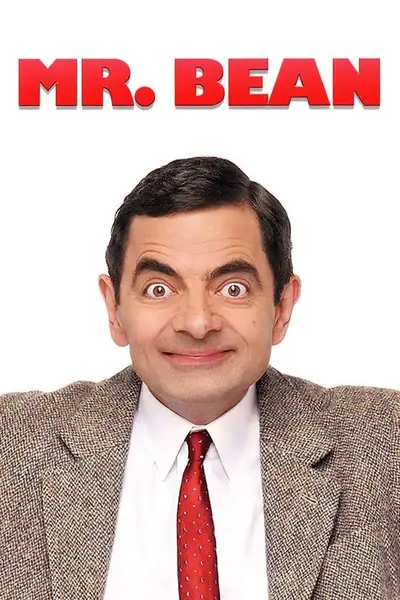
Rowan Atkinson crafted and stars in this brilliant physical comedy series that requires virtually no dialogue to achieve maximum hilarity. As the bumbling, childlike Mr. Bean, Atkinson navigates everyday situations—visiting the dentist, going to the beach, hosting a New Year's party—with spectacularly disastrous results. Co-created with Richard Curtis and Robin Driscoll, the show relies almost entirely on Atkinson's remarkable physical performance and expressive face to generate humor that transcends language barriers. Each episode presents self-contained misadventures that escalate from simple premises into elaborately constructed comedic chaos. The minimal dialogue approach makes Mr. Bean universally accessible while showcasing Atkinson's roots in visual comedy and his ability to find humor in the smallest gestures. It's comedy stripped to its purest form, proving that sometimes the funniest moments come from watching one man's uniquely catastrophic approach to ordinary life.
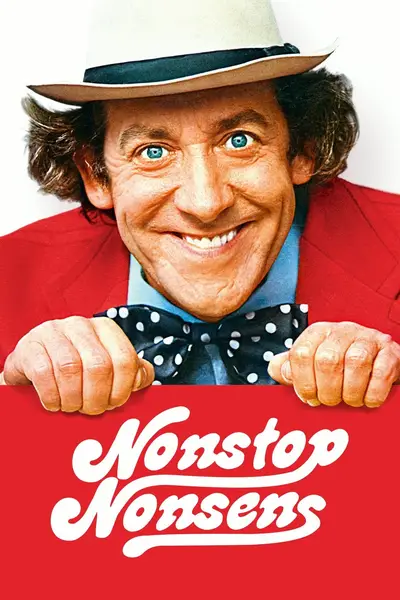
Pioneering Danish television creator Jørgen Mylius conceived this variety-comedy series that pushed boundaries and challenged conventions during its mid-1970s run. Nonstop Nonsens combined sketch comedy, musical performances, and satirical commentary in a format that felt fresh and unpredictable for its era, giving Danish audiences something genuinely different from the more conservative programming that dominated Scandinavian airwaves. The rotating cast of performers brought energy and willingness to experiment, creating memorable characters and recurring bits that entered the cultural conversation. While some of the humor is inevitably dated by contemporary standards, the show's spirit of creative risk-taking and its influence on subsequent Danish comedy programming remains significant. It represents an important moment when television comedy in Denmark began to embrace a more irreverent, youth-oriented sensibility that would define the medium for years to come.