Sitcom Shows
Whether you're seeking comfort viewing after a long day or discovering timeless comedy gold for the first time, the best sitcom shows have an unmatched ability to brighten any mood with their signature blend of humor, heart, and memorable characters. These situation comedies have defined television entertainment across generations, from groundbreaking laugh-out-loud classics that revolutionized the genre to contemporary gems that continue pushing creative boundaries. What makes these sitcoms truly special is their masterful execution of comedic situations through sharp writing, impeccable timing, and ensemble casts with undeniable chemistry. Each series on this carefully curated selection of 21 all-time greats offers its own unique flavor of humor—from workplace absurdity and quirky friendship dynamics to fish-out-of-water scenarios and slice-of-life observations that feel universally relatable. Spanning multiple decades of television history, these shows represent the very best examples of episodic comedy that you can revisit endlessly, with episodes designed to deliver consistent laughs whether you're binge-watching an entire season or just need a quick pick-me-up during your lunch break. Get ready to explore the sitcoms that have earned their place in the comedy hall of fame.
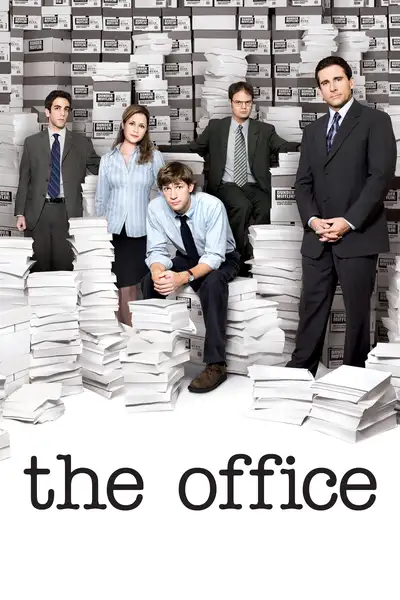
Steve Carell's portrayal of Michael Scott is nothing short of iconic in this masterpiece of workplace comedy that redefined the mockumentary format for American television. Created by Greg Daniels and adapted from Ricky Gervais's British series, the show follows the daily lives of employees at Dunder Mifflin's Scranton branch, where inappropriate comments, absurd office politics, and surprisingly heartfelt relationships collide in the most hilarious ways possible. The ensemble cast—including Rainn Wilson, John Krasinski, Jenna Fischer, and Mindy Kaling—delivers pitch-perfect performances that balance cringe comedy with genuine emotional depth. Whether you're watching Michael's latest HR nightmare unfold or rooting for Jim and Pam's romance, every episode offers quotable moments and laugh-out-loud scenarios that have kept audiences rewatching for years. This is essential viewing for anyone who loves smart, character-driven comedy.
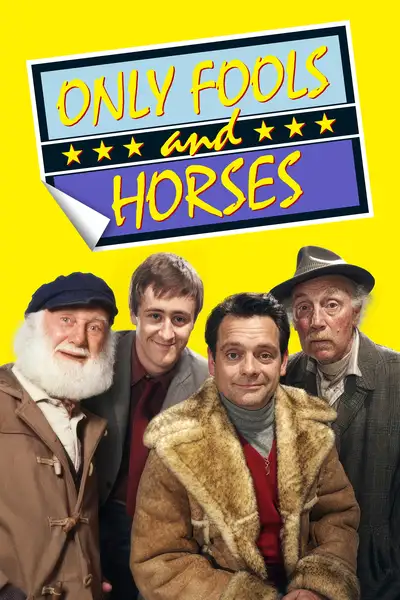
Set in the vibrant working-class world of 1980s Peckham, South London, this beloved British sitcom follows the eternally optimistic Del Boy Trotter and his younger brother Rodney as they navigate the ups and downs of market trading and get-rich-quick schemes. Created by John Sullivan, the series is an absolute triumph of character-driven comedy, with David Jason and Nicholas Lyndhurst delivering pitch-perfect performances that balance hilarious physical comedy with genuine emotional depth. What makes this show truly exceptional is its heart—beneath the wheeling and dealing, it's fundamentally about family, loyalty, and the unbreakable bond between brothers. The catchphrases alone have become part of British cultural DNA, but it's the beautifully crafted episodes ranging from slapstick hilarity to touching drama that have earned it a place as one of the greatest sitcoms ever made.
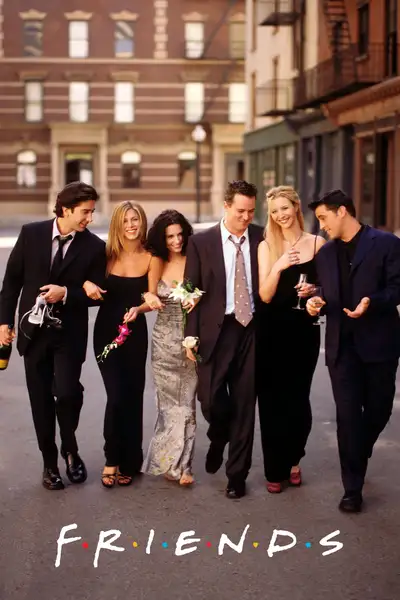
Creators David Crane and Marta Kauffman struck absolute gold with this sitcom about six twentysomethings navigating life, love, and everything in between in New York City. Jennifer Aniston, Courteney Cox, Lisa Kudrow, Matt LeBlanc, Matthew Perry, and David Schwimmer formed television's most iconic ensemble, their chemistry so effortless you'd swear they actually lived in that purple apartment. The writing sparkles with wit and warmth, balancing laugh-out-loud humor with genuinely moving moments that never feel manipulative. From Ross's divorces to Monica's neuroses to Phoebe's delightfully bizarre songs, each character feels fully realized and deeply lovable. The show defined an era of television and remains endlessly rewatchable comfort viewing. Whether you're revisiting classic episodes or discovering them fresh, the humor holds up remarkably well, proving that great comedy about friendship never goes out of style.
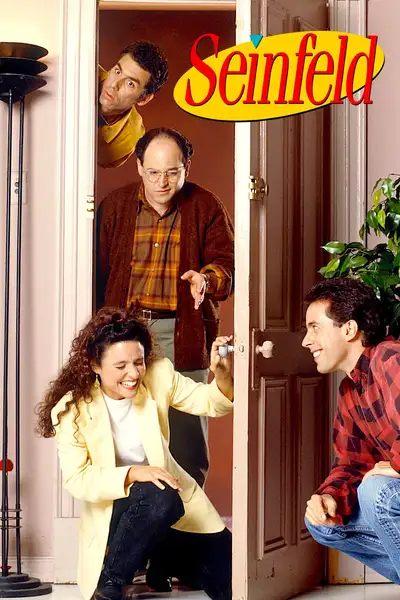
At its core, this is a show about the trivial frustrations and social absurdities that define everyday life, transforming mundane observations into comedy gold. Created by Larry David and Jerry Seinfeld, with Seinfeld starring as a fictionalized version of himself, the series revolutionized the sitcom format by rejecting sentimentality and character growth in favor of petty grievances and uncomfortable social situations. The chemistry between Jerry, the neurotic George (Jason Alexander), the eccentric Kramer (Michael Richards), and the acerbic Elaine (Julia Louis-Dreyfus) remains unmatched in television comedy. What makes the show timeless is its focus on universal human experiences—waiting for a table, returning a sweater, finding a parking spot—and mining them for their full comedic potential. The writing is dense with callbacks, running gags, and plotlines that converge with satisfying precision. Nearly every episode has contributed phrases or concepts to the cultural lexicon. It's simply one of the greatest sitcoms ever made, a master class in observational comedy that hasn't aged a day.

Irreverent, gleefully offensive, and somehow still running strong after nearly two decades, this comedy about terrible people doing terrible things in Philadelphia has carved out its own unique space in television history. Creator Rob McElhenney stars alongside Charlie Day, Glenn Howerton, Kaitlin Olson, and Danny DeVito as a group of narcissistic bar owners whose schemes inevitably backfire in spectacular fashion. What makes the show exceptional is its willingness to push boundaries while never asking you to sympathize with its protagonists—they're awful people, and that's precisely the point. The comedy is dark, absurdist, and frequently uncomfortable, tackling everything from social issues to personal delusions with equal satirical fervor. The cast's chemistry is phenomenal, with each actor understanding exactly how to play their character's specific brand of selfishness. It's comedy that refuses to play safe, and its longevity proves there's an appetite for humor this sharp and uncompromising.

In this masterpiece of awkward comedy, Larry David plays a fictionalized version of himself navigating the petty annoyances and unspoken social rules of Los Angeles life with spectacular results. David's commitment to mining discomfort from everyday situations—restaurant etiquette, gift-giving protocol, casual conversations gone sideways—creates a show that's simultaneously relatable and absurdist. The largely improvised dialogue gives the ensemble cast, including Jeff Garlin, Susie Essman, and Cheryl Hines, room to find surprising comedic beats in mundane confrontations. What makes the series exceptional is how it validates our most uncharitable impulses while demonstrating exactly why we suppress them. Two decades in, it remains remarkably consistent in quality, a rare feat for any comedy series, proving that Larry's particular brand of social catastrophe never gets old.
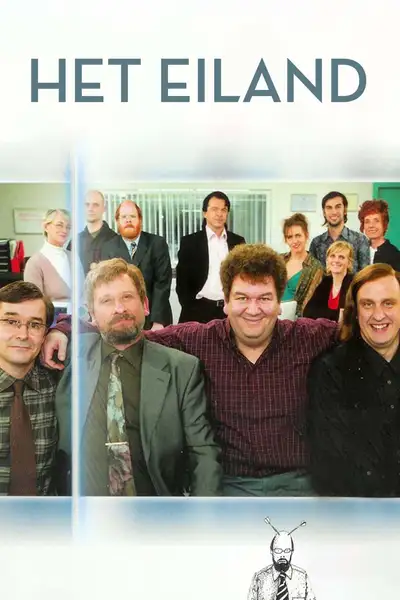
In 1980s Flanders, a psychiatric institution on an isolated island becomes the atmospheric setting for this Belgian drama that masterfully blends psychological tension with dark humor. The series explores the lives of patients and staff trapped together in this claustrophobic environment, where the line between sanity and madness grows increasingly blurred. The period setting is impeccably recreated, and the island location adds an almost gothic quality to the proceedings. What sets this show apart is its willingness to tackle mental health with both sensitivity and unflinching honesty, never romanticizing or trivializing the experiences of its characters. The writing is sharp and often surprisingly witty, while the performances bring remarkable nuance to complex roles. It's a hidden gem of Flemish television that deserves far wider recognition.
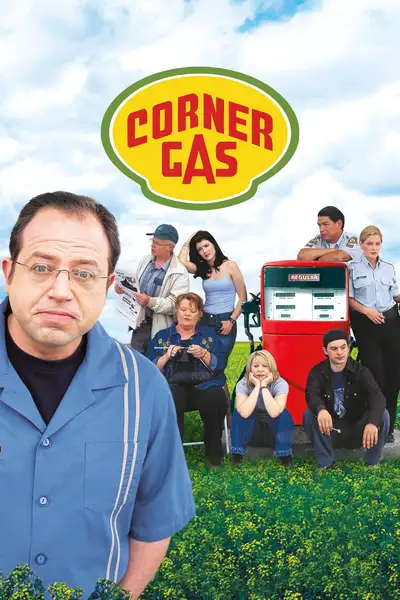
Effortlessly hilarious and impossibly endearing, this Saskatchewan-set sitcom proves that extraordinary comedy can emerge from the most ordinary settings. Created by and starring Brent Butt as Brent Leroy, the owner of the only gas station in the fictional town of Dog River, the series transforms small-town mundanity into comedy gold through razor-sharp writing and a perfect ensemble cast. Gabrielle Miller, Fred Ewanuick, Eric Peterson, Janet Wright, Tara Spencer-Nairn, and Lorne Cardinal round out a cast where every character is memorable and every actor understands exactly what makes the humor work. The show finds endless comedy in the daily interactions at the gas station, the local diner, and around town without ever feeling repetitive or stale. It's quintessentially Canadian in its sensibility—self-deprecating, warm, and clever—and ran for six seasons of consistently excellent episodes that still hold up beautifully.
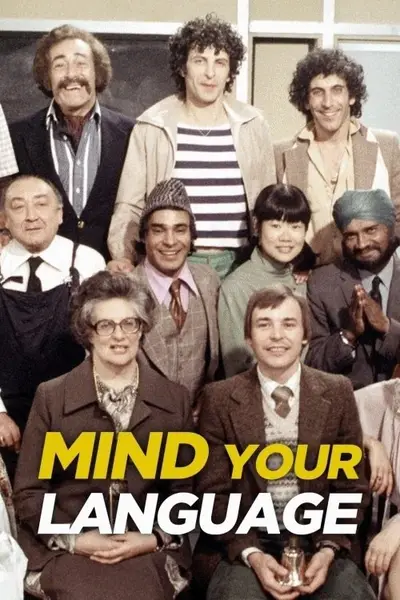
Barry Evans stars as Jeremy Brown, the well-meaning teacher tasked with instructing a wonderfully chaotic evening English class full of adult immigrants in this absolutely delightful British sitcom. Created by Vince Powell, Mind Your Language brings together a diverse ensemble cast including Zara Nutley, Albert Moses, and Francoise Pascal as students from around the globe who clash, connect, and create comedy gold through cultural misunderstandings and language barriers. What makes this series such a joy is its warmth beneath the humor—while the fish-out-of-water scenarios and miscommunications generate consistent laughs, there's genuine affection for these characters trying to build new lives in England. The classroom setting becomes a melting pot of perspectives, with each student bringing their own personality and comic timing to the mix. It's comfort viewing at its finest, offering a snapshot of 1970s London while delivering exactly the kind of feel-good entertainment that makes you want to binge the entire series.
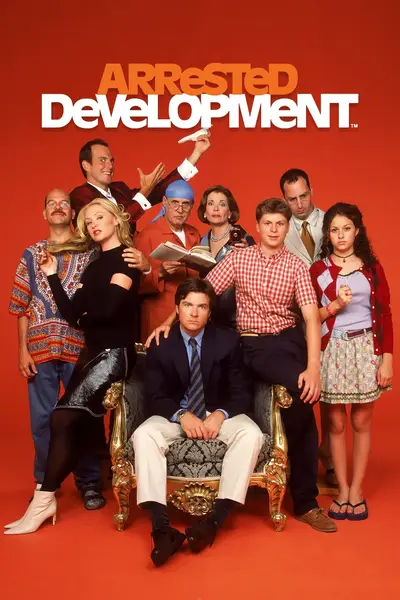
Jason Bateman stars as Michael Bluth, the perpetually exasperated straight man trying to hold together his spectacularly dysfunctional family after his father's arrest for corporate fraud. Created by Mitchell Hurwitz, this comedy is an absolute masterclass in layered storytelling, where every throwaway line becomes a callback three episodes later and background details reward obsessive rewatching. The ensemble cast—including Portia de Rossi, Will Arnett, Tony Hale, and Jessica Walter—creates comedy gold through their characters' complete obliviousness to their own absurdity. The writing is dense with wordplay, visual gags, and intricate running jokes that build throughout the series. It's the kind of show that gets funnier with each viewing as you catch references you missed before, making it endlessly rewatchable for anyone who appreciates smart, ambitious comedy that trusts its audience's intelligence.

Jared Keeso created and stars in this brilliantly profane Canadian sitcom that chronicles the feuds, philosophies, and utterly bizarre conversations of rural Ontario's Wayne and his tight-knit circle of friends. As the community's toughest resident, Wayne (Keeso) presides over disputes with extraordinary physicality and an unexpectedly rigid moral code, while his crew—including sister Katy (Michelle Mylett), best friend Daryl (Nathan Dales), and the hilariously dim Squirrely Dan (K. Trevor Wilson)—engage in rapid-fire verbal sparring that elevates profanity to genuine art form. The show's rhythmic dialogue, packed with wordplay, alliteration, and callbacks, requires and rewards close attention. What seems at first like a one-joke premise about Canadian hicks deepens into something far richer: a surprisingly affectionate portrait of small-town life, unlikely friendships, and the codes that bind communities together. The supporting cast of hockey players, goths, drug dealers, and Mennonites all get their moments to shine. It's whip-smart, quotable, and utterly unique—comedy that respects its characters' intelligence while never losing its absurdist edge.
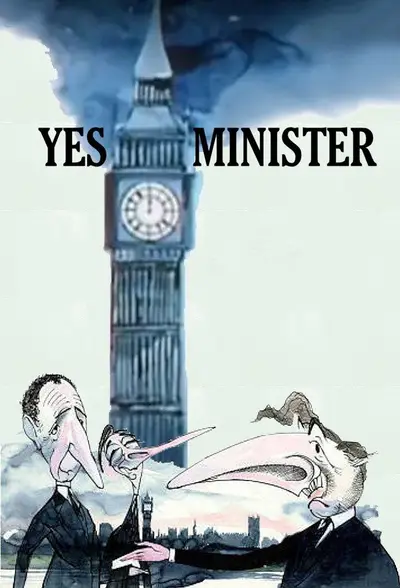
Antony Jay and Jonathan Lynn crafted one of the most brilliant political satires ever televised with this razor-sharp British comedy that remains devastatingly relevant decades later. Paul Eddington stars as Jim Hacker, the well-meaning but often bewildered Minister for Administrative Affairs, who quickly discovers that his idealistic plans for reform are constantly undermined by his supremely cunning Permanent Secretary, Sir Humphrey Appleby (Nigel Hawthorne, in a tour-de-force performance). The verbal sparring between these two, with Derek Fowlds' Bernard Woolley caught in the middle, is nothing short of magnificent—witty, intricately constructed, and loaded with institutional insight. What makes the show genuinely exceptional is how it exposes the machinery of government with surgical precision while remaining hilariously entertaining. Every episode is a masterclass in writing, timing, and performance. Essential viewing for anyone interested in politics, comedy, or simply television at its absolute finest.
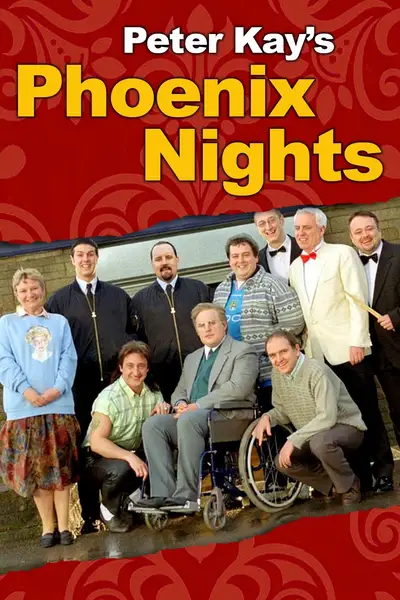
When Brian Potter tries to transform his working men's club into the north of England's premier entertainment venue, the results are nothing short of comedy gold. Peter Kay created and stars in this absolutely brilliant sitcom that captures the desperate ambition and faded glory of Phoenix Club in Bolton, where dodgy fire safety, cheaper-than-cheap entertainment, and Brian's cutthroat rivalry with nearby club owner Den Perry fuel two series of laugh-out-loud moments. The ensemble cast, including Paddy McGuinness as the spectacularly dim doorman and Dave Spikey as the club's compère, creates a world so richly detailed and absurd that every episode delivers memorable quotable lines. Kay's observational genius shines through in every meticulously crafted scene, from talent show disasters to ill-fated theme nights. This is British comedy firing on all cylinders—sharply written, perfectly performed, and grounded in a very specific world that somehow feels universal in its humor.
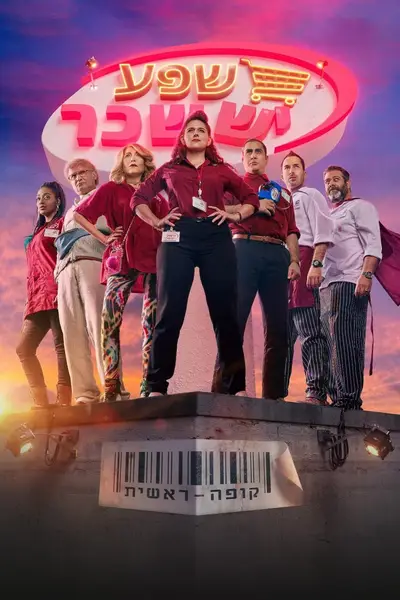
At its core, this Australian workplace comedy examines identity, belonging, and the mundane struggles of working-class life through the daily operations of a suburban supermarket. Creator Nakkiah Lui brings sharp observational humor to the retail environment, finding comedy in the small indignities and unexpected connections that occur between customers and staff. The ensemble cast, featuring Lui herself alongside Ngali Shaw and Majeda Beatty, creates a believable workplace family navigating everything from difficult customers to corporate absurdity. The show's authentic portrayal of multicultural Australia feels refreshingly genuine rather than performative, with diverse perspectives emerging naturally from the characters and setting. While the supermarket premise might sound limiting, the writing finds endless material in this microcosm of society, delivering both laughs and surprisingly touching moments about finding community in unexpected places.
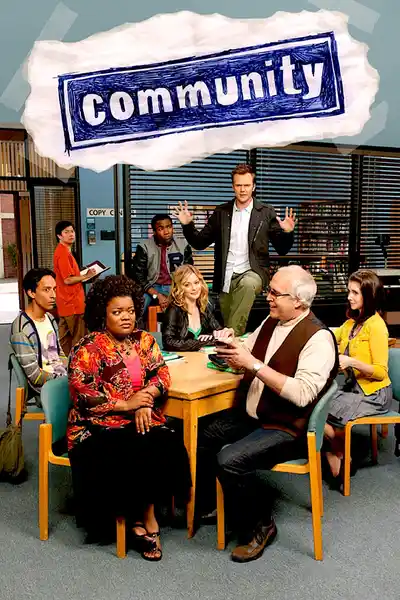
Dan Harmon created this brilliantly meta sitcom about a study group at a community college, and it's one of the smartest comedies of its era. The ensemble cast, led by Joel McHale and featuring Gillian Jacobs, Danny Pudi, Alison Brie, Donald Glover, Chevy Chase, Ken Jeong, and Yvette Nicole Brown, transforms what could have been a simple workplace comedy into something far more ambitious. The series fearlessly experiments with format—delivering genre parodies, musical episodes, claymation, and documentary-style installments—while maintaining emotional authenticity beneath the conceptual fireworks. The pop culture references are dense but never feel exclusionary, and the character work remains strong even during the show's wildest creative swings. Yes, the later seasons without Harmon and with cast departures lose some magic, but the peak seasons represent some of the most inventive comedy television has offered. It's the rare show that rewards both casual viewing and obsessive rewatching.
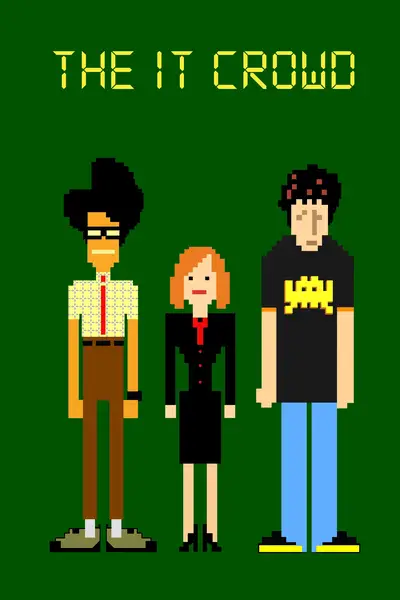
When socially awkward IT technicians get stuck in a basement dealing with technology-illiterate coworkers, chaos inevitably ensues. Graham Linehan's British sitcom turns tech support frustrations into comedy gold, with Chris O'Dowd and Richard Ayoade playing Roy and Moss, two brilliant misfits overseen by Katherine Parkinson's charmingly incompetent Jen Barber—who knows nothing about computers. The humor ranges from absurdist set pieces to sharp observations about workplace dynamics, with Matt Berry joining later as the ridiculous Douglas Reynholm. The show's relatively brief run—four series plus a special—means every episode feels essential, with no filler diluting the concentrated comedy. Jokes about turning things off and on again have become cultural touchstones, but the show's real strength lies in its character work and willingness to embrace theatrical absurdity. It's comfort viewing for anyone who's ever worked in tech—or suffered under it.
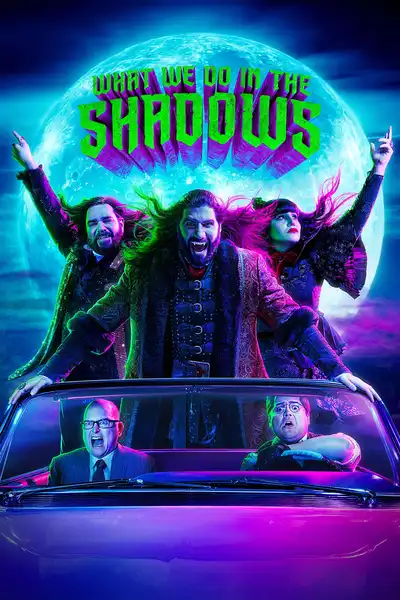
Kayvan Novak stars as Nandor the Relentless, an ancient warrior vampire now navigating mundane modern existence alongside his undead roommates in this mockumentary comedy series. Created by Jemaine Clement based on the cult film, the show follows four vampire housemates and their human familiar in Staten Island as they attend city council meetings, deal with neighbors, and argue about household chores—all while being vampires. Novak leads an exceptional ensemble including Natasia Demetriou, Matt Berry, and Mark Proksch, each bringing distinct comedic energy to their immortal misfits. The mockumentary format allows for perfectly timed talking-head interviews and absurdist situations that mine comedy from the contrast between supernatural power and banal domesticity. Harvey Guillén shines as Guillermo, the familiar whose arc provides surprising emotional depth. What We Do in the Shadows consistently delivers clever writing and committed performances that make even the most ridiculous premises feel earned and hilarious.
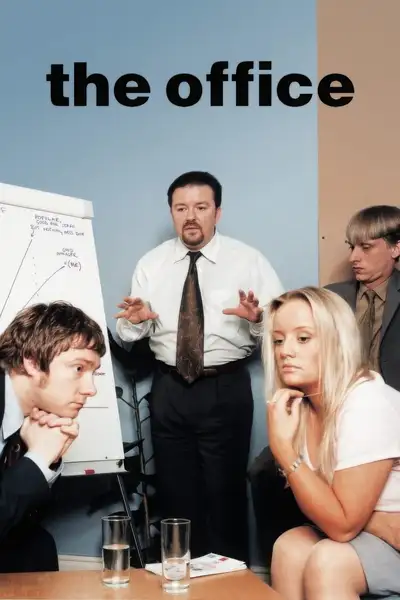
This workplace mockumentary from creators Ricky Gervais and Stephen Merchant revolutionized comedy television with its uncomfortable silences, cringe-inducing moments, and painfully realistic characters. Set in the Slough branch of the Wernham Hogg paper company, the show finds both humor and pathos in the mundane routines of office life. Gervais stars as David Brent, a delusional manager whose desperate need for approval makes him simultaneously pathetic and oddly sympathetic. The documentary-style filming creates an intimacy that makes every awkward moment land with maximum impact, while Martin Freeman grounds the show as the relatable Tim Canterbury. Though it only ran for two series plus specials, the British original remains a masterclass in character-based comedy. Its influence on television comedy—particularly its American adaptation—cannot be overstated.
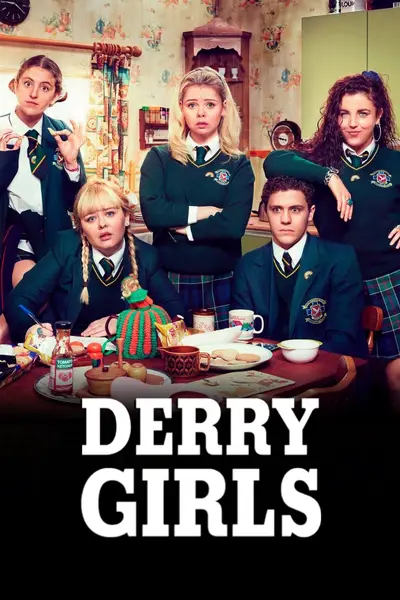
Five teenage girls navigate school, family, and friendship against the backdrop of the Troubles in 1990s Northern Ireland, finding absurdity and joy despite the political violence surrounding them. Created by Lisa McGee and drawing on her own experiences, the series stars Saoirse-Monica Jackson, Nicola Coughlan, Louisa Harland, Jamie-Lee O'Donnell, and Dylan Llewellyn as the core friend group whose adventures are simultaneously hilarious and surprisingly poignant. What makes Derry Girls exceptional is its tonal balance—the conflict is never dismissed, but neither does it define these characters who are primarily concerned with crushes, concerts, and the mortifying ordeal of being teenagers. The comedic timing is razor-sharp, the era details are spot-on, and Tommy Tiernan nearly steals every scene as Erin's long-suffering father. Across three seasons, it's comedy with real heart and cultural specificity that somehow makes it universally relatable.
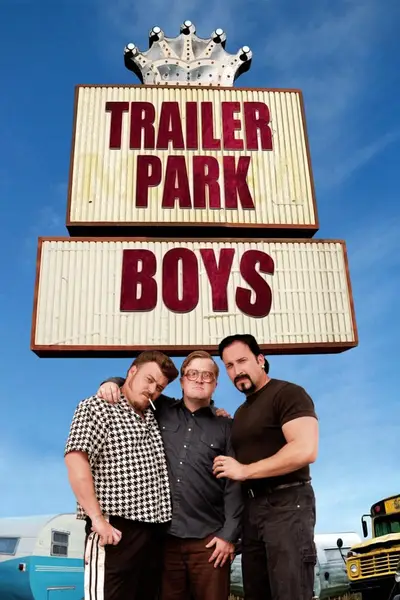
Robb Wells stars as Ricky, the dim-witted but oddly philosophical heart of this mockumentary following three petty criminals trying to get rich through ridiculous schemes in a Nova Scotia trailer park. Alongside John Paul Tremblay's Julian and Mike Smith's Bubbles, the trio stumbles through growing marijuana, stealing barbecues, and other ill-conceived criminal enterprises that inevitably backfire. Created by Mike Clattenburg, the show's genius lies in treating its deeply flawed characters with genuine affection rather than contempt—they're idiots, but they're lovable idiots with strange codes of honor. The improvised feel and documentary-style filming create an authenticity that makes the absurd situations land harder. The supporting cast of trailer park residents adds rich texture to this world where everyone's just scraping by and looking for their next score. It's profane, ridiculous, and surprisingly heartfelt, with quotable dialogue and running gags that reward longtime viewers.
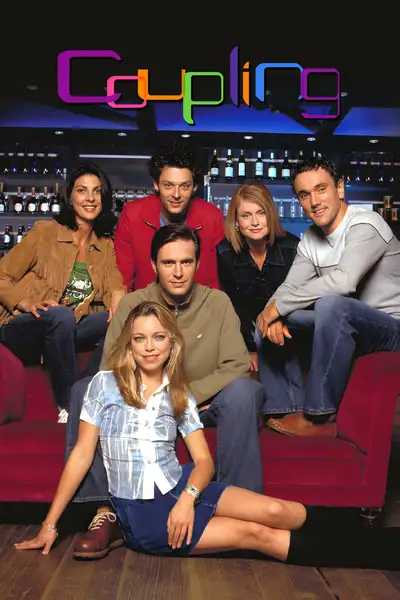
In late-1990s London, creator Steven Moffat explores the romantic and sexual misadventures of six friends navigating relationships with sharp wit and unfiltered frankness. The series follows three men and three women as they couple, uncouple, and obsessively analyze every aspect of dating and intimacy over drinks and dinners. Jack Davenport, Gina Bellman, Sarah Alexander, Kate Isitt, Ben Miles, and Richard Coyle form an ensemble with impeccable comedic timing, delivering Moffat's rapid-fire dialogue like a British sex comedy written by someone who actually understands how people talk and think about relationships. The show tackles everything from performance anxiety to the "sock gap" with a frankness that was refreshingly adult for its time. While comparisons to Friends are inevitable given the format, Coupling distinguishes itself with more sophisticated wordplay, complex comedic set-pieces, and a willingness to get genuinely awkward and uncomfortable in service of laughs that feel earned rather than manufactured.