Serial Killer Shows
The darkest corners of human psychology come alive in the most gripping serial killer shows that have captivated audiences across decades of television history. From groundbreaking classics that pioneered the procedural format to contemporary psychological thrillers pushing boundaries with unflinching portrayals of violence and obsession, these series explore the twisted minds of murderers and the dedicated investigators determined to stop them. Whether you're drawn to cerebral cat-and-mouse games between brilliant detectives and cunning killers, fascinated by the forensic science behind criminal profiling, or compelled by the moral complexities of those who hunt monsters while fighting their own demons, this definitive collection of 21 serial killer TV shows delivers pulse-pounding suspense and psychological depth. These acclaimed series span multiple eras and styles, from network procedurals that defined the crime drama genre to premium cable offerings that revolutionized how we consume true crime-inspired entertainment. Each show masterfully balances procedural investigation with character-driven storytelling, offering viewers an immersive journey into criminal minds while exploring what drives both killers and the flawed heroes who pursue them through increasingly dangerous psychological labyrinths.
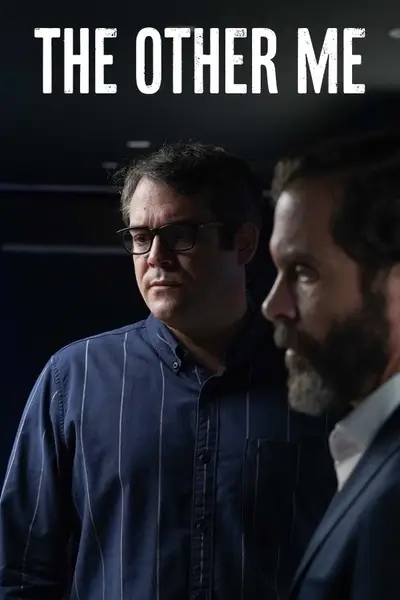
Set in contemporary Australia, this delightful Disney series follows a teenager who discovers she has a dimensional doppelgänger living a parallel life—and the two can swap places at will. Created by Jess Bower and Elizabeth Coleman, the show stars Amelia Brumby and Karina Dhillon as they navigate the complications of living double lives across two very different families and social situations. What elevates this beyond typical body-swap comedy is its genuine emotional intelligence about identity, belonging, and the grass-is-greener fantasies we all harbor about different versions of our lives. The chemistry between the leads makes their growing friendship feel earned, while the writing balances laugh-out-loud moments with surprisingly thoughtful exploration of family dynamics and self-acceptance. It's smart, energetic entertainment that respects its young audience's intelligence while delivering the wish-fulfillment fun that makes the premise irresistible.
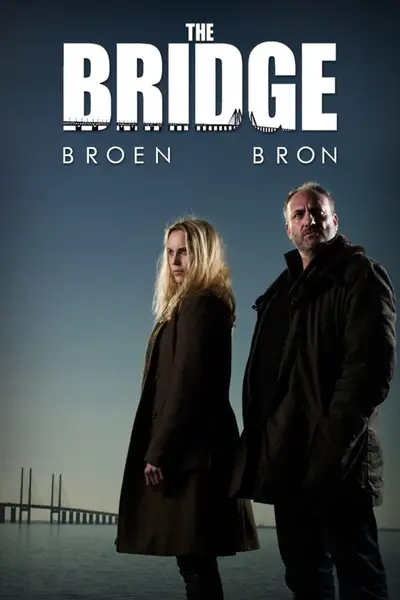
Dark, atmospheric, and utterly mesmerizing, this Scandinavian noir thriller sets the gold standard for international crime drama. Created by Hans Rosenfeldt, the series begins with a body discovered on the Øresund Bridge connecting Denmark and Sweden, positioned precisely on the border between the two countries. The investigation pairs meticulous Swedish detective Saga Norén (Sofia Helin in a revelatory performance) with her more easy-going Danish counterpart Martin Rohde (Kim Bodnia). The contrast between the two leads generates both tension and unexpected humor, while the mysteries themselves prove genuinely intricate and thought-provoking. Helin's portrayal of Saga—a brilliant detective with social difficulties that suggest neurodivergence—feels authentic and groundbreaking. The show tackles serious social issues without becoming didactic, and the bleak Scandinavian landscapes perfectly complement the dark subject matter. It's essential viewing for anyone who appreciates intelligent, character-driven crime drama.
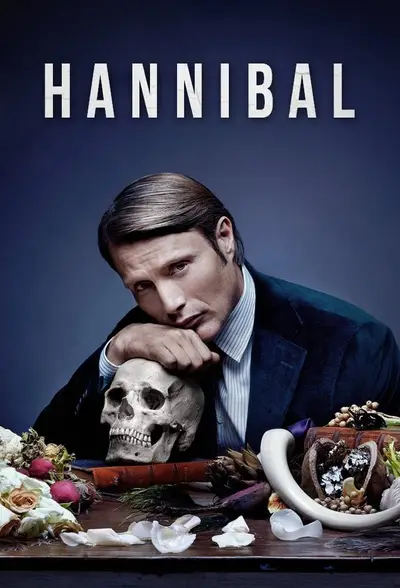
At its core, this is a story about intimacy, obsession, and the thin line between helping and consuming another person. Bryan Fuller's adaptation of Thomas Harris's novels reimagines the relationship between FBI profiler Will Graham (Hugh Dancy) and psychiatrist Hannibal Lecter (Mads Mikkelsen) as a dark romance disguised as a procedural thriller. The series is absolutely gorgeous—every frame could be a museum piece, every meal a work of disturbing art—but the beauty serves the horror rather than distracting from it. Mikkelsen's Lecter is terrifyingly elegant, while Dancy makes Will's psychological unraveling viscerally painful to watch. Fuller and his team craft something genuinely operatic here, with narrative risks that shouldn't work but absolutely do. The dialogue has a heightened, almost poetic quality that pulls you into the characters' twisted perspectives. It's violent, yes, but also surprisingly emotional. The premature cancellation after three seasons remains a tragedy, but what exists is exceptional television.
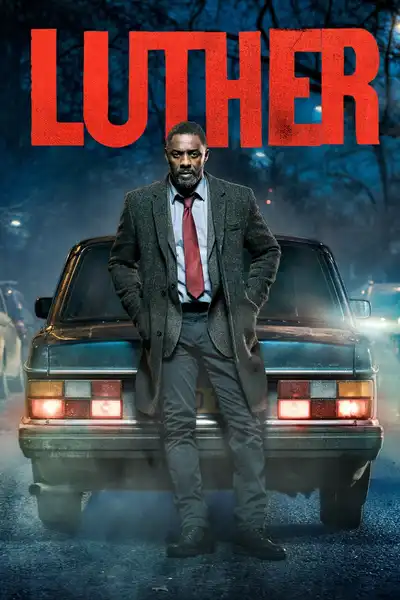
Intense, brooding, and utterly compelling, this British crime series showcases Idris Elba at his finest as DCI John Luther, a brilliant detective whose methods blur ethical lines. Creator Neil Cross constructs cases that double as psychological puzzles, with Ruth Wilson's Alice Morgan—a genius sociopath who becomes Luther's unlikely confidante—providing the show's most electric dynamic. The London setting feels appropriately gritty, and the cinematography embraces shadows and moral ambiguity in equal measure. What elevates the series beyond standard procedural fare is its willingness to let consequences accumulate and its refusal to let its protagonist off the hook for his obsessive behavior. Elba commands every scene with a performance that's both volcanic and nuanced, making Luther someone you root for even while questioning his choices.
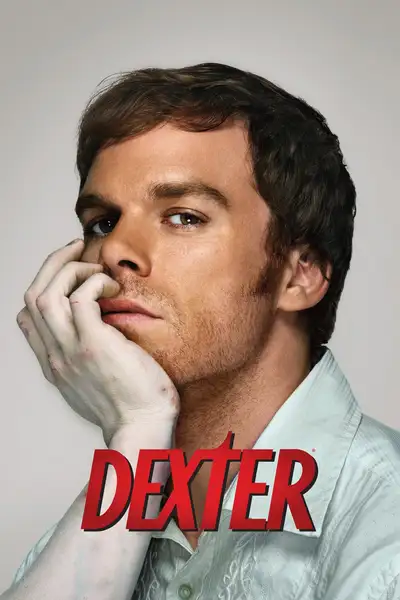
A blood-splatter analyst for Miami Metro Police leads a secret life as a vigilante serial killer who targets other murderers—that's the fascinating duality at the heart of this psychological thriller. Michael C. Hall delivers a magnetic performance as Dexter Morgan, a man guided by his "Dark Passenger" and the strict code his foster father taught him. Created by James Manos Jr. and based on Jeff Lindsay's novels, the series explores what happens when someone channels monstrous urges toward something society might consider justice. The supporting cast, including Jennifer Carpenter as Dexter's sister Debra, adds emotional depth to what could have been merely gruesome. The Miami setting provides sun-drenched contrast to the dark subject matter. While quality varies across eight seasons, the show's core premise remains compelling, asking uncomfortable questions about morality, justice, and whether someone born without empathy can still be considered human.
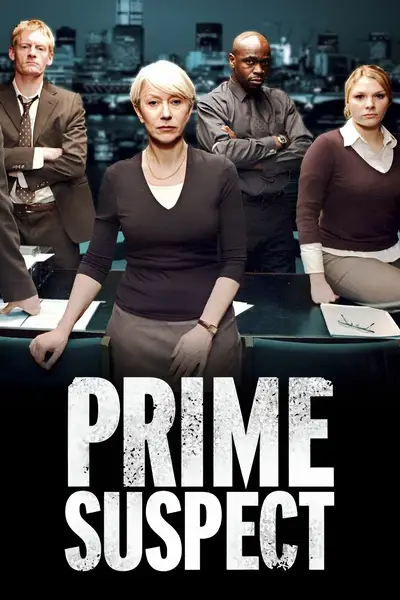
Set against the backdrop of early 1990s London, this groundbreaking police procedural shattered conventions by placing a woman at the center of a gritty murder investigation. Helen Mirren delivers a career-defining performance as Detective Chief Inspector Jane Tennison, a brilliant investigator fighting not just to solve cases but to earn respect in the Metropolitan Police's boys' club. Created by Lynda La Plante, the series follows Tennison as she navigates workplace sexism, departmental politics, and her own personal demons while pursuing justice with unwavering determination. The writing is sharp and complex, refusing to soften the institutional misogyny Tennison faces while showcasing her exceptional detective skills. Mirren brings layers of vulnerability, ambition, and steel to the role, making Tennison one of television's most compelling protagonists. The cases themselves are intricate and absorbing, but it's the character study at the show's heart that makes this essential viewing.
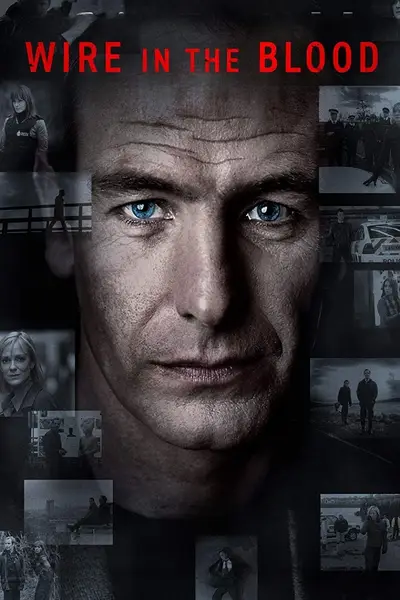
In the shadowy corners of Northern England, clinical psychologist Dr. Tony Hill uses his unique understanding of criminal pathology to assist the police in catching the most disturbed killers. Robson Green stars as the brilliant but socially awkward Hill, who partners with DI Carol Jordan (Hermione Norris) to solve cases that blur the line between detective work and psychological warfare. Based on Val McDermid's novels, the series distinguishes itself through its unflinching examination of the darkest aspects of human nature and the toll such work takes on those who pursue justice. The chemistry between Green and Norris anchors the show, providing emotional grounding amid the frequently disturbing case material. Each investigation peels back layers of both the crimes and the investigators themselves, creating a procedural that's as interested in character development as it is in catching killers.
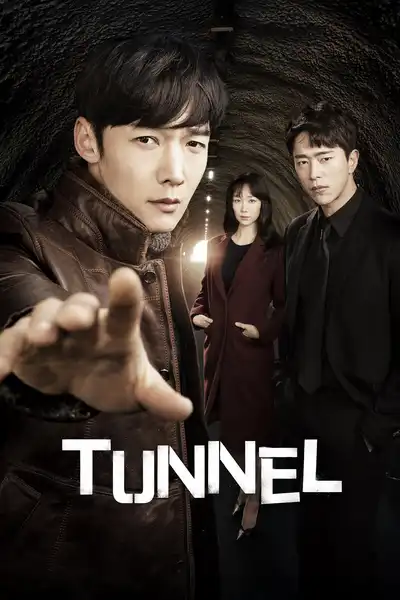
Choi Jin-hyuk takes on the role of Jung-ho, an intelligent and driven detective who finds himself navigating a dangerous mystery that stretches across decades. In this Korean remake of the British series of the same name, three police officers from different time periods communicate through a mysterious tunnel, collaborating to solve cold cases while confronting the consequences of changing the past. Created by Lee Eun-mi with Kim Jin-won directing, the series skillfully balances procedural elements with emotional character development and the ethical implications of its time-travel premise. The chemistry between the three leads makes their unusual partnership believable, and the show maintains strong momentum throughout its sixteen episodes. It's a smart, well-executed thriller that honors its source material while bringing distinctly Korean sensibilities to the story.
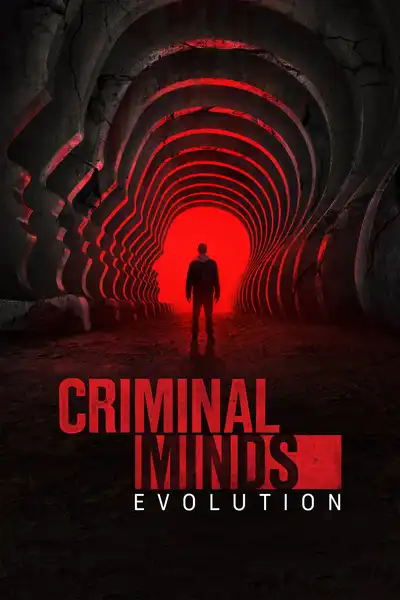
Jeff Davis developed this long-running procedural that follows the FBI's Behavioral Analysis Unit as they profile and pursue the country's most twisted criminal minds. The ensemble cast, anchored by talents like Mandy Patinkin (later replaced by Joe Mantegna), Thomas Gibson, and Matthew Gray Gubler, brings depth to what could have been one-dimensional profiler roles. The series distinguishes itself through its focus on psychological analysis rather than purely forensic evidence, diving into the motivations and patterns of serial offenders. While the case-of-the-week format can occasionally feel formulaic, the show maintains tension through strong writing and the team's interpersonal dynamics. A.J. Cook and Kirsten Vangsness provide emotional anchors for the often-dark material. The series ran for fifteen seasons because it consistently delivered what fans wanted: smart criminal profiling, compelling cases, and characters viewers genuinely cared about through hundreds of episodes.
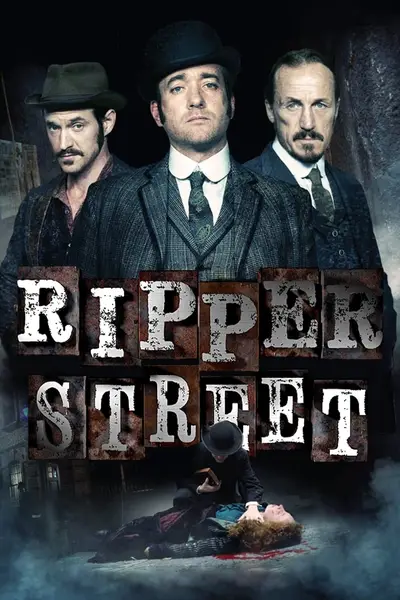
At its core, this Victorian crime drama explores justice, progress, and redemption in London's East End during the aftermath of Jack the Ripper's murders. Matthew Macfadyen leads as Detective Inspector Edmund Reid, commanding the H Division of the Metropolitan Police as they investigate brutal crimes in the impoverished Whitechapel district. Created by Richard Warlow, the BBC series combines procedural elements with rich period detail and character-driven storytelling that examines how law enforcement evolved during the industrial age. Jerome Flynn and Adam Rothenberg round out the compelling central trio, each bringing their own moral complexities and personal demons to the dangerous streets they patrol. The show excels at depicting the stark class divisions, technological innovations, and social upheaval of 1890s London while delivering genuinely gripping mysteries. The production design is impeccable, creating an immersive world where gaslight and shadow conceal both crime and humanity's capacity for both cruelty and compassion.
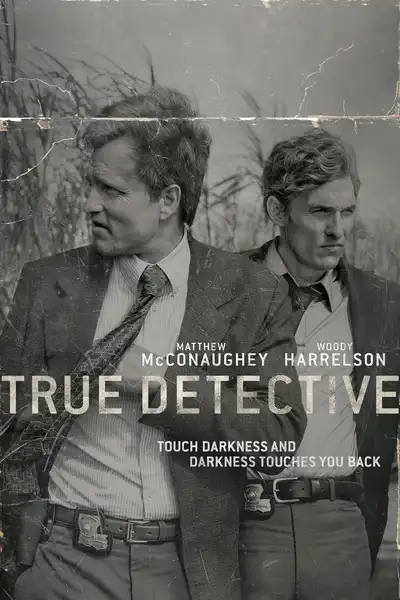
In Louisiana's bayou country, two detectives investigate a ritualistic murder that haunts them across decades in this atmospheric anthology series created by Nic Pizzolatto. The first season pairs Matthew McConaughey's philosophically tormented Rust Cohle with Woody Harrelson's family-man Marty Hart in what becomes television's most compelling detective partnership. The non-linear storytelling weaves between timelines, revealing not just the mystery but how it corrodes the men investigating it. Cinematographer Cary Joji Fukunaga directs all eight episodes with cinematic artistry, capturing the humid decay of the setting. While subsequent seasons vary in quality with different casts and locations, that initial year remains remarkably powerful—dense with existential dread, exceptional performances, and a genuine sense of evil lurking beneath civilization's surface. It's moody, deliberate crime drama that respects your intelligence.
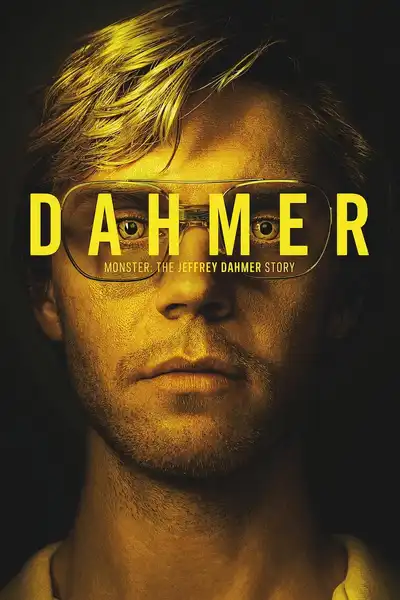
Evan Peters delivers a haunting and transformative performance as Jeffrey Dahmer in this gripping limited series that examines one of America's most notorious serial killers. Created by Ryan Murphy and Ian Brennan, the show distinguishes itself by focusing not just on the crimes, but on the systemic failures that allowed them to continue and the communities affected by them. Peters disappears into the role with unsettling authenticity, while the supporting cast—including Niecy Nash as a determined neighbor—brings depth to the stories of those whose warnings went unheeded. The series handles its difficult subject matter with unexpected sensitivity, never glorifying violence while still crafting compelling television. It's a difficult but essential watch that raises important questions about justice, race, and institutional accountability.
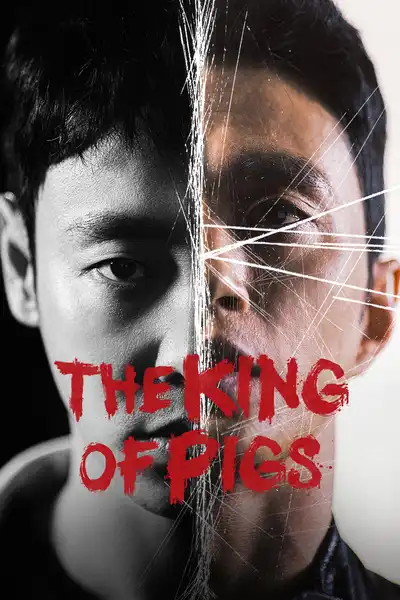
Kim Dong-wook's adaptation of the acclaimed webtoon brings this psychological thriller about school violence and its lasting trauma to disturbing, unforgettable life. The series follows two childhood friends, played by Kim Dong-wook and Kim Sung-kyu, whose reunion as adults forces them to confront the brutal bullying they witnessed and experienced in middle school, where they formed a secret club to survive the vicious hierarchy. The structure brilliantly alternates between past and present, gradually revealing how those formative experiences of violence and complicity have shaped both men in devastating ways. The performances are raw and committed, refusing to sentimentalize or simplify the moral complexities of victim and perpetrator dynamics. The show's unflinching examination of systemic cruelty in educational environments and its psychological aftermath makes for genuinely difficult but powerful viewing that lingers long after the final episode.
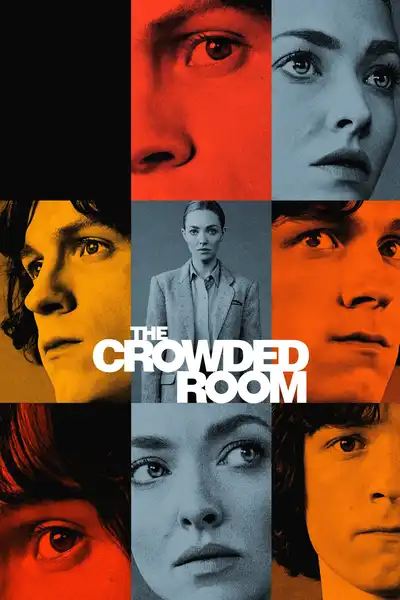
A psychological thriller unfolds as a young man arrested for a violent crime in 1979 New York reveals a diagnosis of dissociative identity disorder to his lawyer, claiming multiple personalities share his consciousness. Tom Holland stars in this limited series created by Akiva Goldsman, based on Daniel Keyes's non-fiction book about Billy Milligan, the first person to successfully use multiple personality disorder as a legal defense. Amanda Seyfried co-stars as the psychologist working to understand his fractured mind. The series uses non-linear storytelling to explore trauma, identity, and the nature of responsibility, though the execution doesn't always match its ambitious themes. Holland commits fully to the challenging role, but the show's treatment of mental illness feels at times more interested in creating mystery than authentic representation. Production design effectively captures the period, and individual episodes contain compelling moments, yet the overall narrative loses momentum under the weight of its fractured structure mirroring its subject's condition.

Brendan Gleeson commands the screen as retired detective Bill Hodges in this gripping adaptation of Stephen King's thriller trilogy. When a psychopathic killer from an unsolved case begins taunting him out of retirement, Hodges finds himself drawn into a deadly cat-and-mouse game that threatens everyone around him. Created by David E. Kelley, the series expertly balances procedural tension with character-driven drama, giving Gleeson plenty of room to showcase his nuanced performance as a man haunted by the one that got away. The supporting cast, including Harry Treadaway as the chillingly unhinged Brady Hartsfield and Jharrel Jerome as Hodges's loyal ally Jerome Robinson, elevates the material beyond standard crime fare. Each season adapts a different King novel while maintaining a consistent tone of creeping dread and psychological depth that rewards patient viewers.

Danica Curcic delivers a compelling performance as detective Naia Thulin in this Danish crime thriller that grips from the first frame. Created by Mikkel Serup and based on Søren Sveistrup's novel, the series follows Thulin and her new partner as they investigate a string of brutal murders connected by handmade chestnut figurines left at each crime scene. The Nordic noir atmosphere is perfectly executed, with Copenhagen's autumn setting adding to the unsettling mood. The six-episode format allows the mystery to unfold at a deliberate pace without overstaying its welcome, and the performances across the board elevate what could have been standard procedural fare into something genuinely haunting. The connection between the crimes and a cold case gradually reveals itself through smart storytelling that respects the audience's intelligence.
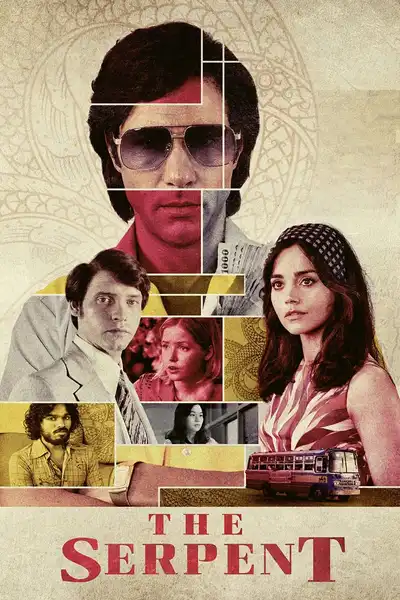
In this limited series, viewers are transported to the 1970s to follow the true story of Charles Sobhraj, a serial killer who preyed on Western tourists along Asia's hippie trail. Tahar Rahim delivers a chilling performance as the charismatic con man and murderer, while Jenna Coleman plays his girlfriend and accomplice Marie-Andrée Leclerc. Created by Richard Warlow and Toby Finlay, the series chronicles how Sobhraj's crimes eventually caught up with him, largely due to the persistent efforts of Dutch diplomat Herman Knippenberg (Billy Howle). The period recreation is meticulous, capturing the aesthetics of 1970s Southeast Asia, though the pacing occasionally drags across its eight episodes. While the performances are strong and the story inherently gripping, the series sometimes struggles with how much humanity to grant its manipulative protagonist, leaving viewers with an unsettling but not always satisfying experience.
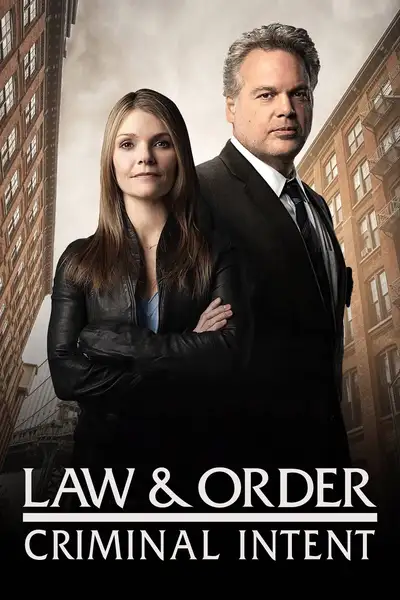
René Balcer developed this third installment in the *Law & Order* franchise, distinguishing it from its procedural siblings by emphasizing psychological profiling over courtroom theatrics. The series follows Major Case Squad detectives as they investigate high-profile crimes, with Vincent D'Onofrio's eccentric Detective Robert Goren and Kathryn Erbe's practical Detective Alexandra Eames forming the central partnership. D'Onofrio brings an idiosyncratic intensity to interrogation scenes that can be genuinely riveting, employing unusual tactics that reveal both criminal psychology and his own character's brilliant but troubled mind. The show's focus on the "why" rather than just the "who" offers something different in the procedural landscape. Unfortunately, this approach also means some episodes disappear into overwrought psychological explanations that feel more like acting exercises than coherent investigations. The series works best when it balances D'Onofrio's theatrical instincts with Erbe's grounding presence, though the chemistry fluctuates across the show's long run and various cast changes. Solid comfort viewing for procedural fans, if rarely transcendent.
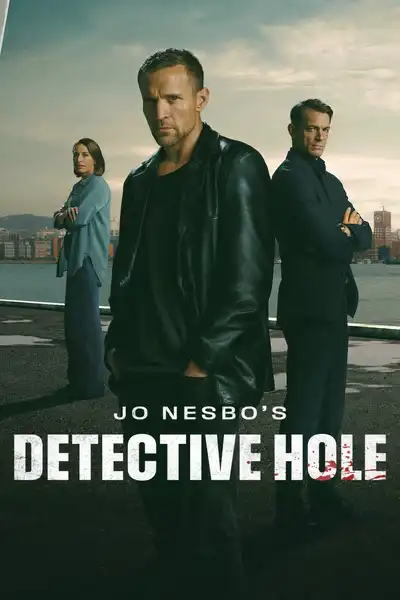
Tobias Santelmann brings a compelling intensity to Harry Hole, the troubled Oslo detective at the heart of this gripping Norwegian thriller series. Created by Erik Richter Strand, the adaptation of Jo Nesbø's beloved novels captures both the atmospheric Nordic noir aesthetic and the complex psychological depths that make the character so memorable. The series doesn't shy away from Hole's demons—his struggles with alcohol and obsession—while building genuinely suspenseful investigations that feel authentically grounded in Oslo's urban landscape. Santelmann's performance anchors each episode with a world-weariness that never tips into self-parody, and the supporting cast, including Ellen Dorrit Petersen, provides strong emotional counterweight. The production values are consistently high, with cinematography that makes excellent use of Norway's stark beauty and the city's modern architecture.
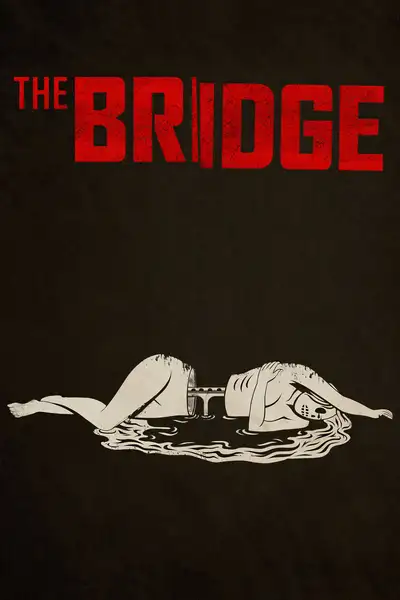
Sofia Helin delivers a mesmerizing performance as Saga Norén, a brilliant but socially challenged Swedish detective who partners with her Danish counterpart Martin Rohde (Kim Bodnia) to solve murders connected by the Øresund Bridge. Created by Hans Rosenfeldt, this Scandinavian noir distinguishes itself through Saga's complex characterization—she exhibits traits associated with autism spectrum disorders without becoming a mere collection of quirks—and the show's intelligent exploration of contemporary social issues through its crimes. The central partnership develops beautifully across seasons, with genuine warmth emerging between two very different investigators. The mysteries themselves are thoughtfully constructed, often highlighting societal failures and ethical dilemmas rather than simply providing puzzle-solving entertainment. Helin's fearless, nuanced work makes Saga one of television's most memorable detectives, and the show's bleak Nordic atmosphere perfectly complements its serious thematic ambitions. This is crime drama that respects and challenges its audience.
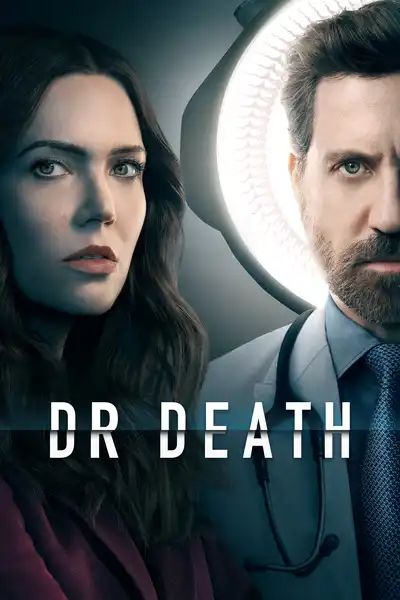
Set in Dallas during the late 1980s and early 1990s, this chilling limited series chronicles the true story of neurosurgeon Christopher Duntsch, who left a trail of maimed and deceased patients in his wake. Joshua Jackson delivers a career-defining performance as Duntsch, capturing the unsettling combination of charisma and incompetence that allowed him to continue operating despite catastrophic outcomes. Created by Patrick Macmanus, the series also features Christian Slater and Alec Baldwin as two doctors who risk their careers to stop Duntsch's reign of terror. The show excels at building tension even when you know the outcome, examining how systemic failures in medical oversight enabled such tragedy. The supporting cast, including Grace Gummer and AnaSOphia Robb, humanizes the victims without exploiting their suffering. It's a gripping, infuriating watch that functions as both true-crime drama and damning institutional critique.