Sci-Fi Shows
From mind-bending time paradoxes to sprawling space operas that redefine television storytelling, science fiction shows have consistently delivered some of the most imaginative and thought-provoking entertainment across decades of broadcasting. Whether you're drawn to cerebral explorations of artificial intelligence, pulse-pounding adventures across distant galaxies, or chilling encounters with the unknown, the best sci-fi series transport viewers to meticulously crafted worlds where humanity grapples with extraordinary circumstances and speculative technologies. This curated selection of 21 groundbreaking sci-fi shows spans the entire history of television, celebrating both pioneering classics that established genre conventions and contemporary masterpieces pushing narrative boundaries with cutting-edge production values. These aren't just escapist fantasies—they're sophisticated examinations of what it means to be human in an ever-changing universe, tackling themes of consciousness, survival, morality, and our place among the stars. From anthology-style storytelling to serialized epics with intricate mythologies, these series represent the pinnacle of science fiction television, offering everything from philosophical thought experiments to adrenaline-fueled action across multiple timelines, dimensions, and planetary systems that will satisfy both longtime genre enthusiasts and newcomers ready to discover why sci-fi remains television's most visionary and endlessly captivating genre.
Here, iconic horror host Joe Bob Briggs returns in glorious form, reviving his cult-classic brand of film commentary for Shudder's streaming platform with remarkable wit and encyclopedic genre knowledge. Each marathon-length episode features Briggs introducing and dissecting exploitation, horror, and B-movies with his trademark "drive-in totals" tallying the body counts, gratuitous elements, and practical effects that define these films. Accompanied by the delightful Darcy the Mail Girl, Briggs transforms movie-watching into an educational and hilarious experience, offering behind-the-scenes stories, cultural context, and appreciation for filmmaking craftsmanship often dismissed by mainstream critics. His tangential monologues covering everything from censorship history to regional filmmaking create a rich tapestry around each feature presentation. The series perfectly captures the communal joy of discovering weird cinema with knowledgeable friends, making even the most obscure grindhouse oddities accessible and entertaining. Whether you're a longtime horror devotee or curious newcomer, Briggs' infectious enthusiasm and genuine love for these misunderstood films makes this essential viewing that elevates its subjects while delivering non-stop entertainment.
Twenty-four hours of pure horror movie heaven—that's what Joe Bob Briggs delivers in this marathon resurrection of his legendary show. The iconic drive-in critic returns to dissect a killer lineup of cult classics and obscure gems, armed with his signature blend of film history, irreverent humor, and "drive-in totals" that tally up the body counts and other crucial statistics. Shudder struck gold by bringing back Briggs and his sidekick Darcy the Mail Girl for this epic event that proved there was massive appetite for his particular brand of horror hosting. Each film gets the full Joe Bob treatment with fascinating behind-the-scenes stories, connections to broader cinema history, and plenty of laughs between the scares. This marathon isn't just nostalgia—it's a masterclass in appreciating horror cinema that reignited an entire format.
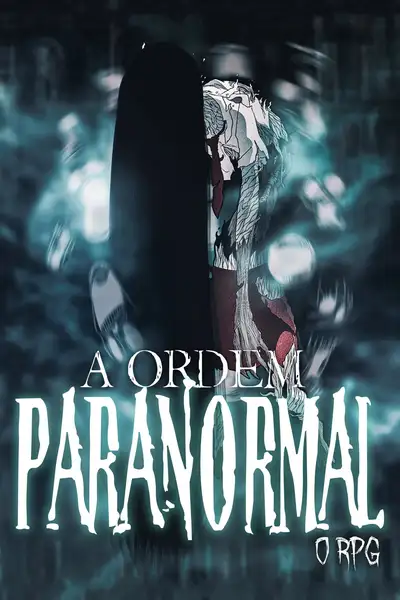
Set in contemporary Brazil with supernatural elements lurking beneath the surface, "Ordem Paranormal" brings tabletop RPG storytelling to life with remarkable production values and genuine scares. Created by Cellbit (Rafael Lange), this web series follows ordinary people thrust into paranormal investigations within a universe where occult forces operate in the shadows. The Brazilian setting adds fresh texture to familiar horror territory, while the cast—including Luiz Lobianco, Danilo Zamboni, and Thaís Belchior—fully commits to the increasingly dangerous scenarios their characters face. What makes this series exceptional is how it balances the spontaneity of RPG gameplay with cinematic presentation, creating genuine tension and emotional investment in every twist. The practical effects and sound design punch well above the show's web-series origins, and Cellbit's worldbuilding reveals layers of mythology that reward careful attention. It's essential viewing for horror fans and actual-play enthusiasts alike.

A virtual reality playthrough of Half-Life becomes an improvised comedy masterpiece when the AI characters develop self-awareness and refuse to follow their programmed scripts, forcing the player to negotiate with increasingly exasperated digital beings. Created by the comedy collective WayneRadioTV, this brilliantly absurd series features voice actors Trevor, Holly, and Scorpy bringing distinct personalities to characters who question their existence, complain about working conditions, and debate the ethics of their virtual world. What begins as a simple gaming stream evolves into sophisticated improvised comedy with surprising emotional depth—the voice actors' chemistry and lightning-fast wit transform technical limitations into comedy gold. The conceptual framework is ingenious, and the execution is consistently hilarious, with callbacks and running gags that reward attentive viewing. It's a landmark achievement in improvised comedy that transcends its gaming origins.
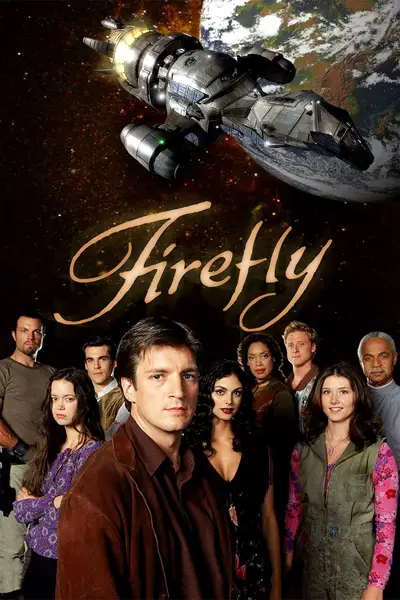
Nathan Fillion leads this brilliant space western as Captain Malcolm Reynolds, a charming rogue navigating the galaxy's outer rim aboard his beloved Firefly-class ship, Serenity. Created by Joss Whedon, this criminally short-lived series blends witty banter, lived-in sci-fi aesthetics, and genuine heart into something truly special. The ensemble cast—including Gina Torres, Alan Tudyk, and Morena Baccarin—creates a found family dynamic that feels authentic and deeply affecting. Each episode balances standalone adventures with serialized character development, exploring themes of loyalty, freedom, and survival in a 'verse where the Alliance's reach extends far but not everywhere. The Western-meets-space-opera setting provides endless opportunities for creative storytelling, while the Mandarin-peppered dialogue and lived-in production design make the universe feel remarkably real. Despite lasting only one season, Firefly's influence on science fiction television remains undeniable, proving that fourteen episodes can leave a lasting legacy.
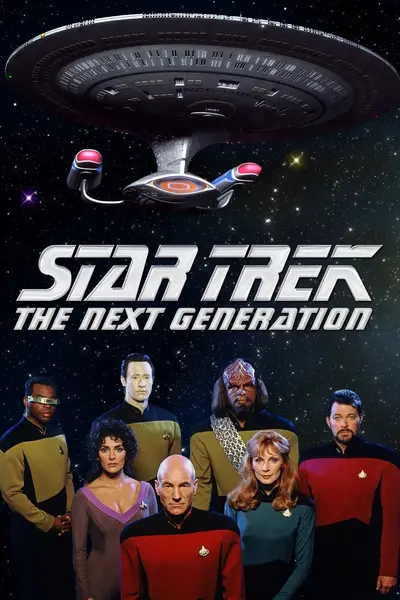
Boldly optimistic and intellectually engaging, this Star Trek series represents science fiction at its most thoughtful and aspirational. Created by Gene Roddenberry, The Next Generation follows Captain Jean-Luc Picard (Patrick Stewart in a career-defining role) and the crew of the USS Enterprise-D as they explore strange new worlds a century after the original series. The show elevates the franchise with sophisticated storytelling that tackles complex moral dilemmas, philosophical questions, and social issues through the lens of futuristic adventure. The ensemble cast—including Jonathan Frakes, Brent Spiner, LeVar Burton, and Marina Sirtis—creates a genuine sense of camaraderie and professionalism. Stewart's commanding yet nuanced performance as Picard anchors the series in gravitas while episodes range from thrilling action to contemplative character studies. The Next Generation proves that science fiction can inspire, challenge, and entertain simultaneously, setting a standard that few series in any genre have matched.
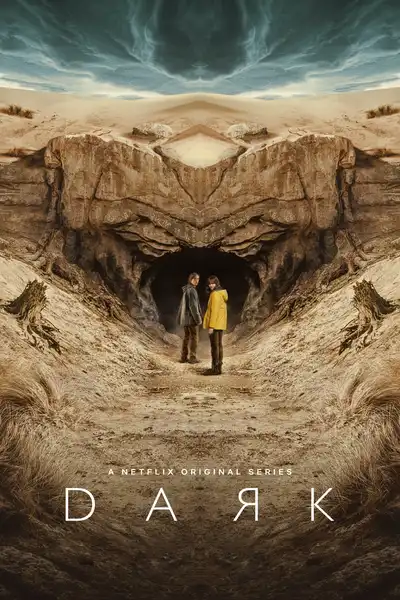
In the small German town of Winden, a child's disappearance unravels mysteries spanning multiple generations in this mind-bending masterpiece. Creators Baran bo Odar and Jantje Friese have crafted something truly extraordinary—a time-travel thriller that actually respects its audience's intelligence. The intricate plotting rewards careful attention, with each revelation feeling earned rather than convenient. The ensemble cast, including Louis Hofmann and Maja Schöne, delivers performances that capture the weight of secrets carried across decades. What begins as a missing child case evolves into an exploration of fate, free will, and the cyclical nature of trauma. The atmospheric cinematography and haunting score create a sense of dread that permeates every frame. Unlike many mysteries that collapse under their own ambition, Dark sticks the landing with a final season that brings genuine emotional closure. This is essential viewing for anyone who appreciates complex storytelling.
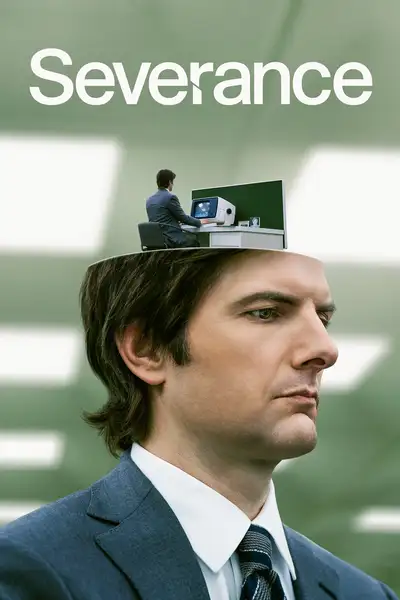
Employees at a mysterious corporation undergo a procedure that surgically separates their work memories from their personal memories, creating two distinct versions of consciousness that never meet. Created by Dan Erickson and directed by Ben Stiller, this workplace thriller stars Adam Scott as Mark, whose "outie" self knows nothing about what his "innie" does all day at Lumon Industries. The premise is genuinely intriguing, and the show's stark production design creates an unsettling corporate environment that feels both retro and timeless. Patricia Arquette, John Turturro, and Christopher Walken round out a strong cast navigating the show's deliberately slow burn pacing. However, the series sometimes mistakes inscrutability for depth, withholding information to the point of frustration rather than building meaningful suspense. The allegory about work-life balance and corporate dehumanization is obvious without being particularly insightful. Individual sequences showcase real artistry, but the season doesn't quite earn its ponderous runtime. There's interesting material here that doesn't fully cohere into a satisfying whole, though fans of cerebral science fiction may find more to appreciate.
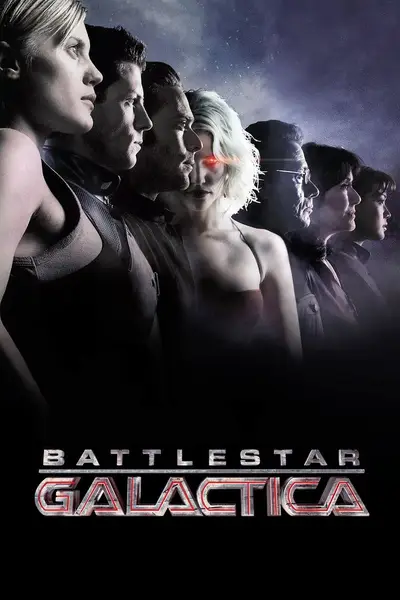
Edward James Olmos leads this reimagined space opera as Admiral William Adama, commanding humanity's last survivors after a devastating Cylon attack. Created by Ronald D. Moore, this series transforms the 1970s concept into a masterwork of serialized television that tackles religious extremism, political corruption, and what it means to be human. The performances are universally stellar, with Mary McDonnell's President Roslin and James Callis's Gaius Baltar delivering career-defining work. The show maintains relentless tension across four seasons, balancing large-scale space battles with intimate character drama. Every episode feels essential, every twist earned. This is science fiction television at its absolute peak—a show that respects its audience's intelligence while delivering pulse-pounding action and genuine emotional weight.
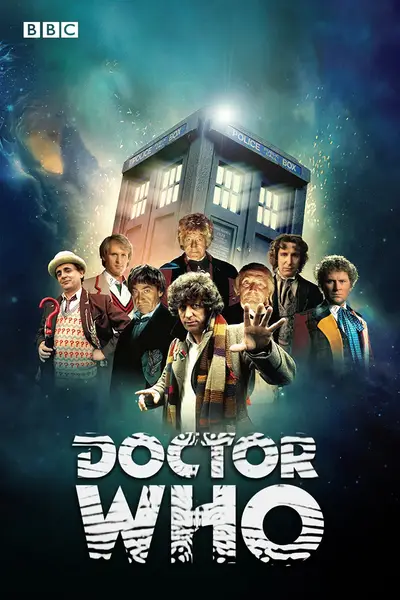
Science fiction television doesn't get more iconic, enduring, or downright brilliant than this British institution that has been captivating audiences across generations since its debut. The show's genius lies in its infinitely renewable format: a time-traveling alien called the Doctor, who regenerates into new bodies, explores all of time and space in a police box called the TARDIS. Created by Sydney Newman, C.E. Roberts, and Donald Wilson, the series has featured countless memorable Doctors, companions, and monsters (the Daleks and Cybermen remain genuinely chilling). Whether you're watching classic episodes from the original run or the revived series that began in 2005 with Russell T Davies at the helm, you'll find imaginative storytelling that balances humor, horror, and heart. The show's ability to reinvent itself while maintaining its essential spirit is unmatched in television history.
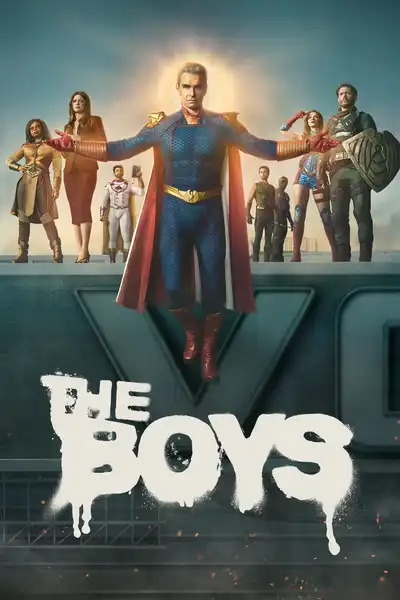
Subversive, ultra-violent, and absolutely brilliant, Eric Kripke's superhero satire takes a sledgehammer to the genre's conventions and delivers something genuinely fresh. In a world where superheroes are corporate-owned celebrities more concerned with merchandising than justice, a group of ordinary people fights back against the corrupt "Supes" who abuse their power with impunity. Karl Urban leads the ragtag team with charismatic intensity, while Antony Starr's Homelander is terrifyingly perfect as a Superman-type whose public smile masks psychopathic instability. The show fearlessly tackles corporate greed, celebrity worship, and political manipulation while delivering spectacularly bloody action sequences. Based on Garth Ennis's comics, it's wickedly funny, shockingly brutal, and surprisingly thoughtful. If you're exhausted by earnest superhero fare and want something with real bite, this is your antidote—profane, provocative, and utterly addictive.
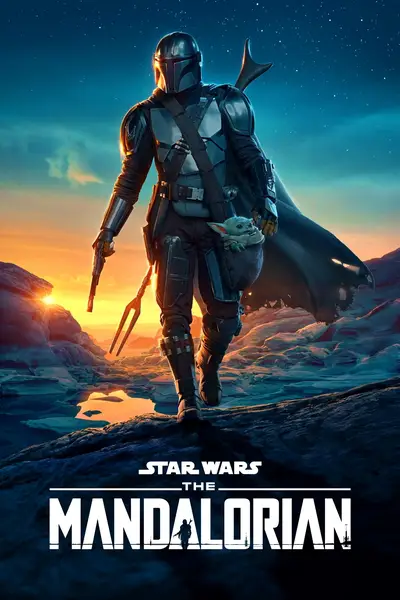
Jon Favreau has crafted something truly special with this Star Wars series that captures the spirit of the original trilogy while carving out its own legendary path. The Mandalorian follows Din Djarin (Pedro Pascal), a lone bounty hunter navigating the outer reaches of the galaxy in the aftermath of the Empire's fall, whose life changes completely when he encounters a mysterious Force-sensitive child. The episodic structure brilliantly evokes classic Westerns, with each adventure feeling like a self-contained story while building toward larger narrative arcs. The practical effects and creature work are phenomenal, giving the series a tangible quality that modern blockbusters often lack. Giancarlo Esposito delivers a chilling performance as Moff Gideon, while the supporting cast of recurring characters enriches the expanding world. The show respects Star Wars lore without being enslaved by it, making it accessible to newcomers while rewarding longtime fans with deep-cut references and connections that enhance rather than overshadow the storytelling.
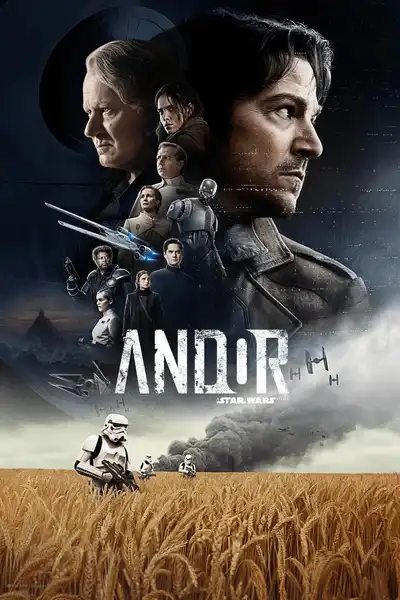
Following Cassian Andor in the years before Rogue One, this Star Wars series explores how ordinary people become radicalized into rebellion against an authoritarian regime, delivering the franchise's most mature and politically sophisticated storytelling to date. Creator Tony Gilroy strips away the typical Star Wars mythology to focus on the ground-level reality of life under the Empire, showing how oppression and injustice gradually transform a cynical survivor into a committed revolutionary. Diego Luna brings depth and moral ambiguity to Cassian, supported by an exceptional ensemble including Stellan Skarsgård as a rebellion architect and Fiona Shaw as a complex adoptive mother figure. The show takes its time building tension and character, trusting the audience to engage with slower pacing in service of richer storytelling. The dialogue crackles with intelligence, the production design feels lived-in and authentic, and the exploration of fascism's mundane bureaucratic evil resonates powerfully. This is ambitious, adult science fiction that transcends its franchise origins.
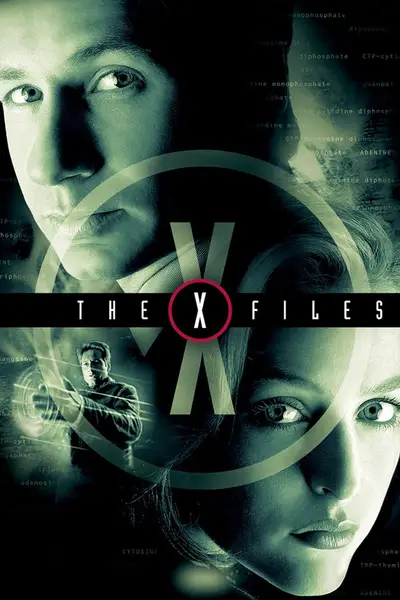
At its core, this is a story about belief—in the unexplained, in each other, and in the search for truth no matter how disturbing it might be. Creator Chris Carter's iconic series pairs FBI agents Fox Mulder and Dana Scully, played with perfect chemistry by David Duchovny and Gillian Anderson, as they investigate paranormal phenomena and government conspiracies. The show's genius lies in its structure, alternating between mythology episodes that build an intricate alien conspiracy and standalone "monster of the week" stories that range from terrifying to thought-provoking. The dynamic between Mulder's believer and Scully's skeptic creates endless dramatic possibilities while developing one of television's most compelling partnerships. The atmosphere is dark and unsettling, with cinematography that makes even ordinary locations feel ominous. While the overarching conspiracy storyline eventually becomes convoluted, the show's best episodes remain masterclasses in tension, character development, and asking unsettling questions about what might be out there.
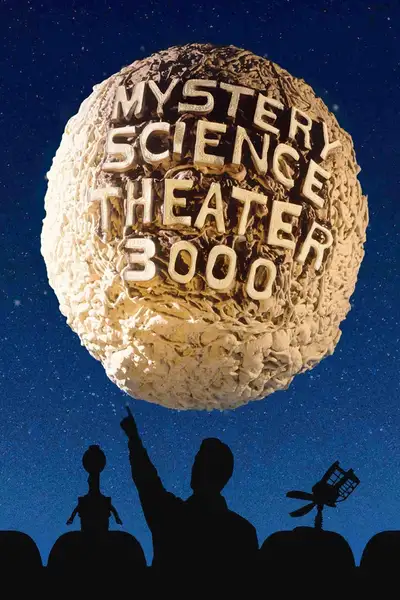
Gleefully absurd and endlessly inventive, this cult sensation turns bad movies into comedy gold through the simple premise of watching someone watch terrible films. Created by Joel Hodgson, the show follows a man trapped on a satellite forced to endure the worst cinema has to offer, accompanied by robot friends he built for company. Tom Servo and Crow T. Robot join Joel (later Mike Nelson) in riffing on everything from sci-fi disasters to incomprehensible international features, delivering a rapid-fire stream of jokes that rewards multiple viewings. The wit ranges from sophisticated cultural references to delightfully dumb puns, creating a humor style entirely its own. The silhouette format—mimicking a movie theater experience—remains iconic, and the show's influence on internet comedy culture is immeasurable. Whether you're discovering it for the first time or revisiting beloved episodes, MST3K offers something genuinely special: comedy that's smart, silly, and wonderfully welcoming.
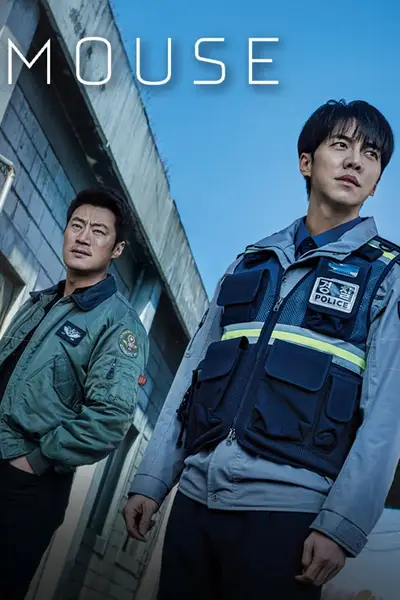
The question of whether psychopaths are born or made drives this explosive Korean thriller that weaves together multiple timelines and perspectives into an intricate psychological puzzle. Lee Seung-gi delivers a career-defining performance in a dual role that constantly challenges viewer expectations, while Lee Hee-joon brings unsettling intensity as a detective with his own dark secrets. Created by Choi Ran, the series begins with a seemingly straightforward premise before unfolding into something far more ambitious—a meditation on nature versus nurture, justice versus revenge, and the fine line between hero and monster. The plotting is masterfully constructed, with revelations that reframe everything you thought you understood while maintaining emotional coherence. The show doesn't flinch from disturbing content, but the violence serves the story's exploration of human darkness rather than existing for shock value. It's gripping from start to finish, with performances and writing that elevate it beyond standard thriller fare into something genuinely profound and unforgettable.
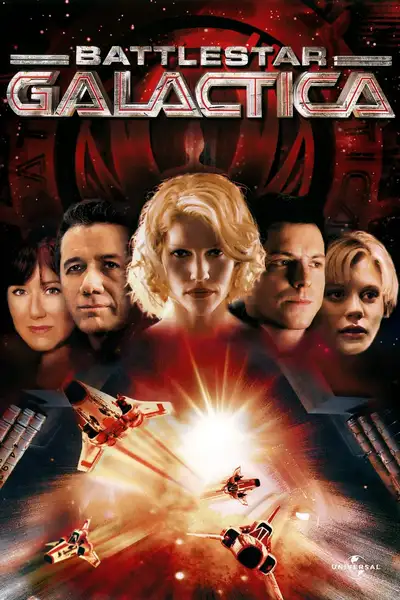
Edward James Olmos brings commanding gravitas to William Adama, the weathered commander leading humanity's last survivors in this reimagined sci-fi masterpiece. Created by Ronald D. Moore, Battlestar Galactica transforms the campy 1970s original into a tense, politically charged drama where the remnants of civilization flee aboard a ragtag fleet, pursued relentlessly by the Cylons—robotic creations who've evolved beyond recognition and now look disturbingly human. Mary McDonnell shines as President Laura Roslin, navigating impossible moral choices alongside Adama while the crew searches desperately for the mythical planet Earth. The series tackles weighty themes of survival, identity, and what it means to remain human under impossible circumstances, all wrapped in genuinely thrilling space battles and conspiracies. It's dark, philosophical television that respects its audience's intelligence while delivering edge-of-your-seat entertainment.
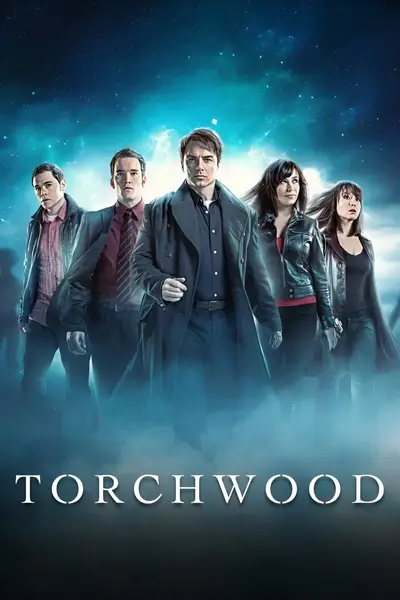
This science fiction drama spun off from Doctor Who follows a secret team of operatives led by the enigmatic Captain Jack Harkness (John Barrowman) as they investigate extraterrestrial threats in Cardiff. Created by Russell T. Davies, the series takes a darker, more adult approach than its parent show, exploring complex themes of mortality, sexuality, and sacrifice. The ensemble cast, including Eve Myles, Burn Gorman, and Gareth David-Lloyd, develops genuine chemistry across its run, with character development that rewards long-term viewers. While early episodes can be uneven in tone, the show hits its stride with ambitious multi-episode arcs like "Children of Earth" that showcase genuinely compelling storytelling. It's essential viewing for Whoniverse fans and stands remarkably well on its own merits as thoughtful, emotionally resonant science fiction with real stakes.
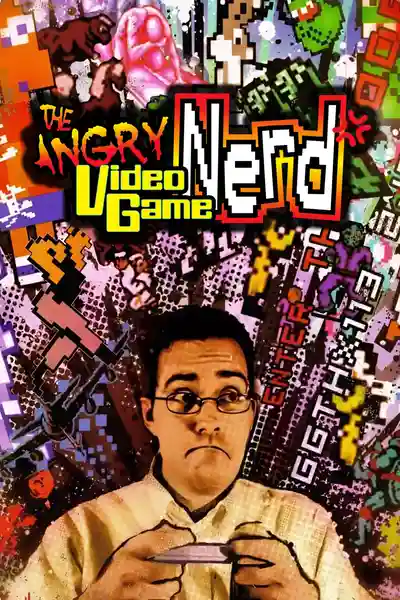
James Rolfe brings gloriously profane life to his internet sensation character, the Angry Video Game Nerd, in this long-running web series that's become a cornerstone of online entertainment. Armed with a seemingly endless supply of obscure retro games and creative expletives, the Nerd tears into the worst titles the 8-bit and 16-bit eras had to offer, from notoriously broken adaptations to inexplicably terrible originals. What elevates this beyond simple rage-filled ranting is Rolfe's genuine knowledge of gaming history and his increasingly elaborate production values, incorporating skits, special effects, and guest appearances. The series strikes that perfect balance between nostalgic gaming commentary and genuinely hilarious comedy, making it essential viewing whether you grew up with these consoles or just appreciate someone articulating why certain games deserve their terrible reputations.
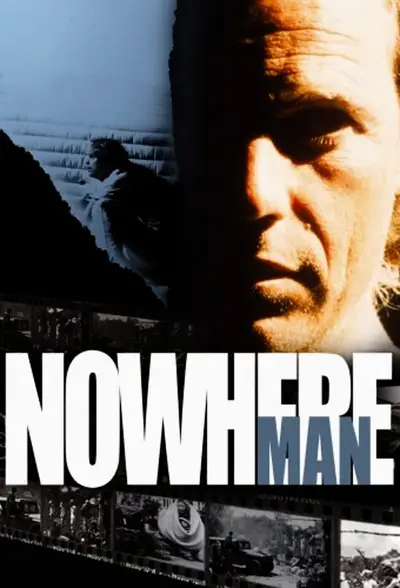
In mid-1990s America, photographer Thomas Veil experiences every person's nightmare when his entire existence is systematically erased overnight. Bruce Greenwood delivers a taut, paranoid performance as a man whose wife doesn't recognize him, whose colleagues deny knowing him, and whose very identity has been wiped from all records. Created by Lawrence Hertzog, this cult thriller series follows Veil's desperate quest to uncover why powerful forces want him eliminated and what dangerous photograph triggered his erasure. The show taps into pre-digital anxieties about surveillance and identity with a noir-influenced aesthetic that feels both grounded and unsettling. Though it was cancelled after one season, the 25-episode run maintains remarkable consistency in its conspiracy-thriller plotting. Each episode peels back another layer of the mystery while Veil encounters others caught in similar nightmares, creating a paranoid masterpiece that influenced later shows exploring identity and institutional power.
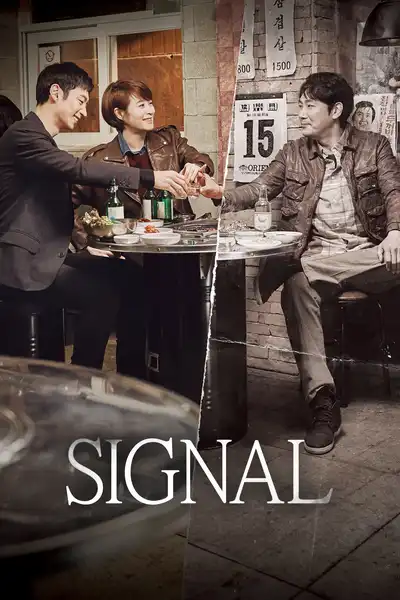
Lee Je-hoon plays Park Hae-young, a criminal profiler who discovers a mysterious walkie-talkie that connects him across time to a detective from the past, setting up one of the most ingeniously plotted thrillers in Korean television. The series uses this connection between past and present to revisit cold cases, with Hae-young and detective Lee Jae-han (Cho Jin-woong) working together across decades to solve crimes and alter outcomes—though each change to the timeline brings unexpected consequences. Created by Kim Eun-hee, "Signal" maintains extraordinary tension while juggling complex timelines and ensuring that emotional stakes remain as high as the plot intrigue. The cases themselves are compelling, often drawn from real unsolved crimes in Korean history, which adds weight to the procedural elements. What makes the series truly exceptional is how it explores the ripple effects of changed history, questioning whether solving individual cases justifies potentially catastrophic alterations to the timeline. The performances are uniformly excellent, with the three leads creating palpable chemistry despite rarely sharing the screen. This is must-watch television for anyone who appreciates intelligent, emotionally grounded genre storytelling.