Satire Shows
Sharp wit meets social commentary in the world of satire shows, where laughter becomes the ultimate weapon against hypocrisy, pretension, and societal absurdity. These cleverly crafted series have mastered the art of using humor to expose uncomfortable truths about politics, culture, and human nature, delivering biting critiques wrapped in entertainment that resonates long after the credits roll. From groundbreaking sketch comedy that has shaped generations to narrative comedies that skewer everything from corporate greed to suburban conformity, satirical television has evolved into one of the most influential and thought-provoking genres in entertainment. Whether through exaggerated characters that mirror real-world figures, ironic situations that highlight cultural contradictions, or darkly comedic premises that challenge our assumptions, these shows prove that comedy can be both hilarious and intellectually stimulating. The best satire shows don't just make you laugh—they make you question, reflect, and see the world through a refreshingly cynical lens. Ready to explore television's sharpest voices? This curated selection of 21 satirical series spans decades of brilliant social commentary, featuring everything from late-night staples to streaming sensations that continue pushing boundaries and making audiences laugh while they think.
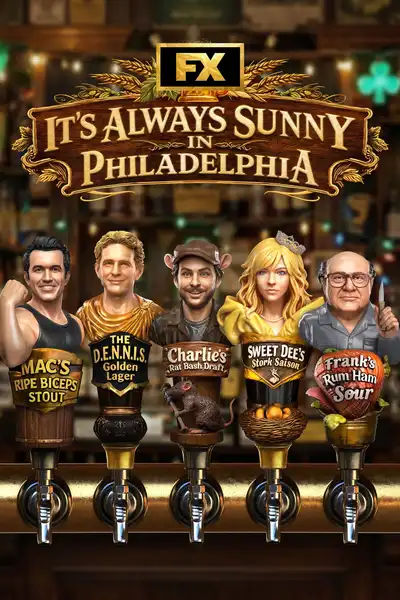
Irreverent, gleefully offensive, and somehow still running strong after nearly two decades, this comedy about terrible people doing terrible things in Philadelphia has carved out its own unique space in television history. Creator Rob McElhenney stars alongside Charlie Day, Glenn Howerton, Kaitlin Olson, and Danny DeVito as a group of narcissistic bar owners whose schemes inevitably backfire in spectacular fashion. What makes the show exceptional is its willingness to push boundaries while never asking you to sympathize with its protagonists—they're awful people, and that's precisely the point. The comedy is dark, absurdist, and frequently uncomfortable, tackling everything from social issues to personal delusions with equal satirical fervor. The cast's chemistry is phenomenal, with each actor understanding exactly how to play their character's specific brand of selfishness. It's comedy that refuses to play safe, and its longevity proves there's an appetite for humor this sharp and uncompromising.
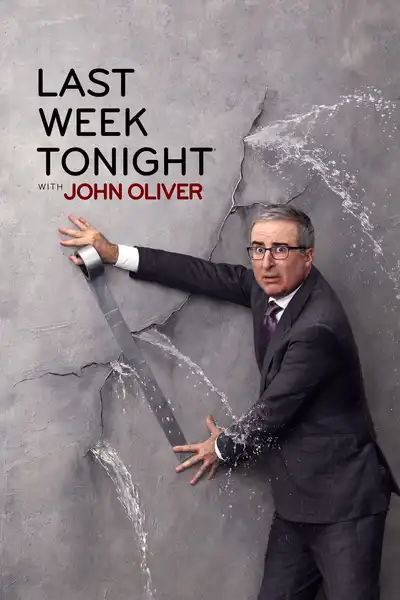
Sharp, incisive, and brilliantly researched, this late-night talk show has become essential viewing for anyone who wants comedy that actually explains the news rather than just commenting on it. Host John Oliver, formerly of The Daily Show, takes deep dives into complex topics ranging from net neutrality to international politics, spending 20 minutes or more dissecting issues that other shows cover in brief segments. The show's format—airing weekly rather than nightly—allows Oliver and his writing team to craft thoroughly researched segments that are as informative as they are hilarious. What sets this series apart is its willingness to tackle subjects that seem too obscure or complicated for comedy, then making them accessible and entertaining through Oliver's perfect blend of outrage and wit. The show has even sparked real-world change through its investigative approach. Whether he's challenging corporations, explaining policy failures, or staging elaborate stunts to make a point, Oliver delivers comedy with substance that rewards your attention.
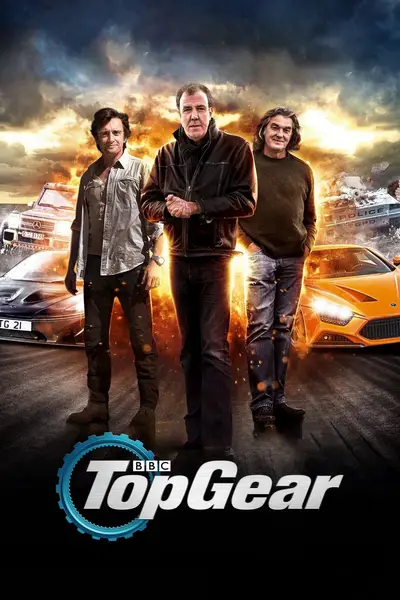
This motoring entertainment show transcends its genre to become something genuinely special, thanks to the chemistry between presenters Jeremy Clarkson, Richard Hammond, and James May, who transform car reviews into comedy gold and ambitious adventures. The format is deceptively simple—test supercars, create absurd challenges, and showcase stunning cinematography—but the execution is what made this iteration a global phenomenon. Whether racing across continents, building amphibious vehicles doomed to sink, or engaging in the kind of banter that only decades of friendship can produce, the trio makes even non-car enthusiasts care about automotive journalism. The production values are cinematic, with camera work and editing that rival high-budget documentaries, while the show's willingness to embrace spectacular failure makes it more engaging than if everything went smoothly. Yes, Clarkson's provocations occasionally cross lines, but the show's pure entertainment value and the hosts' evident passion for what they're doing make this essential viewing for anyone who appreciates adventure, humor, and genuine camaraderie.
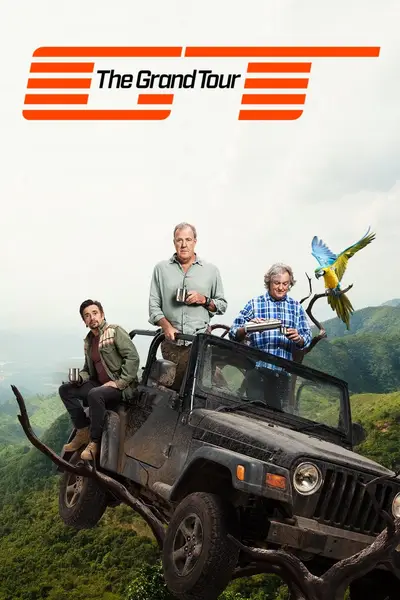
Jeremy Clarkson, Richard Hammond, and James May reunite as themselves for this Amazon automotive series that attempts to recapture their "Top Gear" chemistry with bigger budgets and global locations. The format remains familiar—elaborate road trips, absurd challenges, and celebrity guests—but something feels slightly off about the whole enterprise. When it works, particularly during their ambitious special episodes, the trio's genuine friendship and comic timing shine through. The production values are undeniably impressive, with cinematography that makes cars look spectacular. However, the scripted banter often feels more forced than spontaneous, and the show's reliance on spectacle over substance grows tiresome. Some segments drag, and the humor occasionally crosses from cheeky into mean-spirited. Fans of the original trio will find moments to enjoy, but this feels like watching a legacy act touring past glories rather than creating new ones.
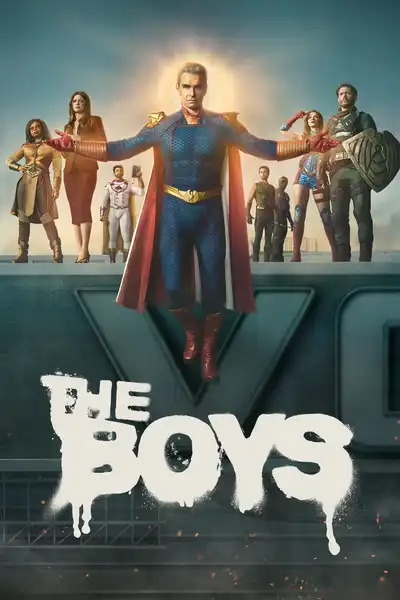
Subversive, ultra-violent, and absolutely brilliant, Eric Kripke's superhero satire takes a sledgehammer to the genre's conventions and delivers something genuinely fresh. In a world where superheroes are corporate-owned celebrities more concerned with merchandising than justice, a group of ordinary people fights back against the corrupt "Supes" who abuse their power with impunity. Karl Urban leads the ragtag team with charismatic intensity, while Antony Starr's Homelander is terrifyingly perfect as a Superman-type whose public smile masks psychopathic instability. The show fearlessly tackles corporate greed, celebrity worship, and political manipulation while delivering spectacularly bloody action sequences. Based on Garth Ennis's comics, it's wickedly funny, shockingly brutal, and surprisingly thoughtful. If you're exhausted by earnest superhero fare and want something with real bite, this is your antidote—profane, provocative, and utterly addictive.
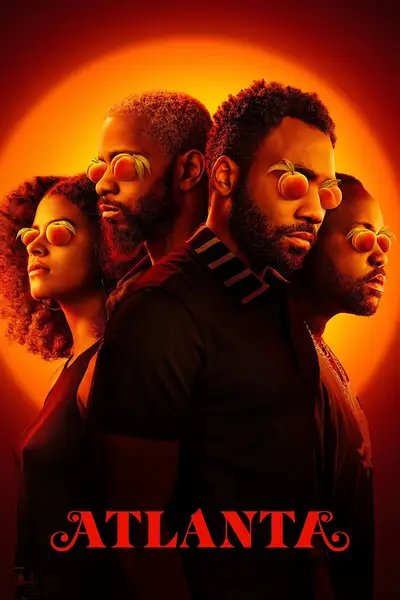
In contemporary Atlanta, Donald Glover has crafted something genuinely groundbreaking—a series that defies categorization while capturing the absurdity and struggle of Black life in America. Glover stars as Earn, a Princeton dropout managing his rapper cousin Paper Boi (Brian Tyree Henry) while navigating poverty and ambition. What sets this apart is its willingness to experiment wildly: one episode might be a straightforward character study, the next a surrealist horror piece or biting social commentary. The show's humor ranges from observational to bizarre, often within the same scene, and the writing trusts viewers to keep up without explanation. LaKeith Stanfield and Zazie Beetz round out a phenomenal ensemble. This is television that takes risks and actually earns its acclaim—essential viewing that rewards attention and repeated watches.
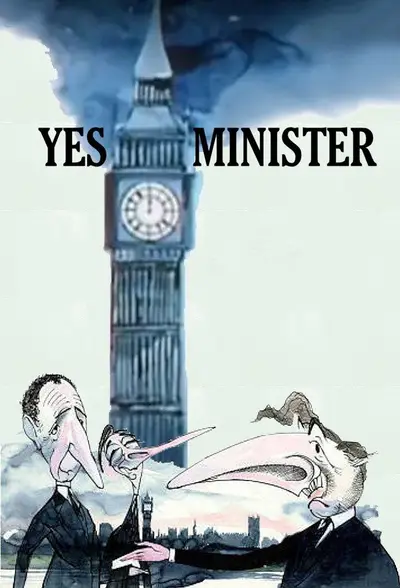
Antony Jay and Jonathan Lynn crafted one of the most brilliant political satires ever televised with this razor-sharp British comedy that remains devastatingly relevant decades later. Paul Eddington stars as Jim Hacker, the well-meaning but often bewildered Minister for Administrative Affairs, who quickly discovers that his idealistic plans for reform are constantly undermined by his supremely cunning Permanent Secretary, Sir Humphrey Appleby (Nigel Hawthorne, in a tour-de-force performance). The verbal sparring between these two, with Derek Fowlds' Bernard Woolley caught in the middle, is nothing short of magnificent—witty, intricately constructed, and loaded with institutional insight. What makes the show genuinely exceptional is how it exposes the machinery of government with surgical precision while remaining hilariously entertaining. Every episode is a masterclass in writing, timing, and performance. Essential viewing for anyone interested in politics, comedy, or simply television at its absolute finest.
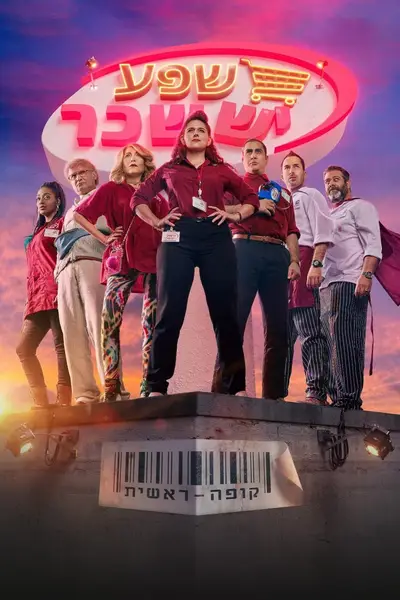
At its core, this Australian workplace comedy examines identity, belonging, and the mundane struggles of working-class life through the daily operations of a suburban supermarket. Creator Nakkiah Lui brings sharp observational humor to the retail environment, finding comedy in the small indignities and unexpected connections that occur between customers and staff. The ensemble cast, featuring Lui herself alongside Ngali Shaw and Majeda Beatty, creates a believable workplace family navigating everything from difficult customers to corporate absurdity. The show's authentic portrayal of multicultural Australia feels refreshingly genuine rather than performative, with diverse perspectives emerging naturally from the characters and setting. While the supermarket premise might sound limiting, the writing finds endless material in this microcosm of society, delivering both laughs and surprisingly touching moments about finding community in unexpected places.

Set behind the scenes of a fictional low-budget Italian television series, this mockumentary brilliantly skewers the entertainment industry with razor-sharp wit and uncomfortable authenticity. The Roman production world becomes a character itself—ego-driven, dysfunctional, and absurdly hilarious. Created by Luca Manzi and Mattia Torre, the series follows director René Ferretti and his crew as they navigate impossible deadlines, temperamental actors, and their own creative compromises. The mockumentary format captures the chaos perfectly, with handheld cameras and confessional interviews that reveal the gap between artistic ambition and commercial reality. The ensemble cast is phenomenal, creating deeply flawed characters who are simultaneously infuriating and oddly sympathetic. What elevates Boris to brilliance is its specificity—the industry details feel lived-in and authentic, yet the themes about artistic integrity, workplace dynamics, and personal dignity resonate universally. The humor is often dark and always intelligent, rewarding viewers who appreciate satire with actual bite. It's essential viewing for anyone who's ever worked in a creative field.
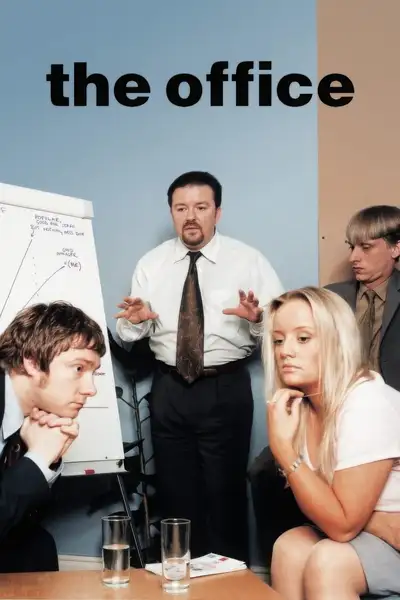
This workplace mockumentary from creators Ricky Gervais and Stephen Merchant revolutionized comedy television with its uncomfortable silences, cringe-inducing moments, and painfully realistic characters. Set in the Slough branch of the Wernham Hogg paper company, the show finds both humor and pathos in the mundane routines of office life. Gervais stars as David Brent, a delusional manager whose desperate need for approval makes him simultaneously pathetic and oddly sympathetic. The documentary-style filming creates an intimacy that makes every awkward moment land with maximum impact, while Martin Freeman grounds the show as the relatable Tim Canterbury. Though it only ran for two series plus specials, the British original remains a masterclass in character-based comedy. Its influence on television comedy—particularly its American adaptation—cannot be overstated.
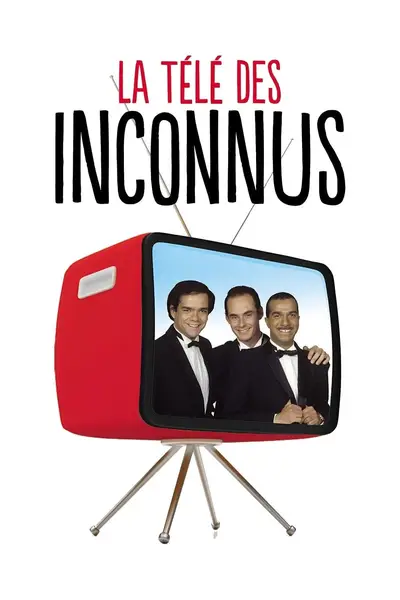
At its core, "La Télé des Inconnus" is about the absurdity of French culture, media, and social conventions, filtered through the brilliantly twisted minds of comedy trio Les Inconnus. Didier Bourdon, Bernard Campan, and Pascal Légitimus created something truly special with this sketch series that became a defining voice of early '90s French television. Their characters—from the self-important television presenters to bewildered everyday citizens—skewer pretension with surgical precision while maintaining an underlying affection for their targets. The writing demonstrates remarkable sophistication, layering visual gags with verbal wordplay and cultural references that reward repeated viewing. What makes the show endure beyond its era is its keen observation of human behavior; the specifics may be French, but the foolishness is universal. The trio's chemistry is electric, each member bringing distinct energy while functioning as a seamless unit. This is comedy that respects its audience's intelligence.
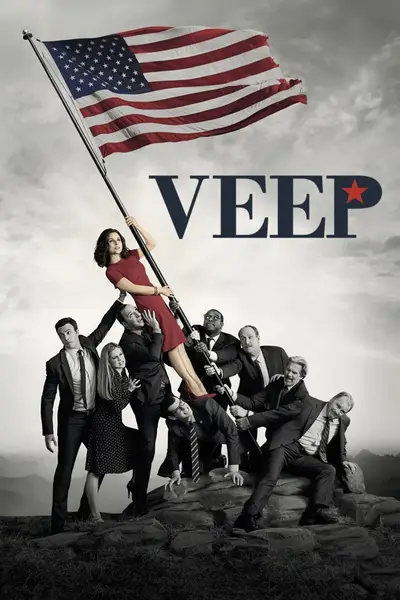
In the corridors of Washington D.C.'s political machine, Armando Iannucci's masterful comedy dissects American democracy with surgical precision and devastating wit. Julia Louis-Dreyfus delivers a career-defining performance as Selina Meyer, a vice president—and later president—whose ambitions are constantly undermined by her own team's incompetence and her talent for saying exactly the wrong thing. The writing is razor-sharp, with insults and political maneuvering flying at a breakneck pace that rewards repeat viewing. The supporting ensemble, including Tony Hale, Anna Chlumsky, and Matt Walsh, creates a dysfunctional family of staffers whose loyalty and backstabbing exist in equal measure. It's political satire that feels increasingly prescient with each passing year, managing to be both hilarious and uncomfortably accurate.
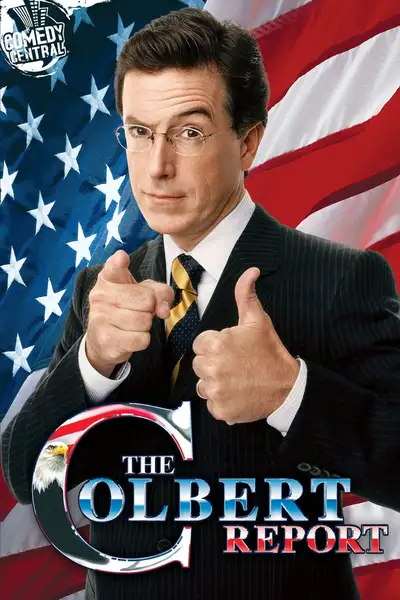
In this series, Stephen Colbert created an unforgettable character—a pompous, conservative pundit who satirized cable news blowhards with devastating effectiveness for nine brilliant years. Here was political satire at its finest, with Colbert maintaining his character throughout every episode, delivering faux-right-wing commentary that exposed the absurdities of political rhetoric through exaggeration and deadpan commitment. The show's format, styled after personality-driven news programs like The O'Reilly Factor, allowed Colbert to interview real politicians, authors, and celebrities while never breaking character, creating often hilarious moments of satirical tension. The writing team crafted segments like "The Word" that combined visual jokes with Colbert's monologues for layered comedy that rewarded close attention. Beyond the laughs, the show coined terms like "truthiness" that entered the cultural lexicon and provided sharp commentary on American political discourse. Whether skewering politicians or staging elaborate jokes, Colbert's commitment to the character made every episode consistently entertaining.
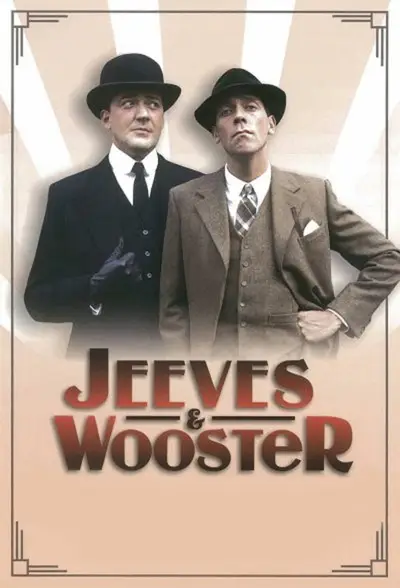
Delightful from start to finish, this adaptation of P.G. Wodehouse's beloved stories captures the perfect comedic partnership between an airheaded aristocrat and his unflappable valet. Stephen Fry and Hugh Laurie bring impeccable timing and obvious affection for the source material to their roles as Jeeves and Wooster respectively. The series faithfully preserves Wodehouse's distinctive language while making the 1920s setting accessible and visually sumptuous. Each episode presents Bertie Wooster stumbling into some social catastrophe—usually involving ill-advised engagements or imperious aunts—only to be rescued by Jeeves' superior intellect and discretion. The chemistry between Fry and Laurie makes even the most convoluted plots a pleasure to follow, while the supporting cast of eccentric aristocrats and determined young women provides endless comic opportunities. The production design authentically recreates the period with warmth rather than stiffness. It's comfort television of the highest order, sophisticated without being pretentious.
Craig Ferguson brought his irreverent Scottish charm and genuine curiosity to CBS's late-night slot for a decade, creating something distinctly different from his competitors' more structured offerings. Rather than simply playing a host character, Ferguson often seemed to be conducting a nightly experiment in conversational chaos, abandoning prepared questions to pursue whatever tangents interested him and his guests. The show's loose, playful energy—complete with robot skeleton Geoff Peterson and the occasional puppet—made for unpredictable viewing that could be brilliantly funny or occasionally meandering. Ferguson's willingness to get philosophical, flirtatious, or just plain weird set the show apart, and his best interviews felt like genuine conversations rather than promotional obligations. However, this freewheeling approach didn't always land, and viewers seeking tight comedy or celebrity news sometimes found the show too undisciplined. The lack of traditional structure was both the show's greatest strength and occasional weakness, making it a late-night offering that inspired devotion from its fans while never quite breaking through to broader mainstream success.
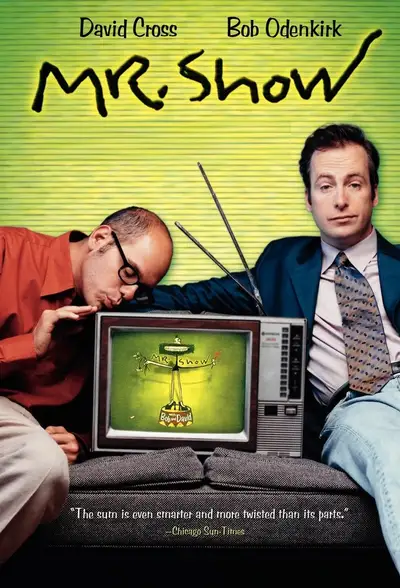
Bob Odenkirk and David Cross created this influential sketch comedy series that pushed boundaries with its absurdist humor and willingness to experiment with format. The show operates on a higher level of comedic sophistication than typical sketch programs, with recurring characters, callbacks across episodes, and sketches that blur the line between live performance and pre-recorded material. Odenkirk and Cross demonstrate remarkable range, inhabiting characters from pretentious actors to deranged motivational speakers with total commitment. The writing never telegraphs punchlines, trusting the audience to keep pace with rapid tonal shifts and conceptual humor. Guest performers including Jack Black, Sarah Silverman, and Paul F. Tompkins contribute memorable moments throughout the run. While the lo-fi production values were born of budget constraints, they became part of the show's aesthetic identity. The influence on subsequent comedy can't be overstated, with countless performers citing it as inspiration. It remains sharp, strange, and frequently hilarious.
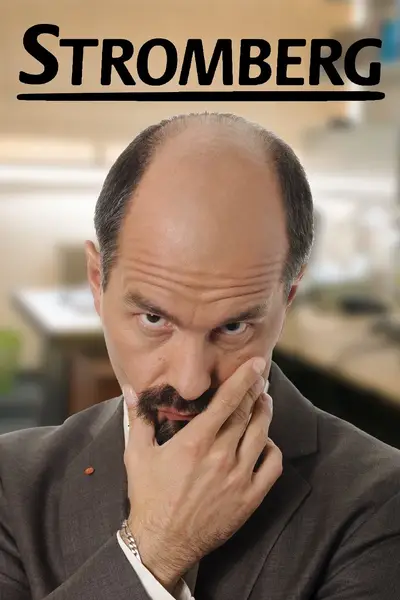
Set in a German insurance company, this mockumentary follows the cringe-inducing antics of incompetent middle manager Bernd Stromberg as he terrorizes his claims department with tactless comments and delusional self-importance. Created by Ralf Husmann and starring Christoph Maria Herbst in a brilliantly uncomfortable performance, the series predates the American and British office comedies while carving out its own distinct identity. Herbst makes Stromberg simultaneously repulsive and oddly human, surrounded by a talented ensemble including Bjarne Mädel as the perpetually suffering Berthold. The show's deadpan humor and observational comedy capture the soul-crushing mundanity of office life with remarkable precision. Sharp writing and fearless performances make this one of Germany's finest comedy exports, proving that workplace dysfunction translates across all cultures.
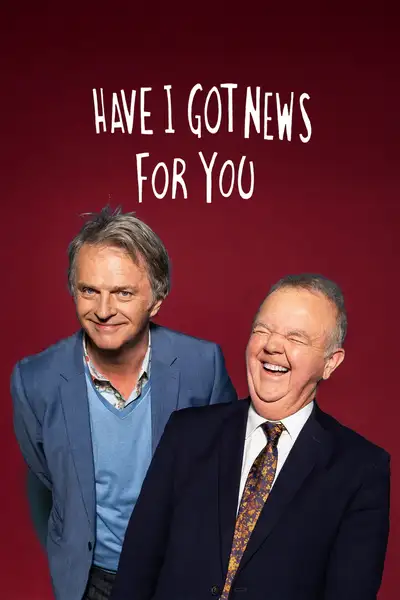
In this long-running British panel show, team captains and celebrity guests compete to deliver the funniest takes on the week's news headlines. Created by producers at Hat Trick Productions, the series has become a beloved institution of British comedy, combining sharp political satire with quick-witted improvisation. Various hosts over the years, including the late Angus Deakin, have presided over the chaos as Ian Hislop and Paul Merton trade barbs and dissect current events with biting humor. The format's simple brilliance lies in how it transforms actual news into comedy gold, making political awareness genuinely entertaining. For viewers who appreciate British wit and aren't afraid of comedy that takes aim at politicians of all stripes, this remains required viewing.
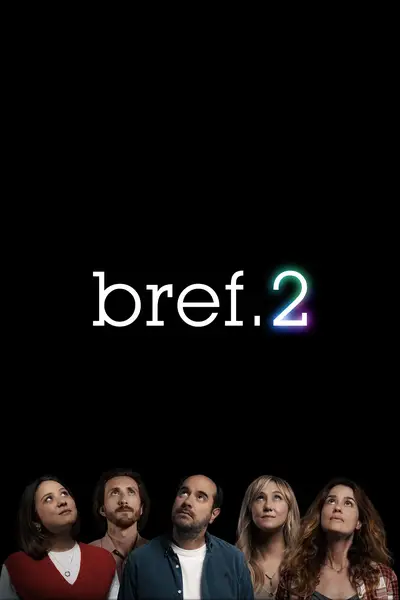
In this brilliantly concise French comedy series, each episode distills a slice of modern life into brief vignettes that somehow feel both absurdist and utterly relatable. Creator Kyan Khojandi stars as a young man navigating the mundane frustrations and occasional victories of everyday existence, from awkward social encounters to existential moments in the grocery store. The episodes rarely exceed a couple of minutes, yet the writing packs remarkable observational humor into that compressed timeframe. The minimalist approach—often just Khojandi speaking directly to camera—strips away everything except the essential comedy, resulting in something that feels fresh and contemporary. The series became a cultural phenomenon in France, spawning countless imitations, and it's easy to see why. It's the perfect format for our attention-challenged era, delivering sharp social commentary and genuine laughs before you can even settle into your seat.
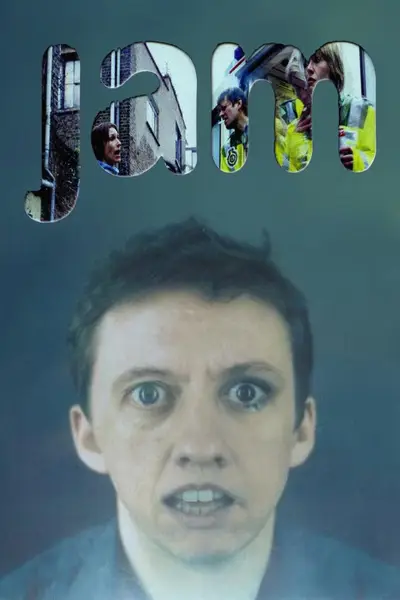
A darkly surreal sketch show pushes the boundaries of late-night television into genuinely unsettling territory. Created by Chris Morris, "Jam" takes the experimental format of its radio predecessor "Blue Jam" and translates it into a visual nightmare of distorted imagery, uncomfortable silences, and pitch-black comedy. The sketches blur together through heavy visual processing and ambient soundscapes, creating an atmosphere more akin to a fever dream than traditional comedy. Morris leads an ensemble cast through scenarios that explore human anxiety, mortality, and social awkwardness with unflinching honesty and zero concern for audience comfort. This isn't comedy designed to make you laugh out loud—it's designed to unsettle, provoke, and linger in your mind long after viewing. For adventurous viewers willing to embrace the uncomfortable, "Jam" remains a singular achievement in television that has rarely been matched for sheer audacity.
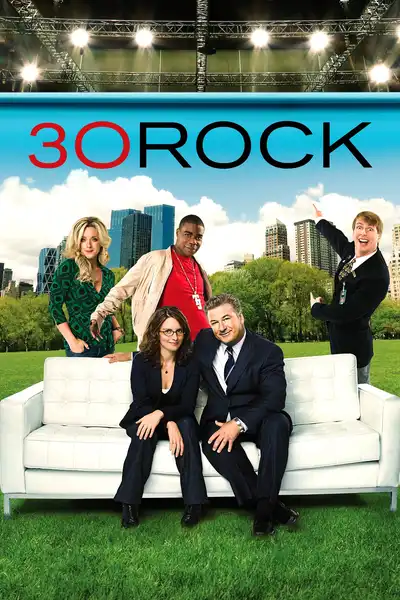
In this series from Tina Fey, the backstage chaos of a fictional sketch comedy show called TGS provides the setting for rapid-fire jokes and satirical takes on television production, corporate culture, and celebrity absurdity. Fey stars as head writer Liz Lemon alongside Alec Baldwin as network executive Jack Donaghy and Tracy Morgan as unpredictable star Tracy Jordan, while Jane Krakowski rounds out the main cast as attention-seeking actress Jenna Maroney. The show's joke-per-minute ratio is undeniably impressive, and when the writing connects, it delivers some of the sharpest workplace comedy on television. However, the relentless pace occasionally sacrifices character development for punchlines, and certain running gags wear thin over seven seasons. The series works best when it focuses on the Liz-Jack dynamic, where the writing sharpens and the performances elevate the material. It's an influential comedy that pioneered many techniques now standard in the genre, even if revisiting it reveals more unevenness than its reputation might suggest.