Russian Shows
Russian television has emerged as a powerhouse of compelling storytelling, combining raw emotional depth with distinctive Eastern European aesthetics that have captivated global audiences. From gritty crime dramas set against post-Soviet backdrops to beloved animated series that have become cultural phenomena, Russian shows offer viewers an unfiltered window into the country's complex social landscape and rich artistic traditions. Whether you're drawn to psychological thrillers that push narrative boundaries, historical epics that bring pivotal moments to life, or contemporary dramas exploring modern Russian society, the best Russian shows deliver performances and production values that rival premium Western television. This carefully curated selection spans decades of Russian-language television, showcasing everything from classic series that defined generations to cutting-edge streaming originals making waves on international platforms. Expect to encounter award-winning performances, innovative cinematography, and stories that range from darkly comedic to profoundly moving—all united by the bold creative vision that makes Russian television so distinctively powerful and increasingly sought-after by discerning viewers seeking fresh perspectives beyond mainstream entertainment.
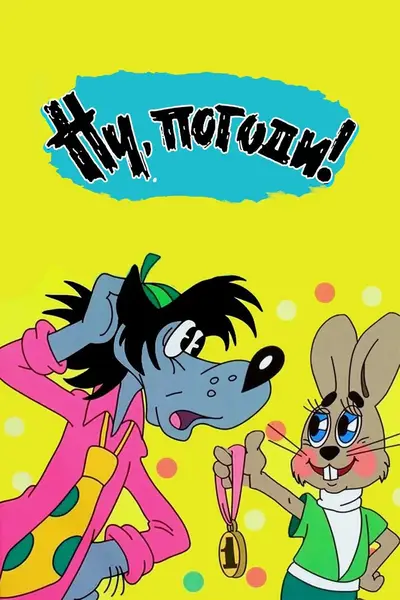
This classic Soviet animated series perfectly captures the timeless cat-and-mouse chase formula through the perpetual rivalry between a mischievous hare and the wolf who's determined to catch him. Created by Vyacheslav Kotyonochkin and spanning nearly two decades of production, the wordless episodes rely on expressive animation, slapstick humor, and memorable musical cues to tell their stories. The wolf's elaborate schemes to capture the clever hare always backfire in inventive and hilarious ways, following a formula that never grows stale thanks to the animators' creativity and attention to detail. What elevates this beyond simple children's entertainment is the cultural richness embedded in each episode—the characters visit recognizable Soviet locations, and the series subtly reflects the changing times across its many installments. Generations of viewers across Russia and Eastern Europe grew up with these characters, and the show's popularity endures because the comedy is genuinely funny and the craftsmanship evident in every frame. It's a treasure of animation history that transcends language barriers.

Vasily Livanov delivers a definitive portrayal of Sherlock Holmes in this Soviet adaptation that stands among the finest interpretations of Arthur Conan Doyle's legendary detective. Paired brilliantly with Vitaly Solomin as the steadfast Dr. Watson, Livanov captures both the detective's razor-sharp intellect and his more human moments with remarkable nuance. Director Igor Maslennikov crafts a faithful yet atmospheric take on classic cases including "The Hound of the Baskervilles" and "The Adventures of Sherlock Holmes and Dr. Watson," with Victorian London brought to life through meticulously detailed production design. The series respects the source material while adding its own distinctive visual style, and the chemistry between the leads creates a genuinely compelling friendship at the heart of each mystery. For fans seeking a more grounded, character-driven approach to Holmes, this Russian gem rewards patient viewing.
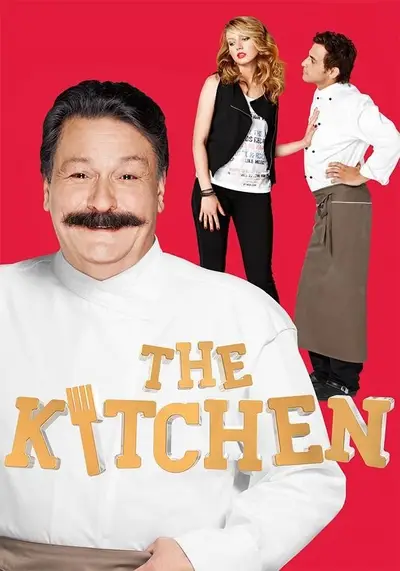
In the bustling environment of a London restaurant's kitchen, the pressures of professional cooking and the complicated relationships between staff members create both comedy and drama in this British series. Created by the comedy collective We Are Klang, the show features ensemble performances from Rhashan Stone, Tom Goodman-Hill, and Michelle Terry as chefs and servers navigating the chaos of meal service and their personal lives. The restaurant setting provides natural opportunities for both workplace comedy and exploration of hierarchy, creativity, and ambition under pressure. The series captures the specific culture of professional kitchens—the camaraderie, the conflicts, the intensity of service—with authenticity that suggests real familiarity with the environment. The ensemble cast creates believable relationships, finding both humor and pathos in characters who spend their days in voluntary high-stress situations. It's a well-observed workplace comedy that understands how the particular pressures of restaurant life can reveal character in entertaining ways.
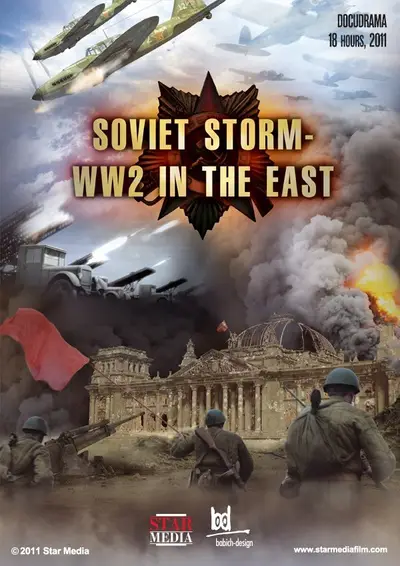
The Eastern Front of World War II, often overshadowed in Western media, receives comprehensive and gripping treatment in this Russian documentary series that chronicles the brutal four-year struggle between Nazi Germany and the Soviet Union. Utilizing extensive archival footage, detailed battle maps, and expert commentary, the series presents military history with clarity and dramatic force. Each episode focuses on a major campaign or turning point, from the initial shock of Operation Barbarossa through Stalingrad, Kursk, and ultimately the fall of Berlin. What distinguishes this production is its ability to convey both the strategic dimensions of these massive operations and the staggering human cost on all sides. The narration, available in multiple languages, maintains an appropriate gravity without veering into melodrama. The combat footage is extraordinary, much of it rarely seen in Western documentaries, providing visceral immediacy to events that shaped the modern world. For anyone seeking to understand the largest and deadliest theater of the Second World War, this series offers an essential and thoroughly engaging education.
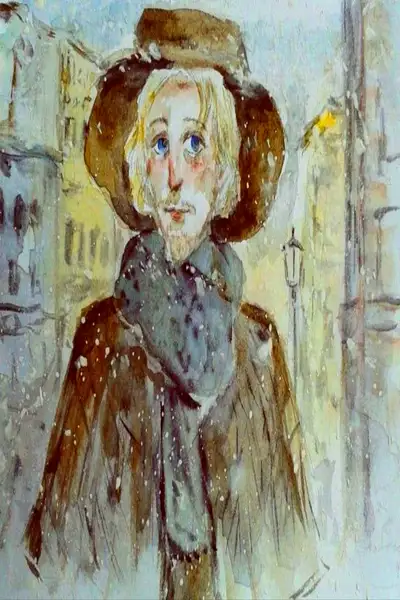
When an idealistic and possibly naive prince returns to St. Petersburg society, his goodness collides with the cynicism and corruption of Russian aristocracy in this compelling adaptation of Dostoevsky's classic novel. The series follows Prince Myshkin as he becomes entangled with two very different women—the damaged, desperate Nastasya and the innocent Aglaya—while navigating a world that views his sincerity as either saintliness or stupidity. Director Vladimir Bortko brings psychological depth to this complex material, allowing the philosophical dimensions to emerge naturally through character interaction rather than exposition. Evgeny Mironov delivers a remarkable performance as Myshkin, capturing the character's essential purity without making him seem simpleminded. The production values evoke period Russia convincingly, while the pacing allows Dostoevsky's themes of morality, suffering, and redemption to breathe. This is literary adaptation done right, honoring the source material's complexity while remaining cinematically engaging throughout its runtime.
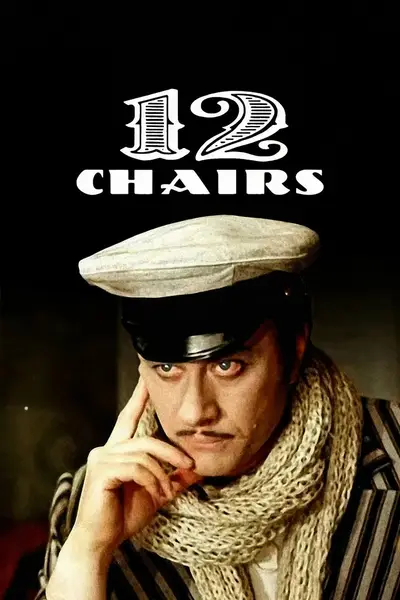
In this Soviet-era miniseries, a treasure hunt unfolds across post-revolutionary Russia as desperate characters search for jewels hidden in one of twelve identical chairs. Directed by Mark Zakharov and based on the beloved satirical novel by Ilf and Petrov, the adaptation captures both the absurdity and pathos of people scrambling for wealth in a society that officially abolished it. The episodic structure allows the story to breathe as the con man Ostap Bender (Archil Gomiashvili) leads the search, encountering a colorful array of Soviet citizens along the way. The humor works on multiple levels—slapstick comedy sits alongside subtle social satire that critiques bureaucracy and human greed. The production design evokes the period beautifully, while the performances balance farce with genuine emotion. It's both entertaining adventure and clever commentary, demonstrating how classic literature can translate effectively to serialized television.
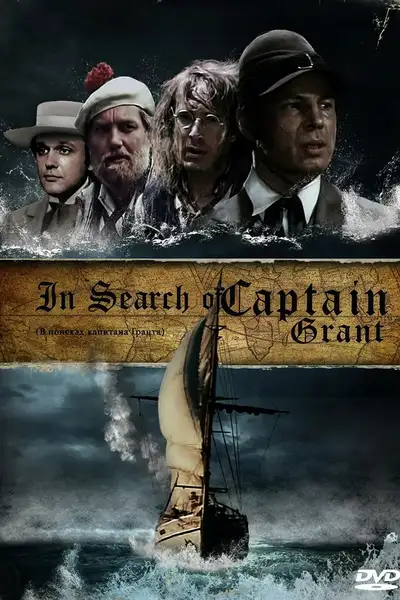
In 19th-century Scotland and across international waters, a determined rescue expedition embarks on a perilous journey to find a missing aristocrat, adapting Jules Verne's adventure novel for Soviet television. This lavish production transforms Verne's geographical odyssey into compelling serialized storytelling, following Captain Grant's children and their allies across continents and oceans. The series captures the spirit of Victorian-era exploration with impressive practical effects and location shooting that emphasizes the expedition's dangers and wonders. The ensemble cast brings earnest commitment to characters facing shipwrecks, treacherous natives, and natural disasters with period-appropriate fortitude. While the pacing reflects its era's more leisurely storytelling conventions, the show rewards patient viewers with genuine adventure and faithful adaptation of Verne's geographical detail. The production values remain impressive for 1980s television, creating an immersive experience that captures why Verne's novels captivated generations with their blend of scientific curiosity and romantic adventure.
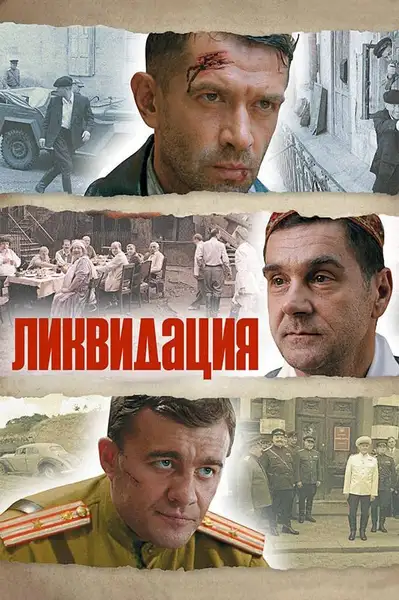
Vladimir Mashkov leads an exceptional ensemble as a Soviet police investigator tackling organized crime in post-WWII Odessa in this gripping Russian crime drama. Set in 1946, the series follows a team of detectives working to dismantle criminal networks that flourished during the war's chaos, bringing order to a city struggling to rebuild. The period detail is remarkably authentic, from the war-ravaged streets to the moral complexity of a society trying to define justice after unprecedented trauma. The writing doesn't paint simple heroes and villains but instead explores how desperation and survival instincts shaped both criminals and lawmen. The production values are impressive, with cinematography that captures the noir atmosphere while maintaining its own visual identity. It's procedural storytelling elevated by strong character work and historical context that adds weight to every investigation.

Zinovy Gerdt voices the endlessly optimistic Captain Vrungel in this beloved Soviet animated series about a sailor whose misadventures stem from both bad luck and questionable decision-making. Directed by David Cherkassky and based on Andrey Nekrasov's novel, Adventures of Captain Vrungel follows the captain and his crew as they attempt to sail around the world, encountering absurd situations and colorful characters at every port. The animation style captures the aesthetic of late Soviet-era cartoons with charm and personality, while the episodic structure keeps the pace brisk and entertaining. What makes the series endure is its clever wordplay and satirical edge, which adults appreciate alongside the slapstick that delights younger viewers. The supporting cast, including the hapless Lom and various maritime rogues, creates a rich world of comedic possibility. For anyone interested in animation beyond Western traditions or seeking family-friendly adventure with wit and warmth, this classic series offers delightful escapism with distinctly Russian flavor.
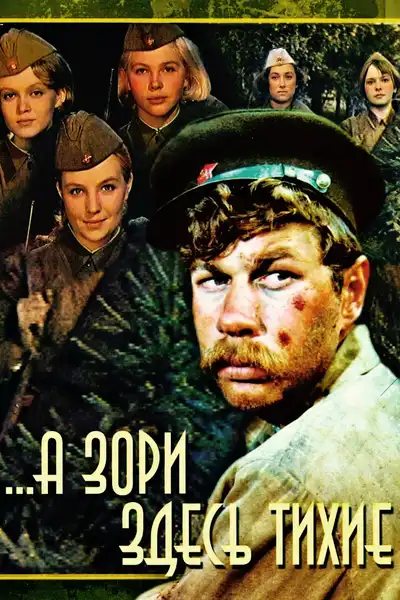
Directed by Stanislav Rostotsky and based on Boris Vasilyev's novel, this Soviet miniseries depicts five young women serving in an anti-aircraft unit during World War II who face an impossible situation when they encounter German soldiers. The 1972 adaptation is renowned for its sensitive portrayal of the female soldiers, treating them as fully realized individuals rather than symbols. The cast—including Olga Ostroumova, Yelena Drapeko, and Yekaterina Markova—delivers performances that capture both the youth and the resolve of these characters caught between duty and survival. Rostotsky's direction emphasizes the human cost of war, focusing on quiet moments that reveal character as much as the eventual confrontation. The title, which translates to "The Dawns Here Are Quiet," becomes increasingly poignant as the narrative unfolds. It's powerful anti-war cinema that doesn't rely on spectacle but on the careful observation of ordinary people in extraordinary circumstances.
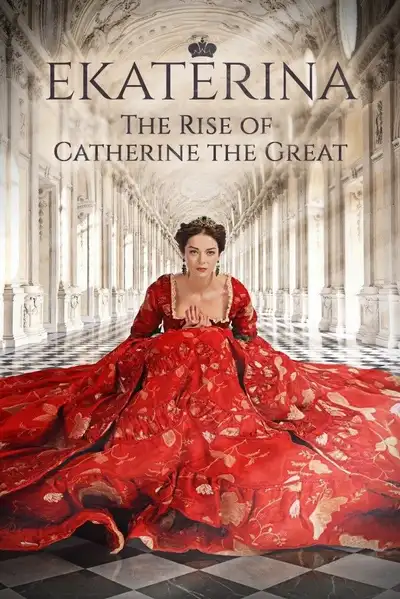
Marina Aleksandrova commands the screen as the future Catherine the Great in this lavish Russian historical drama that chronicles the transformation of a young German princess into one of history's most powerful monarchs. Created by Alexander Barshak and Ilya Tilkin, the series traces Catherine's journey from her arrival in Russia through her early years at the imperial court, capturing both the political intrigue and personal sacrifices that shaped her destiny. The production values are genuinely impressive, with sumptuous costumes and meticulously recreated 18th-century settings that transport viewers directly into the opulent world of the Russian Empire. Aleksandrova brings remarkable depth to Catherine, portraying her evolution from naïve outsider to shrewd political operator with nuance and intelligence. For anyone fascinated by royal history or strong female characters navigating treacherous political waters, this is compelling viewing.
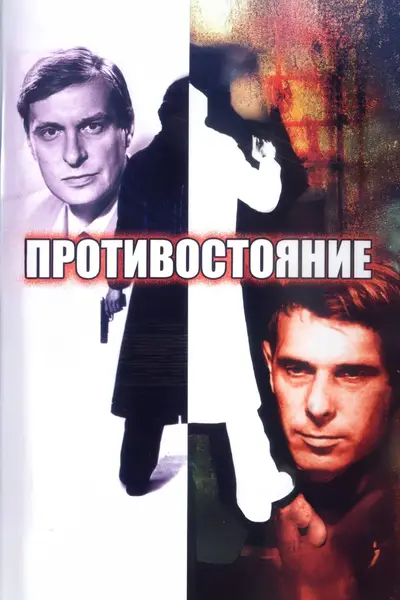
This Australian miniseries dramatizes the true story of the 1978 Sydney Hilton Hotel bombing and its aftermath, which marked a turning point in Australia's approach to counterterrorism. The narrative follows multiple perspectives as investigators race to solve the attack while political forces clash over the implications and response. Director George Ogilvie crafts a taut thriller that captures the paranoia and urgency of the era, with strong performances from the ensemble cast bringing authenticity to this pivotal moment in Australian history. The series excels at balancing procedural elements with character-driven drama, exploring how national tragedy reshapes institutions and individuals alike. Confrontation stands as an important document of a defining moment that transformed Australia's security landscape and political culture.
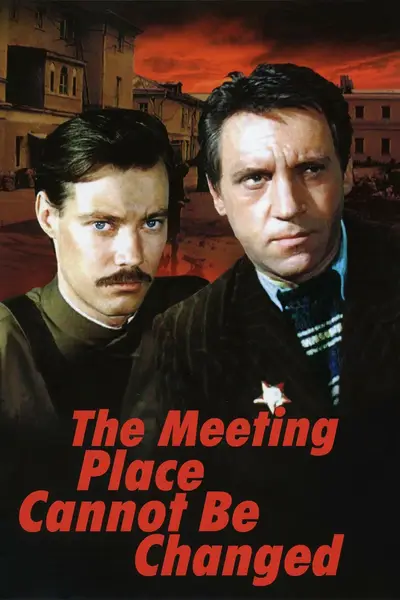
At its core, this is a meditation on justice, morality, and the thin line between order and chaos in post-war Soviet society. Directed by Stanislav Govorukhin and starring Vladimir Vysotsky in an iconic performance, the 1979 miniseries follows a team of Moscow detectives hunting a brutal criminal gang in 1945. Vysotsky's portrayal of the streetwise detective Zheglov became legendary, bringing a rough charisma and moral complexity to a character operating in a world where the rules are still being written. The period detail is excellent, capturing a Moscow still scarred by war, and the script balances police procedural elements with deeper questions about ends justifying means. The dynamic between Vysotsky's character and his more idealistic partner creates compelling dramatic tension throughout. Decades later, it remains essential Soviet television.

Boris Khmelnitsky delivers a commanding performance as the titular Mikhaylo Lomonosov in this compelling Soviet-era biographical series that chronicles the remarkable life of Russia's polymathic genius. The production traces Lomonosov's journey from humble fisherman's son to pioneering scientist, poet, and founder of Moscow State University, capturing both his intellectual brilliance and personal struggles against the rigid class structures of 18th-century Russia. Director Alexander Proshkin crafts an engaging historical narrative that balances educational content with genuine dramatic tension, making complex scientific and cultural achievements accessible to modern audiences. The series excels in its period detail and thoughtful exploration of how one determined individual can reshape a nation's academic and cultural landscape through sheer force of will and intellect.
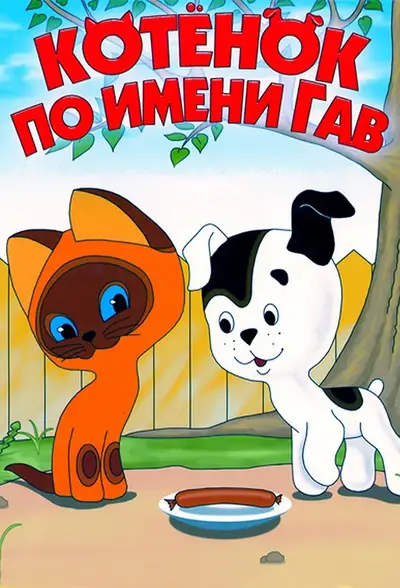
This charming animated series follows the unlikely friendship between a puppy named Sharik and a kitten who barks instead of meows, creating delightful confusion in their Soviet-era neighborhood. Created by Lev Atamanov and featuring the vocal talents of prominent Russian voice actors, the show captures the innocent wonder of childhood through its animal protagonists. Each episode presents gentle life lessons about acceptance, friendship, and finding your place in the world, all wrapped in beautifully hand-drawn animation that showcases the artistry of 1970s Soviet animation studios. The kitten's identity crisis—caught between what he is and how he sounds—becomes a surprisingly touching metaphor that resonates across cultures and generations. The stories are simple but never simplistic, with humor that appeals to both children and adults watching together.
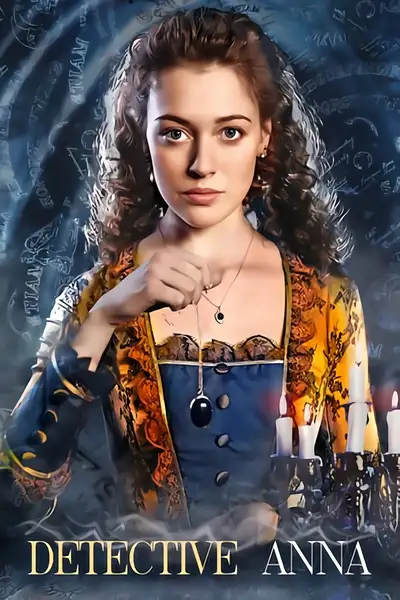
Set in late 19th-century Russia, this period mystery series introduces a remarkably progressive female detective who uses psychology and intuition to solve crimes in Zatonsk, a provincial town where tradition reigns supreme. Anna Medium possesses an unusual gift that allows her to see into the hearts and minds of others, making her an invaluable—if controversial—asset to local law enforcement. Actress Anna Chipovskaya brings intelligence and determination to the title role, creating a character who challenges the rigid gender expectations of her era while navigating complex criminal cases. Each investigation reveals layers of society from aristocrats to peasants, with period detail that immerses viewers in Imperial Russia. The series successfully blends historical drama with procedural elements, offering satisfying mysteries alongside character development. It's a refreshing take on the detective genre that deserves attention from fans of both period pieces and crime dramas.
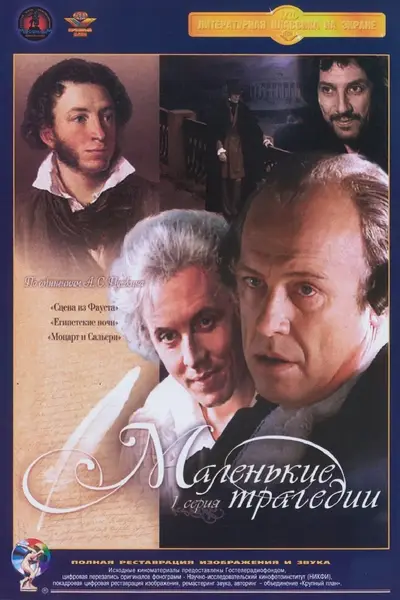
This anthology series adapts four of Alexander Pushkin's dramatic works into a stunning visual and theatrical experience. "Little Tragedies" brings literary heritage to the screen with reverence and bold artistic choices, transforming classic texts into something that feels immediate and vital. Director Mikhail Schweitzer approaches each of the four stories—"The Miserly Knight," "Mozart and Salieri," "The Stone Guest," and "A Feast in Time of Plague"—with distinct visual styles while maintaining thematic cohesion. The performances are uniformly excellent, with actors including Innokenty Smoktunovsky and Sergei Yursky delivering Pushkin's dialogue with both gravitas and naturalism. The production values showcase Soviet television at its artistic peak, with careful cinematography and thoughtful staging. While rooted in 19th-century works, the themes of jealousy, death, and human weakness remain powerfully relevant, making this essential viewing for anyone interested in Russian culture or literary adaptations.
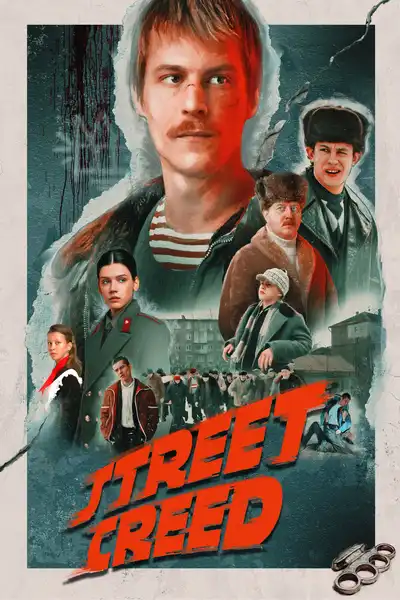
Rodion Galyuchenko delivers a raw, compelling performance as Andrey, navigating the brutal world of late Soviet-era Kazan in this gripping coming-of-age drama. Created by Zhora Kryzhovnikov, "The Boy's Word: Blood on the Asphalt" immerses viewers in the street gang culture of 1980s Russia, where teenage boys fight for respect, territory, and survival in a society on the brink of collapse. The series doesn't shy away from the violence and hardship of the era, yet finds moments of genuine humanity and brotherhood among its young characters. The authentic period detail and unflinching storytelling create a visceral experience that feels both historically specific and universally resonant. With strong ensemble work and direction that captures the gritty texture of the streets, this Russian series offers a powerful window into a world rarely seen in Western television.
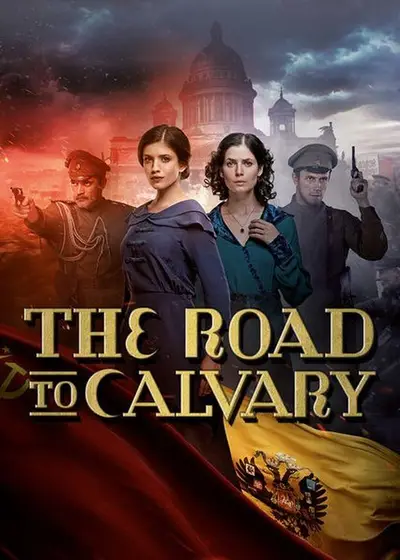
Ambitious in scope, this Russian historical epic adapted from Aleksey Tolstoy's novel follows two sisters whose lives are upended by World War I and the Russian Revolution. The series spans over a decade of tumultuous history, tracing how personal destinies intertwine with national tragedy as the characters navigate war, revolution, and civil conflict. The production values are impressive, with detailed period recreation and sweeping cinematography that captures both intimate moments and large-scale historical events. The ensemble cast delivers committed performances that help viewers connect emotionally despite the epic scale. While the series occasionally struggles with pacing across its many episodes, it succeeds in humanizing a complex historical period through compelling personal stories. For viewers interested in Russian history or epic literary adaptations, it offers a worthwhile journey through a transformative era.
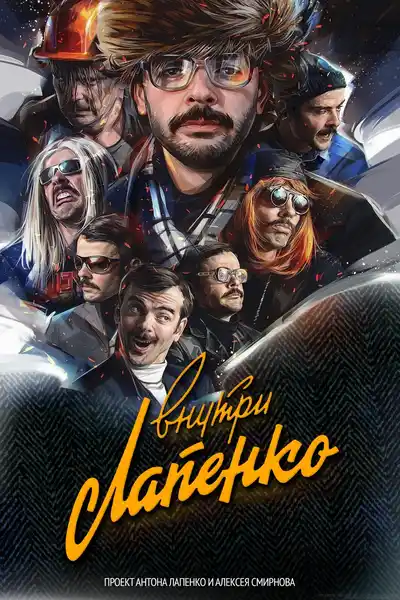
In contemporary Russia, comedian Anton Lapenko creates and stars in this sketch comedy series featuring a rotating cast of absurd characters navigating everyday situations with surreal logic. Each episode presents Lapenko in various roles—from confused bureaucrats to hapless citizens—as he explores the peculiarities of modern Russian life through deadpan humor and uncomfortable scenarios. The show's comedy relies heavily on awkward silences, mundane absurdity, and Lapenko's remarkable ability to inhabit completely different characters with distinct physicality and mannerisms. While some sketches land better than others, the series maintains a consistent off-kilter tone that rewards viewers who appreciate dry, observational humor. The low-budget aesthetic actually enhances the comedy, making the bizarre situations feel grounded in recognizable reality. Lapenko's willingness to embrace uncomfortable cringe comedy and stretch sketches to their breaking point creates moments of genuine hilarity alongside occasional misfires. For fans of character-based sketch comedy with a distinctly Russian sensibility, the series offers a fresh comedic voice.
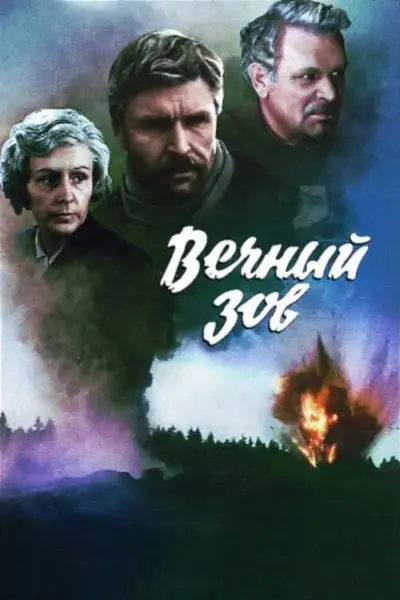
The tension between old world traditions and revolutionary change drives this sprawling Soviet epic that chronicles a Siberian family's journey through decades of Russian history. Eternal Call follows multiple generations as they navigate the tumultuous period from before World War I through the establishment of Soviet power, with personal loyalties constantly tested by political upheaval. Based on Anatoly Ivanov's novel, the series spans an impressive scope—both temporal and emotional—as family members find themselves on opposing sides of historical conflicts. The production captures the harsh beauty of Siberian landscapes while investing deeply in character development across its substantial runtime. What elevates the series beyond propaganda is its willingness to show complexity in human motivation, even as it ultimately endorses Soviet ideology. The performances bring authenticity to people caught between personal desires and historical forces beyond their control. It's ambitious storytelling that demands patience but rewards viewers interested in how ordinary lives intersect with extraordinary times.