Romance Musical Movies
When love takes center stage and hearts soar through song, romance musical movies create pure cinematic magic that transcends generations. These enchanting films blend the emotional depth of romantic storytelling with the spectacular artistry of musical theater, delivering unforgettable tales where couples express their deepest feelings through show-stopping song and dance numbers. From the golden age of Hollywood to contemporary masterpieces, the greatest romance musicals have captivated audiences with their ability to turn courtship into choreography and dialogue into melody. Whether you're drawn to lavish Broadway adaptations, intimate indie musicals, or classic studio spectaculars featuring legendary performers, this carefully curated collection of 21 films celebrates every era of the genre. Discover timeless black-and-white treasures where elegance meets entertainment, groundbreaking foreign language gems that proved love needs no translation, and modern musical romances that have redefined the genre for new audiences. Each film offers something unique—from period pieces dripping with old Hollywood glamour to contemporary love stories set against vibrant cityscapes—but all share that irresistible combination of romance, music, and movement that makes musical love stories so uniquely powerful and endlessly rewatchable.

At its heart, this is a film about dreamers who dare to pursue their passions despite the odds. Damien Chazelle's modern musical follows Ryan Gosling's jazz pianist Sebastian and Emma Stone's aspiring actress Mia as they fall in love in Los Angeles while chasing their artistic ambitions. The vibrant musical numbers burst with color and energy, the chemistry between Gosling and Stone is electric, and Justin Hurwitz's score is absolutely enchanting. Chazelle pays homage to classic Hollywood musicals while creating something that feels entirely fresh and contemporary. Stone delivers a career-best performance that captures both vulnerability and determination. It's a gorgeous love letter to dreamers everywhere, reminding us why we fall in love with movies in the first place.

A musical comedy triumph that announces a bold new voice in contemporary French cinema, this dazzling feature debut transforms familiar genre elements into something genuinely fresh and exhilarating. Director Jérémie Sein follows the misadventures of Johanne, a hapless dreamer navigating the chaos of modern Paris through elaborately choreographed song-and-dance numbers that range from intimate character moments to spectacular ensemble productions. The film's secret weapon is its willingness to embrace sincerity alongside absurdity, finding genuine emotional truth even in its most outlandish musical sequences. Lead performer Léa Luce is an absolute revelation, bringing infectious energy and surprising vulnerability to every scene while demonstrating impressive vocal and dance abilities. Cinematographer Mathieu Rousseau captures Paris in vivid, saturated colors that make the city itself feel like a character. This is the rare musical that respects the intelligence of its audience while never forgetting that pure entertainment has value too.

A nameless street musician and a Czech immigrant flower-seller meet in Dublin and discover a musical connection that might lead to something more—if they can overcome their circumstances and fears. Director John Carney's luminous film is the rare musical that feels utterly authentic, built around real performances by stars Glen Hansard and Markéta Irglová, who wrote and perform the songs themselves. What could have been a simple romance becomes something more textured and bittersweet as these two people navigate their complicated feelings while creating music that captures everything they struggle to say. The handheld camera and natural Dublin locations give the film an intimate, almost documentary feel that makes the musical numbers feel organic rather than theatrical. "Falling Slowly" alone is worth the price of admission, but the entire soundtrack pulses with genuine emotion. Carney demonstrates that you don't need big budgets or elaborate production numbers to create a deeply moving musical—just honesty, talent, and heart. This is a small film that feels enormous.

Weimar-era Berlin springs to vivid, decadent life in Bob Fosse's electric adaptation of the Kander and Ebb musical, set against the ominous rise of Nazism. Liza Minnelli is absolutely magnetic as Sally Bowles, the willfully oblivious cabaret performer who embodies the desperate hedonism of the era, while Joel Grey's emcee provides an unnervingly prescient commentary on the gathering darkness. Fosse's decision to contain the musical numbers within the Kit Kat Klub itself gives the film a gritty realism that most musicals avoid, making the contrast between performance and reality even more powerful. The choreography is sharp and provocative, the cinematography gorgeous, and the underlying political commentary remains chillingly relevant. This is musical cinema at its most sophisticated and emotionally devastating, anchored by performances that crackle with desperate energy.

Laurence Connor and Nick Morris helm this magnificent recording of Andrew Lloyd Webber's beloved musical, staged at London's Royal Albert Hall for the show's 25th anniversary celebration. Ramin Karimloo and Sierra Boggess lead an extraordinary cast through this tale of obsession, beauty, and tragedy beneath the Paris Opera House, delivering performances that capture both the grandeur and intimacy of the material. The Royal Albert Hall setting allows for spectacular staging, with the full orchestra surrounding the playing space and creating an immersive sonic experience that few productions can match. Every note soars, every shadow deepens, and the emotional core of the Phantom's doomed love story hits with devastating impact. The cinematography captures both sweeping tableaux and subtle facial expressions, making this feel cinematic while preserving the theatrical magic. Whether you're a longtime devotee or new to the musical, this is simply the definitive filmed version—a breathtaking achievement that demonstrates why this show has captivated audiences for decades.

Norman Jewison brings warmth and sweep to this magnificent adaptation of the beloved musical about Jewish life in Imperial Russia. Topol delivers an iconic performance as Tevye, the milkman whose conversations with God and struggles to maintain tradition while his daughters embrace modernity form the story's emotional backbone. Jewison's direction balances the big production numbers—brilliantly choreographed by Jerome Robbins—with intimate family moments that give the story its heart. The songs by Jerry Bock and Sheldon Harnick remain as powerful as ever, from the celebratory "To Life" to the heartbreaking "Far From the Home I Love." The film doesn't shy from darker historical realities, with the encroaching pogroms providing sobering context for the characters' joys and sorrows. At three hours, it earns every minute through sheer craft and humanity.

Nick Cartell takes on the iconic role of Jean Valjean in this spectacular filmed version of the beloved musical, performed at the Gielgud Theatre for the show's 35th anniversary. Director Nick Morris captures the intimacy of the concert staging while ensuring the performances translate powerfully to screen. The stripped-down production places complete focus on the performers and the timeless score, without elaborate sets or costumes to distract from the raw emotion. Cartell leads a phenomenal cast that includes Carrie Hope Fletcher as Fantine and Earl Carpenter as Javert, each bringing vocal prowess and deep emotional commitment to their roles. The staging allows viewers to appreciate the intricate orchestrations and vocal arrangements in ways a full theatrical production sometimes obscures. For fans of Les Misérables, this represents an essential document of the show's enduring power, while newcomers will find it an accessible and deeply moving introduction to one of musical theatre's crown jewels.
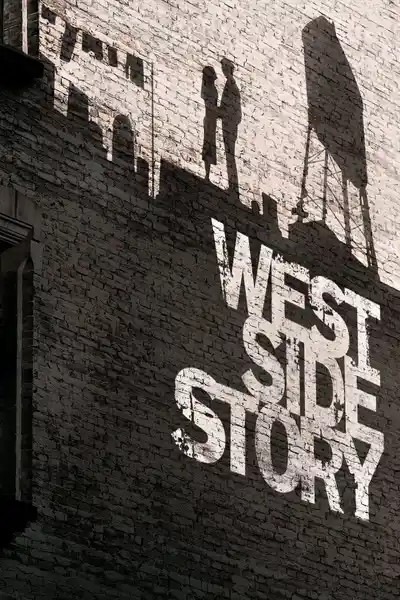
Rachel Zegler as Maria brings fresh passion and a stunning voice to Steven Spielberg's vibrant reimagining of the classic musical, proving that this tale of forbidden love still resonates powerfully. Spielberg, directing his first musical, approaches the material with reverence while making bold choices that enhance both the social commentary and emotional stakes of the Romeo and Juliet-inspired story of rival gangs in 1950s New York. Ansel Elgort matches Zegler's intensity as Tony, while the supporting cast—including Ariana DeBose in an Oscar-winning performance as Anita—brings remarkable energy to the iconic songs and newly choreographed dance numbers by Justin Peck. Tony Kushner's screenplay sharpens the cultural specificity and adds dimension to characters who sometimes felt like archetypes. The film honors the original while feeling vital and immediate, a remarkable achievement that justifies its existence beyond mere nostalgia.

At the center of this audacious experimental epic lies cinema itself—its possibilities, limitations, and relationship to storytelling. Director Mariano Llinás constructs a sprawling 14-hour film comprised of six distinct stories, each exploring different narrative conventions and genres while deliberately subverting expectations. The ambition alone is staggering, but what makes the project remarkable is how consistently engaging it remains across its considerable runtime. Llinás and his ensemble cast approach each segment with infectious creative energy, whether delving into spy thriller territory, romantic melodrama, or metaphysical mystery. The film becomes a playful meditation on how stories are constructed and the contract between filmmaker and audience. While the length requires significant commitment, viewers willing to take the journey will find themselves rewarded with moments of genuine brilliance, humor, and cinematic inventiveness. It's a love letter to the medium that challenges conventional notions of what a film can be, resulting in something genuinely unlike anything else.

Jon M. Chu brings the beloved Broadway musical to spectacular life in this lavish adaptation that serves as Part One of the Wicked story, chronicling the unlikely friendship between Elphaba and Glinda at Shiz University. Cynthia Erivo delivers a powerhouse performance as the green-skinned outcast Elphaba, bringing both vocal prowess and emotional depth to every scene, while Ariana Grande surprises with her comedic timing and character work as the bubbly Glinda. The production design is immersive and detailed, creating a fully realized Oz that honors the stage production while embracing cinematic scale. Chu choreographs the musical numbers with energy and invention, particularly in show-stopping sequences like "Defying Gravity," which soars both literally and figuratively. Jonathan Bailey adds charisma as Fiyero, and the film takes its time developing relationships and themes of prejudice and power. For musical theater enthusiasts and newcomers alike, this is a thoroughly enchanting experience.

Utterly charming and impeccably performed, this filmed Broadway revival captures the Roundabout Theatre Company's production of the classic musical with infectious warmth and theatrical vitality. Director Scott Ellis helms this adaptation of the Joe Masteroff-Jerry Bock-Sheldon Harnick musical about two feuding perfume shop clerks in 1930s Budapest who unknowingly fall in love as anonymous pen pals. Laura Benanti and Zachary Levi lead the ensemble with sparkling chemistry and vocal prowess, supported by a cast that includes Jane Krakowski and Gavin Creel in perfectly calibrated comedic performances. The intimate staging translates beautifully to screen, preserving the production's theatrical origins while the camerawork draws viewers into the romantic and comedic intricacies. The score's witty, sophisticated numbers feel fresh despite the show's vintage pedigree. For those who can't access Broadway or miss the energy of live theater, this captures everything wonderful about musical comedy at its most romantic and delightful, proving that sometimes a straightforward filming of a stage production is exactly what's needed.

This exuberant musical adaptation brings Lin-Manuel Miranda's Tony-winning stage show to vivid cinematic life, celebrating the vibrant Latino community of Washington Heights. Director Jon M. Chu orchestrates dazzling dance numbers that spill through New York City streets, transforming the neighborhood itself into a character. Anthony Ramos leads an ensemble cast as Usnavi, a bodega owner dreaming of a better life while grappling with what it means to call a place home. The film pulses with energy, color, and infectious musical numbers that range from intimate character moments to spectacular community celebrations. Miranda's score blends hip-hop, salsa, and traditional Broadway stylings into something uniquely joyful. While the runtime occasionally feels indulgent, the film's heart and cultural specificity shine through. The choreography is phenomenal, and the cast's chemistry makes you believe in this tight-knit community facing gentrification and change.

In this film, director Jacques Demy reimagines a classic fairy tale through a kaleidoscope of color, whimsy, and thinly veiled Freudian psychology. Catherine Deneuve stars as a princess who flees her kingdom when her father, the king, decides he must marry her after his wife's death. What follows is a visually sumptuous fantasy where Deneuve disguises herself in the titular donkey skin while a prince becomes obsessed with finding her. Demy collaborates with his frequent creative partner, composer Michel Legrand, whose score enhances the film's dreamlike quality, while costumes by Gilles Aucaigne and production design by Jacques Dugied create a storybook world that feels both timeless and distinctly of its era. The film balances its darker psychological underpinnings with genuine enchantment, never losing sight of the fairy tale's inherent strangeness. Jean Marais appears as the king, bringing weight to what could have been a thankless role. Demy's direction embraces artifice and theatricality, creating a film that delights in its own magical impossibility.

This gleefully subversive comedy from John Waters finds the director in surprisingly accessible territory while maintaining his signature wit and outsider perspective. Set in 1962 Baltimore, the film follows plus-sized teenager Tracy Turnblad (Ricki Lake) as she dances her way onto a local TV show and challenges both beauty standards and racial segregation. Waters assembles a perfect cast including Divine in a warmly human performance as Tracy's mother, along with Debbie Harry, Sonny Bono, and Jerry Stiller. The film balances genuine sweetness with sharp social commentary, using the integrated dance floor as a microcosm for civil rights struggles without ever feeling preachy. Waters' affection for his characters and the era shines through every frame, creating a feel-good musical that earned its cult status and eventual mainstream Broadway adaptation while retaining its countercultural heart.

Ewan McGregor stars as Christian, a penniless writer who falls desperately in love with Nicole Kidman's Satine, the star courtesan of Paris's legendary Moulin Rouge nightclub. Baz Luhrmann's musical extravaganza explodes across the screen with anachronistic pop songs, frantic editing, and production design that feels like a fever dream dipped in absinthe and glitter. The film's bold choice to reimagine modern hits as turn-of-the-century showstoppers creates an intoxicating atmosphere that never lets up. Jim Broadbent adds theatrical menace as the jealous Duke, while the supporting cast throws themselves into the controlled chaos with admirable commitment. This is maximalist filmmaking at its finest—a love letter to both Parisian bohemia and the pure spectacle of cinema itself that rewards viewers willing to surrender to its relentless energy and unabashed romanticism.

Exuberant, raw, and deeply moving, this filmed performance captures Jonathan Larson's groundbreaking musical at the Nederlander Theatre with its original Broadway cast. Director Michael John Warren wisely keeps the focus on the performers and material, using multiple cameras to create an intimate experience that rivals being in the audience. The cast, including Will Chase, Eden Espinosa, and Michael McElroy, delivers the iconic score with passion and precision, reminding viewers why "Rent" became a cultural phenomenon. The show's themes of love, loss, and living authentically in the face of AIDS and poverty retain their power, and this production preserves performances that might otherwise have been lost to time. The staging and energy crackle through the screen, from the explosive opening of "Rent" through the devastating beauty of "Seasons of Love." While some may prefer more cinematic camera work, the theatrical presentation allows the material to speak for itself. This is essential viewing for musical theatre fans and a testament to Larson's enduring legacy.

In 1960s Baltimore, plus-sized teenager Tracy Turnblad dreams of dancing on a local TV show while challenging the city's segregated entertainment landscape. Director Adam Shankman's energetic adaptation of the Broadway musical fizzes with infectious joy, transforming John Waters' original concept into a crowd-pleasing celebration of inclusivity and acceptance. Newcomer Nikki Blonsky is perfectly cast as the irrepressible Tracy, radiating optimism and determination, while John Travolta takes a memorable turn as her supportive mother Edna. The supporting cast—including Michelle Pfeiffer, Christopher Walken, Queen Latifah, and Zac Efron—clearly relishes the material, delivering both humor and heart. The musical numbers are staged with genuine flair, and the film's message about diversity and body positivity feels both period-appropriate and surprisingly contemporary. It's feel-good entertainment that earns its upbeat spirit.

In this film adaptation of the groundbreaking Broadway musical, director Miloš Forman transports the hippie counterculture narrative to the cusp of the 1980s, following Claude, an Oklahoma draftee who encounters a tribe of bohemians in Central Park before shipping off to Vietnam. John Savage plays Claude with wide-eyed earnestness, while Treat Williams delivers an electric performance as Berger, the charismatic leader of the free-spirited group. Forman stages the musical numbers with infectious energy, from the exuberant title song to the psychedelic "Aquarius," making them feel organic rather than theatrical. The film captures both the joy and underlying desperation of the counterculture movement, acknowledging that the dream was already fading by the time the cameras rolled. Beverly D'Angelo and Annie Golden round out the ensemble with memorable turns. While purists debate the changes from the stage version, Forman's film stands as a vibrant time capsule that honors the musical's spirit while acknowledging its historical moment had passed. The soundtrack remains irresistible.

In 18th-century Korea during the Joseon Dynasty, director Im Kwon-taek brings the classic Korean folk tale of Chunhyang to life through the unique framework of pansori, a traditional form of musical storytelling. The film follows the romance between Chunhyang, the daughter of a courtesan, and Mongryong, the son of a magistrate, whose love faces severe testing when they're separated and a corrupt new governor demands Chunhyang become his concubine. What makes this adaptation distinctive is Im's decision to present the narrative as a pansori performance, with a singer and drummer providing live commentary and emotional context throughout. This meta-theatrical approach might initially seem distancing, but it becomes hypnotic, connecting viewers to centuries of Korean cultural tradition. The performances are deeply felt, and the visual compositions are stunning, making this a rewarding experience for those willing to embrace its deliberate, formally adventurous style.

Exuberantly joyful and irresistibly entertaining, this musical phenomenon remains an absolute blast over four decades later. John Travolta and Olivia Newton-John have electric chemistry as Danny and Sandy, the summer romance separated by social circles when school starts at Rydell High in the 1950s. Director Randal Kleiser keeps the energy high throughout, moving seamlessly between iconic musical numbers like "Greased Lightnin'" and "You're the One That I Want." The supporting cast, including Stockard Channing and Jeff Conaway, brings personality to every frame. Yes, some elements haven't aged perfectly, but the infectious spirit, memorable songs, and sheer entertainment value make this essential viewing. The film captures teenage yearning and social dynamics with a candy-colored vibrancy that feels timeless. Whether you're discovering it for the first time or revisiting, it's pure musical comfort food.

Victor Hugo's epic novel of redemption and revolution comes to the screen as a full-throated musical directed by Tom Hooper. Hugh Jackman delivers a powerful performance as Jean Valjean, the ex-convict seeking redemption, while Russell Crowe's Inspector Javert provides unwavering pursuit. Hooper's decision to record vocals live on set rather than in post-production creates raw, emotional performances—Anne Hathaway's "I Dreamed a Dream" is particularly devastating, earning her an Oscar. The film follows Valjean across decades of French history, culminating in the June Rebellion, with Eddie Redmayne and Amanda Seyfried representing the younger generation's romantic and revolutionary ideals. The musical numbers range from intimate solos to rousing ensemble pieces, and while purists might quibble with some casting choices, the commitment from the entire cast is undeniable. It's grand, emotionally manipulative in the best way, and faithful to the material's themes of mercy, justice, and human dignity.