Recent Western Shows
The American frontier is experiencing a golden age on television, with recent western shows delivering some of the most compelling drama and breathtaking cinematography seen in years. From gritty period pieces exploring the harsh realities of frontier life to contemporary takes on classic western themes, the genre has evolved dramatically while honoring its roots. These new western series blend traditional elements like sprawling ranches, complex moral codes, and untamed landscapes with modern storytelling techniques that examine family dynasties, Indigenous perspectives, and the ongoing clash between civilization and wilderness. Whether you're drawn to origin stories that trace how the West was won, crime dramas featuring legendary lawmen, or multi-generational sagas spanning decades of American history, this collection of 21 recent releases showcases the renaissance of western television. Streaming platforms and premium cable networks have invested heavily in high-quality productions that attract top-tier talent both behind and in front of the camera, resulting in prestige westerns that rival theatrical releases in scope and ambition. Saddle up for an exploration of the best western shows from the last five years that prove this enduring genre continues to captivate audiences with fresh perspectives on frontier life.
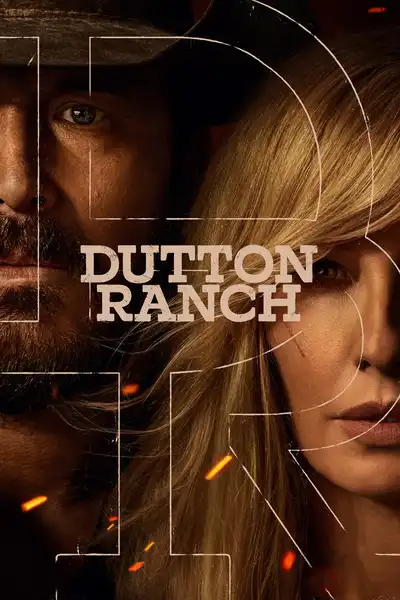
When a multi-generational family fights to maintain their sprawling cattle operation against corporate developers, shifting environmental policies, and internal power struggles, the stage is set for this gripping modern Western drama. Creator Taylor Sheridan brings his signature authenticity to Dutton Ranch, crafting a series that feels both epic in scope and intimately character-driven. The ensemble cast, led by Kevin Costner as the patriarch, delivers nuanced performances that elevate what could have been standard soap opera fare into something truly compelling. The cinematography captures the rugged beauty of ranch life while the writing tackles complex themes of legacy, land rights, and what it means to preserve a way of life in changing times. This is prestige television that earns its ambitions, offering viewers a richly textured world worth investing in week after week.
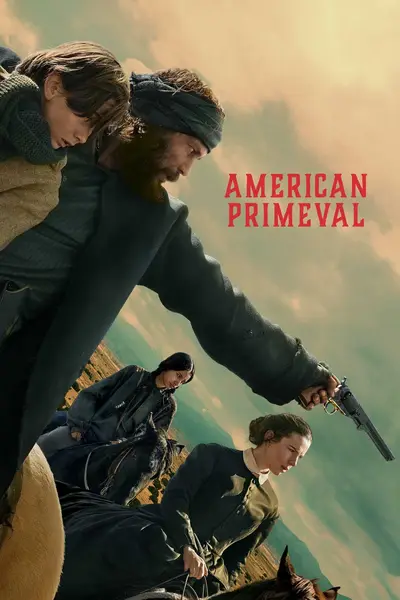
Mark L. Smith brings visceral authenticity to this unflinching portrayal of the American frontier during its most violent and transformative period. Set in 1857, "American Primeval" follows multiple characters whose paths converge in the brutal wilderness of the Utah Territory, where survival means navigating conflicts between settlers, Native tribes, and religious militias. Taylor Kitsch leads an exceptional ensemble cast in a series that refuses to romanticize the Old West, instead presenting it as a place of moral ambiguity and constant peril. The production values are stunning, with cinematography that captures both the stark beauty and the unforgiving harshness of the landscape. Smith's script doesn't shy away from the era's complexities, exploring the collision of cultures with nuance and respect. This is prestige television that earns its grimness through careful storytelling and powerful performances.
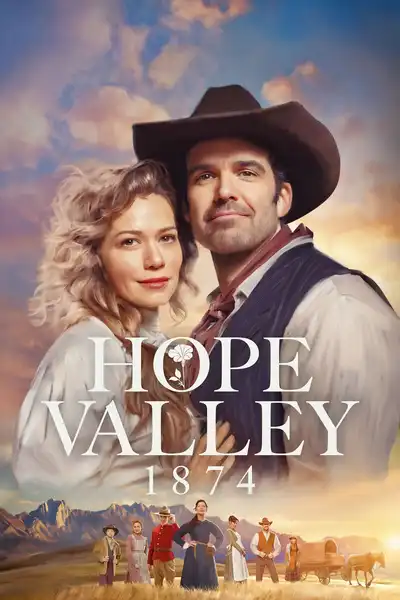
When a progressive teacher arrives in a frontier coal mining town and clashes with the company's controlling interests, the stage is set for a battle over education, labor rights, and community values. Hope Valley: 1874 transports viewers to the American West with attention to historical detail and character-driven storytelling that keeps the period setting from feeling dusty. Erin Krakow brings determination and warmth to her role as the schoolteacher navigating small-town politics and unexpected romance, while Daniel Lissing impressively balances authority and vulnerability as the local Mountie caught between corporate pressure and his conscience. Created by Michael Landon Jr., the series offers wholesome entertainment that doesn't shy away from addressing the era's real conflicts around industrialization and social change. The production values effectively evoke the frontier setting, and the ensemble cast creates a believable community worth investing in. It's thoughtful family viewing that respects both history and its audience's intelligence.
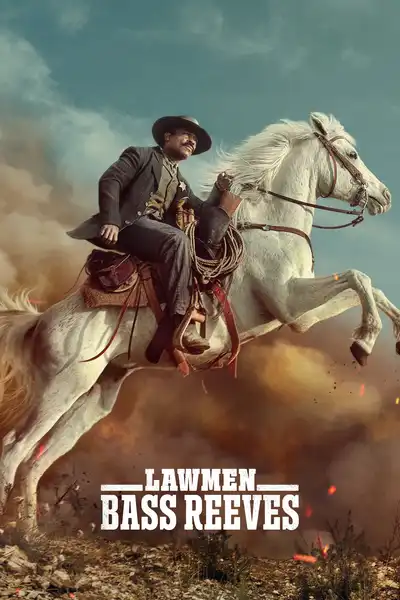
The post-Civil War American frontier provides the backdrop for this compelling historical drama about the legendary Black deputy U.S. marshal. David Oyelowo delivers a commanding performance as Bass Reeves, bringing dignity and complexity to the real-life lawman who arrested over 3,000 criminals during his career. Created by Chad Feehan and produced by Taylor Sheridan, the series doesn't shy away from the racial tensions and injustices Reeves navigated while enforcing the law in Indian Territory. The production values are impressive, with cinematography that captures both the harsh beauty of the frontier and the violence inherent to the era. Supporting performances, particularly from Lauren E. Banks and Dennis Quaid, add depth to the historical tapestry. While occasionally falling into familiar Western rhythms, the show successfully illuminates an overlooked American hero whose story deserves this spotlight.
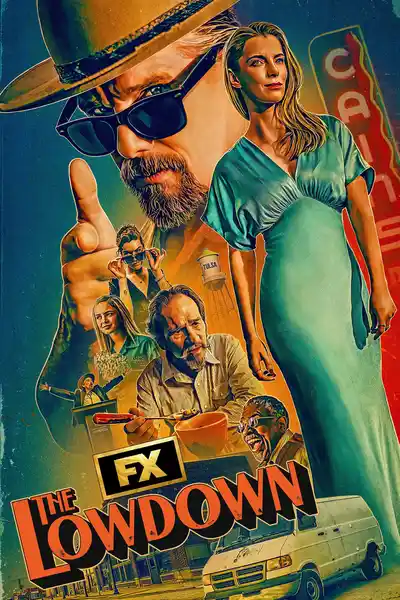
Light and breezy in tone, this series follows a group of entertainment journalists navigating the chaotic world of celebrity gossip and breaking news. The show embraces its frothy premise without pretending to be anything weightier, delivering quick-witted dialogue and energetic pacing. The ensemble cast demonstrates strong comic timing, though some characters could use deeper development beyond their initial archetypes. What works best is the show's insider perspective on media culture, offering gentle satire without becoming cynical or mean-spirited. The production moves quickly enough that weaker jokes don't linger, and there's genuine affection for the characters despite their sometimes shallow professional concerns. It's undemanding entertainment that knows exactly what it wants to be—a pleasant distraction with enough humor and personality to justify its runtime for viewers seeking something uncomplicated.
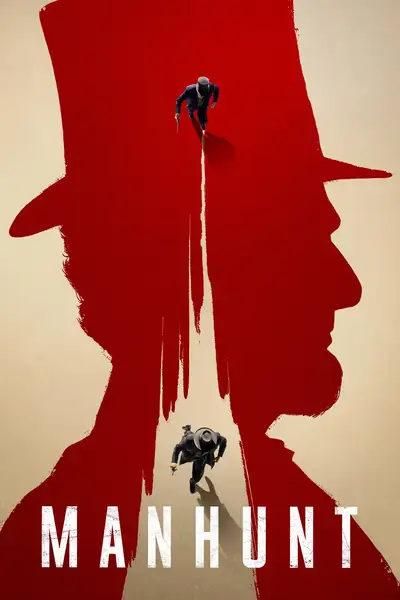
The hunt for John Wilkes Booth following Abraham Lincoln's assassination becomes the focus of this historical thriller that examines how a nation in chaos pursued justice. Tobias Menzies stars as Edwin Stanton, Lincoln's Secretary of War, who orchestrates the massive manhunt while navigating political intrigue in a capital city torn by grief and conspiracy theories. Created by Monica Beletsky, the series illuminates a lesser-known chapter of American history with attention to period detail and political complexity. Anthony Boyle brings intensity to his portrayal of Booth, while the supporting cast fills out a canvas of historical figures caught in the aftermath of tragedy. The show succeeds in building tension despite the known outcome, finding drama in the procedural elements of the investigation and the paranoid atmosphere of post-Civil War Washington. It's solid historical drama that educates while entertaining, never sacrificing accuracy for cheap thrills.
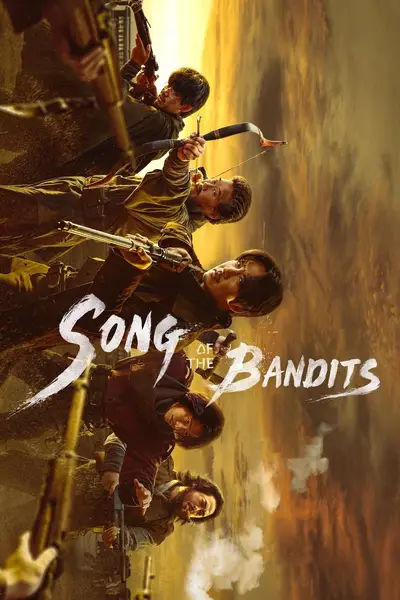
This rousing Korean period action series delivers kinetic energy and emotional weight in equal measure as it follows independence fighters in 1920s Manchuria. Kim Nam-gil leads an ensemble cast as bandits who rob from Japanese occupiers and corrupt officials during Korea's colonial period. The show balances thrilling heist sequences with genuine dramatic heft, never losing sight of the human cost of resistance. The action choreography is visceral and well-executed, while the production design convincingly recreates the era. Supporting performances, particularly from Seohyun and Yoo Jae-myung, add depth to what could have been stock characters. At nine episodes, the series maintains momentum without overstaying its welcome, delivering a satisfying arc that honors its historical context while providing solid entertainment. It's a well-crafted period piece that should appeal to fans of both Korean dramas and action cinema.
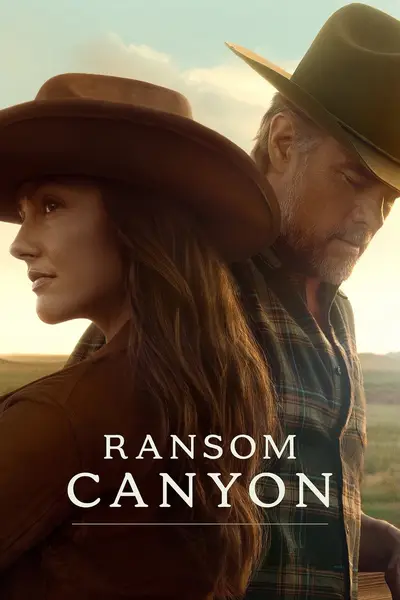
Earnest and traditional, this small-town drama set in Texas follows multiple families whose lives intertwine through romance, secrets, and community bonds. Based on novels by Jodi Thomas, the series aims for the heartland appeal of shows like "Virgin River" but struggles to establish its own identity. The cast includes recognically faces working with material that too often feels paint-by-numbers, hitting familiar beats without adding fresh perspective. The ranch and small-town settings provide pleasant enough backdrops, and there's clear affection for the source material, but the execution lacks the spark needed to make these stories feel urgent or particularly compelling. Viewers seeking gentle, low-stakes drama might find it serviceable, though the writing rarely surprises and the conflicts resolve predictably. It's comfort television that plays things very safe, for better and worse.
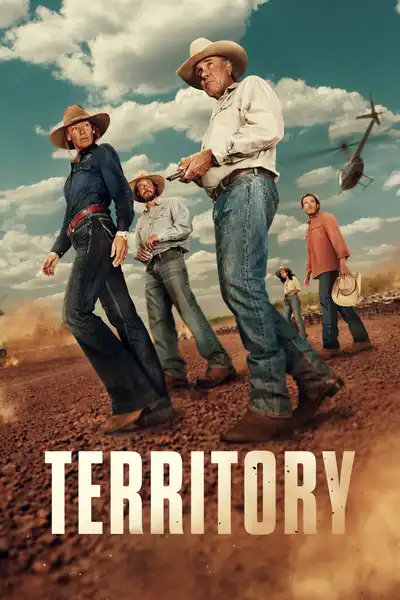
When the patriarch of the world's largest cattle station dies, his family must contend with rival claimants, internal betrayals, and outside forces seeking to take their land in this Australian drama set in the Northern Territory. Created by Timothy Lee and Ben Davies, the series attempts to blend family saga with contemporary Western, following the Lawson family as they fight to maintain control of their empire. The sweeping landscapes are gorgeously filmed, and the cast—including Anna Torv and Robert Taylor—brings gravitas to their roles. However, the plotting often favors melodrama over nuance, with character motivations shifting to serve twists rather than emotional truth. There's entertainment value in the sprawling narrative and power struggles, but the series doesn't quite earn its epic ambitions, settling instead for competent primetime drama.
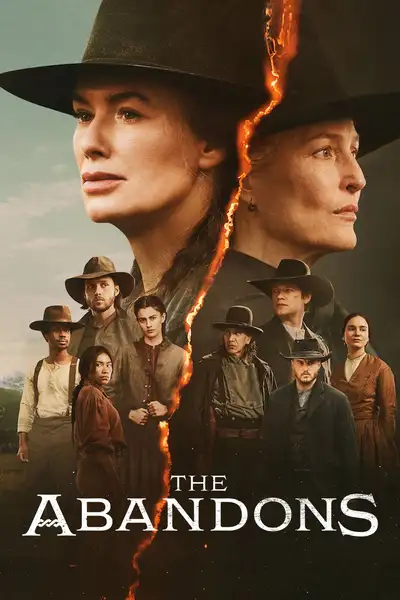
Lena Headey leads this Western drama as Margaret Forsyth, a widow navigating the brutal realities of frontier life in the 1850s Iowa territory. Created by Kurt Sutter, the series follows a disparate group of settlers attempting to build a community from nothing, facing harsh weather, scarce resources, and the ever-present threat of violence. The ensemble cast, including Gillian Anderson and Michael Dorman, brings depth to characters shaped by desperation and ambition. While the pacing occasionally lags during the first few episodes, the show finds its footing with strong character work and unflinching depictions of pioneer hardship. The cinematography captures both the beauty and menace of the unsettled landscape, and the performances elevate what could have been standard Western fare into something more nuanced. It's a solid addition to the genre that doesn't reinvent the wheel but executes its vision with competence and occasional flashes of brilliance.
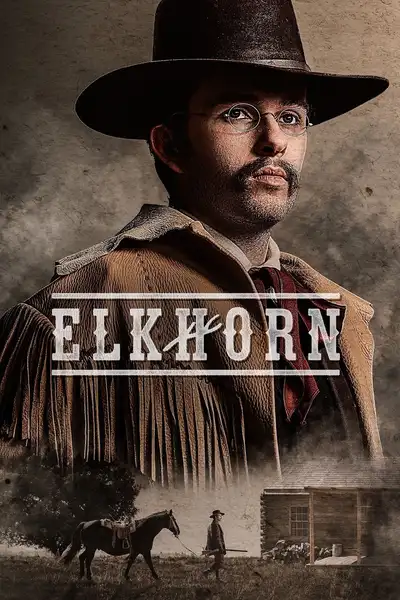
At the heart of this mystery series lies a decades-old disappearance that continues to haunt a small community and the investigator determined to solve it. Theodore Pellerin leads the cast as someone drawn into the cold case surrounding events in the titular town, where secrets run deep and everyone seems to harbor their own version of the truth. The atmospheric cinematography captures the isolation and unease of rural settings effectively, creating a suitably moody backdrop for the unfolding investigation. However, the pacing proves uneven, with some episodes lingering on red herrings while rushing through potentially significant developments. The supporting cast delivers adequate performances, though character motivations aren't always clearly established. The central mystery holds interest, but the series occasionally seems uncertain whether it wants to be a straightforward procedural or a more character-driven exploration of trauma and memory. Viewers seeking a compelling whodunit will find elements to appreciate, though the execution doesn't quite match the ambition.
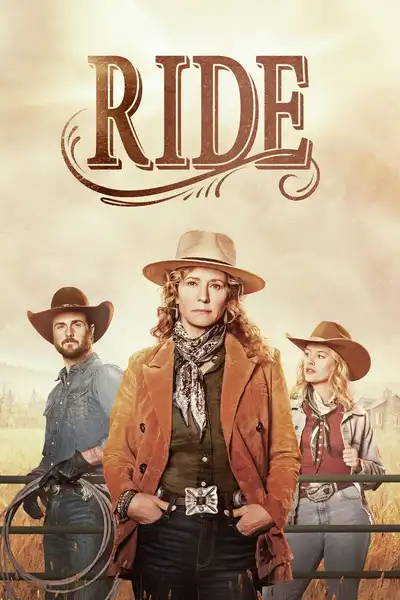
At its core, this series explores family legacy, tradition, and the weight of expectations when running a multi-generational rodeo business in the American West. Created by creator Holly Dale and starring Tyler Jacob Moore and Tiera Skovbye, Ride follows the McMurrays as they navigate the challenges of keeping their rodeo company viable while managing complicated family relationships and personal ambitions. The show balances its soap opera elements—romantic entanglements, sibling rivalries, business betrayals—with genuine respect for rodeo culture and the people who dedicate their lives to it. The Alberta filming locations provide authentic Western atmosphere, and the rodeo sequences are competently staged. Performances are solid across the ensemble cast, though the writing occasionally leans into melodrama when subtlety might serve better. It's not reinventing television drama, but for viewers seeking a family saga with a distinctive setting and conflicts rooted in both business pressures and personal desires, Ride offers accessible, watchable entertainment that respects its subject matter.
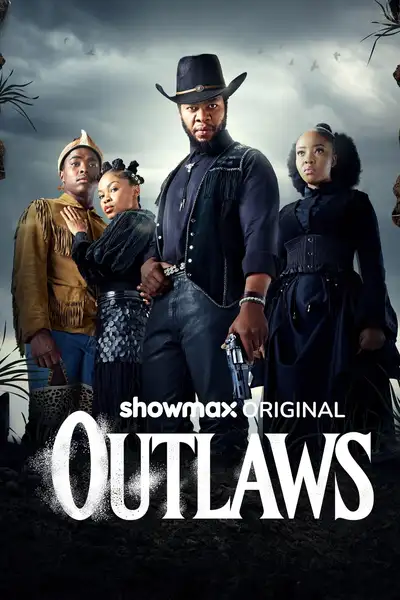
From creator Elgin James comes this crime drama that follows criminals attempting to navigate the dangerous underworld while managing personal relationships and shifting loyalties. "Outlaws" explores the code of honor among thieves and the consequences when that code breaks down, set against a backdrop of organized crime and territorial disputes. The ensemble cast delivers strong performances, particularly in tense confrontation scenes where allegiances are tested and violence simmers beneath surface civility. The writing balances action sequences with character development, giving time to explore motivations and relationships beyond the criminal activities. Production values are solid, with gritty cinematography that captures both the appeal and ugliness of the outlaw lifestyle. While the premise treads familiar crime drama territory, the execution elevates the material through sharp dialogue and morally complex characters who resist simple categorization. It's an engaging addition to the genre that should satisfy viewers looking for character-driven crime stories with substance beneath the surface tension.
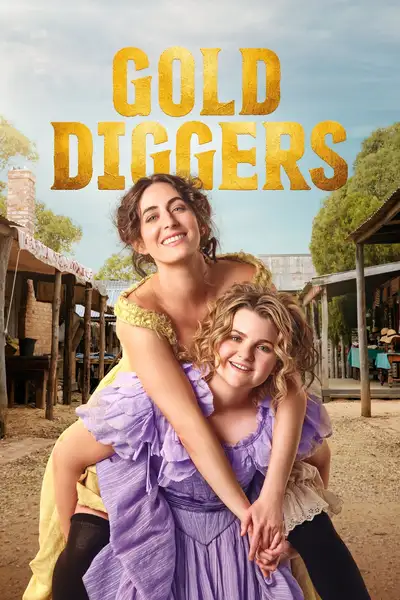
In this Spanish reality series, ordinary people are challenged to locate hidden treasures across diverse landscapes, combining elements of adventure competition with puzzle-solving and strategy. The format pits individuals or teams against each other in a race to decipher clues and reach buried gold, with the promise of real financial rewards adding stakes to the proceedings. What could have been a straightforward treasure hunt gains some complexity through the interpersonal dynamics that emerge under pressure—alliances form and fracture, personalities clash, and the physical demands of the competition take their toll. The Spanish locations provide scenic backdrops, and the production makes good use of drone footage to capture the scope of the search areas. However, the series sometimes feels stretched thin, with padding between actual moments of discovery or conflict. The host keeps energy levels up, and there's genuine suspense when competitors get close to their goals. It's entertaining enough as light viewing, offering armchair adventure without demanding too much intellectual or emotional investment from viewers.
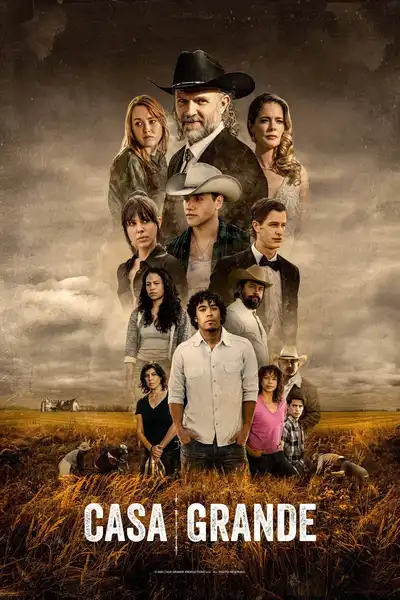
A wealthy family's carefully maintained façade begins cracking when long-buried secrets threaten to destroy their position in Brazilian high society. This drama mines familiar territory about privilege, deception, and the complexity of family bonds, though it brings enough specific cultural context to feel distinct from similar stories. The ensemble cast navigates shifting alliances and power dynamics as revelations force everyone to reassess their relationships. The series looks expensive, with attention paid to the costuming and set design that establishes the family's wealth and status. However, the plotting can feel predictable, hitting expected beats without always finding fresh angles on the material. Performances remain committed throughout, even when the writing doesn't quite match that energy. It's competent viewing for those drawn to family dynasty dramas, offering enough intrigue and emotional confrontation to sustain interest, though it rarely surprises. The production knows what it wants to be and delivers that experience reliably if not exceptionally.
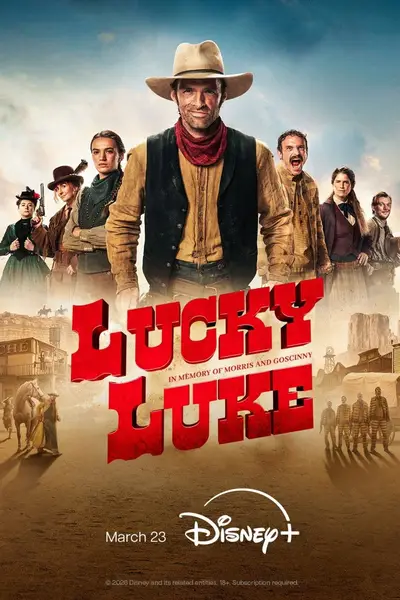
Uneven is perhaps the kindest way to describe this latest attempt to bring Morris and Goscinny's beloved comic cowboy to the screen. The series follows Lucky Luke, the fastest gun in the West who prefers talking to shooting, as he brings justice to various frontier towns with his faithful horse Jolly Jumper. While the show captures some of the source material's gentle humor and the animation style pays appropriate homage to the original artwork, the writing lacks the sharp wit that made the comics enduring classics. The voice cast does what they can with scripts that too often settle for obvious gags rather than clever satire, and the pacing feels stretched to fill runtime rather than driven by story necessity. Younger viewers unfamiliar with the original may find enough entertainment here, and occasional episodes recapture the spirit fans hope for, but overall this feels like a missed opportunity to do justice to a character who deserves better.
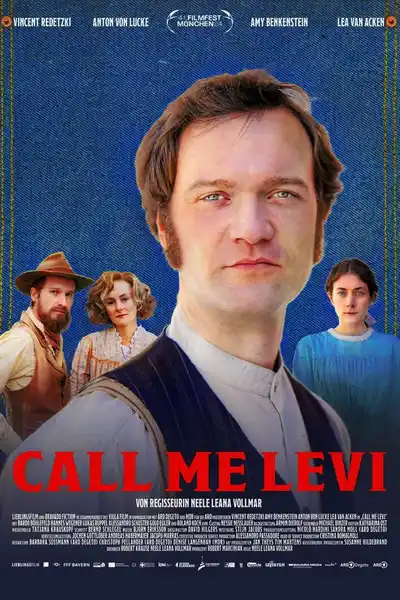
Contemporary urban settings frame this coming-of-age story that follows its titular character navigating identity and belonging in a rapidly changing world. The series attempts to tackle themes of cultural displacement and self-discovery through Levi's journey, though the execution doesn't always match its ambitions. There are moments of genuine insight scattered throughout, particularly in quieter character-driven scenes, but the writing sometimes struggles to find consistent footing between drama and lighter moments. The cast brings earnest commitment to their roles, even when the material doesn't fully support them. Production quality is competent without being remarkable, and the show occasionally falls into familiar coming-of-age tropes rather than carving its own path. For viewers seeking contemporary stories about identity, it offers enough to warrant attention, though it may not leave a lasting impression.
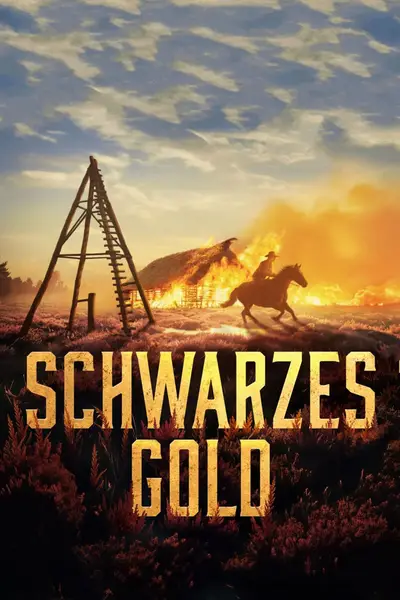
When a massive oil discovery promises to transform a struggling Texas town overnight, families find themselves torn between economic salvation and environmental preservation in this drama that aims for relevance but doesn't quite strike oil. Created by Michelle Ashford, *Black Gold* follows multiple interconnected storylines as roughnecks, landowners, and activists collide over drilling rights and community identity. The ensemble cast, including Jason Clarke and Morena Baccarin, delivers committed performances that elevate material which sometimes feels overly familiar from other resource-boom narratives. The series captures the dusty authenticity of modern oil country and raises timely questions about wealth distribution and ecological impact, though its tendency toward melodrama occasionally undercuts the more nuanced conversations it's trying to facilitate. When focused on the human cost of rapid change rather than soap opera complications, the show finds its footing and offers glimpses of the compelling series it might have been with tighter storytelling.
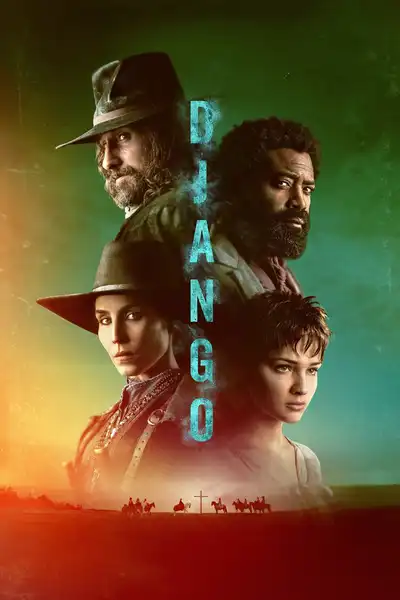
Matthias Schoenaerts takes on the iconic role of Django in this western reimagining that transplants the vengeful gunslinger to the American frontier town of New Babylon. Created by Leonardo Fasoli and Maddalena Ravagli, the series attempts to blend spaghetti western aesthetics with prestige television drama, following Django as he searches for his lost daughter while confronting the town's corrupt power structures. Schoenaerts brings a brooding intensity to the role, and the production values are undeniably strong, with sweeping cinematography that captures the harsh beauty of the Old West. However, the pacing often drags between action sequences, and the narrative feels stretched thin across its episode count. The supporting cast, including Nicholas Pinnock and Noomi Rapace, add depth to the proceedings, but the series never quite decides whether it wants to be a character study or an action-packed revenge tale, leaving it somewhere unsatisfyingly in between.