Recent Western Epic Shows
The golden age of western television has returned with a vengeance, as streaming platforms and premium cable networks invest heavily in sprawling frontier sagas that rival big-screen productions. Recent western epic shows have redefined the genre for modern audiences, combining the timeless appeal of cowboys, outlaws, and untamed landscapes with contemporary storytelling techniques and cinematic production values that were unimaginable just a decade ago. These aren't your grandfather's westerns—today's series feature complex character development, morally ambiguous protagonists, and unflinching portrayals of the brutal realities that shaped the American West. From multi-generational family sagas spanning decades to legendary historical feuds brought to life with stunning authenticity, the latest western epics offer viewers hours of immersive entertainment that captures both the romance and the harsh truths of frontier life. Whether you're drawn to stories of pioneering families carving out their destinies, tales of gold rush fever, or chronicles of the conflicts between settlers and indigenous peoples, the western shows released over the past five years deliver grand-scale narratives that transport audiences back to one of history's most captivating eras.
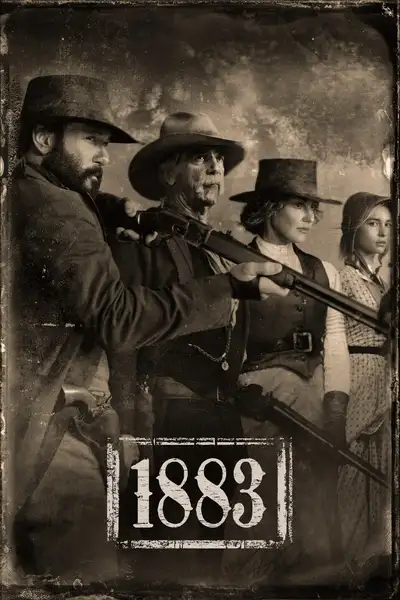
Following the Dutton family's harrowing journey along the Oregon Trail in the 1880s, this *Yellowstone* prequel is a masterclass in Western storytelling that absolutely deserves your attention. Creator Taylor Sheridan delivers his most refined work yet, crafting an epic tale of survival, sacrifice, and the brutal cost of the American Dream. Sam Elliott leads an exceptional cast that includes Tim McGraw and Faith Hill, all delivering career-defining performances against the stunning backdrop of the American frontier. The cinematography is breathtaking, capturing both the majestic beauty and merciless cruelty of the landscape. Every episode feels cinematic in scope, with Sheridan's unflinching approach to depicting the harsh realities of westward expansion creating television that's as emotionally devastating as it is visually spectacular. This is prestige television at its finest.
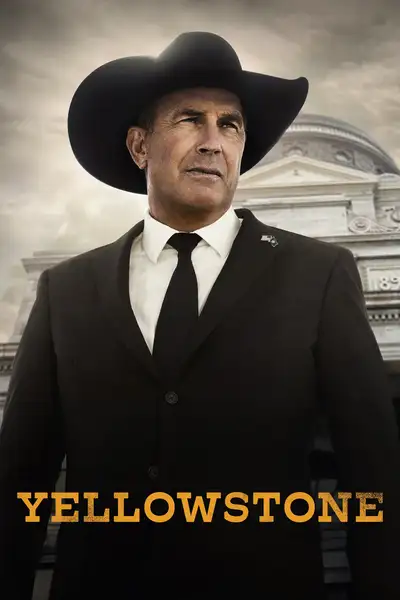
Kevin Costner commands the screen as John Dutton, the patriarch of a powerful Montana ranching family fighting to protect their land from developers, politicians, and neighboring reservations in Taylor Sheridan's modern Western epic. This is television operating at peak ambition—sprawling, cinematic, and unapologetically dramatic in ways that recall classic primetime soaps but with contemporary grit. The cast, including Kelly Reilly, Luke Grimes, Wes Bentley, and Cole Hauser, fully commits to the heightened emotions and Shakespearean family dynamics. Sheridan brings his screenwriting talents from films like Hell or High Water to create a show that's genuinely interested in exploring power, legacy, and the mythology of the American West. The Montana landscapes are breathtaking, the family conflicts are operatic, and the stakes feel enormous. It's not subtle—but when executed this confidently, it doesn't need to be. The show has become a cultural phenomenon for good reason, delivering the kind of addictive, big-canvas storytelling that's increasingly rare on television.
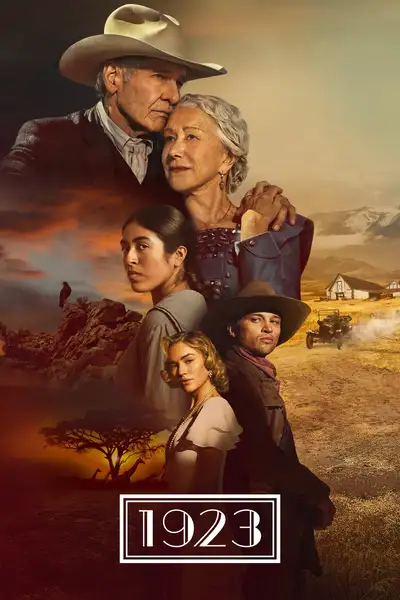
The Dutton family faces existential threats from all sides as they fight to maintain their Montana ranch during the early 20th century against drought, economic collapse, and powerful enemies seeking their land. Taylor Sheridan's prequel to "Yellowstone" stars Harrison Ford and Helen Mirren as Jacob and Cara Dutton, delivering performances that anchor the sprawling narrative with gravitas and grit. The series doesn't romanticize the era—it's brutal, showing the violence and prejudice of the time alongside breathtaking cinematography of the American West. Brandon Sklenar stands out as Spencer Dutton, whose African adventures provide a compelling parallel storyline. While some plotlines feel stretched to fill episodes, the production values are movie-quality and the character work is consistently strong. Sheridan understands how to make family legacy feel like life-or-death stakes, creating a western that honors the genre while feeling thoroughly modern.
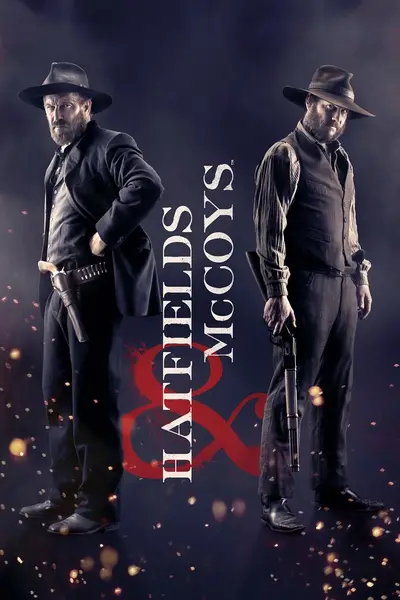
This epic miniseries delivers a gripping, unflinching portrayal of America's most infamous family feud with exceptional production values and powerhouse performances. Kevin Costner and Bill Paxton lead the ensemble as Devil Anse Hatfield and Randall McCoy, two former Civil War comrades whose clans spiral into decades of violence along the Kentucky-West Virginia border. Writer/director Kevin Reynolds crafts a sprawling narrative that explores how personal grudges, economic pressures, and cultural codes of honor can escalate into tragic bloodshed that destroys generations. The supporting cast, including Tom Berenger and Mare Winningham, brings depth to characters who could have been simple archetypes. The production captures both the harsh beauty of Appalachian terrain and the brutal reality of frontier justice. What distinguishes this from standard historical drama is its refusal to romanticize either side, showing how pride and vengeance consume everyone involved. It's compelling storytelling that feels both intimate and expansive, making three nights of viewing feel earned rather than padded.
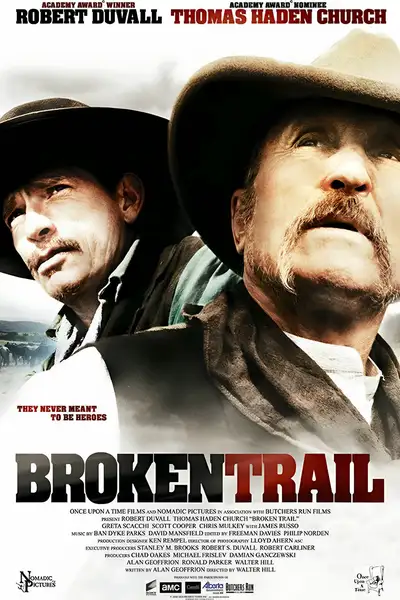
A story about redemption, duty, and the bonds formed through shared hardship, this Western miniseries follows an aging cowboy and his nephew as they drive 500 Chinese women across 1800s Oregon territory to a new life. Robert Duvall and Thomas Haden Church deliver exceptional performances as the Print Ritter and Tom Harte, bringing depth and authenticity to characters who discover their own humanity through protecting the vulnerable. Director Walter Hill crafts a visually stunning and emotionally resonant journey that explores themes of honor and compassion against the harsh realities of frontier life. The script by Alan Geoffrion treats its historical subject matter with respect while never losing sight of the personal transformations at its heart. This is American Western storytelling at its finest—patient, thoughtful, and ultimately deeply moving.
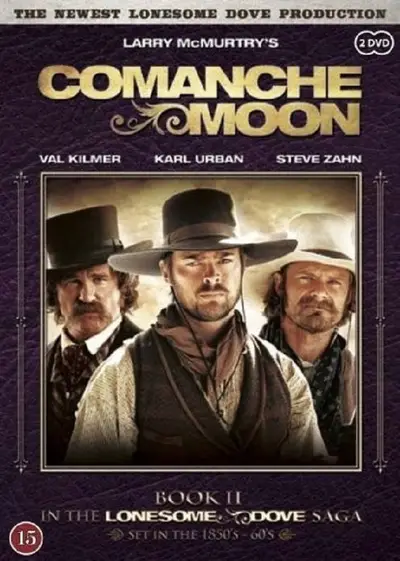
Ambitious and sprawling, this prequel to Larry McMurtry's "Lonesome Dove" traces the early adventures of Texas Rangers Woodrow Call and Gus McCrae during the 1850s and 1860s. Karl Urban and Steve Zahn bring depth to the younger versions of characters fans know from the original miniseries, showing how their experiences fighting Comanches and patrolling the Texas frontier shaped them. The production doesn't shy away from the violence and moral complexity of its era, presenting both the courage and the brutality of frontier life. While the three-part miniseries occasionally struggles with pacing, the cinematography captures the harsh beauty of the landscape, and the script balances action with character development. McMurtry fans will appreciate seeing these legendary characters' origins brought to life.
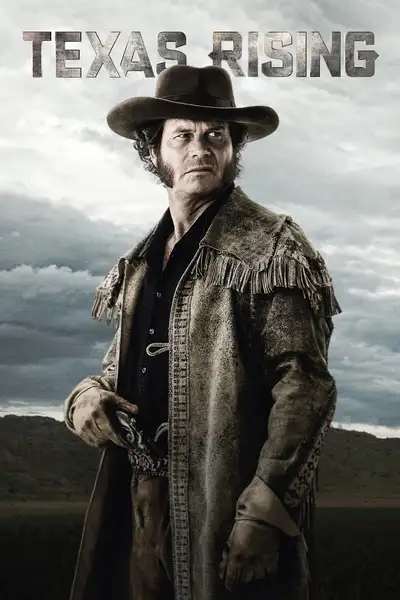
The 1836 Texas Revolution provides the backdrop for this sprawling miniseries that attempts to chronicle the birth of the Texas Rangers and the region's fight for independence from Mexico. History Channel's ambitious production brings together an ensemble cast including Bill Paxton, Jeffrey Dean Morgan, and Olivier Martinez across ten episodes that cover everything from the aftermath of the Alamo to the decisive Battle of San Jacinto. The series aims for epic scope but sometimes stumbles under its own weight, with uneven pacing that rushes through some pivotal moments while lingering too long on soap opera-style subplots. The production values are solid, with authentic costumes and well-staged battle sequences, though the script occasionally veers into melodrama. It's educational enough for history buffs curious about this formative period, even if it takes dramatic liberties that may frustrate purists.

From Simon Barry comes this three-part miniseries set during the Yukon Gold Rush of the 1890s, starring Richard Madden and Augustus Prew as two adventurers seeking fortune in the frozen north. The production values capture the harsh beauty of the Canadian wilderness, and the cast—including Tim Roth and Sam Shepard—brings gravitas to what could have been a straightforward adventure tale. Barry's script attempts to balance action with character development while exploring themes of ambition, greed, and survival in unforgiving conditions. The miniseries looks impressive and the performances are committed, but the pacing feels uneven across its three parts, with stretches that drag between moments of genuine tension. The historical setting is rendered with appropriate grimness, though the story itself rarely transcends familiar frontier narrative tropes. It's competent period drama that delivers what it promises without reaching for anything more memorable.
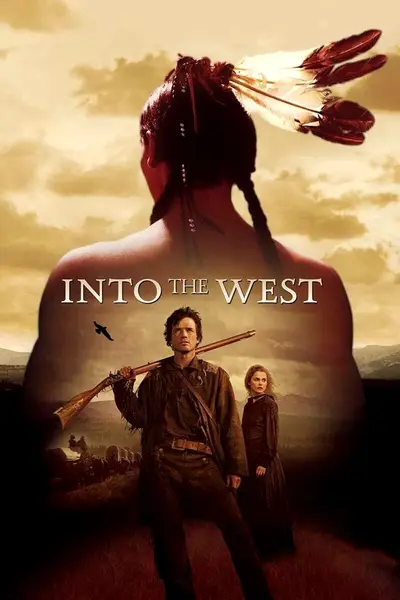
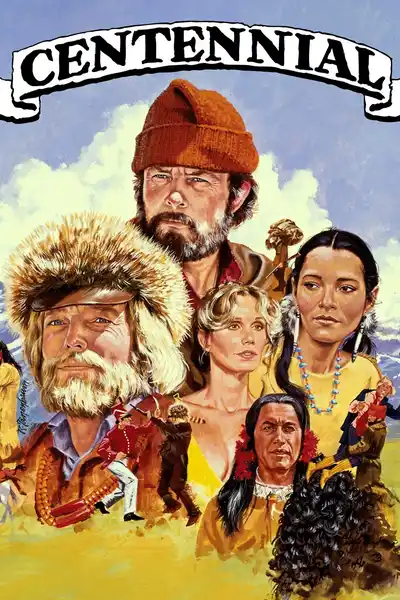
Epic in scope and ambition, this Steven Spielberg-produced miniseries attempts to chronicle the settlement of the American West from 1825 to 1890 through the intertwined stories of two families—one white, one Lakota. The six-part series features an impressive ensemble cast including Matthew Settle, Keri Russell, and Tonantzin Carmelo, and it strives to present multiple perspectives on westward expansion and its consequences for indigenous peoples. When it succeeds, the show offers genuinely moving moments and stunning cinematography that captures the vast landscapes central to the story. However, the miniseries buckles under the weight of its own ambitions, trying to cover too much historical ground without giving individual storylines room to breathe. The Native American perspective, while more prominent than in typical Westerns, still feels somewhat filtered through a conventional Hollywood lens. Production values are strong throughout, and the performances are generally solid, but the sprawling narrative can feel unfocused and the pacing uneven across its lengthy runtime.
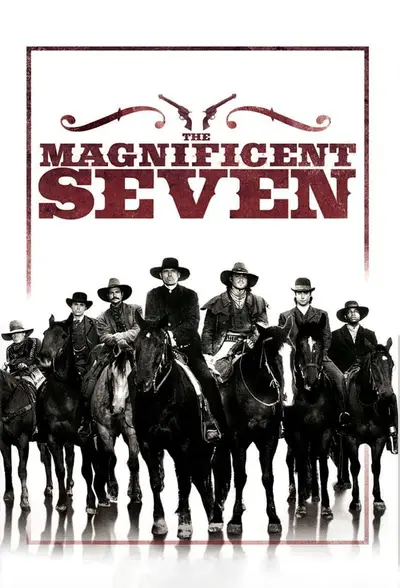
Seven gunfighters band together to protect a traveling circuit judge in the Old West, bringing the classic film concept to episodic television with mixed results. The series features Michael Biehn, Eric Close, and Ron Perlman among its ensemble cast trying to recapture the magic of both the 1960 film and the original "Seven Samurai." While the premise offers potential for character-driven Western action, the execution feels disappointingly routine, with formulaic plots that rarely rise above standard TV Western fare. The production values are decent enough, and the cast brings genuine commitment to their roles, but the scripts don't give them much depth to work with beyond surface-level heroics. Occasional flashes of stronger storytelling appear when the show focuses on moral ambiguity or the bonds between the seven, but these moments are too infrequent to elevate the overall experience.
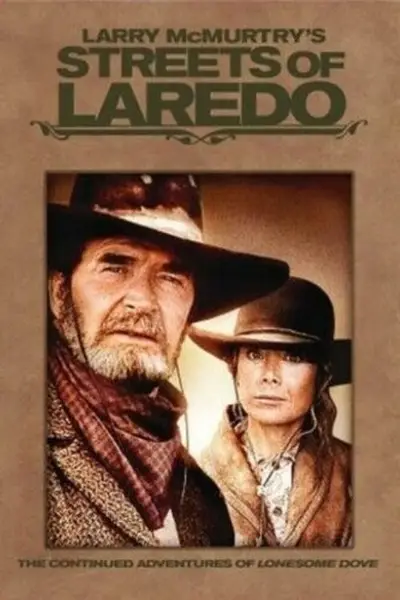
Set in the unforgiving terrain of the American Southwest during the late 19th century, this Western miniseries follows aging Texas Ranger Woodrow Call on one final mission. James Garner takes on the lead role in Larry McMurtry's sequel to "Lonesome Dove," joined by Sissy Spacek and Sam Shepard in this sprawling frontier tale. The production captures the harsh beauty of the borderlands while chronicling Call's pursuit of a notorious bandit, but the pacing feels uneven compared to its predecessor. Some episodes meander through subplots that don't quite justify their screen time, and the emotional resonance that made the original so memorable surfaces only sporadically here. It's competent Western storytelling with flashes of excellence, though it struggles to escape the long shadow of what came before.
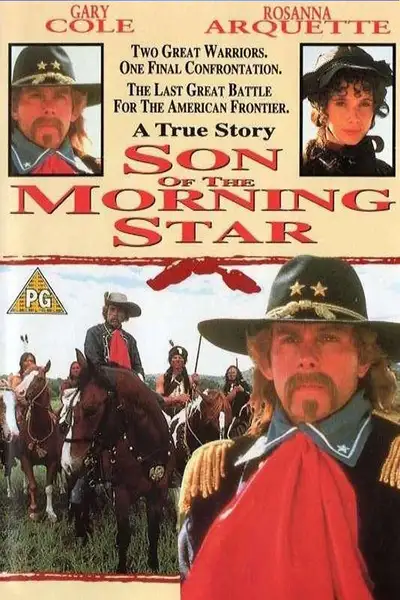
In this miniseries, the events leading to the Battle of Little Bighorn unfold through multiple perspectives, attempting to provide a more nuanced view of Custer's Last Stand than traditional Western mythology allows. Gary Cole portrays General George Armstrong Custer as a complex, flawed figure rather than a simple hero or villain, while the production gives substantial screen time to Native American perspectives on the conflict. Based on Evan S. Connell's book, the series benefits from stronger historical grounding than most Western fare of its era. Rosanna Arquette and Dean Stockwell provide solid support in a sprawling narrative that covers years of escalating tensions. However, the limited-series format still constrains the storytelling, and despite good intentions, the production sometimes falls back on conventional depictions. The battle sequences are competently staged given the television budget, and the series deserves credit for attempting complexity, even if it doesn't fully achieve the balanced perspective it seeks.
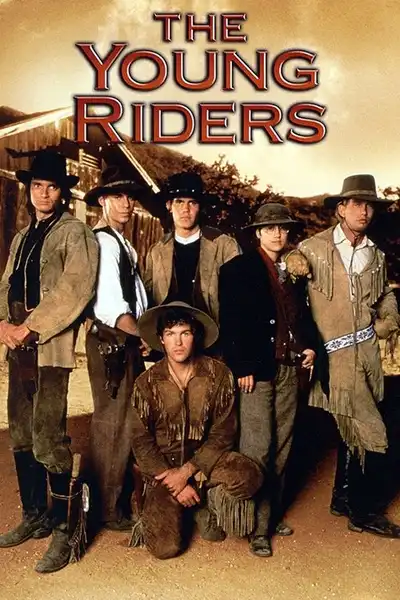
Earnest and occasionally compelling, this Western follows a group of young Pony Express riders navigating danger and coming-of-age challenges in the 1860s American frontier. Created by Ed Spielman, the series features an ensemble cast including Stephen Baldwin, Josh Brolin, and Ty Miller as riders who deliver mail while confronting outlaws, personal demons, and the harsh realities of pre-Civil War America. The show deserves credit for attempting to address issues like racism and women's rights within its historical context, though modern viewers may find the approach dated. The production values are respectable for late-80s television, with authentic-feeling costuming and decent location work. However, the episodic structure becomes repetitive, and character development progresses unevenly across the ensemble. Some performances feel more natural than others, with the younger cast members still finding their footing. The Young Riders occupies an interesting space between kid-friendly Western and adult drama, not quite committing fully to either register.
A delightfully whimsical tone permeates this family-friendly series about three middle school friends who discover a magical cookbook in one of their attics and begin cooking recipes with supernatural consequences. Created for Amazon's youth programming, the show balances lighthearted magical adventures with genuine coming-of-age themes as Kelly, Darbie, and Hannah navigate friendship challenges alongside mystical mysteries. The young cast, led by Olivia Sanabia, Abby Donnelly, and Aubrey K. Miller, display natural chemistry that makes their friendship feel authentic even amid fantastical circumstances. The episodic magical mishaps provide entertaining problem-solving scenarios, while an overarching mystery about the cookbook's origins adds satisfying serialized elements. Production values are appropriate for the target demographic, and the show respects young viewers' intelligence without talking down to them. Parents watching alongside kids will find it charming rather than tedious, making it a solid choice for family viewing that combines Hansel and Gretel-style magic with relatable tween dynamics.
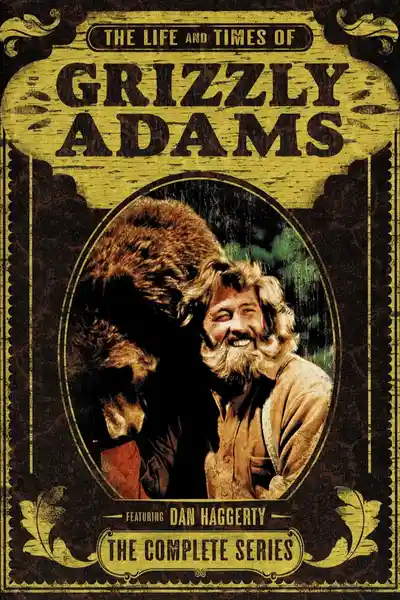
When James "Grizzly" Adams is wrongly accused of a crime he didn't commit, he flees to the mountains where he builds a new life among the wilderness and befriends the wildlife, including his loyal grizzly bear companion, Ben. Dan Haggerty brings an easygoing charm to the title role in this family-friendly adventure series that captured the late-70s fascination with back-to-nature living. The show's appeal lies in its simplicity and gentle spirit—Adams helps travelers in trouble, protects animals from harm, and lives according to a moral code rooted in respect for nature. The animal footage remains genuinely engaging, though modern viewers will likely notice the dated production values and occasionally stilted dialogue. The episodic structure means quality varies significantly from week to week, with some installments feeling repetitive or overly didactic. For those with nostalgia for this era of television or families seeking wholesome vintage content, it serves its purpose, even if it hasn't aged as gracefully as some contemporaries.