Recent Werewolf Horror Shows
The lycanthrope legend has undergone a thrilling evolution in recent years, as television creators unleash fresh takes on werewolf mythology that go far beyond traditional full-moon transformations. If you're craving the latest werewolf horror shows that blend supernatural terror with cutting-edge creature effects, you've come to the right den. Modern streaming platforms and networks have embraced the primal horror of shapeshifters, delivering series that explore pack dynamics, ancient curses, and the psychological torment of living between two worlds. These recent werewolf shows showcase today's most impressive practical effects and CGI transformations, proving that lycanthrope stories still have plenty of bite in the current television landscape. From university secret societies harboring dark supernatural powers to intimate character studies of cursed individuals struggling with their monstrous nature, contemporary werewolf series offer diverse approaches to this classic horror creature. Whether you're a longtime fan of lupine terror or new to the subgenre, these recently released shows demonstrate that werewolf horror continues to evolve, offering fresh scares and innovative storytelling that honor the mythology while pushing it into bold new territory.
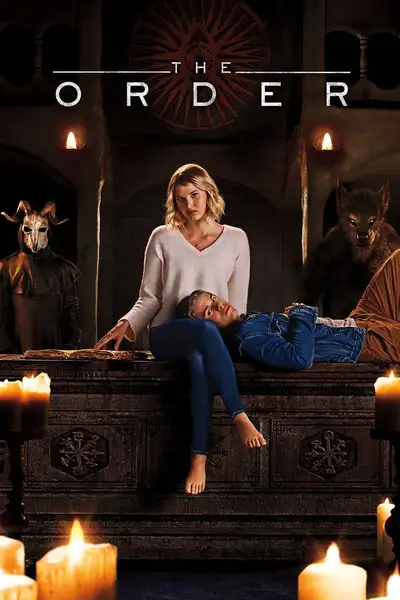
At Belgrave University, secret societies hide in plain sight, and one unsuspecting student stumbles into a world of werewolves, dark magic, and ancient rivalries. The Order has an intriguing premise and some genuinely creative world-building, with Jake Manley leading the cast through supernatural conspiracies that blend horror and campus drama. Creator Dennis Heaton establishes compelling mythology around the competing factions, and when the show leans into its darker, more mysterious elements, it shows real potential. However, the execution is uneven, with tonal inconsistencies and dialogue that sometimes undercuts the more serious supernatural stakes. The werewolf effects are serviceable but not spectacular, and character development occasionally takes a backseat to plot mechanics. It's watchable enough for fans of supernatural teen dramas, though it never quite reaches the heights of the genre's best offerings.
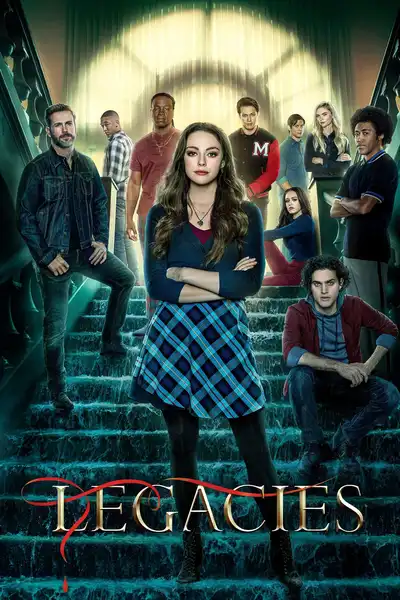
Light-hearted supernatural drama dominates this Vampire Diaries spinoff, which follows Hope Mikaelson—a tribrid of vampire, werewolf, and witch—as she attends the Salvatore School for the Young and Gifted alongside other supernatural teens. Created by Julie Plec, the series starring Danielle Rose Russell leans heavily into monster-of-the-week storytelling, with creatures from Malivore threatening the students in increasingly creative ways. The show has an undeniable charm and the young cast brings enthusiasm to their roles, making it easy viewing for fans of the franchise. However, it never quite escapes the shadow of its predecessors, and the tonal inconsistency—bouncing between teen melodrama, comedy, and darker supernatural threats—can be jarring. The mythology becomes convoluted as seasons progress, and character development sometimes takes a backseat to introducing new magical creatures. It's perfectly serviceable for those seeking teen-focused supernatural content, but it lacks the urgency that made the original series appointment viewing.
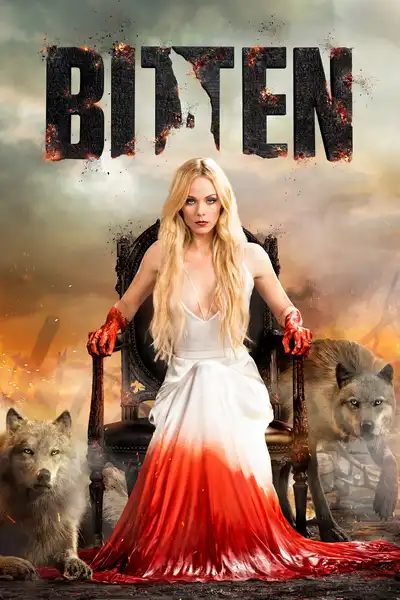
Laura Vandervoort brings fierce determination to Elena Michaels, the world's only female werewolf, in this supernatural drama based on Kelley Armstrong's "Women of the Underworld" novels. Elena has left her pack behind to build a normal life in Toronto with her human boyfriend, but she's pulled back into the dangerous world of werewolf politics when her former pack faces a deadly threat. The series, developed by Daegan Fryklind, explores themes of identity and belonging as Elena struggles between two worlds while navigating complex relationships with pack members including her ex-lover Clay (Greyston Holt). The Canadian production makes good use of atmospheric locations, and Vandervoort commands the screen as a woman torn between safety and destiny. While the werewolf genre has been extensively mined, the show's focus on pack dynamics and Elena's unique position creates enough intrigue to sustain its run through three seasons.
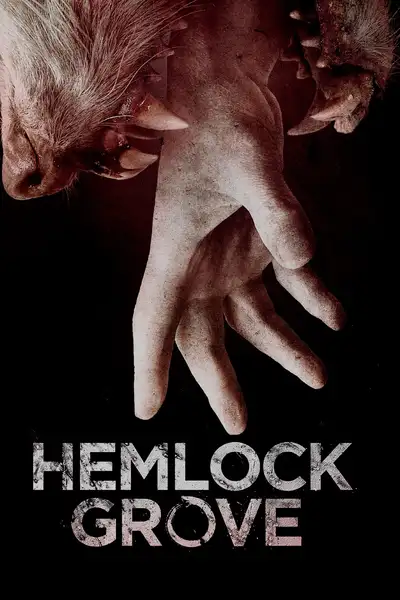
Bill Skarsgård stars as Roman Godfrey, the wealthy heir to a biotech empire in a Pennsylvania steel town harboring supernatural secrets, in this gothic horror series from Eli Roth and Brian McGreevy. Based on McGreevy's novel, the show combines werewolf mythology, vampiric creatures called "upirs," and body horror within a moody, atmospheric setting that promises more than it consistently delivers. Famke Janssen chews scenery as Roman's manipulative mother, while Landon Liboiron plays the werewolf befriending Roman, but the plotting meanders through subplots that don't always cohere. The series has striking visuals and isn't afraid of disturbing imagery, yet it often mistakes weirdness for depth and shocking moments for genuine horror. When it focuses on the central relationship and monster mythology, it intrigues; when it detours into small-town murder mystery territory, it loses steam. It's an ambitious mess that horror fans might appreciate for its swings.
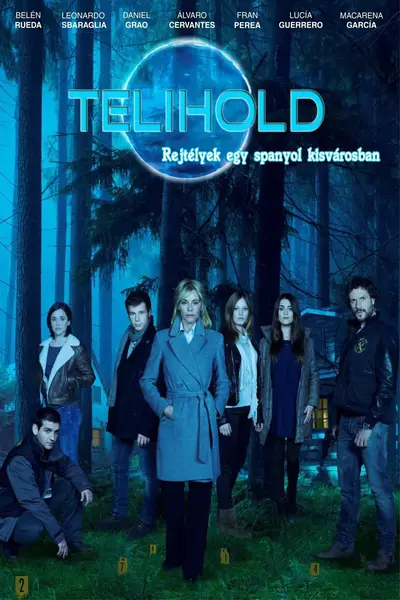
In a world where witches live secretly among humans, three sisters discover their magical heritage and must navigate the dangers that come with their newfound powers. *The Witches of Calenda* is a Brazilian fantasy series that blends supernatural elements with family drama as the siblings learn to control their abilities while hiding their true nature from the non-magical world. The show explores themes of identity, sisterhood, and the tension between duty and desire as the witches face threats from both the human and magical realms. The series features an attractive cast and production design that creates a reasonably convincing magical atmosphere on what appears to be a television budget. However, the plotting often feels stretched thin across episodes, with conflicts that resolve too easily and romantic subplots that distract from more interesting magical elements. The performances range from engaged to wooden, and while fans of supernatural dramas may find enough to enjoy, the series doesn't distinguish itself sufficiently in a crowded genre.
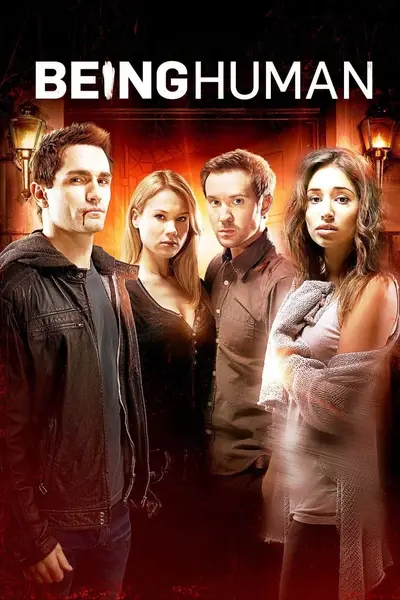
This supernatural drama reimagining its UK predecessor transplants a vampire, werewolf, and ghost to Boston where they attempt domestic normalcy while navigating their monstrous natures. Sam Witwer, Sam Huntington, and Meaghan Rath anchor the series as the unlikely roommates whose chemistry and genuine camaraderie keep things watchable, even when the plotting grows repetitive or melodramatic. The American version leans harder into romantic subplots and mythology building than its source material, which proves both blessing and curse—some seasons benefit from the expanded scope while others collapse under excessive backstory. The show oscillates between thoughtful metaphor about otherness and conventional supernatural soap opera, never quite committing fully to either approach. When it focuses on the simple premise of monsters trying to be human, it finds its sweet spot, but those moments compete with increasingly convoluted mythology. Fans of the original may find this version too polished; newcomers might appreciate its accessibility despite the inconsistency.
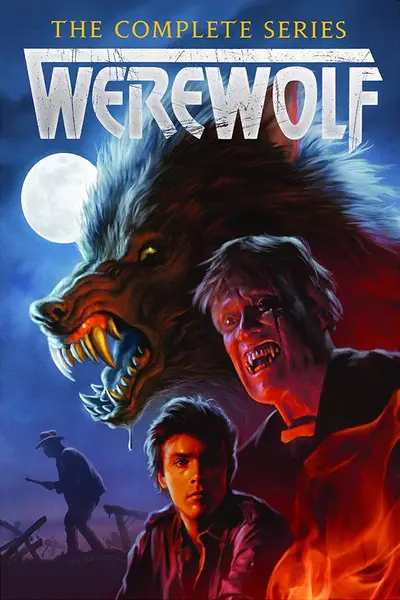
When young Eric Cord is bitten by his best friend—a werewolf—he becomes cursed to transform with each full moon unless he can track down and kill the original werewolf bloodline. Created by Frank Lupo and starring John J. York as the reluctant monster hunter, this 1987 series attempted to bring lycanthrope mythology to weekly television with mixed results. The premise establishes an interesting chase structure as Eric pursues his cure while being hunted himself by a relentless bounty hunter (Chuck Connors), creating dual sources of tension that should sustain the narrative. However, budget limitations severely restrict the transformation effects that should be the show's centerpiece, and the episodic format grows repetitive as Eric encounters werewolf-adjacent situations week after week. York brings earnest commitment to the tortured hero role, though the scripts don't always reward that effort with meaningful character development. When the show embraces its horror elements and deeper mythology, it shows potential, but too often it settles for formulaic storytelling that wastes its compelling setup.