Recent War Epic Shows
War epics have entered a new golden age on television, with streaming platforms and prestige networks investing unprecedented resources into large-scale military dramas that rival blockbuster films in scope and ambition. The last five years have witnessed a remarkable surge in recent war epic shows that transport viewers from feudal battlefields to the harrowing theaters of World War II, combining meticulous historical detail with cinematic production values that were once impossible on the small screen. These latest war series showcase innovative storytelling approaches, diverse international perspectives, and technological advances in filmmaking that bring authenticity and visceral impact to combat sequences and period settings. Whether you're drawn to sweeping miniseries adaptations of classic literature, multi-season sagas exploring Viking conquests, or intimate character studies set against global conflicts, today's war epics deliver sophisticated narratives that examine not just the strategic and tactical elements of warfare, but the profound human costs and moral complexities that define these pivotal historical moments. Modern audiences seeking grand-scale military drama have never had more options, as today's creators push boundaries in how we experience and understand conflict through television's most ambitious productions.
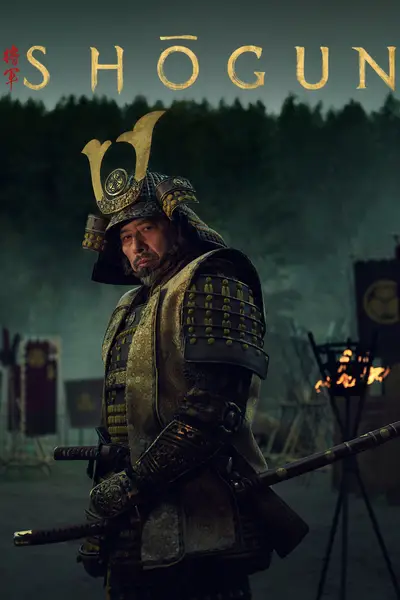
At its core, this is a story about cultural collision, power, and survival when East meets West in feudal Japan. Based on James Clavell's novel and adapted by Rachel Kondo and Justin Marks, the series follows English sailor John Blackthorne (Cosmo Jarvis) as he becomes entangled in Japanese political intrigue while the nation teeters on the brink of civil war. Hiroyuki Sanada delivers a commanding performance as Lord Toranaga, bringing gravitas and subtlety to every scene, while Anna Sawai's Mariko serves as both translator and the emotional heart of the story. The production values are film-quality, with meticulous attention to historical detail and stunning cinematography that captures both beauty and brutality. What makes this adaptation special is its commitment to authenticity—Japanese characters speak Japanese, and the show trusts its audience to engage with subtitled dialogue. It's epic television that respects its source material while feeling thoroughly modern in its execution and themes.
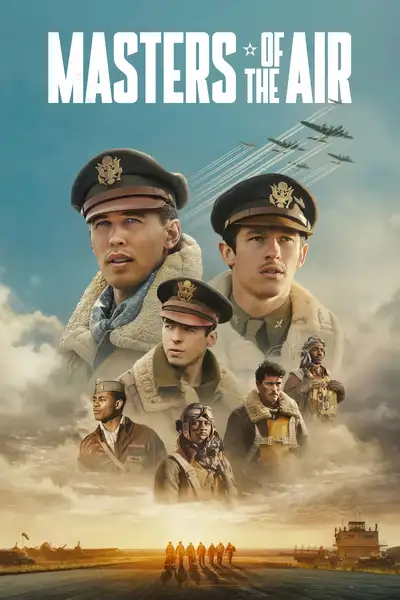
This meticulously crafted war drama follows the Eighth Air Force bomber crews during World War II as they conduct deadly daylight raids over Nazi Germany. Produced by Steven Spielberg and Tom Hanks, Masters of the Air stars Austin Butler, Callum Turner, and Anthony Boyle as young airmen facing staggering casualty rates and impossible odds. The aerial combat sequences are absolutely breathtaking, combining practical effects with cutting-edge technology to put viewers inside the B-17 bombers during harrowing missions. Based on Donald L. Miller's book, the series doesn't shy away from the psychological toll of warfare or the moral complexities of strategic bombing. The production design, performances, and attention to historical detail are all exceptional, creating an immersive and emotionally resonant experience. This is prestige television at its finest, honoring the sacrifice of the "Bloody Hundredth" with dignity and stunning visual storytelling.
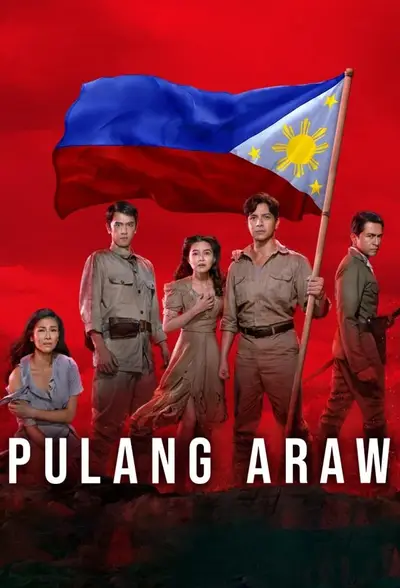
Showrunner Dominic Zapata helms this sprawling Filipino period drama set during World War II, following multiple families whose lives intersect against the backdrop of Japanese occupation and resistance movements. The series tackles ambitious historical territory, attempting to balance personal stories with the larger sweep of wartime events across the Philippine archipelago. Lead performances from Barbie Forteza and David Licauco bring emotional weight to young lovers separated by circumstances beyond their control, though the romantic plotlines sometimes overshadow more interesting historical material. Production design captures period details with care, particularly in recreating war-torn Manila and rural communities, though the scope occasionally exceeds the budget's capacity to fully realize it. The show's treatment of collaboration, resistance, and survival under occupation raises complex questions without always exploring them as deeply as it might. At its best, the series illuminates a specific historical experience often overlooked in Western war narratives; at other times, it defaults to familiar melodramatic beats that undercut the historical specificity.

Haunting and visually stunning, this limited series adaptation of Anthony Doerr's Pulitzer Prize-winning novel follows two young people whose lives intersect during World War II. Marie-Laure (Aria Mia Loberti), a blind French teenager, flees Paris with her father and a legendary diamond, while Werner (Louis Hofmann), a German orphan with a gift for engineering, is recruited into the Nazi war machine. Creator Steven Knight condenses the novel's intricate structure into four episodes, capturing much of the source material's poetry while necessarily sacrificing some narrative complexity. The production design and cinematography beautifully render both occupied France and devastated Germany, creating an immersive period atmosphere. The performances are uniformly strong, with Loberti making an impressive debut and Mark Ruffalo adding warmth as Marie-Laure's devoted father. While some fans of the book may miss certain subplots, the adaptation succeeds in translating the novel's themes about human connection transcending war's brutality.