Recent Time Travel Shows
Time travel shows have experienced a remarkable renaissance in recent years, with streaming platforms and traditional networks pushing the boundaries of temporal storytelling like never before. The last five years have delivered an impressive wave of time-bending series that transcend the genre's familiar tropes, introducing audiences to intricate paradoxes, mind-warping loops, and innovative approaches to causality that challenge our understanding of past, present, and future. From dark European thrillers that weave multigenerational mysteries to superhero spectacles exploring multiversal timelines, modern time travel television embraces both high-concept science fiction and emotionally resonant drama. Whether you're drawn to complex narratives that demand multiple viewings to untangle their temporal puzzles, or prefer character-driven stories where time manipulation serves as a backdrop for romance and redemption, today's creators are crafting some of the most sophisticated and binge-worthy temporal adventures ever committed to screen. These 21 recent time travel shows represent the cutting edge of the genre, offering fresh perspectives on what it means to journey through time and the profound consequences that come with altering destiny itself.
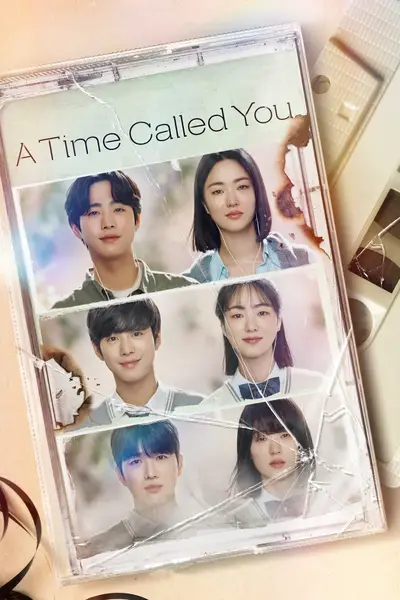
In this series, a grieving woman (Jeon Yeo-been) finds herself mysteriously transported back to 1998, inhabiting the body of a high school student and getting a second chance at a first love. Created by Choi Hyo-bi and based on the Taiwanese drama Someday or One Day, this Korean adaptation successfully captures the emotional resonance of time-travel romance while adding its own touches. Ahn Hyo-seop plays dual roles across timelines with impressive range, helping ground the fantastical premise in genuine emotion. The mystery of how and why the time travel occurs unfolds carefully across twelve episodes, rewarding patient viewers with satisfying answers. The 1990s period details evoke nostalgia effectively, while the central romance genuinely moves. It's a beautifully crafted series that earns its emotional moments through strong performances and thoughtful writing.
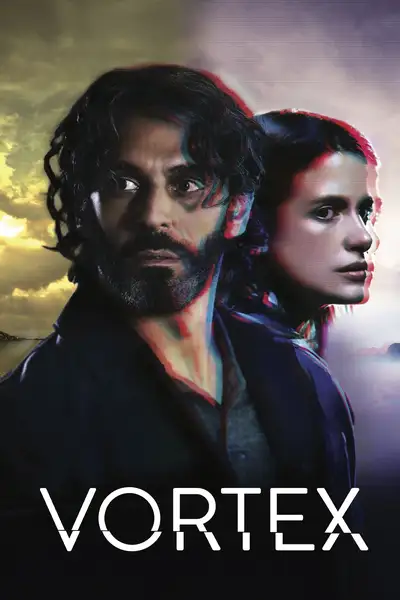
Tomer Sisley stars as Ludovic Desmeuze, a former special forces operative pulled back into action when mysterious events threaten his family in this French science fiction thriller. The series, created by Anthony Lancret and Raphaëlle Roudaut, blends espionage elements with increasingly mind-bending temporal mechanics as Ludovic discovers reality isn't quite what it seems. The conspiracy gradually expands from personal stakes to potentially global implications, incorporating elements of simulation theory and parallel dimensions. While the premise shows ambition and Sisley commits fully to the physical and emotional demands of the role, the execution doesn't always match the concept's potential. The plotting occasionally becomes convoluted without being genuinely complex, and some twists feel less earned than arbitrary. The production values are solid for European streaming television, with capable action sequences, though nothing groundbreaking. Supporting cast members including Camille Claris add depth where they can. It's an intriguing premise that delivers sufficient entertainment for genre fans, even if it doesn't fully stick the landing on its bigger ideas.
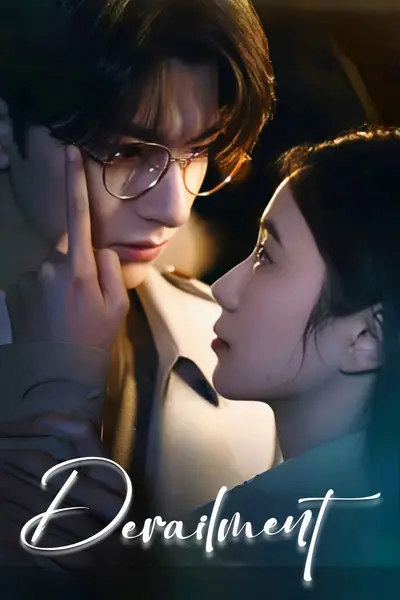
From writer-director Zhang Li comes this Chinese thriller that examines how a single catastrophic event ripples through multiple lives, unraveling secrets and testing loyalties. The series follows the aftermath of a train accident, using a fractured timeline to reveal how various characters—a railway investigator, a journalist, bereaved family members, and railway employees—are connected to the disaster in unexpected ways. The nonlinear structure occasionally works against clarity, making it challenging to track who knew what and when, though the performances, particularly from lead Duan Yihong, remain compelling throughout. The show's ambitions are admirable: it wants to be both a procedural investigation and a character study about guilt and responsibility. Sometimes these elements mesh effectively, creating genuine suspense and emotional resonance. Other times, the juggling act feels awkward, with too many threads competing for attention. The production values are solid, and there's enough intrigue to sustain interest, even if the journey feels longer than necessary.
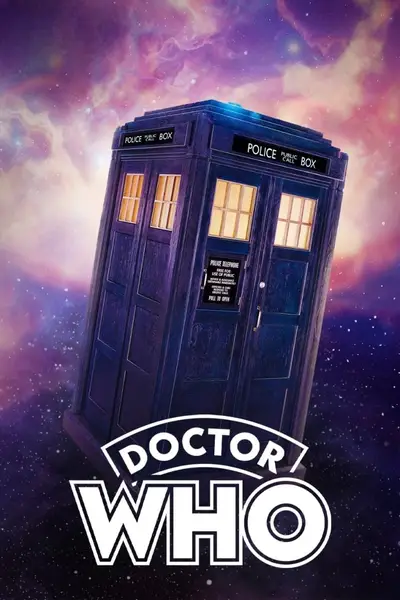
Russell T Davies returns as showrunner for this latest iteration of the beloved British science fiction institution, with Ncuti Gatwa taking the TARDIS controls as the Fifteenth Doctor alongside Millie Gibson as companion Ruby Sunday. Davies, who successfully revived the series in 2005, brings his characteristic emotional storytelling and inclusive casting back to the franchise, though this relaunch produces mixed results. Gatwa brings charisma and emotional range to the role, offering a distinctly different energy from his predecessors, while the production values have notably increased thanks to Disney+ co-production funding. However, the season struggles with uneven writing—some episodes capture the magic of Davies' earlier run with clever concepts and genuine heart, while others feel rushed or rely too heavily on deus ex machina resolutions. The attempts to make the show accessible to new viewers sometimes come at the expense of long-time fans, with lore treated inconsistently. There's potential here, particularly in the lead performances, but this transition season hasn't yet found the consistent quality that made Davies' previous tenure so celebrated.