Recent Steampunk Shows
Steampunk television has experienced a remarkable renaissance in recent years, bringing Victorian-era aesthetics and imaginative steam-powered technology to prestige streaming and network productions. If you're searching for the best recent steampunk shows that blend historical atmosphere with speculative science fiction, you've arrived at the perfect destination. These latest series showcase elaborate alternate histories where brass goggles, mechanical marvels, and clockwork inventions define richly textured worlds that feel both nostalgically familiar and thrillingly inventive. Modern production values have elevated the steampunk genre to new heights, allowing creators to fully realize the intricate costumes, industrial set designs, and fantastical machinery that define this beloved aesthetic. From epic fantasy adaptations that incorporate steampunk elements to original narratives set in reimagined Victorian landscapes, today's steampunk television offerings deliver ambitious storytelling paired with stunning visual craftsmanship. Whether you're a longtime devotee of retro-futuristic fiction or newly curious about steam-powered adventures, these recently released shows represent the genre's most compelling and accessible entries, proving that steampunk remains as captivating and relevant as ever in contemporary television.

This reimagining of "The Wizard of Oz" follows DG, a small-town waitress who discovers she's actually a princess from a magical realm called the O.Z. (Outer Zone), and must help overthrow the sorceress who has imprisoned her parents and plunged the land into darkness. Starring Zooey Deschanel, Alan Cumming, and Kathleen Robertson, this three-part miniseries from director Nick Willing brings a darker, steampunk-inspired aesthetic to L. Frank Baum's beloved world. The production values are impressive for a television event, with imaginative creature designs and a genuinely compelling mythology that expands on the source material in creative ways. While some of the dialogue can be clunky and certain plot elements feel rushed, the strong performances and visual inventiveness make this a surprisingly engaging fantasy adventure that respects its roots while carving its own path.
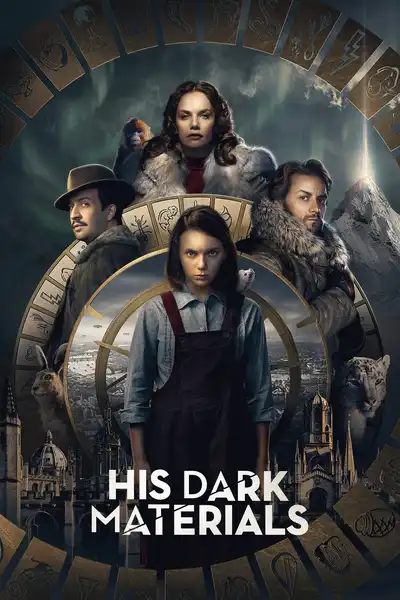
In a parallel universe where people's souls exist outside their bodies as animal companions called daemons, young Lyra Belacqua discovers a dangerous conspiracy reaching into multiple worlds. This BBC/HBO adaptation of Philip Pullman's beloved trilogy stars Dafne Keen as the fierce, unruly Lyra, with James McAvoy and Ruth Wilson as the mysterious Lord Asriel and Mrs. Coulter. The production design is impressive, bringing Oxford's alternate reality to vivid life with steam-powered technology and theological politics. While the series takes its source material seriously—perhaps too seriously at times, resulting in a somber tone that occasionally drags—the performances remain compelling throughout. The visual effects rendering the daemons are seamless, making these soul-animals feel genuinely integrated into the world. It's a respectful adaptation that fantasy fans will appreciate, even if it doesn't quite capture the page-turning urgency of Pullman's novels.
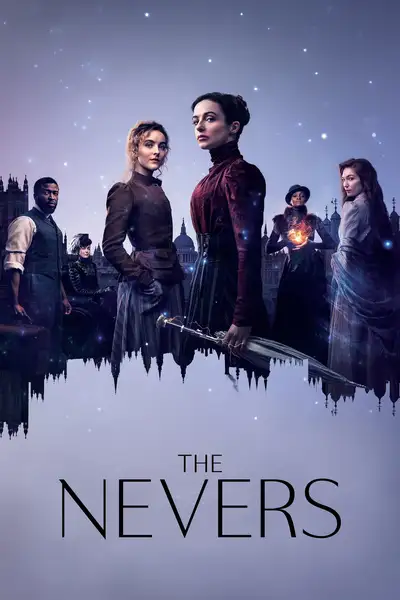
At its core, this is a story about power—who wields it, who's denied it, and what happens when the disenfranchised discover they possess abilities that could reshape Victorian society. Created by Joss Whedon (though he departed during production amid controversy), the series follows a group of mostly women in 1890s London who develop mysterious powers and become known as "the Touched." Laura Donnelly anchors the ensemble as Amalia True, a widow with combat skills and the ability to glimpse the future, while Ann Skelly brings vulnerability to Penance Adair, an inventor whose technical genius might change the world. The production design is genuinely stunning, creating a richly textured historical London that feels lived-in rather than merely decorative. The problem is that the show can't quite decide what it wants to be—prestige period drama, superhero origin story, or metaphor-heavy social commentary—and the tonal inconsistency undermines some genuinely interesting ideas. Behind-the-scenes upheaval shows in the uneven execution, leaving a series with undeniable ambition but frustrating follow-through.