Recent Space Sci-Fi Shows
The golden age of space science fiction television is happening right now, with streaming platforms and premium networks investing heavily in ambitious series that push the boundaries of cosmic storytelling. Recent space sci-fi shows have evolved beyond the genre's pulpy origins, combining cutting-edge visual effects with sophisticated narratives that explore humanity's place among the stars. Whether you're craving gritty space operas with political intrigue, family-friendly adventures through uncharted galaxies, philosophical explorations of artificial intelligence and consciousness, or epic adaptations of beloved literary works, the last five years have delivered an impressive array of interstellar entertainment. These contemporary series benefit from modern CGI technology that makes alien worlds and spacecraft feel tangibly real, while talented showrunners craft complex characters facing existential questions against backdrops of warring civilizations, mysterious cosmic phenomena, and humanity's desperate search for new homes. From bounty hunters traversing dangerous sectors to survivors of galactic conflicts seeking redemption, today's space sci-fi television offers something for every type of science fiction enthusiast ready to explore the final frontier from their couch.
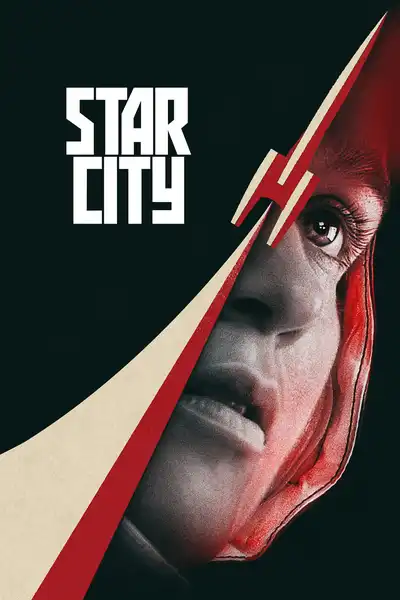
In this series, a group of aspiring performers navigates the cutthroat world of musical theater while working together at a fictional performing arts venue. The ensemble cast brings energy to musical numbers that range from classic show tunes to contemporary pop, though the choreography doesn't always match the ambition of the arrangements. Created for a younger demographic, the series tackles familiar themes of friendship, rivalry, and self-discovery with sincerity if not originality. Character arcs follow predictable trajectories, but the performers sell the emotional beats with genuine commitment. Production design creates a believable theatrical world, capturing both the glamour of performance and the unglamorous reality of backstage politics. The series works best when focusing on the practical challenges of mounting productions rather than romantic entanglements, though it balances both elements reasonably well. It's pleasant if unexceptional entertainment that should satisfy fans of performance-based programming.
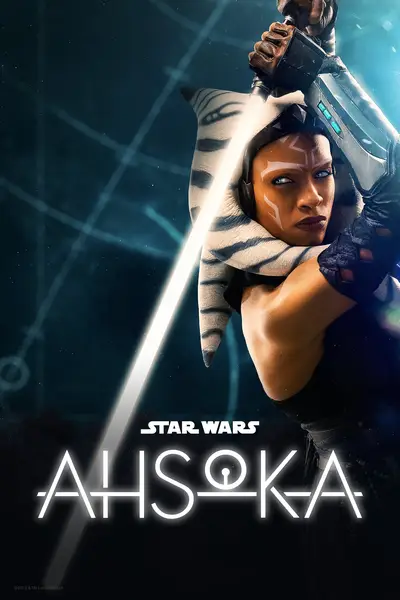
Former Jedi Ahsoka Tano searches for Grand Admiral Thrawn and her missing friend Ezra Bridger in this Star Wars series from Dave Filoni that assumes significant familiarity with animated predecessors like The Clone Wars and Rebels. Rosario Dawson brings physical presence to the title role she debuted in The Mandalorian, though the script gives her surprisingly little emotional range to explore beyond stoic determination. The series delivers some visually striking lightsaber duels and introduces intriguing characters like Shin Hati (Ivanna Sakhno), but the pacing drags considerably in middle episodes that feel like they're marking time until the finale. For devoted fans of Filoni's animated work, seeing these characters in live-action carries inherent appeal, and the show's deep-cut references will resonate strongly. However, newcomers may find themselves lost in unexplained history and relationships that the series expects you to care about without earning that investment. It's competently made fan service that struggles to stand on its own merits.
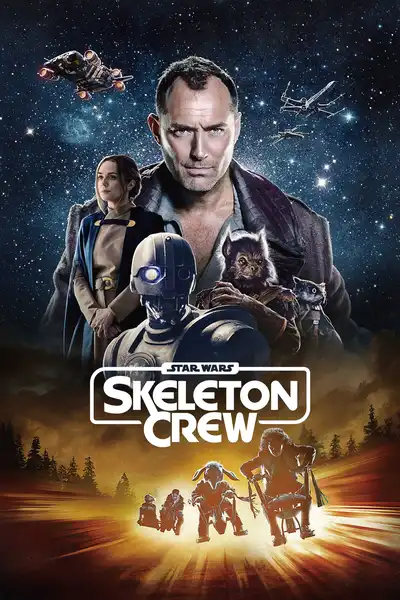
In a distant corner of the Star Wars galaxy during the New Republic era, four young friends stumble upon a mysterious discovery on their seemingly safe home planet, launching them on an unexpected adventure through the criminal underworld. Created by Jon Watts and Christopher Ford, this series aims to recapture the Amblin-esque sense of wonder from 80s adventure films while expanding the galaxy far, far away. The young cast brings enthusiasm to their roles as kids trying to find their way home, with Jude Law adding gravitas as the enigmatic Force-user they encounter. The show successfully balances kid-friendly adventure with enough depth and production quality to keep adult Star Wars fans engaged. While it doesn't reinvent the franchise's formula, the focus on younger protagonists offers a fresh perspective. The series knows what it wants to be—a fun, family-friendly adventure—and largely succeeds on those terms without demanding encyclopedic franchise knowledge.
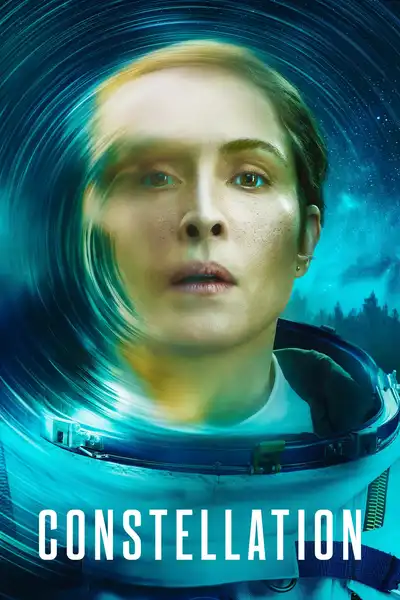
In this cerebral science fiction thriller, Noomi Rapace plays Jo, an astronaut who survives a catastrophic incident aboard the International Space Station only to return to Earth questioning reality itself. Created by Peter Harness, Constellation weaves a complex mystery that plays with perception, memory, and quantum possibilities as Jo notices disturbing inconsistencies in her life—details that don't match her memories, a daughter who seems different, a reality that feels subtly wrong. The series rewards patient viewers willing to embrace ambiguity and puzzle-box storytelling, with Rapace anchoring the disorientation through an intense, committed performance. Jonathan Banks provides strong support in a key role. The show's atmosphere of creeping wrongness is expertly maintained through thoughtful direction and unsettling sound design. While the deliberately confusing narrative won't work for everyone, those who appreciate mind-bending sci-fi will find plenty to contemplate.
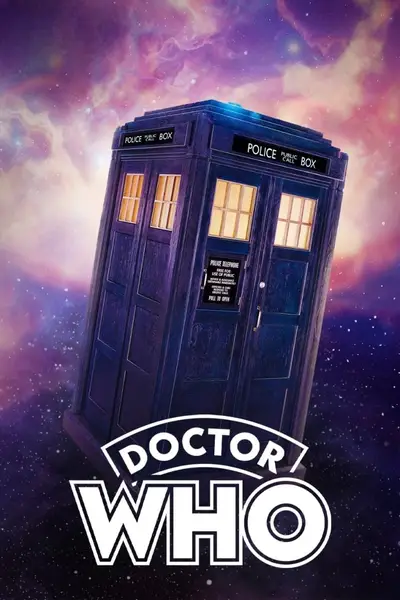
Russell T Davies returns as showrunner for this latest iteration of the beloved British science fiction institution, with Ncuti Gatwa taking the TARDIS controls as the Fifteenth Doctor alongside Millie Gibson as companion Ruby Sunday. Davies, who successfully revived the series in 2005, brings his characteristic emotional storytelling and inclusive casting back to the franchise, though this relaunch produces mixed results. Gatwa brings charisma and emotional range to the role, offering a distinctly different energy from his predecessors, while the production values have notably increased thanks to Disney+ co-production funding. However, the season struggles with uneven writing—some episodes capture the magic of Davies' earlier run with clever concepts and genuine heart, while others feel rushed or rely too heavily on deus ex machina resolutions. The attempts to make the show accessible to new viewers sometimes come at the expense of long-time fans, with lore treated inconsistently. There's potential here, particularly in the lead performances, but this transition season hasn't yet found the consistent quality that made Davies' previous tenure so celebrated.
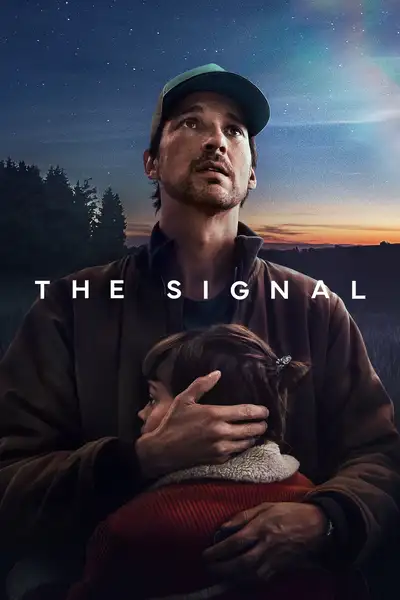
Dark and atmospheric, this German sci-fi thriller explores what happens when a family's missing astronaut father suddenly begins communicating from space—years after his presumed death. Paula (Peri Baumeister) must unravel whether the mysterious signals are genuine or an elaborate hoax while confronting buried family secrets. The show establishes an intriguing premise with solid production values and a moody aesthetic, but struggles to maintain momentum across its episodes. The pacing falters as the mystery unfolds, with some revelations feeling stretched thin. Strong performances from the cast, particularly Baumeister, keep things watchable even when the plot meanders. The series works better as a visual experience than a narrative one, offering enough mystery and atmosphere to satisfy patient viewers willing to forgive its uneven storytelling.
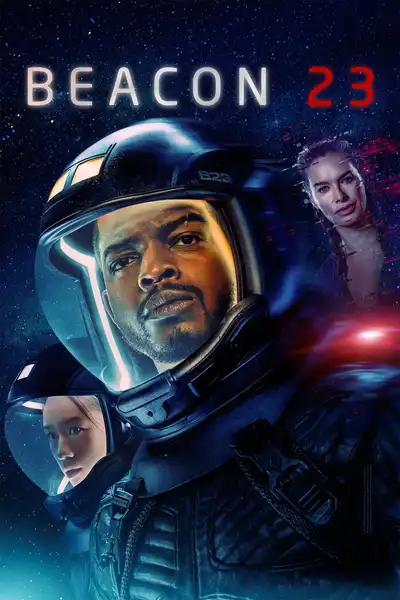
At its core, this science fiction series explores isolation, guilt, and the psychological toll of solitude in the vastness of space. Lena Headey stars as Aster Calyx, one of several keepers manning remote lighthouse beacons that guide ships through dangerous space sectors. Created by Zak Penn and based on Hugh Howey's novel, the show alternates between different time periods and keepers, slowly revealing a larger mystery. The premise promises psychological depth and claustrophobic tension, and certain episodes deliver effectively on that front, particularly those centered on Headey's compelling performance. However, the narrative structure sometimes works against momentum, and the reveals don't always justify the buildup. The visual effects adequately convey the lonely beauty of space, though budgetary constraints occasionally show. When the series focuses on character over mythology, it works; when it reaches for grander science fiction concepts, the execution becomes uneven.
This sci-fi thriller traffics in a grim, paranoid atmosphere as it explores a near-future where memory extraction technology has created new possibilities for both justice and exploitation, though the execution doesn't always match its ambitious premise. Created by Marcus Chen, the series follows a team of operatives who extract memories from criminals and witnesses, but the technology's reliability becomes increasingly questionable as they uncover a conspiracy within their own agency. The show swings between genuinely tense episodes that interrogate surveillance ethics and memory's fallibility, and more conventional action sequences that undercut the cerebral themes. Lead actress Amara Johnson brings intensity to her role as a memory specialist questioning her own extracted memories, but some supporting characters feel underdeveloped despite the season's ten-episode run. The production design effectively creates a recognizable but slightly uncanny world, and when the show leans into its psychological horror elements, it succeeds. Unfortunately, uneven pacing and an overly convoluted conspiracy plot prevent it from fully capitalizing on its intriguing concept.
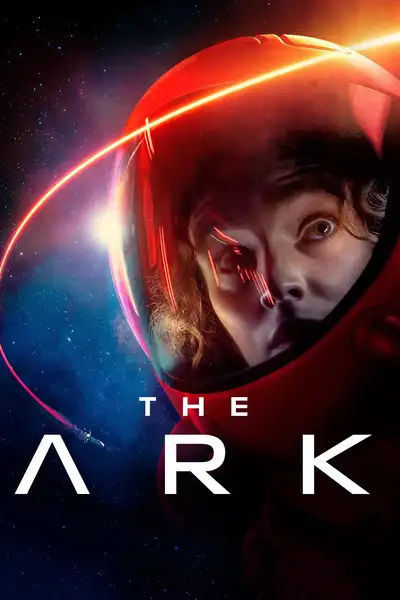
A century from now, aboard a massive spacecraft transporting colonists to a distant planet, disaster strikes and a group of survivors must maintain order while investigating potential sabotage. Created by Dean Devlin, this sci-fi series stars Christie Burke and Richard Fleeshman as crew members thrust into leadership when most senior officers are killed. The show aims for the claustrophobic paranoia of classic space thrillers while building a season-long mystery about who might be undermining the mission. Unfortunately, the execution rarely matches the ambition—the visual effects vary wildly in quality, the dialogue tends toward exposition, and character decisions often serve plot convenience rather than internal logic. There are glimmers of interesting ideas about social breakdown and survival ethics, but they're buried under uneven pacing and melodramatic plotting. Genre completists might find enough here to pass the time, though you'll wish it were better.
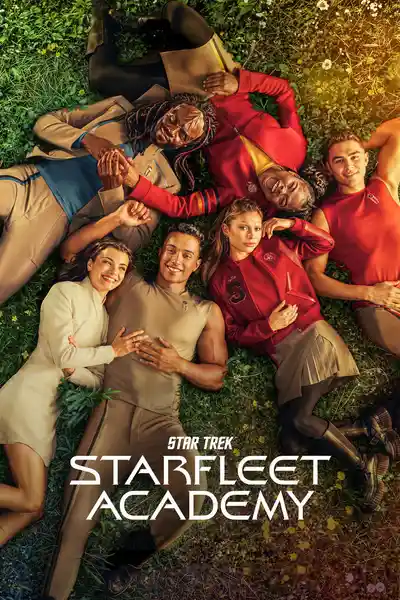
Holly Hunter leads as Chancellor Verin in this disappointing entry to the Star Trek franchise that never quite finds its footing. Set at the legendary training ground for Starfleet officers, the series follows a group of cadets navigating academy life, but the execution feels surprisingly flat for such a storied universe. The young ensemble cast struggles with uneven writing that can't decide whether it wants to be a teen drama or serious science fiction, resulting in awkward tonal shifts throughout. While the production design maintains the franchise's visual standards, the meandering plots and lack of compelling character development make this feel more like a missed opportunity than a fresh perspective. Even devoted Trekkies may find themselves checking their communicators during episodes.
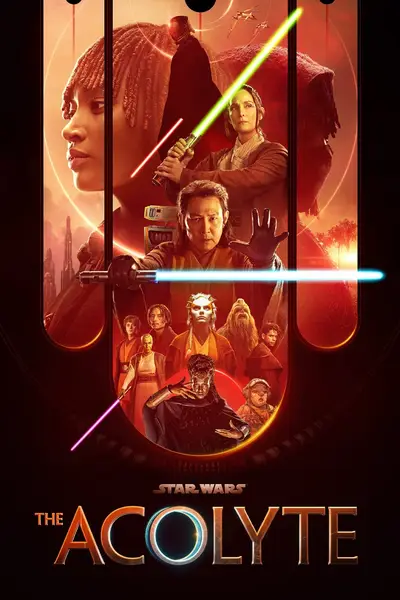
Ambitious in its darker exploration of Star Wars lore, this High Republic-era series from Leslye Headland unfortunately collapses under the weight of its own narrative confusion and uneven execution. Amandla Stenberg leads a cast that seems undermined by inconsistent characterization and dialogue that ranges from wooden to baffling, particularly in scenes meant to carry emotional weight. The premise of a murder investigation involving Jedi characters had potential, but the series struggles with pacing issues and a mystery that fails to generate genuine intrigue. While production designer Kevin Jenkins creates some visually interesting environments, and the martial arts sequences occasionally impress, these elements can't compensate for storytelling choices that seem to misunderstand what makes Star Wars compelling. The show's attempts at moral complexity too often feel forced rather than earned, leaving viewers with a series that had interesting ideas but lacked the execution to make them resonate.