Recent Shows on Britbox
Looking for the latest British television to add to your watchlist? BritBox has become the premier destination for streaming recent British shows, offering an impressive catalog of newly added series that showcase the best of UK television from the last five years. Whether you're craving gripping crime dramas, witty comedies, compelling historical series, or thought-provoking documentaries, the newest shows on BritBox deliver quality storytelling with that distinctive British flair. Our regularly updated guide cuts through the extensive library to highlight the most recently added series worth your time, from critically acclaimed productions that dominated awards seasons to hidden gems that deserve wider recognition. As BritBox continues expanding its offerings with fresh content, staying current with the latest shows can feel overwhelming—that's where we come in. We've curated this collection of recent BritBox releases to help you discover outstanding series you might have missed, ensuring you're always in the know about the platform's most exciting new additions. Get ready to explore the cutting edge of British television and find your next binge-worthy obsession.
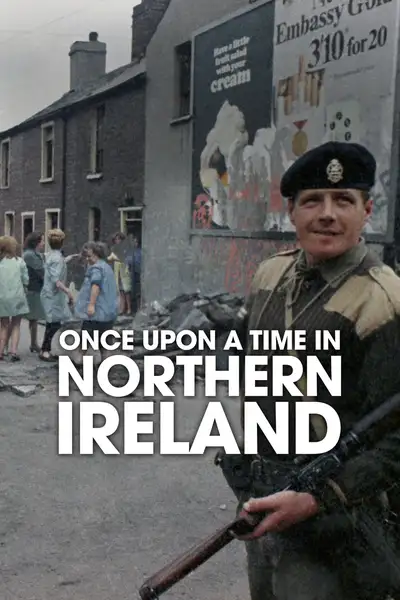
This documentary series stands as an essential, deeply moving chronicle of the Troubles that tore through Northern Ireland for three decades. Filmmaker James Bluemel assembles an extraordinary oral history, weaving together firsthand testimonies from people on all sides of the conflict—former paramilitaries, victims, British soldiers, police officers, and civilians caught in the crossfire. What makes this series remarkable is its refusal to simplify an impossibly complex situation; instead, it allows the voices themselves to create a haunting mosaic of violence, grief, resilience, and the agonizingly slow path toward peace. The archival footage is meticulously chosen, and the editing builds powerful emotional momentum while maintaining journalistic integrity. These aren't distant historical figures but real people recounting their trauma, their choices, and their losses with raw honesty. Whether you lived through this period or know little about it, this five-part series offers profound insight into how sectarian violence shapes generations and how communities struggle to heal. It's powerful, necessary television that honors the complicated truth.

A team of scientists races against time to prevent catastrophic solar storms from devastating Earth's technological infrastructure in this riveting science thriller. Creator David Peterson has crafted an absolutely gripping series that balances hard science with human drama, anchored by stellar performances from Gugu Mbatha-Raw as the astrophysicist who first detects the anomaly and Oscar Isaac as the mission commander leading humanity's response. The show excels at making complex scientific concepts accessible without dumbing them down, while the interpersonal tensions between the international team add genuine emotional stakes. The visual effects depicting solar phenomena are nothing short of breathtaking, and the ticking-clock structure keeps every episode propulsive. This is intelligent, edge-of-your-seat television that respects its audience's intelligence while delivering proper thrills.

At its core, this compelling historical drama examines how women found agency and resistance within oppressive systems, focusing on a group of female inmates at Holloway Prison during World War II. The series illuminates an overlooked aspect of wartime history, exploring how conscientious objectors, political activists, and ordinary women convicted of various offenses navigated incarceration while Britain fought for freedom abroad. The writing smartly avoids turning its characters into flawless heroes, instead presenting complex women whose choices reflect the impossible positions they faced. Lead performances from an ensemble including Gemma Arterton and Jessie Buckley bring nuance to stories that could have become melodramatic. The period recreation feels authentic without becoming costume drama pageantry, and the show's exploration of female solidarity across class and political lines resonates powerfully with contemporary viewers.

The series follows a group of diverse individuals from different corners of the globe whose lives become interconnected through environmental activism and their shared concern for the planet's future. Created by Tom Hugh-Jones, this ambitious production weaves together multiple storylines that span continents, from climate scientists in Antarctica to indigenous communities fighting deforestation in the Amazon. The ensemble cast brings authenticity to their roles, with each character representing different perspectives on humanity's relationship with nature. What elevates this beyond typical environmental programming is its focus on personal stories rather than lectures—we see how climate change affects real lives and communities in tangible ways. The cinematography is breathtaking, capturing both the majesty of untouched wilderness and the stark reality of environmental degradation. It's an emotionally resonant series that inspires action without resorting to doom-and-gloom messaging, celebrating human resilience and innovation.
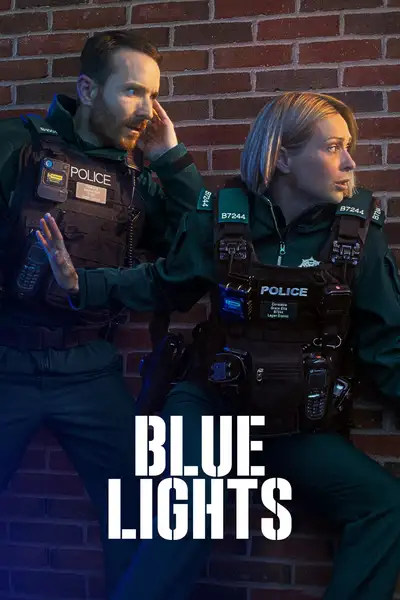
Siân Brooke and Katherine Devlin star as rookie police officers Grace and Annie, thrown into the deep end patrolling the challenging streets of contemporary Belfast in this gripping police drama. Created by Declan Lawn and Adam Patterson (formerly journalists who covered the Northern Ireland conflict), the series brings authentic texture to its portrayal of modern policing in a city still haunted by its troubled past. The show excels at balancing intense action sequences with quieter moments exploring the personal toll of the job, as Grace and Annie navigate everything from sectarian tensions to drug violence while trying to maintain their own moral compasses. What distinguishes this from standard cop dramas is its specificity of place—Belfast itself becomes a character, and the show doesn't shy from addressing the complex political and social realities of post-Troubles Northern Ireland. The two leads have excellent chemistry, and the writing trusts viewers to handle moral ambiguity without easy answers.
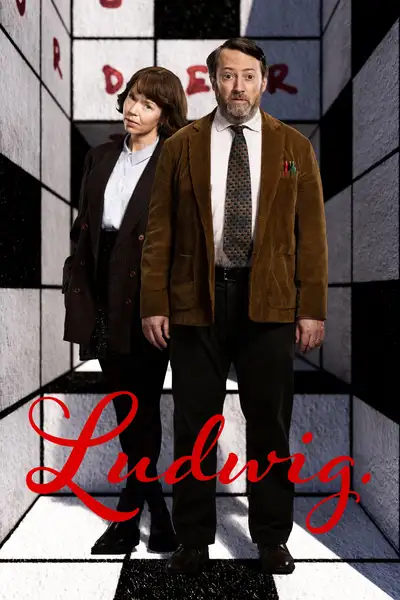
Set in contemporary Cambridge, this British mystery series follows a reclusive puzzle-setter who must impersonate his missing twin brother, a detective inspector, to uncover what happened to him. David Mitchell stars as John "Ludwig" Taylor, bringing his trademark awkwardness and intelligence to a character who solves crimes using logic and pattern recognition rather than traditional police work. Created by Mark Brotherhood, the show cleverly plays with detective genre conventions while maintaining genuine intrigue. Mitchell's fish-out-of-water performance as an introverted puzzle creator navigating police bureaucracy provides consistent entertainment, while the mysteries themselves are satisfyingly constructed. The supporting cast, including Anna Maxwell Martin, helps ground the premise with strong performances. It's a cozy mystery with enough wit and charm to stand out in a crowded field, perfect for fans of cerebral detective shows.
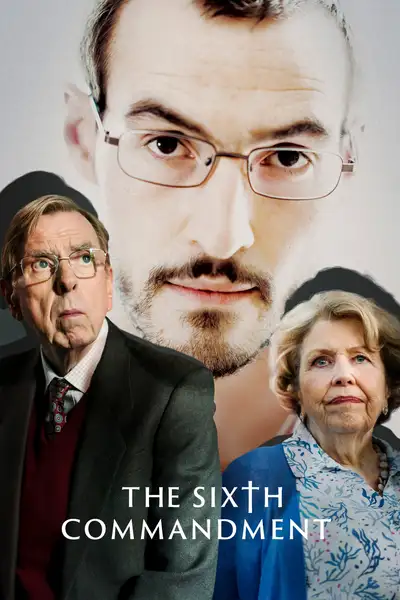
Writer Sarah Phelps brings her considerable talents to this true crime drama, crafting a devastating account of deception and manipulation that resulted in tragedy. Timothy Spall delivers a masterful performance as Peter Farquhar, a retired teacher who becomes the target of an elaborate con orchestrated by his student Ben Field, played with chilling precision by Éanna Hardwicke. The series meticulously documents how Field ingratiated himself into the lives of Farquhar and later Ann Moore-Martin, exploiting their trust and loneliness for financial gain. What distinguishes this from typical true crime fare is its sensitive treatment of the victims and its refusal to sensationalize their suffering. Anne Reid is equally outstanding as Moore-Martin, and the supporting cast brings depth to what could have been one-dimensional roles. It's a profoundly affecting piece of television that honors its real-life subjects while exploring unsettling questions about vulnerability and evil.

Anna Maxwell Martin portrays Delia Balmer, a real-life nurse whose relationship with John Sweeney turned into a nightmare of abuse and violence in this true-crime drama. The four-part series chronicles the troubling relationship and its aftermath, with Shaun Evans playing Sweeney, who would eventually be convicted of multiple murders. Director Julia Ford approaches the difficult subject matter with sensitivity, focusing on Delia's perspective and survival rather than sensationalizing the violence. Maxwell Martin delivers a committed performance that captures both vulnerability and resilience, though the series struggles with tonal shifts between character study and crime procedural. The choice to depict such disturbing real events raises questions about exploitation versus education. While it effectively portrays how abuse escalates and how institutions fail victims, viewers should prepare for genuinely unsettling content that may not feel appropriate for entertainment.
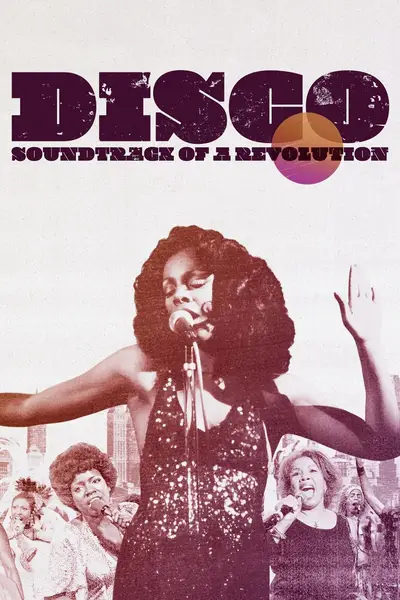
This documentary series examines how disco music evolved from underground clubs into a mainstream cultural force before facing backlash that reflected deeper social anxieties about race, sexuality, and changing American identity in the 1970s. The production traces disco's roots in Black, Latino, and LGBTQ communities, showcasing how the genre provided space for marginalized groups to express joy and liberation through dance and music. Interviews with musicians, producers, DJs, and cultural historians illuminate both the creative innovations that defined the sound—lush orchestrations, driving beats, sophisticated production techniques—and the communal experiences that made disco clubs transformative social spaces. The series effectively connects the music to broader civil rights and gay liberation movements, showing how disco's inclusive ethos threatened conservative cultural gatekeepers. Archival footage captures the era's fashion, dance styles, and club culture with infectious energy. While the documentary covers familiar territory for disco enthusiasts, it assembles the narrative thoughtfully, making a compelling case for the genre's lasting influence on contemporary music and nightlife culture.
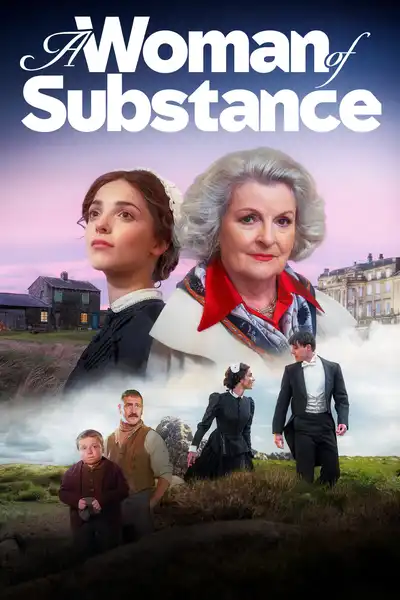
From the creative team behind this adaptation comes a sweeping family saga spanning decades of ambition, betrayal, and resilience. Based on Barbara Taylor Bradford's bestselling novel, the series traces Emma Harte's journey from impoverished servant girl to retail empire builder in twentieth-century England. The production values capture the period details beautifully, from the Yorkshire moors to the boardrooms where Emma wages her battles. The lead performance anchors the narrative through its various time jumps, conveying both steely determination and vulnerability as circumstances demand. Supporting cast members breathe life into the sprawling Harte family dynasty, though some characters feel underdeveloped given the compressed timeframe. The series works best when focusing on Emma's business acumen and strategic mind rather than conventional melodrama. It's an engaging watch for fans of multi-generational family epics, even if it doesn't quite achieve the depth its source material promises.
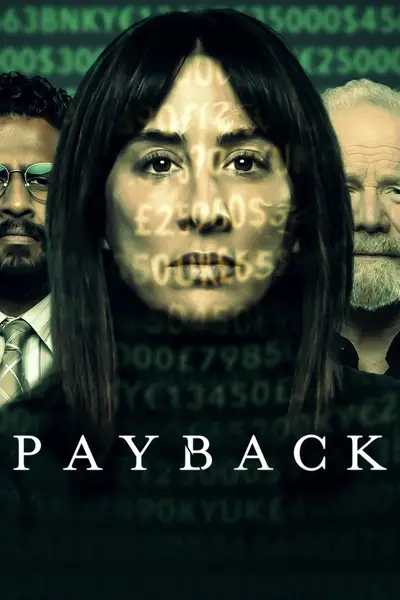
This is fundamentally a story about justice, accountability, and how far people will go to protect those they love. Morven Christie stars as Lexie, a widow whose family is targeted after her brother-in-law's past crimes catch up with him, forcing her into morally complicated choices to safeguard her children. The Scottish thriller, created by Celwyn Jones and Faye Dorn, builds tension effectively through its six-episode run, avoiding easy answers about right and wrong. Christie delivers a compelling performance as a woman discovering her own capacity for deception and violence when circumstances demand it. The supporting cast, including Peter Mullan and Derek Riddell, adds weight to what could have been a straightforward revenge narrative. The series thoughtfully explores themes of culpability and consequence, asking whether we can ever truly escape our past actions. While some plot mechanics require suspension of disbelief, the emotional core remains authentic. It's engaging, thoughtfully constructed drama that respects its audience's intelligence.
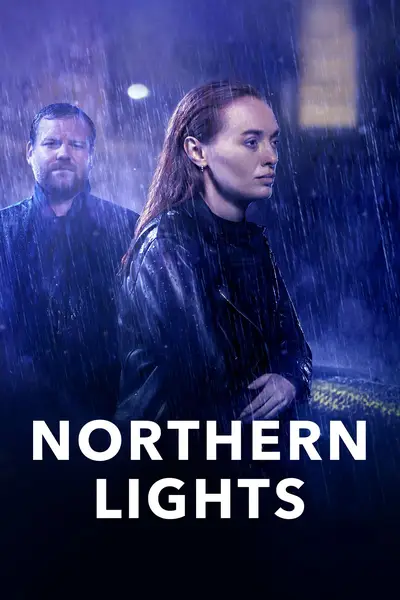
Mark Addy brings his trademark warmth to Colin, a recently widowed lighthouse keeper seeking solace in the remote Scottish Highlands in this gentle drama. Created by Sarah Kendall, the series follows Colin as he navigates grief while forming unexpected connections with the tight-knit island community. The show benefits from Addy's nuanced performance, capturing both the character's deep sadness and his gradual rediscovery of joy through friendships with locals including a no-nonsense pub owner (Lesley Manville) and a young marine biologist. While the pacing can feel meandering at times, the stunning cinematography of the Scottish coastline and the authentic portrayal of small-town life make this a comforting watch. It's an understated series that rewards patient viewers with moments of genuine emotional resonance.
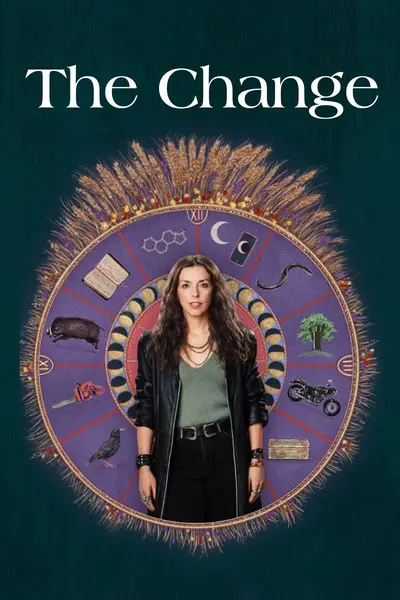
When a group of women begin experiencing menopause simultaneously, their lives intersect in unexpected and transformative ways as they navigate this challenging phase together. This Australian series created by Fiona Seres takes an honest, often humorous look at a life stage rarely explored in television drama. The ensemble cast brings warmth and authenticity to their roles, portraying the physical and emotional upheavals with both comedy and genuine pathos. The show tackles hot flashes, mood swings, relationship strain, and identity questions with refreshing candor, creating space for conversations that feel long overdue on screen. While some storylines follow predictable paths, the chemistry among the leads and the show's willingness to address taboo subjects head-on make it a worthwhile watch for anyone seeking character-driven drama that reflects real women's experiences.

Charming and handsomely produced, this period drama chronicles the rise of a working-class family in Victorian England as they transform their fortunes through determination and enterprise. Created by Lotte Brands and Sanne Nuyens, the series stars Claire Cooper and Owen Teale as members of the ambitious Hardacre family navigating their newfound wealth and the social barriers that come with it. The show delivers satisfying costume drama elements—beautiful period details, romantic entanglements, and class conflicts—without breaking new ground in the genre. What it does well is create likeable characters worth rooting for and situations that feel emotionally genuine even when following familiar patterns. The production values are consistently strong, with the contrast between the family's humble origins and their new circumstances effectively portrayed through setting and costume.

In this British dark comedy, a veteran news anchor finds his career and personal life imploding after a inappropriate joke at a wedding goes viral in the age of social media and cancel culture. Hugh Bonneville stars as Douglas Bellowes, delivering a nuanced performance that avoids painting his character as either villain or victim. Karen Gillan plays his co-anchor Madeline, whose own ambitions complicate the situation, while creator Steven Moffat brings his characteristic sharp dialogue and willingness to explore uncomfortable territory. The four-episode series examines how quickly reputations can be destroyed and questions whether redemption remains possible in our current cultural moment. Alex Kingston and Ben Miles provide strong support in a cast that handles the material's tonal shifts with skill. While the series doesn't provide easy answers to the questions it raises, it succeeds in generating thoughtful conversation about accountability, proportionality, and the court of public opinion.
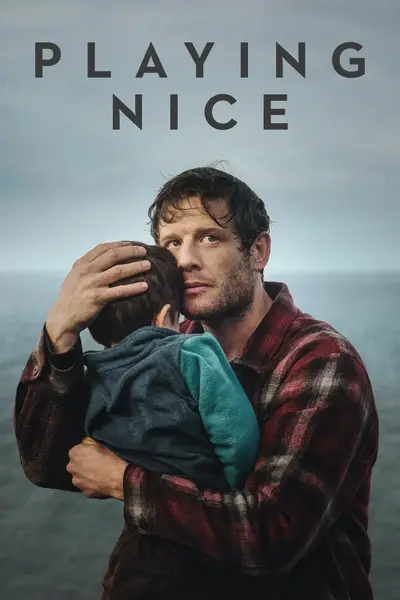
James Norton stars as Pete, a father whose seemingly perfect life implodes when he discovers that his toddler son was accidentally switched at birth with another couple's child, forcing an impossible decision about families, biology, and what constitutes parental bonds. Based on JP Delaney's novel and adapted by Pete McTighe, this ITV thriller methodically tightens the screws as two families attempt to negotiate an unthinkable situation while darker motives gradually emerge. Norton brings vulnerability and mounting desperation to a role that requires him to be simultaneously sympathetic and questionable, while Niamh Algar delivers equally compelling work as the other mother caught in this nightmare scenario. The premise could easily devolve into melodrama, but the series maintains psychological credibility, exploring how ordinary people might realistically respond to extraordinary circumstances. The tension builds effectively across four episodes, with moral complications that resist easy answers. While some plot developments require suspension of disbelief, the emotional core remains strong enough to sustain investment, making Playing Nice a solid domestic thriller that earns its suspense.
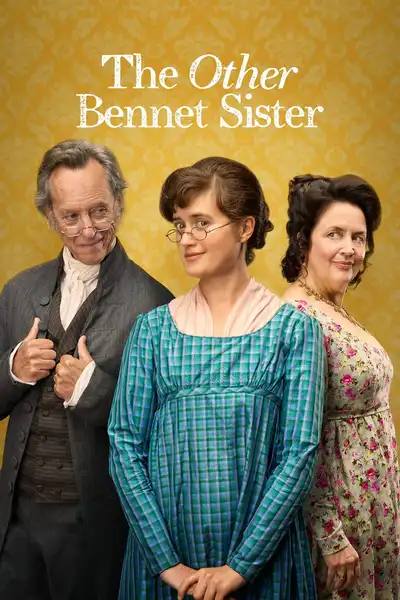
**Lead actor name** brings charm and wit to **character name** in this refreshing adaptation that puts a spotlight on the overlooked sister of the Bennet family. Created by **[showrunner name]**, the series cleverly reimagines the Pride and Prejudice universe from the perspective of Mary Bennet, exploring what life was like for the middle sister overshadowed by her more vivacious siblings. The show balances period drama authenticity with a modern sensibility about finding one's place in the world. While it occasionally leans too heavily on fan knowledge of the source material, the clever writing and strong supporting cast make it an enjoyable watch for Austen enthusiasts and newcomers alike. The production values are solid, and the series finds genuine heart in a character often relegated to the background of literary history.
In contemporary France, this family saga centers on a powerful industrial dynasty facing succession struggles, corporate threats, and personal scandals that threaten to tear apart everything they've built. Created by Matthieu Frances, the series features Niels Arestrup as the aging patriarch attempting to maintain control while his children position themselves for power. The French setting provides a different flavor than American or British dynasty dramas, with distinct cultural attitudes toward business, family, and loyalty informing the conflicts. The production benefits from strong performances across the ensemble cast, though the writing sometimes forces characters into predictable behavior to service plot mechanics. When Patriarche explores the genuine emotional cost of ambition and family obligation, it achieves moments of real depth. When it indulges in melodramatic flourishes and convenient coincidences, it feels less distinguished. The cinematography is polished, and the corporate intrigue is handled with sufficient complexity to maintain interest. It's solid genre fare that will satisfy fans of family dynasty dramas without necessarily converting skeptics.
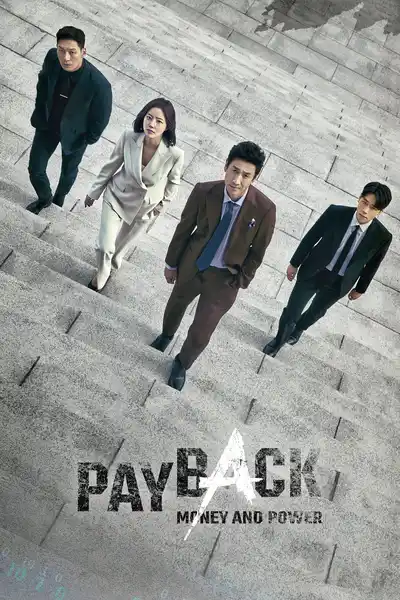
In this Korean revenge thriller, a woman betrayed and destroyed by powerful corporate interests emerges from prison determined to reclaim everything that was taken from her. Lee Sun-kyun and Moon Chae-won lead the cast in a taut drama about economic inequality and the corrupting influence of wealth. Director Lee Won-tae crafts a story that satisfies genre expectations while incorporating pointed social commentary about South Korea's chaebol system and the growing divide between classes. The show moves at a confident pace, parceling out revelations strategically while developing its characters beyond simple archetypes. Moon Chae-won brings steely determination to her role, making her character's transformation both believable and compelling. The production design effectively contrasts the gleaming boardrooms of the powerful with the grittier spaces inhabited by those they've exploited. While the series doesn't entirely avoid melodramatic moments, it generally maintains enough realism to keep its critique sharp. It's engaging genre television with substance beneath its suspenseful surface.
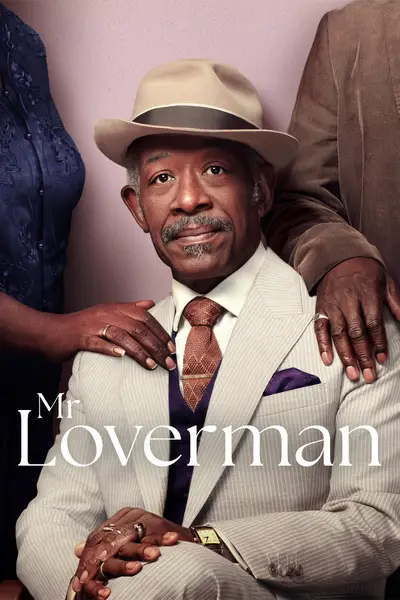
A septuagenarian man living in present-day London has spent decades concealing his true identity from his wife and family, maintaining a secret relationship with his lifelong partner. This adaptation of Bernardine Evaristo's acclaimed novel explores the emotional toll of a double life led across generations, anchored by Lennie James's powerful performance as Barrington "Barry" Walker. The series thoughtfully examines themes of identity, love, and the price of secrecy within Caribbean-British communities, where traditional expectations often clashed with personal truth. Sharon D. Clarke delivers equally compelling work as Barry's wife Carmel, whose own journey of discovery forms a crucial emotional core. Created by Nathaniel Price, the show handles its delicate subject matter with sensitivity and honesty, never shying away from difficult conversations while maintaining warmth and humanity throughout. The result is a moving portrait of long-deferred authenticity.
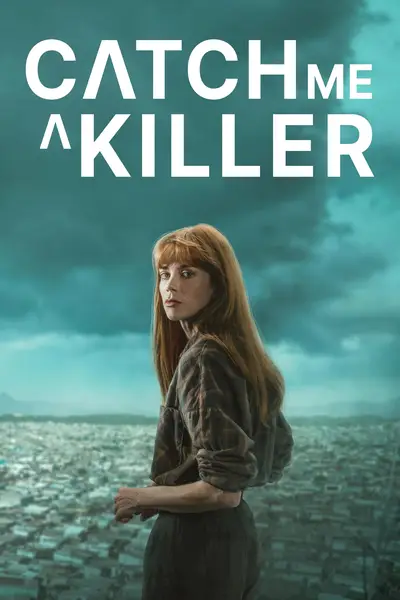
At its core, this South African crime drama examines the psychological toll of hunting serial killers while exploring themes of justice, obsession, and institutional limitations. Based on true events, Catch Me a Killer follows detectives tracking a brutal murderer through 1990s South Africa, with the investigation revealing both the horror of the crimes and the systemic challenges facing law enforcement during a turbulent period. The performances, particularly from the leads, ground the story in emotional reality rather than sensationalism, though the subject matter is undeniably dark. The series benefits from its specific historical and cultural context, offering perspectives rarely seen in the predominantly Western true crime genre. It's thoughtfully constructed and respectful to victims while still delivering the tension that draws audiences to crime dramas, making it a worthwhile if heavy viewing experience.