Recent Sci-Fi Shows
The golden age of science fiction television is happening right now, and the last five years have delivered an unprecedented wave of ambitious series that blend cutting-edge visual effects with thought-provoking storytelling. Recent sci-fi shows have pushed the boundaries of what's possible on the small screen, tackling everything from dystopian futures and time travel paradoxes to space exploration and superhero deconstructions. Whether you're drawn to hard science fiction grounded in realistic technology, mind-bending mysteries that challenge perception, or action-packed adventures set among the stars, today's streaming landscape offers something for every flavor of speculative fiction fan. These newest sci-fi series benefit from Hollywood-level production budgets and attract top-tier talent both in front of and behind the camera, resulting in cinematic experiences that rival theatrical releases. From dark psychological thrillers to epic space operas, the genre has never been more diverse or more willing to take creative risks. Our curated selection of 21 standout shows represents the best that contemporary science fiction television has to offer, showcasing the innovative storytelling and spectacular world-building that define this exciting era of genre entertainment.

Set against the sun-drenched coastline of contemporary Southern California, this surfing drama dives deep into the competitive world of professional wave-riding while exploring themes of family, ambition, and environmental responsibility. Creator Steph Green crafts a visually stunning series that captures both the majesty of the ocean and the grit required to master it, following a multigenerational family of surfers as they navigate personal rivalries and a changing sport. The ensemble cast, led by breakthrough performances from relative newcomers, brings authenticity to the beach culture without falling into stereotypes. What elevates the series beyond typical sports drama is its willingness to address real issues facing coastal communities—from climate change to gentrification—without sacrificing entertainment value. The cinematography alone makes this essential viewing, but the character work and storytelling justify the commitment.

This post-apocalyptic science fiction series based on the beloved video game franchise follows Lucy, a sheltered vault dweller who emerges into the irradiated wasteland 200 years after nuclear war devastated civilization. Developed by Jonathan Nolan and Lisa Joy, the show stars Ella Purnell as Lucy, whose optimistic naivety clashes brilliantly with the brutal reality of the surface world. The series captures the game's distinctive retro-futuristic aesthetic and darkly comedic tone while telling an original story that respects the source material without requiring prior knowledge. Walton Goggins is exceptional as a centuries-old ghoul whose storyline spans the pre-war and post-apocalyptic eras, and Aaron Moten provides grounding as Maximus, a Brotherhood of Steel aspirant with his own agenda. The production design is remarkable, bringing the game's iconic imagery to life with impressive detail. The show balances graphic violence with genuine humor and surprising emotional depth, never losing sight of character amid the spectacle. It's rare that a video game adaptation feels this confident and fully realized, delivering both fan service and genuinely good television.
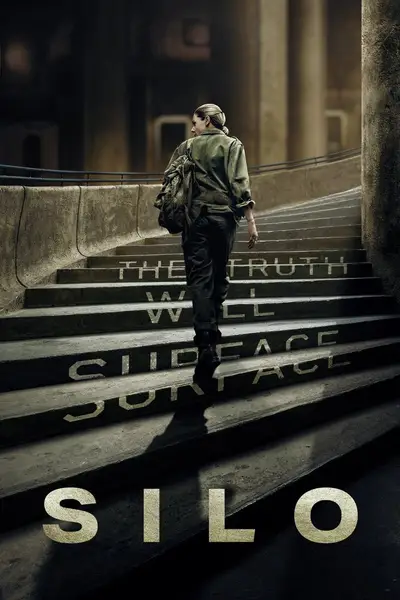
Compelling and claustrophobic, this sci-fi mystery follows the residents of an underground city who've lived for generations with no memory of why they're there or what lies outside. Based on Hugh Howey's novels and developed by Graham Yost, the series stars Rebecca Ferguson as an engineer who begins questioning the lies that hold her society together. The production brilliantly conveys the silo's oppressive atmosphere—145 floors of recycled air, recycled rules, and recycled beliefs—while slowly revealing a larger conspiracy. Ferguson anchors the show with a grounded performance that makes the increasingly wild revelations feel earned. The pacing is deliberate but purposeful, building tension through atmosphere and character rather than cheap thrills. It's smart, patient storytelling that trusts its audience.

Set in a near-future America grappling with political fragmentation, this thought-provoking series explores what happens when the nation's unity hangs by a thread. The show creates a disturbingly plausible scenario where regional divisions have deepened to crisis levels, forcing ordinary citizens and leaders alike to confront fundamental questions about democracy and national identity. The ensemble cast navigates personal and political terrain with nuance, bringing humanity to storylines that could easily feel abstract or preachy. Creator Jeff Schaffer crafts a narrative that feels both timely and timeless, using its speculative premise to examine real tensions in contemporary society. The production design effectively suggests a world that's recognizably ours but altered in subtle, unsettling ways. It's ambitious television that trusts its audience to engage with complex ideas.
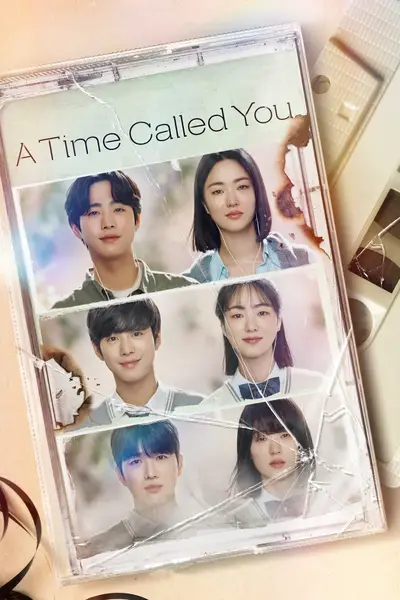
In this series, a grieving woman (Jeon Yeo-been) finds herself mysteriously transported back to 1998, inhabiting the body of a high school student and getting a second chance at a first love. Created by Choi Hyo-bi and based on the Taiwanese drama Someday or One Day, this Korean adaptation successfully captures the emotional resonance of time-travel romance while adding its own touches. Ahn Hyo-seop plays dual roles across timelines with impressive range, helping ground the fantastical premise in genuine emotion. The mystery of how and why the time travel occurs unfolds carefully across twelve episodes, rewarding patient viewers with satisfying answers. The 1990s period details evoke nostalgia effectively, while the central romance genuinely moves. It's a beautifully crafted series that earns its emotional moments through strong performances and thoughtful writing.
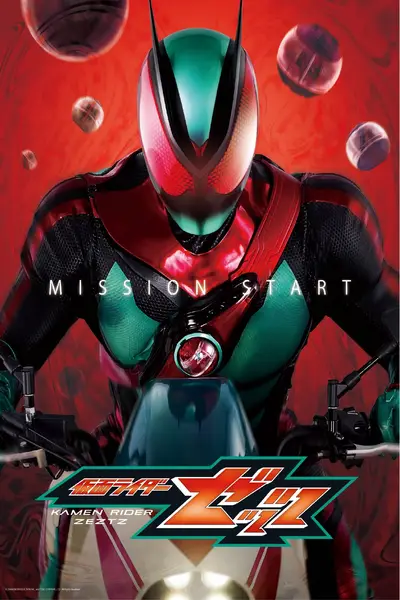
Leading actor Kentaro Maeda brings intensity and charisma to his role as the latest hero in the Kamen Rider franchise, breathing fresh life into this long-running tokusatsu series. As ZEZTZ, Maeda's character must harness mysterious transformation powers to protect humanity from emerging supernatural threats while uncovering the secrets of his own abilities and their connection to an ancient conflict. Showrunner Takuro Fukuda updates the classic Kamen Rider formula with contemporary special effects that make the transformation sequences and battle scenes particularly dynamic, while maintaining the franchise's signature emphasis on practical suit work and stunt choreography. The supporting cast, including rising stars who portray both allies and antagonists, creates an engaging ensemble that develops meaningfully across episodes. The series balances monster-of-the-week adventures with an evolving mythology that rewards attentive viewers, while the writing incorporates themes of responsibility and sacrifice without becoming heavy-handed. Production design showcases imaginative creature designs that honor tokusatsu traditions while feeling fresh and visually striking. It's an excellent entry point for newcomers curious about Kamen Rider while offering plenty for longtime fans to appreciate.
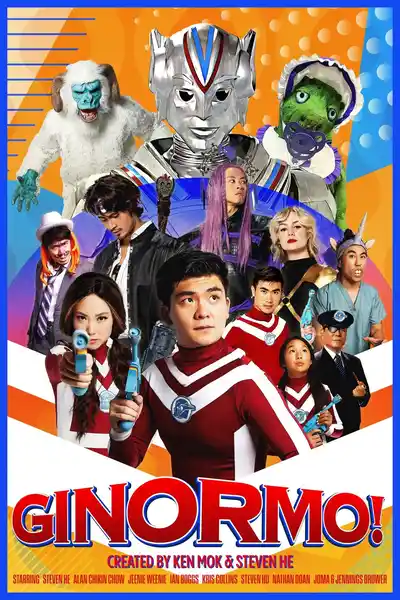
When a freak accident at a pharmaceutical lab causes mild-mannered accountant Mark to grow ten feet tall overnight, he must navigate life in a world literally not built for him. This Brazilian comedy-drama from creator Rodrigo Santoro (who also directs several episodes) finds genuine pathos in its absurd premise, with lead actor Paulo Gustavo delivering a performance that's both physically committed and emotionally nuanced. The series smartly uses Mark's condition as a metaphor for feeling out of place in modern society, while never losing sight of the practical challenges—and occasional advantages—of being twice normal height. Co-starring Taís Araújo as Mark's endlessly patient girlfriend, the show balances slapstick humor with thoughtful character development, creating something that resonates well beyond its high-concept hook.

Takahito Ōmori developed this latest entry in the Kamen Rider franchise, and it's a delightfully creative addition that showcases everything that makes the series endure. The story follows Shouma Stomach, a young man who transforms into Kamen Rider Gavv using candy-themed powers to battle monsters while searching for his missing mother. What could have been a silly gimmick instead becomes genuinely inventive, with confectionery motifs integrated cleverly into both the suit designs and combat choreography. Lead actor Hidekazu Chinen brings earnest charm to Shouma, making his personal journey emotionally resonant amid the fantastical action. The show balances episodic monster battles with an engaging serialized narrative that rewards regular viewing. Production values are excellent, with practical effects and CGI blending seamlessly to create memorable action sequences. The writing team finds surprising depth in exploring themes of family, identity, and belonging without ever losing sight of the fun inherent in the premise. It's Kamen Rider firing on all cylinders—imaginative, heartfelt, and thoroughly entertaining.
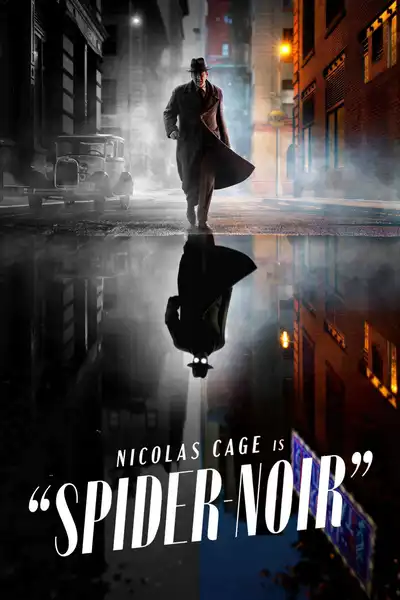
Oren Uziel and Steve Ditko bring the shadowy world of Spider-Man Noir to streaming in this visually striking series that transplants the web-slinger to 1930s New York. Nicolas Cage voices the Depression-era Peter Parker, a role he previously inhabited in the animated "Spider-Verse" film, lending gravitas to this darker, grittier take on the Spider-Man mythology. The noir aesthetic isn't just window dressing—it fundamentally shapes the storytelling, with hard-boiled narration, morally complex antagonists, and period-appropriate concerns about corruption and economic injustice. The animation style blends shadow-heavy visuals with dynamic action sequences that honor both superhero spectacle and classic film noir. By removing Spider-Man from his familiar modern setting, the series finds fresh angles on familiar themes about power and responsibility while creating atmosphere thick enough to cut with a knife.
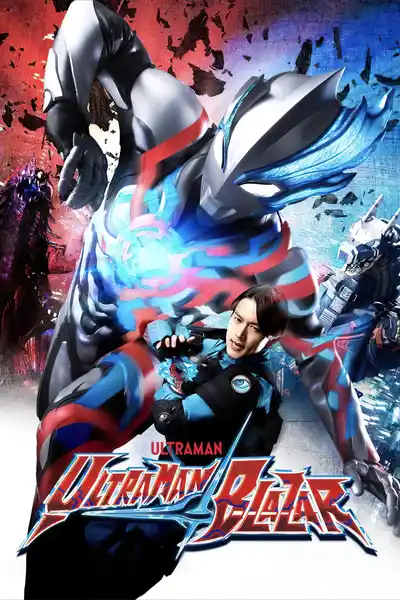
From the creative team behind the long-running Ultra Series, Ultraman Blazar arrives as a thrilling revitalization of the iconic Japanese superhero franchise. This 2023 installment introduces a new Ultra hero defending Earth against kaiju threats while exploring fresh themes of cooperation and determination. The series impresses with spectacular practical effects work and dynamic action sequences that honor the franchise's tokusatsu roots while incorporating modern filmmaking techniques. What truly elevates Blazar is its focus on the human characters within the Global Guardian Force, giving them meaningful development beyond simply supporting the titular hero. The monster designs are creative and menacing, each battle feeling consequential rather than formulaic. Lead actor Konishi Hirofumi brings genuine charisma to his role, grounding the fantastical elements with emotional authenticity. For both longtime fans and newcomers to the Ultra Series, Blazar delivers exciting entertainment with substance.
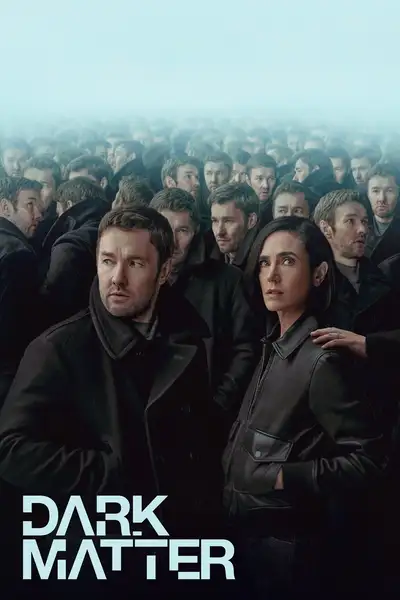
A physicist's life fractures into infinite possibilities when he's abducted and wakes up in a world where his wife doesn't know him and his son was never born. Blake Crouch adapts his own novel in this mind-bending thriller starring Joel Edgerton as Jason Dessen, who must navigate the multiverse to find his way back to his true family. Jennifer Connelly plays both versions of his wife across different realities, bringing nuance to what could have been a gimmick. The series takes the multiverse concept—which has become overused lately—and grounds it in genuine emotional stakes about the choices we make and the lives we don't live. The production manages to make the science feel accessible without dumbing it down, and director Jakob Verbruggen creates real visual distinction between worlds. It's smart, propulsive sci-fi that trusts its audience while delivering both intellectual puzzles and visceral thrills.
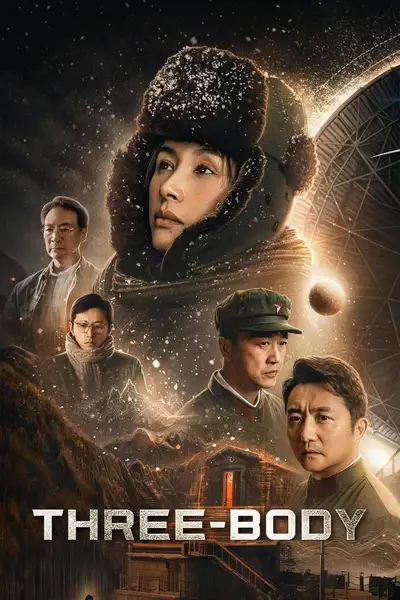
When humanity receives messages from an alien civilization that will arrive in 400 years, scientists discover the extraterrestrials have already deployed technology to halt Earth's scientific progress, triggering a global crisis about survival and resistance. Based on Liu Cixin's renowned novel, this Chinese adaptation stars Yu Hewei and Chen Jin navigating the political and scientific turmoil following first contact. The series excels at translating the novel's complex scientific concepts and philosophical questions into compelling drama, maintaining the source material's hard science fiction rigor while developing emotionally resonant characters. Production values are impressive, particularly when visualizing the story's more mind-bending technological elements. Director Yang Lei handles the large-scale narrative with confidence, balancing intimate character moments with civilization-scale stakes. For science fiction fans who appreciate cerebral concepts alongside their drama, this delivers on both fronts. The adaptation captures the novel's sense of cosmic dread while remaining grounded in recognizable human concerns about faith, science, and survival.
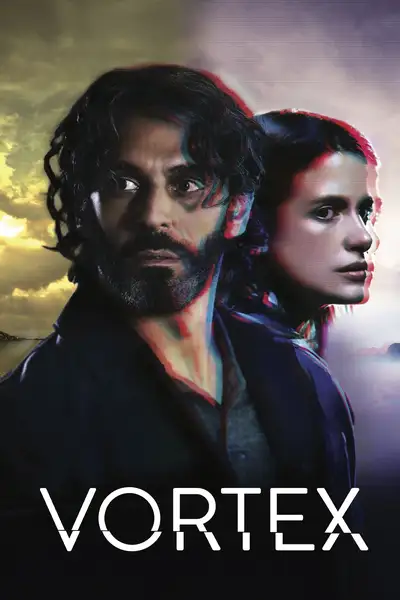
Tomer Sisley stars as Ludovic Desmeuze, a former special forces operative pulled back into action when mysterious events threaten his family in this French science fiction thriller. The series, created by Anthony Lancret and Raphaëlle Roudaut, blends espionage elements with increasingly mind-bending temporal mechanics as Ludovic discovers reality isn't quite what it seems. The conspiracy gradually expands from personal stakes to potentially global implications, incorporating elements of simulation theory and parallel dimensions. While the premise shows ambition and Sisley commits fully to the physical and emotional demands of the role, the execution doesn't always match the concept's potential. The plotting occasionally becomes convoluted without being genuinely complex, and some twists feel less earned than arbitrary. The production values are solid for European streaming television, with capable action sequences, though nothing groundbreaking. Supporting cast members including Camille Claris add depth where they can. It's an intriguing premise that delivers sufficient entertainment for genre fans, even if it doesn't fully stick the landing on its bigger ideas.
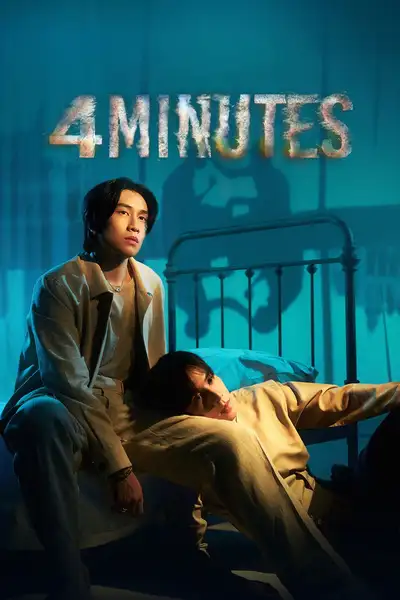
Sammon's Thai supernatural thriller centers on Tyme, a medical student who gains the ability to see four minutes into the future following a near-death experience, and Great, a business heir whose life becomes intertwined with Tyme's visions. Starring Jes Jespipat Tilapornputt and Bible Wichapas Sumettikul, the series blends romance, mystery, and metaphysical elements as the protagonists navigate dangerous conspiracies while grappling with the implications of foresight. The show's visual style is striking, with moody cinematography and careful attention to the disorienting nature of time-shifted perception. The chemistry between the leads anchors the more fantastical elements, making their relationship feel genuine even as the plot ventures into increasingly complex territory. While some narrative threads could be tighter and the pacing occasionally stumbles under the weight of its ambitions, the series delivers genuinely suspenseful moments and emotional payoffs that justify the investment. It's a confident genre exercise that mostly succeeds in its aims.
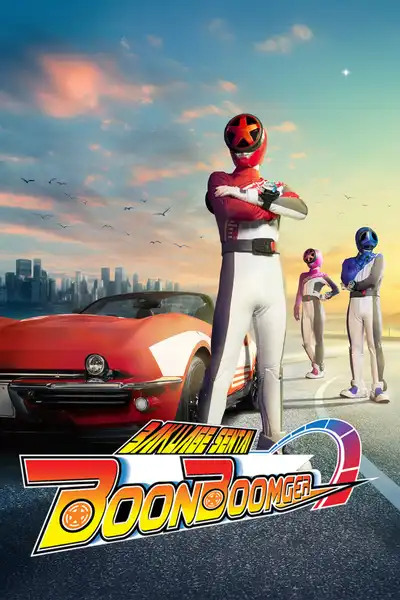
From the creators of the long-running Super Sentai franchise comes this colorful entry featuring a team of heroes who transform into race car-themed warriors to battle interdimensional threats. The series follows the established formula of the tokusatsu genre: a diverse team, transformation sequences, monster-of-the-week battles, and an overarching villain conspiracy. The automotive theme allows for creative vehicle designs and racing-inspired action sequences that younger viewers will likely enjoy. As with most Sentai series, the tone is energetic and aimed squarely at children, with straightforward moral lessons and broad humor. The practical effects and suit work maintain the franchise's traditional aesthetic, which will either feel charmingly retro or dated depending on your perspective. Adult viewers coming to it without nostalgia may find it simplistic, while franchise fans will appreciate the familiar rhythms and spectacle. It delivers exactly what the genre promises without pushing boundaries or surprising anyone familiar with Sentai conventions.
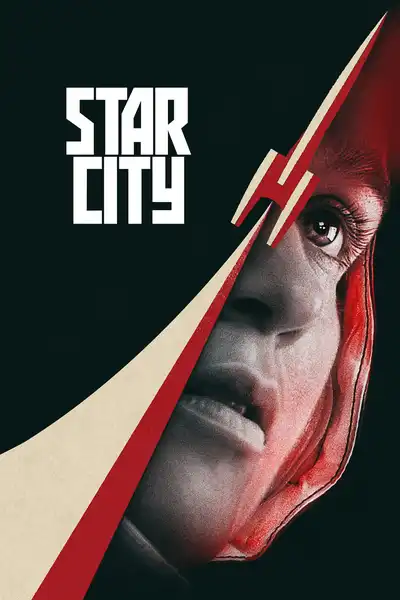
In this series, a group of aspiring performers navigates the cutthroat world of musical theater while working together at a fictional performing arts venue. The ensemble cast brings energy to musical numbers that range from classic show tunes to contemporary pop, though the choreography doesn't always match the ambition of the arrangements. Created for a younger demographic, the series tackles familiar themes of friendship, rivalry, and self-discovery with sincerity if not originality. Character arcs follow predictable trajectories, but the performers sell the emotional beats with genuine commitment. Production design creates a believable theatrical world, capturing both the glamour of performance and the unglamorous reality of backstage politics. The series works best when focusing on the practical challenges of mounting productions rather than romantic entanglements, though it balances both elements reasonably well. It's pleasant if unexceptional entertainment that should satisfy fans of performance-based programming.
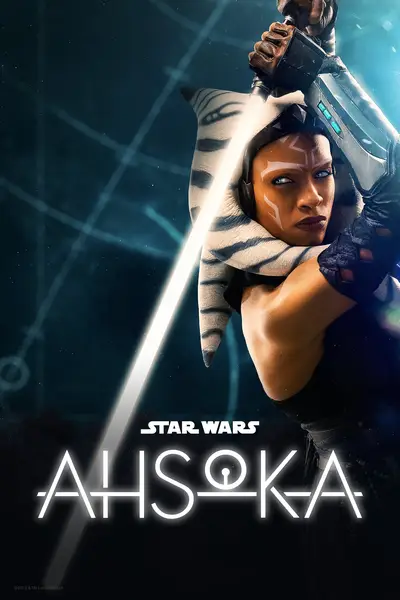
Former Jedi Ahsoka Tano searches for Grand Admiral Thrawn and her missing friend Ezra Bridger in this Star Wars series from Dave Filoni that assumes significant familiarity with animated predecessors like The Clone Wars and Rebels. Rosario Dawson brings physical presence to the title role she debuted in The Mandalorian, though the script gives her surprisingly little emotional range to explore beyond stoic determination. The series delivers some visually striking lightsaber duels and introduces intriguing characters like Shin Hati (Ivanna Sakhno), but the pacing drags considerably in middle episodes that feel like they're marking time until the finale. For devoted fans of Filoni's animated work, seeing these characters in live-action carries inherent appeal, and the show's deep-cut references will resonate strongly. However, newcomers may find themselves lost in unexplained history and relationships that the series expects you to care about without earning that investment. It's competently made fan service that struggles to stand on its own merits.
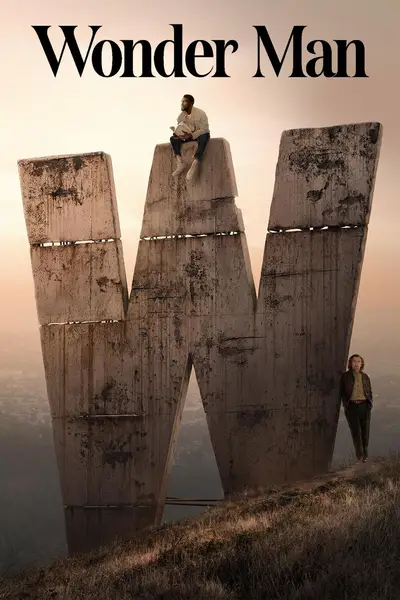
This Marvel superhero comedy follows Simon Williams, a struggling actor whose life takes an unexpected turn when he develops superpowers and must navigate both Hollywood and heroism. Developed by Andrew Guest and Destin Daniel Cretton, the series stars Yahya Abdul-Mateen II as the title character, bringing charisma to a hero trying to figure out his place in a world already full of more famous Avengers. The show mines humor from the entertainment industry satire as much as superhero antics, offering a lighter take on the MCU that doesn't carry the weight of universe-ending stakes. Ben Kingsley returns as Trevor Slattery, adding to the comedic energy alongside an ensemble that keeps things breezy and entertaining. While it doesn't reinvent superhero television, it carves out a pleasant niche as a lower-stakes character piece that explores what being a hero means when you're not leading the team—just trying to do good while paying rent.

A gripping psychological thriller that examines how social media distorts reality and identity, "Filter" stands out as one of the more thoughtful entries in the tech-anxiety subgenre. Creator Laura Benson crafts a multi-layered narrative following several characters whose lives become dangerously entangled through a new social media platform that uses AI to create "perfect" versions of users' lives. Maya Hawke leads the ensemble cast with a nuanced performance as a content moderator who begins to uncover disturbing patterns in user behavior. The series smartly avoids heavy-handed moralizing about technology, instead presenting complex scenarios that allow viewers to draw their own conclusions. The cinematography effectively uses visual filters and color grading to distinguish between "real" and "curated" moments, creating an unsettling atmosphere that lingers. It's a genuinely compelling watch that respects its audience's intelligence.
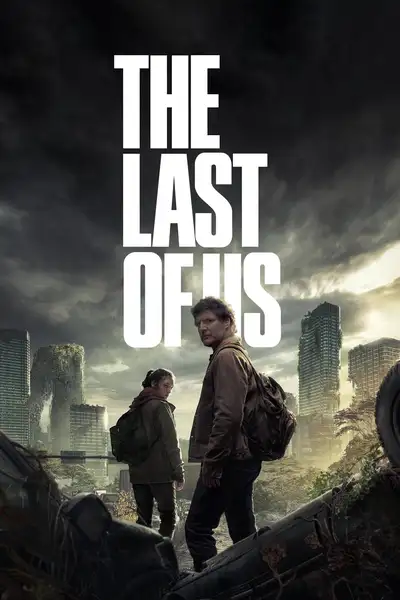
Pedro Pascal brings remarkable depth to Joel, a hardened survivor tasked with protecting Ellie (Bella Ramsey) in HBO's adaptation of the acclaimed video game. Created by Craig Mazin and Neil Druckmann, the series follows their dangerous journey across a post-apocalyptic America ravaged by a fungal infection that turns humans into monsters. What sets this adaptation apart is its commitment to character development over action spectacle—the quieter moments between Joel and Ellie resonate just as powerfully as the tense encounters with infected and hostile survivors. The production values are impressive, with desolate cityscapes and abandoned landscapes that feel hauntingly real. While the pacing occasionally slows, the emotional core remains strong throughout, making this a solid entry in the post-apocalyptic genre that respects its source material while standing on its own merits.

When a young man discovers he has the ability to travel back in time, he repeatedly attempts to change the past to win the heart of someone who doesn't return his affections—only to learn that manipulation, even well-intentioned, can't create authentic connection. This Thai BL series directed by Phadej Onlahung tackles the familiar time-loop premise with surprising emotional intelligence, using its supernatural element to explore consent, agency, and the difference between loving someone and loving the idea of them. Gawin Caskey Phumchat and Kris Thanakrit Chaiwut deliver nuanced performances that evolve as their characters grow through repeated timelines, showing subtle shifts in understanding and maturity. The series doesn't shy away from the uncomfortable implications of its premise, forcing its protagonist to confront how his actions affect others regardless of his intentions. While it occasionally indulges in typical romantic comedy beats, the underlying seriousness of its themes gives the lighter moments more weight. It's a thoughtful addition to the genre that respects its audience enough to challenge them.