Recent Russian Shows
Russian television has entered an exciting new era, with recent years delivering a remarkable wave of innovative series that are redefining storytelling on screen. If you're searching for the best recent Russian shows that showcase the country's evolving television landscape, you've come to the right place. This carefully curated selection highlights 21 must-watch Russian-language series released within the last five years, spanning gripping crime dramas, thought-provoking character studies, and boundary-pushing narratives that have captivated both domestic and international audiences. From award-winning performances that resonate long after the credits roll to groundbreaking streaming originals that demonstrate the creative ambition of contemporary Russian television, these recent releases represent the finest achievements in Russian TV production. Whether you're a dedicated fan of Russian-language content or simply looking to explore fresh perspectives in global television, these critically acclaimed shows offer unforgettable viewing experiences that rival the best series from anywhere in the world. Discover the standout performances, visionary creators, and compelling stories that are shaping the current golden age of Russian television and earning recognition on the international stage.
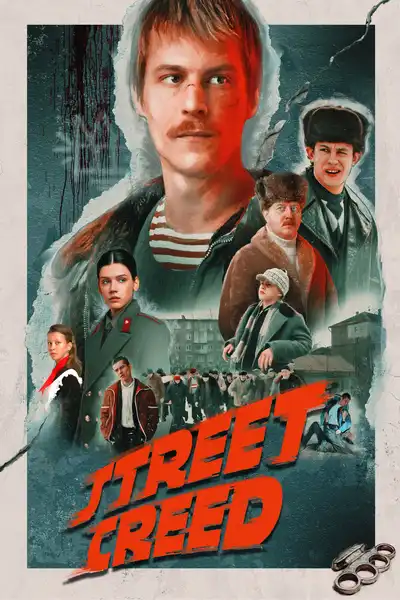
Rodion Galyuchenko delivers a raw, compelling performance as Andrey, navigating the brutal world of late Soviet-era Kazan in this gripping coming-of-age drama. Created by Zhora Kryzhovnikov, "The Boy's Word: Blood on the Asphalt" immerses viewers in the street gang culture of 1980s Russia, where teenage boys fight for respect, territory, and survival in a society on the brink of collapse. The series doesn't shy away from the violence and hardship of the era, yet finds moments of genuine humanity and brotherhood among its young characters. The authentic period detail and unflinching storytelling create a visceral experience that feels both historically specific and universally resonant. With strong ensemble work and direction that captures the gritty texture of the streets, this Russian series offers a powerful window into a world rarely seen in Western television.
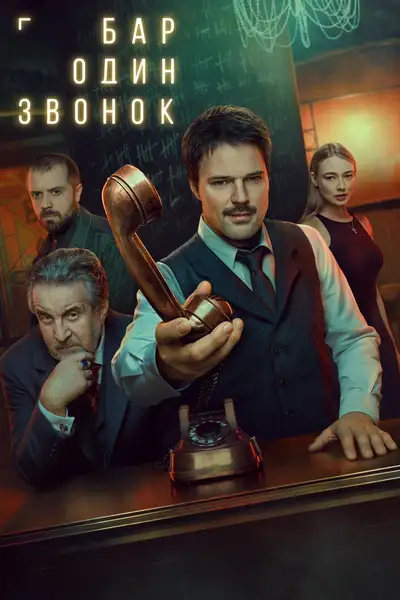
This workplace dramedy explores the chaotic world of a struggling bar where the eclectic staff members' personal dramas often prove more intoxicating than the drinks they serve. Created by Lee Jin-woo and featuring Park Seo-jun in a supporting ensemble role, "One Call Bar" captures the specific energy of service industry culture—the late nights, difficult customers, and found-family bonds that form between coworkers. The series balances comedy and pathos as it follows bartenders, servers, and managers navigating romantic entanglements, financial pressures, and career uncertainties while keeping their establishment afloat. Lead actress Kim Da-mi brings warmth and determination to her role as the bar's general manager trying to keep everything together. While the show doesn't reinvent the workplace comedy formula, it executes it with enough charm and authentic detail about bar culture to make it an enjoyable watch, particularly for anyone who's worked in hospitality.
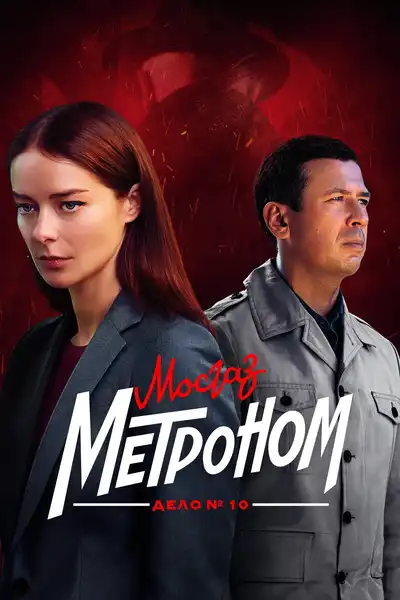
Andrey Smolyakov returns as investigator Ivan Lozovsky in this latest installment of the long-running Soviet crime drama franchise. Set against the backdrop of 1980s Moscow, this season follows Lozovsky as he investigates a series of murders connected by a mysterious pattern tied to musical timing. Creator Alexey Kolmogorov continues the series' tradition of period-accurate procedural storytelling, with careful attention to the details of Soviet-era law enforcement. Smolyakov delivers his characteristic steady performance, portraying the weary detective with understated professionalism. The mystery unfolds methodically, perhaps too slowly for some viewers, with clues emerging through patient investigative work rather than dramatic revelations. The historical setting is well-realized through production design and cinematography, though the pacing can feel plodding. Fans of the franchise and patient mystery viewers will find enough to appreciate, while those seeking faster-paced crime drama might grow restless.
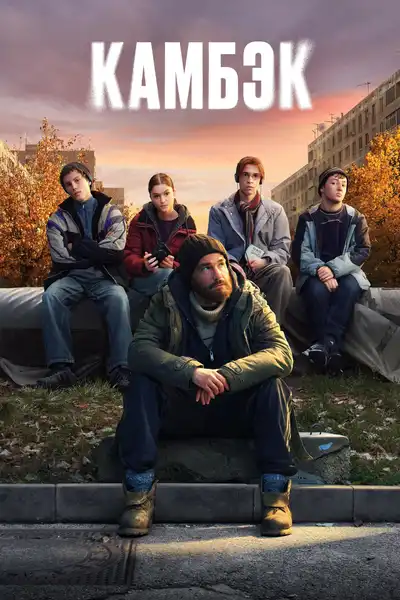
Set in contemporary Los Angeles, this sports drama follows a former tennis champion attempting to reclaim her ranking after a scandal derailed her career five years earlier. Laura Harrier leads as Maya Castellanos, bringing believable determination and vulnerability to a character wrestling with age, public perception, and whether the game she once loved still has room for her. Creator Sera Gamble structures the comeback narrative with patience, allowing training montages and tournament pressure to share space with Maya's complicated relationships with her family and former doubles partner. The tennis sequences feel authentic thanks to solid choreography and cinematography that captures both the athleticism and psychological warfare of professional matches. While the show occasionally leans into familiar underdog tropes, it finds fresher ground exploring how female athletes face narrower windows for redemption than their male counterparts, making Maya's journey feel specific and earned rather than purely inspirational.

Dark, satirical, and occasionally profound, this anthology series examines how digital connectivity shapes modern relationships, ambitions, and anxieties. Each episode presents a standalone story exploring different aspects of social media culture, from influencer desperation to algorithmic manipulation to the performance of online identity. Creator Marcus Webb assembles strong casts for each installment, including standout performances from Jade Chen and Robert McKenzie in the series' most effective episodes. The show works best when it balances its cynicism with genuine empathy for characters trapped in digital feedback loops. However, the quality varies significantly between episodes—some offer genuinely insightful commentary on contemporary life, while others feel like warmed-over Black Mirror concepts without the execution to match. The tone can also feel punishingly bleak, offering little hope or nuance in its portrayal of technology's impact on humanity.

Set in contemporary Moscow, this romantic drama explores the collision between science and emotion when two researchers find themselves drawn together despite their vastly different approaches to their work. The series attempts to balance workplace dynamics with personal entanglements, featuring leads whose on-screen chemistry fluctuates between compelling and forced. The show's exploration of scientific culture provides occasional interesting moments, particularly in its depiction of competitive academic environments, but the romantic plotlines often rely on familiar tropes that undercut the more original elements. Production values are adequate though not exceptional, and the writing wavers between sharp dialogue and melodramatic exchanges. There's potential in the premise—examining how rational minds navigate irrational feelings—but the execution doesn't always capitalize on these opportunities, resulting in a series that entertains without leaving a lasting impression.
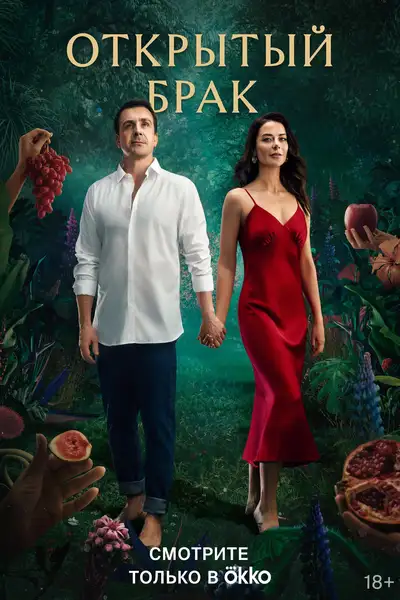
Set in contemporary Moscow, this Russian drama explores the complexities of modern relationships through the lens of couple who decide to experiment with an open marriage arrangement. Created by Anna Melikyan and starring Svetlana Khodchenkova and Danila Kozlovsky as Vera and Alexei, the series takes a measured approach to its provocative subject matter, examining how their decision ripples through their social circle and challenges their understanding of commitment. While the premise might suggest sensationalism, the show is more interested in honest conversations about intimacy, jealousy, and evolving definitions of partnership. The performances are grounded and the writing avoids easy judgment, though the pacing occasionally drags in the middle episodes. It's an adult drama in the truest sense—thoughtful and unafraid of complexity, even when it doesn't always reach tidy conclusions.
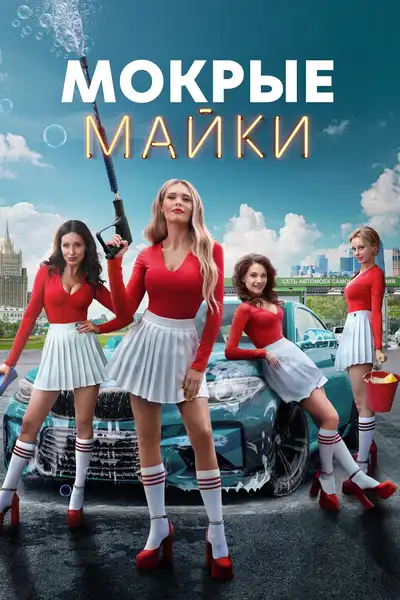
Set in a contemporary beach town where summer tourism drives the local economy, this series follows the staff of various beachfront establishments as they navigate seasonal employment, romantic entanglements, and the complicated dynamics of a community that transforms dramatically between summer and winter. The ensemble cast brings energy to roles that sometimes feel more like types than fully developed characters. The series leans heavily into eye-candy aesthetics—hence the title—sometimes at the expense of substantive storytelling. When it focuses on the economic precariousness of seasonal work and the tensions between locals and tourists, it finds genuinely interesting material. Too often, though, it settles for surface-level drama and romantic triangles that feel manufactured rather than organic. Production values emphasize the location's natural beauty, though the constant emphasis on attractive people in minimal clothing can feel gratuitous. There's potential in exploring this particular subculture, but the execution prioritizes spectacle over substance. Viewers looking for undemanding beach-set drama may find it adequate summer viewing.
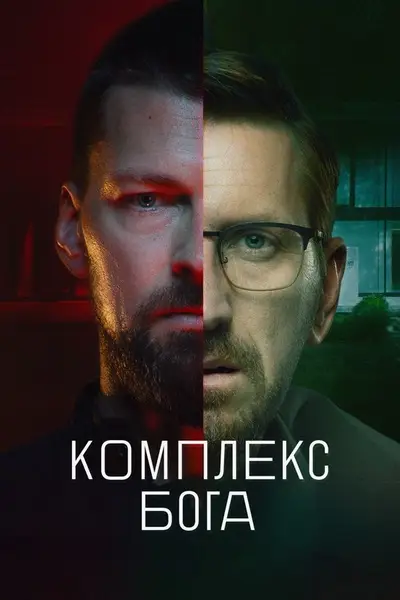
This supernatural drama explores themes of power, mortality, and hubris through characters who possess or seek godlike abilities in a world unprepared for such forces. God Complex takes a thoughtful approach to examining what happens when individuals transcend human limitations, grounding its fantastical premise in recognizable emotional stakes. The cast delivers committed performances that help sell the more ambitious conceptual elements, though the series sometimes struggles to balance its philosophical ambitions with narrative momentum. Production design effectively creates a world where the extraordinary intrudes upon the mundane, and the visual effects work serves the story without overwhelming it. While the show doesn't always stick its more complex thematic landings, it offers enough intriguing ideas and character moments to merit attention from viewers interested in genre television that aspires to something beyond spectacle.
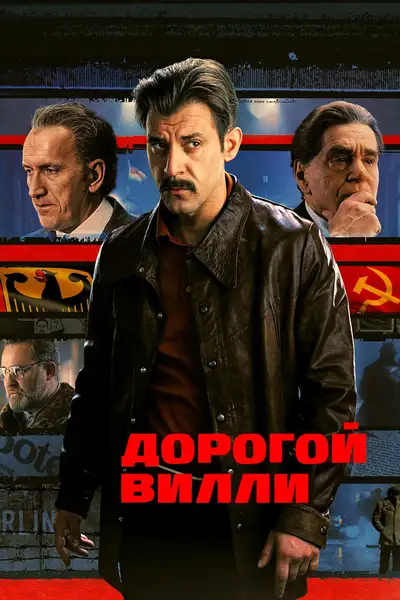
Set against the backdrop of contemporary America, this epistolary drama follows a series of personal letters addressed to musician Willie Nelson that explore themes of connection, loss, and hope. The format allows for intimate storytelling as various characters share their struggles and revelations through written correspondence, creating a unique narrative structure that feels both theatrical and deeply personal. While the connection to Willie Nelson serves as the framing device, the show is really about ordinary people seeking meaning and understanding in difficult times. The episodic nature means some installments resonate more strongly than others, and the conceit occasionally feels stretched, but when it works, the show offers genuinely moving moments. It's an unconventional viewing experience that rewards patience and appeals to those drawn to character-driven stories told through innovative formats.
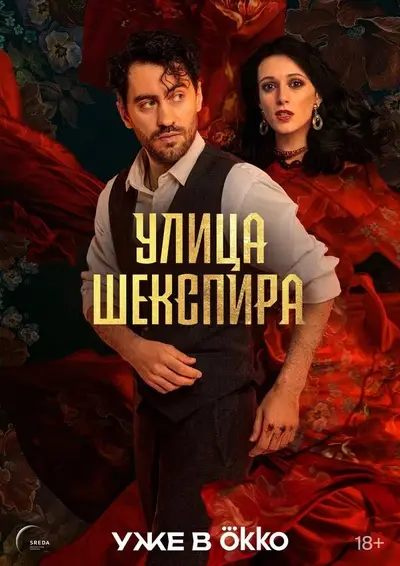
On a diverse London street where cultures collide and neighbors know each other's business, residents navigate romance, rivalry, and transformation in this contemporary ensemble drama. Shakespeare Street, created by Jocelyn Campbell, draws obvious inspiration from the Bard's works, with storylines that loosely parallel various plays—though the connections sometimes feel forced. The multicultural cast, including standout performances from Idris Elba in a supporting role and relative newcomer Aisha Okoye as a Nigerian-British student, brings authenticity to the setting. The show's strength lies in its detailed portrayal of modern London's cultural mosaic, capturing how different communities intersect in shared spaces. However, the explicit Shakespeare references occasionally overwhelm the contemporary stories, making viewers too aware of the literary framework. Production design effectively creates a lived-in neighborhood that feels real rather than constructed. Supporting storylines about gentrification and changing demographics add relevant social commentary. When the show trusts its characters and settings without leaning on its literary inspiration, it finds solid footing. Shakespeare Street offers enough human drama and cultural specificity to engage viewers interested in modern British stories, though the gimmick wears thin by season's end.
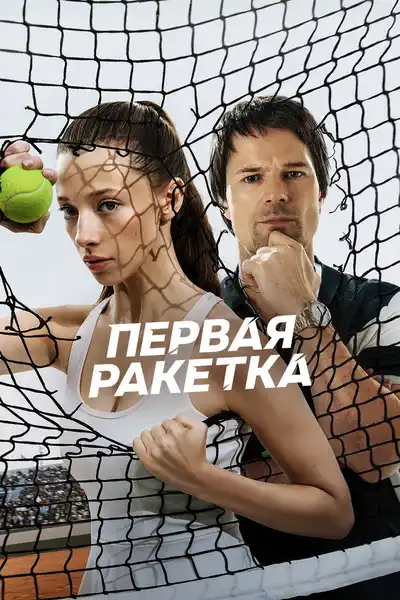
Set within the competitive world of professional tennis, "First Racket" attempts to serve up drama both on and off the court but delivers mixed results. The series follows an aging tennis champion struggling to maintain relevance while mentoring a talented but troubled young player, a premise that should generate compelling conflict but often feels familiar. Creator David Mitchell assembles a capable cast, and there are moments where the show finds its rhythm, particularly in scenes exploring the psychological pressures athletes face and the sacrifices required for greatness. However, inconsistent pacing and underdeveloped supporting characters prevent the series from reaching its potential. The tennis sequences are competently filmed, though they lack the visceral intensity that might elevate the sports elements beyond mere backdrop. While not without merit—especially for viewers drawn to sports dramas—"First Racket" struggles to distinguish itself in an increasingly crowded streaming landscape, offering adequate entertainment without delivering anything particularly memorable.

A journey through space becomes an intimate exploration of human connection and sacrifice when a crew embarks on an unprecedented mission to reach the sun and return home. The series balances hard science fiction elements with deeply personal character studies, following the astronauts as they confront both technical challenges and psychological pressures. The show's strength lies in its patient storytelling, allowing relationships to develop naturally against the backdrop of humanity's boldest endeavor. While some episodes drift into overly contemplative territory, the performances ground the more fantastical elements. The production design impressively conveys the claustrophobia and wonder of space travel without relying heavily on spectacle, creating an atmosphere that feels both grand and intimately contained.

Set against the backdrop of contemporary China's rapidly evolving society, this series attempts to capture the experiences of a generation navigating unprecedented social change. The show follows several young people dealing with career pressures, family expectations, and romantic relationships in an environment where traditional values collide with modern aspirations. Created by Liu Jiang, the series features performances from cast members including Bai Jingting and Tian Xiwei. While the production values are solid and certain storylines resonate, the series occasionally struggles with uneven pacing and characters that can feel more like archetypes than fully realized individuals. Some episodes genuinely capture the anxiety and hope of youth in transition, while others fall into predictable melodrama. It's a watchable series that offers glimpses of insight without quite achieving the depth it reaches for.
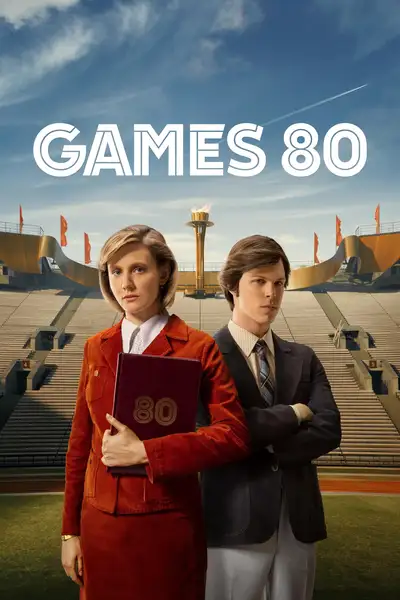
Created by Mac Barnett and Jon Klassen, this animated series brings their distinctive visual style to a whimsical island populated by friendly shapes who navigate everyday challenges and social situations. The show's geometric character designs—circles, squares, and triangles with minimal features—create a unique aesthetic that appeals to young viewers while offering sophisticated visual storytelling. Voice actors Scott Adsit, Yvette Nicole Brown, and Harvey Guillén bring warmth and personality to the simple characters, making them surprisingly expressive despite their abstract forms. The gentle lessons about friendship, problem-solving, and emotional intelligence emerge organically from stories rather than through heavy-handed messaging. The animation style, reminiscent of Barnett and Klassen's picture book work, uses bold colors and clean compositions effectively. While the content targets preschool audiences, there's enough cleverness in the writing and visual humor to keep adult viewers engaged. It's thoughtful children's programming that respects its young audience's intelligence.
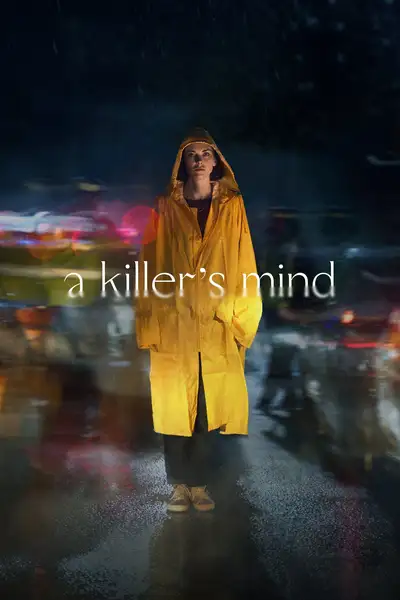
In this series, viewers follow criminal psychologist Liu Yunfei as he assists police investigations by profiling suspects and understanding the pathological thinking behind brutal crimes. The Chinese procedural attempts to blend forensic psychology with detective work, exploring what drives individuals to commit horrific acts. The concept provides opportunities for psychological depth, and actor Wang Yang brings intensity to the role of a profiler whose insights come from understanding darkness. However, the execution often settles for surface-level analysis rather than genuinely probing the criminal mind. Cases occasionally feel formulaic, following predictable patterns that undermine the show's pretensions toward psychological complexity. The investigative process gets bogged down in exposition, with characters explaining their deductions rather than allowing viewers to piece things together. Production values are adequate without being particularly distinctive, and the supporting cast remains thinly sketched. When individual episodes manage to create genuinely unsettling portraits of criminality, the show hints at what it might have been with sharper writing and more willingness to disturb its audience.
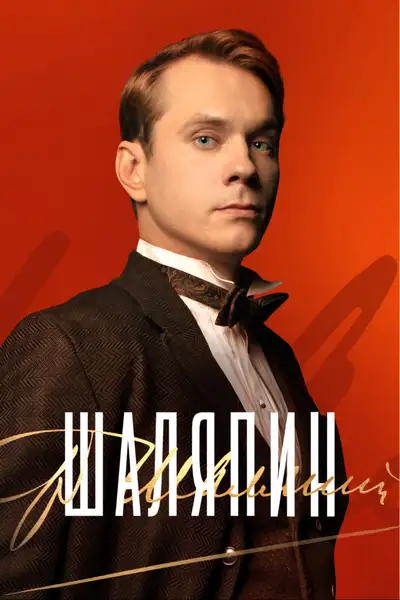
Filmmaker Denis Sneguirev helms this biographical series examining the life of legendary Russian opera singer Feodor Chaliapin, whose powerful bass voice and dramatic stage presence made him one of the early 20th century's most celebrated performers. The production chronicles Chaliapin's rise from humble origins to international stardom, depicting both his artistic triumphs and personal struggles with equal attention. The series attempts to capture the complexity of a man whose talent was matched by his tempestuous personality and complicated relationships. Performance sequences showcase the grandeur of opera's golden age, though the effectiveness varies depending on episode budgets and directorial choices. The casting brings commitment to portraying Chaliapin's larger-than-life persona, even if the dramatic interpretation occasionally leans toward conventional biopic territory. For viewers interested in classical music history or Russian cultural figures, the series offers a reasonably informative portrait, providing context about the era's artistic world while acknowledging its subject's human flaws alongside his remarkable achievements.
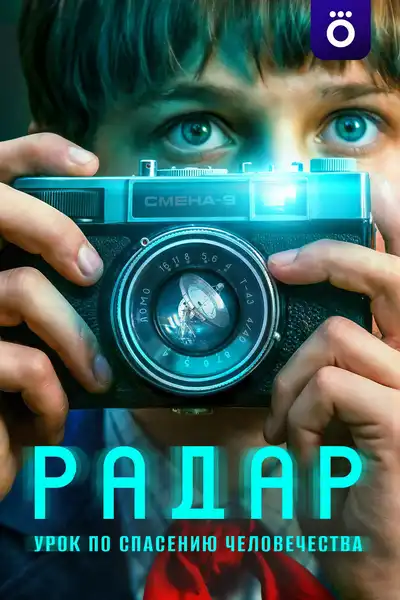
A science fiction thriller that blends near-future technology with classic espionage elements, "Radar" follows a team of operatives who use cutting-edge surveillance systems to prevent international crises. The premise has potential, and the production design effectively creates a believable world where privacy has become nearly obsolete. Creator Marcus Chen assembles a capable ensemble cast led by established television veterans, though character development sometimes takes a backseat to plot mechanics. The show's strength lies in its exploration of ethical questions surrounding technology and security—when does protection become oppression? While the pacing occasionally drags during exposition-heavy episodes, the action sequences are competently executed. The writing could benefit from stronger dialogue, as some exchanges feel more functional than natural. That said, the overarching mystery sustains interest across the season, and the show demonstrates enough craftsmanship to satisfy viewers looking for cerebral science fiction without demanding too much emotional investment.
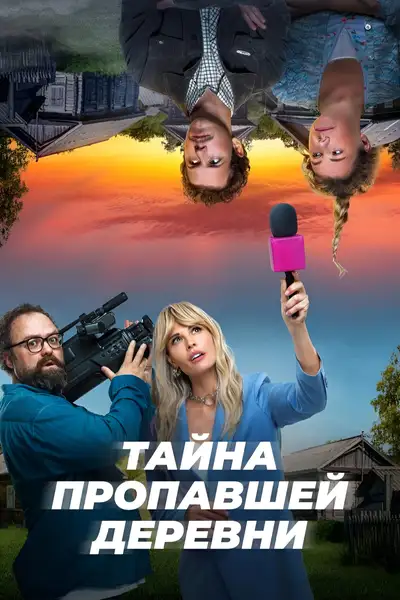
Set in the remote highlands of Scotland in 1975, this mystery series investigates the strange disappearance of an entire village's population over a single weekend. Created by Andrew Morrison, the show follows a team of investigators trying to piece together what happened to the residents of Balmeadow. While the premise is intriguing and the atmospheric cinematography captures the eerie beauty of the location, the execution is frustratingly uneven. Lead actors Tom Bradshaw and Siobhan Finneran do their best with dialogue that sometimes feels more expository than natural. The series raises fascinating questions about community secrets and collective trauma, but the pacing drags in the middle episodes, and some plot threads feel underdeveloped. When it works, particularly in its creepier moments, it's genuinely unsettling. When it doesn't, it feels like a promising idea stretched too thin across its eight-episode run.
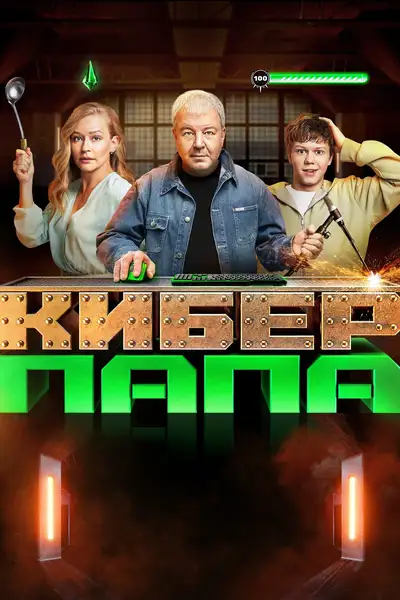
Dark comedy meets family drama in this Russian series that can't quite decide what it wants to be, resulting in tonal whiplash that undermines its more interesting ideas. Created by Alexei Sidorov and starring Dmitry Nagiev as Pavel, a grandfather who fakes his own death and returns as a "life coach" using technology to secretly guide his dysfunctional family, the show oscillates between absurdist humor and genuine emotional moments without finding a comfortable middle ground. Nagiev brings charisma to the role, and the supporting cast—including Svetlana Khodchenkova as Pavel's overworked daughter—does their best with uneven material. The satirical elements poking fun at self-help culture and social media obsession occasionally hit their mark, but more often feel forced and outdated. The show's visual style is polished, with slick editing and a contemporary aesthetic, though the overuse of split screens and digital effects becomes distracting. There are glimpses of a smarter series buried beneath the inconsistent execution.
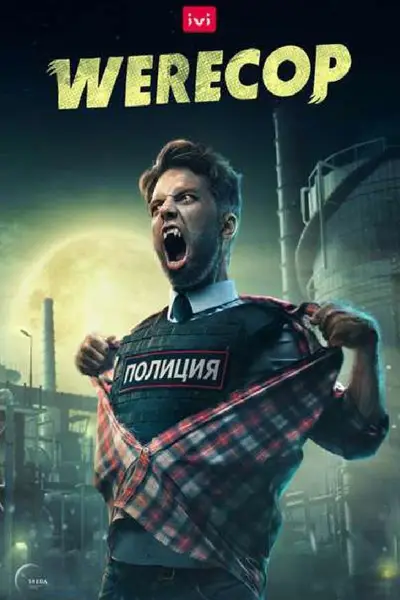
This darkly comedic series balances absurdist humor with genuine horror elements as it follows a police officer dealing with a rather unusual occupational hazard. The premise—a cop who transforms into a werewolf—could veer into pure parody or grim supernatural drama, but the show attempts to split the difference with mixed results. The tonal shifts don't always land smoothly, oscillating between workplace comedy, body horror, and procedural elements without fully committing to any single approach. When the humor works, it's genuinely funny, playing with the contrast between mundane police work and monstrous transformation. The horror elements are competently executed if not particularly frightening. Performances are earnest enough to sell the concept, but the writing doesn't quite find the consistent voice needed to make the premise sustainable beyond its initial novelty. It's an interesting experiment that doesn't fully cohere into something greater than its parts.