Recent Quirky Comedy Shows
If you're craving comedy that zigs when others zag, the latest wave of quirky comedy shows delivers offbeat humor that defies convention and celebrates the wonderfully weird. These recent releases from the last five years showcase a bold new era of unconventional comedic storytelling, where eccentric characters, absurdist premises, and distinctively odd sensibilities take center stage. From workplace comedies set in the most unexpected environments to surreal narratives that blur the lines between reality and fantasy, today's most innovative comedy series are pushing boundaries and redefining what makes us laugh. Whether you're drawn to dry wit, bizarre scenarios, or characters who march to the beat of their own drum, these fresh additions to the comedy landscape prove that the genre's most exciting voices are the ones unafraid to embrace their peculiarities. Get ready to discover 21 recently released series that celebrate individuality, champion the unconventional, and remind us that the best humor often comes from the most unexpected places—perfect for viewers tired of formulaic sitcoms and ready for something refreshingly different.
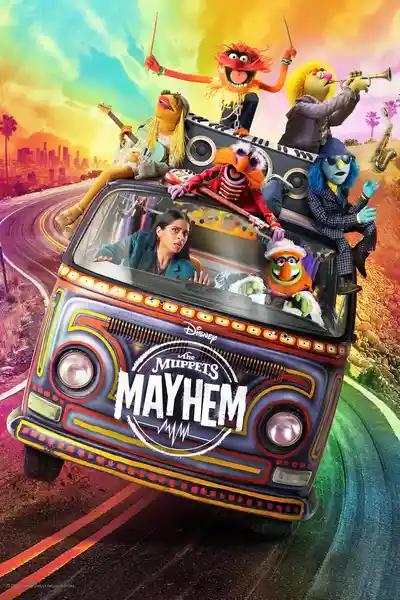
In contemporary Los Angeles, Dr. Teeth and the Electric Mayhem find themselves attempting to record their first studio album after decades of performing. This Disney+ series brings the beloved Muppet band into the modern music industry, complete with recording studios, social media managers, and streaming metrics. Created by Adam F. Goldberg, Bill Barretta, and Jeff Yorkes, the show pairs the psychedelic rockers with Nora Singh, a young record label employee played by Lilly Singh, who becomes their unlikely guide through today's entertainment landscape. The series captures the Muppets' signature irreverent humor and features impressive musical performances, making it genuinely enjoyable for longtime fans. However, the thin premise struggles to sustain ten episodes, and the generational humor sometimes feels forced. Younger viewers unfamiliar with the characters might find it harder to connect, though the colorful chaos and heartfelt moments about artistic integrity offer enough entertainment value to warrant a watch.
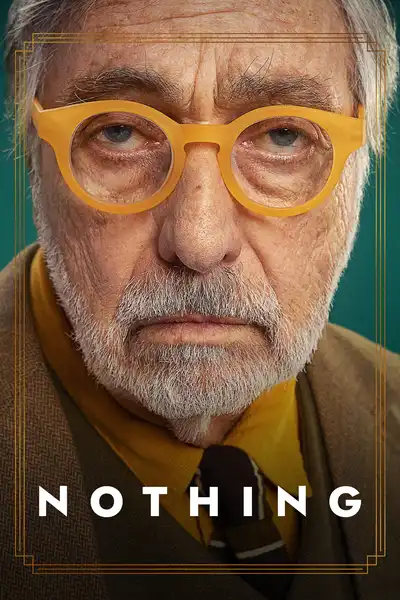
Haunting and deeply human, this Danish series offers a profound meditation on loss, memory, and what remains when everything is taken away. Created by Morten Dragsted and Gerd Hartung Lammers, Nothing follows the aftermath of a personal tragedy that strips the protagonist of all that defined their previous existence. Bjarne Henriksen delivers a powerful, understated performance that anchors the series, conveying devastation without melodrama. The show's willingness to sit with discomfort and silence makes it challenging viewing, but also remarkably rewarding for patient audiences. Rather than rushing toward resolution or redemption, the narrative allows its character to exist in grief and confusion, exploring how identity can be reconstructed—or whether it needs to be. The cinematography emphasizes emptiness and isolation without becoming visually monotonous, finding beauty in starkness. Supporting performances add texture without distracting from the central journey. This isn't escapist entertainment but rather an artful examination of existential questions that lingers long after viewing. It's ambitious television that trusts its audience to engage with difficult emotional terrain.
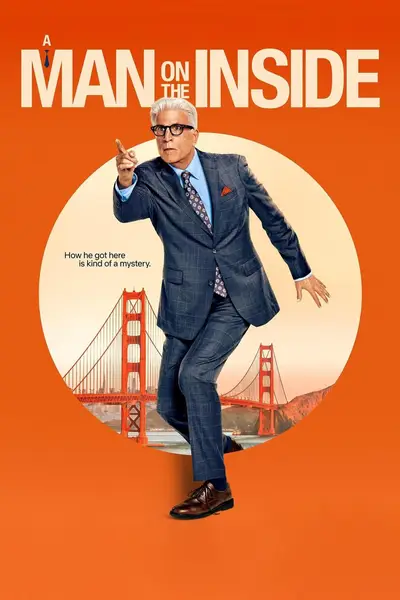
When a retired engineering professor goes undercover in a retirement home to investigate a theft, what follows is a heartwarming and genuinely funny exploration of aging, connection, and second chances. Created by Mike Schur (The Good Place, Parks and Recreation), this series stars Ted Danson as Charles, who takes on the unusual assignment and discovers an entire community of vibrant, complex individuals. The show balances its detective story framework with thoughtful observations about loneliness, purpose, and the way society often overlooks older adults. Danson brings his characteristic warmth and comic timing to the role, while the supporting cast of residents adds depth and humor throughout. A Man on the Inside manages to be both hilarious and touching, never condescending to its characters or audience. It's the kind of feel-good television that earns its emotional moments honestly.

Set against the vibrant backdrop of Sydney and New York, this Australian series follows food writer Liv Healy (Celeste Barber) as she attempts to overhaul her chaotic lifestyle after a health scare. Created by Benjamin Law and based on Brigid Delaney's memoir, "Wellmania" captures the absurdity of modern wellness culture while exploring genuine questions about what it means to live well. Barber brings her signature comedic energy to a character who's equal parts lovable and frustrating, making poor decisions even as she tries desperately to improve. The show balances humor with heart, particularly in its portrayal of Liv's relationships with her family and friends. While some storylines feel predictable and the wellness satire occasionally lacks bite, the series ultimately delivers an entertaining and relatable look at someone trying to get their life together, even when the universe seems determined to keep throwing obstacles in her path.
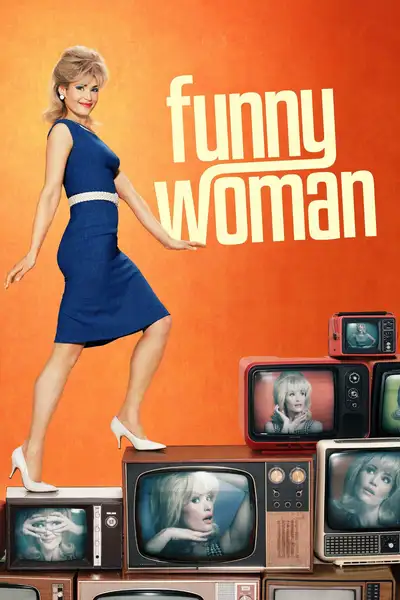
Adapted by Morwenna Banks from Nick Hornby's novel, this period comedy-drama follows Barbara Parker, a working-class woman from Blackpool who pursues her dream of becoming a comedian in 1960s London despite era-appropriate sexism and class barriers. Gemma Arterton brings both vulnerability and determination to Barbara, making her journey from seaside entertainer to television star feel earned rather than inevitable. The series captures the smoke-filled comedy clubs and early television studios with convincing period detail, while the supporting cast—including Arsher Ali and Rupert Everett—adds depth beyond simple obstacles or cheerleaders for the protagonist. The show smartly examines how women had to navigate impossible double standards in entertainment, expected to be funny without being threatening, pretty without being vapid. The comedy sequences themselves land more often than not, and the series respects both the era's constraints and Barbara's agency in navigating them. It's an engaging showcase for Arterton and a well-crafted examination of ambition, compromise, and finding your voice.
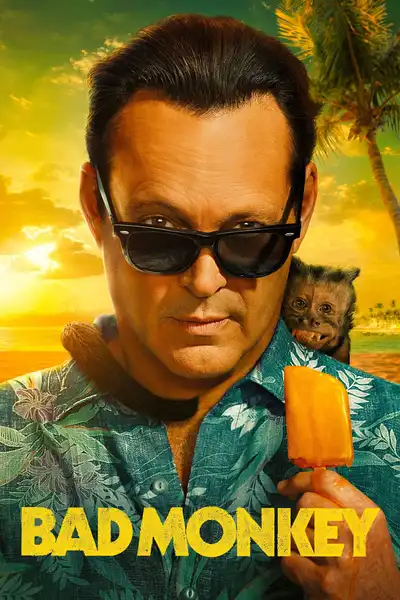
Thematically, this Florida-set series explores redemption and second chances through the lens of a disgraced health inspector navigating Key West's eccentric underworld, but it struggles to find consistent footing between dark comedy, mystery, and character study. Vince Vaughn stars as Andrew Yancy, bringing his characteristic rapid-fire delivery to a role that demands more range than the writing consistently provides. Based on Carl Hiaasen's novel and developed by Bill Lawrence, the show captures the author's trademark Florida weirdness and colorful supporting characters, yet something gets lost in translation from page to screen. Episodes meander when they should propel forward, and tonal shifts that might work on paper feel jarring in execution. There are moments of genuine humor and intrigue, particularly in the subplot threads, but the central mystery never quite hooks as intended. It's an amiable enough watch for Vaughn fans or those who enjoy regional quirk, though it doesn't fully capitalize on its potential.

Set in contemporary Los Angeles, this Apple TV+ comedy explores what happens when two former best friends attempt to rekindle their platonic relationship after years apart. Rose Byrne and Seth Rogen anchor the series with genuine chemistry, playing Sylvia and Will—she's navigating a stalled marriage, he's emerging from a divorce—who rediscover their connection and wonder why they ever drifted apart. Created by Nicholas Stoller and Francesca Delbanco, "Platonic" finds humor in the messiness of adult friendships without tipping into rom-com territory. The supporting cast adds depth rather than distraction, and the show earns its emotional moments by grounding them in recognizable relationship dynamics. It's not reinventing the friendship comedy, but it's executing it with enough warmth and wit to make it worthwhile.
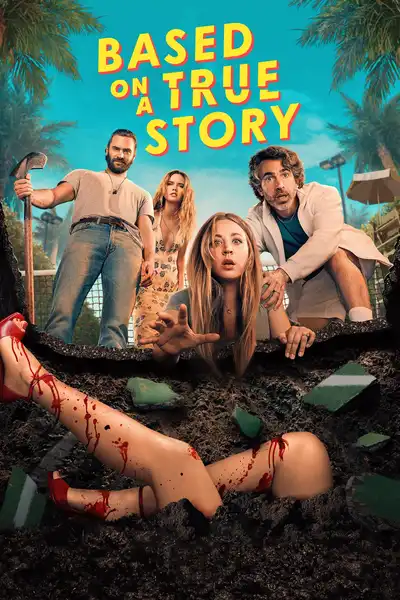
A real estate agent and her tennis pro husband befriend their new neighbor—a true crime enthusiast who may be hiding a murderous secret—in this dark comedy that's more fun than it has any right to be. Craig Rosenberg created this Peacock series starring Kaley Cuoco and Chris Messina as the couple whose financial troubles lead them to consider a very unconventional collaboration with their disturbing neighbor (Tom Bateman). The premise is absurd, and the show leans into that absurdity with knowing humor and surprising tonal control. Cuoco demonstrates genuine comedic range beyond her "Big Bang Theory" work, playing desperation and moral compromise for both laughs and uncomfortable recognition. The satire of true crime obsession and influencer culture feels pointed without being preachy. It's not prestige television, but it's smart genre entertainment that understands exactly what it is.
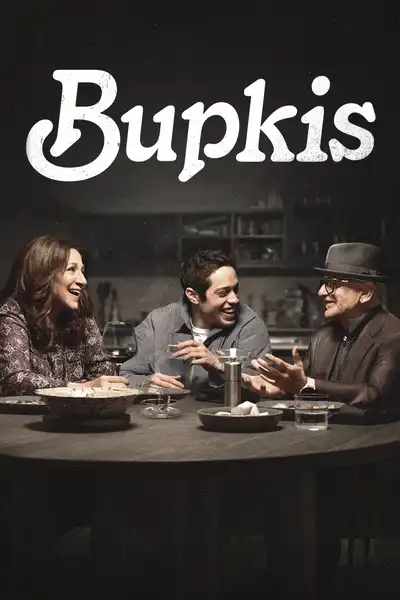
Semi-autobiographical and refreshingly vulnerable, Pete Davidson's series blends reality and fiction as he plays a heightened version of himself navigating family dynamics, mental health struggles, and the surreal nature of fame. Co-created by Davidson, Dave Sirus, and Judah Miller, the show feels like a spiritual successor to Louie or Curb Your Enthusiasm but with a distinctly millennial sensibility and willingness to get uncomfortable. Edie Falco shines as a fictionalized version of Pete's mother, and Joe Pesci delivers a memorable recurring performance that adds unexpected warmth to the proceedings. The series doesn't shy away from Davidson's well-documented struggles with borderline personality disorder and grief, but it finds humor in the absurdity of processing trauma while living in the public eye. Some episodes lean heavily into surreal comedy, while others are surprisingly poignant explorations of family and self-acceptance. The uneven tone might not work for everyone, but there's an authenticity to Davidson's willingness to be both the joke and the emotional center that makes the show compelling.

When Julio Torres loses his favorite oyster earring, the search becomes an absurdist journey through a slightly off-kilter version of New York City populated by eccentric characters and surreal encounters. Torres, who also created and stars in the series, brings his distinctive comedic sensibility—whimsical, deadpan, and preoccupied with objects and their emotional significance—to this episodic exploration of longing and connection. The show's dreamlike logic and visual aesthetic will appeal strongly to fans of Torres's previous work, while potentially baffling viewers expecting more conventional comedy. Guest stars including Tilda Swinton add to the heightened reality, appearing as characters who seem to exist in their own peculiar dimensions. The humor is deeply idiosyncratic, favoring strange juxtapositions and melancholy observations over traditional jokes. When the show's wavelength clicks, it's genuinely original and visually inventive; when it doesn't, episodes can feel aimless and self-indulgent. It's unquestionably a singular vision, though whether that vision sustains a full season is debatable.
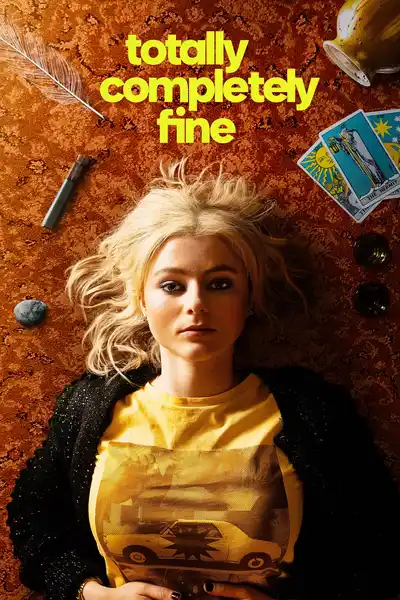
This series explores mental health, grief, and human connection through the lens of a crisis hotline volunteer trying to navigate her own messy life. Thomasin McKenzie stars as Vivian, a young woman working for her family's suicide prevention service while processing her own trauma and questionable coping mechanisms. The Australian dramedy walks a delicate tonal tightrope, finding humor in dark places without trivializing serious subject matter. Creator Thomas Weatherall brings genuine insight to discussions of mental health, avoiding easy answers while maintaining hope. The supporting cast, including Contessa Treffone, adds depth to what could have been a one-note premise. While some episodes handle the material more gracefully than others, the show's willingness to engage honestly with difficult topics and flawed characters makes it worth watching for those seeking something substantive beneath the quirky surface.
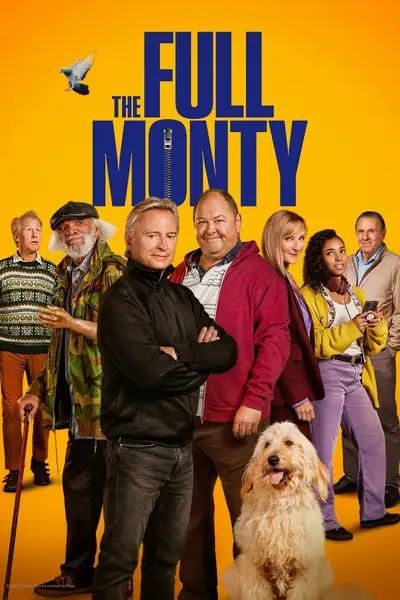
In this continuation of the beloved 1997 film, the original Sheffield characters return alongside a new generation facing economic uncertainty in their post-industrial town. Writers Simon Beaufoy and Alice Nutter revisit these working-class lives with affection and honesty, updating their struggles for contemporary Britain while maintaining the warmth and humor that made the film resonate. Robert Carlyle reprises his role as Gaz, now dealing with his own son's challenges, and the ensemble cast blends original members with fresh faces effectively. The series doesn't try to recapture the film's lightning-in-a-bottle premise but instead offers a more grounded examination of masculinity, employment, and community across decades. The emotional beats land genuinely, particularly in its exploration of father-son relationships and male friendship. While it lacks the film's iconic set pieces, the show finds its own rhythm as a character-driven dramedy that honors its source material without being constrained by it.
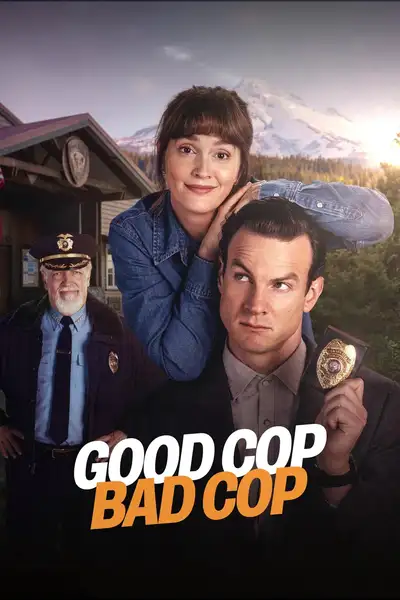
Breezy and refreshingly self-aware, this buddy cop series pairs two mismatched detectives who must overcome their contrasting methods to solve cases in a mid-sized American city. Created by Jesse Stern and Matt Miller, the show features Victor Sullivan and Nia DaCosta as partners who generate genuine comedic chemistry while handling procedural elements with efficiency. What sets this apart from countless other entries in the genre is its willingness to acknowledge and play with cop show tropes rather than simply recycling them. The writing team clearly understands the format well enough to occasionally subvert expectations, though they're wise enough not to undermine the stakes entirely. The cases themselves are competently constructed without being particularly memorable, but the character work and snappy dialogue make the journey enjoyable. It's the television equivalent of comfort food—nothing groundbreaking, but executed with enough skill and personality to warrant your attention when you want something entertaining without heavy emotional investment.
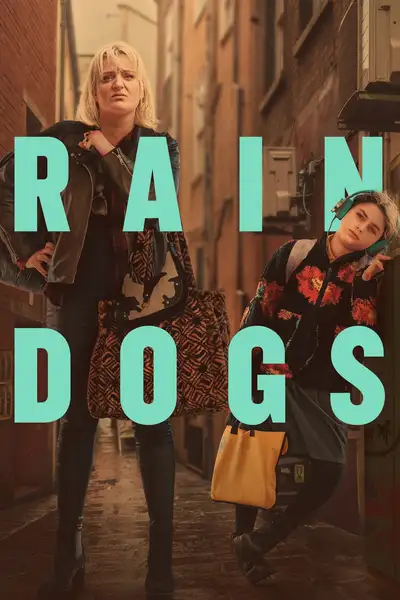
This darkly comic drama follows Costello Jones, a fiercely independent single mother played with raw intensity by Daisy May Cooper, as she navigates poverty, addiction, and her complicated relationship with her young daughter. Created by Cash Carraway and based on her novel, the series captures the chaotic reality of life on society's margins without ever pitching into misery porn or sentimentality. Cooper's performance is revelatory, showing a woman who's simultaneously a terrible and devoted parent, making catastrophically bad decisions while fighting desperately to protect what matters most. The supporting cast, including Fleur Tashjian as her perceptive daughter Iris, provides emotional ballast to Costello's whirlwind existence. Shot with an intimate, handheld aesthetic that pulls you directly into their precarious world, it's a tough but rewarding watch that finds unexpected humor and humanity in difficult circumstances.
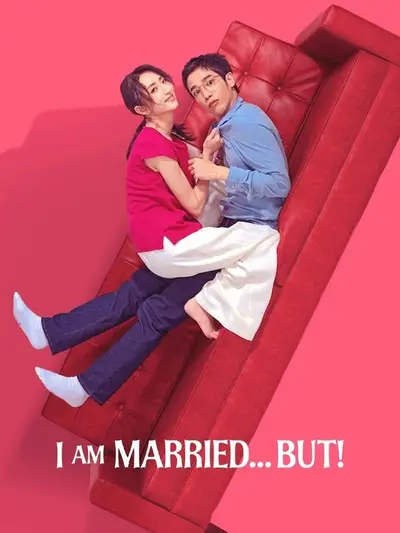
This romantic drama explores the complicated emotional terrain of married life when old flames and new temptations threaten committed relationships. The Korean series follows several couples at different stages of marriage who find themselves questioning their choices when they encounter people who make them feel alive again in ways their spouses no longer do. Creator Kim Min-soo assembles a talented cast led by leads who navigate the delicate balance between sympathetic and frustrating as their characters wrestle with desire, loyalty, and the question of whether happiness justifies upheaval. The show treats its subject matter with surprising nuance, avoiding easy moralizing while honestly depicting the boredom and disconnection that can creep into long-term relationships. The performances are compelling, and the writing gives each character enough dimension to make their struggles feel genuine rather than manufactured for drama. It's a mature, thoughtful examination of modern relationships that respects its audience's intelligence.

This science-focused reality competition brings together contestants attempting innovative approaches to potato cultivation and preparation, though the format struggles to generate consistent entertainment value. The series attempts to blend agricultural science with cooking competition elements, but the pacing often drags and the stakes never feel particularly urgent. While there are interesting moments exploring potato varieties and cultivation techniques that might appeal to gardening enthusiasts, the show can't decide whether it wants to be educational or competitive, ultimately succeeding at neither fully. The host does their best to inject energy into the proceedings, but even charismatic presentation can't overcome the fundamental issue that watching potatoes grow lacks inherent drama. Some episodes offer genuine agricultural insights, but they're buried in a format that feels underdeveloped and uncertain of its own identity or audience.
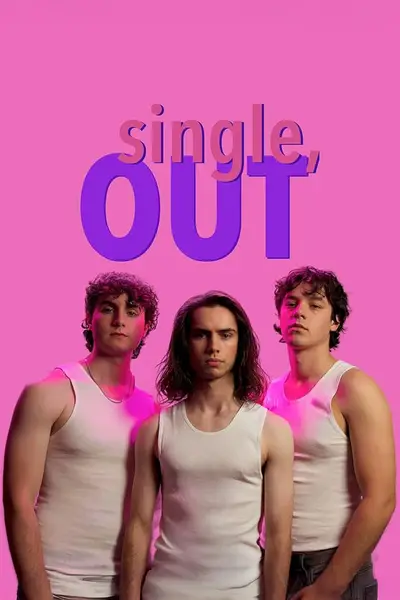
This dating reality series follows a diverse group of single people navigating romance while being openly out about their sexual orientation or gender identity, creating space for authentic LGBTQ+ stories often marginalized in mainstream dating shows. Single, Out captures the particular challenges and joys of queer dating—from coming out conversations to finding community—while demonstrating that relationship hopes and heartbreaks are universal. The cast members bring genuine personality rather than reality TV archetypes, and producers wisely allow relationships to develop without excessive manufactured drama. What makes the series valuable is its casual representation: being queer is central to participants' experiences but not their only defining characteristic. The format includes both structured dates and candid confessional moments where cast members reflect on their experiences with refreshing honesty. Production values are modest but adequate, keeping focus on the people rather than flashy locations. While it occasionally stumbles into reality TV clichés, the series largely succeeds in offering both entertainment and meaningful visibility for queer audiences seeking to see their experiences reflected on screen.
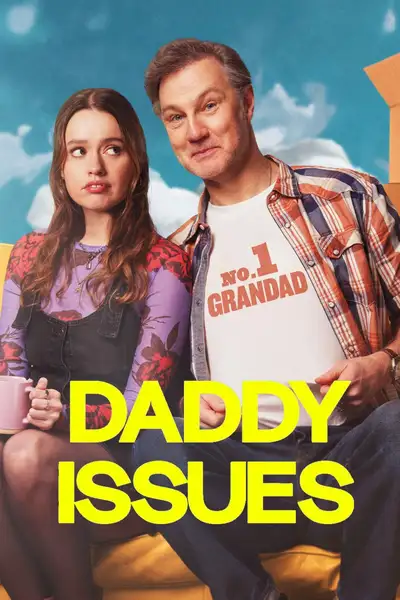
Refreshingly candid and surprisingly heartfelt, this Swedish dramedy tackles intergenerational trauma and family dysfunction with both humor and genuine emotional intelligence. Created by Jonatan Etzler, who also stars as the lead character grappling with his father's reemergence after years of absence, the series mines uncomfortable family dynamics for both comedy and pathos. The writing strikes a difficult balance—acknowledging real pain without wallowing in it, finding absurdity in serious situations without trivializing them. Etzler's performance carries the right mix of resentment, vulnerability, and reluctant hope, supported by a strong ensemble that resists easy categorization as villains or victims. The Swedish setting provides cultural specificity while exploring themes that translate across borders. Episodes flow briskly, never overstaying their welcome or belaboring points. Some comedic beats land better than others, and occasionally the tonal shifts feel slightly abrupt, but the show's willingness to sit with discomfort while finding unexpected moments of connection makes it notably engaging. It's a smart, well-executed exploration of what we inherit from our parents—wanted or not.
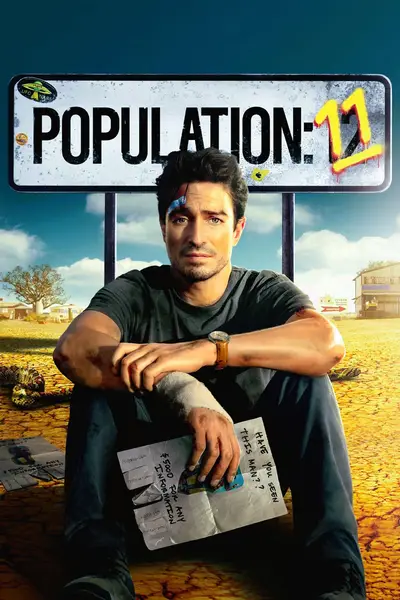
Darkly comic yet tonally inconsistent, this Australian mystery series follows a recently widowed Andy who flees to the remote town of Deadloch—sorry, Population 11—to escape her painful past, only to become entangled in strange local conspiracies. Creator Phil Lloyd crafts a quirky ensemble of eccentric townspeople hiding various secrets, and there's genuine wit in the show's fish-out-of-water setup as Andy navigates the insular community's bizarre dynamics. The Tasmanian locations provide atmospheric isolation, and Katrina Milosevic brings grounded vulnerability to Andy's grief and confusion. Unfortunately, the series can't quite decide whether it's a character-driven dramedy about healing or a suspenseful thriller about small-town corruption, resulting in jarring shifts that undermine both impulses. Some episodes lean into offbeat humor effectively, while others pursue darker threads that feel disconnected from the established tone. The supporting cast commits fully to their oddball characters, though not all are equally developed. There's potential in this concept—damaged person finding unexpected community—but the execution needed sharper focus to fully deliver on its premise.
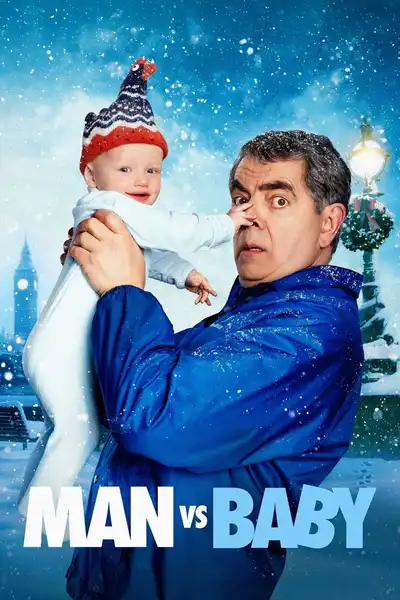
This comedy series follows a confirmed bachelor whose freewheeling lifestyle comes to an abrupt halt when he suddenly becomes responsible for caring for an infant. The fish-out-of-water premise generates some genuine laughs as the protagonist fumbles through diaper changes and sleep deprivation while his friends offer mostly unhelpful advice. The lead performance commits fully to the physical comedy and exhausted frustration that comes with unexpected parenthood. While the concept isn't particularly original, the execution is warm-hearted enough to make it watchable, with a few standout episodes that find humor in relatable parenting struggles. The supporting cast provides solid comic relief, though some characters feel underdeveloped. It doesn't push boundaries or reinvent the sitcom formula, but it delivers consistent chuckles and occasional heartfelt moments. It's pleasant, undemanding viewing that parents will probably relate to more than others—perfect for casual watching without requiring much investment.
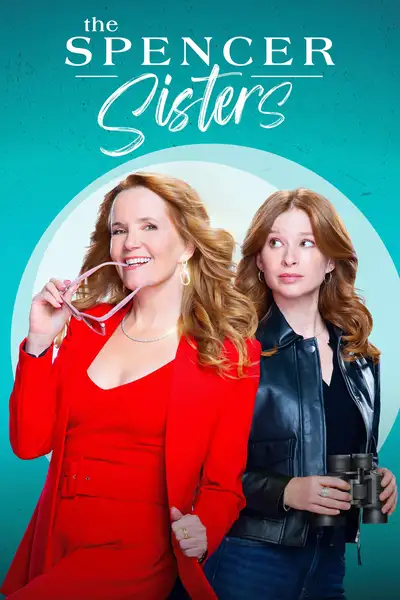
A former police detective and her daughter, a magazine journalist, reluctantly team up to solve mysteries in their small town, combining their contrasting investigative approaches with varying degrees of success. Lea Thompson and Stacey Farber star as Victoria and Darby Spencer, the mother-daughter duo whose relationship provides as much conflict as the cases they investigate. Created by James Iver Mattson and B.E. Brauner, this Canadian mystery series aims for the cozy crime genre popularized by shows like Murder, She Wrote. The mysteries themselves are competently constructed if rarely surprising, and the banter between the leads occasionally lands well. However, the series never quite decides whether it wants to be a character-driven family dramedy or a traditional procedural, resulting in a somewhat uneven tone. For viewers seeking undemanding mystery entertainment with a focus on family dynamics, this delivers pleasant if forgettable viewing.