Recent Psychological Thriller Shows
Your mind becomes the ultimate battleground when you dive into the best recent psychological thriller shows that have redefined television suspense over the last five years. These freshly released series master the art of mental manipulation, delivering unpredictable twists that keep viewers questioning every character's motive and every scene's reality. From cat-and-mouse games between brilliant detectives and calculating criminals to dystopian nightmares that blur moral boundaries, today's psychological thriller shows push the genre into bold new territory with sophisticated storytelling and complex character studies. Whether you're drawn to forensic investigations that probe the darkest corners of human behavior, serial killer narratives that challenge your perceptions, or paranoid thrillers where nothing is as it seems, these 21 recent entries represent the cutting edge of mind-bending television. Each series brings something unique to the psychological thriller landscape—intense character development, shocking plot revelations, and atmospheric tension that lingers long after the credits roll. Get ready to question everything as you explore the newest additions to this captivating genre, where every episode promises fresh psychological warfare and the kind of addictive suspense that demands binge-watching.

The battle for survival and freedom in Gilead's totalitarian regime continues in this compelling continuation of the dystopian saga. Set fifteen years after the original series, this adaptation of Margaret Atwood's sequel novel expands the universe while raising the stakes for characters both familiar and new. The production maintains the visual sophistication and attention to detail that defined its predecessor, creating a world that feels both alien and uncomfortably plausible. The performances bring depth to characters navigating impossible moral choices in a society built on oppression and control. What distinguishes this installment is its exploration of how resistance movements operate and the cost of rebellion in a surveillance state. The writing doesn't offer easy answers, instead presenting the messy reality of fighting for change in a system designed to crush dissent.
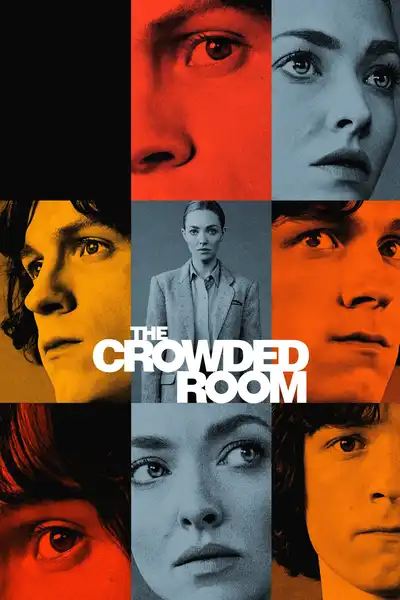
A psychological thriller unfolds as a young man arrested for a violent crime in 1979 New York reveals a diagnosis of dissociative identity disorder to his lawyer, claiming multiple personalities share his consciousness. Tom Holland stars in this limited series created by Akiva Goldsman, based on Daniel Keyes's non-fiction book about Billy Milligan, the first person to successfully use multiple personality disorder as a legal defense. Amanda Seyfried co-stars as the psychologist working to understand his fractured mind. The series uses non-linear storytelling to explore trauma, identity, and the nature of responsibility, though the execution doesn't always match its ambitious themes. Holland commits fully to the challenging role, but the show's treatment of mental illness feels at times more interested in creating mystery than authentic representation. Production design effectively captures the period, and individual episodes contain compelling moments, yet the overall narrative loses momentum under the weight of its fractured structure mirroring its subject's condition.
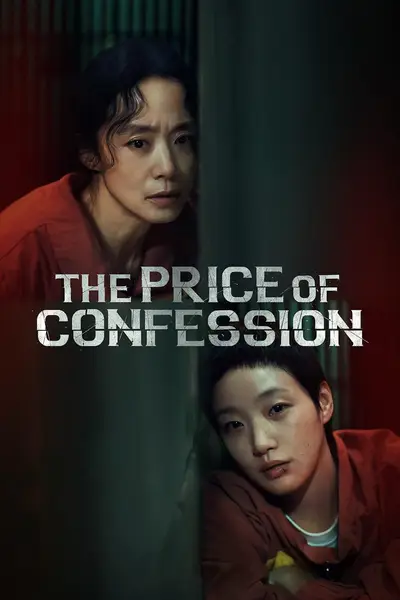
Kaitlyn Dever brings remarkable depth to Sarah Chen, a public defender whose crisis of conscience forms the heart of this legal drama. Created by Michelle King, the series follows Sarah as she navigates the murky ethics of defending clients she knows are guilty while wrestling with her own moral compass. Dever's nuanced performance elevates what could have been standard courtroom fare into something more introspective, supported by a strong ensemble cast including Sterling K. Brown as her seasoned mentor. The writing occasionally leans too heavily on monologues, but the show succeeds in asking difficult questions about justice, truth, and the price of doing one's job. It's thoughtful television that respects its audience's intelligence, even if it doesn't always stick the landing on its more ambitious philosophical swings.

Set in contemporary Seoul, this epistolary drama follows three estranged friends who reconnect through a series of letters after a decade apart. Creator Kim Min-seo structures each episode around correspondence between two characters, gradually revealing what drove them apart and whether reconciliation is possible. The format could feel gimmicky, but strong performances from Park Seo-joon, Jung Yu-mi, and Choi Woo-shik sell the emotional stakes, and the show wisely incorporates flashbacks that provide context without spoon-feeding viewers. The exploration of how friendships fracture under the weight of unspoken expectations and different life paths feels genuine, even when certain plot developments veer toward melodrama. Dear X works best in its quieter moments, when characters grapple with pride, regret, and the question of whether some relationships can survive years of silence. It's a thoughtful watch for anyone who's ever wondered about the friends they've lost touch with.
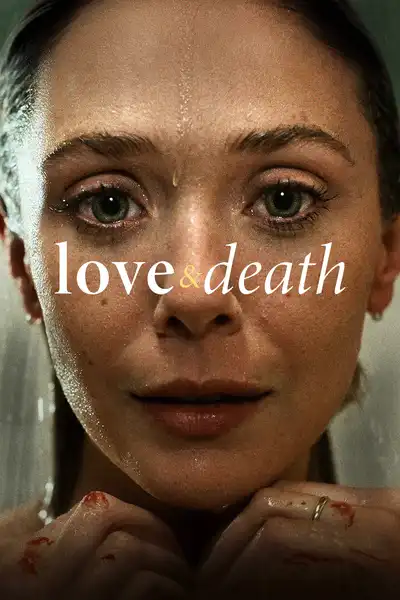
This true-crime limited series examines a shocking murder that occurred in a tight-knit Texas church community in 1980, though the genre trappings sometimes overwhelm the human story at its center. Elizabeth Olsen stars as Candy Montgomery, a seemingly perfect suburban housewife and mother who becomes entangled in an affair that ends in brutal violence. Lily Rabe co-stars as Betty Gore, the victim whose death and the subsequent trial captivated the nation. David E. Kelley and Nicole Kidman developed the series, which meticulously recreates the era's aesthetics and social dynamics—the suffocating expectations placed on women, the performative nature of religious community, and the desperation lurking beneath manicured lawns. Where it succeeds is in complicating easy narratives about good and evil; where it stumbles is in stretching a relatively straightforward story across seven episodes that sometimes feel padded. Olsen delivers a layered performance that resists making Candy either monster or victim. It's competent prestige television that covers familiar true-crime territory without bringing particularly fresh insights, though fans of the genre will find enough to appreciate.
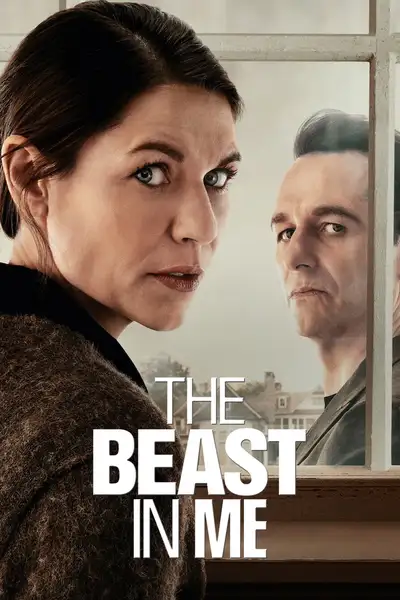
In this series, Claire Foy delivers a powerful performance as a detective investigating the disappearance of a young girl while confronting her own traumatic past. The British thriller creates a tense atmosphere as the investigation forces its protagonist to revisit painful memories she'd rather leave buried. The narrative structure moves between timelines, gradually revealing connections between past and present that reshape our understanding of events. Foy brings her considerable talent to a complex character struggling with professional duty and personal demons. The supporting cast populates the world with believable characters whose own secrets add layers to the central mystery. The show handles trauma with sensitivity while maintaining suspense, never exploiting its serious subject matter for cheap thrills. It's a thoughtful psychological thriller that trusts patient storytelling over sensationalism.
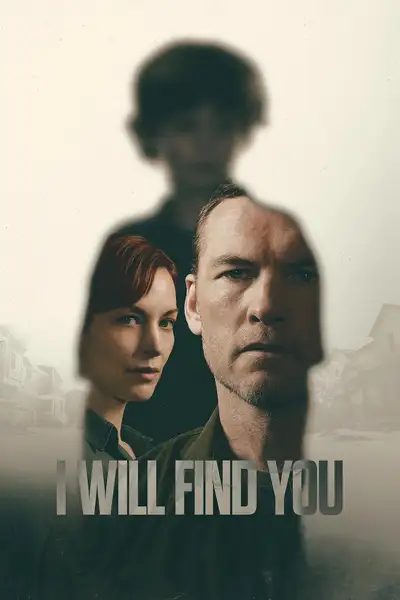
This Nordic thriller follows a determined parent whose world shatters when their child disappears without a trace, launching a desperate search that uncovers dark secrets within their seemingly peaceful community. The series stars Cecilia Forss and Joel Spira in a taut narrative that balances procedural investigation with raw emotional stakes. What distinguishes I Will Find You from standard missing-person dramas is its willingness to explore how such a crisis exposes fractures in relationships and the facades people maintain. The Scandinavian setting contributes to the show's atmosphere—the beautiful yet isolating landscapes mirror the protagonist's increasing sense of alienation as the search intensifies. While it hits familiar thriller beats, the series benefits from strong performances and a script that allows moments of genuine character development between suspenseful set pieces. The pacing occasionally lags in middle episodes, but the emotional core remains strong enough to carry viewers through to a conclusion that provides closure while acknowledging the permanent scars such trauma leaves behind.

Gripping and twisty, this psychological thriller from Alfonso Cuarón follows documentary filmmaker Catherine Ravenscroft, whose carefully constructed life unravels when a mysterious novel exposes her darkest secret. Cate Blanchett is predictably excellent as Catherine, bringing layers of complexity to a character whose reliability becomes increasingly questionable. Kevin Kline co-stars as a grieving man seeking to destroy her reputation, and their cat-and-mouse dynamic propels the narrative forward with escalating tension. Cuarón's cinematic direction elevates what could have been standard thriller fare into something more visually arresting and psychologically complex. Based on Renée Knight's novel, the adaptation takes its time revealing the truth, and while some viewers might find the pacing slow, the payoff justifies the patience. The exploration of truth, memory, and perspective makes this more than just another revenge story.
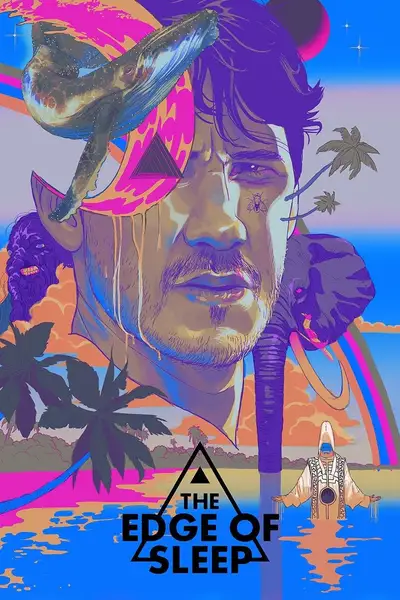
A security guard discovers that anyone who fell asleep has died, forcing him and a small group of survivors to stay awake while searching for answers to the global catastrophe. This science fiction thriller stars Markiplier (Mark Fischbach) in his first major television role, bringing his considerable online following to a high-concept mystery. Created by Corey Adams and Jake Emanuel, the series expands their earlier podcast into a visual medium with ambitious ideas about consciousness and survival. The premise generates natural tension—the biological need for sleep becomes a ticking clock—and the show makes effective use of its apocalyptic setting. While some plot developments feel rushed and the broader mythology doesn't always hold together under scrutiny, the series delivers enough intriguing moments and genuine suspense to maintain interest. Fischbach proves he can carry dramatic material, and fans of cerebral horror will find elements to appreciate even if the execution doesn't quite match the concept's potential.

When two competing lawyers find their professional rivalry spilling into their personal lives in unexpected ways, the resulting complications drive this twisty legal thriller. Based on Alice Feeney's novel, the series weaves between courtroom drama and psychological suspense as secrets from the past threaten to unravel carefully constructed lives. The dual perspective structure allows viewers to question whose version of events to trust, creating sustained tension throughout. The show explores themes of ambition, deception, and the masks people wear in professional settings versus private moments. Strong performances from the leads help navigate the story's tonal shifts between procedural elements and more intimate character moments. The production makes effective use of its legal setting without getting bogged down in courtroom minutiae. It's an engaging thriller that should satisfy fans of both domestic suspense and legal drama.
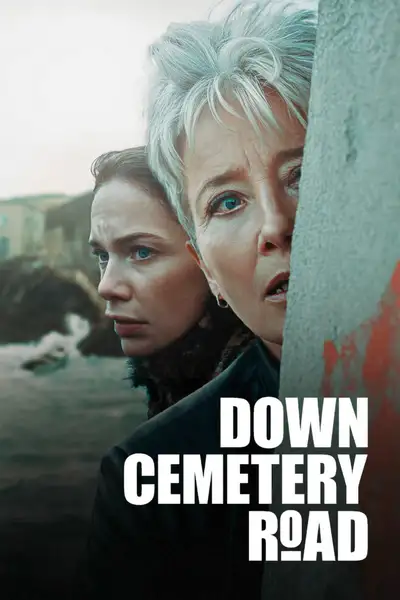
Dark and unsettling in all the right ways, this British crime drama follows a detective investigating suspicious deaths at a seemingly peaceful cemetery. The series maintains a consistently grim atmosphere as secrets buried both literally and figuratively begin surfacing in a small community. Creator Anna Symon crafts a mystery that rewards close attention, layering clues throughout episodes that initially seem disconnected. The lead performance anchors the increasingly complex investigation with determination and vulnerability, making the personal stakes as compelling as the procedural elements. The muted color palette and overcast locations create a mood of perpetual gloom that matches the subject matter without feeling overly stylized. While the pacing occasionally lags in middle episodes, the final revelations justify the careful buildup. The show distinguishes itself from standard crime fare through its willingness to explore grief and guilt with genuine sensitivity.
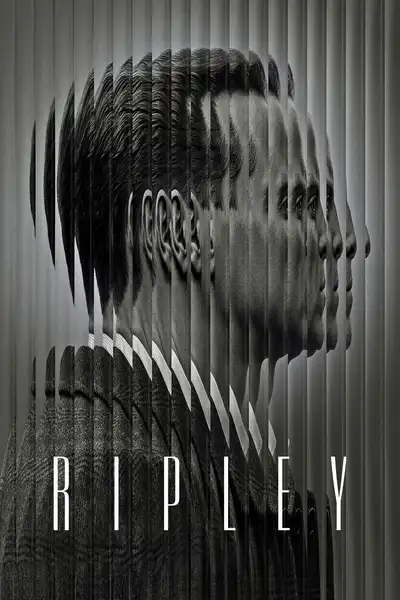
Showrunner Steven Zaillian adapts Patricia Highsmith's novel into this methodically paced, visually stunning limited series starring Andrew Scott as Tom Ripley, a small-time con man who travels to Italy to convince a wealthy playboy to return home. Shot entirely in black-and-white by cinematographer Robert Elswit, the eight-episode series is more deliberate and atmospheric than previous adaptations, treating Highsmith's story as a slow-burn character study rather than a conventional thriller. Scott delivers a fascinating performance, portraying Ripley as calculating and empty rather than charming, while Johnny Flynn and Dakota Fanning round out the cast. The European locations are gorgeously rendered, and Zaillian's direction is undeniably artful, with compositions that recall classic Italian cinema. However, the glacial pacing tests patience, and stretching the story across eight hours sometimes feels indulgent when a tighter runtime might have served the material better. It's admirably committed to its artistic vision, even when that vision prioritizes mood over momentum.
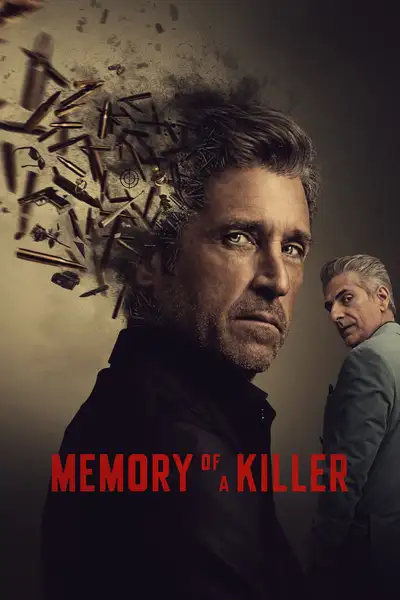
TLC producers crafted this reality series following sisters Tammy and Amy Slaton as they navigate life, relationships, and their ongoing struggles with obesity from their Kentucky home. The show documents their daily challenges, health complications, and attempts at weight loss surgery, offering an intimate look at lives shaped by extreme weight and the complex factors that contribute to it. What could have been exploitative instead often feels surprisingly genuine—the sisters' bond, humor, and frustrations come across as authentic, and the show doesn't shy away from showing the serious medical and emotional challenges they face. Amy's weight loss journey and subsequent pregnancy provide compelling narrative threads, while Tammy's struggles offer more sobering viewing. The series raises questions about the ethics of reality TV and medical privacy, but it also gives the sisters agency in telling their own story. It's the kind of show that works best when it focuses on the human beings at its center rather than spectacle, and fortunately, it manages that balance more often than not.
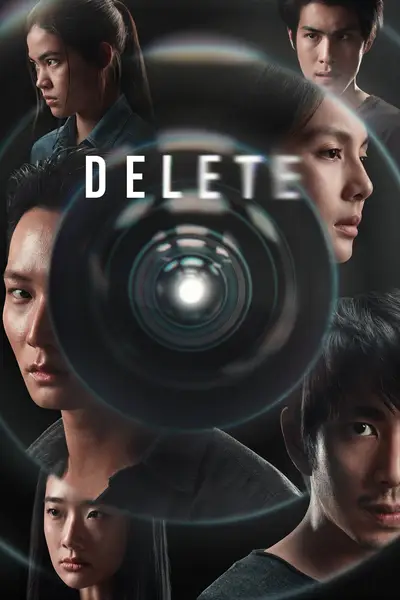
From creators Woo-Ri Bang and Young-me Jung comes this South Korean thriller examining how a single impulsive decision cascades into devastating consequences for an entire community. The series centers on a content moderation team at a social media company who discover a disturbing video that blurs the line between their professional responsibilities and personal moral obligations. Kim Sun-ah and Choi Tae-joon lead an ensemble cast navigating the psychological toll of constantly confronting humanity's darkest impulses online. The premise taps into genuinely contemporary anxieties about digital platforms and the hidden laborers who shield users from disturbing content. At its best, the show offers uncomfortable questions about complicity and the monetization of trauma. However, the execution sometimes favors melodramatic twists over the more subtle ethical exploration the material deserves. The pacing feels uneven, with certain threads receiving disproportionate attention while potentially richer storylines remain underdeveloped. There's substance here, but it's inconsistently realized.
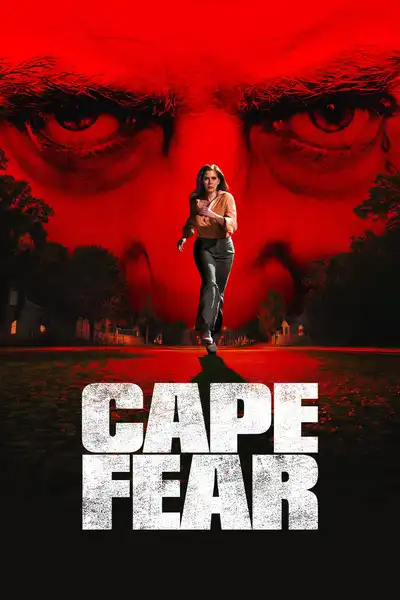
When a defense attorney moves her family to a seemingly idyllic coastal town to escape her high-pressure career, she discovers the community harbors dark secrets that soon threaten her children's safety. Showrunner Marcus Thompson reimagines the classic thriller framework for the prestige TV era, stretching the tension across eight taut episodes that reward patient viewers. Olivia Grant brings steely determination to the role of Sam Bowden, while the always-reliable Tom Bradford delivers a genuinely unsettling performance as the charismatic local with unclear motives. *Cape Fear* succeeds largely through its atmospheric direction and willingness to explore moral ambiguity—this isn't a simple tale of good versus evil. The North Carolina setting becomes a character itself, with cinematography that makes sunshine feel menacing. Thompson maintains a steady grip on the narrative, building dread without resorting to cheap jump scares.
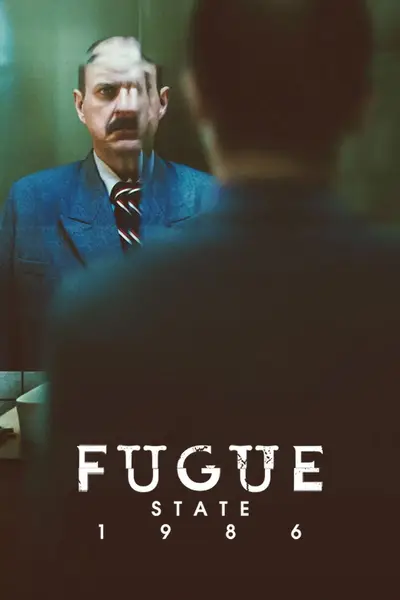
Creator David Chen constructs an intriguing psychological mystery around a protagonist who awakens in 1986 with no memory of who he is, only scattered fragments suggesting he doesn't belong in this time period. "Fugue State 1986" blends period detail with mind-bending narrative as its amnesiac lead, played with appropriate confusion by Michael Zhang, attempts to piece together his identity while navigating a decade whose technology and culture feel simultaneously familiar and alien. The series effectively uses its 1980s setting not just for nostalgia but as a puzzle element—is our protagonist a time traveler, suffering delusions, or something else entirely? The production design authentically recreates the era without drowning in references, and the supporting cast grounds the story even as it ventures into speculative territory. While the mystery's resolution may not satisfy everyone, the journey offers enough intrigue and solid character work to make it worth experiencing.
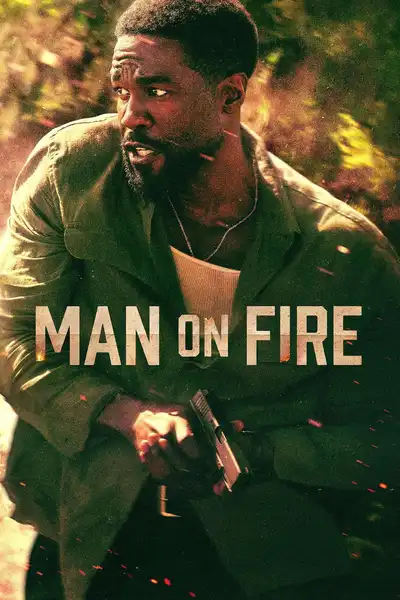
Yahya Abdul-Mateen II takes on the role of John Creasy, a burned-out former CIA operative who finds unexpected redemption as a bodyguard in this television adaptation of the classic thriller. Created by showrunner David Zabel, the series expands on the familiar premise of a jaded protector forming a bond with his young charge, allowing more time to explore Creasy's traumatic past and gradual emotional thawing. The show benefits from Abdul-Mateen's nuanced performance, bringing layers of vulnerability beneath the hardened exterior, while the supporting cast helps ground the action in believable human stakes. Though it doesn't reinvent the source material, the series format allows for deeper character development than a film permits, and the action sequences are competently staged. It's solid streaming fare that delivers procedural thrills with unexpected emotional depth.

Úrsula Corberó stars as Rosa Peral, a police officer whose life unravels in this Spanish limited series based on a shocking true crime case. Created by Alexandra Jiménez and Laura Sarmiento, the show chronicles the investigation into a burned body found in a car trunk, with Rosa herself becoming entangled in a web of lies, passion, and betrayal. Corberó delivers a compelling performance that keeps viewers guessing about her character's innocence or guilt throughout the eight episodes. The series effectively balances procedural elements with intimate character study, exploring how personal relationships can spiral into tragedy. While it occasionally leans into melodrama, the strong central performance and the inherently gripping nature of the real-life story make it an engaging watch for true crime enthusiasts.

Nikita Efremov brings brooding intensity to the role of Fyodor Dostoyevsky in this compelling biographical drama that traces the legendary Russian author's tumultuous life and creative genius. The series skillfully navigates Dostoyevsky's gambling addiction, his time in Siberian exile, and the passionate relationships that fueled his masterworks. Creator Aleksandr Tsekalo crafts an intimate portrait that doesn't shy away from the writer's contradictions—his progressive ideals clashing with conservative impulses, his profound empathy shadowed by personal demons. The period detail is meticulously rendered, from the smoky gambling halls of Europe to the harsh landscapes of his imprisonment. While some episodes lean heavily on internal monologue, the performances remain grounded and affecting, making this a rewarding watch for anyone interested in the tortured artist behind Crime and Punishment.

A group of boys stranded on a deserted island must create their own society after a plane crash leaves them without adult supervision—a premise that remains chillingly relevant decades after William Golding's novel first explored humanity's darker impulses. This adaptation takes a contemporary approach to the classic tale, updating certain elements while maintaining the core psychological tension that makes the story so compelling. The young ensemble cast handles the demanding material with commitment, navigating their characters' descent from civilized schoolboys to something far more primal. While the pacing occasionally drags and some of the symbolism feels heavy-handed, the production values are solid and the series format allows for deeper character development than film versions could provide. It's thoughtful without being particularly groundbreaking.
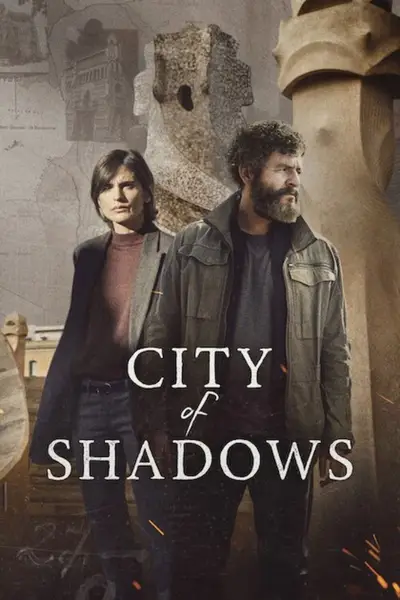
Leading man Marcus Chen brings a world-weary intensity to Detective James Locke in this atmospheric crime drama that unfolds across the rain-soaked streets of a fictional Pacific Northwest city. Creator Sarah Whitmore crafts a procedural that balances episodic case work with a season-long arc involving corruption threading through every level of city government. Chen's chemistry with co-star Aisha Patel, who plays his by-the-book partner, provides the show's emotional anchor as their investigation pulls them deeper into a conspiracy neither anticipated. The pacing occasionally stumbles in the middle episodes, and some red herrings feel more obligatory than organic, but the cinematography captures the noir-inspired mood effectively. City of Shadows doesn't reinvent the detective wheel, but it offers solid entertainment for fans of gritty procedurals who appreciate strong performances and a well-realized setting that becomes a character in itself.