Recent Period Drama Shows
If you're craving immersive storytelling that transports you to another era, the best recent period drama shows deliver spectacular costume design, rich historical detail, and compelling narratives that resonate with modern audiences. Over the last five years, television has experienced a renaissance of historical dramas that span centuries and continents—from the smoky streets of post-war Britain to the opulent drawing rooms of Regency England, from the rugged American frontier to the imperial courts of ancient China. These latest period drama series combine meticulous production values with fresh perspectives on the past, offering viewers twenty-one outstanding options that prove costume dramas are more relevant than ever. Whether you're drawn to political intrigue, sweeping romances, or gripping true-life events, contemporary period shows blend traditional historical storytelling with modern sensibilities and diverse viewpoints. Streaming platforms and premium networks have invested heavily in these lavish productions, resulting in critically acclaimed series that captivate both history enthusiasts and casual viewers alike. From epic multi-season sagas to intimate limited series, these recent releases showcase how period dramas continue to evolve while maintaining the escapist appeal and emotional depth that make historical television so enduringly popular.
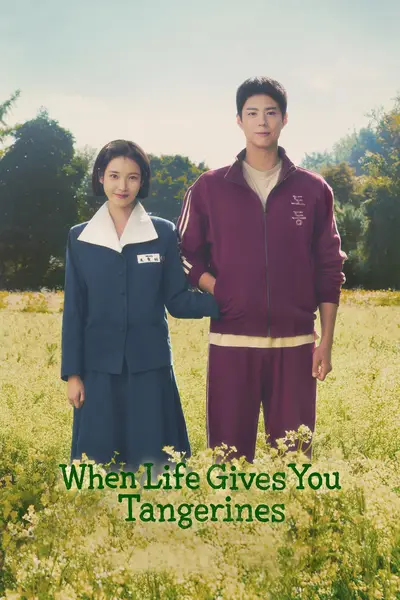
When a family inherits a struggling tangerine farm in coastal California, they discover that rebuilding their agricultural legacy might also heal their fractured relationships in this absolutely delightful drama that feels like a warm embrace. Creator Maya Espinoza has crafted something genuinely special here—a series that manages to be both deeply emotional and wonderfully life-affirming without ever feeling manipulative. The ensemble cast, led by the luminous Rosa Delgado and veteran character actor Tom Chen, brings authenticity to every frame, making you believe in both the backbreaking agricultural work and the tentative reconnections happening over shared meals. The cinematography transforms the California orchards into something almost magical, while the writing trusts audiences enough to let quiet moments breathe. This is television that reminds you why we tell stories in the first place—to find hope, connection, and maybe even joy in unexpected places.
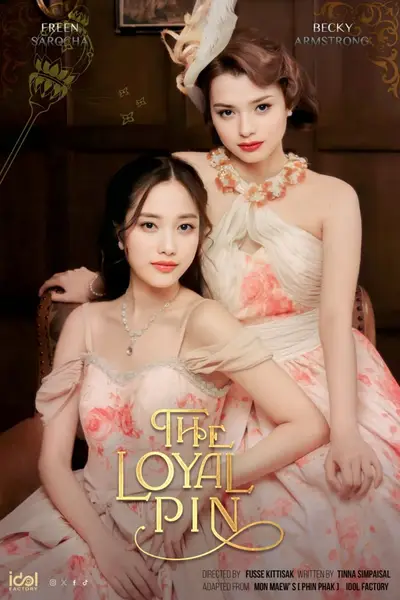
Set in early 20th century Thailand, this sumptuous period drama follows the deep bond between Princess Anin and her loyal companion Pin as their childhood friendship blossoms into forbidden romance within the restrictive confines of the royal palace. Freen Sarocha and Becky Armstrong reunite to deliver absolutely luminous performances that capture both the innocence of first love and the anguish of societal constraints. The production is breathtakingly beautiful, with meticulous attention to period detail, gorgeous cinematography, and costumes that transport viewers to another era entirely. What makes this series truly exceptional is how director Nuttapong Mongkolsawas balances sweeping romance with historical texture and genuine emotional stakes. The supporting cast enriches the world with complex characters whose own struggles and desires feel equally important. The pacing allows scenes to breathe, letting meaningful glances and small gestures carry enormous weight. It's a mature, deeply romantic series that honors both its historical setting and its love story with equal care and artistry.
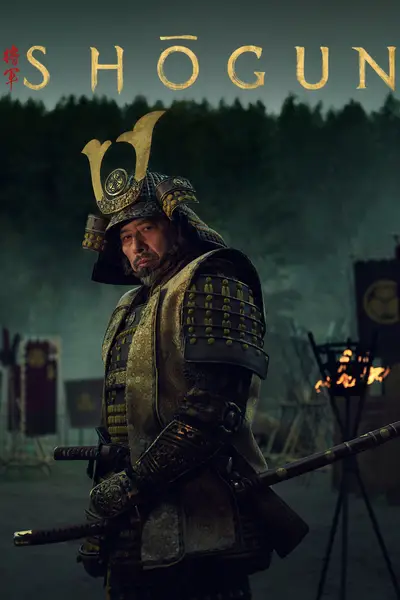
At its core, this is a story about cultural collision, power, and survival when East meets West in feudal Japan. Based on James Clavell's novel and adapted by Rachel Kondo and Justin Marks, the series follows English sailor John Blackthorne (Cosmo Jarvis) as he becomes entangled in Japanese political intrigue while the nation teeters on the brink of civil war. Hiroyuki Sanada delivers a commanding performance as Lord Toranaga, bringing gravitas and subtlety to every scene, while Anna Sawai's Mariko serves as both translator and the emotional heart of the story. The production values are film-quality, with meticulous attention to historical detail and stunning cinematography that captures both beauty and brutality. What makes this adaptation special is its commitment to authenticity—Japanese characters speak Japanese, and the show trusts its audience to engage with subtitled dialogue. It's epic television that respects its source material while feeling thoroughly modern in its execution and themes.

This epic magical realism adaptation brings Gabriel García Márquez's masterpiece to the screen with stunning visual ambition and emotional depth. The Netflix series traces multiple generations of the Buendía family in the fictional town of Macondo, weaving together love, war, prophecy, and the cyclical nature of history. Shot entirely in Colombia with Spanish dialogue, the production honors the novel's Latin American roots while making the sprawling narrative accessible to viewers unfamiliar with the source material. The performances capture both the earthbound reality and supernatural elements that define Márquez's work, while the cinematography renders Macondo as a character unto itself. This is prestige television that takes risks, trusting audiences to embrace a story that spans decades and defies conventional narrative structure. For literary adaptation enthusiasts and anyone seeking truly ambitious storytelling, this series delivers a remarkable achievement.
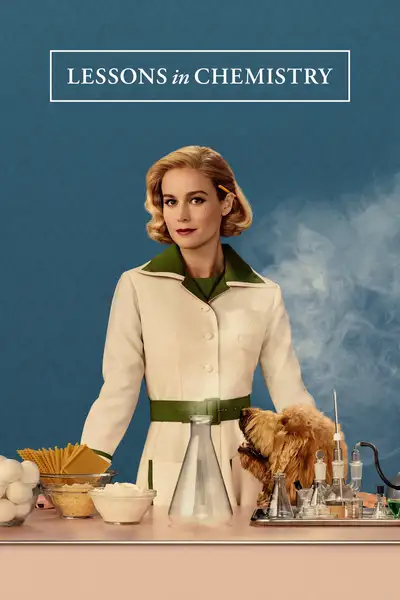
This period drama adaptation of Bonnie Garmus's bestselling novel follows Elizabeth Zott, a brilliant chemist in 1950s California whose career is derailed by sexism and personal tragedy, leading her to become an unlikely television cooking show host. Brie Larson brings fierce intelligence and vulnerability to Elizabeth, making her both admirably principled and genuinely human rather than a flawless feminist icon. Created by Lee Eisenberg, the series doesn't shy away from depicting the era's rampant discrimination while finding moments of hope and humor in Elizabeth's unconventional approach to both science and cooking. The supporting cast, including Lewis Pullman and Aja Naomi King, adds depth to what could have been a one-woman show. The series captures the book's spirit while expanding certain relationships, creating something that feels both faithfully adapted and distinctly its own, with a message about women's potential that resonates beyond its period setting.
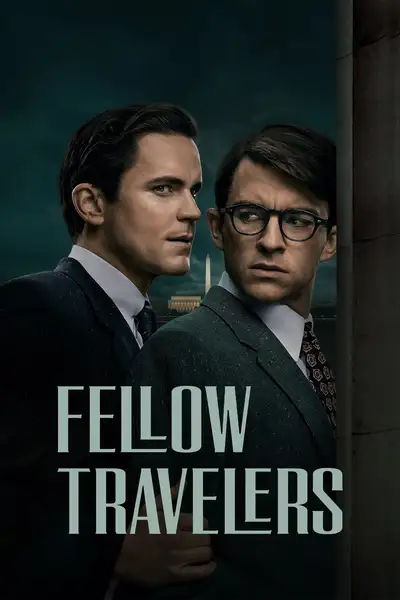
Sweeping and deeply moving, this limited series traces a decades-long relationship between two men whose love affair unfolds against the backdrop of political upheaval and persecution. Matt Bomer and Jonathan Bailey star as Hawkins Fuller and Tim Laughlin, whose connection begins during the McCarthy-era Lavender Scare and continues through pivotal moments in LGBTQ+ history. Ron Nyswaner created this adaptation of Thomas Mallon's novel, crafting a narrative that's both intimate and epic in scope. The series doesn't shy away from depicting both the passion and the pain of a relationship conducted largely in secret, with the period details grounding the personal story in historical reality. Bomer and Bailey's chemistry makes their complicated dynamic—one man refusing to fully commit, the other unable to let go—utterly believable and heartbreaking. The storytelling moves fluidly between time periods, revealing how history and personal choice shape these characters' lives. It's romantic, politically conscious, and powerfully acted throughout.
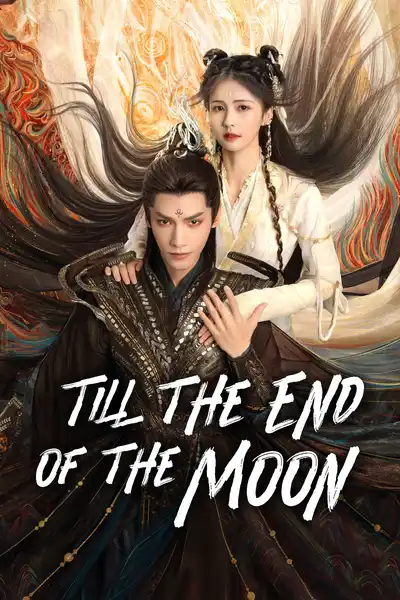
Sweeping, romantic, and gorgeously tragic, this Chinese fantasy epic weaves together immortal demons, star-crossed lovers, and cosmic consequences across multiple timelines and realms. Adapted from the novel by Jiu Lu Fei Xiang, the series stars Luo Yunxi as Tantai Jin, a hostage prince with a dark destiny, and Bai Lu as Li Susu, a cultivator who travels back in time to prevent him from becoming the destructive Demon God. What unfolds is a complex narrative of sacrifice, redemption, and the question of whether love can truly change fate. The production values are stunning, with elaborate costumes, breathtaking cinematography, and martial arts sequences that blend wire work with emotional weight. The performances elevate melodramatic material into something genuinely moving, and the chemistry between the leads anchors even the most fantastical plot developments. At 40 episodes, it requires commitment, but the payoff is a beautifully crafted epic that understands the power of romantic tragedy.
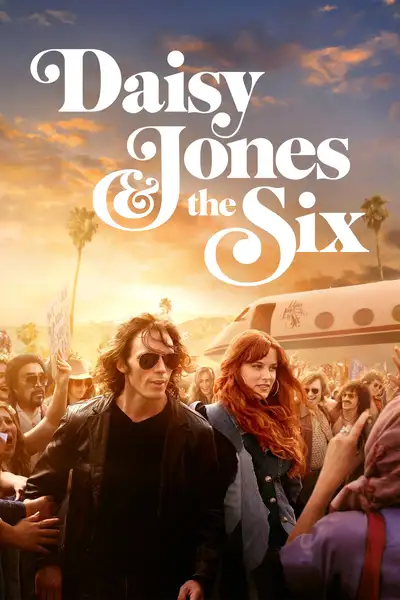
Scott Neustadter and Michael H. Weber adapted Taylor Jenkins Reid's novel about a fictional 1970s rock band's meteoric rise and dramatic implosion, framing it as a documentary-style retrospective. Riley Keough and Sam Claflin lead as Daisy Jones and Billy Dunne, the magnetic and volatile co-leads whose chemistry fuels both the band's success and dysfunction. The series nails the period aesthetics and features genuinely strong original music that feels authentic to the era, but the documentary format creates emotional distance when the story needs intimacy. Supporting performances from Suki Waterhouse, Camila Morrone, and Nabiyah Be add depth to the ensemble, yet the central will-they-won't-they dynamic grows repetitive across ten episodes. When focusing on the creative process and band dynamics, it engages; when wallowing in romantic angst, it stalls. It's handsomely produced and well-performed but doesn't quite capture the novel's magic.
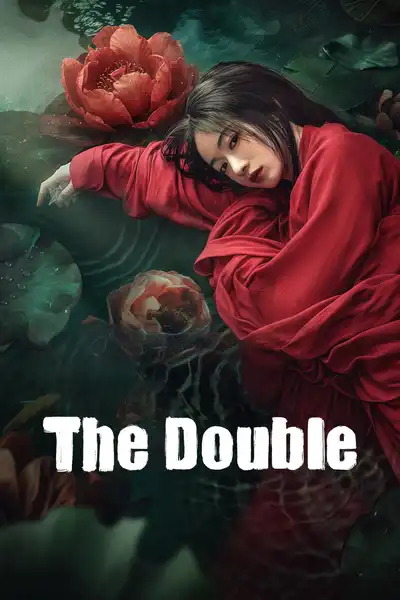
In this series, espionage meets identity crisis as a retired intelligence operative discovers his life has been completely fabricated. Starring Ron Perlman, The Double weaves a compelling conspiracy thriller that constantly shifts your understanding of what's real and who can be trusted. The premise could easily collapse under its own twists, but the writing maintains clarity even as it peels back layers of deception. Perlman delivers a nuanced performance that carries the emotional weight of a man questioning everything about himself, while the supporting cast adds depth to what could have been a straightforward spy story. The production feels more cinematic than many streaming series, with sharp direction and editing that keeps momentum strong across episodes. It's smart, engaging, and refreshingly focused on character psychology rather than just action set pieces, making it a standout in the espionage genre.
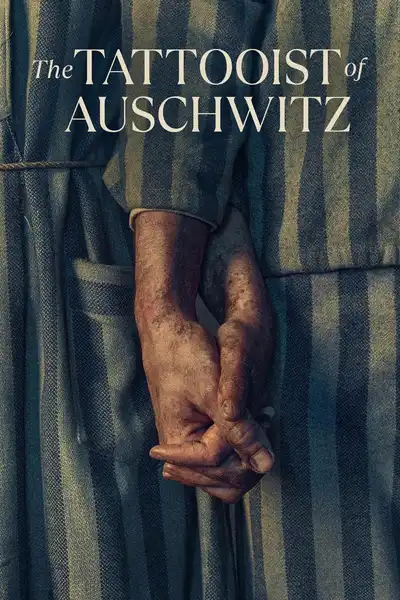
Historical drama based on Heather Morris's novel recounts the true story of Lale Sokolov, a Slovakian Jew who was forced to tattoo identification numbers on fellow prisoners at Auschwitz-Birkenau, where he fell in love with a woman whose arm he marked. Harvey Keitel and Jonah Hauer-King portray Lale at different life stages, with the narrative moving between the concentration camp horrors and later interviews where the elderly survivor shares his story. The series approaches its devastating subject matter with appropriate solemnity while finding moments of humanity and resilience amid unimaginable darkness. Director Tali Shalom-Ezer handles the material sensitively, never exploiting the suffering but also not shying away from the brutal realities. Anna Próchniak brings depth to Gita, ensuring she remains a full character rather than merely a symbol of hope. The production design authentically recreates the camp environment, though some viewers may find the central love story uncomfortable given the context. What distinguishes this from other Holocaust narratives is its focus on the moral complexities Lale faced—survival required compromises that haunted him forever. It's a difficult but worthwhile series that honors both the romance and the tragedy.
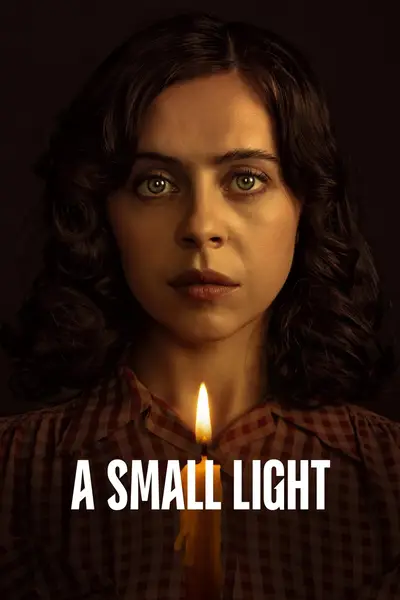
In this powerful historical miniseries, the story of Miep Gies—the woman who helped hide Anne Frank and her family during the Nazi occupation of Amsterdam—finally receives the attention it deserves. Created by Joan Rater and Tony Phelan, with Bel Powley delivering a luminous performance as Miep, the National Geographic series explores both the practical logistics and enormous psychological burden of harboring fugitives for over two years. Rather than positioning Gies as a saint, the show thoughtfully examines her as an ordinary person who made extraordinary choices, complete with fears, frustrations, and moments of doubt. The production design meticulously recreates 1940s Amsterdam, and the supporting cast, including Liev Schreiber as Otto Frank, brings depth to familiar historical figures. While the outcome is tragically predetermined, the series finds genuine tension in the daily near-misses and moral calculations required for resistance. It's essential viewing that honors both the helpers and those they couldn't ultimately save.
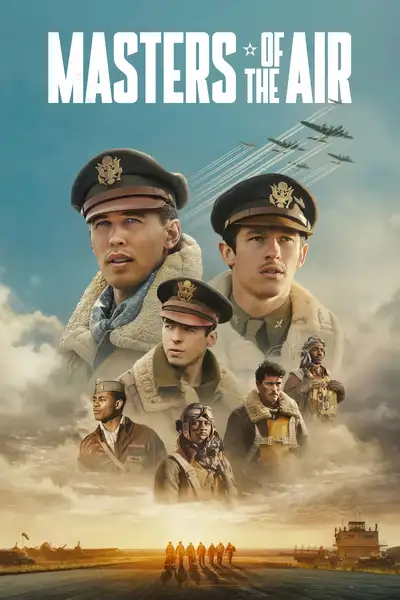
This meticulously crafted war drama follows the Eighth Air Force bomber crews during World War II as they conduct deadly daylight raids over Nazi Germany. Produced by Steven Spielberg and Tom Hanks, Masters of the Air stars Austin Butler, Callum Turner, and Anthony Boyle as young airmen facing staggering casualty rates and impossible odds. The aerial combat sequences are absolutely breathtaking, combining practical effects with cutting-edge technology to put viewers inside the B-17 bombers during harrowing missions. Based on Donald L. Miller's book, the series doesn't shy away from the psychological toll of warfare or the moral complexities of strategic bombing. The production design, performances, and attention to historical detail are all exceptional, creating an immersive and emotionally resonant experience. This is prestige television at its finest, honoring the sacrifice of the "Bloody Hundredth" with dignity and stunning visual storytelling.
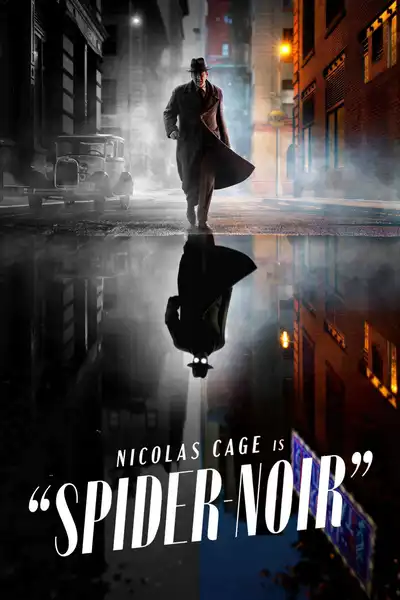
Oren Uziel and Steve Ditko bring the shadowy world of Spider-Man Noir to streaming in this visually striking series that transplants the web-slinger to 1930s New York. Nicolas Cage voices the Depression-era Peter Parker, a role he previously inhabited in the animated "Spider-Verse" film, lending gravitas to this darker, grittier take on the Spider-Man mythology. The noir aesthetic isn't just window dressing—it fundamentally shapes the storytelling, with hard-boiled narration, morally complex antagonists, and period-appropriate concerns about corruption and economic injustice. The animation style blends shadow-heavy visuals with dynamic action sequences that honor both superhero spectacle and classic film noir. By removing Spider-Man from his familiar modern setting, the series finds fresh angles on familiar themes about power and responsibility while creating atmosphere thick enough to cut with a knife.
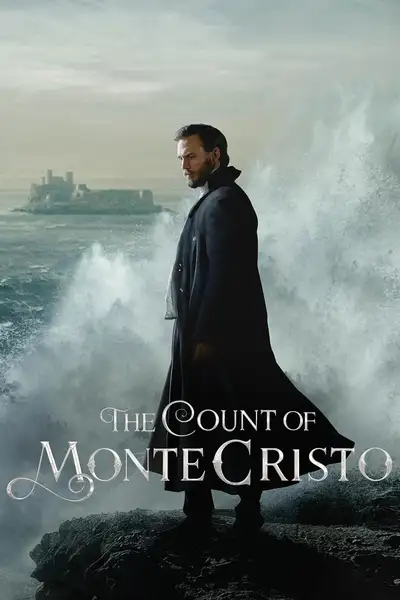
When sailor Edmond Dantès is betrayed by those he trusted and imprisoned unjustly, his quest for vengeance against those who destroyed his life becomes an epic tale of transformation and retribution. This French adaptation of Alexandre Dumas's classic novel features Pierre Niney in the lead role, supported by Anaïs Demoustier, Bastien Bouillon, and Anamaria Vartolomei. Director Bille August and screenwriter Sarah Phelps craft a visually sumptuous version that honors the source material's scope while finding fresh emotional resonance in this timeless story. The production captures both the intimate betrayals that set the plot in motion and the elaborate schemes Dantès orchestrates years later as the wealthy Count of Monte Cristo. Period details are rendered with care, and the cast navigates the melodramatic heights of the story with conviction. It's a handsomely mounted adaptation that reminds viewers why this revenge tale has endured for generations, balancing narrative complexity with emotional clarity.
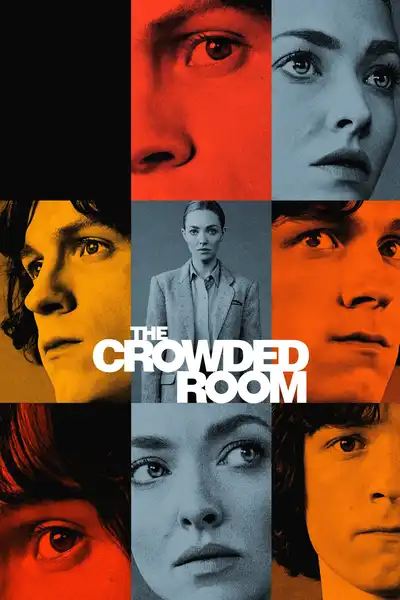
A psychological thriller unfolds as a young man arrested for a violent crime in 1979 New York reveals a diagnosis of dissociative identity disorder to his lawyer, claiming multiple personalities share his consciousness. Tom Holland stars in this limited series created by Akiva Goldsman, based on Daniel Keyes's non-fiction book about Billy Milligan, the first person to successfully use multiple personality disorder as a legal defense. Amanda Seyfried co-stars as the psychologist working to understand his fractured mind. The series uses non-linear storytelling to explore trauma, identity, and the nature of responsibility, though the execution doesn't always match its ambitious themes. Holland commits fully to the challenging role, but the show's treatment of mental illness feels at times more interested in creating mystery than authentic representation. Production design effectively captures the period, and individual episodes contain compelling moments, yet the overall narrative loses momentum under the weight of its fractured structure mirroring its subject's condition.
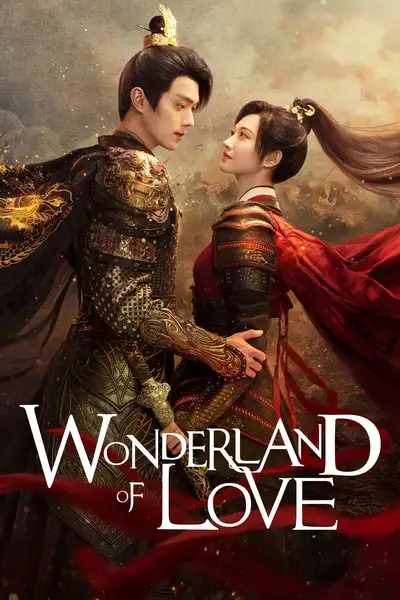
Produced by the creative team behind several successful costume dramas, this Chinese historical romance delivers sumptuous visuals and genuinely engaging romantic chemistry between its leads, Xu Kai and Jing Tian. Set during a fictionalized historical period, the series follows the relationship between a clever protagonist and a powerful figure as they navigate political intrigue, palace machinations, and their growing feelings for each other. The production values are exceptional, with elaborate costumes, beautiful set design, and cinematography that captures both intimate moments and grand spectacle. What distinguishes this from many period romances is the smart, witty writing that gives both leads agency and intelligence, allowing their relationship to develop through mutual respect and genuine connection rather than just circumstance. Supporting characters are well-drawn with their own meaningful arcs, and the political plotting provides genuine stakes beyond the central romance. The pacing maintains momentum across its substantial episode count, balancing romantic development with plot progression. This is exemplary romantic historical drama that should satisfy fans of the genre and potentially win over skeptics with its quality execution.
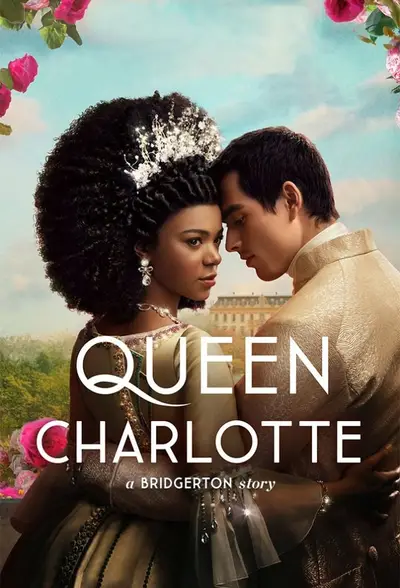
Romantic, lush, and emotionally resonant, this prequel to Bridgerton stands confidently on its own while enriching the parent series. India Amarteifio delivers a star-making performance as the young Queen Charlotte, with the story alternating between her arranged marriage to King George III and her older self (portrayed by Golda Rosheuvel). Shonda Rhimes created this limited series to explore how a love story shaped an empire, and the writing crackles with wit, passion, and surprising depth. The exploration of mental illness through George's perspective (Corey Mylchreest) is handled with unusual sensitivity for period drama. Every frame drips with sumptuous production design, and the chemistry between the leads makes their romance swoon-worthy. The series manages to be both a fairy tale and something more grounded, examining duty, sacrifice, and the price of power without losing its essential romantic heart.
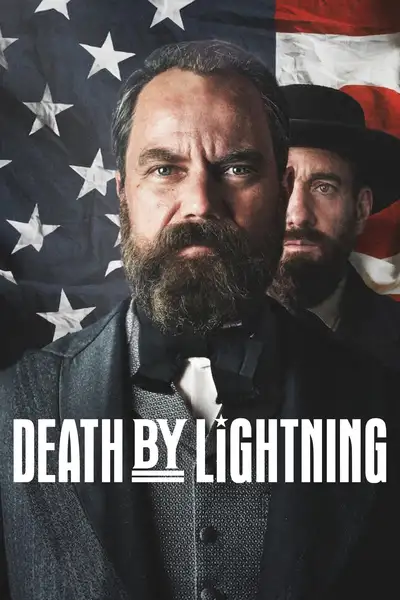
Set in 19th-century rural America, this atmospheric period drama examines a community gripped by fear after a series of mysterious deaths occur during violent thunderstorms. The series weaves together historical detail with compelling character drama as townspeople struggle between scientific explanation and superstitious belief. Creator Sarah Polley brings her distinctive eye for emotional complexity to this exploration of how communities respond to unexplainable tragedy. The production design authentically recreates the era without romanticizing the harsh realities of frontier life, while the ensemble cast delivers grounded performances that make the period setting feel immediate and relatable. The cinematography makes stunning use of natural light and stormy skies to create an sense of unease that builds throughout each episode. Rather than rushing toward answers, the series takes its time developing relationships and examining how fear can fracture even the closest bonds.
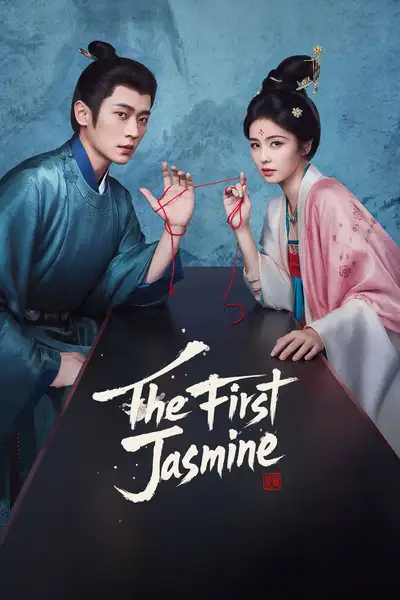
Elegant, contemplative, and visually stunning, this Chinese historical drama transports viewers to the Tang Dynasty with remarkable attention to period detail and emotional nuance. The series follows a young woman's journey from provincial obscurity to the imperial court, where political intrigue and personal ambition collide in unexpected ways. Director Zhang Wei and writer Liu Chen craft a story that prioritizes character over spectacle, though the production certainly doesn't skimp on gorgeous cinematography and elaborate costumes. Lead actress Chen Yao delivers a measured, intelligent performance that captures her character's growth without resorting to melodrama. The pacing is deliberate, allowing relationships and conflicts to develop naturally over the course of the season. Supporting performances are uniformly strong, particularly among the actors portraying court officials navigating their own treacherous paths. This is prestige television that trusts its audience to appreciate subtlety and complexity—perfect for viewers seeking something thoughtful and beautifully crafted.
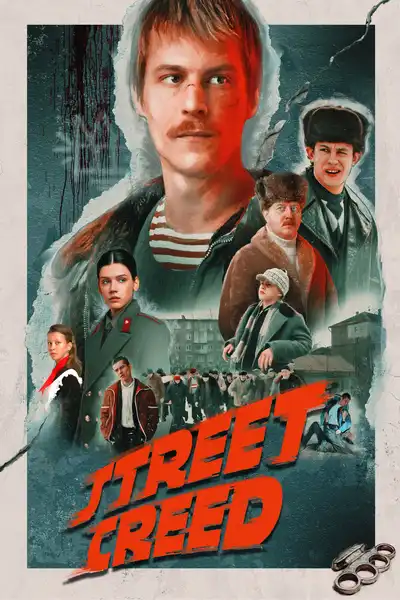
Rodion Galyuchenko delivers a raw, compelling performance as Andrey, navigating the brutal world of late Soviet-era Kazan in this gripping coming-of-age drama. Created by Zhora Kryzhovnikov, "The Boy's Word: Blood on the Asphalt" immerses viewers in the street gang culture of 1980s Russia, where teenage boys fight for respect, territory, and survival in a society on the brink of collapse. The series doesn't shy away from the violence and hardship of the era, yet finds moments of genuine humanity and brotherhood among its young characters. The authentic period detail and unflinching storytelling create a visceral experience that feels both historically specific and universally resonant. With strong ensemble work and direction that captures the gritty texture of the streets, this Russian series offers a powerful window into a world rarely seen in Western television.

Haunting and visually stunning, this limited series adaptation of Anthony Doerr's Pulitzer Prize-winning novel follows two young people whose lives intersect during World War II. Marie-Laure (Aria Mia Loberti), a blind French teenager, flees Paris with her father and a legendary diamond, while Werner (Louis Hofmann), a German orphan with a gift for engineering, is recruited into the Nazi war machine. Creator Steven Knight condenses the novel's intricate structure into four episodes, capturing much of the source material's poetry while necessarily sacrificing some narrative complexity. The production design and cinematography beautifully render both occupied France and devastated Germany, creating an immersive period atmosphere. The performances are uniformly strong, with Loberti making an impressive debut and Mark Ruffalo adding warmth as Marie-Laure's devoted father. While some fans of the book may miss certain subplots, the adaptation succeeds in translating the novel's themes about human connection transcending war's brutality.