Recent Legal Drama Shows
Legal drama shows have experienced a remarkable renaissance in recent years, delivering some of the most gripping and thought-provoking television on screen today. If you're searching for the best recent legal drama shows that capture the intensity of courtroom battles, morally complex characters, and contemporary justice system challenges, you've landed in the right place. The last five years have brought an exceptional wave of new legal dramas and returning series that push beyond traditional courtroom procedurals, exploring everything from criminal defense and corporate law to civil rights cases and personal redemption stories. These newest legal drama series tackle timely issues like mass incarceration, legal ethics in the digital age, and systemic inequality through compelling narratives that keep viewers on the edge of their seats. Whether you're drawn to character-driven lawyer shows, high-stakes trial dramas, or legal thrillers with unexpected twists, this carefully curated selection of 21 recent releases showcases the genre's evolution and its ability to blend entertainment with meaningful social commentary. From prestigious streaming exclusives to network television standouts, these contemporary legal dramas represent the finest courtroom storytelling available right now.
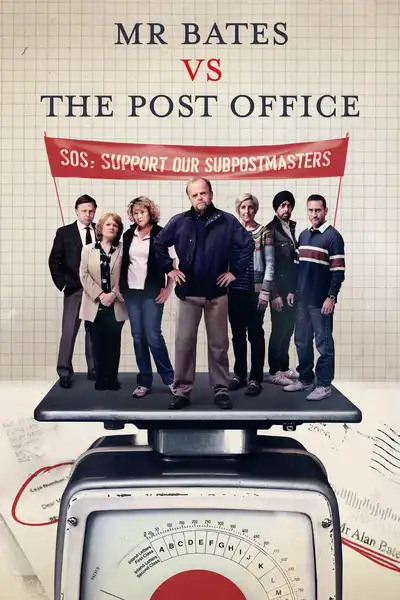
Well-intentioned but somewhat pedestrian, this dramatization recounts the real-life scandal that saw hundreds of British sub-postmasters wrongfully prosecuted for theft due to faulty accounting software. Toby Jones leads the cast as Alan Bates, who spent years fighting to expose the Post Office's coverup, supported by a strong ensemble including Julie Hesmondhalgh. Writer Gwyneth Hughes tackles this infuriating miscarriage of justice with sincerity, clearly sympathizing with the victims while illustrating the bureaucratic machinery that crushed them. The series effectively conveys the personal toll of the scandal—destroyed reputations, financial ruin, and even suicides. However, the conventional docudrama approach sometimes flattens the material, delivering information efficiently but without much stylistic flair. Still, the sheer injustice of the story carries weight, and Jones provides a grounded center as a man refusing to give up despite impossible odds.

Matt Murdock returns to Hell's Kitchen to reclaim his life as both lawyer and vigilante in this highly anticipated continuation of the beloved Marvel series. After the events that scattered his world, Murdock must rebuild his law practice while confronting new threats that endanger the neighborhood he's sworn to protect. Charlie Cox slips back into the role with the same intensity and nuance that made the original series a fan favorite, while Vincent D'Onofrio returns as Wilson Fisk, bringing their complex adversarial relationship to new heights. The show maintains the gritty, street-level tone that distinguished it from other superhero fare, focusing on moral complexity and bone-crunching fight choreography. With Daredevil: Born Again, Marvel delivers a welcome return that respects what came before while carving out fresh territory for these characters to explore.
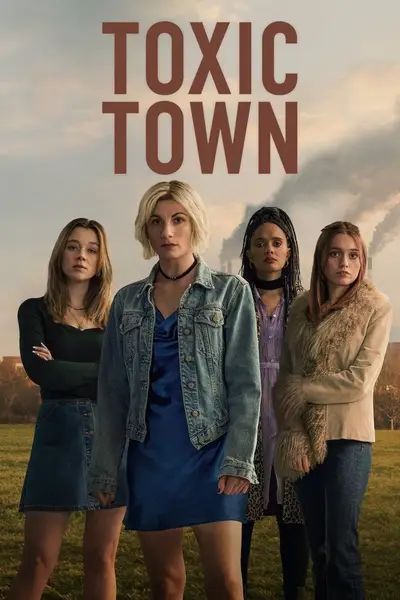
This true crime docuseries examines a community grappling with environmental contamination and corporate negligence, though it covers familiar ground without bringing much new insight to the table. The series documents residents' fight against industrial pollution in their town, featuring interviews with affected families and legal experts who outline the challenges of holding powerful companies accountable. While the human stories are genuinely compelling and the injustice clearly documented, the presentation feels formulaic, hitting all the expected beats of the environmental disaster documentary without the depth or investigative rigor that might elevate it. The pacing drags in places, stretching material that might have been more impactful as a tighter feature-length documentary across multiple episodes. To its credit, the series does give voice to those directly impacted and raises important questions about regulatory oversight. It's worth watching for those interested in environmental justice issues, but don't expect the kind of revelatory storytelling that defines the best of the genre.

In this Italian period drama, Matilda De Angelis stars as Lidia Poët, Italy's first female lawyer who, after being barred from practicing law due to her gender, works around the system by investigating cases for her brother's Turin law firm. Set in late 19th-century Italy, the series combines historical detail with modern sensibilities, creating a legal procedural with feminist themes that never feels didactic. Created by Guido Iuculano and Davide Orsini, the show balances its case-of-the-week structure with ongoing arcs about Lidia's fight for professional recognition and her personal life. De Angelis brings intelligence and determination to the role without making Lidia a flawless heroine—she's ambitious, sometimes reckless, and thoroughly engaging. The production design beautifully captures the period setting, and the supporting cast, including Eduardo Scarpetta as Lidia's brother Enrico, provides solid grounding for the lead's more adventurous investigations. It's smart, handsomely produced historical drama that makes legal and social history genuinely entertaining.
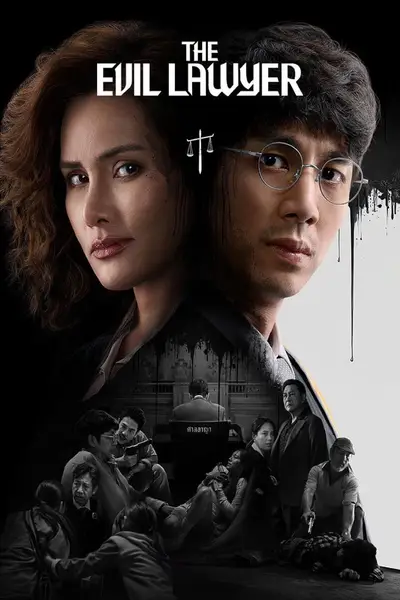
Showrunner Patricia Delgado brings her trademark wit and character-driven storytelling to this legal dramedy about a morally flexible attorney who finds unexpected opportunities in representing society's most problematic clients. Oscar nominee James Park leads the cast as Daniel Cross, a brilliant lawyer whose flexible ethics often put him at odds with both the justice system and his own conscience. The series walks an interesting tightrope between dark comedy and genuine drama, finding humor in uncomfortable situations without making light of serious issues. Delgado's writing gives the supporting cast—including standout performances from the firm's conflicted junior associates—real dimension beyond their professional roles. The show doesn't excuse its protagonist's behavior, but it does make him compellingly watchable as he navigates increasingly complex cases. Production values are solid, with courtroom scenes that feel authentic rather than theatrical. It's an entertaining take on the legal drama that offers something slightly different from standard network fare.

This powerful drama explores the lasting impact of tragedy and the relentless pursuit of accountability following the 1988 bombing of Pan Am Flight 103 over Lockerbie, Scotland. Colin Firth stars as Jim Swire, a doctor who lost his daughter in the attack and spent decades investigating what he believed was a miscarriage of justice regarding the convicted bomber. Created by David Harrower and based on Swire's book, the series follows his transformation from grieving father to determined activist challenging official narratives about the attack. The five-episode drama handles its sensitive subject matter with respect for the victims while examining the complexities of justice, grief, and geopolitical maneuvering. Firth delivers a measured, deeply human performance that captures Swire's unwavering dedication without veering into melodrama. It's a thoughtful examination of how personal loss can fuel decades-long quests for truth, offering no easy answers but plenty of emotional resonance.
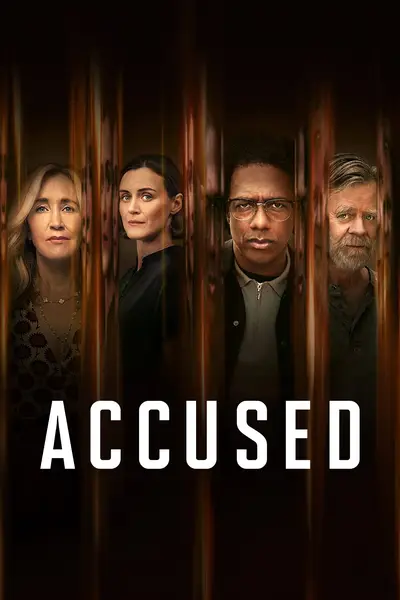
Michael Chiklis leads this anthology series as a different character in each episode, exploring how ordinary people find themselves caught in the American justice system. Each standalone story follows a defendant from their perspective, revealing the circumstances that led to their arrest and examining the moral complexities of their situation. Created by Howard Gordon, the series features strong performances from guest stars including Whitney Cummings, Abigail Breslin, and Mira Sorvino. The format allows for compelling character studies that humanize those accused of crimes, though some episodes land more effectively than others. While it doesn't always dig as deep as it could into systemic issues, the show succeeds in generating empathy and prompting viewers to question their assumptions about guilt and innocence.

Dark and somber throughout, this biographical drama examines the life and final days of Ruth Ellis, the last woman executed in Britain, though the series struggles to find fresh perspective on this well-documented tragedy. Starring Lucy Boynton as Ellis, the production meticulously recreates 1950s London and the nightclub world where Ellis worked before her conviction for murder. The performances are committed, with Boynton capturing both Ellis's glamour and desperation, but the script often resorts to obvious emotional beats rather than deeper psychological exploration. Created with evident respect for its subject, the series nonetheless feels constrained by its reverential approach, rarely challenging viewers' presumed sympathies or complicating the narrative in meaningful ways. The period details are convincing, and certain scenes achieve genuine power, but the overall effect is more dutiful than revelatory. For those unfamiliar with Ellis's story, it serves as a reasonable introduction, though it doesn't add substantially to existing portrayals of this tragic historical figure.

Takeshi Yamamoto takes on the complex role of Detective Kujo, a brilliant investigator whose past mistakes and moral compromises haunt him as he pursues justice in this moody Japanese crime thriller. The series examines how far good people will go when pushed to extremes, following Kujo as he navigates a corrupt system while wrestling with the consequences of decisions that blur the line between right and wrong. Director Akiko Tanaka crafts a visually striking noir atmosphere, using shadow and urban decay to mirror the protagonist's internal struggles. The supporting cast brings depth to what could have been stock characters, creating a lived-in world where everyone carries secrets and motivations that complicate simple notions of guilt and innocence. It's contemplative crime television that trusts its audience to grapple with ambiguity.
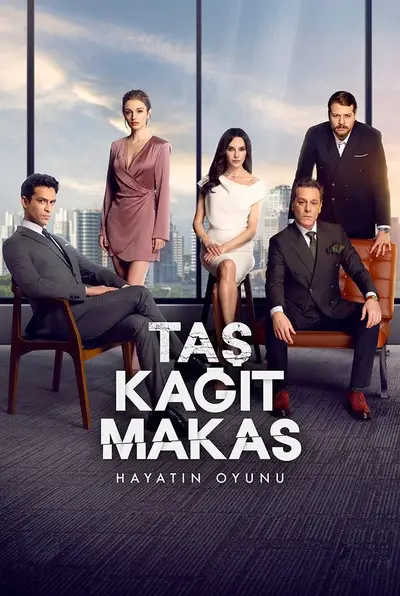
This game show competition elevates the childhood hand game to absurdly high stakes, as contestants face off in rock-paper-scissors tournaments with cash prizes and dramatic production values typically reserved for more complex competitions. The Brazilian series embraces the inherent ridiculousness of its premise while playing everything completely straight, creating an oddly compelling viewing experience. Hosted with appropriate gravitas considering the simplicity of the game, the show attempts to inject drama through player interviews, strategic analysis, and tournament-style bracketing. The question of how much content can be extracted from such a simple game is answered with: not quite enough, leading to stretched segments and repetitive gameplay that tests viewer patience. Production values are surprisingly high, with lighting, camera work, and graphics that would suit a poker tournament or esports competition. There are moments of genuine tension when the stakes are explained and contestants' backgrounds are revealed, but these can't fully overcome the fundamental limitation of watching people play rock-paper-scissors for extended periods. It's a curiosity worth sampling for its sheer audacity, though few will find enough substance to warrant binging multiple episodes.
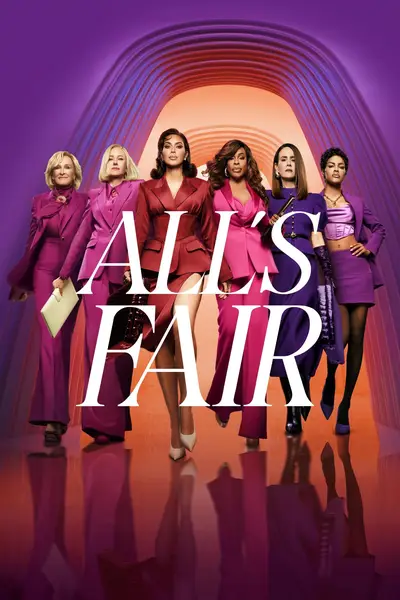
Carrie Preston stars as a Supreme Court justice navigating personal and professional crises in this legal drama that unfortunately never finds its footing. Created by Elaine Goldsmith-Thomas and Debra Martin Chase, the series attempts to blend courtroom proceedings with behind-the-scenes machinations, but the execution feels oddly lifeless despite the promising premise. Preston does her best with material that too often relies on predictable conflicts and surface-level examination of constitutional issues. The supporting cast, including seasoned character actors, can't elevate dialogue that feels more like a first draft than polished television. While the show clearly aims to say something meaningful about justice and power in contemporary America, it stumbles over its own ambitions, delivering a disappointingly bland take on what could have been compelling subject matter.