Recent Japanese Shows
Japanese television has entered a remarkable golden age, with recent shows pushing creative boundaries and captivating global audiences like never before. The last five years have witnessed an unprecedented surge in quality Japanese-language programming, from breathtaking anime series that redefine the medium to compelling live-action dramas that explore deeply human stories with nuance and emotional resonance. Whether you're drawn to fantastical adventures, slice-of-life narratives, or innovative genre-blending concepts, contemporary Japanese shows offer something extraordinary for every viewer. These recent releases showcase award-winning performances, groundbreaking storytelling techniques, and unforgettable television moments that demonstrate why Japanese creators continue to influence global entertainment. Streaming platforms have made these critically acclaimed series more accessible than ever, introducing international audiences to the distinctive voice and visual artistry of modern Japanese television. From heartwarming family dramas to thrilling action-packed spectacles, the newest wave of Japanese shows proves that bold creativity and authentic storytelling transcend cultural boundaries, delivering must-watch experiences that resonate with critics and viewers worldwide while cementing Japan's position as a powerhouse of innovative television production.
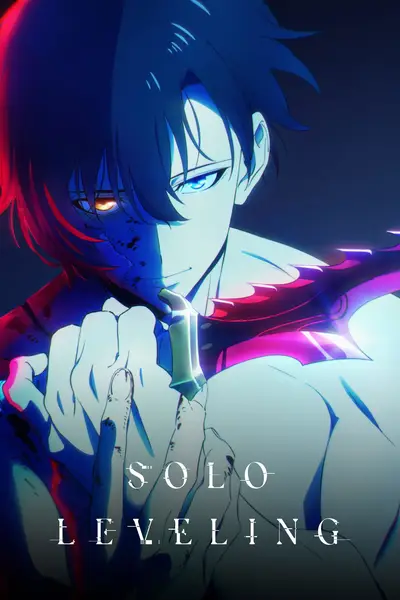
Dark, thrilling, and absolutely electrifying, this anime adaptation captures lightning in a bottle with its story of hunter Sung Jinwoo rising from weakest to godlike power. Based on Chugong's wildly popular web novel and manhwa, the series follows Jinwoo's transformation after a near-death experience in a dungeon grants him a mysterious leveling system visible only to him. The animation from A-1 Pictures is spectacular—fight sequences pulse with kinetic energy, and the monster designs are genuinely intimidating. What elevates this beyond typical power fantasy is the psychological weight of Jinwoo's journey and the strategic thinking required for each challenge. Voice actor Taito Ban perfectly captures the protagonist's evolution from desperate survivor to calculating force of nature. The pacing is relentless, the stakes feel real, and every episode leaves you craving the next. This is exactly what anime fans hungry for the next big thing have been waiting for.
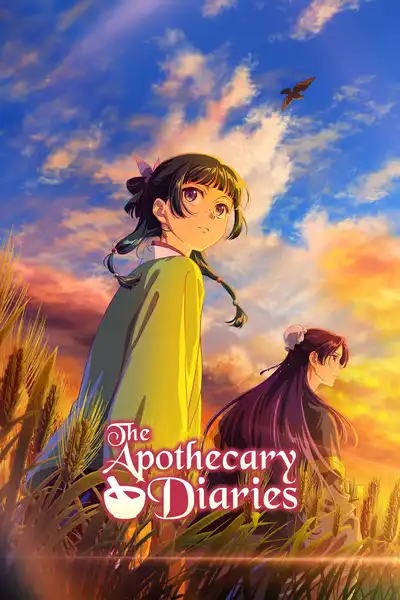
Set in the imperial court of ancient China, this absolutely captivating anime follows Maomao, a brilliant young apothecary who's kidnapped and forced to work as a servant in the emperor's palace. What makes this series extraordinary is how it transforms the constrictive world of court intrigue into a stage for Maomao's sharp intellect and forensic skills—she becomes an unlikely detective, solving poisonings and medical mysteries while navigating the dangerous politics of the inner palace. The animation is gorgeous, bringing the opulent setting to life with meticulous detail, while the writing balances mystery, humor, and compelling character development. Maomao herself is a wonderfully refreshing protagonist: pragmatic, curious, and utterly uninterested in romance despite catching the eye of the enigmatic eunuch Jinshi. Based on the light novels by Natsu Hyuuga, it's a thoroughly engaging watch that keeps you guessing while delivering rich historical atmosphere.
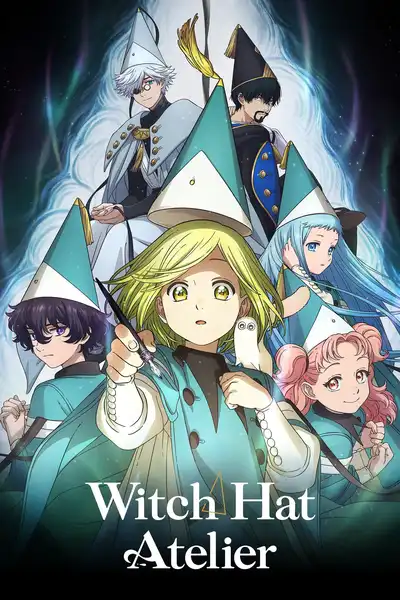
Enchanting, visually stunning, and brimming with imagination, this anime adaptation of Kamome Shirahama's beloved manga brings a magical world to life with breathtaking detail and heart. The series follows Coco, a young girl who discovers she can perform magic and becomes apprenticed to a witch despite strict rules against teaching outsiders. Director Takayuki Hamana and studio Brain's Base have crafted something truly special—a fantasy that emphasizes creativity, learning, and the ethics of power rather than simple good-versus-evil conflicts. The animation showcases the beauty of the manga's intricate art style, particularly in the spell-casting sequences where magic becomes visual poetry. Voice actors Megumi Han and Yuko Kaida bring depth to characters navigating questions about tradition, secrecy, and who deserves access to knowledge. This is essential viewing for fantasy fans seeking something thoughtful and beautifully realized.

At its core, this is a story about second chances and the courage it takes to reinvent yourself when life doesn't go according to plan. Created by Steven Leckart, the series follows a diverse group of individuals attending a life-coaching retreat, each seeking transformation for different reasons. The ensemble cast, including impressive turns from relative newcomers and established performers alike, brings vulnerability and humor to their portrayals of people at personal crossroads. What makes the show special is its refusal to offer easy answers or quick fixes, instead showing the messy, non-linear process of genuine personal growth. The writing balances comedy and drama effectively, finding humor in awkward situations without mocking the characters' earnest desires to improve themselves. It's an ultimately hopeful series that respects both its characters and its audience.
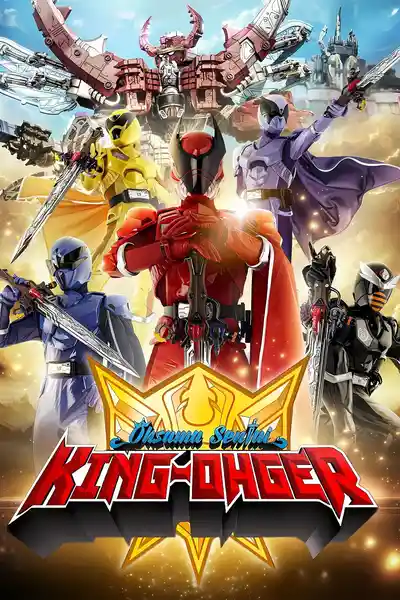
Taisei Sakai leads this entry in the Super Sentai franchise as Gira Husty, the young king of Shugoddom who unites five kingdoms against an ancient evil threatening their world. The series brings a fantasy twist to the typical Sentai formula, with each ranger representing a different kingdom and insect motif rather than the usual animal themes. Created by Toei Company and written by Takano Minato, the show attempts to blend political intrigue with standard tokusatsu action, resulting in a more story-driven approach than some Sentai series. The costume designs are inventive and the ensemble cast develops decent chemistry as the season progresses. However, the ambitious narrative sometimes buckles under its own weight, with convoluted plot threads that don't always pay off satisfyingly. The tone wavers between serious political drama and lighthearted adventure, not always successfully. It's an interesting experiment within the franchise that works better in concept than execution, offering enough entertainment for Sentai fans while feeling uneven for newcomers.

When aimless thirty-something Hiroto returns to his grandmother's traditional Tokyo neighborhood after another failed attempt at urban success, he must confront both his chronic underachievement and the slow-paced life he's spent years avoiding. Adapted from Keigo Shinzō's beloved manga by director Yukiko Mishima, this Japanese slice-of-life series transforms what could be a story about failure into something quietly profound about finding purpose outside conventional measures of success. Issey Takahashi brings remarkable subtlety to Hiroto, making his gradual transformation feel earned rather than manufactured. The supporting cast of eccentric neighborhood characters—shopkeepers, retired salarymen, stray cats—are rendered with such warmth and specificity that the community itself becomes a central character. The unhurried pacing mirrors Hiroto's journey toward mindfulness, creating a meditative viewing experience that rewards patient audiences. It's a deeply humane series that finds extraordinary beauty in ordinary moments.
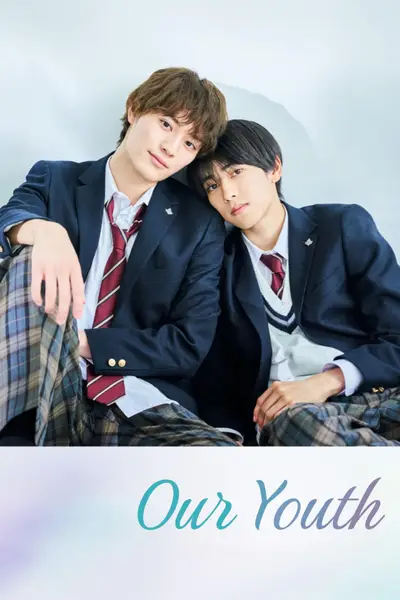
Creator and director Huang Jianxin brings this thoughtful Chinese drama about modern young people navigating career pressures, relationships, and personal identity in contemporary society. The series follows a group of friends and colleagues as they confront the gap between their youthful dreams and adult realities, exploring themes of ambition, compromise, and finding meaning in everyday life. The writing strikes a genuine chord with its target demographic, avoiding easy answers while maintaining an ultimately hopeful outlook. The ensemble cast delivers naturalistic performances that make their struggles feel authentic rather than melodramatic. While the pacing occasionally lags, the series rewards patient viewers with nuanced character development and observations about generational expectations that resonate beyond its cultural context.
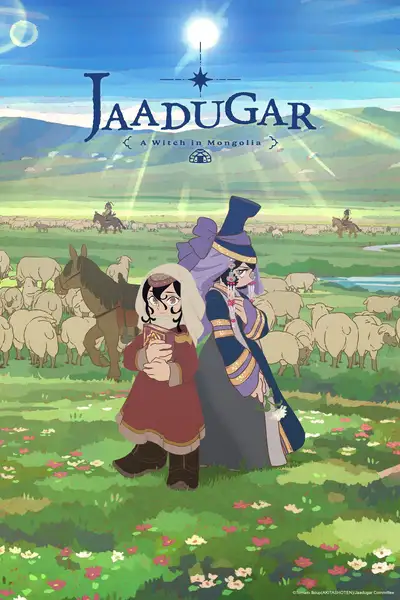
Set against the breathtaking landscapes of modern-day Mongolia, this fantasy drama delivers a spellbinding blend of traditional folklore and contemporary storytelling that feels genuinely fresh. Creator Bayarsaikhan Bold crafts a narrative that follows a young witch discovering her powers while navigating the tensions between ancient magical traditions and the rapidly modernizing world around her. Lead actress Narantsetseg Dash brings incredible depth to the role, supported by a talented ensemble cast that includes both Mongolian veterans and exciting newcomers. The cinematography is absolutely stunning, showcasing Mongolia's vast steppes and urban centers with equal reverence. What makes this series exceptional is its authentic incorporation of Mongolian culture and shamanic practices without exoticizing them. The magical elements feel organic to the setting, and the character development is genuinely compelling. This is essential viewing for fantasy fans seeking something beyond the usual Western-centric offerings.
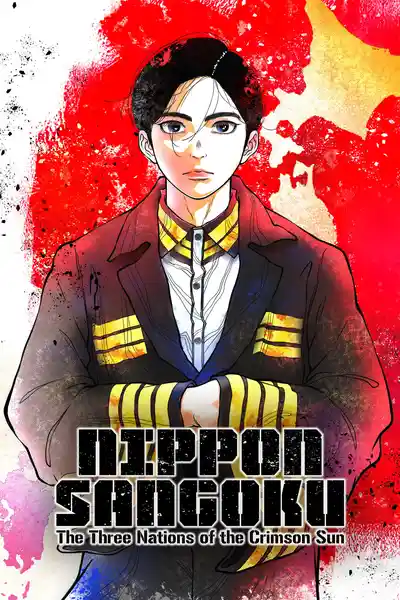
In this series, an alternate history reimagines Japan divided into three rival nations following a different outcome to historical events, each territory developing distinct cultures, technologies, and political systems. Creator Tanaka Hiroshi constructs an elaborate world where familiar Japanese geography becomes the battleground for competing ideologies and power struggles, with espionage, political intrigue, and samurai tradition colliding with emerging modernity. The ensemble cast, anchored by Yamada Takayuki's performance as a conflicted intelligence operative, navigates this fractured landscape with appropriate gravity. "NIPPON SANGOKU" succeeds in building a convincing alternate reality complete with its own internal logic and historical depth, though occasionally the world-building overshadows character development. The production values effectively convey the distinct aesthetics of each nation, and action sequences blend traditional martial arts with speculative technology. It's ambitious storytelling that mostly delivers on its intriguing premise.
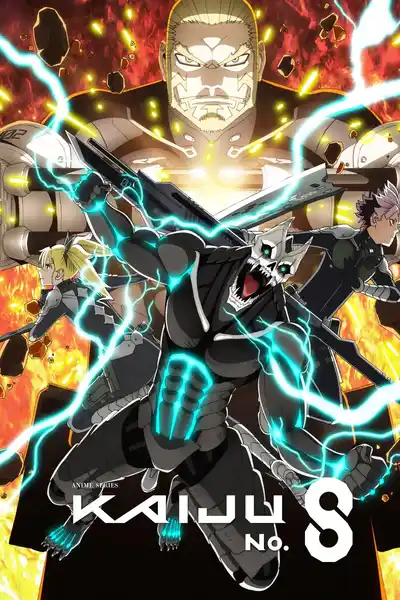
The battle between humanity and kaiju takes an unexpected turn when everyman Kafka Hibino, whose dreams of joining the Defense Force have long faded, suddenly finds himself transformed into the very monster he's sworn to fight. This anime adaptation brilliantly explores the tension between Kafka's human consciousness and monstrous form, while surrounding him with a compelling cast of Defense Force members who would destroy him if they discovered his secret. The animation studio Production I.G brings spectacular action sequences and genuine emotional weight to what could have been a standard transformation story. What elevates the series is its focus on second chances and perseverance—Kafka is older than typical anime protagonists, adding poignancy to his determination. The supporting cast, from childhood friend Mina Ashiro to rival Reno Ichikawa, receives meaningful development beyond their archetypes. It's a fresh take on both kaiju and superhero genres that delivers thrilling battles alongside heartfelt character moments.
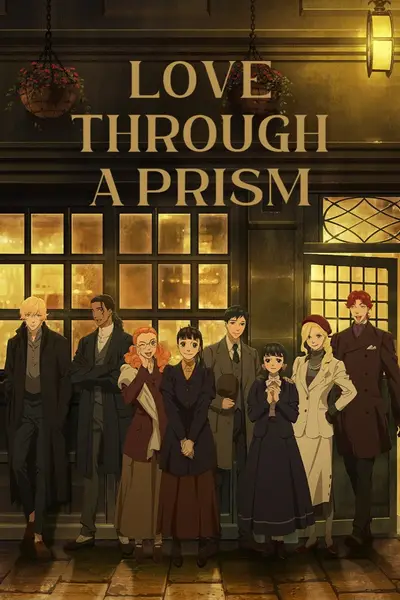
When a physicist develops experimental glasses that allow the wearer to see emotional connections as visible light, she unwittingly becomes matchmaker to her entire apartment building in this charming romantic dramedy. Creator Tom Westfield has crafted something genuinely fresh here, anchored by leads Michelle Park and James O'Connor, whose chemistry develops beautifully across the season's ten episodes. The premise could easily veer into gimmicky territory, but the writing keeps things grounded in real human relationships—messy breakups, tentative new connections, and long-held secrets finally coming to light. The visual effects depicting the "emotional spectrum" are used sparingly and effectively, never overwhelming the interpersonal dynamics at the show's heart. Supporting players round out a diverse ensemble cast that feels like an actual community rather than just plot devices. "Love Through a Prism" offers a delightful take on the age-old question of whether love is science or magic, ultimately suggesting it might be both.
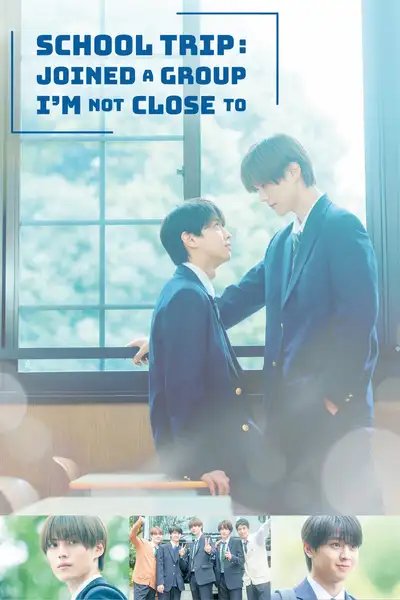
Director Yamamoto Kenji transforms a painfully relatable social anxiety scenario into surprisingly engaging television with this Japanese comedy-drama about a student who joins the wrong friend group for a school trip and must navigate the resulting awkwardness. The series captures that specific discomfort of being trapped in social situations where you don't quite belong, mining both humor and genuine emotion from its fish-out-of-water premise. Lead actor Nakamura Ryo perfectly embodies the internal panic of someone trying to act natural while feeling completely out of place, and the ensemble cast creates distinct personalities within the friend group that feel authentic rather than stereotypical. What could have been a one-joke concept instead develops into a thoughtful exploration of friendship, identity, and the masks we wear in different social contexts. The show's gentle humor and empathetic approach make it a comforting watch.
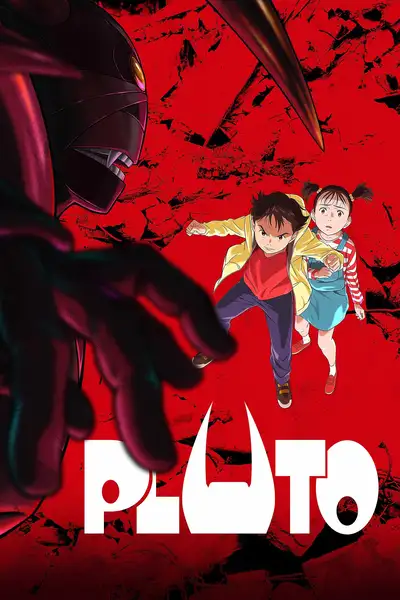
This neo-noir science fiction anime, adapted from Naoki Urasawa's manga, reimagines Osamu Tezuka's classic Astro Boy universe as a murder mystery. Set in a future where humans and robots coexist, the story follows detective Gesicht as he investigates a series of murders targeting both advanced robots and the humans connected to a past war. Created by Tezuka Productions and Studio M2, the series features stunning animation and meticulous attention to detail that brings the retrofuturistic world to life. The English dub includes strong performances from Jason Vande Brake and Rosie Okumura. What elevates PLUTO beyond typical genre fare is its philosophical depth, exploring questions of consciousness, memory, and what truly defines humanity. The pacing is deliberate, allowing complex themes to breathe while maintaining narrative tension. The eight-episode format proves ideal for this meditative yet gripping story, delivering a mature, thought-provoking experience that respects its audience's intelligence.
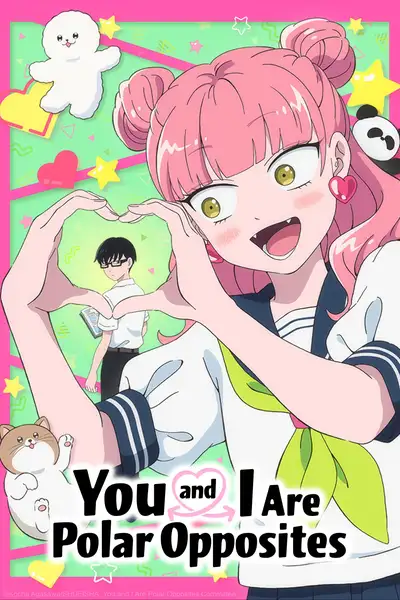
This romantic comedy series explores the unexpected relationship between two young people whose personalities couldn't be more different, yet who find themselves drawn together despite all logic suggesting they should repel each other. Based on the manga by Arai Sumiko, the show stars Hana Sugisaki and Rihito Itagaki as the opposites who attract, bringing charm and comic timing to roles that could easily become one-dimensional. The series understands romantic comedy fundamentals: create likable characters, establish genuine obstacles, and let the chemistry do its work. The writing finds humor in the contrast between the protagonists without mocking either personality type, suggesting instead that different approaches to life can complement rather than conflict. Supporting characters provide able assistance without overwhelming the central relationship. While it follows familiar genre patterns, the execution is polished enough to make those patterns feel fresh rather than tired, resulting in an entertaining watch that should satisfy anyone seeking romantic comedy comfort viewing with a Japanese sensibility.
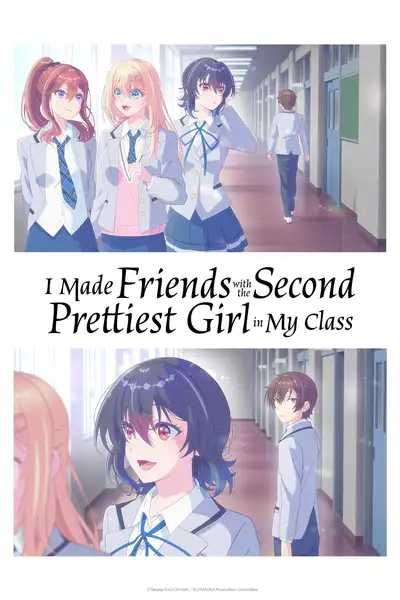
This slice-of-life anime offers a refreshingly gentle take on teenage friendship and self-discovery, following a socially anxious high school student who finds unexpected connection with a classmate who exists just outside the school's rigid social hierarchy. Based on the manga by Mineoka, the series unfolds with a quiet observational style that lets small moments breathe—a shared lunch, a hesitant conversation, the gradual building of trust between two people learning to be themselves. The voice cast brings nuance to characters who could easily flatten into types, while the animation studio captures the emotional weight of everyday interactions through careful attention to body language and expression. What makes this series special is its rejection of high-stakes drama in favor of something more honest: the genuine difficulty and reward of opening yourself up to another person. It's a warmhearted story that understands how transformative simple friendship can be during the uncertain years of adolescence.
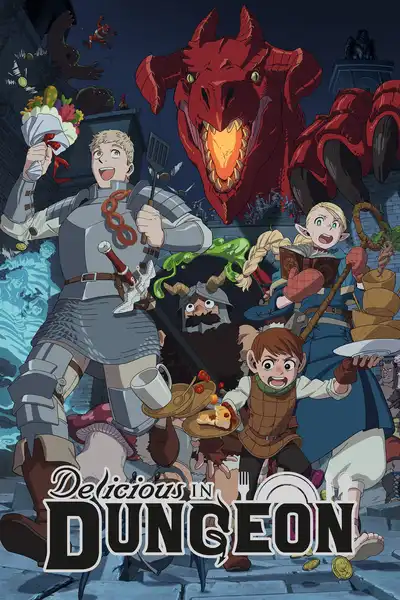
Delightfully weird and surprisingly heartfelt, this anime adaptation of Ryoko Kui's manga follows a party of adventurers who must cook and eat the dungeon's monsters to survive their rescue mission. Directed by Yoshihiro Miyajima at Studio Trigger, "Delicious in Dungeon" balances absurdist food comedy with genuine fantasy adventure and character depth. When warrior Laios loses his sister to a dragon deep in a magical dungeon, his depleted party teams up with dwarf warrior Senshi, who's spent years perfecting monster cuisine. What could have been a one-joke premise becomes something richer: the food preparation sequences are oddly educational and mouth-watering, the dungeon ecology is thoughtfully imagined, and the character dynamics reveal real emotional layers. The animation beautifully contrasts the grotesque with the appetizing, making roasted walking mushroom look genuinely delicious. It's creative, funny, and surprisingly sincere.
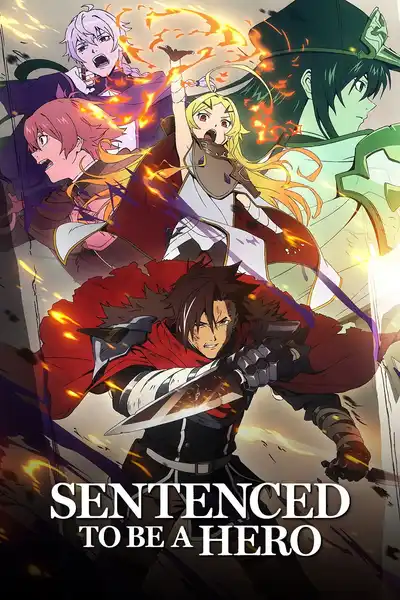
Brimming with inventive energy and unexpected humor, this series follows a convicted criminal given a bizarre alternative sentence: he must become a superhero and perform genuine heroic acts to earn his freedom. The premise, executed by creator Zhang Wei, could easily collapse into farce, but the show finds surprising emotional depth in its fish-out-of-water protagonist, played with charisma by Li Chen. The writing cleverly explores what heroism actually means when it's compelled rather than chosen, while delivering entertaining action sequences and genuinely funny moments. Supporting cast members provide strong chemistry, particularly in scenes where our reluctant hero must learn actual heroic skills from seasoned crime fighters who question his motives. The series manages to be both a loving satire of superhero tropes and a sincere story about redemption, proving that genre-blending can yield delightful results when handled with wit and heart.
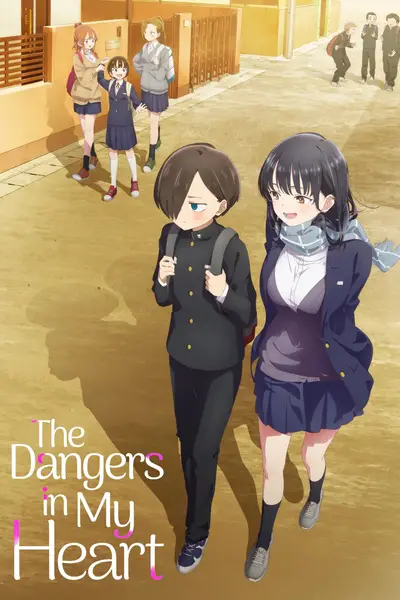
Shun Horie voices Kyotaro Ichikawa, a middle school boy who initially harbors dark fantasies but finds his worldview transformed by his interactions with the popular Anna Yamada (voiced by Hina Yomiya) in this delightful romantic comedy anime. Based on Norio Sakurai's manga, the series expertly balances humor with genuine emotional growth as Kyotaro's edgy teenage angst gradually gives way to tender feelings. The animation beautifully captures the subtle moments of connection between these two unlikely friends, while the writing respects both characters' complexity. What could have been a standard opposites-attract story becomes something genuinely sweet and surprisingly insightful about adolescent vulnerability. The voice performances bring authentic awkwardness and charm to every interaction, making this a standout entry in the romance anime genre.
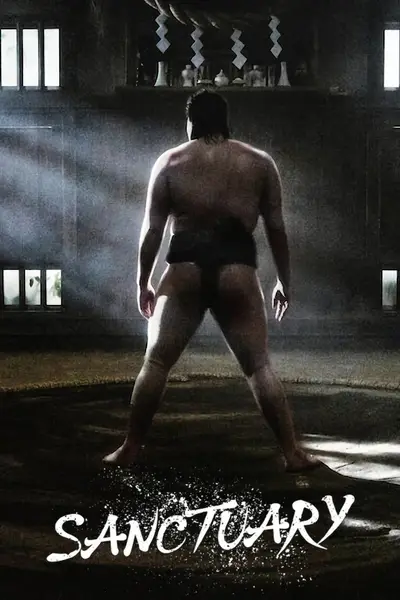
Aimee Lou Wood stars as Carla, a woman seeking refuge in a serene mountain retreat after a painful breakup, in this contemplative British drama. Created by Hania Elkington, the series beautifully explores themes of healing, self-discovery, and unexpected connections as Carla encounters a small community of equally lost souls. Wood delivers a nuanced performance that captures both vulnerability and gradual empowerment, while the supporting cast brings depth to their own parallel journeys. The stunning Alpine setting becomes almost a character itself, providing a gorgeous backdrop for intimate character work. The pacing is deliberate and meditative, allowing emotional moments to breathe naturally. It's a gentle, affecting series that rewards patient viewers with genuine insights about resilience and starting over.
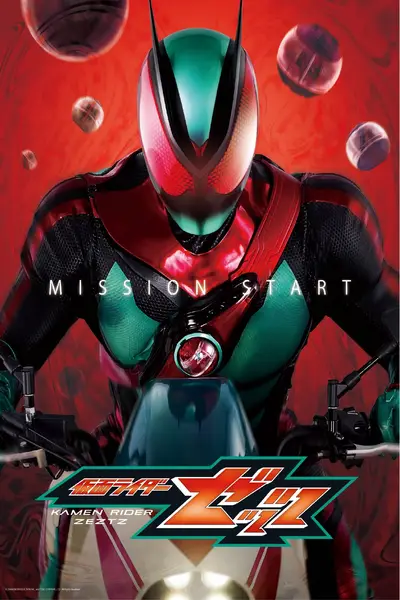
Leading actor Kentaro Maeda brings intensity and charisma to his role as the latest hero in the Kamen Rider franchise, breathing fresh life into this long-running tokusatsu series. As ZEZTZ, Maeda's character must harness mysterious transformation powers to protect humanity from emerging supernatural threats while uncovering the secrets of his own abilities and their connection to an ancient conflict. Showrunner Takuro Fukuda updates the classic Kamen Rider formula with contemporary special effects that make the transformation sequences and battle scenes particularly dynamic, while maintaining the franchise's signature emphasis on practical suit work and stunt choreography. The supporting cast, including rising stars who portray both allies and antagonists, creates an engaging ensemble that develops meaningfully across episodes. The series balances monster-of-the-week adventures with an evolving mythology that rewards attentive viewers, while the writing incorporates themes of responsibility and sacrifice without becoming heavy-handed. Production design showcases imaginative creature designs that honor tokusatsu traditions while feeling fresh and visually striking. It's an excellent entry point for newcomers curious about Kamen Rider while offering plenty for longtime fans to appreciate.
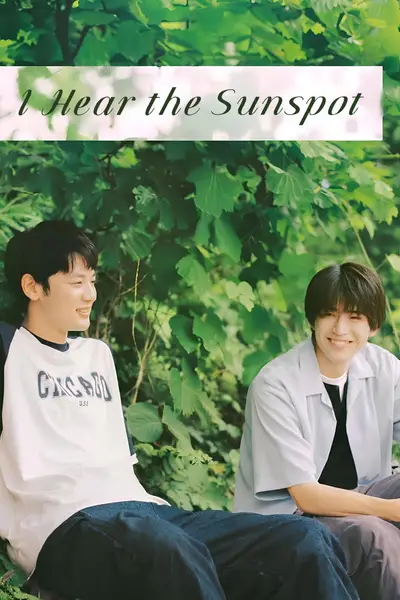
When outgoing university student Kohei meets the reserved Taichi and learns he's losing his hearing, an unexpected friendship blossoms into something deeper as Kohei becomes Taichi's notetaker in classes. This Japanese BL series, adapted from Yuki Fumino's manga by director Yuki Saito, handles its premise with remarkable sensitivity and emotional intelligence. Motoki Nakazawa and Toranosuke Kobayashi deliver beautifully understated performances that allow the relationship to develop naturally, without rushing toward romance or exploiting Taichi's disability for drama. The series authentically portrays both the practical challenges of hearing loss and the universal experience of connecting with someone who truly sees you. Quieter than many BL dramas, it trusts viewers to appreciate character moments and meaningful glances rather than manufactured conflict. The production values are modest but the emotional core is strong, with writing that respects both its characters and audience. For viewers seeking thoughtful, mature romance that explores accessibility and communication—literal and emotional—this gem delivers a genuinely moving experience that lingers after the final episode.