Recent Italian Shows
Italian television has experienced a remarkable renaissance in recent years, with streaming platforms and traditional broadcasters investing heavily in high-quality, Italian-language productions that rival the best content from around the world. If you're searching for the best recent Italian shows to add to your watchlist, you've arrived at the perfect destination. This carefully curated selection highlights 21 outstanding series released within the last five years, spanning compelling dramas that explore complex family dynamics, gripping true crime investigations, lavish period pieces that bring historical events to life, and innovative contemporary stories that push creative boundaries. These recent Italian shows showcase the extraordinary talent of Italy's finest actors, directors, and screenwriters while offering international audiences an authentic window into Italian culture, society, and storytelling traditions. Whether you're a longtime fan of Italian television or just beginning to explore the country's thriving TV landscape, these critically acclaimed and audience-favorite series demonstrate why Italian productions have become essential viewing for discerning television enthusiasts worldwide, combining award-winning performances with sophisticated narratives that resonate across borders and languages.
Sarah Lancashire takes on the role of a seasoned financial advisor who returns to her working-class roots to open a community consultation service, offering practical money guidance to those the banking system has failed. Created by Danny Brocklehurst, the series smartly balances the procedural elements of solving individual financial crises with deeper character work exploring class divides and economic anxiety in modern Britain. Lancashire brings her trademark warmth and intelligence to a character who refuses to condescend to her clients while maintaining clear-eyed pragmatism about their situations. Each episode presents a new case that illuminates different aspects of financial precarity, from predatory lending to pension mismanagement, without feeling preachy or didactic. The supporting cast, including several familiar faces from British television, creates a believable community around the central character. It's engaging, informative television that entertains while treating serious economic issues with the respect they deserve.

This Italian biographical drama chronicles the rise of Benito Mussolini from his early days as a socialist journalist to his transformation into the fascist dictator who reshaped Italy. Based on Antonio Scurati's acclaimed novel "M: Son of the Century," the series offers an unflinching examination of how Il Duce exploited post-WWI chaos, nationalist resentment, and political violence to seize power. Luca Marinelli delivers a magnetic and disturbing performance as Mussolini, capturing the charisma that seduced a nation while never obscuring the brutality and cynicism beneath. Director Joe Wright brings cinematic scope to the production, with period detail that immerses viewers in 1920s Italy while maintaining clear-eyed perspective on the horror of what's unfolding. The series doesn't attempt to psychoanalyze or humanize its subject into sympathy; instead, it methodically shows how fascism takes root through propaganda, intimidation, and the failure of democratic institutions to mount effective resistance. For viewers interested in understanding authoritarian movements, this offers chilling and essential viewing that feels uncomfortably relevant to contemporary politics.
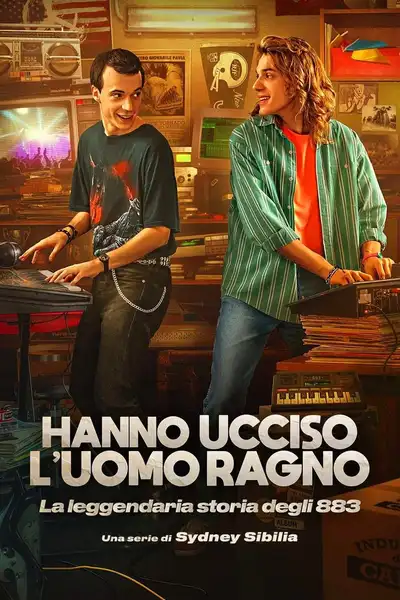
When two teenagers from Pavia decide to form a pop band in the 1990s, they inadvertently launch one of Italy's most successful musical acts in this biographical dramedy. The series chronicles the rise of Max Pezzali and Mauro Repetto as they transform from provincial dreamers into the phenomenon known as 883, capturing the optimism and cultural shifts of early '90s Italy. Created by Sydney Sibilia, the show benefits from authentic period details and genuinely affectionate performances from Elia Nuzzolo and Matteo Oscar Giuggioli as the young musicians. The nostalgic recreation of the era's fashion, technology, and music scene feels lived-in rather than merely decorative. However, the pacing occasionally drags during the middle episodes, and some dramatic conflicts feel manufactured. The soundtrack naturally shines, featuring the duo's iconic hits that defined a generation. It's an earnest tribute that works best for those with existing fondness for the music.
A zero-hour contract worker struggling to keep his family afloat takes a desperate chance that pulls him into Madrid's criminal underworld, forcing impossible choices between survival and morality. Luis Tosar delivers a powerfully grounded performance as the protagonist caught between legitimate poverty and illegal opportunity, bringing dignity and complexity to a character the system has failed. Created by Alberto Rodríguez and Rafael Cobos, the Spanish series examines economic precarity and class struggle with unflinching honesty, never romanticizing crime while understanding the circumstances that produce it. The supporting cast, including Natalia de Molina and Xan Cejudo, creates a convincing ecosystem of characters similarly trapped by circumstance. The social realism grounds even the thriller elements, making the stakes feel genuinely urgent. It's tense, thought-provoking drama that uses genre mechanics to explore timely questions about inequality and what people will do when society offers no legitimate path forward.
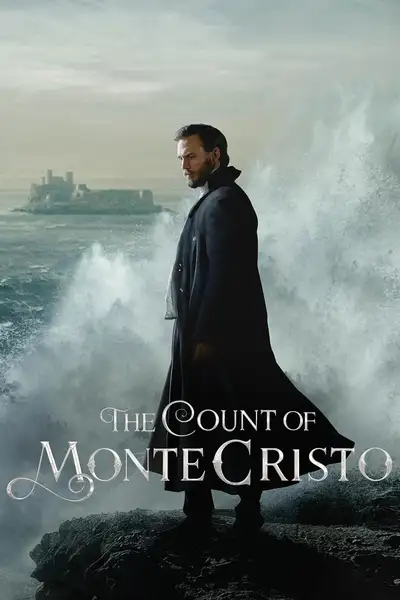
When sailor Edmond Dantès is betrayed by those he trusted and imprisoned unjustly, his quest for vengeance against those who destroyed his life becomes an epic tale of transformation and retribution. This French adaptation of Alexandre Dumas's classic novel features Pierre Niney in the lead role, supported by Anaïs Demoustier, Bastien Bouillon, and Anamaria Vartolomei. Director Bille August and screenwriter Sarah Phelps craft a visually sumptuous version that honors the source material's scope while finding fresh emotional resonance in this timeless story. The production captures both the intimate betrayals that set the plot in motion and the elaborate schemes Dantès orchestrates years later as the wealthy Count of Monte Cristo. Period details are rendered with care, and the cast navigates the melodramatic heights of the story with conviction. It's a handsomely mounted adaptation that reminds viewers why this revenge tale has endured for generations, balancing narrative complexity with emotional clarity.
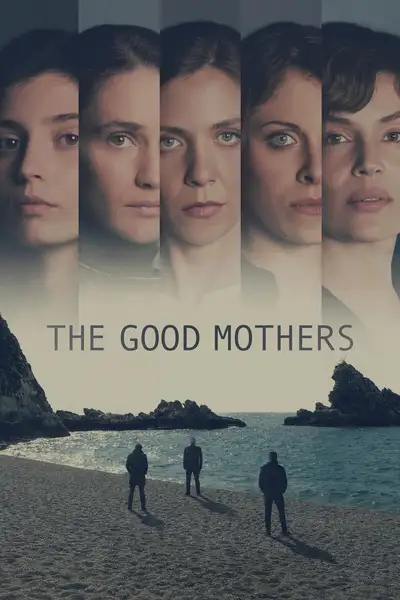
In Calabria, where the 'Ndrangheta crime syndicate has ruled through violence and omertà for generations, three women make the extraordinary decision to testify against their own families. This Italian crime drama, adapted from Alex Perry's book, follows the true stories of women who broke the Mafia's code of silence, risking everything to escape the criminal life that imprisoned them. The series examines both their dangerous cooperation with prosecutor Alessandra Cerreti (played with fierce determination by Barbara Chichiarelli) and the personal costs of betraying blood ties in a culture where family loyalty is absolute. The production captures the claustrophobic atmosphere of communities where the Mafia controls every aspect of life, and the performances convey the crushing psychological weight these women carried. While the pacing occasionally drags, the story itself is compelling enough to maintain interest, offering insight into both organized crime's grip on southern Italy and the courage required to challenge it.
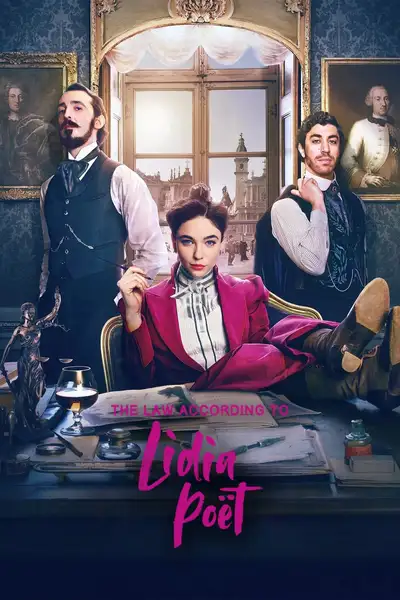
In this Italian period drama, Matilda De Angelis stars as Lidia Poët, Italy's first female lawyer who, after being barred from practicing law due to her gender, works around the system by investigating cases for her brother's Turin law firm. Set in late 19th-century Italy, the series combines historical detail with modern sensibilities, creating a legal procedural with feminist themes that never feels didactic. Created by Guido Iuculano and Davide Orsini, the show balances its case-of-the-week structure with ongoing arcs about Lidia's fight for professional recognition and her personal life. De Angelis brings intelligence and determination to the role without making Lidia a flawless heroine—she's ambitious, sometimes reckless, and thoroughly engaging. The production design beautifully captures the period setting, and the supporting cast, including Eduardo Scarpetta as Lidia's brother Enrico, provides solid grounding for the lead's more adventurous investigations. It's smart, handsomely produced historical drama that makes legal and social history genuinely entertaining.
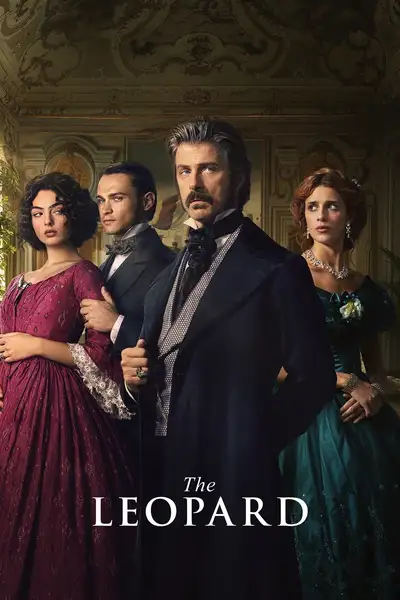
At its core, this adaptation of Giuseppe Tomasi di Lampedusa's classic novel examines how aristocratic power maintains itself through calculated change and strategic compromise during periods of upheaval. Set during the Italian Risorgimento of the 1860s, the series follows Don Fabrizio, the Prince of Salina, as he navigates Sicily's transformation from Bourbon rule to Italian unification while trying to preserve his family's status. Kim Rossi Stuart brings gravitas to the prince, a man who understands that his world is ending but works to ensure his family survives into the new era. The series takes its time exploring the prince's complicated relationship with his ambitious nephew Tancredi and the political marriages that will secure their future. Director Tom Shankland captures both the decadent beauty of aristocratic life and the violence reshaping Italy. While the pacing may feel deliberate to some viewers, the show rewards patience with its nuanced examination of how power adapts rather than surrenders.
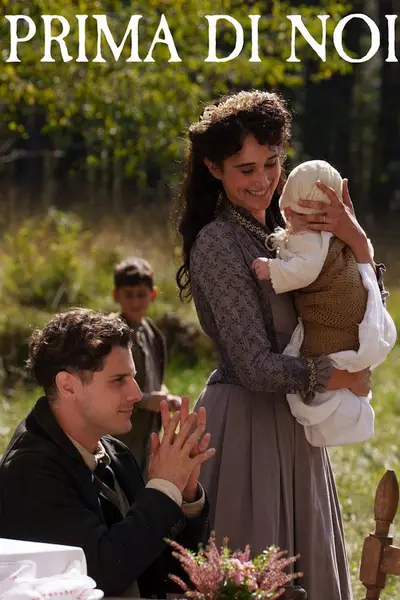
This Italian family drama explores three generations navigating love, loss, and the weight of secrets in contemporary Rome. The series takes its time developing its characters, rewarding patient viewers with richly drawn relationships and emotional payoffs that feel earned rather than manipulated. Creator Paolo Genovese brings his cinematic sensibility to the small screen, crafting intimate moments that reveal universal truths about family dynamics. The cast delivers naturalistic performances that make even the quieter scenes compelling, while the writing handles difficult topics with sensitivity and intelligence. The show occasionally meanders in its middle episodes, but the strong character work keeps things engaging throughout. It's a solid choice for viewers seeking thoughtful drama that prioritizes emotional authenticity over manufactured conflict, with enough warmth to balance the heavier themes.
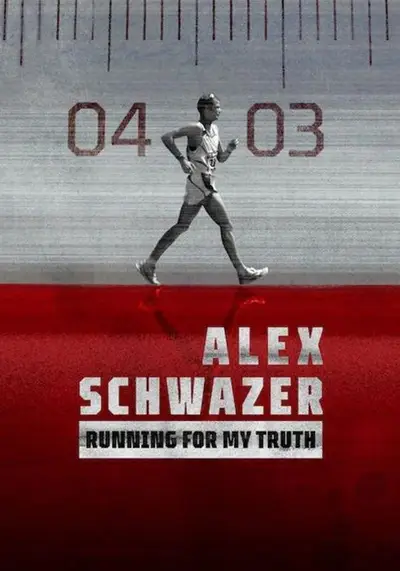
Documentary filmmaker Marta Savina examines the controversial case of Italian race walker Alex Schwazer in this thoughtful docuseries that questions our assumptions about athletic doping and the pursuit of justice. After serving a suspension for doping violations, Schwazer attempted a comeback only to face new allegations that he maintains were the result of sample tampering. Rather than presenting a simple hero or villain narrative, Savina's film carefully examines the evidence, the testing procedures, and the institutional interests at stake. Schwazer himself is a compelling but complicated subject—by turns sympathetic and frustrating as he insists on his innocence while acknowledging past transgressions. The series raises important questions about anti-doping enforcement and whether athletes can ever truly clear their names once accused, even when evidence suggests procedural irregularities. It's a measured exploration of a story more complex than headlines suggested.
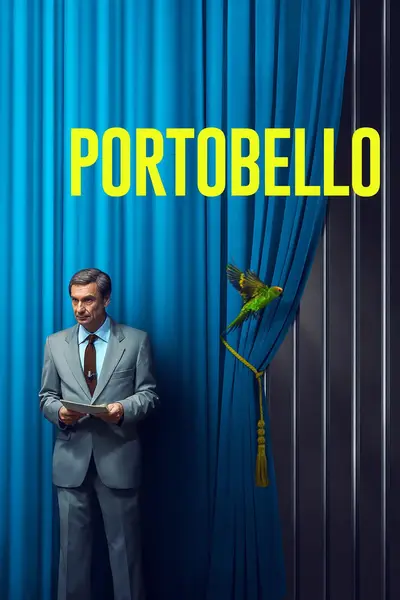
Ncuti Gatwa brings magnetic energy to his role as Marcus, a charismatic record store owner navigating life and love in London's Portobello Road neighborhood in this charming dramedy from creator Sarah Kendall. The series follows Marcus as he juggles the challenges of keeping his beloved vinyl shop afloat while managing complicated relationships with his ex-girlfriend (Rose Williams), his free-spirited flatmate (Ṣọpẹ Dìrísù), and an eclectic parade of customers who treat the store as their second home. The show finds its groove in quieter character moments rather than high drama, with a soundtrack that naturally showcases the setting's musical heritage. While some storylines feel underdeveloped and the pacing occasionally meanders, the cast's chemistry and the show's affectionate portrait of community make it an easy, pleasant watch. It's comfort television with just enough substance to keep you engaged across its first season.
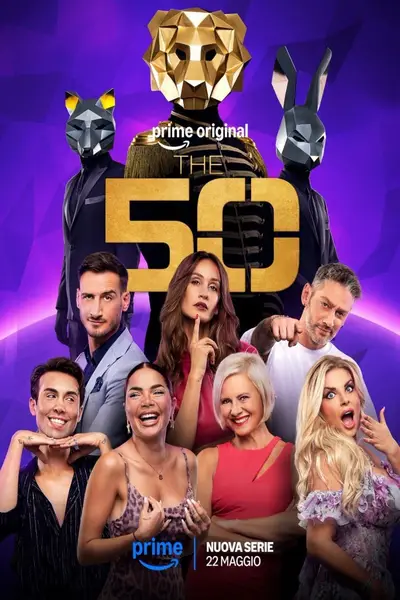
Showrunner Elena Rodriguez has created something truly extraordinary with this genre-defying limited series that follows fifty strangers who wake up in an abandoned space station with no memory of how they got there. Rodriguez, known for her work on cerebral sci-fi, assembles a remarkable ensemble cast including Oscar Isaac, Tessa Thompson, and Riz Ahmed, each bringing depth to characters who must cooperate despite mutual suspicion. The mystery unfolds with precision across ten episodes, dropping clues that reward attentive viewers while building toward revelations that completely recontextualize everything that came before. The production design is stunning, the score by Hildur Guðnadóttir heightens the tension perfectly, and the philosophical questions the show raises about identity and memory linger long after the final credits. The 50 represents the kind of ambitious, intelligent storytelling that justifies the streaming era's willingness to take creative risks—it's event television that trusts its audience and delivers a profoundly satisfying experience from start to finish.
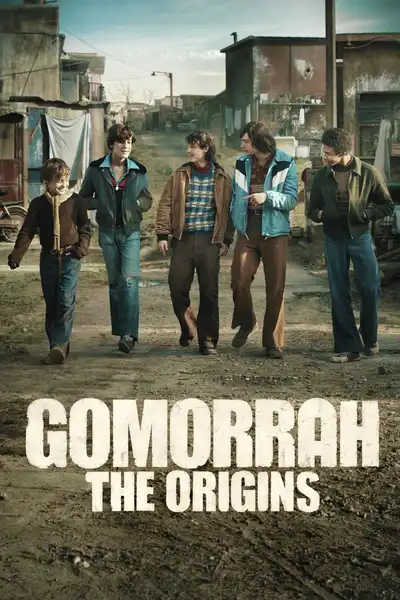
Marco D'Amore returns to the world he helped define, portraying the early days of the Camorra's transformation in this prequel to the acclaimed crime saga. Set decades before the events of the main series, the show explores how Naples' criminal landscape evolved from traditional organized crime into the ruthless system depicted in "Gomorrah." D'Amore brings the same intensity and authenticity that made the original series compelling, while the writing provides context for the institutional rot and cycles of violence that would follow. The period setting is meticulously realized, showing a Naples in transition and the forces that would shape its criminal future. While it doesn't quite reach the heights of its predecessor, it offers valuable perspective on how these power structures developed and the human costs of their evolution. For fans of the original series, this provides satisfying expansion of the universe, while newcomers might find it an accessible entry point to understanding the franchise's themes.
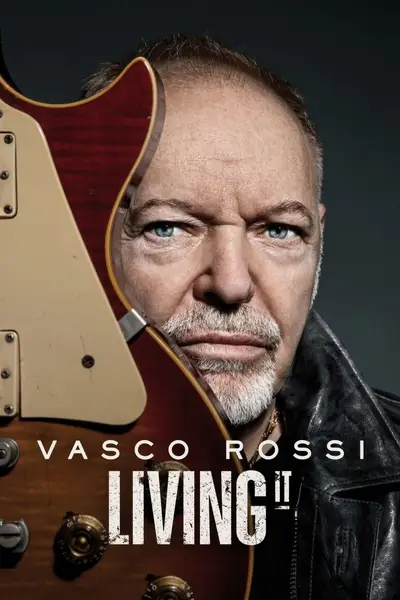
This documentary series chronicles the extraordinary life and career of Italian rock legend Vasco Rossi, from his rebellious early days to his status as one of Italy's most beloved and controversial musical figures. The series benefits from extensive archival footage and candid interviews that reveal both the public persona and the private struggles behind the music. Director Pepsy Romanoff constructs a compelling portrait of an artist who never compromised his vision despite facing censorship, addiction, and industry skepticism. For fans, it's an intimate look at the man behind the hits; for newcomers, it's an engaging introduction to a cultural icon whose influence extends far beyond music into Italian social and political consciousness.

In this series, a seemingly typical family gathering becomes the catalyst for long-buried secrets to surface when adult siblings reunite under one roof for their parents' anniversary. Created by filmmaker duo Sarah Kendall and Tim Kirkby, the show stars Guz Khan and Gemma Whelan as two of the siblings navigating uncomfortable revelations. The comedy-drama hybrid struggles to find consistent tonal balance, with some scenes delivering sharp observational humor about family dysfunction while others veer into maudlin territory. The ensemble cast commits fully, finding moments of authenticity even when the script doesn't quite support them. The writing demonstrates keen insight into sibling dynamics and generational conflict, but the execution feels uneven, as if multiple writers pulled the show in different directions. Some episodes land with emotional resonance, while others feel like retreads of familiar family drama tropes. There's potential here that remains frustratingly unrealized.
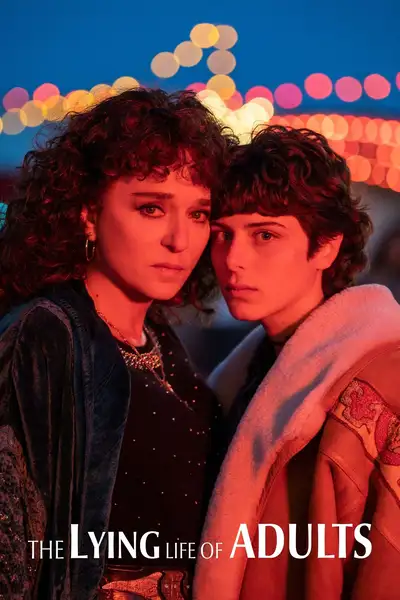
A teenage girl's discovery of her father's infidelity triggers a journey of disillusionment that transforms her understanding of family, class, and identity in 1990s Naples. Based on Elena Ferrante's novel and adapted for television by Laura Paolucci, Francesco Piccolo, and Ferrante herself, the series stars Giordana Marengo as Giovanna, whose fall from innocent adolescence into painful awareness forms the story's emotional center. Directed by Edoardo De Angelis, the production captures both the physical grittiness of Naples and the psychological claustrophobia of Giovanna's bourgeois home, where respectability masks dysfunction. Valeria Golino delivers a memorable performance as the titular aunt, whose supposed vulgarity represents everything Giovanna's parents claim to despise yet secretly envy. The series honors Ferrante's prose by letting scenes breathe, trusting viewers to read between silences and glances. While the pacing may test those seeking plot-driven drama, it rewards patience with a nuanced portrait of awakening.
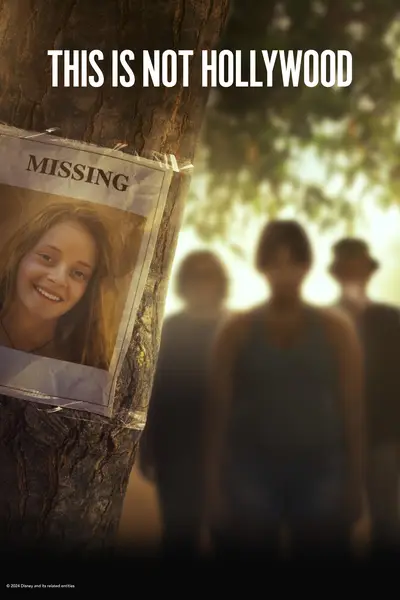
The struggle between preserving Indigenous stories and Hollywood's appetite for exploitation drives this Canadian documentary series examining the film industry's fraught relationship with First Nations communities. Through interviews with Indigenous filmmakers, actors, and cultural leaders, *This Is Not Hollywood* exposes how mainstream media has historically misrepresented and appropriated Native cultures while simultaneously shutting Indigenous voices out of the creative process. The series presents valuable perspectives and raises essential questions about representation and authenticity, with moments of genuine insight into ongoing battles for creative control. However, the documentary sometimes struggles with its own structure, jumping between time periods and topics in ways that dilute its impact. Some episodes feel more cohesive than others, and the series occasionally preaches to the choir rather than building arguments that might persuade skeptics. The subject matter deserves this attention, and many individual stories are powerfully told, but the overall execution doesn't quite match the importance of its mission.
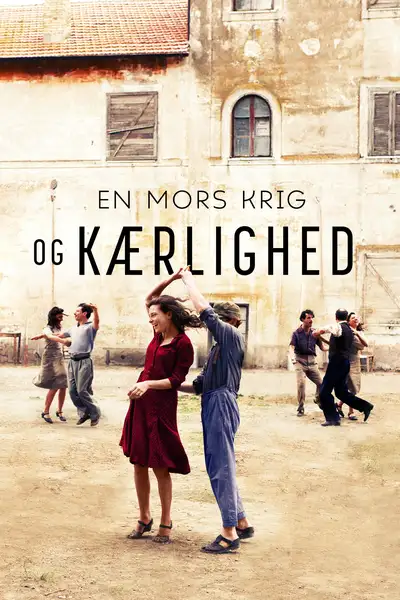
At its core, this Italian drama explores how history's largest forces reshape individual lives, following an ordinary Roman family through the tumultuous years of World War II. Based on Elsa Morante's acclaimed novel, the series directed by Francesca Archibugi examines themes of survival, maternal devotion, and the ways trauma echoes across generations. Jasmine Trinca leads the cast as Ida, a teacher trying to protect her children as war devastates Rome around them. The production captures period details convincingly, and Trinca delivers a performance of quiet intensity. Yet the adaptation struggles to translate Morante's literary ambitions to the screen, occasionally feeling more like illustrated text than organic drama. The pacing drags in stretches, and some supporting characters remain underdeveloped. While respectful to its source material and certainly well-intentioned, the series doesn't fully justify its existence beyond providing a faithful but uninspired rendering of the novel.
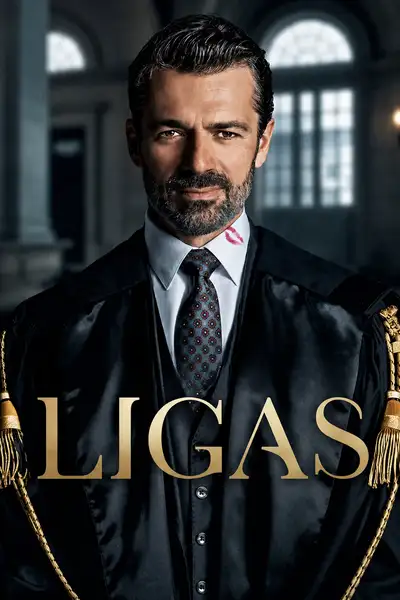
This sports drama explores the competitive world of women's soccer through the lens of several players navigating professional leagues across different countries. The series follows their personal struggles and triumphs both on and off the pitch, dealing with everything from injuries and contract negotiations to family pressures and team dynamics. Creator Mariana Wainstein assembles a talented international cast that brings authenticity to the locker room scenes and genuine athleticism to the match sequences. While the storylines occasionally lean into familiar territory, the show's commitment to depicting women's athletics with seriousness and respect gives it solid footing. The soccer action is well-filmed, and the character development across the ensemble cast provides enough emotional hooks to keep viewers invested beyond just the game outcomes. It's a competent entry in the sports drama genre that should satisfy fans looking for soccer-centered storytelling.
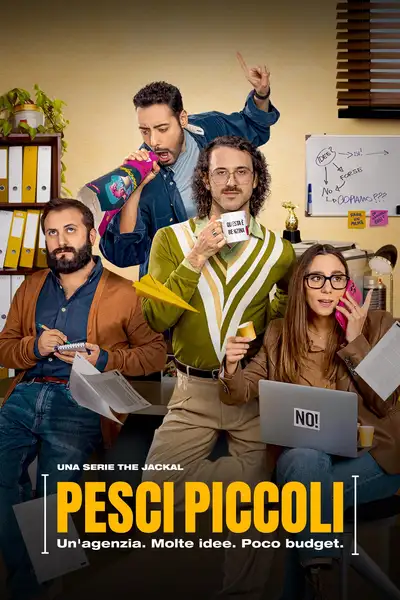
A struggling advertising agency attempts to compete with industry giants using creativity as their only real asset, leading to increasingly unconventional campaigns and workplace chaos in this Italian comedy. Created by Luca Vecchi, the series finds humor in the desperation and ingenuity required when ambition vastly exceeds resources, with a talented ensemble cast bringing energy to characters who refuse to accept their underdog status. The office dynamics generate consistent laughs as personalities clash and collaborate under constant deadline pressure, while the actual advertising concepts range from surprisingly brilliant to hilariously misguided. The show captures something authentic about working in creative industries where passion and talent don't automatically translate to financial stability, and the writing balances satirical edge with genuine affection for these flawed strivers. It's an entertaining workplace comedy with enough insight to resonate beyond its specific setting.
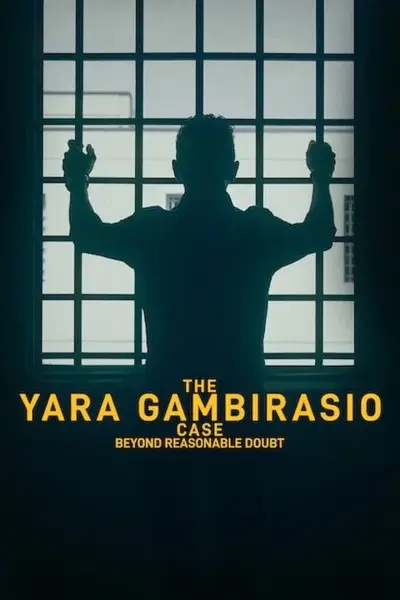
This true-crime docuseries reexamines one of Italy's most controversial criminal cases, the 2010 murder of 13-year-old Yara Gambirasio and the subsequent investigation that led to Massimo Bossetti's conviction. The production takes a forensic approach to the evidence, particularly the DNA analysis that proved central to the prosecution's case, while exploring the lingering questions and controversies that have kept the case in public discourse. Director Gianluca Neri presents testimony from investigators, legal experts, and journalists who covered the trial, building a comprehensive picture of how the case unfolded and why doubts persist. The series doesn't offer easy answers, instead examining how forensic science is used in modern investigations and the potential for both breakthroughs and errors. While those unfamiliar with the case may find some background assumed, the documentary provides enough context to engage international audiences while offering Italian viewers a thorough reexamination of a case that gripped the nation.