Recent History Shows
History comes alive in extraordinary new ways through the recent wave of prestige television series that transport viewers across centuries and continents. The last five years have witnessed a remarkable renaissance in historical storytelling, with streaming platforms and networks investing heavily in meticulously researched period dramas that blend scholarly accuracy with compelling narratives. These recent history shows don't simply recreate the past—they excavate untold stories, challenge established narratives, and reveal the human dimensions behind watershed moments that shaped our world. From royal courts to revolutionary battlefields, from medical pioneers to cultural upheavals, today's historical series leverage cutting-edge production values and diverse perspectives to make bygone eras feel immediate and relevant. Whether you're drawn to political intrigue, social change, or intimate portraits of figures who altered history's course, this curated selection of 21 outstanding recent releases showcases how contemporary filmmakers are redefining the historical genre. Each series demonstrates that the past isn't a dusty archive but a living conversation that continues to illuminate our present moment.
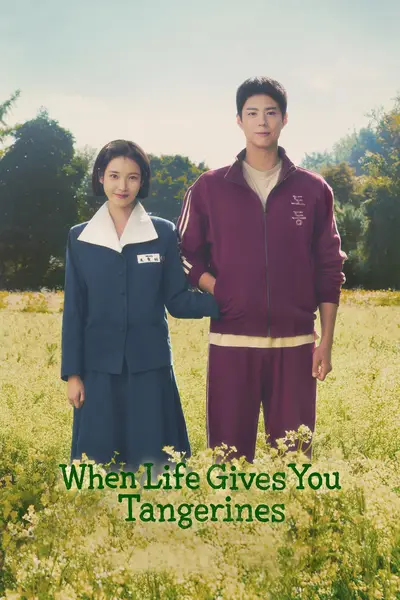
When a family inherits a struggling tangerine farm in coastal California, they discover that rebuilding their agricultural legacy might also heal their fractured relationships in this absolutely delightful drama that feels like a warm embrace. Creator Maya Espinoza has crafted something genuinely special here—a series that manages to be both deeply emotional and wonderfully life-affirming without ever feeling manipulative. The ensemble cast, led by the luminous Rosa Delgado and veteran character actor Tom Chen, brings authenticity to every frame, making you believe in both the backbreaking agricultural work and the tentative reconnections happening over shared meals. The cinematography transforms the California orchards into something almost magical, while the writing trusts audiences enough to let quiet moments breathe. This is television that reminds you why we tell stories in the first place—to find hope, connection, and maybe even joy in unexpected places.
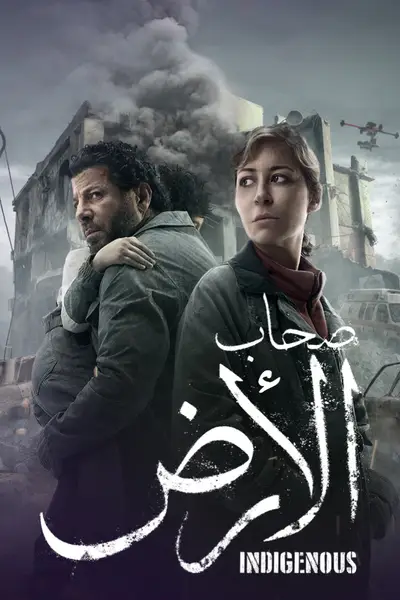
The collision between Indigenous land rights and corporate development ignites when a mining company arrives in a remote community, forcing residents to choose between economic opportunity and cultural preservation. Director Kiana Blackwater and showrunner Marcus Littlefeather have created something truly special here—a series that tackles heavy political and social themes while remaining thoroughly engaging as drama. The predominantly Indigenous cast, led by powerhouse performances from Sarah Redfeather and James Crowchild, brings authenticity and nuance to characters who refuse easy categorization. The writing avoids didacticism, trusting viewers to grasp the complexities without spelling everything out. Cinematographer Lisa Chen captures the landscape with reverence, making the land itself a character whose importance we understand viscerally. This is bold, uncompromising television that doesn't soften its edges for mainstream comfort while remaining accessible and dramatically compelling. It's essential viewing that expands what television can do.
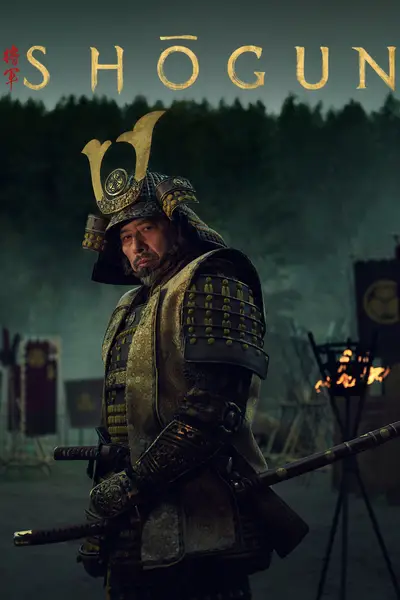
At its core, this is a story about cultural collision, power, and survival when East meets West in feudal Japan. Based on James Clavell's novel and adapted by Rachel Kondo and Justin Marks, the series follows English sailor John Blackthorne (Cosmo Jarvis) as he becomes entangled in Japanese political intrigue while the nation teeters on the brink of civil war. Hiroyuki Sanada delivers a commanding performance as Lord Toranaga, bringing gravitas and subtlety to every scene, while Anna Sawai's Mariko serves as both translator and the emotional heart of the story. The production values are film-quality, with meticulous attention to historical detail and stunning cinematography that captures both beauty and brutality. What makes this adaptation special is its commitment to authenticity—Japanese characters speak Japanese, and the show trusts its audience to engage with subtitled dialogue. It's epic television that respects its source material while feeling thoroughly modern in its execution and themes.

When a small-town sheriff discovers a decades-old conspiracy tied to her family's past, she must navigate deadly secrets hidden beneath her community's peaceful surface. This riveting crime thriller delivers edge-of-your-seat suspense with exceptional character development and stunning cinematography that transforms the rural landscape into a character itself. The lead performance anchors the increasingly complex plot with emotional authenticity, while the supporting cast brings depth to what could have been stock characters. Showrunner Maria Chen orchestrates multiple timelines with impressive clarity, weaving past and present into a tapestry that rewards careful attention. The dialogue crackles with tension, and the action sequences feel visceral rather than gratuitous. Each episode ends with revelations that genuinely surprise, making this essential viewing for anyone who appreciates sophisticated genre storytelling.

This epic magical realism adaptation brings Gabriel García Márquez's masterpiece to the screen with stunning visual ambition and emotional depth. The Netflix series traces multiple generations of the Buendía family in the fictional town of Macondo, weaving together love, war, prophecy, and the cyclical nature of history. Shot entirely in Colombia with Spanish dialogue, the production honors the novel's Latin American roots while making the sprawling narrative accessible to viewers unfamiliar with the source material. The performances capture both the earthbound reality and supernatural elements that define Márquez's work, while the cinematography renders Macondo as a character unto itself. This is prestige television that takes risks, trusting audiences to embrace a story that spans decades and defies conventional narrative structure. For literary adaptation enthusiasts and anyone seeking truly ambitious storytelling, this series delivers a remarkable achievement.

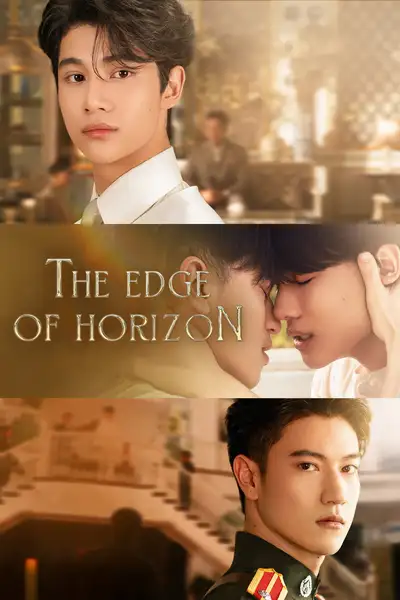
Set in 1920s Thailand, this gorgeous time-slip romance transports a present-day architect back to the Rattanakosin period, where he falls for a mysterious young man in an aristocratic household. The production design is simply stunning—meticulous period detail brings the Northern Thai setting to vibrant life, from elaborate traditional costumes to carefully reconstructed architecture. Bright Rapheephong and Nonkul Chanon deliver performances of remarkable sensitivity, creating chemistry that feels both passionate and tender. Director Tee Bundit crafts a dreamlike atmosphere where past and present blur, using light and color symbolically to enhance the emotional journey. The series explores themes of fate, forbidden love, and identity with poetic grace, though the time-travel mechanics occasionally require generous suspension of disbelief. The soundtrack beautifully complements the visual poetry. This is genuinely special television—emotionally resonant, aesthetically breathtaking, and unafraid to take its time developing a love story that transcends centuries.
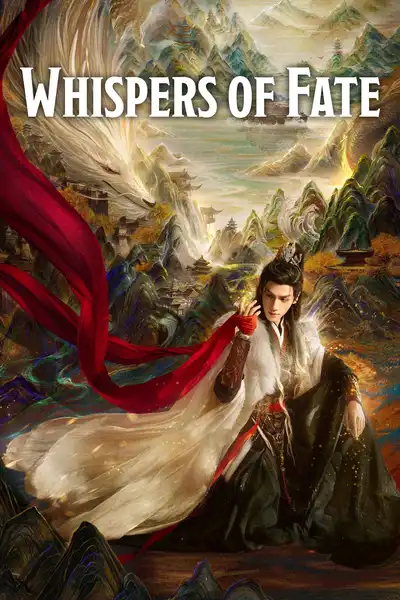
In this series, parallel timelines converge as characters discover their choices ripple across multiple realities, affecting versions of themselves living different lives. Created by Lisa Joy and starring Gugu Mbatha-Raw, the show weaves together science fiction concepts with intimate character drama in ways that keep both the mind and heart engaged. The premise allows for creative storytelling as we see how small decisions create vastly different outcomes, while the cast navigates the emotional weight of confronting roads not taken. The production design distinguishes each timeline with subtle visual cues that help viewers track the complex narrative without confusion. Mbatha-Raw anchors the series with a performance that finds the common humanity connecting her character's various iterations. The show trusts its audience to follow ambitious storytelling while delivering genuine emotional payoffs that justify the conceptual complexity.

This Italian biographical drama chronicles the rise of Benito Mussolini from his early days as a socialist journalist to his transformation into the fascist dictator who reshaped Italy. Based on Antonio Scurati's acclaimed novel "M: Son of the Century," the series offers an unflinching examination of how Il Duce exploited post-WWI chaos, nationalist resentment, and political violence to seize power. Luca Marinelli delivers a magnetic and disturbing performance as Mussolini, capturing the charisma that seduced a nation while never obscuring the brutality and cynicism beneath. Director Joe Wright brings cinematic scope to the production, with period detail that immerses viewers in 1920s Italy while maintaining clear-eyed perspective on the horror of what's unfolding. The series doesn't attempt to psychoanalyze or humanize its subject into sympathy; instead, it methodically shows how fascism takes root through propaganda, intimidation, and the failure of democratic institutions to mount effective resistance. For viewers interested in understanding authoritarian movements, this offers chilling and essential viewing that feels uncomfortably relevant to contemporary politics.
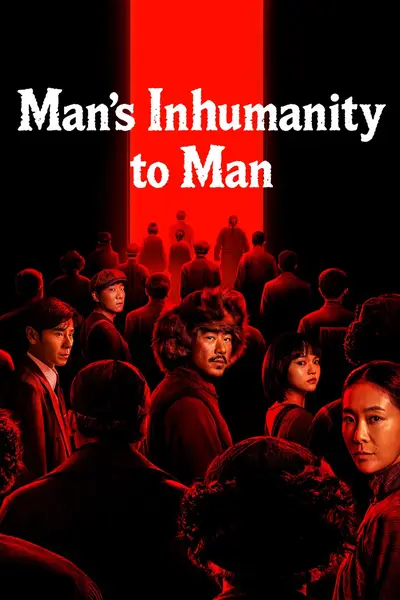
Unflinching yet deeply humane, Man's Inhumanity to Man tackles difficult historical atrocities with the seriousness and nuance they demand. This documentary series examines various examples of systematic cruelty throughout history, from genocides to institutionalized oppression, without exploiting the suffering it depicts. The filmmakers have clearly invested significant research into presenting accurate, contextualized accounts that honor victims while helping viewers understand how such horrors occur. Expert interviews provide valuable analysis without reducing complex events to simple explanations. The series doesn't shy away from disturbing realities but presents them with appropriate gravity rather than sensationalism. Perhaps most valuably, it draws connections between historical events and contemporary issues, encouraging viewers to recognize warning signs in their own times. While emotionally demanding viewing, it's essential television for anyone seeking to understand humanity's darkest chapters and our ongoing responsibility to prevent their recurrence.
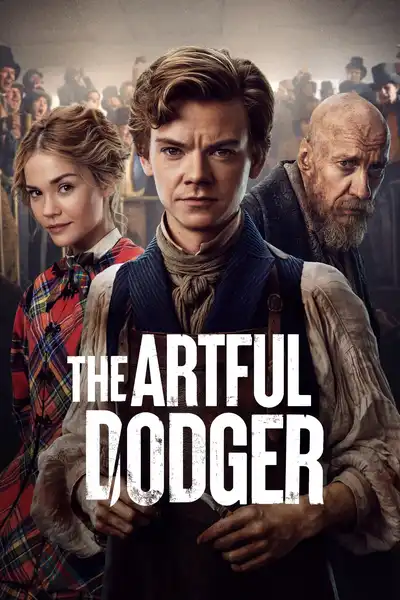
In this spirited reimagining, the notorious pickpocket from Dickens's "Oliver Twist" has grown up and is now working as a surgeon in 1850s Australia, trying to leave his criminal past behind. Thomas Brodie-Sangster stars as Jack Dawkins alongside David Thewlis as a delightfully conniving Fagin, who reappears to complicate Jack's attempts at respectability. Created by James McNamara and produced for Disney+, the series blends period medical drama with heist adventure, finding surprising synergy between surgery and thievery. The Australian setting provides fresh visual terrain, and the show doesn't shy away from the era's colonial brutality while maintaining an overall adventurous tone. Maia Mitchell brings spark as Lady Belle, whose arrival disrupts Jack's carefully constructed new life. The show's playful energy and charismatic performances make it an unexpectedly winning addition to the Dickensian extended universe.
Historical drama based on Heather Morris's novel recounts the true story of Lale Sokolov, a Slovakian Jew who was forced to tattoo identification numbers on fellow prisoners at Auschwitz-Birkenau, where he fell in love with a woman whose arm he marked. Harvey Keitel and Jonah Hauer-King portray Lale at different life stages, with the narrative moving between the concentration camp horrors and later interviews where the elderly survivor shares his story. The series approaches its devastating subject matter with appropriate solemnity while finding moments of humanity and resilience amid unimaginable darkness. Director Tali Shalom-Ezer handles the material sensitively, never exploiting the suffering but also not shying away from the brutal realities. Anna Próchniak brings depth to Gita, ensuring she remains a full character rather than merely a symbol of hope. The production design authentically recreates the camp environment, though some viewers may find the central love story uncomfortable given the context. What distinguishes this from other Holocaust narratives is its focus on the moral complexities Lale faced—survival required compromises that haunted him forever. It's a difficult but worthwhile series that honors both the romance and the tragedy.
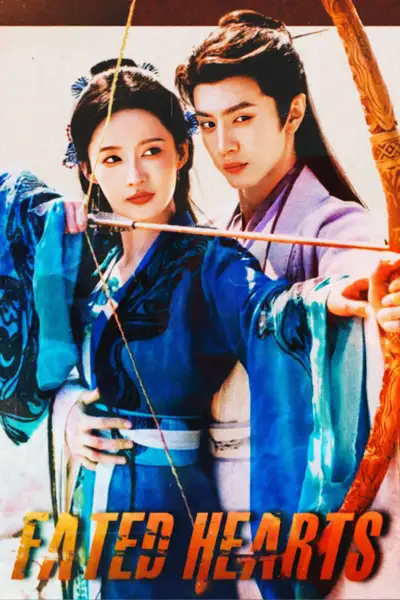
Lead actor brings remarkable depth to their character in this engaging romantic drama that explores the intersection of destiny and choice. Created by a talented team of writers who understand the nuances of modern relationships, Fated Hearts follows two individuals whose paths keep crossing in unexpected ways across different phases of their lives. The series balances heartfelt moments with genuine emotional complexity, never reducing its central romance to simple formula. The supporting cast adds layers to the narrative, while the cinematography captures both intimate conversations and sweeping cityscapes with equal care. What sets this apart is its willingness to let characters make mistakes and grow from them, creating a love story that feels earned rather than inevitable. The pacing allows relationships to develop naturally, making every reunion and separation land with authentic impact.
Set against the backdrop of a near-future climate crisis, this compelling drama follows a team of scientists racing to prevent ecological collapse while navigating personal conflicts and ethical dilemmas. The series creator crafts a tense narrative that feels both urgent and intimate, grounding big environmental stakes in human relationships. The ensemble cast delivers strong performances that elevate the material beyond typical disaster scenarios, finding moments of hope and humanity amid the chaos. The production values are impressive, with detailed world-building that makes the slightly futuristic setting feel plausible and lived-in. While the pacing occasionally drags during the slower character-focused episodes, the show maintains enough momentum to keep viewers invested. It's a thoughtful piece of speculative fiction that doesn't shy away from uncomfortable questions about responsibility and sacrifice.
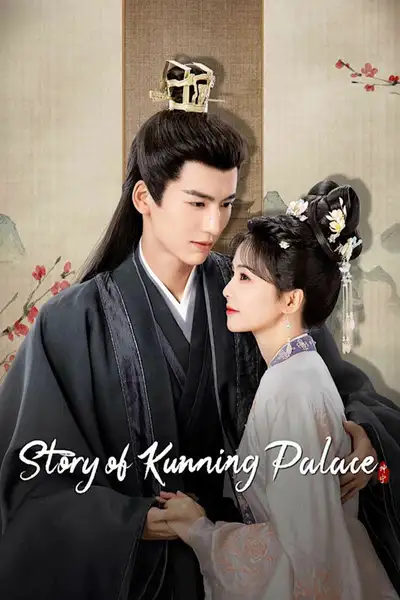
In the opulent and treacherous world of a Chinese imperial palace, a noblewoman is given an unprecedented second chance at life after a fatal betrayal. Bai Lu stars as Jiang Xuening, who uses her knowledge of future events to navigate court politics differently, attempting to avoid her tragic fate while confronting the consequences of changed choices. Zhang Linghe plays the compelling male lead in this time-loop costume drama that cleverly subverts typical genre expectations. What distinguishes this series is its focus on character growth and moral complexity rather than simple romance—Xuening is refreshingly flawed, and her journey toward redemption feels earned. The production values are exceptional, with gorgeous costumes and detailed set design bringing the period to life. The writing maintains tension even when viewers know what's coming, finding new angles on familiar palace intrigue tropes. This is sophisticated storytelling that respects its audience's intelligence while delivering the emotional satisfaction fans of the genre crave.
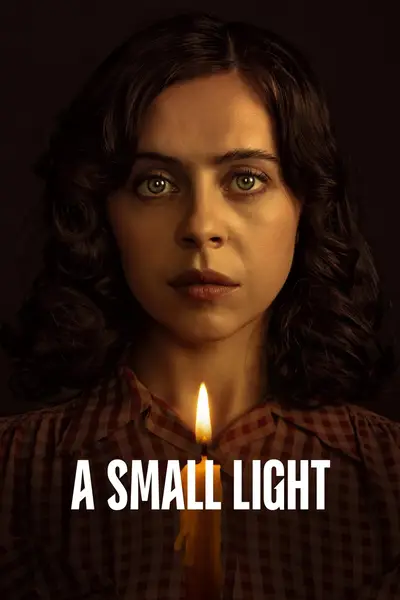
In this powerful historical miniseries, the story of Miep Gies—the woman who helped hide Anne Frank and her family during the Nazi occupation of Amsterdam—finally receives the attention it deserves. Created by Joan Rater and Tony Phelan, with Bel Powley delivering a luminous performance as Miep, the National Geographic series explores both the practical logistics and enormous psychological burden of harboring fugitives for over two years. Rather than positioning Gies as a saint, the show thoughtfully examines her as an ordinary person who made extraordinary choices, complete with fears, frustrations, and moments of doubt. The production design meticulously recreates 1940s Amsterdam, and the supporting cast, including Liev Schreiber as Otto Frank, brings depth to familiar historical figures. While the outcome is tragically predetermined, the series finds genuine tension in the daily near-misses and moral calculations required for resistance. It's essential viewing that honors both the helpers and those they couldn't ultimately save.
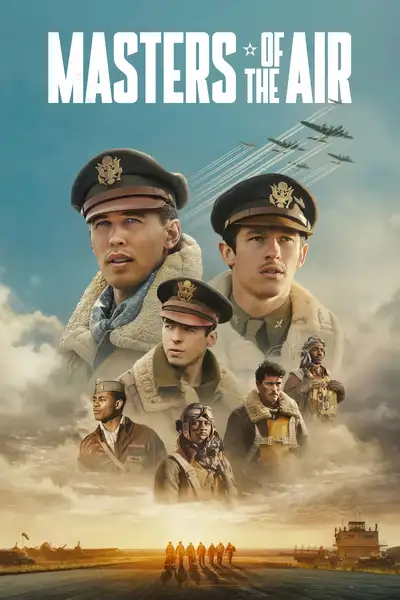
This meticulously crafted war drama follows the Eighth Air Force bomber crews during World War II as they conduct deadly daylight raids over Nazi Germany. Produced by Steven Spielberg and Tom Hanks, Masters of the Air stars Austin Butler, Callum Turner, and Anthony Boyle as young airmen facing staggering casualty rates and impossible odds. The aerial combat sequences are absolutely breathtaking, combining practical effects with cutting-edge technology to put viewers inside the B-17 bombers during harrowing missions. Based on Donald L. Miller's book, the series doesn't shy away from the psychological toll of warfare or the moral complexities of strategic bombing. The production design, performances, and attention to historical detail are all exceptional, creating an immersive and emotionally resonant experience. This is prestige television at its finest, honoring the sacrifice of the "Bloody Hundredth" with dignity and stunning visual storytelling.
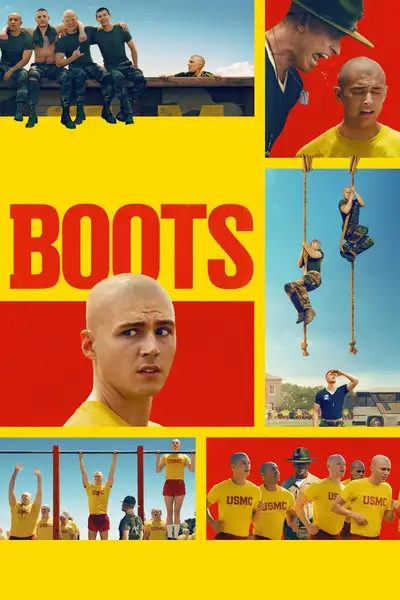
Heartwarming and unexpectedly profound, this series explores themes of legacy, family, and rural American life through a surprisingly fresh lens. The show captures the rhythms of working-class existence without condescension or romanticism, finding genuine drama in everyday struggles and small-town dynamics. The ensemble cast delivers naturalistic performances that make even quiet moments resonate with emotional truth. What could have been a simple nostalgia piece instead becomes a thoughtful meditation on continuity and change, honoring tradition while acknowledging the need for evolution. The writing finds humor and pathos in equal measure, never sacrificing one for the other. Production design authentically recreates its setting without feeling like a museum piece. It's the kind of series that sneaks up on you, building emotional investment through careful character work rather than manufactured drama.
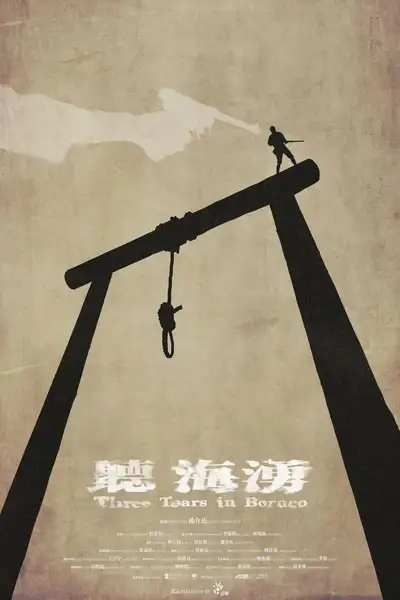
In this compelling Italian drama based on real events, three missionaries navigate the dangers and moral complexities of life in 1960s Borneo during a period of violent conflict. The series follows their attempts to serve their community while caught between warring factions and political upheaval that threatens everything they've built. Created by Piergiorgio Gay and Alessandro Grande, the show balances action, drama, and genuine emotional depth as it explores themes of faith, sacrifice, and cultural collision. The performances are uniformly excellent, bringing authenticity and gravitas to this true story of courage in the face of impossible circumstances. The production recreates the period and location with impressive detail, immersing viewers in a world far removed from contemporary comfort. What elevates the series is its willingness to grapple with complex questions about colonialism, faith, and intervention without offering simplistic answers. It's powerful, beautifully crafted television that deserves a wider audience.
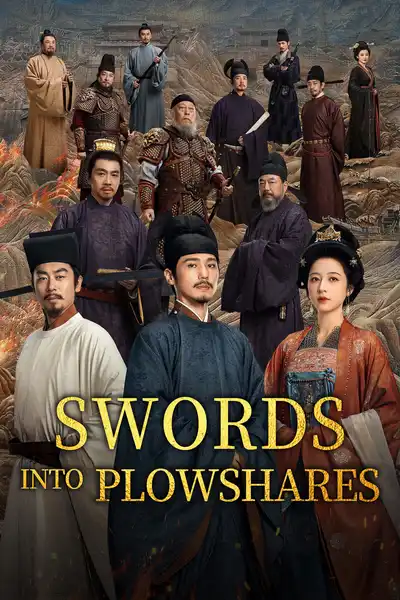
When a decorated military officer returns home to transform her family's struggling farm into a community rehabilitation center for veterans, she discovers that healing isn't as straightforward as she'd hoped. Created by Jennifer Walsh, this heartfelt drama follows Major Claire Davidson (Emma Thompson) as she navigates the complexities of civilian life while helping fellow soldiers find their footing after combat. The series doesn't shy away from difficult conversations about PTSD and reintegration, but balances heavy themes with genuine warmth and occasional humor. Supporting performances from Michael B. Jordan and Olivia Colman add depth to an already strong ensemble. While some storylines feel somewhat predictable, the show's sincerity and commitment to authentic representation of veteran experiences make it a worthwhile watch.
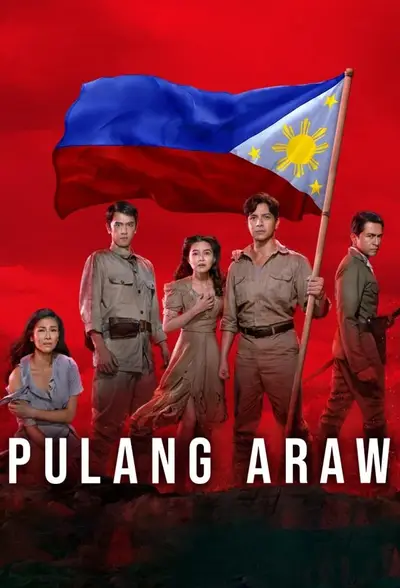
Showrunner Dominic Zapata helms this sprawling Filipino period drama set during World War II, following multiple families whose lives intersect against the backdrop of Japanese occupation and resistance movements. The series tackles ambitious historical territory, attempting to balance personal stories with the larger sweep of wartime events across the Philippine archipelago. Lead performances from Barbie Forteza and David Licauco bring emotional weight to young lovers separated by circumstances beyond their control, though the romantic plotlines sometimes overshadow more interesting historical material. Production design captures period details with care, particularly in recreating war-torn Manila and rural communities, though the scope occasionally exceeds the budget's capacity to fully realize it. The show's treatment of collaboration, resistance, and survival under occupation raises complex questions without always exploring them as deeply as it might. At its best, the series illuminates a specific historical experience often overlooked in Western war narratives; at other times, it defaults to familiar melodramatic beats that undercut the historical specificity.
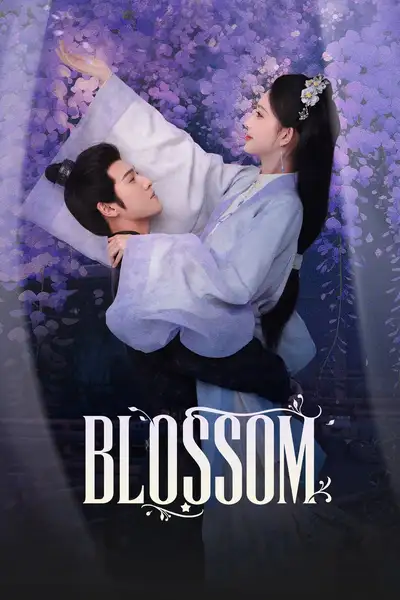
In this series, a young woman returns to her rural hometown after years away, confronting the family relationships and unresolved conflicts she left behind. The Korean drama, starring Kang Mal-geum and Yoon Se-ah, explores familiar themes of homecoming and generational misunderstanding with sincerity if not particular originality. The rural setting is beautifully photographed, offering visual respite from the typical urban K-drama backdrop, and the slower pace allows for character moments that feel lived-in and genuine. However, the plotting occasionally meanders, and some conflicts feel artificially extended across multiple episodes when tighter storytelling might have served the material better. The performances are uniformly solid, with the leads bringing emotional authenticity to their complicated mother-daughter dynamic. Supporting characters add texture to the small-town setting, though some drift toward archetype. When the series focuses on small, observed moments of family life, it finds real poignancy; when it reaches for larger dramatic stakes, the results feel less assured. It's a watchable family drama that offers comfort and occasional insight without reinventing its genre.