Recent Historical Epic Shows
The golden age of historical epic television is happening right now, with streaming platforms and premium networks investing unprecedented resources into lavish period dramas that rival big-screen productions. Recent historical epic shows have transformed how we experience the past, combining meticulous historical research with cutting-edge cinematography, elaborate set designs, and compelling storytelling that makes centuries-old events feel urgently relevant. From pivotal moments that shaped nations to intimate character studies set against sweeping historical backdrops, these new series deliver the grand scale and emotional depth that define the epic genre while leveraging modern production techniques that earlier generations could only dream of. Whether you're drawn to wartime narratives, royal intrigue, cultural movements, or transformative disasters, the latest wave of historical epics offers fresh perspectives on the events and eras that continue to fascinate us. Our curated selection of 21 outstanding shows from the past five years showcases the very best recent releases that demonstrate why prestige historical television has become essential viewing for anyone who believes the past deserves to be experienced with maximum dramatic impact and authentic detail.

This epic magical realism adaptation brings Gabriel García Márquez's masterpiece to the screen with stunning visual ambition and emotional depth. The Netflix series traces multiple generations of the Buendía family in the fictional town of Macondo, weaving together love, war, prophecy, and the cyclical nature of history. Shot entirely in Colombia with Spanish dialogue, the production honors the novel's Latin American roots while making the sprawling narrative accessible to viewers unfamiliar with the source material. The performances capture both the earthbound reality and supernatural elements that define Márquez's work, while the cinematography renders Macondo as a character unto itself. This is prestige television that takes risks, trusting audiences to embrace a story that spans decades and defies conventional narrative structure. For literary adaptation enthusiasts and anyone seeking truly ambitious storytelling, this series delivers a remarkable achievement.
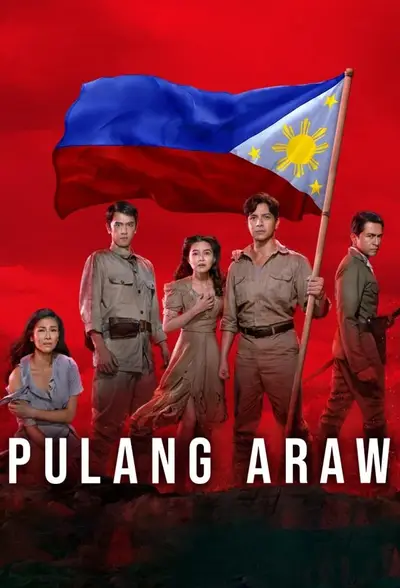
Showrunner Dominic Zapata helms this sprawling Filipino period drama set during World War II, following multiple families whose lives intersect against the backdrop of Japanese occupation and resistance movements. The series tackles ambitious historical territory, attempting to balance personal stories with the larger sweep of wartime events across the Philippine archipelago. Lead performances from Barbie Forteza and David Licauco bring emotional weight to young lovers separated by circumstances beyond their control, though the romantic plotlines sometimes overshadow more interesting historical material. Production design captures period details with care, particularly in recreating war-torn Manila and rural communities, though the scope occasionally exceeds the budget's capacity to fully realize it. The show's treatment of collaboration, resistance, and survival under occupation raises complex questions without always exploring them as deeply as it might. At its best, the series illuminates a specific historical experience often overlooked in Western war narratives; at other times, it defaults to familiar melodramatic beats that undercut the historical specificity.
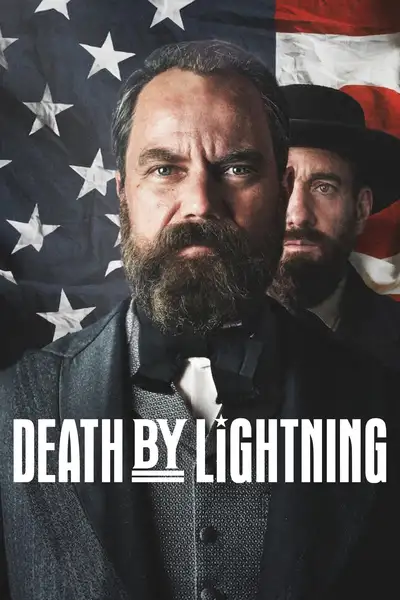
Set in 19th-century rural America, this atmospheric period drama examines a community gripped by fear after a series of mysterious deaths occur during violent thunderstorms. The series weaves together historical detail with compelling character drama as townspeople struggle between scientific explanation and superstitious belief. Creator Sarah Polley brings her distinctive eye for emotional complexity to this exploration of how communities respond to unexplainable tragedy. The production design authentically recreates the era without romanticizing the harsh realities of frontier life, while the ensemble cast delivers grounded performances that make the period setting feel immediate and relatable. The cinematography makes stunning use of natural light and stormy skies to create an sense of unease that builds throughout each episode. Rather than rushing toward answers, the series takes its time developing relationships and examining how fear can fracture even the closest bonds.

When an English aristocrat inherits a massive cattle station in Australia's remote Northern Territory on the eve of World War II, she must navigate both the unforgiving landscape and complex social dynamics to save her property from ruthless rivals. This limited series expands Baz Luhrmann's 2008 film into a more leisurely-paced epic, allowing the sweeping romance and historical backdrop room to breathe. Nicole Kidman and Hugh Jackman reprise their roles with the benefit of additional character development, while the supporting cast brings depth to the station's diverse community. The Australian outback looks stunning in extended sequences that showcase both its beauty and brutality, and the production values match the story's grand ambitions. The expanded runtime does create occasional pacing issues, with some subplots feeling stretched, but the additional context enriches the central relationships and historical elements. For viewers who enjoyed the film or fans of romantic historical dramas, this offers a more complete version of the story.
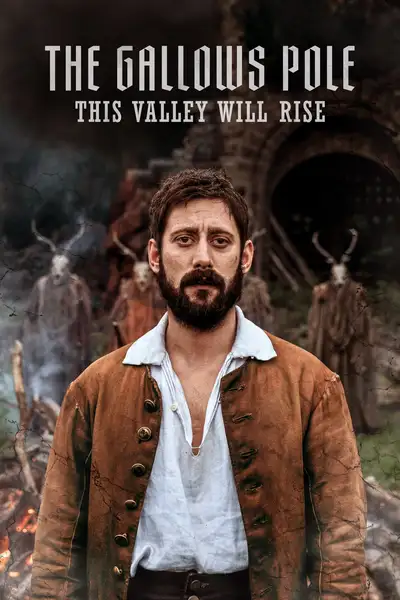
Michael Socha embodies David Hartley, the real-life 18th-century English counterfeiter who led the Cragg Vale Coiners in this atmospheric historical drama. Creator Shane Meadows brings his distinctive gritty realism to the story of working-class Yorkshire weavers who turn to clipping gold coins as an act of survival and rebellion against economic oppression. The three-part series immerses viewers in the harsh realities of rural life during the Industrial Revolution, where desperate people make increasingly dangerous choices. Sophie McShera and Thomas Turgoose round out the strong ensemble cast bringing this forgotten historical episode to life. Meadows resists romanticizing his characters' criminality while making their motivations comprehensible within their brutal economic context. The folk-inspired music and stark cinematography create an appropriately somber mood for this tale of community solidarity against impossible odds. While it sometimes moves at a deliberate pace, the craftsmanship and performances make this a worthwhile exploration of class struggle and the human cost of systemic inequality.