Hand-Drawn Animation Movies
In an era dominated by CGI and computer-generated imagery, hand-drawn animation continues to thrive as a testament to traditional artistry and frame-by-frame craftsmanship that captivates audiences worldwide. Recent years have witnessed a remarkable resurgence of 2D animation techniques, with studios embracing the warmth, character, and emotional depth that only hand-drawn art can deliver. From breathtaking anime features that showcase meticulous line work to Western productions celebrating the timeless appeal of traditional animation, these 21 hand-drawn animation movies from the last five years prove that the medium remains as vital and innovative as ever. Whether you're drawn to the painterly aesthetics reminiscent of Studio Ghibli masterpieces, the bold stylistic choices of contemporary animators, or the nostalgic charm that recalls Disney's golden age, this curated selection highlights the best recent releases that honor classical animation methods while pushing creative boundaries. Each film represents countless hours of artistic dedication, where animators breathe life into characters and worlds one frame at a time, creating viewing experiences that feel both intimately human and visually stunning in ways that digital animation often struggles to replicate.

This animated drama follows two girls whose childhood friendship and creative collaboration shape their artistic identities and life trajectories in profound, ultimately heartbreaking ways. Director Kiyotaka Oshiyama adapts Tatsuki Fujimoto's beloved manga with stunning sensitivity, using animation not as spectacle but as a medium uniquely suited to exploring creative process and emotional memory. The film traces Fujino and Kyomoto's relationship from early school days through young adulthood, showing how art becomes both connection and competition, joy and obsession. The animation style shifts subtly to reflect different periods and emotional states, while the depiction of actual drawing—the physical act of creation—feels remarkably authentic. Voice performances from Yuumi Kawai and Mizuki Yoshida capture the characters' evolution beautifully. What emerges is a meditation on inspiration, sacrifice, and how the people we create alongside leave permanent marks on our work and souls. It's rare to find a film that understands artistic passion this deeply, making this essential viewing for anyone who's ever put pen to paper.

Kikunosuke Toya voices Denji in this electrifying continuation of the Chainsaw Man saga that brings the beloved Reze Arc to the big screen with all the visceral intensity fans have been craving. Director Ryū Nakayama orchestrates a perfect storm of heart-pounding action and genuine emotional stakes as our chainsaw-wielding protagonist encounters the mysterious Reze, a café worker who might be more than she appears. The film delivers everything that made the series exceptional—brutal fight sequences animated with jaw-dropping fluidity, surprisingly tender character moments, and that signature tonal whiplash between bloody mayhem and vulnerable intimacy. Whether you're a devoted manga reader or anime-only viewer, this theatrical experience amplifies what makes Chainsaw Man special, transforming Denji's complicated relationship with Reze into something that hits harder than any devil battle. It's a masterclass in balancing explosive spectacle with authentic human connection.

A young boy grieving his mother's death discovers a mysterious tower and enters a fantastical world where the dead might still somehow be reached. Hayao Miyazaki returns from retirement with what may be his most personal and emotionally complex work, drawing on his own childhood experiences during World War II. The film follows Mahito as he navigates a realm populated by strange herons, ravenous parakeets, and enigmatic warawara spirits, all rendered with Studio Ghibli's signature visual splendor. Unlike Miyazaki's more accessible classics, this one embraces ambiguity and symbolism, rewarding patient viewers willing to sit with its mysteries. The hand-drawn animation achieves moments of breathtaking beauty, and Joe Hisaishi's score perfectly complements the film's dreamlike atmosphere. It's a meditation on loss, legacy, and creation itself—challenging, deeply moving, and utterly mesmerizing.

At its heart, this continuation of the beloved anime series explores themes of duty, sacrifice, and the bonds forged through shared struggle. As Tanjiro and his companions face their greatest challenge yet within the shifting corridors of Muzan's fortress, the film delivers spectacular action sequences that push the boundaries of animation. The emotional stakes remain refreshingly grounded despite the fantastical setting, with each character's personal journey given proper weight. Ufotable's animation is simply breathtaking, with fluid combat choreography and stunning visual effects that honor the manga's iconic panels while expanding them cinematically. The voice cast brings depth to moments of quiet reflection between the explosive battles, maintaining the series' careful balance of intensity and humanity. Fans will find this installment both satisfying and revelatory, advancing the story with purpose.

When four teenage brothers—Leonardo, Raphael, Donatello, and Michelangelo—venture from their sewer home to experience New York City, they discover that being mutant turtles makes fitting in challenging, to say the least. This animated reimagining from director Jeff Rowe brings fresh energy to the beloved franchise with a distinctive visual style that resembles animated sketch art come to life. The film leans into the characters' adolescence, making their desire for acceptance and belonging feel genuinely relatable while delivering spectacular martial arts action sequences. The voice cast, including Micah Abbey, Shamon Brown Jr., Nicolas Cantu, and Brady Noon as the turtles, brings authentic teenage energy and humor to their roles. Jackie Chan voices their mentor Splinter with warmth and wit. The animation style perfectly complements the youthful, energetic tone, while the story balances heartfelt themes about family and identity with the franchise's signature pizza-loving fun and dynamic fight choreography.

Thrilling, emotionally devastating, and visually spectacular, this compilation film packages the anime series' "Hidden Inventory" and "Premature Death" arcs into a cinematic experience that exceeds expectations for recap movies. Director Shōta Goshozono maintains the television version's exceptional animation quality while enhancing key sequences with improved effects and theatrical sound design. The story explores Gojo and Geto's past friendship during their student days, then chronicles the tragic events that set them on opposing paths—providing essential context that enriches the entire Jujutsu Kaisen narrative. Even viewers who watched these episodes in their original format will find value in experiencing this focused presentation on the big screen, where the action choreography and emotional beats land with renewed impact. The voice performances resonate powerfully, particularly in the arc's heartbreaking final act.

In late 19th-century rural Poland, the harsh realities of peasant life unfold with stunning visual artistry in DK Welchman and Hugh Welchman's remarkable *The Peasants*. Adapted from Władysław Reymont's Nobel Prize-winning novel, the film follows young Jagna (Kamila Urzędowska) as she navigates the rigid social hierarchies and moral hypocrisies of her village community. What distinguishes this drama is its breathtaking oil-painted animation technique—each frame painted over filmed footage—creating a living canvas that evokes the folk art traditions of Polish culture. The story traces the cycle of seasons as Jagna faces ostracism for her beauty and independence, revealing the brutal treatment of women in patriarchal agrarian society. The animation style transforms familiar melodrama into something transcendent, making the characters' struggles feel both historically specific and emotionally immediate. It's a visually intoxicating achievement that honors its literary source while creating something cinematically unique.

When Luo Xiaohei's peaceful existence is threatened by a powerful new supernatural force, he must team up with old allies and unexpected companions to protect both the spirit and human worlds. Director MTJJ returns with this visually stunning sequel that expands the universe established in the beloved first film while maintaining its charm and heart. The animation quality takes a significant leap forward, with fluid action sequences and breathtaking environmental design that rivals major studio productions. Voice performances bring depth to both returning and new characters, while the story balances spectacle with genuine emotional resonance. The film explores themes of coexistence and understanding without heavy-handed messaging, trusting its audience to engage with its thoughtful narrative. Fans of the original will find much to love here, and newcomers will discover why this franchise has captured hearts across Asia.

Adrià Collado delivers a quietly powerful performance as a man facing terminal illness who decides to run a 100-meter race, transforming a simple physical goal into a meditation on mortality, dignity, and the human will to assert meaning in the face of death. Director Marcel Barrena crafts an intimate portrait that avoids the inspirational-sports-drama clichés that could have easily overwhelmed this material, instead finding authenticity in small victories and honest moments of fear and frustration. The film's restraint proves to be its greatest strength—rather than manipulating emotions with swelling music and dramatic speeches, Barrena trusts his actors and story to generate genuine feeling. The supporting cast, including the protagonist's family and medical team, are drawn with specificity and compassion, each responding to his illness in distinctly human ways. The actual race, when it finally arrives, carries tremendous emotional weight precisely because the film has taken time to earn it. This is a life-affirming story that paradoxically acknowledges life's fragility, finding grace in perseverance without pretending that perseverance conquers all.

Chaotic, electrifying, and bursting with supernatural mayhem, this compilation film from Science SARU takes the wildly popular anime series to new heights with its theatrical presentation. Director Fūga Yamashiro assembles select episodes from the series while adding enhanced animation and new sequences that amplify the show's already manic energy. The story follows high schoolers Momo and Okarun as they encounter aliens, yokai, and increasingly bizarre paranormal phenomena, all rendered with the studio's signature dynamic visual style. What makes this work so well is how it balances genuine horror elements with absurdist comedy and surprising emotional depth, creating something that feels fresh in the crowded supernatural anime landscape. The film's breakneck pacing and creative creature designs keep the energy high throughout, while the central relationship between the leads provides unexpected heart. It's an exhilarating ride that both serves existing fans and works as an excellent introduction to the series' distinctive blend of genres.

Director Pete Browngardt brings Porky Pig and Daffy Duck to the big screen in their first theatrical feature, delivering anarchic Looney Tunes energy for a new generation. When an alien invasion threatens Earth, the iconic duo must somehow save the world while maintaining their classic dynamic of Daffy's self-centered scheming clashing with Porky's well-meaning anxiety. The animation honors the franchise's hand-drawn heritage while incorporating modern techniques, resulting in visuals that feel both nostalgic and fresh. Browngardt, who worked on various Cartoon Network series, understands the appeal of these characters—the humor comes from their personalities and the absurdist situations they create, not from pop culture references or outdated celebrity cameos. The pacing is relentless in the best way, packing in sight gags and verbal humor that will reward repeat viewings. While it may not reach the heights of classic Chuck Jones or Friz Freleng shorts, it's a thoroughly entertaining reminder of why these characters have endured for decades.

In a near-future space station where Earth has become uninhabitable, a maintenance engineer's isolated existence is disrupted when she encounters a mysterious signal that may lead to salvation—or doom. Director William Shatner (yes, that William Shatner, in a surprising directorial effort) creates an atmospheric science fiction chamber piece that prioritizes character introspection over spectacle. The confined setting and small cast allow for a more thoughtful exploration of loneliness, hope, and human connection in extreme circumstances. Lead actress Ming-Na Wen delivers a nuanced performance that carries much of the film's emotional weight, making the slower pace feel purposeful rather than stagnant. The production design maximizes its modest budget through clever use of practical sets and lighting. While the philosophical themes occasionally become heavy-handed and some plot revelations feel telegraphed, the film maintains an earnest commitment to its ideas. It's a contemplative slice of sci-fi that favors mood and introspection over action, rewarding viewers who appreciate measured storytelling.

An aging samurai gets one final chance at redemption when he's tasked with protecting a village from a supernatural threat he failed to defeat decades earlier. Director Takashi Miike adapts the beloved video game with surprising emotional depth, crafting a meditation on honor, failure, and the weight of legacy that transcends its source material. The action sequences are absolutely stunning—each sword fight choreographed with brutal precision that makes every clash feel consequential. Hiroyuki Sanada delivers a career-best performance as the haunted warrior, conveying volumes through subtle gestures and battle-scarred eyes. What elevates this beyond typical video game adaptation territory is its willingness to sit with quiet moments between the spectacular set pieces. The film respects both fans of the game and newcomers, weaving in familiar elements without requiring homework. Miike proves once again why he's one of cinema's most versatile directors, delivering something that feels both epic and intimately personal.

Director Zara Dwinger crafts an intimate portrait of adolescent vulnerability in this coming-of-age drama that follows a group of Berlin teenagers navigating friendship, identity, and social pressure. The film captures the specific intensity of youth with authenticity, avoiding both romanticization and condescension as it explores how its young protagonists test boundaries and support each other through various crises. Dwinger's observational style allows her talented young cast to inhabit their roles naturally, resulting in performances that feel spontaneous rather than scripted. The narrative occasionally meanders, but this looseness actually enhances the film's realistic depiction of how teenage experiences often lack clear resolutions. With its honest approach to contemporary youth culture and the challenges of growing up in an hyperconnected world, the film offers a refreshing alternative to more formulaic teen dramas.

Yoshino Aoyama voices Hitori "Bocchi" Gotoh in this compilation film that distills the first half of the beloved anime series into a theatrical experience. Director Keiichiro Saito brings together key moments from Bocchi's journey as an anxious high school guitarist who dreams of joining a band despite her crippling social anxiety. The recap format works surprisingly well, maintaining the show's quirky humor and heartfelt moments while streamlining the narrative for both newcomers and fans. While purists might miss some of the smaller character beats, the film captures the essence of what made the series special: its honest portrayal of social struggles wrapped in infectious musical performances. The animation remains vibrant throughout, and the carefully selected scenes create a cohesive story that stands on its own.

Art Malik voices Tomas, a young glassworker who finds his craft and his world transformed by the arrival of war in this beautifully animated Pakistani feature directed by Usman Riaz. Set against the backdrop of a glassmaking village, the film follows Tomas as he navigates his feelings for Alliz, a talented violinist who becomes his apprentice, while their peaceful existence is threatened by encroaching conflict. The hand-drawn animation is genuinely stunning, with meticulous attention paid to the delicate art of glassblowing that gives the film its unique visual identity. While the pacing occasionally falters and some narrative beats feel familiar, the film's commitment to showcasing South Asian storytelling through this painstaking animation style makes it a worthwhile watch. It's a tender coming-of-age story wrapped in the fragility of both glass and peace.

Energetic and deeply heartfelt, this anime feature brings the beloved Umamusume franchise to theaters with impressive results. Director Takumi Narita follows the horse girl racers—young women who embody the spirits of real-life champion racehorses—as they push themselves toward their dreams of racing glory. Special Week leads the ensemble cast through rigorous training, fierce competition, and the bonds of friendship that develop between rivals. The animation truly shines during the racing sequences, capturing both the speed and emotion of each contest with dynamic camera work and fluid motion. While the premise might sound unusual to newcomers, the film's sports drama foundation makes it surprisingly accessible, delivering an underdog story with genuine emotional stakes. The voice cast brings warmth and personality to their characters, making you invested in their victories and setbacks. It's a joyful, inspiring sports film that happens to feature horse-eared heroines.
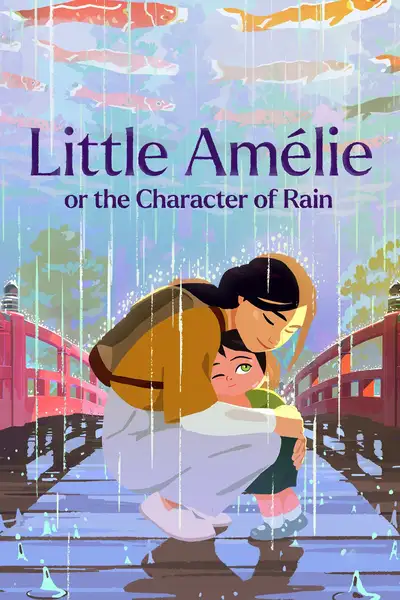
This tender animated fable follows a young girl named Amélie who converses with rain and discovers its memories of the places it has touched and the stories it has witnessed across time. Director Arnaud Demuynck creates a visually stunning watercolor world where the boundaries between the real and imaginary dissolve into something dreamlike and emotionally resonant. The hand-drawn animation has an artisanal quality that feels increasingly rare, with each frame demonstrating remarkable craft and attention to atmospheric detail. Voice actress Luna Fauvel brings gentle wonder to Amélie, whose innocent perspective transforms the rain from mere weather into a character with its own melancholy wisdom. The film explores themes of memory, loss, and environmental connection with poetic simplicity that never feels cloying or overly sentimental. At just over an hour, it maintains perfect pacing—long enough to develop emotional depth without overstaying its quiet, contemplative approach. This is the kind of beautiful, thoughtful animation that reminds you the medium can achieve things live-action cannot, creating a small masterpiece that will resonate with patient viewers of all ages.

When a mysterious mobile suit appears in a wartorn colony, a group of unlikely pilots must band together to uncover its origins and prevent it from falling into the wrong hands. This latest entry in the Gundam franchise offers a fresh starting point for newcomers while rewarding longtime fans with deep-cut references and familiar thematic territory about the costs of war. Director Fumihiko Suganuma keeps the action sequences crisp and comprehensible, a welcome change from some of the franchise's more chaotic recent installments. The character designs strike a nice balance between classic Gundam aesthetics and modern sensibilities, though the plot occasionally gets bogged down in technical jargon about the mobile suits themselves. Voice performances from the Japanese cast bring energy to what could have been stock character types, making this a solid foundation for what promises to be an engaging new series.

Set against the backdrop of coastal Ukraine, this deeply moving drama follows a father and son navigating their strained relationship during a transformative road trip to the sea. Director Lesia Diak creates an intimate character study that explores themes of connection, forgiveness, and healing through beautifully composed cinematography that captures both the stark landscape and emotional terrain. The journey becomes more than just a physical one as the pair confronts long-buried tensions and unspoken pain while making their way toward the water. The film's patient pacing allows moments to breathe, giving the excellent performances room to resonate with authenticity and nuance. Without relying on melodrama, the story unfolds naturally, finding profound meaning in small gestures and quiet conversations. It's a contemplative piece that rewards viewers willing to sit with its meditative rhythm, ultimately delivering a powerful testament to the possibility of reconciliation and the enduring bonds between parent and child.

In a Japan where giant monsters routinely threaten cities, this anime special serves as a bridge between the manga and the main series, focusing on the Defense Force's reconnaissance operations before major kaiju battles. Director Tomomi Kamiya delivers exactly what fans of the franchise expect: impressive creature design, kinetic action sequences, and the peculiar Japanese ability to make bureaucratic monster-fighting organizations feel both mundane and heroic. The special wisely keeps its runtime tight, understanding that this functions as supplementary material rather than a standalone story. Character development takes a backseat to spectacle and world-building, fleshing out how the Defense Force's various divisions coordinate their responses to kaiju threats. The animation quality remains high throughout the action sequences, though quieter moments occasionally reveal budget constraints. For newcomers, Mission Recon may feel like jumping into the middle of an ongoing conversation, but for established Kaiju No. 8 fans, this delivers satisfying additional context and some genuinely thrilling monster combat that expands the series mythology.