Recent Fantasy Shows
The golden age of fantasy television is happening right now, with streaming platforms and premium networks investing unprecedented resources into imaginative worldbuilding and spectacular visual storytelling. Recent fantasy shows have pushed the boundaries of what's possible on the small screen, delivering cinematic production values alongside intricate mythologies that rival their theatrical counterparts. From epic tales of political intrigue set in sprawling medieval kingdoms to contemporary stories where magic lurks beneath modern life, today's fantasy series span an impressive range of styles and cultural traditions. Whether you're drawn to Eastern wuxia adventures, supernatural mysteries, or sweeping high-fantasy sagas, the latest offerings showcase how creators worldwide are reimagining the genre for contemporary audiences. These 21 fantasy shows from the past five years represent the most compelling examples of modern myth-making, each building rich universes filled with complex characters, stunning special effects, and narrative ambition that keeps viewers returning season after season. Get ready to discover your next binge-worthy obsession among these freshly conjured worlds of magic, monsters, and wonder.
Delightfully nerdy and brilliantly executed, this series takes viewers behind the DM screen to explore the art of running Dungeons & Dragons campaigns at the highest level. The show features master Dungeon Masters from various backgrounds—including Matthew Mercer, Brennan Lee Mulligan, and Aabria Iyengar—as they share techniques, discuss storytelling philosophy, and demonstrate how they create unforgettable gaming experiences. What makes this essential viewing isn't just the practical advice for aspiring DMs, but the genuine passion and creativity these masters bring to their craft. Each episode dives deep into specific aspects of DMing, from world-building and improvisation to handling player dynamics and creating emotional resonance. The production respects both newcomers and veterans, making complex concepts accessible without dumbing them down. For anyone who loves tabletop RPGs or storytelling in general, this is absolutely unmissable television that celebrates collaborative creativity.
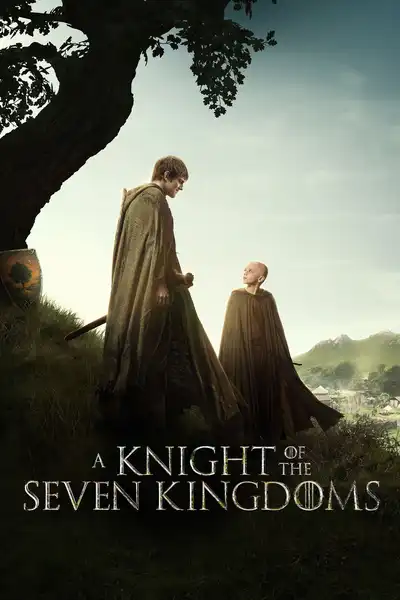
Dexter Sol Ansell brings youthful courage to the role of Ser Duncan the Tall in this absolutely enchanting prequel to Game of Thrones that proves Westeros still has fresh stories to tell. Set a century before the events of the main series, the show follows the adventures of the humble hedge knight and his unlikely squire, Egg (Peter Claffey), as they navigate a realm teetering on the edge of Targaryen civil war. Created by George R.R. Martin and Ira Parker, this adaptation of the beloved "Dunk and Egg" novellas captures everything that made the original series compelling while offering a more intimate, character-driven narrative. The chemistry between the leads is phenomenal, and the production design maintains the high standards we've come to expect. It's a triumphant return to form that both honors the source material and stands confidently on its own.
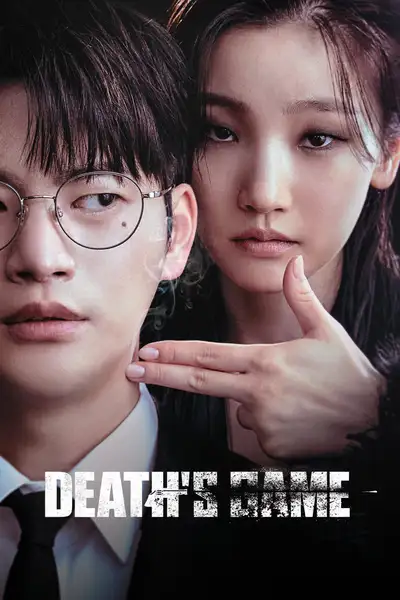
Dark, inventive, and emotionally gripping, this Korean fantasy thriller takes viewers on an unforgettable journey through life, death, and redemption. Based on the webtoon by Lee Won-sik, Death's Game stars Choi Si-won as Choi Yi-jae, a man on the brink of suicide who's given a terrifying second chance by Death herself: he must live through twelve different lives, and if he dies prematurely in any of them, he'll face eternal oblivion. The concept allows for remarkable variety as Yi-jae inhabits different bodies (played by a rotating cast including Seo In-guk and Park So-dam), each life offering new perspectives and moral challenges. Director Ha Byung-hoon orchestrates the shifts in tone and setting with impressive confidence, balancing supernatural horror, social commentary, and genuine pathos. The series asks profound questions about the value of life and human connection while delivering consistently compelling drama across its episodes.
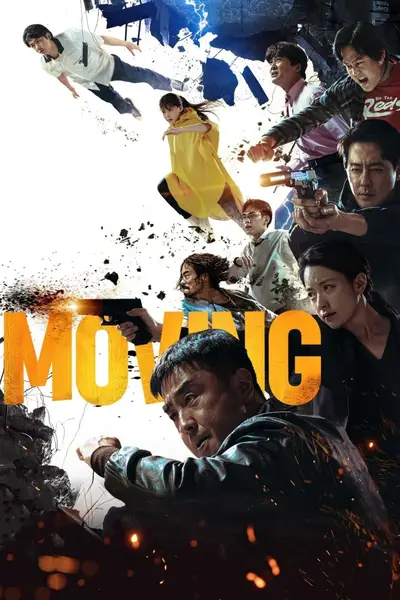
Kang Full, the creator behind this South Korean superhero drama, has crafted one of the most emotionally resonant and ingeniously plotted genre series in recent memory. The show follows three families whose members possess superhuman abilities—ranging from flight to super strength to rapid healing—and must protect each other from a shadowy government organization while grappling with the ordinary challenges of parenthood, romance, and economic survival. Starring Ryu Seung-ryong, Han Hyo-joo, and Zo In-sung, the ensemble cast delivers performances that ground the fantastical elements in genuine human emotion. What sets this Disney+ series apart is its masterful tonal balance, seamlessly weaving together thrilling action sequences, heartfelt family dynamics, and moments of surprising humor. The production values are cinematic, and the plotting is intricately layered, rewarding close attention while remaining emotionally accessible. This is superhero storytelling at its finest, proving the genre still has fresh territory to explore.

At its core, this is a story about second chances and the courage it takes to reinvent yourself when life doesn't go according to plan. Created by Steven Leckart, the series follows a diverse group of individuals attending a life-coaching retreat, each seeking transformation for different reasons. The ensemble cast, including impressive turns from relative newcomers and established performers alike, brings vulnerability and humor to their portrayals of people at personal crossroads. What makes the show special is its refusal to offer easy answers or quick fixes, instead showing the messy, non-linear process of genuine personal growth. The writing balances comedy and drama effectively, finding humor in awkward situations without mocking the characters' earnest desires to improve themselves. It's an ultimately hopeful series that respects both its characters and its audience.
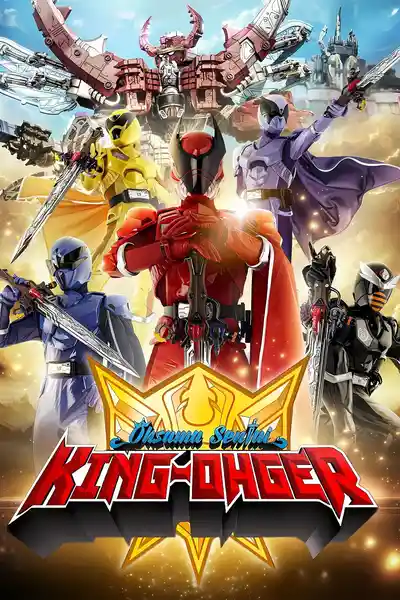
Taisei Sakai leads this entry in the Super Sentai franchise as Gira Husty, the young king of Shugoddom who unites five kingdoms against an ancient evil threatening their world. The series brings a fantasy twist to the typical Sentai formula, with each ranger representing a different kingdom and insect motif rather than the usual animal themes. Created by Toei Company and written by Takano Minato, the show attempts to blend political intrigue with standard tokusatsu action, resulting in a more story-driven approach than some Sentai series. The costume designs are inventive and the ensemble cast develops decent chemistry as the season progresses. However, the ambitious narrative sometimes buckles under its own weight, with convoluted plot threads that don't always pay off satisfyingly. The tone wavers between serious political drama and lighthearted adventure, not always successfully. It's an interesting experiment within the franchise that works better in concept than execution, offering enough entertainment for Sentai fans while feeling uneven for newcomers.
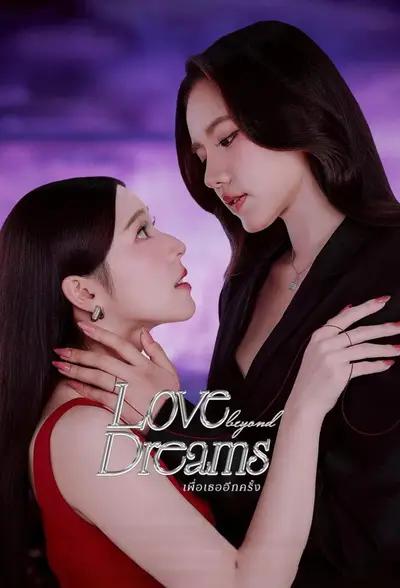
Love Beyond Dreams explores the profound question of whether connections can transcend the boundaries between life and death, following characters who discover their relationships extend into the realm of dreams and the supernatural. This romantic fantasy series weaves together themes of grief, hope, and the enduring power of love as it examines what we're willing to risk to maintain bonds with those we've lost. The show takes a compassionate approach to its metaphysical premise, grounding fantastical elements in genuine emotional stakes that resonate regardless of viewers' beliefs about the afterlife. The cast brings sincerity to material that could easily veer into melodrama, finding the human truth within the supernatural framework. While the series occasionally leans heavily on its more fantastical elements, it consistently returns to its thematic core about love's ability to bridge impossible distances. The production design creates a dreamlike atmosphere that effectively blurs the lines between reality and the otherworldly, supporting the narrative's exploration of liminal spaces where the living and dead might meet.

This epic magical realism adaptation brings Gabriel García Márquez's masterpiece to the screen with stunning visual ambition and emotional depth. The Netflix series traces multiple generations of the Buendía family in the fictional town of Macondo, weaving together love, war, prophecy, and the cyclical nature of history. Shot entirely in Colombia with Spanish dialogue, the production honors the novel's Latin American roots while making the sprawling narrative accessible to viewers unfamiliar with the source material. The performances capture both the earthbound reality and supernatural elements that define Márquez's work, while the cinematography renders Macondo as a character unto itself. This is prestige television that takes risks, trusting audiences to embrace a story that spans decades and defies conventional narrative structure. For literary adaptation enthusiasts and anyone seeking truly ambitious storytelling, this series delivers a remarkable achievement.
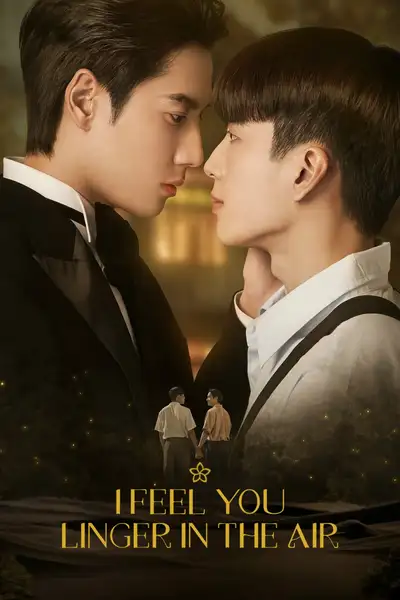
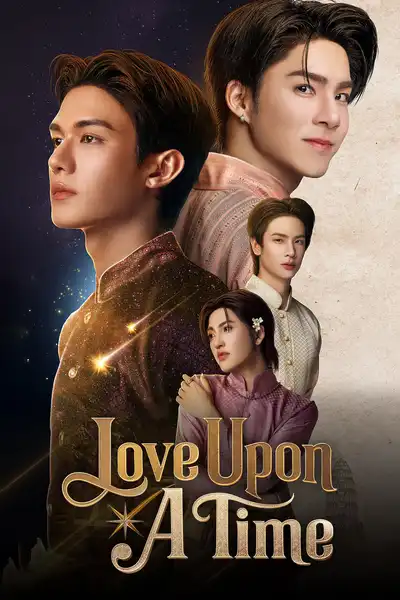
Set in 1920s Thailand, this gorgeous time-slip romance transports a present-day architect back to the Rattanakosin period, where he falls for a mysterious young man in an aristocratic household. The production design is simply stunning—meticulous period detail brings the Northern Thai setting to vibrant life, from elaborate traditional costumes to carefully reconstructed architecture. Bright Rapheephong and Nonkul Chanon deliver performances of remarkable sensitivity, creating chemistry that feels both passionate and tender. Director Tee Bundit crafts a dreamlike atmosphere where past and present blur, using light and color symbolically to enhance the emotional journey. The series explores themes of fate, forbidden love, and identity with poetic grace, though the time-travel mechanics occasionally require generous suspension of disbelief. The soundtrack beautifully complements the visual poetry. This is genuinely special television—emotionally resonant, aesthetically breathtaking, and unafraid to take its time developing a love story that transcends centuries.
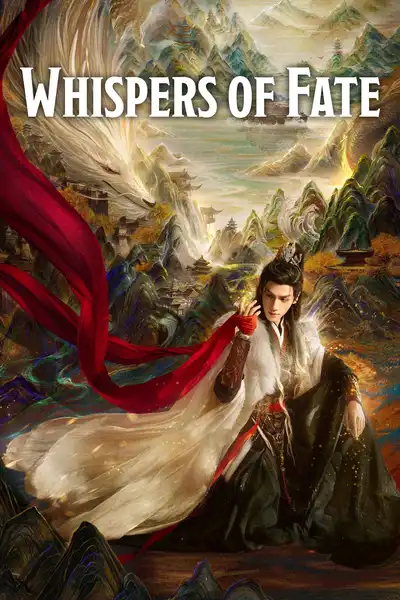
In this series, parallel timelines converge as characters discover their choices ripple across multiple realities, affecting versions of themselves living different lives. Created by Lisa Joy and starring Gugu Mbatha-Raw, the show weaves together science fiction concepts with intimate character drama in ways that keep both the mind and heart engaged. The premise allows for creative storytelling as we see how small decisions create vastly different outcomes, while the cast navigates the emotional weight of confronting roads not taken. The production design distinguishes each timeline with subtle visual cues that help viewers track the complex narrative without confusion. Mbatha-Raw anchors the series with a performance that finds the common humanity connecting her character's various iterations. The show trusts its audience to follow ambitious storytelling while delivering genuine emotional payoffs that justify the conceptual complexity.
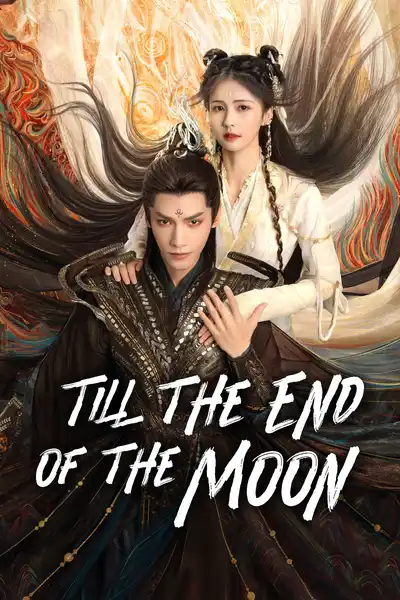
Sweeping, romantic, and gorgeously tragic, this Chinese fantasy epic weaves together immortal demons, star-crossed lovers, and cosmic consequences across multiple timelines and realms. Adapted from the novel by Jiu Lu Fei Xiang, the series stars Luo Yunxi as Tantai Jin, a hostage prince with a dark destiny, and Bai Lu as Li Susu, a cultivator who travels back in time to prevent him from becoming the destructive Demon God. What unfolds is a complex narrative of sacrifice, redemption, and the question of whether love can truly change fate. The production values are stunning, with elaborate costumes, breathtaking cinematography, and martial arts sequences that blend wire work with emotional weight. The performances elevate melodramatic material into something genuinely moving, and the chemistry between the leads anchors even the most fantastical plot developments. At 40 episodes, it requires commitment, but the payoff is a beautifully crafted epic that understands the power of romantic tragedy.
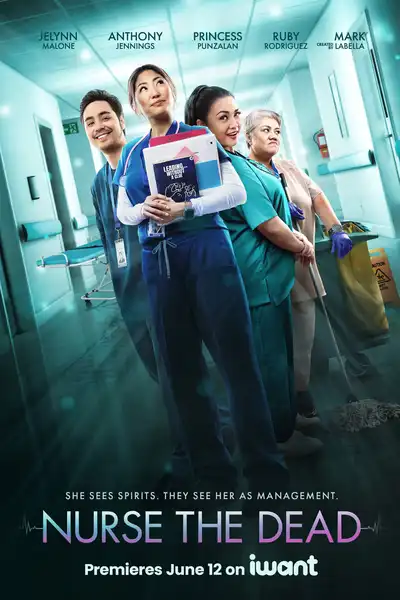
In this series, medical professionals working in a facility that bridges hospice care and forensic investigation confront cases where the dying may hold keys to unsolved mysteries. The premise offers fertile ground for exploring mortality, justice, and redemption, and the show delivers on that potential with writing that respects both the procedural elements and deeper emotional currents. The lead performance anchors the series with quiet intensity, portraying someone whose dedication to giving voice to the dying stems from personal history that unfolds carefully across episodes. Rather than exploiting death for shock value, Nurse the Dead treats it as a space for truth-telling and closure, finding hope in unexpected places without becoming sentimental. The cases vary in scope and complexity, keeping the format fresh while maintaining thematic consistency about bearing witness and honoring final testimonies.
Atmospheric, intelligent, and genuinely unsettling, this anthology series transforms a seemingly ordinary town into the backdrop for stories that blend psychological horror with social commentary. Each episode functions as a self-contained narrative while contributing to an overarching sense that Woodcreek itself harbors secrets that resist easy explanation. The writing trusts audiences to piece together connections without heavy-handed exposition, and the direction favors creeping dread over jump scares, creating tension that lingers after episodes end. A rotating cast of skilled performers brings nuance to characters who initially seem like archetypes but reveal unexpected depths as their stories unfold. What makes Tales from Woodcreek exceptional is its commitment to thematic coherence—every story, whether focused on grief, guilt, or isolation, explores how people confront darkness both external and internal, making it essential viewing for horror fans seeking substance alongside scares.
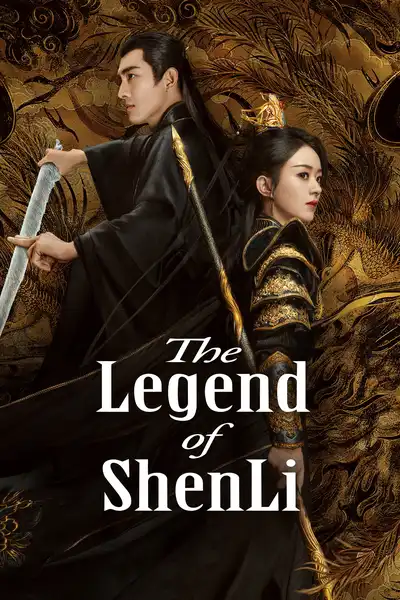
When a powerful goddess is stripped of her immortality and cast down to the mortal realm, she must navigate a dangerous world while recovering her divine powers and unraveling a celestial conspiracy. Starring Zhao Lusi as ShenLi and Lin Gengxin as Xing Zhi, this Chinese fantasy romance delivers spectacular visual effects, intricate world-building, and compelling chemistry between its leads. The series masterfully balances epic battles with intimate character moments, creating a richly layered narrative that rewards patient viewers. The costume design and cinematography are breathtaking, transporting audiences to a mythological realm that feels both fantastical and emotionally grounded. While the episode count may seem daunting, the pacing remains tight throughout, with each installment advancing either plot or character development. This is essential viewing for fans of xianxia dramas seeking a fresh take on immortal romance.
Shonda Rhimes brings her signature blend of romance, drama, and sharp dialogue to this time-travel love story that's more interested in character than mechanics. When a disillusioned wedding planner (Bridgerton's Simone Ashley) finds herself mysteriously transported to different eras whenever she touches antique engagement rings, she begins meeting the same mysterious man (Dev Patel) across centuries—but never at the right time. The premise could be gimmicky, but Rhimes and her writers use it to explore how love evolves across cultural contexts and historical moments while delivering the emotional payoffs the audience craves. The production design brilliantly captures each time period, from Regency England to 1940s Bombay to 1990s New York. Ashley and Patel have chemistry that transcends the temporal chaos, making you genuinely invest in whether these two will finally get their timing right.
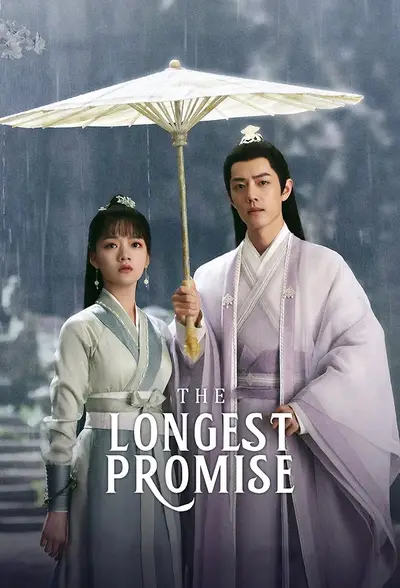
Sprawling in scope and ambitious in execution, this Chinese fantasy romance spans multiple lifetimes and realms as it follows star-crossed lovers through reincarnation and destiny. Xiao Zhan and Ren Min lead the cast in a story adapted from an online novel, where ancient promises and karmic debts shape the fates of immortals and mortals alike. The production values deliver elaborate costumes and impressive sets that create a visually rich fantasy world, while the fight choreography blends martial arts with magical elements. However, at over 40 episodes, the series suffers from pacing issues, with certain plotlines stretched beyond necessity and narrative tangents that don't always serve the central romance. The leads share chemistry, and fans of the xianxia genre will find familiar elements executed competently. Yet the excessive length and occasionally convoluted mythology may test the patience of viewers less devoted to the format.
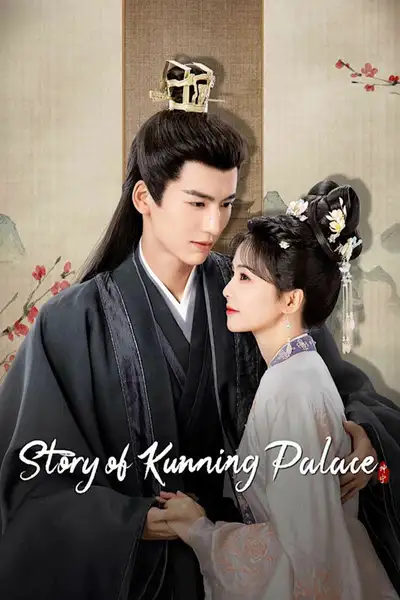
In the opulent and treacherous world of a Chinese imperial palace, a noblewoman is given an unprecedented second chance at life after a fatal betrayal. Bai Lu stars as Jiang Xuening, who uses her knowledge of future events to navigate court politics differently, attempting to avoid her tragic fate while confronting the consequences of changed choices. Zhang Linghe plays the compelling male lead in this time-loop costume drama that cleverly subverts typical genre expectations. What distinguishes this series is its focus on character growth and moral complexity rather than simple romance—Xuening is refreshingly flawed, and her journey toward redemption feels earned. The production values are exceptional, with gorgeous costumes and detailed set design bringing the period to life. The writing maintains tension even when viewers know what's coming, finding new angles on familiar palace intrigue tropes. This is sophisticated storytelling that respects its audience's intelligence while delivering the emotional satisfaction fans of the genre crave.
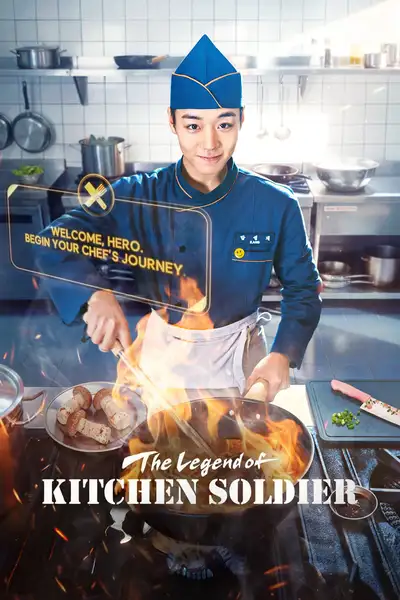
David Chang executive produces this delightful culinary drama that follows a disgraced Michelin-star chef who finds redemption by cooking for military personnel at a remote base. The series strikes a perfect balance between food porn and genuine character development, with Henry Golding delivering his best work yet as Chef Danny Kwon, a man learning that cooking with heart matters more than cooking for accolades. The kitchen sequences are mouth-wateringly filmed, but what makes the show special is how it explores themes of service, community, and second chances without becoming preachy. The supporting cast of military personnel and kitchen staff feels authentic, bringing humor and warmth to every episode. By grounding its story in the everyday heroism of feeding people well, the series finds something genuinely moving in the unlikely setting. It's comfort food television in the best possible sense.
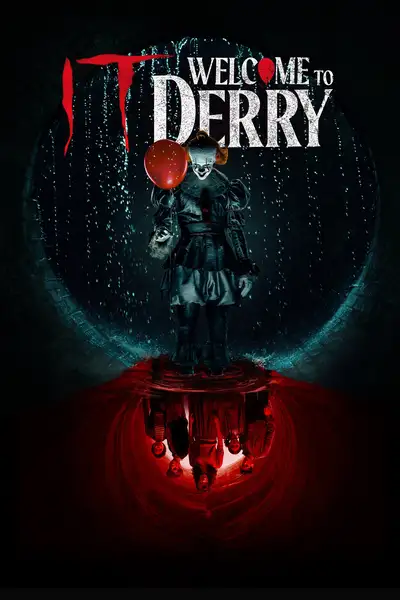
Atmospheric dread permeates every frame of this prequel series exploring the origins of Pennywise and the cursed history of Derry, Maine. Set decades before the events of Stephen King's iconic novel, the show delves into how fear took root in this seemingly ordinary town and the evil that has fed on its residents for generations. The period setting is meticulously crafted, immersing viewers in a Derry that feels both nostalgic and deeply unsettling. The creative team builds tension masterfully, understanding that horror works best when it's as much about human darkness as supernatural threats. While honoring King's source material and the world established in Andy Muschietti's films, the series carves out its own identity with fresh characters and storylines that expand the mythology. It's a worthy addition to the IT universe that horror fans will appreciate for its commitment to slow-burn scares and character-driven storytelling rather than relying solely on jump scares.
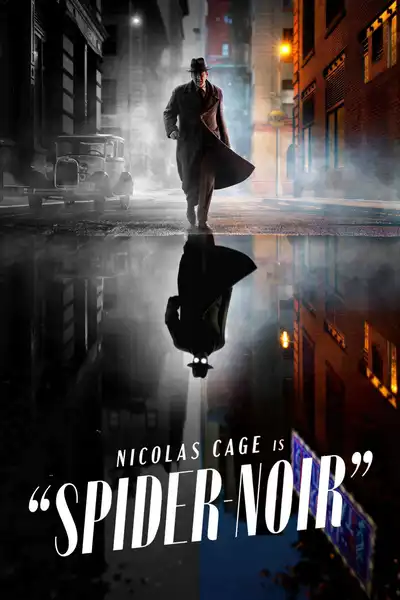
Oren Uziel and Steve Ditko bring the shadowy world of Spider-Man Noir to streaming in this visually striking series that transplants the web-slinger to 1930s New York. Nicolas Cage voices the Depression-era Peter Parker, a role he previously inhabited in the animated "Spider-Verse" film, lending gravitas to this darker, grittier take on the Spider-Man mythology. The noir aesthetic isn't just window dressing—it fundamentally shapes the storytelling, with hard-boiled narration, morally complex antagonists, and period-appropriate concerns about corruption and economic injustice. The animation style blends shadow-heavy visuals with dynamic action sequences that honor both superhero spectacle and classic film noir. By removing Spider-Man from his familiar modern setting, the series finds fresh angles on familiar themes about power and responsibility while creating atmosphere thick enough to cut with a knife.

Addictive and emotionally satisfying, this Korean revenge drama starring Park Min-young transforms a familiar premise into something genuinely compelling through sharp writing and charismatic performances. Park plays Kang Ji-won, a woman who dies after being betrayed by her husband and best friend, only to wake up ten years in the past with a chance to rewrite her fate. Na In-woo co-stars as the wealthy heir who becomes her unexpected ally in this second chance at life. What could have been a straightforward revenge tale evolves into something more nuanced, exploring themes of self-worth, genuine connection, and breaking free from toxic relationships. The chemistry between the leads elevates every scene they share, and the show smartly balances satisfying comeuppance with meaningful character growth. Director Park Won-guk maintains excellent pacing across sixteen episodes, never letting the momentum sag. It's a crowd-pleaser that earns its emotional beats honestly.