Recent Dystopian Sci-Fi Shows
The future has never looked bleaker—or more bingeworthy. Recent dystopian sci-fi shows have transformed our streaming queues into cautionary tales, exploring technological nightmares, authoritarian regimes, and post-apocalyptic wastelands with unprecedented creativity and relevance. Over the past five years, television has become the premier medium for dystopian storytelling, allowing creators to develop complex worlds and characters across multiple episodes while reflecting our contemporary anxieties about climate change, artificial intelligence, political extremism, and social collapse. Whether you're drawn to nuclear fallout scenarios, surveillance state thrillers, or speculative futures where humanity teeters on the brink, this collection of 21 dystopian sci-fi series represents the genre's most compelling recent entries. These aren't just dark visions of tomorrow—they're sophisticated explorations of where we might be headed if current trends continue unchecked. From prestige dramas that have dominated awards conversations to hidden gems that deserve wider recognition, these recently released shows prove that dystopian science fiction remains more vital and thought-provoking than ever, offering both thrilling entertainment and uncomfortable reflections of our present moment.

This post-apocalyptic science fiction series based on the beloved video game franchise follows Lucy, a sheltered vault dweller who emerges into the irradiated wasteland 200 years after nuclear war devastated civilization. Developed by Jonathan Nolan and Lisa Joy, the show stars Ella Purnell as Lucy, whose optimistic naivety clashes brilliantly with the brutal reality of the surface world. The series captures the game's distinctive retro-futuristic aesthetic and darkly comedic tone while telling an original story that respects the source material without requiring prior knowledge. Walton Goggins is exceptional as a centuries-old ghoul whose storyline spans the pre-war and post-apocalyptic eras, and Aaron Moten provides grounding as Maximus, a Brotherhood of Steel aspirant with his own agenda. The production design is remarkable, bringing the game's iconic imagery to life with impressive detail. The show balances graphic violence with genuine humor and surprising emotional depth, never losing sight of character amid the spectacle. It's rare that a video game adaptation feels this confident and fully realized, delivering both fan service and genuinely good television.
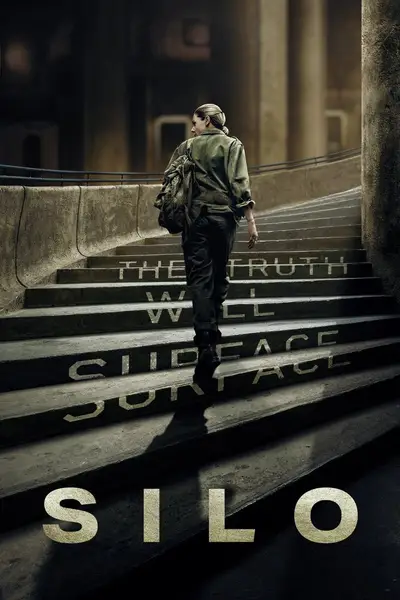
Compelling and claustrophobic, this sci-fi mystery follows the residents of an underground city who've lived for generations with no memory of why they're there or what lies outside. Based on Hugh Howey's novels and developed by Graham Yost, the series stars Rebecca Ferguson as an engineer who begins questioning the lies that hold her society together. The production brilliantly conveys the silo's oppressive atmosphere—145 floors of recycled air, recycled rules, and recycled beliefs—while slowly revealing a larger conspiracy. Ferguson anchors the show with a grounded performance that makes the increasingly wild revelations feel earned. The pacing is deliberate but purposeful, building tension through atmosphere and character rather than cheap thrills. It's smart, patient storytelling that trusts its audience.

Set in a near-future America grappling with political fragmentation, this thought-provoking series explores what happens when the nation's unity hangs by a thread. The show creates a disturbingly plausible scenario where regional divisions have deepened to crisis levels, forcing ordinary citizens and leaders alike to confront fundamental questions about democracy and national identity. The ensemble cast navigates personal and political terrain with nuance, bringing humanity to storylines that could easily feel abstract or preachy. Creator Jeff Schaffer crafts a narrative that feels both timely and timeless, using its speculative premise to examine real tensions in contemporary society. The production design effectively suggests a world that's recognizably ours but altered in subtle, unsettling ways. It's ambitious television that trusts its audience to engage with complex ideas.
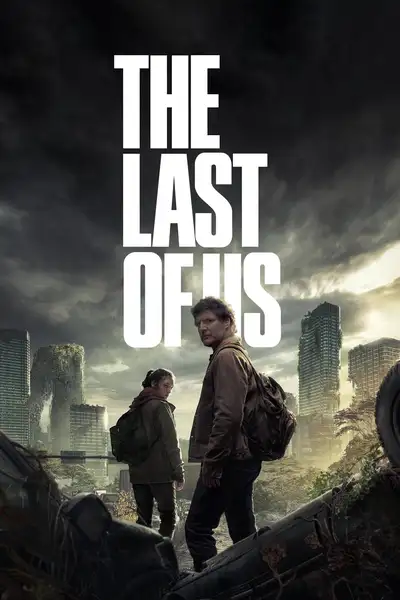
Pedro Pascal brings remarkable depth to Joel, a hardened survivor tasked with protecting Ellie (Bella Ramsey) in HBO's adaptation of the acclaimed video game. Created by Craig Mazin and Neil Druckmann, the series follows their dangerous journey across a post-apocalyptic America ravaged by a fungal infection that turns humans into monsters. What sets this adaptation apart is its commitment to character development over action spectacle—the quieter moments between Joel and Ellie resonate just as powerfully as the tense encounters with infected and hostile survivors. The production values are impressive, with desolate cityscapes and abandoned landscapes that feel hauntingly real. While the pacing occasionally slows, the emotional core remains strong throughout, making this a solid entry in the post-apocalyptic genre that respects its source material while standing on its own merits.
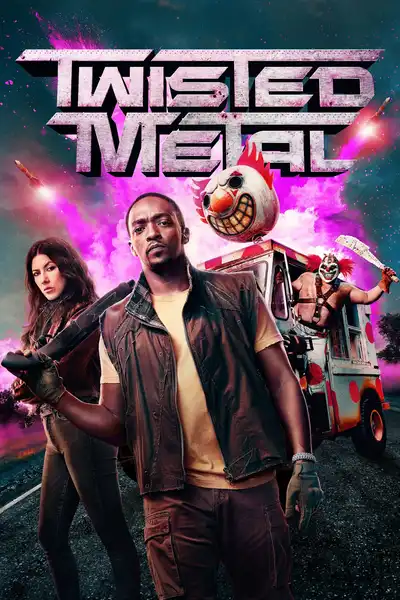
Anthony Mackie stars as John Doe, a motor-mouthed driver with amnesia navigating a post-apocalyptic wasteland in this adaptation of the cult video game franchise. Created by Michael Jonathan Smith for Peacock, the series embraces the game's violent absurdity while building surprisingly genuine character dynamics beneath the vehicular mayhem. Stephanie Beatriz brings intensity as a car thief with her own agenda, and the chemistry between the leads gives emotional weight to the destruction. The action sequences deliver the spectacular car combat fans expect, with practical effects that give the chaos satisfying heft. While it doesn't reinvent the wheel in terms of storytelling, it understands what made the source material memorable and translates that effectively to television without taking itself too seriously or becoming empty spectacle.
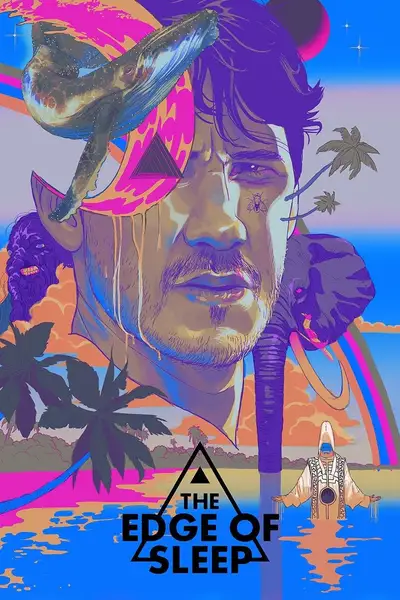
A security guard discovers that anyone who fell asleep has died, forcing him and a small group of survivors to stay awake while searching for answers to the global catastrophe. This science fiction thriller stars Markiplier (Mark Fischbach) in his first major television role, bringing his considerable online following to a high-concept mystery. Created by Corey Adams and Jake Emanuel, the series expands their earlier podcast into a visual medium with ambitious ideas about consciousness and survival. The premise generates natural tension—the biological need for sleep becomes a ticking clock—and the show makes effective use of its apocalyptic setting. While some plot developments feel rushed and the broader mythology doesn't always hold together under scrutiny, the series delivers enough intriguing moments and genuine suspense to maintain interest. Fischbach proves he can carry dramatic material, and fans of cerebral horror will find elements to appreciate even if the execution doesn't quite match the concept's potential.
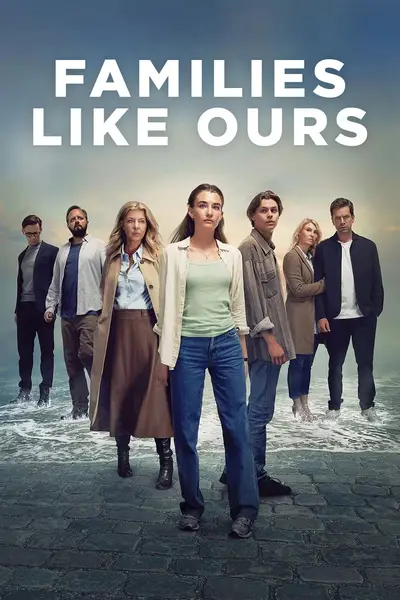
Set in a near-future Denmark facing catastrophic climate change, this drama follows families forced to make impossible choices as rising sea levels threaten their homeland. Created by Thomas Vinterberg, the series explores a government-mandated relocation program that tests the bonds of community, family, and national identity. Lead performances from the ensemble cast ground the speculative premise in emotional reality, though the pacing occasionally drags during the middle episodes. The show succeeds in making its environmental concerns feel immediate and personal rather than preachy, focusing on human relationships under pressure. While it doesn't always reach the dramatic heights it aims for, the series offers a thoughtful meditation on displacement, adaptation, and what we're willing to sacrifice for survival in an increasingly uncertain world.
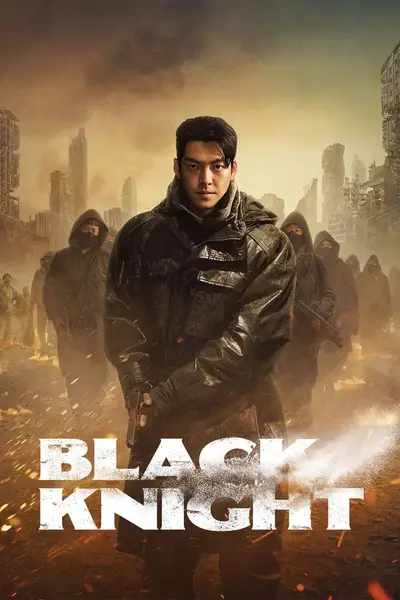
Kim Eun-hee, the creator behind "Kingdom" and "Signal," brings her dystopian vision to this post-apocalyptic series set in a future Korea where environmental disaster has made breathable air a luxury. The story follows deliverymen called "Black Knights" who risk their lives transporting essential supplies through dangerous, polluted wastelands to segregated communities divided by wealth and access to clean air. Kim Woo-bin stars as the legendary deliveryman 5-8, while the series builds a world where class divisions have reached extreme conclusions and survival depends on both physical resilience and moral choices. The production design effectively creates a believable ruined world, and the action sequences deliver solid entertainment even when the broader narrative feels overly familiar to fans of dystopian fiction. While it doesn't quite reach the heights of Kim Eun-hee's previous work and sometimes prioritizes spectacle over character development, the show offers enough compelling world-building and social commentary to warrant attention from science fiction fans looking for their next Korean drama.

Dark, satirical, and occasionally profound, this anthology series examines how digital connectivity shapes modern relationships, ambitions, and anxieties. Each episode presents a standalone story exploring different aspects of social media culture, from influencer desperation to algorithmic manipulation to the performance of online identity. Creator Marcus Webb assembles strong casts for each installment, including standout performances from Jade Chen and Robert McKenzie in the series' most effective episodes. The show works best when it balances its cynicism with genuine empathy for characters trapped in digital feedback loops. However, the quality varies significantly between episodes—some offer genuinely insightful commentary on contemporary life, while others feel like warmed-over Black Mirror concepts without the execution to match. The tone can also feel punishingly bleak, offering little hope or nuance in its portrayal of technology's impact on humanity.

In this series spin-off from the animated classic, the beloved stepbrothers share their daily observations and schemes through video diaries recorded from Phineas's locker. The format attempts to translate the show's signature creativity and optimism into bite-sized episodes, with each entry documenting a different project or adventure. However, the locker diary conceit feels unnecessarily constraining, limiting the visual invention and elaborate musical numbers that made the original so distinctive. Younger viewers who grew up with Phineas and Ferb may appreciate the continued presence of familiar characters, and occasional appearances by Perry the Platypus provide nostalgic moments. The voice cast returns, maintaining continuity, but the scripts lack the clever wordplay and genuine heart that elevated the best episodes of the parent series. It functions adequately as background entertainment for established fans, though it's unlikely to create new devotees or be remembered as essential viewing within the franchise's larger legacy.
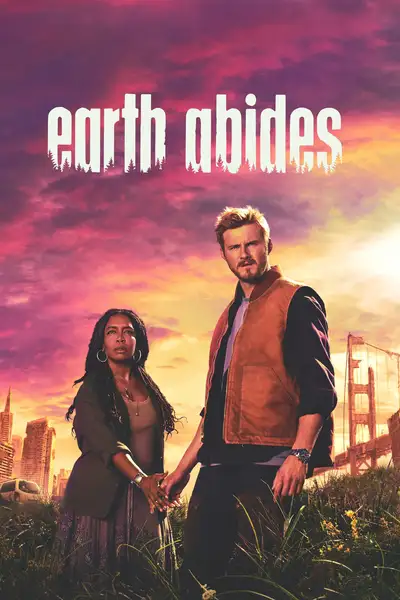
Showrunner Todd Komarnicki adapts George R. Stewart's classic post-apocalyptic novel about a man who survives a devastating plague that wipes out most of humanity, then must navigate the collapse of civilization and the emergence of a new world. Alexander Ludwig stars as Isherwood Williams, whose journey from isolated survivor to reluctant leader spans decades as he witnesses humanity's struggle to rebuild. The source material is thoughtful science fiction that examines how societies form and what knowledge gets preserved or lost, but the series struggles to maintain momentum across its episodic structure. Jessica Frances Dukes appears as one of the few other survivors Ish encounters, though character development often takes a backseat to philosophical pondering about civilization's fragility. The production design effectively conveys the eerie emptiness of abandoned cities and the gradual return of nature, but the pacing feels uneven, with some episodes lingering too long on Ish's isolation while rushing through potentially interesting later developments. There are compelling ideas here about community, survival, and what makes us human, but the execution doesn't quite match the ambition, resulting in a series that's occasionally thought-provoking but never fully engaging.
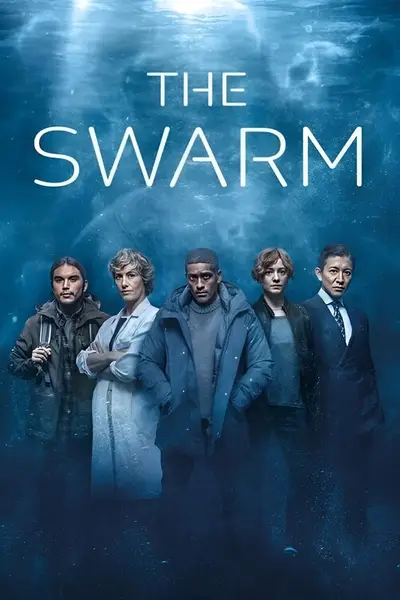
Ominous and sprawling, this ecological thriller plunges viewers into a global crisis when marine life begins coordinated attacks on humanity, threatening civilization itself. Based on Frank Schätzing's bestselling novel, the international production brings together a massive ensemble cast including Barbara Sukowa, Cécile de France, and Alexander Karim to track scientists, fishermen, and activists racing to understand what's happening beneath the ocean's surface. The series impresses with its ambitious scope and genuinely unsettling premise—the idea of nature as an intelligent, retaliatory force taps into very contemporary anxieties about climate change. At eight episodes, the pacing occasionally drags as it juggles multiple storylines across continents, but the commitment to scientific plausibility grounds even the wildest developments. The effects work is strong, particularly in depicting the marine attacks, and the international perspective prevents the common Hollywood pitfall of American-centric disaster storytelling. It's thoughtful genre television that respects its audience's intelligence.
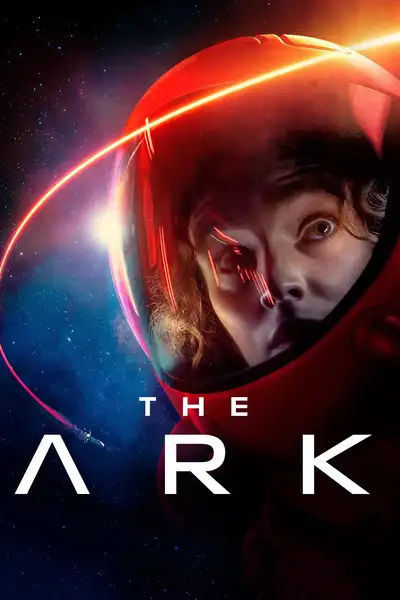
A century from now, aboard a massive spacecraft transporting colonists to a distant planet, disaster strikes and a group of survivors must maintain order while investigating potential sabotage. Created by Dean Devlin, this sci-fi series stars Christie Burke and Richard Fleeshman as crew members thrust into leadership when most senior officers are killed. The show aims for the claustrophobic paranoia of classic space thrillers while building a season-long mystery about who might be undermining the mission. Unfortunately, the execution rarely matches the ambition—the visual effects vary wildly in quality, the dialogue tends toward exposition, and character decisions often serve plot convenience rather than internal logic. There are glimmers of interesting ideas about social breakdown and survival ethics, but they're buried under uneven pacing and melodramatic plotting. Genre completists might find enough here to pass the time, though you'll wish it were better.
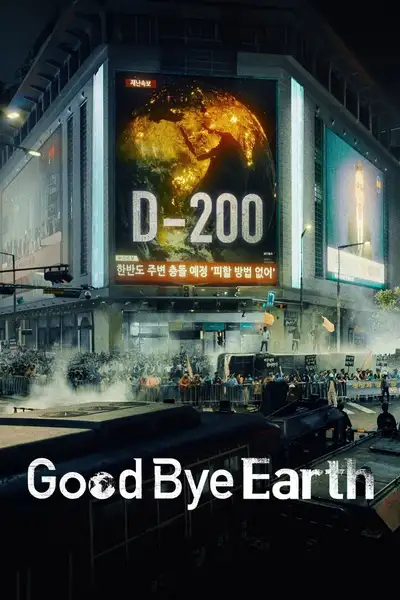
Jung Sung-joo's adaptation of Kotaro Isaka's novel about Earth's final days before an asteroid impact starts with an intriguing premise but squanders it through unfocused storytelling and melodramatic excess. The series follows various characters, including a teacher played by Ahn Eun-jin and a priest played by Yoo Ah-in, as society unravels during humanity's last 200 days, but the execution feels scattered and overwrought. Rather than offering meaningful exploration of how people face extinction, the show gets bogged down in soap opera plotting, unconvincing character motivations, and heavy-handed symbolism that beats viewers over the head. The apocalyptic setting feels underutilized—aside from occasional news reports, daily life continues with implausible normalcy. Performances are uneven, with some actors seemingly in different shows tonally, and the pacing lurches between tedium and rushed revelations. What could have been a thoughtful meditation on mortality and meaning instead becomes a frustrating slog that doesn't earn its grim premise.