Recent Disaster Shows
When the world hangs in the balance and survival becomes the ultimate stakes, recent disaster shows deliver edge-of-your-seat entertainment that feels more relevant than ever. The last five years have ushered in a new era of catastrophe television, where cutting-edge visual effects and contemporary storytelling techniques transform earthquakes, pandemics, solar flares, and apocalyptic events into gripping serialized dramas. These newest disaster series tackle fresh scenarios that mirror modern anxieties while pushing the boundaries of what television can achieve in depicting large-scale calamities. From first responders racing against time to communities struggling to rebuild after civilization-altering events, today's disaster programming combines intense action sequences with character-driven narratives that explore humanity's resilience in the face of unthinkable destruction. Whether you're drawn to geological catastrophes, technological disasters, or multi-episode arcs that explore the long-term aftermath of world-changing events, the most recently released shows in this genre showcase how far disaster television has evolved with modern production values and increasingly sophisticated approaches to depicting chaos and survival.
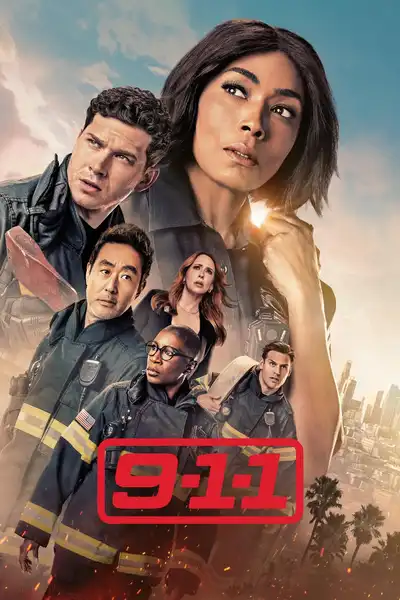
At its core, this series is about everyday heroes who run toward danger while others flee, exploring the physical and emotional toll of emergency response work. Created by Ryan Murphy, Brad Falchuk, and Tim Minear, the show follows Los Angeles first responders including firefighters, paramedics, and dispatchers as they handle crises both spectacular and intimate. Angela Bassett commands attention as LAFD battalion chief Athena Grant, while Peter Krause leads the firefighting team with a mix of courage and vulnerability. The series doesn't shy away from depicting the strain that constant exposure to trauma places on these professionals and their families. While the emergencies themselves range from realistic to deliberately outlandish, the character development remains grounded. The ensemble cast creates believable camaraderie, making you invested in their personal lives between the high-stakes rescues.
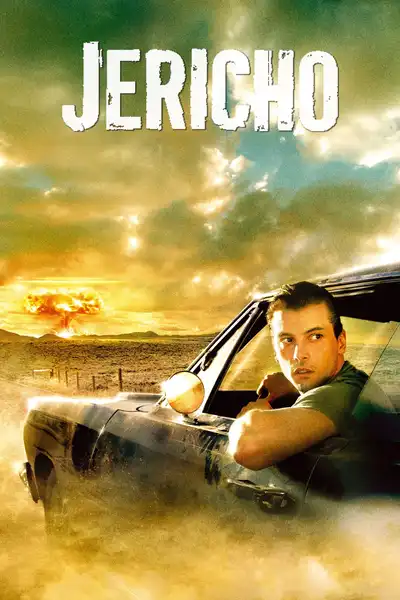
Tense and atmospheric, this post-apocalyptic drama creates a genuinely unsettling vision of small-town America cut off from the world. Created by Stephen Chbosky, Josh Schaer, and Jonathan E. Steinberg, the series follows the residents of Jericho, Kansas, after nuclear explosions destroy multiple American cities. Skeet Ulrich leads the ensemble as Jake Green, a prodigal son who must help his hometown survive in this new reality. What distinguishes the show is its focus on practical concerns—food, power, medicine—rather than zombie-style action. The mystery of who attacked America and why unfolds gradually while the townspeople face moral dilemmas about resource allocation and justice without federal authority. The relationships feel authentic, and the sense of mounting dread as winter approaches is palpable throughout the first season.
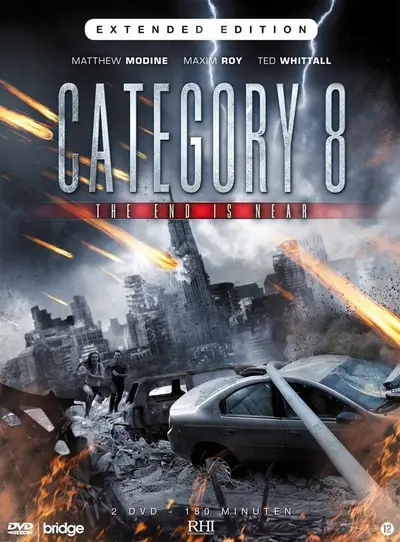
This disaster miniseries follows a scientist and a emergency response coordinator as they race against time to prevent catastrophic solar activity from destroying Earth's infrastructure and triggering civilization's collapse. Matthew Modine stars alongside Ted Atherton and Kalinka Pétrie in a race-against-the-clock scenario that leans heavily into well-worn catastrophe television tropes. The solar storm concept provides decent pseudo-scientific foundation for the chaos, though the execution toggles between genuinely tense moments and inadvertently campy melodrama. Production values appear constrained by the television budget, with CGI destruction sequences that don't always convince. The script, however, deserves some credit for attempting to ground consequences in realistic infrastructure vulnerabilities—power grids, communications, and transportation all face plausible threats. Character development takes a backseat to plot mechanics, leaving the capable cast working with thinly sketched archetypes. It's passable background viewing for natural disaster enthusiasts, though don't expect the polish of theatrical catastrophe films.

From creators Harry and Jack Williams comes this thriller that follows Kate Beckinsale's Georgia Wells, a woman who travels to the Democratic Republic of Congo after seeing footage that suggests her husband, presumed dead in a plane crash three years earlier, might actually be alive. The eight-episode series boasts gorgeous African locations and Beckinsale's committed performance as a woman pursuing answers against increasingly dangerous odds. However, the mystery at the show's core stretches thin over its runtime, with revelations that don't always justify the journey. The supporting cast, including Charles Dance and Ólafur Darri Ólafsson, do solid work, but the script sometimes sacrifices character consistency for plot twists. While there are genuinely tense moments and the production values are strong, the series struggles to maintain momentum through its middle episodes. It's watchable enough for fans of international thrillers, but it ultimately feels like a story that might have worked better as a tighter, shorter offering rather than a full series.
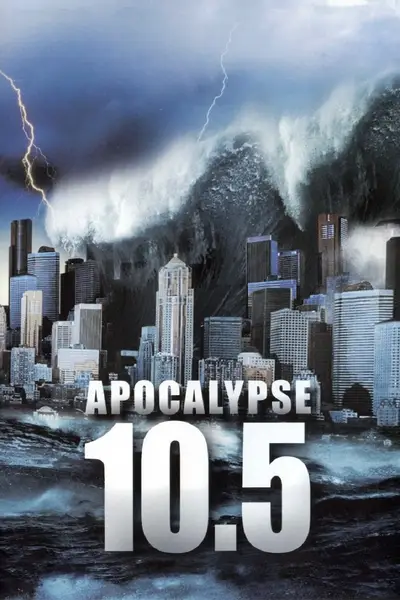
Ominous and disaster-laden, this miniseries follows the catastrophic aftermath of massive earthquakes threatening to tear North America apart. 10.5: Apocalypse serves as a sequel to the original 10.5, escalating the geological mayhem to apocalyptic proportions as scientists and government officials race against time to prevent total continental destruction. The production values reflect its made-for-television origins, with special effects that range from adequately convincing to noticeably dated even by mid-2000s standards. Kim Delaney returns alongside an ensemble cast that includes Dean Cain and David Cubitt, all working earnestly with material that prioritizes spectacle over scientific accuracy. The series delivers exactly what its title promises—overwrought disaster scenarios with melodramatic personal stakes woven throughout. It's the kind of guilty pleasure viewing that demands viewers check their skepticism at the door and simply enjoy the chaos.
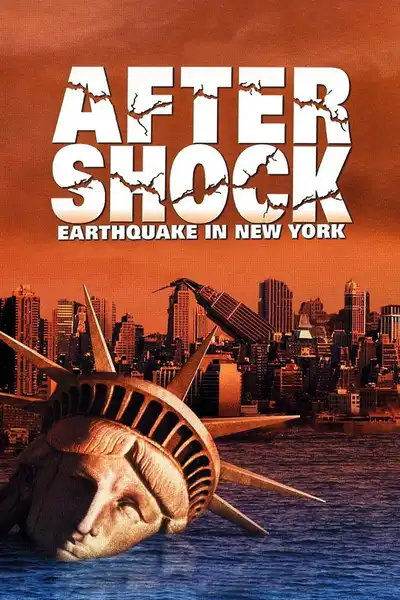
When a catastrophic earthquake strikes New York City, multiple storylines follow diverse characters struggling to survive the devastation and find their loved ones amid the chaos. This disaster miniseries features an ensemble cast including Tom Skerritt, Sharon Lawrence, and Charles S. Dutton, all playing New Yorkers whose lives intersect during the crisis. Directed by Mikael Salomon, the production attempts to blend human drama with spectacular destruction sequences, focusing on first responders, trapped survivors, and families separated by the catastrophe. The practical effects and miniature work capture the scale of destruction reasonably well for a late-90s television production, though CGI elements have aged poorly. Where the miniseries succeeds is in its character-driven moments, with the cast delivering committed performances that ground the melodrama in genuine emotion. However, the script relies heavily on disaster movie clichés, and some storylines feel underdeveloped given the runtime. The scientific accuracy regarding earthquakes in New York is questionable, but viewers seeking classic disaster television with competent execution will find it delivers adequately on that front.