Recent Crime Shows
The golden age of crime television continues to evolve, and the last five years have delivered some of the most innovative and gripping crime shows to ever grace our screens. From gritty procedurals that pull back the curtain on modern policing to sophisticated character studies of criminals and those who chase them, recent crime shows are pushing boundaries with complex narratives, morally ambiguous protagonists, and contemporary storytelling techniques that reflect our current social landscape. Whether you're drawn to psychological thrillers that explore the criminal mind, hard-boiled detective stories with fresh perspectives, or sprawling crime sagas that examine corruption at every level, the newest entries in this beloved genre offer something for every fan of suspenseful, intelligent television. These 21 recent crime shows represent the best of contemporary criminal drama, showcasing diverse settings from urban underbellies to corporate boardrooms, and featuring investigations that range from street-level cases to international conspiracies. Each series brings its own unique twist to crime storytelling, proving that this genre remains as vital and compelling as ever in capturing audiences who crave intricate plots, memorable characters, and the eternal battle between law and lawlessness.
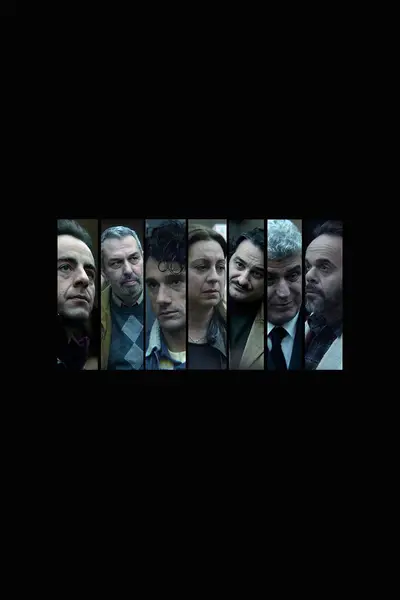
Crime thriller enthusiasts, get ready for something exceptional. This taut series delivers edge-of-your-seat tension as it chronicles an intricately planned heist that spirals into unexpected territory. Creator Fabrice Gobert orchestrates a masterclass in suspense, where every detail matters and trust becomes the scarcest commodity. The ensemble cast, led by compelling performances that crackle with intensity, brings depth to characters who exist in morally ambiguous spaces. What sets this apart from standard heist fare is its willingness to explore consequences—both immediate and long-term—with unflinching honesty. The cinematography captures both the glittering allure and grimy reality of the criminal underworld, while the score ratchets up tension precisely when needed. The plotting is so meticulous that rewatching reveals new layers of foreshadowing and character motivation. This is sophisticated, intelligent crime drama that respects its audience's ability to keep up with complex narrative threads.
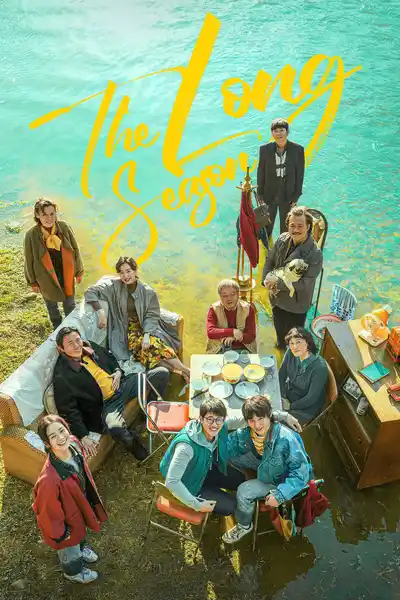
Set across multiple decades in a northeastern Chinese industrial town, this masterfully crafted crime thriller from director Qin Hao examines how past traumas echo through generations with devastating precision. The series opens with a retired detective's son disappearing, pulling him back into an unsolved 1998 case involving murdered factory workers during China's painful economic reforms. What unfolds is a haunting meditation on loss, complicity, and the human cost of societal transformation, anchored by extraordinary performances from Fan Wei and Qin Hao himself. The show's patient pacing allows complex character relationships to breathe while maintaining gripping suspense, and its visual language—all oppressive grays and industrial decay—perfectly mirrors its themes of dreams deferred and lives broken by forces beyond individual control. This is prestige television at its finest: emotionally devastating, intellectually rigorous, and formally ambitious. Every narrative thread serves the larger tapestry, building to revelations that feel both shocking and inevitable. Essential viewing for anyone seeking mature, sophisticated storytelling.
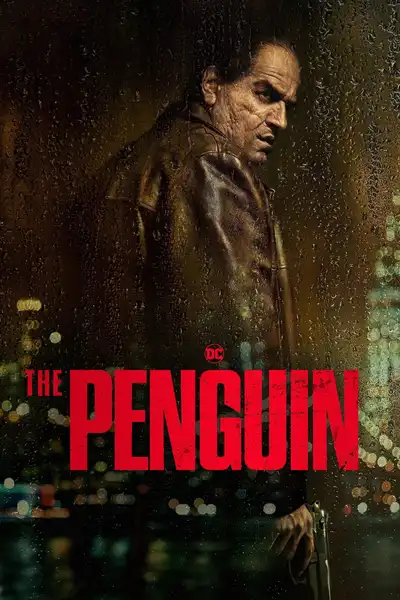
Colin Farrell returns as Oz Cobb, the disfigured gangster from The Batman, in this HBO series that cements the character as one of television's most compelling antiheroes. Under layers of prosthetics that transform him completely, Farrell delivers a powerhouse performance as Oz claws his way up Gotham's criminal underworld following the Riddler's devastation of the city. Showrunner Lauren LeFranc crafts a gritty crime saga that stands alongside prestige dramas like The Sopranos, exploring power, loyalty, and the American dream's darkest perversions. Cristin Milioti is equally magnetic as Sofia Falcone, bringing complexity to what could have been a standard villain role. The series doesn't pull punches—it's brutal, morally complex, and deeply character-driven, more interested in psychological warfare than superhero spectacle. The production design maintains Matt Reeves's film aesthetic while expanding Gotham's criminal landscape. It's proof that comic book properties can produce truly adult drama when given proper creative freedom.
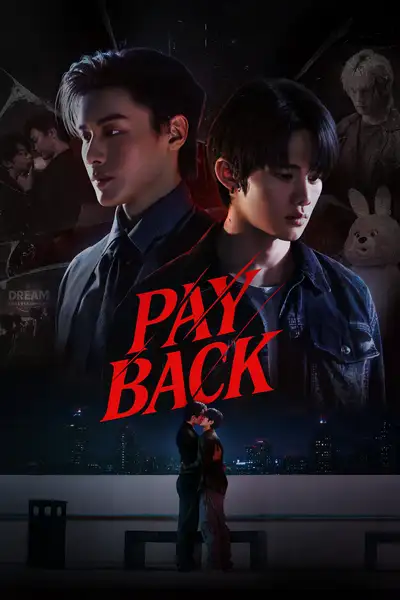
Set against the gritty backdrop of contemporary Seoul's financial district, this upcoming thriller follows a former prosecutor who returns to take down the corrupt system that destroyed her career. Created by Kim Min-seo, "Payback" stars Park Ji-hyun as the determined protagonist who must navigate dangerous alliances and moral grey areas in her quest for justice. The series taps into timely themes about corporate corruption and institutional power, grounding its revenge narrative in real-world concerns that give the stakes genuine weight. Director Choi Sung-ho brings a slick visual style to the proceedings, capturing both the gleaming surfaces and dark underbelly of Seoul's business world. The ensemble cast, including veteran actor Lee Dong-wook, delivers compelling performances that elevate the material beyond standard thriller fare. What works particularly well is how the show balances its propulsive plot with character development, ensuring we're invested in more than just the next twist. It's shaping up to be an engaging watch for fans of intelligent, character-driven thrillers.
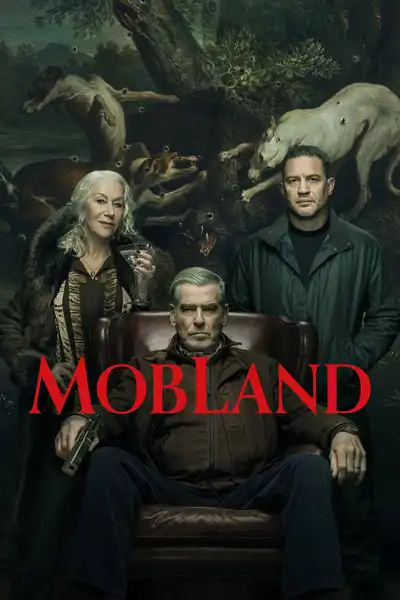
In this gritty crime drama, the intricate power structures of organized crime collide with law enforcement in a tense exploration of loyalty, betrayality, and survival. The series delves deep into mob culture with authenticity and attention to detail that fans of the genre will appreciate. Strong performances across the ensemble cast bring complexity to characters who exist in moral gray zones, making it difficult to draw clear lines between heroes and villains. The writing avoids obvious clichés while still delivering the confrontations and power plays that make mob stories compelling. Production values are consistently high, with atmospheric cinematography that captures both the glamour and seediness of criminal enterprise. While it covers familiar territory, the execution is sharp enough to distinguish it from countless other organized crime series. For viewers who can't get enough of this particular genre, it offers a satisfying addition to the canon.
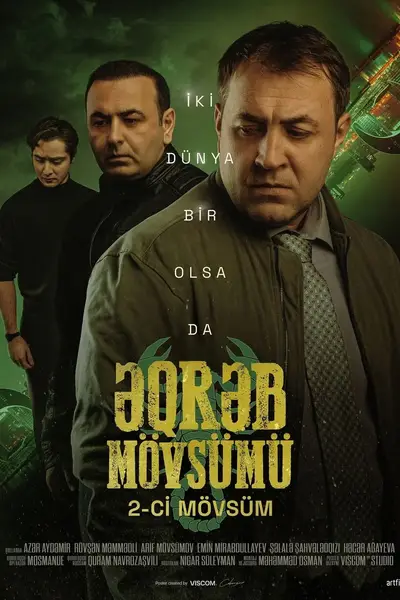
A seemingly routine investigation into a missing person case spirals into something far more sinister when detectives discover connections to a series of unsolved disappearances spanning years. This Dutch crime thriller, created by Diederik Van Rooijen and starring Fedja van Huêt and Sigrid ten Napel, hooks you immediately with its premise and maintains that grip across its run. The Scorpio of the title refers to cryptic clues left at each crime scene, suggesting a methodical killer who's been operating undetected far longer than anyone realized. What elevates this above standard procedural fare is the attention paid to the investigators' own lives and the toll this case takes on them—these aren't just crime-solving machines but fully realized people with families and vulnerabilities. The Dutch production values are excellent, and the plotting moves with confidence toward a conclusion that satisfies without feeling predictable.
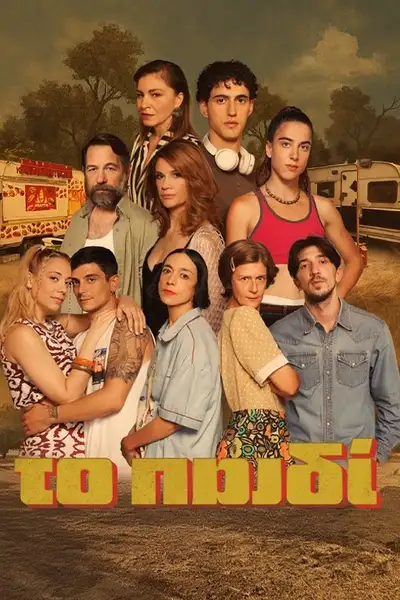
At its core, "To Paidi" (The Child) is a profound meditation on identity, belonging, and the complex nature of family bonds that transcends traditional definitions of parenthood. Greek writer-director Athena Papadopoulos crafts an emotionally intelligent narrative following a childless couple, Dimitris and Elena (played with remarkable subtlety by Yannis Stankoglou and Maria Kavoyianni), whose lives transform when a mysterious child appears at their doorstep with no memory of his past. The series resists easy answers, instead allowing the central mystery to unfold organically while exploring how this arrival forces each character to confront their own definitions of responsibility and love. The Athens setting provides atmospheric beauty without overwhelming the intimate character work, and the young Nikos Zeginoglou delivers an astonishingly mature performance as the enigmatic child. While the deliberate pacing may test some viewers' patience, those willing to invest will find a richly rewarding exploration of what it means to choose family rather than simply inherit it.
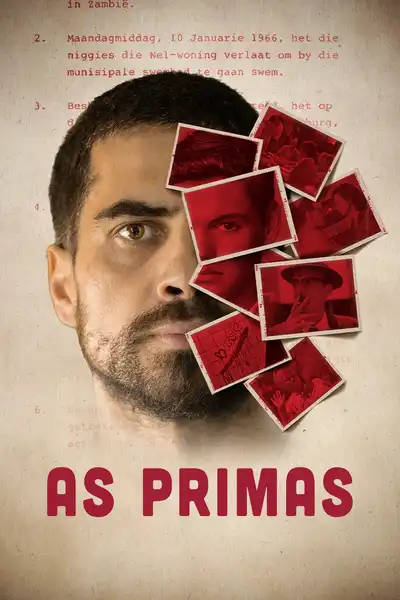
In the working-class neighborhoods of modern-day Newcastle, this 2025 British drama follows a group of young friends navigating economic hardship, family dysfunction, and limited opportunities while maintaining fierce loyalty to each other and their community. Created by Stephen Graham, who also directs several episodes, Niggies (local slang for "friends" or "mates") aims for gritty authenticity in its depiction of contemporary Northern England, featuring dialogue thick with regional dialect and situations drawn from real social conditions. The young ensemble cast, mostly newcomers, brings raw energy to their roles, though the performances range from genuinely naturalistic to occasionally amateurish. Graham's directorial hand is evident in the series' best moments—quiet scenes that reveal character through behavior rather than exposition—but the writing doesn't always match that subtlety, sometimes explaining themes that the visuals already conveyed. The series tackles addiction, unemployment, and cyclical poverty with good intentions, though it occasionally borders on misery tourism. When Niggies trusts its characters enough to show their resilience and humor alongside their struggles, it achieves something worthwhile, but tonal consistency remains elusive.
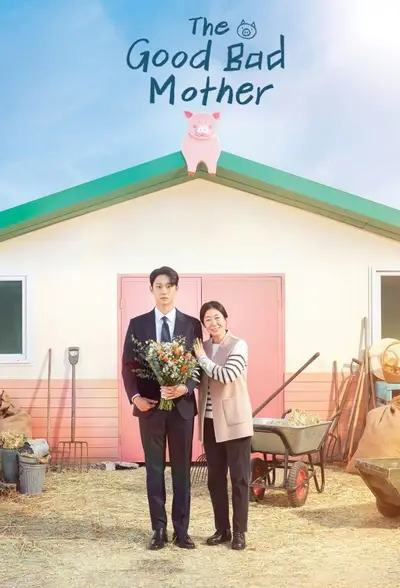
This Korean melodrama follows a domineering mother whose overprotective parenting of her prosecutor son takes a dramatic turn when an accident erases his memory and transforms their toxic relationship. The series masterfully shifts between tearjerker and heartwarming redemption story as Kang-ho reverts to a childlike state, forcing his mother Jin Young-soon, played by Ra Mi-ran, to confront the damage her extreme parenting has caused. Ra delivers a powerhouse performance that takes Young-soon from seemingly villainous to deeply sympathetic as layers of her own trauma are revealed. Lee Do-hyun matches her as Kang-ho, making his character's regression believable while maintaining dignity throughout. Created by Bae Hee-young, the series doesn't shy away from difficult themes including childhood trauma, abuse, and the cycle of generational pain, but it handles them with surprising sensitivity. The supporting cast, including Ahn Eun-jin as Kang-ho's childhood friend, adds emotional depth to what could have been a simple recovery story. It's an emotionally manipulative show, to be sure, but it earns its tears through strong performances and genuine character growth rather than cheap tricks.
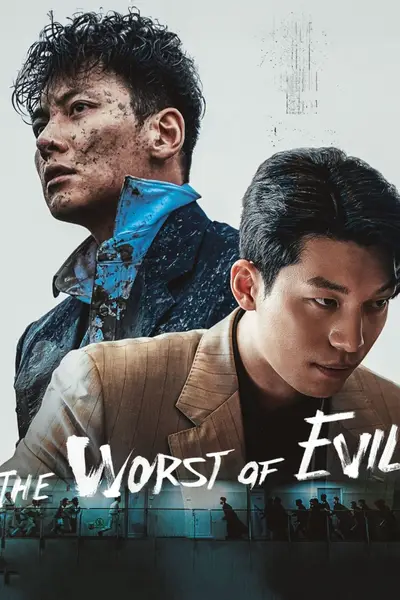
At its core, this Korean crime thriller explores the corrupting nature of power and the moral compromises required when working undercover in criminal organizations. Ji Chang-wook delivers an intense performance as Park Jun-mo, a rural police officer who infiltrates a major drug trafficking ring operating between Korea, China, and Japan during the 1990s. Created by Jang Hang-jun, the series examines how assuming a criminal identity begins to erode Jun-mo's sense of self, while his wife (Im Se-mi), also an undercover officer, faces her own dangerous assignment. The period setting is meticulously crafted, and the action sequences are visceral without becoming gratuitous. Wi Ha-joon is particularly compelling as the charismatic gang leader whose friendship with Jun-mo complicates everything. It's a taut, intelligent thriller that understands the psychological toll of deception.
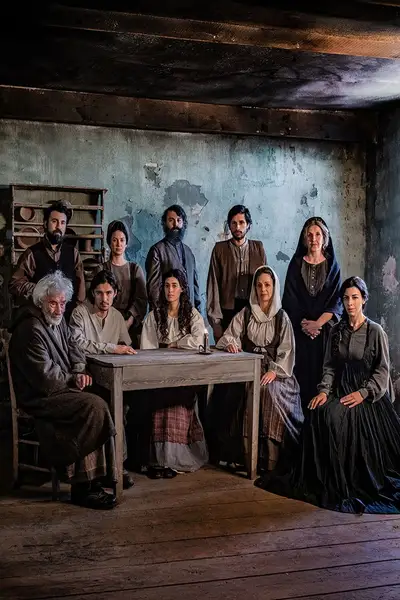
Creator Dimitris Apostolou delivers a gripping Greek drama that explores themes of justice, morality, and the impossibility of true innocence in a society built on compromises and secrets. The series weaves together multiple storylines across different social strata, examining how one tragic event reverberates through an entire community, forcing characters to confront uncomfortable truths about themselves and each other. The ensemble cast delivers powerfully nuanced performances, with each actor bringing depth to morally complex characters who resist easy categorization as heroes or villains. Apostolou's direction maintains tension throughout while allowing quieter, character-driven moments to breathe. The cinematography captures both the beauty and harsh realities of contemporary Greek life, creating a visual language that reinforces the show's thematic concerns. This is sophisticated storytelling that trusts its audience to engage with difficult questions without providing simple answers—a standout addition to the current wave of European prestige television.
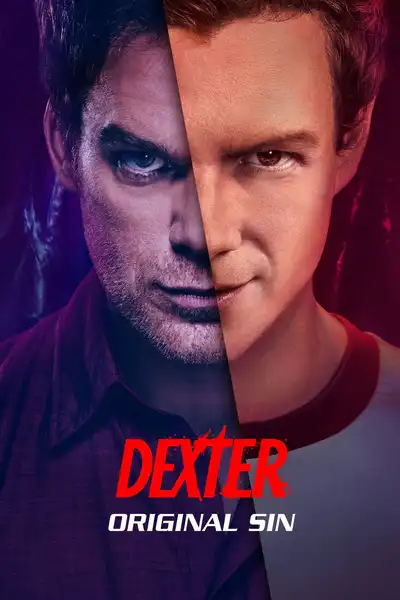
In this prequel series, we witness Dexter Morgan's formative years as he evolves from troubled teenager into the methodical vigilante serial killer of the original show. Patrick Gibson takes on the younger version of Michael C. Hall's iconic character, capturing both the vulnerability and emerging darkness under the guidance of his father Harry, played by Christian Slater. Developed by Clyde Phillips, who shepherded the original series' best seasons, the show explores the establishment of "the Code" while revealing how trauma, mentorship, and inherent nature combined to create one of television's most compelling antiheroes. The period setting of early 1990s Miami adds nostalgic texture while the writing maintains the psychological complexity that made Dexter fascinating. Rather than simply mining nostalgia, the prequel format provides genuine insight into character development and moral compromises, offering longtime fans deeper understanding while welcoming newcomers with propulsive storytelling.
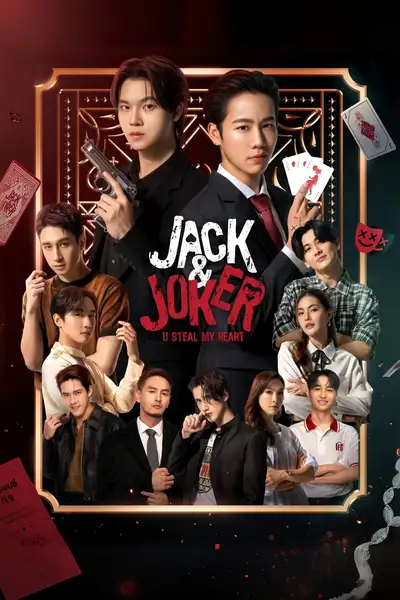
Fernando Meirelles, whose film "City of God" became a landmark of world cinema, serves as executive producer for this continuation set two decades after the original story in Rio de Janeiro's favelas. The series attempts to recapture the kinetic energy and social commentary that made the film resonate globally, following a new generation caught in cycles of violence and systemic poverty. Alexandre Rodrigues returns as Buscapé, now a photographer documenting the community he once fled, alongside new cast members representing contemporary favela youth. The direction occasionally achieves the propulsive visual style of its predecessor, and the show doesn't shy from depicting harsh realities of gang warfare and police corruption. However, it struggles under the weight of expectations—what felt revolutionary in 2002 now seems familiar, and the narrative retreads thematic ground without offering fresh insights. Some performances compel, and individual episodes achieve genuine impact, but the overall execution feels more like dutiful homage than vital storytelling. Fans of the original may find value in revisiting this world, though the series never escapes its predecessor's shadow.
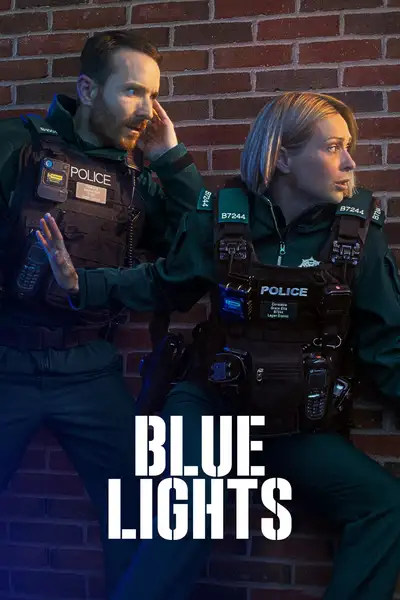
Siân Brooke and Katherine Devlin star as rookie police officers Grace and Annie, thrown into the deep end patrolling the challenging streets of contemporary Belfast in this gripping police drama. Created by Declan Lawn and Adam Patterson (formerly journalists who covered the Northern Ireland conflict), the series brings authentic texture to its portrayal of modern policing in a city still haunted by its troubled past. The show excels at balancing intense action sequences with quieter moments exploring the personal toll of the job, as Grace and Annie navigate everything from sectarian tensions to drug violence while trying to maintain their own moral compasses. What distinguishes this from standard cop dramas is its specificity of place—Belfast itself becomes a character, and the show doesn't shy from addressing the complex political and social realities of post-Troubles Northern Ireland. The two leads have excellent chemistry, and the writing trusts viewers to handle moral ambiguity without easy answers.
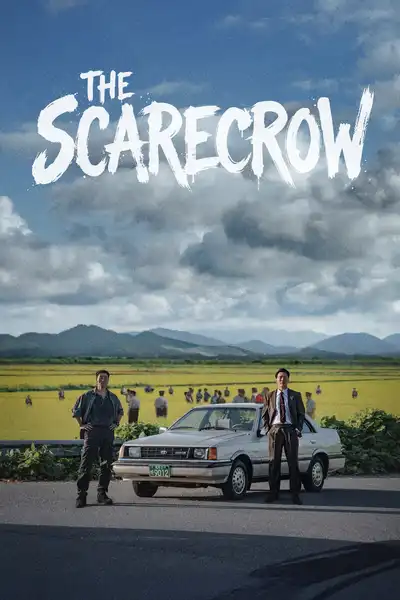
Mesmerizing, unsettling, and utterly original, this rural horror series from creator Hannah Morrison redefines what television horror can achieve. Set on an isolated farm where mysterious figures begin appearing in the fields each morning, the show follows the Chen family as they uncover the dark history connecting their land to a series of disappearances spanning decades. Lead actress Sandra Oh delivers a powerhouse performance as the matriarch desperate to protect her family while confronting buried secrets, supported brilliantly by Brian Tyree Henry as a detective whose own past intersects with the mystery. The cinematography transforms cornfields and barns into landscapes of genuine dread, while the slow-burn pacing allows tension to build to almost unbearable levels. This is horror that trusts its audience, rewarding attention with rich symbolism and devastating emotional payoffs.
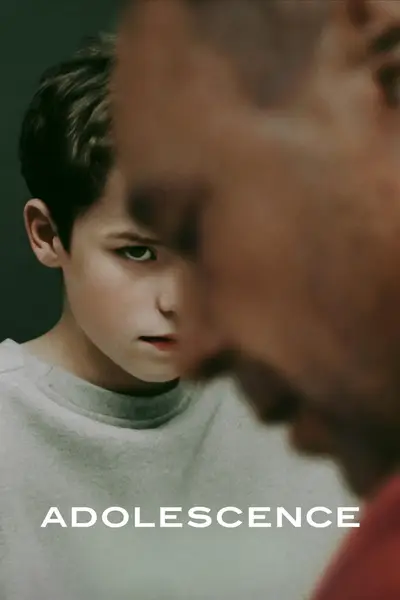
Set in contemporary times while exploring the universal struggles of teenage life, this coming-of-age drama captures the intensity and confusion of adolescence with remarkable authenticity and emotional honesty. The series follows a diverse group of teenagers navigating identity, relationships, family expectations, and the search for belonging in an increasingly complex world. The young cast delivers naturalistic performances that avoid the overly polished quality that often plagues teen dramas, making their characters' experiences feel immediate and genuine. Creator and showrunner bring sensitivity to topics like mental health, sexuality, and cultural identity without making the show feel like an after-school special. The cinematography and soundtrack work together to capture both the excitement and anxiety of being young, using visual style to reflect the characters' internal states. While it covers familiar territory, the show's commitment to honest portrayal and its willingness to let moments breathe without rushing to resolution give it depth and resonance.
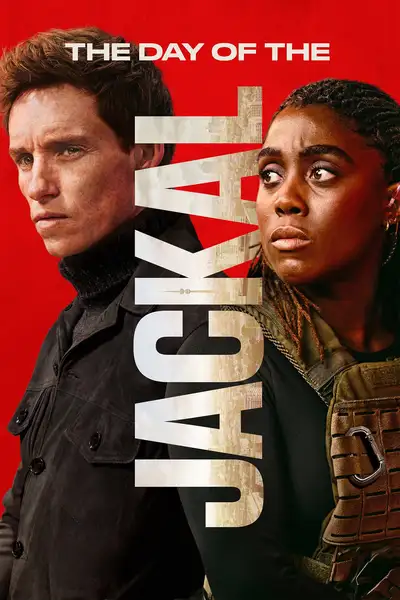
The cat-and-mouse game between an elusive assassin known as the Jackal and the determined intelligence officer hunting him drives this taut thriller adaptation of Frederick Forsyth's classic novel. Eddie Redmayne brings cold precision to the title role, playing a meticulous killer who can disappear into any identity, while Lashana Lynch matches him as the agent piecing together his patterns. The series expands Forsyth's story into a contemporary setting while maintaining the original's methodical suspense. What distinguishes this adaptation is its attention to craft—both the Jackal's elaborate preparations and the investigative work tracking him are given equal weight and detail. The international locations are beautifully shot, and the pacing balances slow-burn tension with sudden violence. It's smart, sophisticated thriller television that respects the audience's intelligence and delivers genuinely nail-biting sequences.
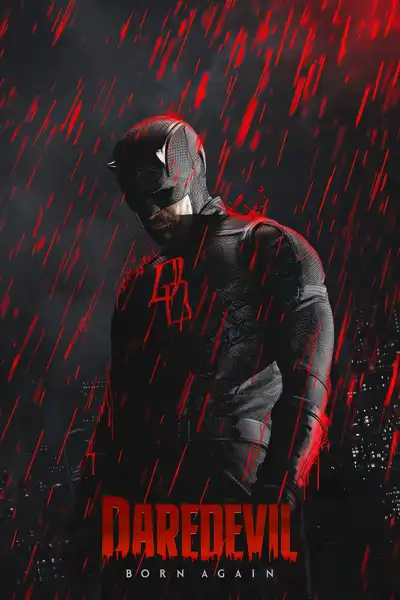
Matt Murdock returns to Hell's Kitchen to reclaim his life as both lawyer and vigilante in this highly anticipated continuation of the beloved Marvel series. After the events that scattered his world, Murdock must rebuild his law practice while confronting new threats that endanger the neighborhood he's sworn to protect. Charlie Cox slips back into the role with the same intensity and nuance that made the original series a fan favorite, while Vincent D'Onofrio returns as Wilson Fisk, bringing their complex adversarial relationship to new heights. The show maintains the gritty, street-level tone that distinguished it from other superhero fare, focusing on moral complexity and bone-crunching fight choreography. With Daredevil: Born Again, Marvel delivers a welcome return that respects what came before while carving out fresh territory for these characters to explore.
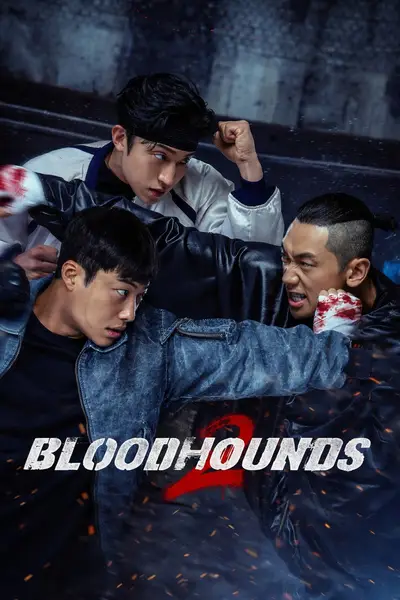
Director Kim Joo-hwan brings his signature kinetic action style to this story of two young boxers who become unlikely debt collectors fighting against predatory loan sharks. Woo Do-hwan and Lee Sang-yi have exceptional chemistry as Gun-woo and Woo-jin, best friends whose physical prowess makes them valuable to both sides of the criminal underworld they're reluctantly drawn into. What could have been a standard revenge thriller becomes something more compelling through its emphasis on loyalty, mentorship, and the bonds formed between decent people in desperate circumstances. The action choreography is genuinely impressive—brutal, clearly shot, and grounded in the characters' boxing backgrounds rather than generic martial arts. Kim balances bone-crunching fight sequences with surprising emotional depth, particularly in the relationships between the young men and the older figures who try to protect or exploit them. It's a stylish, heartfelt action series that understands spectacle works best when you genuinely care about who's throwing the punches.
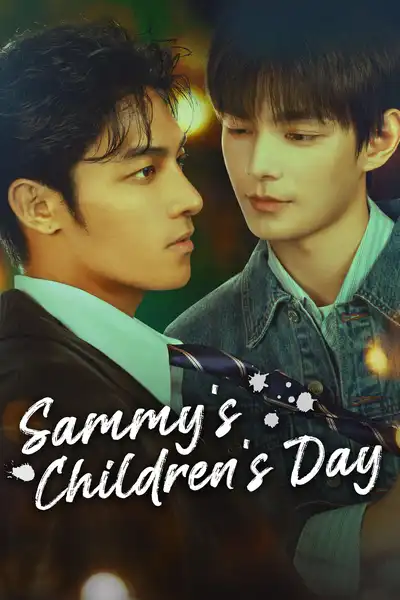
Set in a vibrant Tokyo neighborhood during the weeks leading up to Kodomo no Hi, this charming series captures childhood wonder through the eyes of eight-year-old Sammy and his eclectic group of friends. Director Kenji Nakamura crafts a visual feast that celebrates both traditional Japanese culture and the universal experience of growing up, with young actor Hiroshi Tanaka delivering a remarkably natural performance as Sammy. The show's greatest strength lies in its patient observation of small moments—the anxiety of preparing for a school presentation, the thrill of exploring a construction site, the complicated dynamics of playground politics. Each episode feels like a lovingly preserved memory, beautifully shot and genuinely touching without slipping into sentimentality. It's a treasure that appeals to both children and adults.
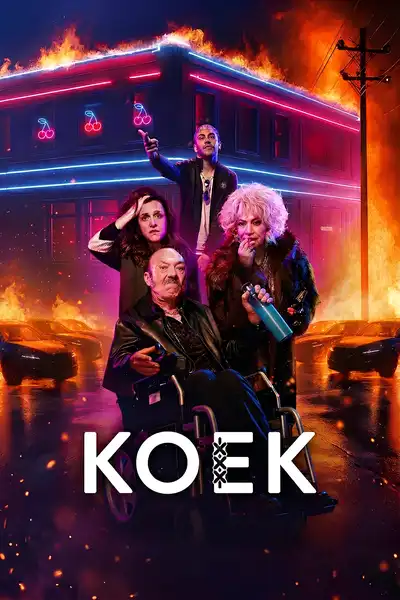
This Afrikaans-language comedy series follows the daily chaos of a family-run bakery in Cape Town, serving up both pastries and plenty of family dysfunction. "Koek" embraces the rhythms of workplace sitcom while infusing it with specifically South African humor and cultural specificity that gives it distinct flavor. Created by Bennie Fourie and starring Jana Cilliers and Frank Opperman as the bakery's founding couple, the series finds humor in generational clashes, recipe disasters, and the complexities of running a business with people you're related to. The ensemble cast works well together, with supporting players bringing energy to broadly drawn but affectionate characters. While the comedy occasionally relies on familiar sitcom structures, the setting and cultural context provide freshness, and there's genuine warmth underlying the hijinks. Production values suit the tone—bright, unpretentious, focused on character over spectacle. It's comfort television that knows exactly what it wants to be, delivering consistent laughs and occasional heart without pretension.