Recent Biography Shows
Biography shows have experienced a remarkable renaissance in recent years, with streaming platforms and premium networks investing heavily in compelling true-life stories that captivate audiences worldwide. From groundbreaking political figures to cultural icons, musical legends to everyday heroes who made extraordinary choices, the latest biography shows deliver intimate portraits that go beyond the headlines to reveal the human stories behind remarkable lives. These recent releases showcase both contemporary figures shaping our current moment and fresh, innovative perspectives on historical personalities that challenge what we thought we knew. With unprecedented access to archival materials, advanced production values, and nuanced storytelling approaches, today's biographical series offer viewers deeply researched narratives that balance entertainment with authenticity. Whether exploring the complexities of leadership during pivotal moments, the personal sacrifices behind public triumphs, or the untold stories of individuals who changed the world from the shadows, these 21 recent biography shows represent the best of what the genre has to offer. Each series provides an opportunity to walk in someone else's shoes, understand different eras through personal experiences, and gain inspiration from lives well-lived or lessons learned from consequential choices.
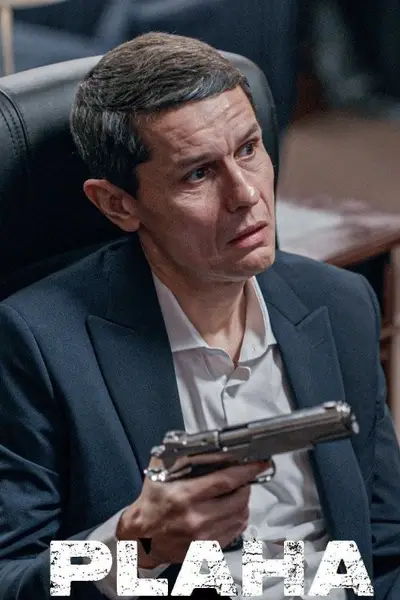
Yevgeny Mironov delivers a powerfully nuanced performance as Rodion Raskolnikov in this stunning Russian adaptation that brings Dostoevsky's existential masterpiece to vivid life. Director Vladimir Khotinenko crafts a psychologically intense drama that follows an impoverished former student who commits a calculated murder, only to find himself trapped in a spiral of guilt and paranoia. The series masterfully captures the oppressive atmosphere of 19th-century St. Petersburg while making the moral dilemmas feel urgently contemporary. Mironov's transformation from cold rationalist to tormented soul is absolutely riveting, supported by exceptional cinematography that mirrors Raskolnikov's deteriorating mental state. The pacing allows the philosophical weight of the source material to breathe without ever feeling sluggish. This is essential viewing for anyone who appreciates literary adaptations that honor their source while finding fresh emotional resonance for modern audiences.
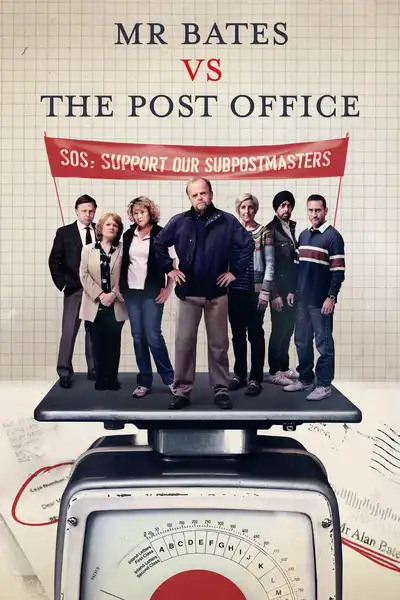
Well-intentioned but somewhat pedestrian, this dramatization recounts the real-life scandal that saw hundreds of British sub-postmasters wrongfully prosecuted for theft due to faulty accounting software. Toby Jones leads the cast as Alan Bates, who spent years fighting to expose the Post Office's coverup, supported by a strong ensemble including Julie Hesmondhalgh. Writer Gwyneth Hughes tackles this infuriating miscarriage of justice with sincerity, clearly sympathizing with the victims while illustrating the bureaucratic machinery that crushed them. The series effectively conveys the personal toll of the scandal—destroyed reputations, financial ruin, and even suicides. However, the conventional docudrama approach sometimes flattens the material, delivering information efficiently but without much stylistic flair. Still, the sheer injustice of the story carries weight, and Jones provides a grounded center as a man refusing to give up despite impossible odds.
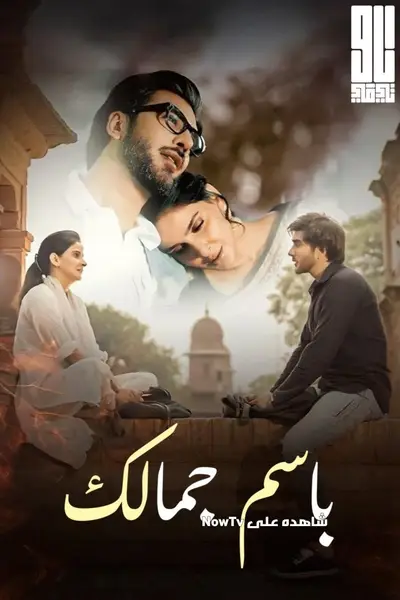
Achingly beautiful "Tumhare Husn Ke Naam" explores love, identity, and sacrifice through interconnected stories of women navigating societal expectations in contemporary Pakistan. Created by Bee Gul and featuring standout performances from Saba Qamar, Iqra Aziz, and Hira Mani, the anthology series examines how beauty—both physical and internal—shapes women's experiences and choices. Each episode presents a different protagonist confronting pressures related to marriage, career, family, or self-expression, with writing that avoids easy judgments while acknowledging real consequences. The cinematography is lush and purposeful, using visual language to underscore emotional states and thematic concerns. What distinguishes the series is its compassion for all its characters, even those whose choices may frustrate viewers. It's socially conscious without being preachy, emotionally resonant without manipulation. The anthology format allows exploration of diverse perspectives while maintaining thematic cohesion. For viewers seeking thoughtful drama that centers women's stories with authenticity and grace, this series delivers abundantly.

Brazil in the 1980s and early 1990s provides the vibrant backdrop for this compelling biographical drama about Formula One legend Ayrton Senna. The six-part limited series, created by Vicente Amorim, chronicles Senna's meteoric rise from karting prodigy to three-time world champion, capturing both his relentless competitive spirit and the personal costs of his obsessive pursuit of perfection. Gabriel Leone delivers a magnetic performance as the racing icon, embodying Senna's charisma and complexity without slipping into mere impersonation. The racing sequences are viscerally shot, putting viewers in the cockpit during some of motorsport's most dramatic moments. Beyond the adrenaline, the series thoughtfully explores Senna's rivalry with Alain Prost, his deep connection to Brazil, and the pressures of becoming a national hero.

This Italian biographical drama chronicles the rise of Benito Mussolini from his early days as a socialist journalist to his transformation into the fascist dictator who reshaped Italy. Based on Antonio Scurati's acclaimed novel "M: Son of the Century," the series offers an unflinching examination of how Il Duce exploited post-WWI chaos, nationalist resentment, and political violence to seize power. Luca Marinelli delivers a magnetic and disturbing performance as Mussolini, capturing the charisma that seduced a nation while never obscuring the brutality and cynicism beneath. Director Joe Wright brings cinematic scope to the production, with period detail that immerses viewers in 1920s Italy while maintaining clear-eyed perspective on the horror of what's unfolding. The series doesn't attempt to psychoanalyze or humanize its subject into sympathy; instead, it methodically shows how fascism takes root through propaganda, intimidation, and the failure of democratic institutions to mount effective resistance. For viewers interested in understanding authoritarian movements, this offers chilling and essential viewing that feels uncomfortably relevant to contemporary politics.
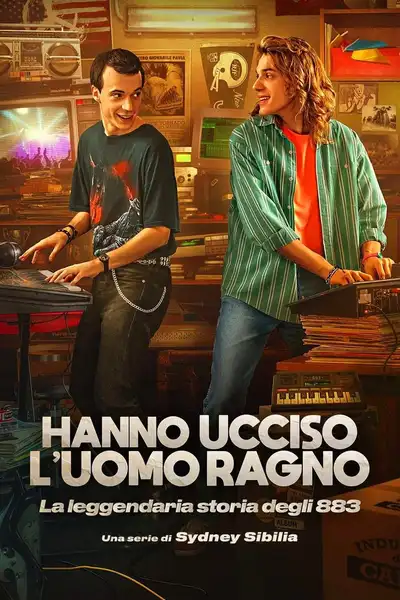
When two teenagers from Pavia decide to form a pop band in the 1990s, they inadvertently launch one of Italy's most successful musical acts in this biographical dramedy. The series chronicles the rise of Max Pezzali and Mauro Repetto as they transform from provincial dreamers into the phenomenon known as 883, capturing the optimism and cultural shifts of early '90s Italy. Created by Sydney Sibilia, the show benefits from authentic period details and genuinely affectionate performances from Elia Nuzzolo and Matteo Oscar Giuggioli as the young musicians. The nostalgic recreation of the era's fashion, technology, and music scene feels lived-in rather than merely decorative. However, the pacing occasionally drags during the middle episodes, and some dramatic conflicts feel manufactured. The soundtrack naturally shines, featuring the duo's iconic hits that defined a generation. It's an earnest tribute that works best for those with existing fondness for the music.
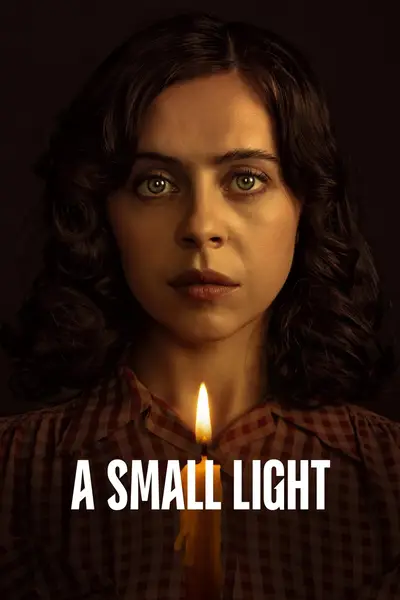
In this powerful historical miniseries, the story of Miep Gies—the woman who helped hide Anne Frank and her family during the Nazi occupation of Amsterdam—finally receives the attention it deserves. Created by Joan Rater and Tony Phelan, with Bel Powley delivering a luminous performance as Miep, the National Geographic series explores both the practical logistics and enormous psychological burden of harboring fugitives for over two years. Rather than positioning Gies as a saint, the show thoughtfully examines her as an ordinary person who made extraordinary choices, complete with fears, frustrations, and moments of doubt. The production design meticulously recreates 1940s Amsterdam, and the supporting cast, including Liev Schreiber as Otto Frank, brings depth to familiar historical figures. While the outcome is tragically predetermined, the series finds genuine tension in the daily near-misses and moral calculations required for resistance. It's essential viewing that honors both the helpers and those they couldn't ultimately save.
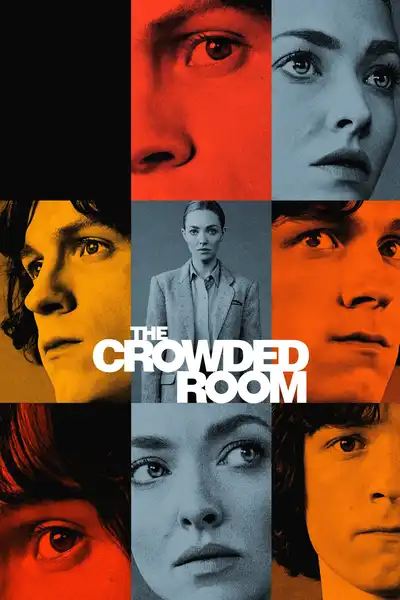
A psychological thriller unfolds as a young man arrested for a violent crime in 1979 New York reveals a diagnosis of dissociative identity disorder to his lawyer, claiming multiple personalities share his consciousness. Tom Holland stars in this limited series created by Akiva Goldsman, based on Daniel Keyes's non-fiction book about Billy Milligan, the first person to successfully use multiple personality disorder as a legal defense. Amanda Seyfried co-stars as the psychologist working to understand his fractured mind. The series uses non-linear storytelling to explore trauma, identity, and the nature of responsibility, though the execution doesn't always match its ambitious themes. Holland commits fully to the challenging role, but the show's treatment of mental illness feels at times more interested in creating mystery than authentic representation. Production design effectively captures the period, and individual episodes contain compelling moments, yet the overall narrative loses momentum under the weight of its fractured structure mirroring its subject's condition.
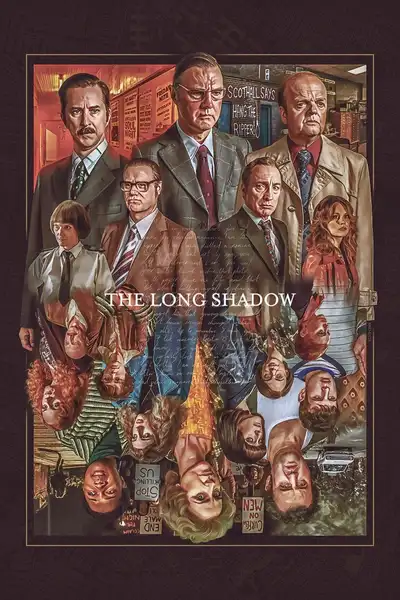
In 1970s Yorkshire, the hunt for the Yorkshire Ripper becomes one of Britain's most extensive and troubled police investigations, and this BBC drama captures both the human cost and systemic failures with remarkable precision. Writer George Kay crafted a seven-episode series that focuses less on the killer than on the victims, the detectives, and a community living in fear. Toby Jones leads an exceptional ensemble as a determined investigator pursuing the case across years of dead ends and missed opportunities. The show makes the crucial decision to center the women whose lives were taken, refusing to sensationalize their deaths while honoring their humanity. Director Lewis Arnold maintains a grim, procedural approach that emphasizes the grinding reality of police work and the era's limitations. It's deeply respectful to those affected while unflinching about institutional incompetence. Difficult viewing, but powerful and essential—a model for how true crime stories should be told.
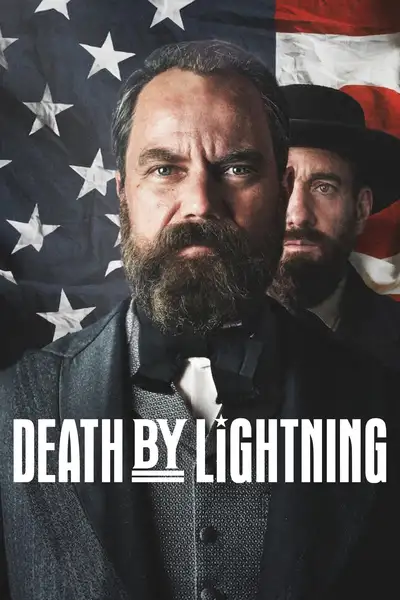
Set in 19th-century rural America, this atmospheric period drama examines a community gripped by fear after a series of mysterious deaths occur during violent thunderstorms. The series weaves together historical detail with compelling character drama as townspeople struggle between scientific explanation and superstitious belief. Creator Sarah Polley brings her distinctive eye for emotional complexity to this exploration of how communities respond to unexplainable tragedy. The production design authentically recreates the era without romanticizing the harsh realities of frontier life, while the ensemble cast delivers grounded performances that make the period setting feel immediate and relatable. The cinematography makes stunning use of natural light and stormy skies to create an sense of unease that builds throughout each episode. Rather than rushing toward answers, the series takes its time developing relationships and examining how fear can fracture even the closest bonds.
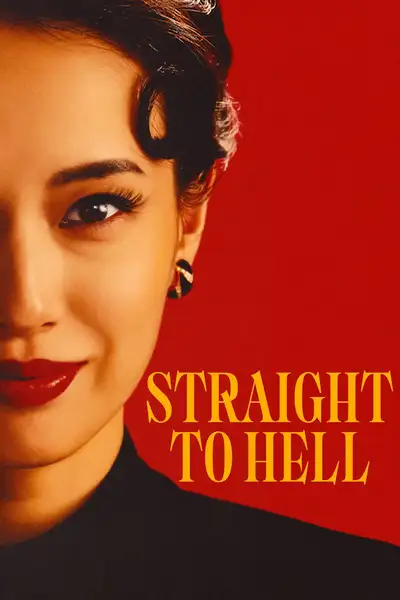
Set in a maximum-security prison in rural Montana, this drama follows both inmates and guards as they navigate the brutal realities of the corrections system. Creator Tom Wendell, drawing on his background in investigative journalism, presents an unflinching look at institutional dysfunction without losing sight of individual humanity. Michael Torres delivers a compelling performance as Marcus Webb, a new correctional officer whose idealism quickly collides with the harsh compromises required to survive the job. The series doesn't romanticize prison life or offer simplistic moral judgments—guards are shown as both victims of a broken system and enforcers of its cruelties, while inmates are neither saints nor monsters. The pacing can be deliberate, sometimes too much so, but the authentic dialogue and strong ensemble cast, including Aisha Thompson and Robert Keane, make this a worthwhile watch for those interested in institutional drama.
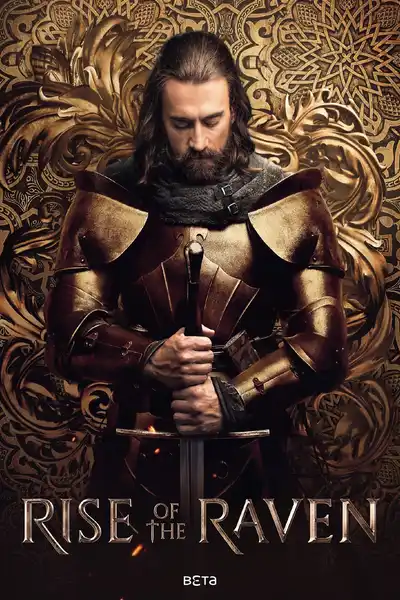
In medieval Hungary, this historical drama attempts to chronicle the life and military campaigns of Matthias Corvinus, one of the region's most celebrated Renaissance kings. The series focuses on his rise to power and the political machinations surrounding the Hungarian throne during the 15th century. While the period setting offers potential for rich storytelling, the execution feels constrained by budget limitations that show in the battle sequences and court settings. The cast brings earnest commitment to their roles, though the script often favors exposition over character development. Historical drama enthusiasts may appreciate the attention to a lesser-known European figure, but the uneven pacing and occasionally melodramatic tone undermine the more compelling aspects of Corvinus's story. The production values suggest ambition that the writing doesn't quite match, leaving this feeling like a missed opportunity to bring a fascinating historical period to life.
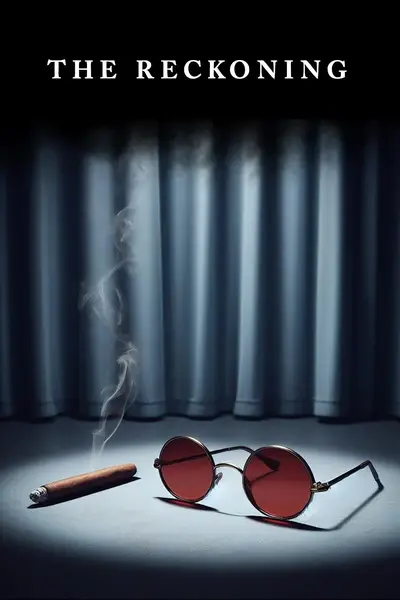
The story follows the investigation and eventual capture of Jimmy Savile, one of Britain's most prolific sexual predators who hid behind his celebrity status for decades. This four-part BBC drama takes an unflinching look at how Savile exploited his position as a beloved television personality and charity fundraiser to abuse countless victims. Sheridan Smith anchors the series with a powerful performance as a fictional survivor, representing the many real women who eventually brought Savile's crimes to light. Writer Neil McKay handles the difficult subject matter with appropriate gravity, focusing on the survivors' courage rather than sensationalizing the abuse itself. While necessarily harrowing to watch, The Reckoning serves as an important examination of institutional failure and the mechanisms that allowed such crimes to continue unchecked for so long, making it a disturbing but worthwhile viewing experience.
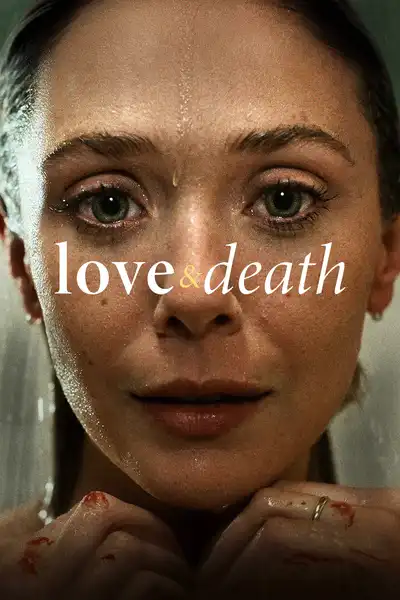
This true-crime limited series examines a shocking murder that occurred in a tight-knit Texas church community in 1980, though the genre trappings sometimes overwhelm the human story at its center. Elizabeth Olsen stars as Candy Montgomery, a seemingly perfect suburban housewife and mother who becomes entangled in an affair that ends in brutal violence. Lily Rabe co-stars as Betty Gore, the victim whose death and the subsequent trial captivated the nation. David E. Kelley and Nicole Kidman developed the series, which meticulously recreates the era's aesthetics and social dynamics—the suffocating expectations placed on women, the performative nature of religious community, and the desperation lurking beneath manicured lawns. Where it succeeds is in complicating easy narratives about good and evil; where it stumbles is in stretching a relatively straightforward story across seven episodes that sometimes feel padded. Olsen delivers a layered performance that resists making Candy either monster or victim. It's competent prestige television that covers familiar true-crime territory without bringing particularly fresh insights, though fans of the genre will find enough to appreciate.
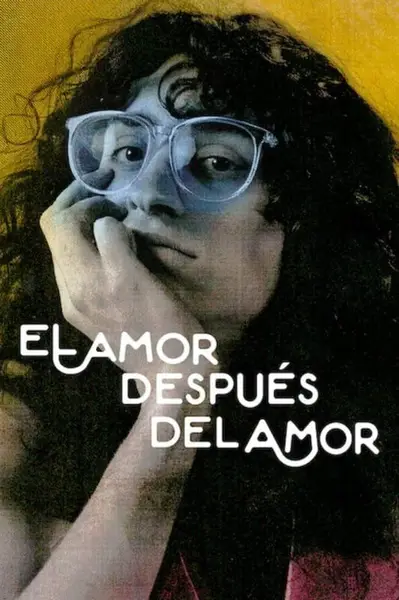
Creator Sebastián Ortega explores the passionate, tumultuous relationship between Argentine rock legend Fito Páez and Cecilia Roth in this biographical drama series. The show chronicles their romance during the 1990s Buenos Aires music scene, capturing both the creative electricity and destructive intensity that characterized their years together. Benjamín Amadeo portrays Páez with convincing vulnerability, while Natalia Oreiro brings depth to Roth's perspective as an established actress navigating love with a volatile artistic genius. The series doesn't shy from the relationship's darker moments—the jealousy, the artistic ego clashes, the substance abuse—but treats both figures with empathy and respect. The period recreation captures the vibrant Buenos Aires cultural scene convincingly, and the musical performances provide genuine emotional power. While it occasionally leans into telenovela melodrama, the underlying story is compelling enough to sustain interest, particularly for those interested in Latin American rock history.
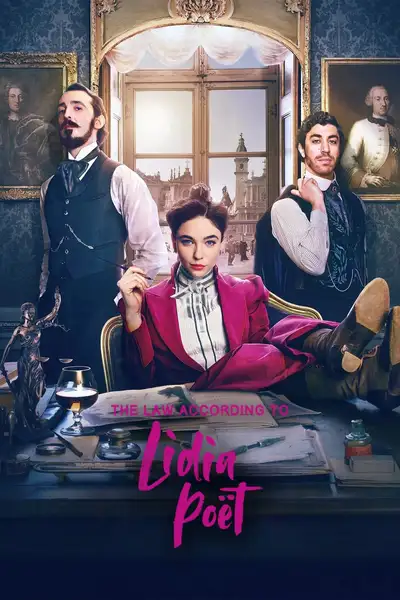
In this Italian period drama, Matilda De Angelis stars as Lidia Poët, Italy's first female lawyer who, after being barred from practicing law due to her gender, works around the system by investigating cases for her brother's Turin law firm. Set in late 19th-century Italy, the series combines historical detail with modern sensibilities, creating a legal procedural with feminist themes that never feels didactic. Created by Guido Iuculano and Davide Orsini, the show balances its case-of-the-week structure with ongoing arcs about Lidia's fight for professional recognition and her personal life. De Angelis brings intelligence and determination to the role without making Lidia a flawless heroine—she's ambitious, sometimes reckless, and thoroughly engaging. The production design beautifully captures the period setting, and the supporting cast, including Eduardo Scarpetta as Lidia's brother Enrico, provides solid grounding for the lead's more adventurous investigations. It's smart, handsomely produced historical drama that makes legal and social history genuinely entertaining.
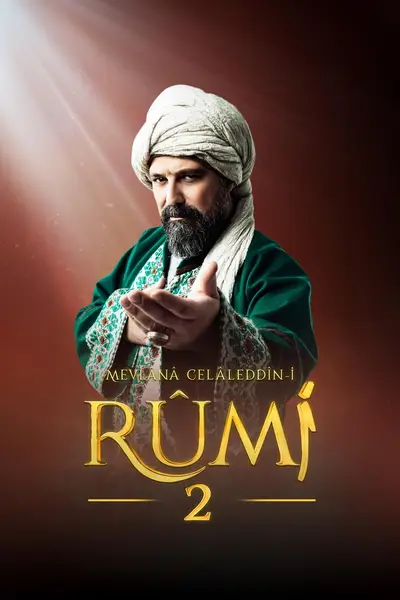
In this Turkish biographical series, viewers journey through the formative years of Jalal ad-Din Muhammad Rumi, the 13th-century Persian poet and Sufi mystic whose works continue to inspire millions worldwide. Mevlana Rumi focuses on the spiritual and intellectual development of its subject, portrayed with quiet intensity by Bülent İnal, as he navigates the turbulent political landscape of medieval Anatolia while seeking deeper truths about existence and divine love. The production captures the period's aesthetic with detailed costumes and settings that transport audiences to a world of caravanserais and scholarly debates. While the series takes a reverent approach to its subject, it maintains narrative momentum by dramatizing Rumi's relationships, particularly his transformative friendship with the wandering dervish Shams of Tabriz. The writing incorporates elements of Rumi's poetry throughout, creating moments of genuine beauty. It's an accessible introduction to a towering literary figure that balances historical drama with spiritual exploration.

Jack Gleeson takes on the role of Benjamin Guinness in this lavish period drama that chronicles the rise and reign of one of Ireland's most famous brewing dynasties. Created by Tom Shankland, the series delves into the ambitions, scandals, and personal costs behind building an empire that became synonymous with Irish culture worldwide. The production values are impressive, with detailed recreations of 19th-century Dublin and the opulent lifestyle of industrial magnates. While the pacing occasionally drags during family intrigue sequences, Gleeson brings a compelling intensity to Benjamin's transformation from idealistic heir to ruthless businessman. The series works best when exploring the contrast between the Guinness family's public philanthropy and their private struggles, offering a nuanced look at legacy and power that should satisfy fans of historical dramas.

In this anthology series, each season explores a different relationship across time, examining how love evolves, endures, or dissolves under life's pressures and the passage of decades. The format allows each story to follow its own timeline and structure, with some seasons spanning just months while others stretch across fifty years or multiple generations. The writing refuses easy sentimentality, instead finding both beauty and difficulty in long-term commitment, showing how the same qualities that initially attract two people can later become sources of tension. The production secures talented performers willing to age through makeup and performance across episodes, creating believable character continuity. While some seasons resonate more powerfully than others depending on the specific story chosen, the series consistently treats its subjects with intelligence and emotional honesty. It's thoughtful, adult-oriented programming for viewers who appreciate romance grounded in realistic complexity rather than fantasy.
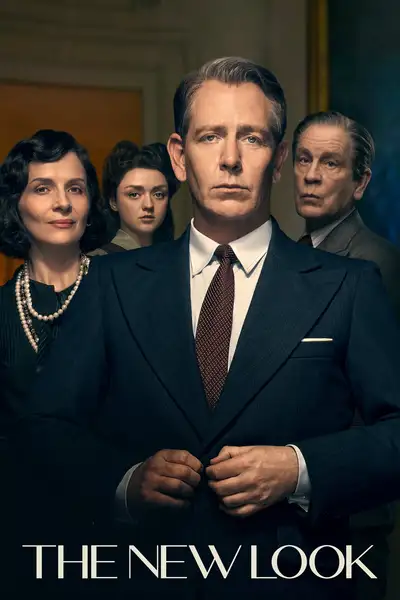
Sumptuous and elegantly crafted, this historical drama chronicles the rivalry between fashion designers Christian Dior and Cristóbal Balenciaga as they rebuild Paris's couture industry after World War II. Ben Mendelsohn portrays Dior with complexity, capturing both his artistic vision and personal vulnerabilities, while the production design brings 1940s Paris to vivid life. Created by Todd A. Kessler, the series explores how fashion became a form of cultural resurrection for a city traumatized by occupation. The costume work is naturally exceptional, though the show wisely avoids making style its only substance, delving into the business pressures, creative processes, and personal costs behind the glamorous facade. Supporting performances, including Juliette Binoche, add emotional weight. While the pacing occasionally lingers too lovingly on aesthetics at the expense of narrative momentum, the series offers an engaging look at how beauty and commerce intersected during a pivotal moment in fashion history.
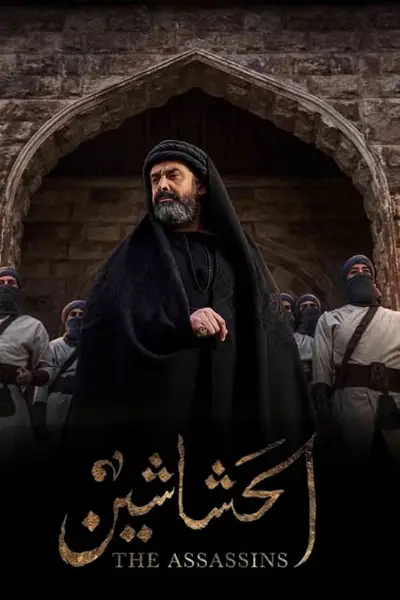
This historical action series plunges viewers into the shadowy world of ancient China's most skilled killers, following elite assassins navigating deadly political intrigue during a time of warring states. Director Jia Donglin orchestrates impressive fight choreography and atmospheric period production design that captures both the elegance and brutality of the assassin's craft. The ensemble cast brings intensity to their roles as operatives whose loyalty and skills are constantly tested by shifting allegiances and dangerous missions. While the plot occasionally gets tangled in its own conspiratorial complexity, the strong action sequences and compelling character dynamics maintain engagement throughout. The series explores interesting themes about honor, duty, and the human cost of living as a weapon for political powers. It may not reach the heights of prestige historical dramas, but for viewers seeking well-executed period action with capable performances and solid production values, The Assassins delivers consistent entertainment. The pacing keeps things moving without sacrificing the character development that makes the stakes matter.