Psychological Horror Shows
The most terrifying horrors aren't the ones you can see—they're the ones that burrow deep into your psyche and refuse to let go. Psychological horror shows have mastered the art of unsettling audiences through atmospheric dread, unreliable narrators, and the disturbing exploration of mental deterioration rather than relying on cheap jump scares or gore. These mentally gripping series manipulate perception and reality, forcing viewers to question what's real while exploring themes of paranoia, isolation, and the darkness dwelling within human consciousness. From groundbreaking modern streaming sensations to earlier television events that redefined the genre, the best psychological horror TV shows span decades of innovative storytelling that prioritizes emotional terror over visceral shocks. Whether you're drawn to mind-bending supernatural mysteries, character studies of descent into madness, or slow-burn thrillers that leave you questioning your own sanity, this curated selection of 21 psychological horror series delivers the kind of sophisticated scares that linger long after the credits roll. Prepare to experience television that doesn't just frighten—it fundamentally disturbs, challenges, and haunts you through masterful psychological manipulation.
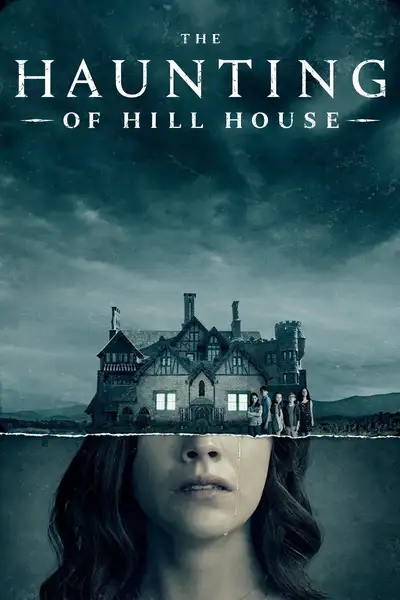
Set primarily in the 1990s with threads extending to the present day, this Mike Flanagan adaptation reimagines Shirley Jackson's classic novel as a family drama about five siblings haunted by their childhood in America's most famous haunted house. The series has undeniable strengths—the cinematography is gorgeous, the performances from Carla Gugino and the ensemble cast are committed, and several episodes deliver genuinely unsettling moments. Flanagan's signature "hidden ghosts" scattered throughout scenes reward attentive viewers. However, the show ultimately feels more interested in family therapy sessions than sustained horror, with lengthy monologues that slow the momentum. The nonlinear structure works against the tension building, and the ending opts for sentimentality over scares. It's a well-crafted production that horror fans might appreciate for its technical merit, but those expecting the existential dread of Jackson's novel may find it disappointingly tame.
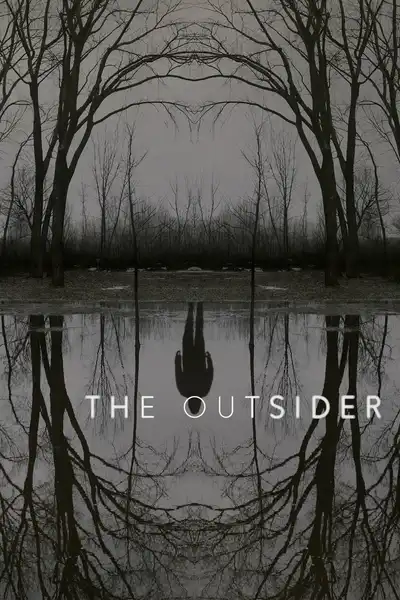
This story explores how a seemingly impossible crime can fracture a community's sense of reality and justice when the evidence contradicts what people desperately want to believe. Based on Stephen King's novel and adapted by Richard Price, the HBO miniseries begins with the brutal murder of a young boy and Detective Ralph Anderson (Ben Mendelsohn) arresting beloved Little League coach Terry Maitland (Jason Bateman, who also directs), backed by irrefutable forensic evidence. The twist: equally solid evidence places Terry in a different city at the exact time of the murder. What follows blends police procedural with supernatural horror as private investigator Holly Gibney (Cynthia Erivo) enters the case. The slow-burn approach builds effectively in the early episodes, though the series struggles to maintain momentum across ten episodes when King's novel might have supported eight. Mendelsohn and Erivo deliver strong performances, but the finale doesn't quite justify the patient buildup. It's an atmospheric watch that may frustrate those expecting either pure detective work or outright horror.
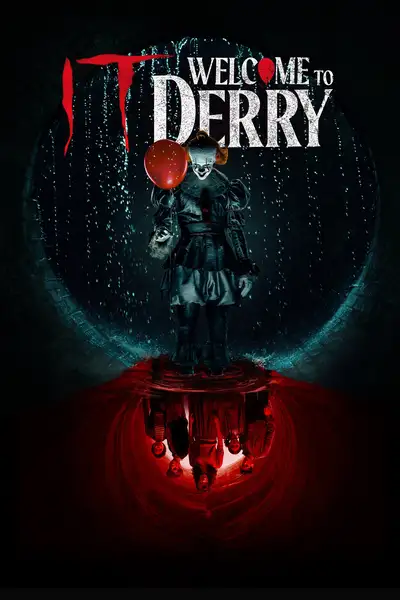
Atmospheric dread permeates every frame of this prequel series exploring the origins of Pennywise and the cursed history of Derry, Maine. Set decades before the events of Stephen King's iconic novel, the show delves into how fear took root in this seemingly ordinary town and the evil that has fed on its residents for generations. The period setting is meticulously crafted, immersing viewers in a Derry that feels both nostalgic and deeply unsettling. The creative team builds tension masterfully, understanding that horror works best when it's as much about human darkness as supernatural threats. While honoring King's source material and the world established in Andy Muschietti's films, the series carves out its own identity with fresh characters and storylines that expand the mythology. It's a worthy addition to the IT universe that horror fans will appreciate for its commitment to slow-burn scares and character-driven storytelling rather than relying solely on jump scares.
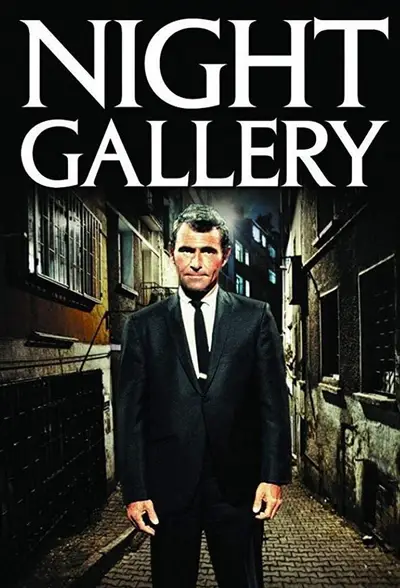
Rod Serling hosts this atmospheric anthology series where he introduces each tale from within a shadowy art gallery, featuring paintings that come to life with macabre stories. Following his success with The Twilight Zone, Serling curates a darker, more horror-focused collection that delves into psychological terror, supernatural revenge, and twisted irony. The series attracts impressive guest stars including Joan Crawford, Roddy McDowall, and Leonard Nimoy, each bringing gravitas to their unsettling roles. While the format mirrors its predecessor, Night Gallery leans harder into gothic horror and often ventures into genuinely disturbing territory. The painting framing device adds an elegant touch, and Serling's wry commentary provides the perfect counterbalance to the darkness. It's essential viewing for fans of classic horror anthologies who appreciate intelligent, character-driven storytelling wrapped in eerie atmosphere.
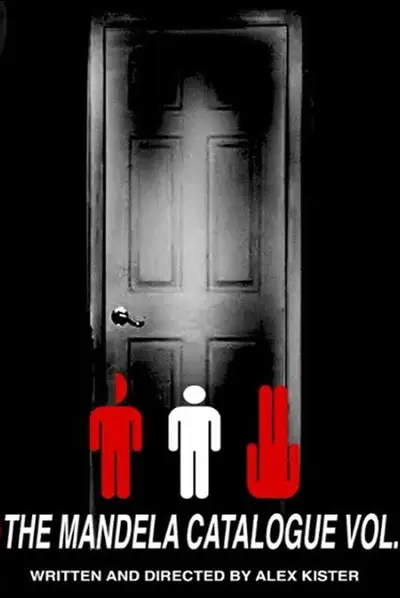
Set in Mandela County, Wisconsin, during an alternate timeline where supernatural entities have infiltrated human society, this analog horror series has redefined what YouTube horror can achieve. Creator Alex Kister uses deliberately lo-fi production values—grainy VHS footage, emergency broadcast warnings, and unsettling PSA-style videos—to craft something genuinely disturbing. The series follows the spread of "alternates," doppelgängers that psychologically torment their victims before replacing them, through found footage and institutional recordings that feel unnervingly authentic. Rather than relying on jump scares, Kister builds existential dread through implication and atmosphere, trusting viewers to fill in the horrifying blanks. The mythology deepens with each installment, weaving religious imagery and conspiracy theory aesthetics into a narrative that rewards close attention and repeated viewing.
Chilling and historically grounded, this anthology series from David Kajganich and Soo Hugh transforms real events into unforgettable horror. The first season follows the doomed Franklin Expedition of 1847, where two Royal Navy ships became trapped in Arctic ice while seeking the Northwest Passage. Jared Harris and Tobias Menzies lead the crew as conditions deteriorate and something malevolent stalks them across the frozen wasteland. The series excels at building dread through isolation, cold, and the slow breakdown of Victorian-era discipline and civility. The creature elements enhance rather than overshadow the human drama of leadership, class conflict, and survival. The second season shifts entirely, telling a ghost story set in a Japanese-American internment camp during World War II, proving the anthology format's versatility while maintaining the franchise's commitment to atmospheric horror.
Set in contemporary England, this supernatural drama follows university lecturer Robert Bridge, played with compelling intensity by Andrew Lincoln, who possesses the ability to communicate with the dead. Created by Stephen Volk, the series explores the emotional and psychological toll of Bridge's gift as he helps spirits resolve their unfinished business while grappling with his own traumatic past. Lesley Sharp delivers a strong performance as Alison Mundy, a skeptical colleague who becomes drawn into Bridge's world. The show distinguishes itself from typical ghost stories through its thoughtful exploration of grief, loss, and the human need for connection beyond death. The writing is intelligent and character-driven, avoiding cheap scares in favor of genuinely moving moments that examine what it means to let go. With atmospheric direction and nuanced performances, this remains one of the more sophisticated takes on mediumship in television.
A skeptical psychologist joins a priest-in-training and a technology expert to investigate supposedly supernatural occurrences for the Catholic Church, searching for rational explanations while confronting genuinely unsettling phenomena. Katja Herbers leads the cast as Dr. Kristen Bouchard, with Mike Colter and Aasif Mandvi rounding out the investigative trio in this procedural from creators Robert and Michelle King. The show walks an interesting line between case-of-the-week structure and serialized storytelling, though it doesn't always balance these elements successfully. The demon-or-delusion ambiguity creates effective tension in early episodes, but the series occasionally leans too heavily into camp territory, undercutting its more serious explorations of faith and doubt. Still, the cast chemistry keeps things watchable even when individual episodes falter.
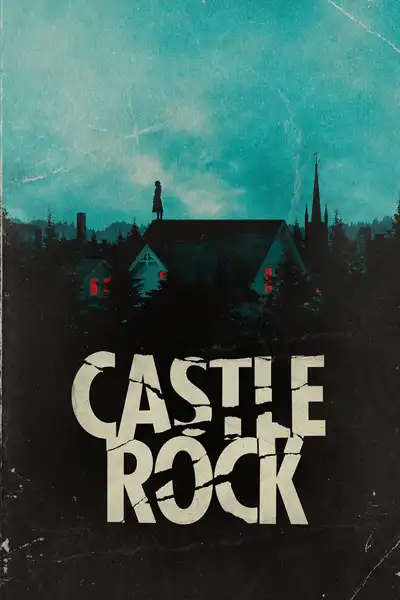
J.J. Abrams and Sam Shaw developed this anthology series set in the fictional Maine town that connects much of Stephen King's literary universe, where reality feels perpetually unstable and dark forces lurk beneath small-town normalcy. The series draws characters, references, and mythology from across King's bibliography without adapting specific novels, instead creating original stories that capture the author's thematic preoccupations with trauma, evil, and American dysfunction. The first season, featuring André Holland and Sissy Spacek, weaves together mystery and psychological horror with strong performances anchoring increasingly complex plotting. Season two shifts focus and tone, exploring different corners of this haunted location with varying success. The show's ambition to create interconnected King mythology is admirable, and production values effectively evoke creeping dread, though the execution doesn't always match the concept's potential. For King enthusiasts, the references and world-building provide enjoyable easter eggs, while newcomers can appreciate atmospheric horror that respects its source material's darkness.
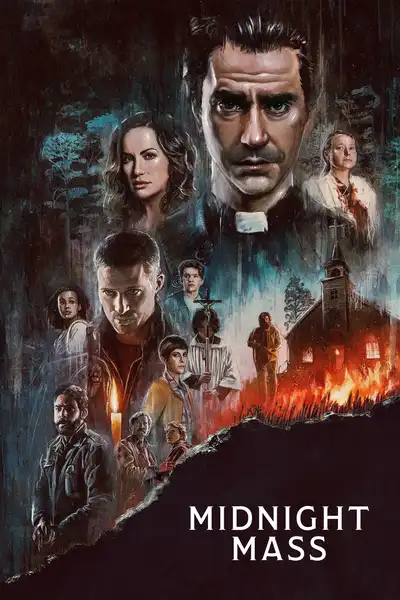
Mike Flanagan brings his gothic sensibilities to an isolated island community whose faith is tested by the arrival of a charismatic young priest. The director's trademark style—long monologues, atmospheric dread, slow-burn storytelling—is fully on display here, which will either mesmerize or frustrate depending on your tolerance for deliberate pacing. Zach Gilford and Kate Siegel anchor the ensemble cast, and the performances commit fully to the material's heady themes about belief, mortality, and community. The series offers genuinely unsettling horror imagery and ambitious philosophical exploration, though it frequently gets tangled in its own verbosity. When Flanagan trusts his visuals and actors, the show soars; when characters deliver thesis statements disguised as dialogue, it stalls. There's compelling television here, but it requires patience with its more indulgent impulses.
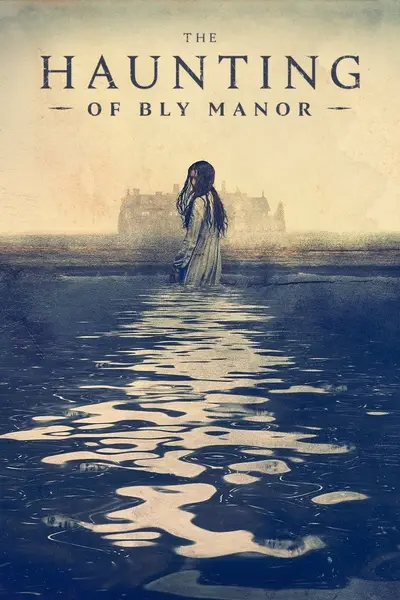
Victoria Pedretti brings remarkable depth to Dani Clayton, an American au pair who arrives at the isolated Bly Manor to care for two orphaned children in 1980s England. Created by Mike Flanagan as a follow-up to Hill House, this gothic romance weaves together love, loss, and lingering spirits in ways that prioritize emotional resonance over jump scares. The ensemble cast, including Oliver Jackson-Cohen and T'Nia Miller, delivers nuanced performances that ground the supernatural elements in genuine human connection. While it doesn't quite reach the heights of its predecessor and occasionally meanders through its middle episodes, the series builds to a genuinely moving finale that reframes everything you've watched. It's a slower burn than typical horror fare, but patient viewers will find a haunting meditation on memory and sacrifice.
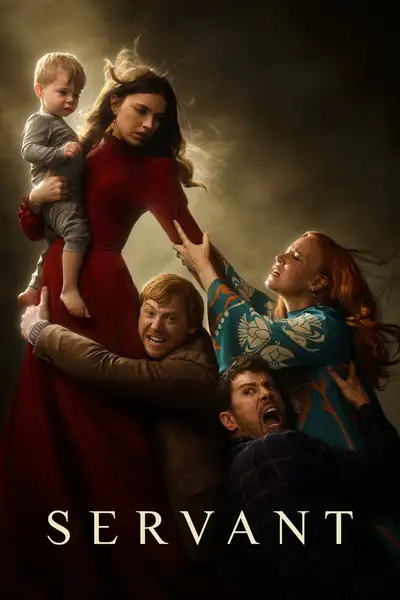
M. Night Shyamalan serves as creator and executive producer of this unsettling psychological thriller about a Philadelphia couple who hire a mysterious nanny to care for their reborn doll following an unspeakable tragedy. Lauren Ambrose and Toby Kebbell play Dorothy and Sean Turner, whose fragile domestic arrangement is disrupted when young Leanne (Nell Tiger Free) arrives and strange events begin to unfold. The series excels at creating an atmosphere of creeping dread within the confines of the Turners' upscale brownstone, and the limited setting becomes increasingly claustrophobic as secrets emerge. However, Shyamalan's tendency toward slow-burn ambiguity sometimes tips into frustration, with mysteries that feel deliberately opaque rather than tantalizingly complex. The performances are committed and the visual craft is impressive, but the show's reluctance to provide answers may test patience, particularly as seasons progress and the central questions remain stubbornly unresolved.
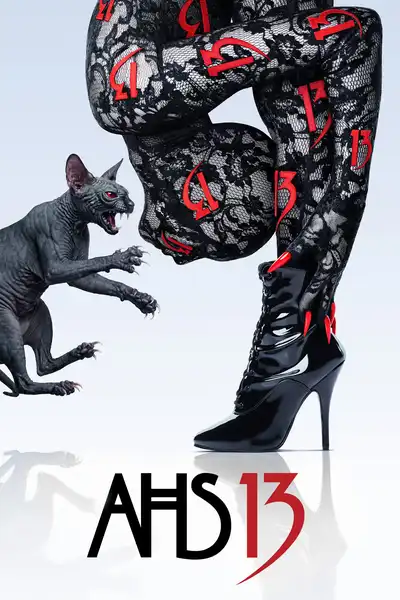
Evan Peters headlines this anthology series created by Ryan Murphy and Brad Falchuk, appearing in multiple seasons as different characters navigating various horror scenarios from haunted houses to insane asylums to apocalyptic cults. Each season presents a self-contained story with recurring cast members taking on new roles, allowing actors like Sarah Paulson, Jessica Lange, and Kathy Bates to showcase their range across wildly different scenarios. The show's visual style is undeniably striking, with Murphy's signature glossy aesthetic applied to disturbing subject matter ranging from supernatural threats to very human monstrosity. When it works, the series delivers genuinely unsettling horror alongside biting social commentary and campy theatricality. However, the seasons vary wildly in quality, and Murphy's tendency to prioritize shocking imagery over coherent storytelling can undermine the horror. Some seasons collapse under the weight of too many plotlines and undercooked themes. The anthology format means a disappointing season won't ruin future installments. It's ambitious horror television that swings for the fences, landing solid hits often enough to justify the occasional miss.
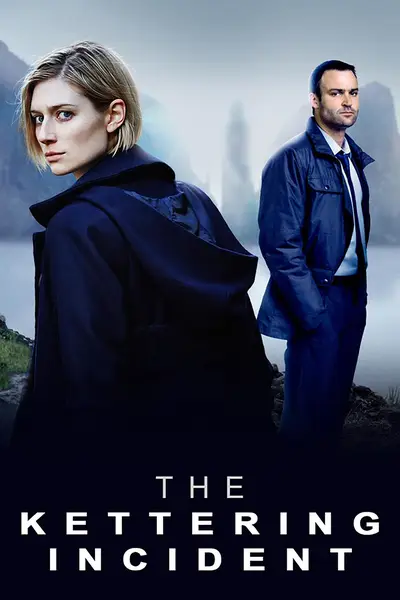
Elizabeth Debicki commands the screen as Dr. Anna Macy, a woman who returns to her Tasmanian hometown after years away, only to find herself haunted by memories of a friend who disappeared decades earlier. Created by Vincent Sheehan and Andrew Knight, this atmospheric mystery series weaves together past and present as Anna investigates strange occurrences in the isolated community of Kettering. The show makes excellent use of Tasmania's eerie forests and misty landscapes to create an unsettling mood that permeates every episode. While the pacing occasionally lags and some plot threads feel underdeveloped, Debicki's nuanced performance anchors the story, and the series delivers enough genuine intrigue to keep viewers engaged through its eight episodes.
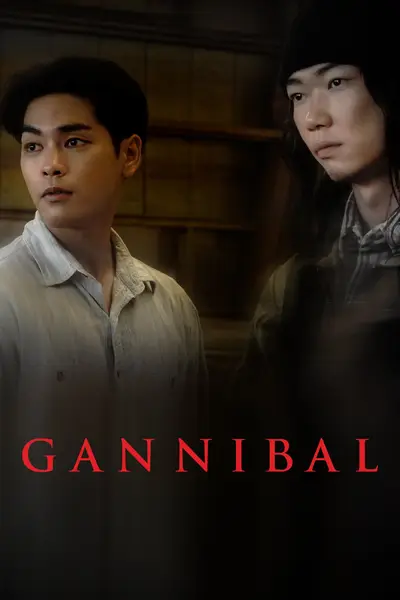
This atmospheric Japanese horror-thriller follows a Tokyo police officer who relocates his family to a remote rural village, only to discover the isolated community may be harboring a cannibalistic secret. Based on the manga by Masaaki Ninomiya, the series excels at building creeping dread through its claustrophobic setting and the gradual revelation that something is deeply wrong with the seemingly peaceful town. Yuya Yagira delivers a compelling performance as the increasingly paranoid officer caught between his duty and his family's safety. The show takes its time establishing the unsettling atmosphere, using the beautiful but isolating mountain landscape to heighten the sense of being trapped among potential predators. Director Shinzō Katayama maintains tight control over the tension, and the series respects viewers' intelligence by allowing mysteries to unfold naturally rather than rushing to explanations.
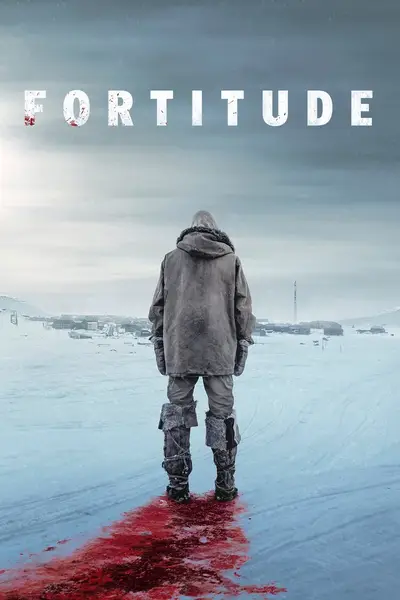
Atmospheric and deliberately paced, this British thriller transforms a remote Arctic town into a pressure cooker where isolation breeds paranoia and a murder investigation uncovers deeply buried secrets. Richard Dormer anchors the first season as Sheriff Dan Anderssen, whose seemingly peaceful Fortitude becomes anything but when a research scientist is brutally killed under mysterious circumstances. Created by Simon Donald, the series deploys its stunning Norwegian location as more than backdrop—the landscape's harsh beauty mirrors the community's frozen-over tensions. Stanley Tucci arrives as an outside investigator, and the clash between his methods and local dynamics adds texture. The show occasionally meanders in its middle stretches and pursues tangents that don't always justify their screen time, but the unsettling mood and strong ensemble work make it a worthwhile journey for patient viewers.
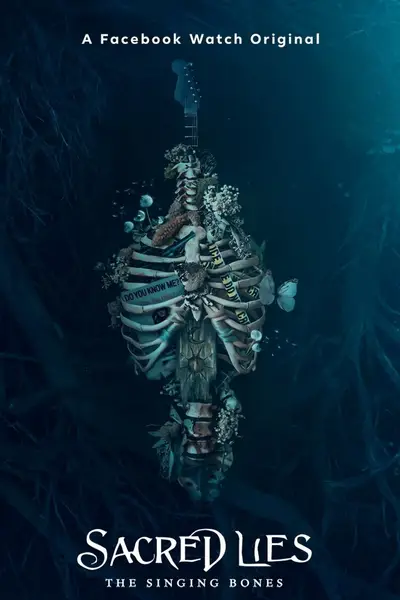
Elena Kampouris portrays Minnow Bly, a teenager who emerges from a cult without hands and becomes the prime suspect in a brutal murder investigation. Based on Stephanie Oakes' novel, the Facebook Watch series attempts to blend mystery, trauma narrative, and coming-of-age story with mixed results. Ryan Robbins co-stars as the detective trying to untangle Minnow's unreliable testimony and determine what actually happened in the isolated community where she was raised. The show tackles heavy themes including religious extremism and abuse with genuine seriousness, and Kampouris delivers a committed performance that captures her character's damaged psychological state. However, the non-linear storytelling sometimes feels more gimmicky than illuminating, and the mystery elements occasionally overwhelm the more interesting character work. Production values are adequate if unremarkable, and the pacing drags during the middle episodes. When *Sacred Lies* focuses on Minnow's psychological journey and her attempts to build an identity beyond her trauma, it finds solid footing, but the procedural elements feel less developed.
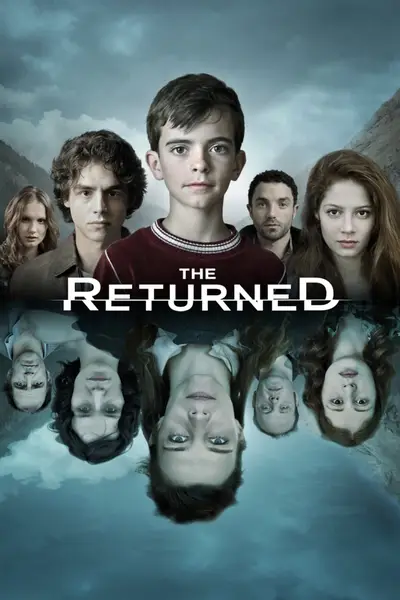
Anne Consigny leads this haunting French series as Claire, a mother whose world is upended when her supposedly deceased daughter Camille (Yara Pilartz) reappears at their doorstep, unchanged and unaware she's been gone for years. Created by Fabrice Gobert, "The Returned" weaves an atmospheric mystery through a small Alpine town where the dead are inexplicably coming back to life. The show excels at building tension through its deliberate pacing and moody cinematography, though it occasionally meanders in its middle episodes. What sets it apart from typical supernatural fare is its focus on the emotional aftermath of grief and the impossibility of reclaiming lost time. The ensemble cast, including Frédéric Pierrot and Clotilde Hesme, delivers nuanced performances that ground the eerie premise in genuine human emotion.
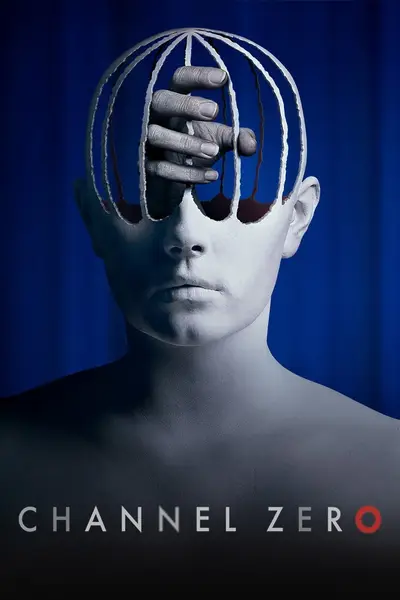
Unsettling and genuinely creative, this horror anthology series adapts internet creepypasta stories into season-long narratives that burrow under your skin. Each season tackles a different urban legend—from "Candle Cove" to "The Dream Door"—with showrunner Nick Antosca crafting slow-burn psychological horror that favors dread over jump scares. The approach won't satisfy everyone; these stories unfold methodically, building atmosphere through disturbing imagery and mounting paranoia rather than constant shocks. The cast changes each season, with standout performances from Paul Schneider, Brandon Scott, and Amy Forsyth in their respective chapters. What distinguishes Channel Zero from other horror anthologies is its willingness to embrace surreal, nightmare logic and its commitment to practical effects that create truly disturbing visuals. Some seasons work better than others, and the pacing can test patience, but for horror fans tired of formulaic scares, this offers something refreshingly weird and occasionally profound about fear, memory, and trauma.
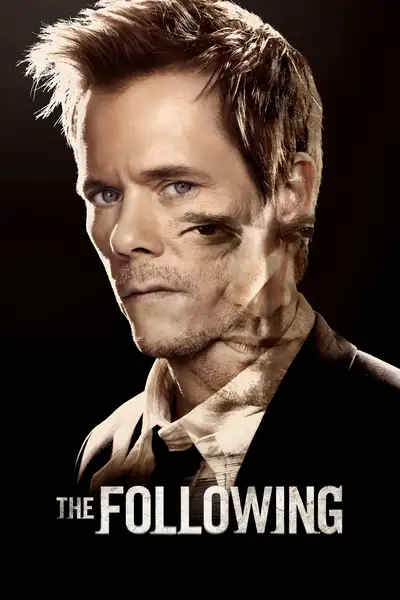
Kevin Bacon stars as Ryan Hardy, a former FBI agent pulled back into action to hunt down a charismatic serial killer and his cult of devoted followers. Created by Kevin Williamson, this psychological thriller delivers consistent tension as Hardy matches wits with Joe Carroll (James Purcell), a literature professor turned murderer who orchestrates elaborate crimes from behind bars. The cat-and-mouse dynamic keeps the pace brisk across its three seasons, even if the premise occasionally stretches credibility. Bacon brings gravitas to his damaged protagonist, making Hardy's obsession feel authentic despite the show's darker impulses. While it doesn't reinvent the crime procedural wheel, The Following offers enough twists and solid performances to make it a worthwhile pick for fans of suspenseful fare.
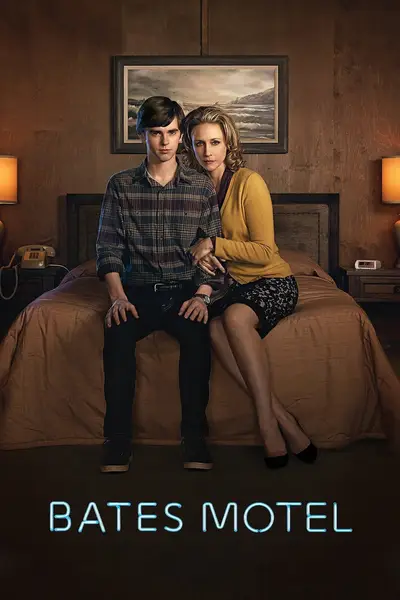
Freddie Highmore delivers a nuanced performance as young Norman Bates in this prequel that explores the twisted relationship between the future Psycho killer and his mother Norma, played with fierce intensity by Vera Farmiga. The series walks a difficult tightrope, functioning both as psychological horror and as a character study of codependency and mental illness. Creators Carlton Cuse and Kerry Ehrin wisely set the story in contemporary times rather than the 1960s, allowing the show to develop its own identity while honoring Hitchcock's film. Farmiga is the revelation here, making Norma simultaneously sympathetic and deeply disturbing, a woman whose love for her son is both genuine and ultimately poisonous. The setting of White Pine Bay provides an appropriately moody backdrop for the family's dysfunction, and the supporting cast adds texture to what could have been a one-note premise. The show smartly builds tension through our knowledge of where Norman's story inevitably leads while still finding surprises along the way.