Polish Shows
Polish television has emerged as a powerhouse of compelling storytelling, offering viewers an exceptional blend of artistic vision, cultural authenticity, and boundary-pushing narratives that rival the world's best programming. From Krzysztof Kieślowski's philosophical masterworks of the late 1980s to today's cutting-edge streaming originals, Polish shows demonstrate remarkable range across genres including gripping crime dramas, thought-provoking limited series, and innovative reality competitions. These productions showcase Poland's rich cinematic heritage while addressing universal themes through distinctly Polish perspectives, featuring acclaimed directors, breakthrough performances, and scripts that resonate far beyond their linguistic origins. Whether you're searching for critically lauded dramas that have garnered international festival recognition, suspenseful thrillers rooted in historical intrigue, or contemporary series pushing creative boundaries on global platforms, Polish-language television offers unforgettable viewing experiences. Our curated selection of 21 essential Polish shows spans decades of television history, highlighting the award-winning talent, groundbreaking storytelling techniques, and cultural significance that have established Poland as a must-watch destination for discerning audiences seeking quality programming with substance, style, and soul.
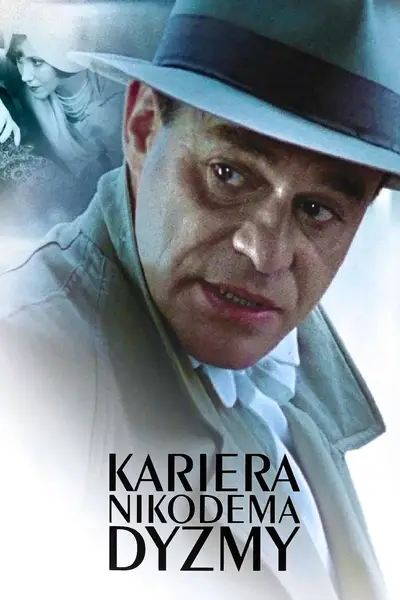
When an unemployed drifter is mistaken for an important political figure at a high-society event, he finds himself unexpectedly thrust into Poland's elite circles in this sharp satirical miniseries. Based on Tadeusz Dołęga-Mostowicz's classic novel, "Kariera Nikodema Dyzmy" follows its protagonist as he navigates the absurdities of power and privilege despite having no qualifications or connections. Roman Wilhelmi delivers a compelling performance as Nikodem Dyzma, perfectly capturing the character's blend of cunning and confusion as he rises through the ranks of 1920s Polish society. Director Marek Nowicki crafts each episode with attention to period detail while maintaining the story's biting social commentary about ambition, class, and the often-arbitrary nature of success. The series remains remarkably relevant, offering both entertainment and food for thought about how easily institutions can be manipulated by those willing to play the game.
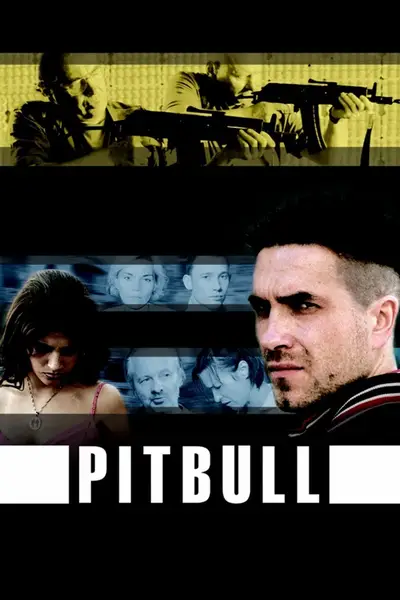
Patryk Vega created this gritty Polish crime drama that follows the lives of officers in an elite police unit fighting organized crime in Warsaw. The series pulls no punches in depicting the moral ambiguities and personal costs of undercover work, with Vega bringing an authentic, raw energy to the storytelling. Piotr Stramowski and Bogusław Linda anchor the ensemble cast, delivering intense performances that capture the psychological toll of constantly operating in the criminal underworld. The show distinguishes itself through its unflinching portrayal of police tactics and corruption, refusing to present law enforcement as uniformly heroic. The action sequences are visceral and well-choreographed, while the character development ensures viewers remain invested in these flawed protagonists. Vega's direction maintains a relentless pace without sacrificing the emotional depth needed to make these stories resonate. It's a standout entry in the crime drama genre that offers a distinctly Polish perspective on familiar themes.
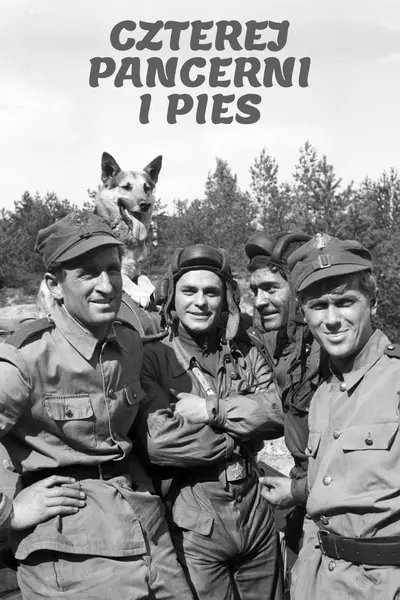
Beloved and enduring, this Polish war series follows a tank crew and their canine companion through their experiences fighting across Europe during World War II. Created by Konrad Nałęcki and starring Janusz Gajos, Roman Wilhelmi, and Franciszek Pieczka, the show originally aired in the 1960s but remains a cultural touchstone in Poland for its blend of action, camaraderie, and genuine warmth. The series doesn't shy away from the realities of war, but it balances the violence and tragedy with moments of humor and the deep bonds between the crewmembers. The dog, Sharik, became iconic in his own right, representing loyalty and hope amid chaos. What makes this more than just a war series is its focus on the human (and canine) elements—the small moments of connection and humanity that persist even in the darkest times.
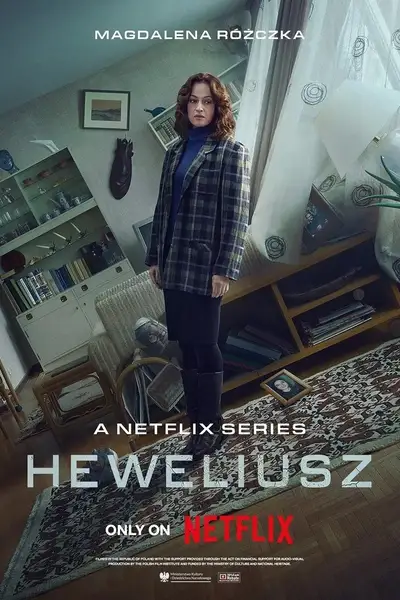
Set in 17th-century Poland during one of European astronomy's most fascinating periods, this historical drama brings the life of Johannes Hevelius to vivid life with impressive attention to period detail and scientific accuracy. The series charts the astronomer's groundbreaking work in lunar cartography and his establishment of one of the era's most advanced observatories, all while navigating the political and religious tensions that threatened scientific inquiry. What elevates Heweliusz beyond standard biographical fare is its exploration of the collaboration between Johannes and his wife Elisabetha, herself an accomplished astronomer whose contributions have long been overlooked. The production values are remarkable for a historical series, with the celestial observation sequences beautifully realized and the domestic scenes in Gdańsk feeling authentically lived-in. The pacing occasionally drags during the political maneuvering sections, but the core story of scientific passion remains compelling throughout.
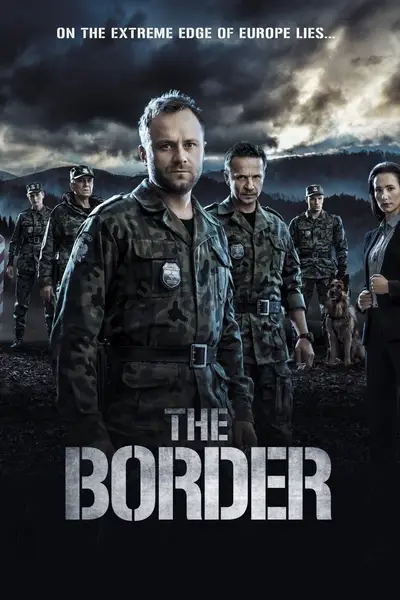
Tense and atmospheric, this Czech series explores life in a remote border region where past and present collide in unsettling ways. The story follows characters navigating a landscape marked by historical trauma and contemporary challenges, where the physical border becomes a metaphor for psychological divisions. Director Tomáš Mašín creates a brooding aesthetic that matches the moral complexity of the narrative, refusing easy answers to the dilemmas his characters face. The ensemble cast, including Vica Kerekes and Marek Adamczyk, delivers nuanced performances that reveal how personal choices ripple through communities. The series excels at building dread through suggestion rather than spectacle, allowing tension to accumulate naturally. It's compelling television that trusts its audience to engage with ambiguity and moral grey zones.
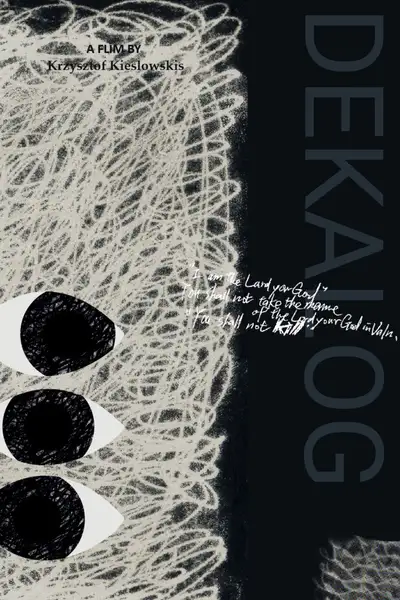
Different actors portray various residents of a Warsaw housing complex in this anthology series from director Krzysztof Kieślowski, with each of the ten episodes loosely inspired by one of the Ten Commandments. Created for Polish television in 1989, it's a profound exploration of moral complexity in everyday life, presented with remarkable restraint and humanism. Kieślowski avoids heavy-handed moralizing, instead presenting situations where ethical choices collide with human need, desire, and circumstance. The cinematography by multiple directors of photography creates an appropriately somber visual palette for these stories of quiet desperation and occasional grace. While some episodes resonate more powerfully than others, the overall achievement is stunning—mature television that treats viewers as thoughtful adults capable of wrestling with ambiguity. It's essential viewing for anyone interested in how television can achieve genuine artistry.
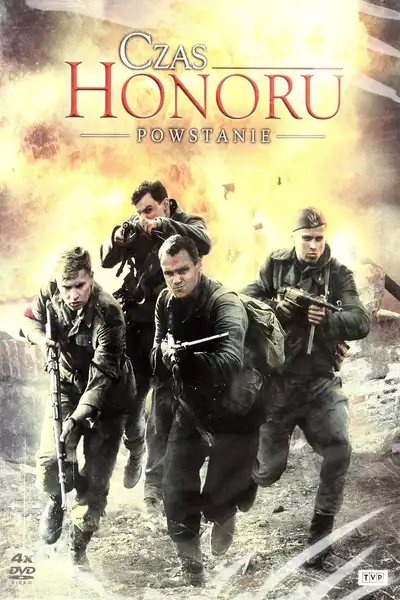
When the Warsaw Uprising begins in August 1944, a diverse group of resistance fighters and ordinary citizens must survive 63 days of brutal urban warfare against overwhelming German forces in this intense Polish historical drama. Created by Wojciech Adamczyk, *Days of Honor - Powstanie* follows multiple interconnected characters—young insurgents, nurses, civilians trapped in basements, and Home Army officers—as they navigate impossible choices during one of World War II's most tragic chapters. The production doesn't shy from the uprising's devastating costs or the complex politics surrounding the decision to fight, though it maintains clear sympathy for those caught in the carnage. The battle sequences are viscerally staged, conveying the claustrophobic terror of urban combat, while quieter moments explore how people maintain humanity amid incomprehensible violence. The ensemble cast delivers committed performances that honor real historical figures without hagiography. While the subject matter is undeniably heavy and occasionally overwhelming, the series serves as an important reminder of resistance and sacrifice that remains deeply significant in Polish collective memory.
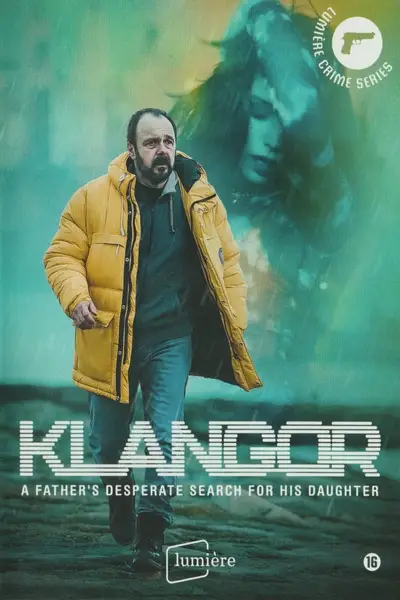
In this Norwegian crime series, a brutal murder in a small coastal community forces a returning detective to confront both a dangerous investigation and the ghosts of his own past. Created by Megan Gallagher and starring Pål Sverre Hagen, the show follows the methodical unraveling of secrets in a tight-knit town where everyone knows everyone—and most have something to hide. The Scandinavian noir elements are executed with confidence, from the moody cinematography showcasing the dramatic landscape to the slow-burn pacing that allows character development to breathe. What distinguishes the series is its attention to the psychological toll of violence on both investigators and community members, avoiding the glamorization that plagues lesser crime dramas. The supporting cast creates believable, flawed individuals whose motivations feel grounded rather than plot-driven. While following familiar genre conventions, the series delivers consistent tension and genuine emotional stakes that make for satisfying viewing. It's quality crime drama that understands the genre's appeal while bringing enough specificity to stand out.

When a dedicated teacher's professional integrity clashes with institutional corruption and personal moral boundaries, the consequences threaten to destroy everything she's built. This Slovak drama examines the impossible positions educators face when their principles conflict with systemic pressures and self-interest. The lead performance brings remarkable depth to a character struggling with choices that have no easy answers. The series doesn't provide simple villains or heroes; instead, it presents flawed people making difficult decisions in compromised circumstances. The classroom setting becomes a microcosm for broader societal issues about power, ethics, and survival. While the pacing can feel deliberate, this thoughtfulness allows the moral complexity to resonate. It's compelling drama that raises important questions about what we're willing to compromise and what lines we refuse to cross.
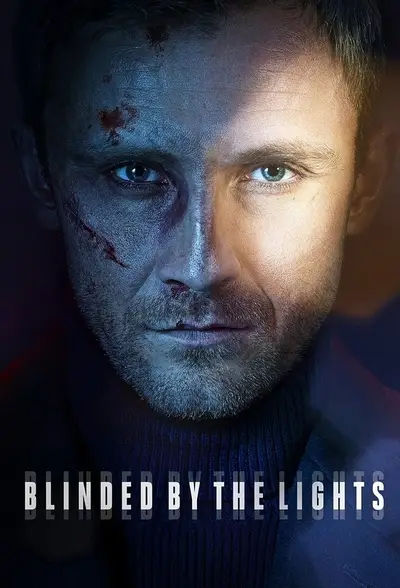
Gritty and atmospheric, this Polish crime drama plunges into the world of 1990s Warsaw organized crime through the eyes of a police officer going undercover in the criminal underworld. Starring Jan Frycz as the lead investigator, the series explores the moral compromises and psychological toll of deep-cover work as its protagonist infiltrates a violent gang during Poland's chaotic transition to capitalism. Created by Krzysztof Łukaszewicz, the show captures the period's lawlessness and uncertainty while developing a tense narrative about identity and corruption. The production values effectively recreate the era's aesthetic, from the fashion to the post-communist urban landscape. While the pacing occasionally drags and some plot developments feel familiar to crime drama veterans, strong performances and authentic local flavor give it distinction. It's a solid entry in the European noir tradition that offers Polish perspectives on universal themes of justice and betrayal.
Documentary filmmaker Antoine Leclair brings his characteristic curiosity and warmth to this travel series that explores traditional lifestyles around the globe. Rather than rushing through tourist highlights, Leclair spends extended time in each location—a Mongolian nomadic community, a Brazilian fishing village, a Norwegian mountain town—learning skills, participating in daily routines, and building genuine relationships with his hosts. The "barefoot" concept is both literal and metaphorical, representing his stripped-down, immersive approach to cultural exchange. While the pacing may feel slow to viewers accustomed to rapid-fire travel shows, there's real value in watching someone take the time to truly listen and learn. Cinematography by Klaus Werner captures stunning landscapes without exoticizing the people who inhabit them, making this a respectful and engaging exploration of human diversity.
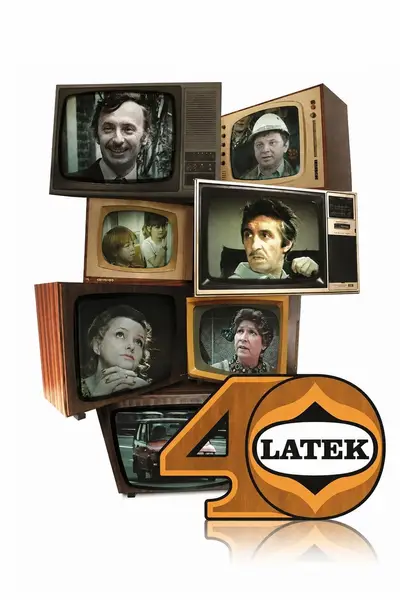
In this series, we follow a middle-aged everyman navigating the complexities of life in 1970s Poland, confronting career pressures, family responsibilities, and the gap between youthful dreams and midlife realities. Created by Jerzy Gruza and written by Krzysztof Teodor Toeplitz, "Czterdziestolatek" (literally "The Forty-Year-Old") resonated deeply with audiences through Andrzej Kopiczyński's relatable performance as Stefan Karwowski, a television editor facing universal struggles within a specifically Polish context. The series balances gentle comedy with genuine poignancy, finding humor in domestic situations and workplace absurdities while acknowledging the melancholy of aging and compromised ambitions. Its cultural impact extended beyond entertainment, as the show's honest portrayal of ordinary life during the communist era provided both mirror and commentary for viewers navigating similar circumstances. The writing remains sharp and the observations about midlife remain surprisingly relevant across decades and borders.
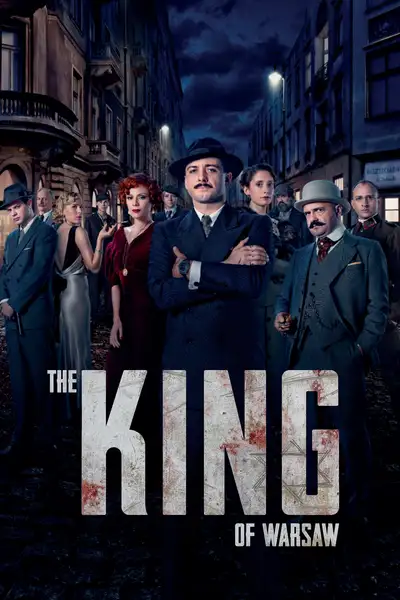
In this gritty Polish period drama, the violent underworld of 1930s Warsaw comes alive through the story of Jakub Szapiro, a Jewish boxer-turned-gangster navigating the dangerous intersections of organized crime, rising fascism, and ethnic tensions. Based on Szczepan Twardoch's novel and created by Maciej Pisuk, the series stars Borys Szyc as Szapiro, whose physical prowess and criminal connections make him a formidable figure in Warsaw's pre-war criminal landscape. The King of Warsaw doesn't romanticize its setting—this is a world of brutal violence, political corruption, and deepening antisemitism that foreshadows the horror to come. The production design authentically recreates interwar Poland with impressive detail, while the morally complex characters resist easy categorization. Szyc brings both menace and vulnerability to a protagonist whose very survival depends on navigating impossible loyalties. It's dark, intense material that rewards patient viewers with a compelling portrait of a pivotal historical moment.
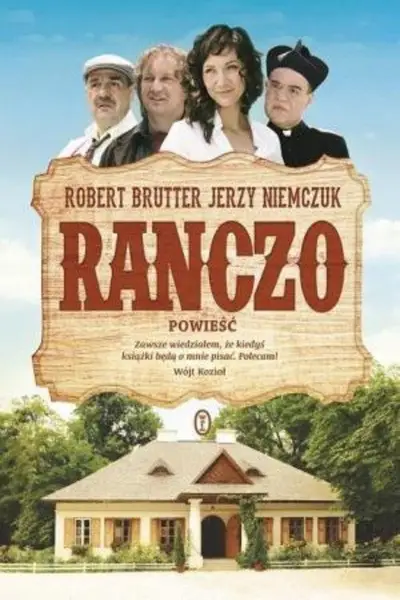
In this long-running Polish comedy series, a sophisticated American businesswoman of Polish descent returns to inherit her family's property in a small village, only to discover rural life isn't quite what she expected. Created by Jerzy Niemczuk and Cezary Harasimowicz, "Ranczo" became a cultural phenomenon in Poland through its gentle satire of small-town politics, tradition versus modernity, and Polish identity. Ilona Ostrowska stars as Lucy Wilska, the fish-out-of-water protagonist who clashes with the eccentric villagers while gradually finding her place in the community. The ensemble cast brings warmth to characters that could easily be one-note stereotypes, and the writing finds humor in cultural clashes without meanness. While some episodes lean heavily on familiar sitcom territory, the show's affection for its characters and setting shines through. It offers international viewers an entertaining window into Polish culture and humor.

This science fiction thriller explores a near-future society where environmental contamination has created a generation of children whose very bodies carry dangerous levels of toxins, making them both victims and potential threats. Created by Sam Miller, the series examines how society responds when the most vulnerable become feared, building its speculative premise into a commentary on environmental justice, governmental control, and parental love under impossible circumstances. The young cast delivers affecting performances, and the adult leads—navigating the politics and ethics of the crisis—bring appropriate gravity to their roles. The show's world-building is detailed enough to feel plausible without overwhelming the human stories at its center. While some plot developments feel familiar from other dystopian dramas, the environmental angle provides fresh urgency, and the series asks genuinely difficult questions about protection, freedom, and responsibility. It's smart speculative television that uses its genre elements to explore very contemporary anxieties.
Ambitious in scope but uneven in execution, this Polish disaster series dramatizes the devastating 1997 Odra River floods that submerged much of southwestern Poland. Created by Anna Kępińska and Kasia Adamik, the show follows multiple characters—from meteorologists and politicians to ordinary citizens—as they face the rising waters and bureaucratic failures. The ensemble cast, including Agnieszka Żulewska and Tomasz Schuchardt, delivers committed performances that ground the catastrophe in human terms. When the series focuses on the immediate tension of the flood and the heroic rescue efforts, it's genuinely gripping. Unfortunately, the narrative frequently gets bogged down in political intrigue subplots that feel disconnected from the central disaster, and the character development suffers from trying to juggle too many storylines. The production design effectively recreates the period and the scale of destruction, but the pacing issues prevent the show from maintaining consistent momentum throughout its run.
The bitter feud between two powerful families drives this Polish crime drama that explores how cycles of violence perpetuate themselves across generations. When a murder ignites long-simmering tensions between rival clans in a Polish city, both sides become locked in an escalating conflict where loyalty to family trumps law and morality. Creator Olga Chajdas and director Kasia Adamik craft a gripping narrative that follows characters on both sides of the divide, showing how ordinary people become caught up in extraordinary violence when revenge becomes an obligation. The series benefits from strong performances, particularly from leads Magdalena Boczarska and Dawid Ogrodnik, who bring complexity to characters who might otherwise seem purely villainous. The writing doesn't shy away from the ugliness of its subject matter while still finding moments of humanity amid the brutality, examining how cultural codes of honor can trap people in destructive patterns. The pacing keeps tension high throughout, though the relentless darkness may prove exhausting for some viewers. It's a solid entry in the European crime drama tradition that offers substance alongside its suspenseful plotting.

This atmospheric Polish crime thriller plunges viewers into the dark underbelly of 1980s communist Poland, where two journalists investigating a brutal murder uncover corruption that reaches the highest levels of power. Created by Kasper Bajon and featuring strong performances from Dawid Ogrodnik and Andrzej Seweryn, the series captures the oppressive atmosphere of the late communist era with grimy, desaturated cinematography and period-authentic production design. The central mystery provides genuine intrigue as the investigation reveals connections between the crime, local authorities, and political machinations. What elevates the show beyond standard procedural fare is its willingness to explore the moral compromises required to pursue truth in a surveillance state, and the journalists make for flawed, compelling protagonists. The pacing is deliberate but purposeful, building dread and suspicion effectively. While some subplots feel underdeveloped, the series succeeds in creating a noir sensibility that fits its setting, delivering a gripping mystery anchored in a specific historical moment.
Ahn Nae-sang brings warmth and determination to his role as Yoon Hee-jae, a dedicated police officer navigating the complexities of law enforcement in contemporary South Korea. This 2005 series offers a grounded look at the daily challenges faced by those who serve and protect, balancing procedural cases with the personal struggles of its ensemble cast. The show benefits from strong performances across the board and a willingness to explore the moral gray areas that officers encounter. While it occasionally falls into familiar genre patterns, the series maintains its focus on character development and the emotional toll of police work. Director Kim Jong-chang crafts engaging episodes that avoid sensationalism in favor of thoughtful storytelling, making this a solid entry in the Korean crime drama landscape.
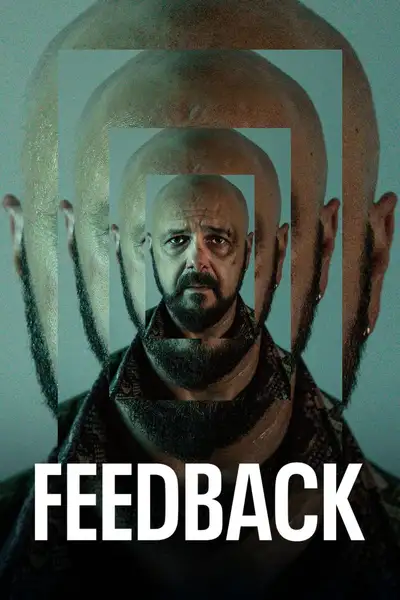
Jérémie Renier plays a controversial radio host whose provocative on-air persona attracts both devoted listeners and dangerous obsessives in this Belgian thriller. When disturbing messages suggest a fan has crossed from admiration into something far more sinister, the line between the host's public performance and private reality begins dangerously blurring. Created by Vania Leturcq, the series uses the radio format cleverly—we hear excerpts of broadcasts that reveal how the protagonist manipulates his audience while simultaneously becoming vulnerable to their projections. The premise taps into contemporary anxieties about parasocial relationships and the risks of public visibility. Renier brings appropriate complexity to a character who's neither entirely sympathetic nor wholly reprehensible. However, the pacing feels stretched across the episode count, with certain investigative threads circling repetitively without advancing. Supporting characters remain somewhat thinly developed, functioning more as plot mechanisms than fully realized people. The atmosphere effectively unsettles, though the payoff doesn't quite justify the sustained tension. It's competent genre work that holds attention without leaving a lasting impression.
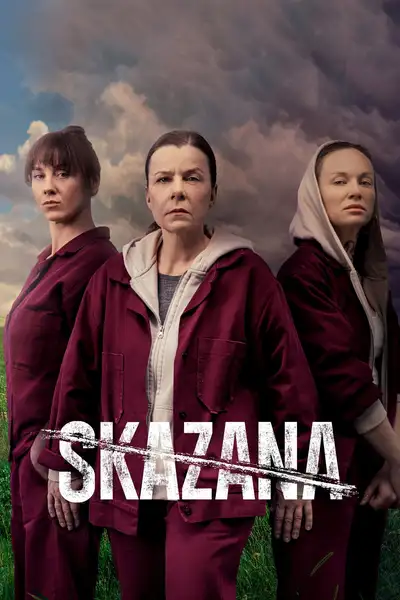
This Polish crime thriller centers on a man wrongfully imprisoned who, upon release, must navigate both his quest for justice and reconciliation with a family that moved on without him. Director Maciej Pieprzyca crafts a brooding examination of how incarceration transforms identity and relationships, anchored by Piotr Trojan's powerful performance as the protagonist struggling to reclaim his life. The series balances procedural elements—the investigation into who actually committed the crime—with intimate family drama exploring fractured bonds and lost time. The pacing is deliberate, allowing scenes to breathe and characters to reveal themselves gradually rather than through exposition. Poland's gray winter landscapes become a character themselves, reflecting the protagonist's internal desolation. While the conspiracy at the plot's center grows somewhat convoluted, the emotional core remains compelling throughout. The show treats its subject matter with the seriousness it deserves, acknowledging that some damages can't be fully repaired.