Police Procedural Shows
From the gritty streets where detectives chase leads to the high-tech labs where forensic evidence cracks cases wide open, police procedural shows have captivated audiences for decades with their methodical approach to solving crimes. These compelling series pull back the curtain on law enforcement, showcasing the painstaking detective work, interrogation techniques, and investigative processes that bring criminals to justice one case at a time. Whether you're drawn to hard-boiled detectives navigating moral gray areas, brilliant minds decoding complex criminal patterns, or elite units tackling serial offenders, the best police procedurals blend authentic crime-solving procedures with gripping storytelling that keeps viewers coming back episode after episode. This carefully curated selection of 21 shows spans the entire history of television crime dramas, from groundbreaking classics that defined the genre to contemporary series pushing boundaries with innovative narratives and unflinching realism. Each entry exemplifies what makes police procedural television so addictive: the satisfaction of watching dedicated investigators piece together clues, the tension of interrogation room confrontations, and the ultimate triumph when justice prevails through skilled detective work and unwavering determination.
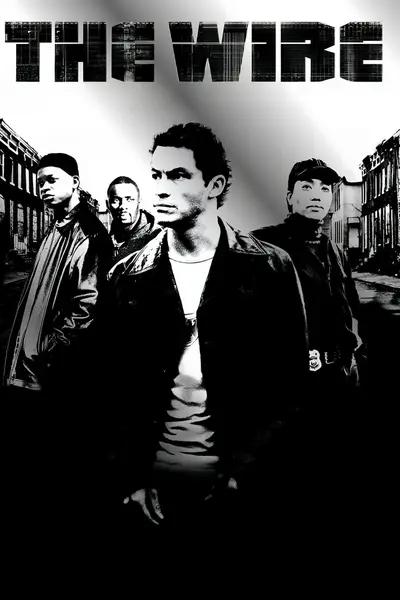
Crime drama reaches its apex in this sprawling examination of Baltimore's drug trade, police department, political system, and educational institutions. Creator David Simon, a former Baltimore journalist, constructs an ambitious five-season exploration that functions more as a novel than traditional television. The ensemble cast, including Dominic West, Idris Elba, Michael K. Williams, and Wendell Pierce, brings authenticity to characters that feel lived-in rather than written. Each season shifts focus to a different Baltimore institution while maintaining the through-line of drugs and crime, creating a comprehensive portrait of urban decay and systemic failure. The show refuses to offer easy answers or clear heroes, instead presenting a complex ecosystem where good intentions collide with institutional inertia. The pacing is deliberately methodical, rewarding patient viewers with rich character development and interconnected storylines. It's frequently cited as the greatest television series ever made, and that reputation is well-earned. Essential viewing for anyone who takes the medium seriously.

Wickedly smart and visually electric, Steven Moffat and Mark Gatiss's modern update of Arthur Conan Doyle's detective crackles with manic energy and inventive style. Benedict Cumberbatch inhabits Sherlock Holmes as a "high-functioning sociopath" whose brilliance borders on insufferable, while Martin Freeman grounds the series as the utterly endearing Dr. John Watson. Set in contemporary London, the adaptation cleverly updates classic cases with smartphones and internet culture without losing the essence of what makes these characters timeless. Each ninety-minute episode feels like a feature film, packed with stunning cinematography that visualizes Sherlock's deductive process in thrilling ways. Andrew Scott's Moriarty is deliciously unhinged, and the chemistry between the leads drives everything. The writing is sharp enough to match its protagonist's intellect, making this absolutely essential viewing for mystery lovers.

In late 1990s Buenos Aires, amid economic uncertainty and social tension, this groundbreaking series follows a group of young people who squat in an abandoned building and attempt to create their own community. Rodrigo de la Serna leads the ensemble as Ricardo, whose idealism gradually confronts harsh reality as the okupas movement faces eviction, internal conflicts, and the complexities of survival outside society's rules. Creator Bruno Stagnaro crafted something rare for Argentine television at the time—a gritty, uncompromising look at youth culture that felt authentic rather than sanitized. The series captures a specific moment in Buenos Aires history while telling a timeless story about belonging, disillusionment, and the space between youthful rebellion and adult responsibility. Its influence on Latin American television drama cannot be overstated.
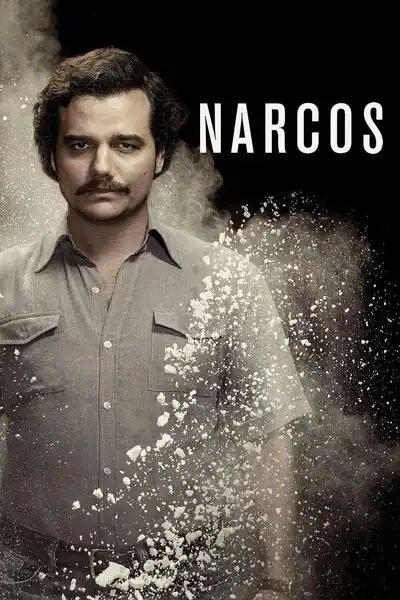
The rise and fall of Colombian drug lord Pablo Escobar provides the framework for this crime drama that delivers strong performances but struggles with uneven pacing. Creator Chris Brockman crafts a narco-thriller that stars Wagner Moura as the infamous kingpin, with Boyd Holbrook and Pedro Pascal as DEA agents pursuing him through 1980s Colombia. The documentary-style narration from Holbrook's character provides historical context, though it sometimes feels like a crutch when the drama should speak for itself. Moura's transformation into Escobar is genuinely impressive, capturing both the charm and ruthlessness that made him such a complex figure. However, the show occasionally glamorizes the violence it's depicting, and certain storylines meander when they should propel forward. The production values are solid and the Colombian locations add authenticity, but the series works better in bursts than as a sustained binge.
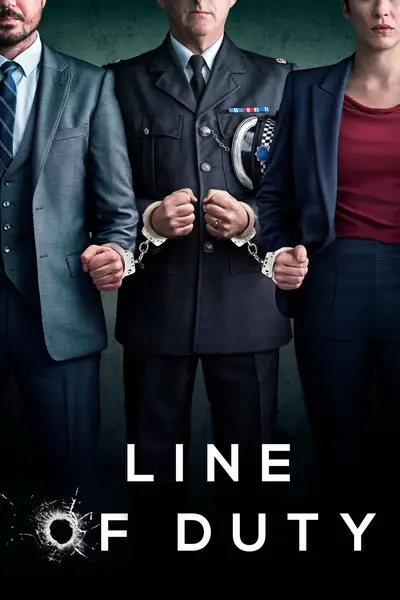
At its core, this gripping British police procedural explores corruption, loyalty, and the moral compromises that come with investigating your own colleagues. Created by Jed Mercurio, the series follows AC-12, an anti-corruption unit tasked with investigating potentially bent coppers within the police force. Martin Compston, Vicky McClure, and Adrian Dunbar form an exceptional trio as the dedicated investigators who must navigate complex cases where nothing is quite as it seems. The show's intricate plotting rewards careful attention, with each season building a case against a different suspect while contributing to larger ongoing storylines about institutional corruption. The interrogation scenes are particularly masterful—tense, dialogue-driven sequences that crackle with intensity. Mercurio's writing keeps you guessing until the final moments, delivering shocking twists that feel earned rather than gimmicky. This is addictive television that combines procedural excellence with character depth and social commentary about modern policing.
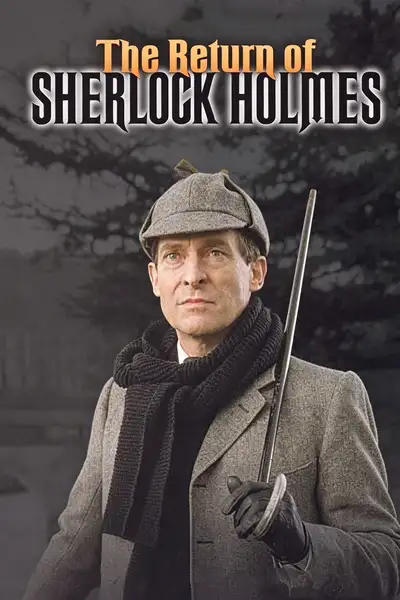
Jeremy Brett brings his legendary interpretation of the great detective to life in this exceptional Granada Television adaptation that remains the gold standard for Holmes enthusiasts. Brett's meticulous attention to detail and his ability to capture both the detective's brilliance and his underlying melancholy make every case utterly captivating. The series faithfully adapts Arthur Conan Doyle's stories with sumptuous Victorian production design and stellar supporting work from Edward Hardwicke as Dr. Watson. From "The Empty House" to "The Second Stain," each mystery is crafted with intelligence and respect for the source material. The chemistry between Brett and Hardwicke elevates even the simpler cases into must-watch television. If you're looking for definitive Holmes, this is absolutely it.
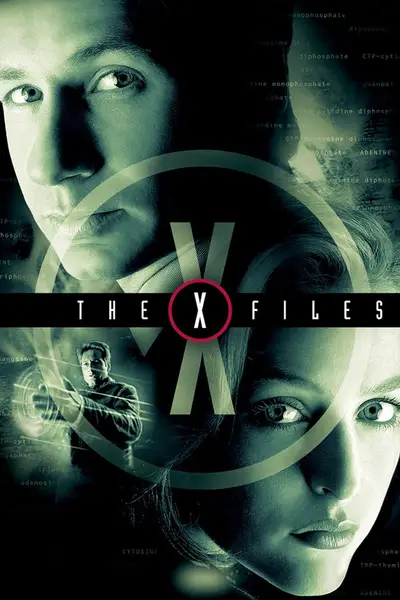
At its core, this is a story about belief—in the unexplained, in each other, and in the search for truth no matter how disturbing it might be. Creator Chris Carter's iconic series pairs FBI agents Fox Mulder and Dana Scully, played with perfect chemistry by David Duchovny and Gillian Anderson, as they investigate paranormal phenomena and government conspiracies. The show's genius lies in its structure, alternating between mythology episodes that build an intricate alien conspiracy and standalone "monster of the week" stories that range from terrifying to thought-provoking. The dynamic between Mulder's believer and Scully's skeptic creates endless dramatic possibilities while developing one of television's most compelling partnerships. The atmosphere is dark and unsettling, with cinematography that makes even ordinary locations feel ominous. While the overarching conspiracy storyline eventually becomes convoluted, the show's best episodes remain masterclasses in tension, character development, and asking unsettling questions about what might be out there.
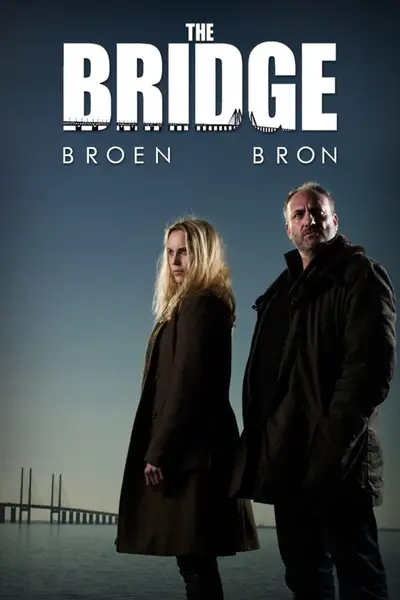
Dark, atmospheric, and utterly mesmerizing, this Scandinavian noir thriller sets the gold standard for international crime drama. Created by Hans Rosenfeldt, the series begins with a body discovered on the Øresund Bridge connecting Denmark and Sweden, positioned precisely on the border between the two countries. The investigation pairs meticulous Swedish detective Saga Norén (Sofia Helin in a revelatory performance) with her more easy-going Danish counterpart Martin Rohde (Kim Bodnia). The contrast between the two leads generates both tension and unexpected humor, while the mysteries themselves prove genuinely intricate and thought-provoking. Helin's portrayal of Saga—a brilliant detective with social difficulties that suggest neurodivergence—feels authentic and groundbreaking. The show tackles serious social issues without becoming didactic, and the bleak Scandinavian landscapes perfectly complement the dark subject matter. It's essential viewing for anyone who appreciates intelligent, character-driven crime drama.
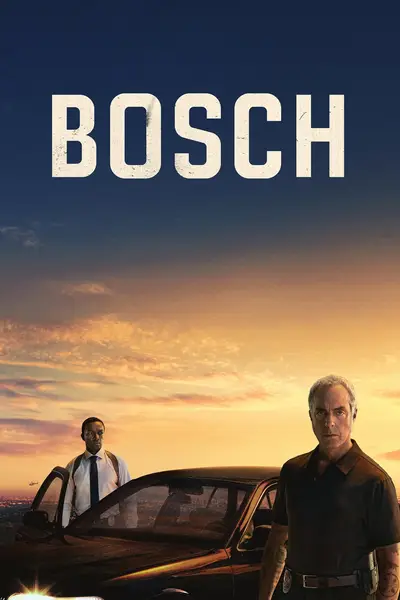
Eric Overmyer developed this adaptation of Michael Connelly's novels, bringing the author's iconic LAPD detective Harry Bosch to life through Titus Welliver's perfectly calibrated performance. Bosch is a homicide detective who operates by his own moral code, investigating cases with relentless determination while navigating department politics and his own complicated personal life. The series captures Los Angeles in all its sprawling complexity, using the city as more than just backdrop but as essential atmosphere. Jamie Hector, Lance Reddick, and Amy Aquino provide strong support as Bosch's colleagues and occasional adversaries in the department. The show distinguishes itself through patient storytelling that allows investigations to unfold methodically, respecting both the source material and viewer intelligence. Welliver embodies Bosch's stubborn integrity and weariness without tipping into cliché, anchoring a procedural that feels grounded and adult in its approach to crime, justice, and the costs of pursuing both.
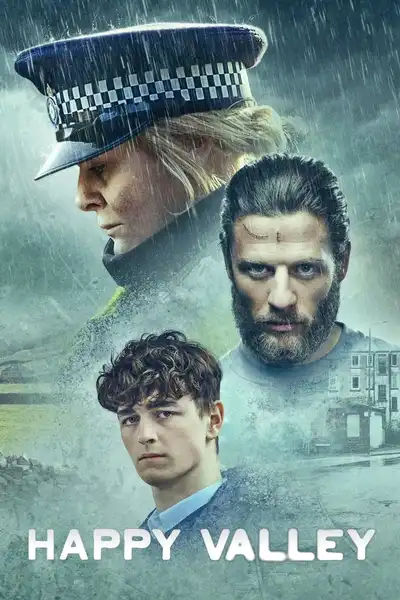
In the Calder Valley of West Yorkshire, police sergeant Catherine Cawood battles crime, addiction's legacy in her family, and the return of the man responsible for her daughter's death. Created and written by Sally Wainwright, this crime drama showcases Sarah Lancashire in what might be the performance of her career—Catherine is tough, flawed, funny, and achingly human in ways television rarely allows women to be. The series spans three seasons across nearly a decade, and the Yorkshire setting becomes integral to the storytelling, its beauty contrasting with the darkness Catherine confronts. James Norton is chillingly effective as Tommy Lee Royce, the antagonist whose presence haunts the narrative even when he's not on screen. Happy Valley earns its reputation as essential British television through masterful writing, exceptional performances, and its refusal to offer easy answers about justice, family, or healing.
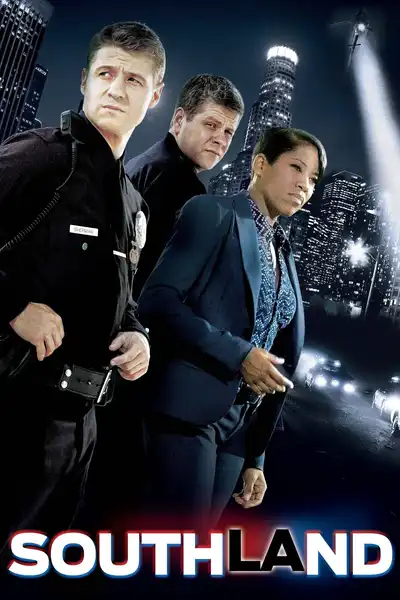
Unflinching in its portrayal of police work, this Los Angeles-set series offers one of the most realistic depictions of law enforcement ever captured on television. Created by Ann Biderman, the show follows officers and detectives from various units as they navigate the streets of South Central L.A., dealing with gang violence, domestic calls, and the psychological toll of the job. The documentary-style cinematography and naturalistic performances—featuring Ben McKenzie, Michael Cudlitz, and Regina King—create an immediacy that makes you feel embedded with the characters. Unlike procedurals that wrap cases neatly, this series shows the messy, morally ambiguous reality of policing, where victories are small and trauma accumulates. It's raw, often brutal viewing that respects both the difficulty of the work and the communities these officers serve, resulting in television that feels authentic rather than glorified.
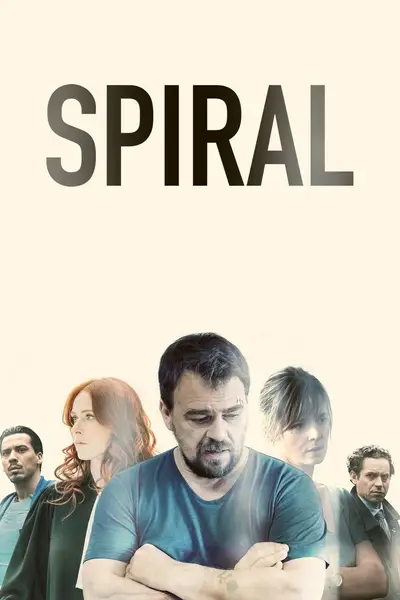
This procedural crime drama stands as one of France's finest contributions to the genre, offering a gritty, realistic portrayal of the Paris criminal justice system that rivals anything produced elsewhere. Created by Alexandra Clert, Spiral (Engrenages) follows police captain Laure Berthaud (Caroline Proust), lawyer Joséphine Karlsson (Audrey Fleurot), and magistrate François Roban (Philippe Duclos) as they navigate morally complex cases where the line between justice and ambition blurs. The series doesn't shy away from showing the compromises, corruption, and personal costs inherent in law enforcement. The performances are uniformly excellent, with Proust particularly compelling as a driven detective whose dedication often comes at personal expense. Over eight seasons, it maintains remarkably high quality, delivering sophisticated storytelling that respects the intelligence of its viewers.
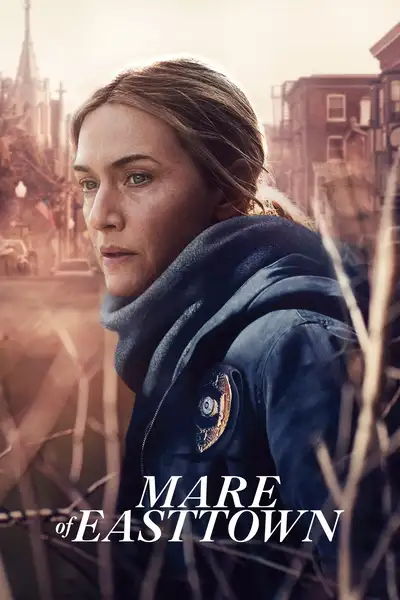
Brad Ingelsby created this limited series showcasing Kate Winslet as Mare Sheehan, a small-town Pennsylvania detective investigating a local murder while her personal life crumbles around her. Winslet disappears into the role, adopting a Delco accent and embodying a woman worn down by grief and responsibility but still stubbornly pushing forward. The show excels at creating a lived-in community where everyone has history with everyone else, making the mystery feel genuinely personal and the stakes real. Guy Pearce, Jean Smart, and Evan Peters provide strong support in a cast with no weak links. What distinguishes this from typical murder mysteries is its commitment to character over plot twists, taking time to explore how tragedy and secrets poison relationships. The Pennsylvania setting feels authentic rather than generic, with specific details that ground the story. It's a showcase for Winslet's talent and a reminder that procedural mysteries can achieve genuine emotional depth when crafted with care and patience.
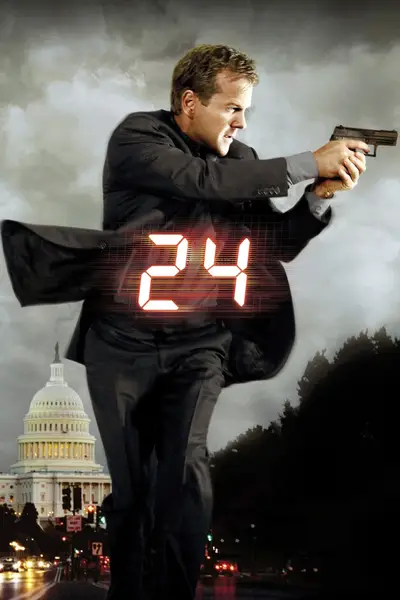
In the high-stakes world of counter-terrorism where every second counts, 24 revolutionized television with its real-time format and relentless pacing. Created by Joel Surnow and Robert Cochran, the series follows Counter Terrorist Unit agent Jack Bauer (Kiefer Sutherland) as he races against the clock to prevent catastrophic attacks, with each season representing a single day and each episode covering one hour. The innovative split-screen technique and ticking clock create unmatched tension, while Sutherland's intense performance anchors even the most implausible scenarios. The show fearlessly kills major characters and constantly subverts expectations, though its torture-friendly politics have aged controversially. Despite some dated elements, 24 remains a masterclass in thriller construction and narrative urgency that influenced countless shows that followed.
On Manhattan's Upper West Side, a seemingly ordinary college student's life unravels after a night out ends with a murder charge. This limited series created by Richard Price and Steven Zaillian transforms a straightforward crime story into a devastating examination of the criminal justice system's failures. Riz Ahmed gives a heartbreaking performance as Nasir Khan, a Pakistani-American kid whose identity becomes evidence against him, while John Turturro excels as his unlikely lawyer. The show meticulously documents how the machinery of prosecution, detention, and media attention destroys lives regardless of guilt or innocence. Every episode feels suffocating and authentic, from Rikers Island's dehumanizing routines to courtroom maneuvering. It's difficult, necessary television that captures institutional dysfunction without offering easy answers.
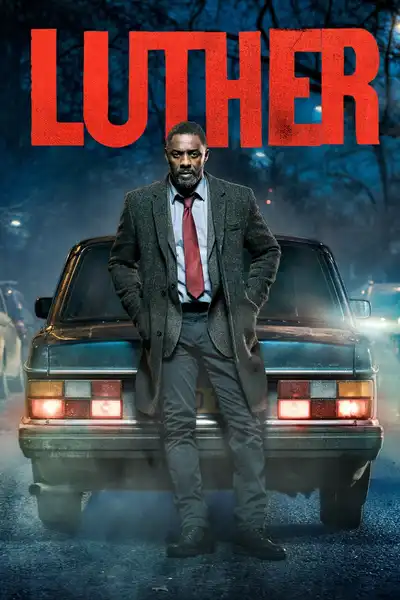
Intense, brooding, and utterly compelling, this British crime series showcases Idris Elba at his finest as DCI John Luther, a brilliant detective whose methods blur ethical lines. Creator Neil Cross constructs cases that double as psychological puzzles, with Ruth Wilson's Alice Morgan—a genius sociopath who becomes Luther's unlikely confidante—providing the show's most electric dynamic. The London setting feels appropriately gritty, and the cinematography embraces shadows and moral ambiguity in equal measure. What elevates the series beyond standard procedural fare is its willingness to let consequences accumulate and its refusal to let its protagonist off the hook for his obsessive behavior. Elba commands every scene with a performance that's both volcanic and nuanced, making Luther someone you root for even while questioning his choices.
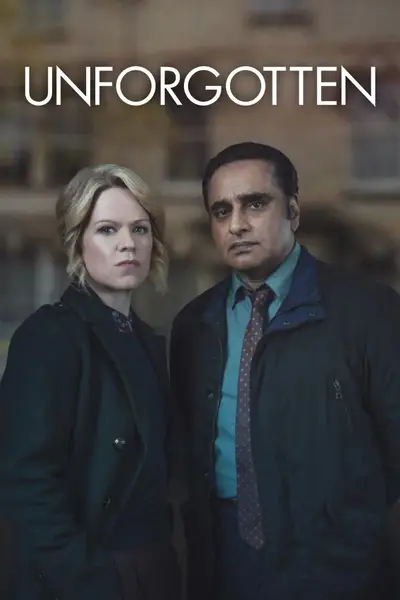
When cold case detectives unearth human remains, they must unravel decades-old mysteries while navigating the emotional impact on families who never stopped searching for answers. Created by Chris Lang, this British crime drama distinguishes itself through patient storytelling and deeply humane characterization, particularly in the partnership between Nicola Walker's DCI Cassie Stuart and Sanjeev Bhaskar's DI Sunny Khan. Each season tackles a different historical case, peeling back layers of secrets and lies while exploring how past actions echo through time. The series respects both the investigative process and the moral complexity of its characters, avoiding cheap twists in favor of earned revelations. Walker and Bhaskar share a warm, authentic chemistry that grounds even the darkest material. Unforgotten proves that procedurals can be both compelling mysteries and thoughtful examinations of guilt, memory, and redemption.
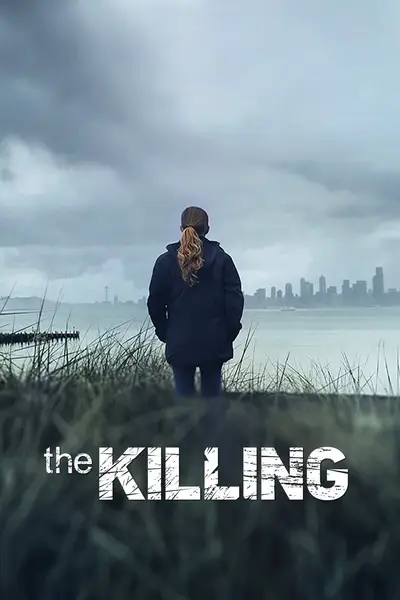
Atmospheric and deliberately paced, this Seattle-set crime drama reinvigorated the detective genre with its moody cinematography and complex character work. Created by Veena Sud and based on the Danish series Forbrydelsen, the show follows detectives Sarah Linden (Mireille Enos) and Stephen Holder (Joel Kinnaman) as they investigate the murder of a teenage girl, a case that ripples through every level of the city. The series takes time to develop its characters and explore how a single crime affects families, political campaigns, and the investigators themselves. Enos brings quiet intensity to Linden's obsessive dedication, while Kinnaman's Holder provides unpredictable energy and surprising depth. The Pacific Northwest setting becomes a character itself, with constant rain and gray skies reinforcing the show's melancholic tone. The Killing rewards patient viewers who appreciate character-driven storytelling and investigations that feel real rather than neatly resolved in an hour.
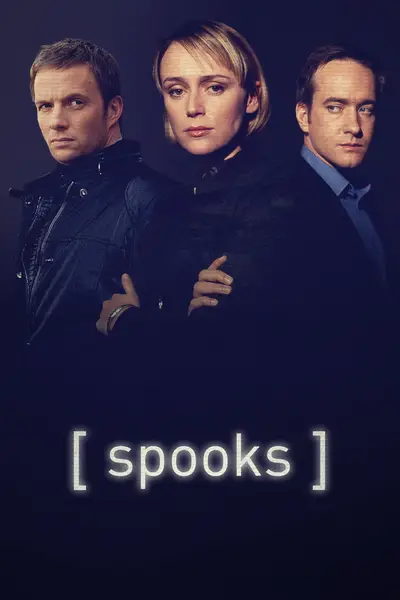
At its core, this is a series about sacrifice, patriotism, and the personal toll of keeping a nation safe in the shadows. Created by David Wolstencroft, "Spooks" (known as "MI-5" in North America) follows the officers of Britain's domestic intelligence service as they combat terrorism, espionage, and threats both foreign and domestic. The show distinguished itself through its willingness to kill major characters without warning—creating genuine stakes rarely seen in network television—and its commitment to procedural authenticity. Matthew Macfadyen, Keeley Hawes, and Peter Firth headline a rotating ensemble cast that kept the series fresh across ten seasons. The plotting is tight, the action sequences are realistic rather than Hollywood-slick, and the moral ambiguities feel earned rather than manufactured. It's premium British thriller television that never talks down to its audience.
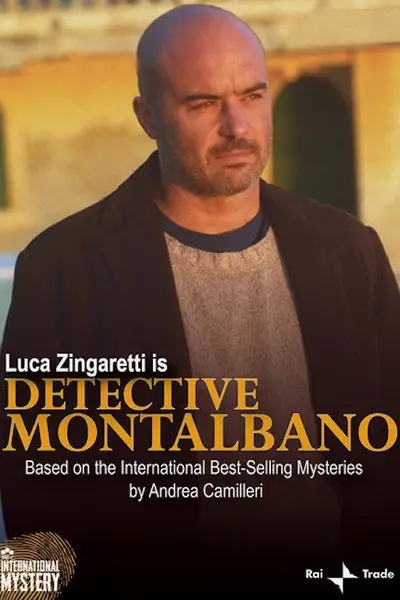
This long-running Italian detective series follows the investigations of the titular Sicilian inspector, a food-loving, literature-quoting police detective navigating both crimes and bureaucracy in the fictional coastal town of Vigàta. Based on Andrea Camilleri's beloved novels and starring Luca Zingaretti in the lead role, the show perfectly captures the atmosphere of contemporary Sicily with its gorgeous Mediterranean settings and complex local politics. Montalbano himself is a wonderfully realized character—intuitive, stubborn, occasionally melancholic, and always human. The mysteries are well-constructed, but the series is equally interested in character relationships, particularly Montalbano's interactions with his loyal team and his long-distance relationship with girlfriend Livia. The pacing is more leisurely than typical crime dramas, allowing time for meals, conversations, and the rhythms of Sicilian life. It's comfort viewing of the highest order, combining satisfying procedural elements with rich characterization and stunning locations.
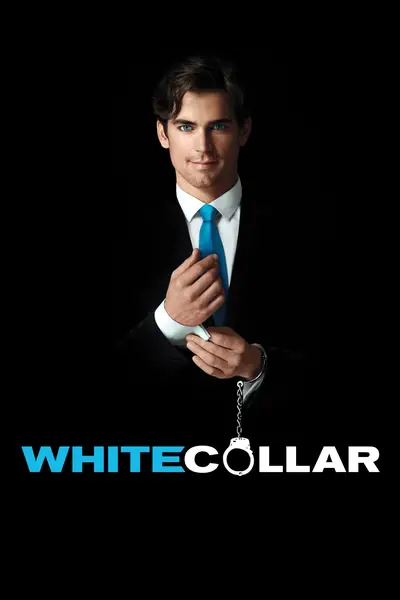
Set against the backdrop of modern-day New York City, this cat-and-mouse series brings together FBI agent Peter Burke and charming con artist Neal Caffrey in an unlikely partnership. Matt Bomer is perfectly cast as the sophisticated Caffrey, who trades his prison sentence for a chance to help Tim DeKay's by-the-book Burke catch white-collar criminals. Creator Jeff Eastin crafts a show that's refreshingly light on its feet, delivering clever heist plots and art forgery capers without getting bogged down in darkness. The chemistry between the leads drives the series, as their mutual respect grows despite coming from opposite sides of the law. Tiffani Thiessen adds warmth as Burke's wife Elizabeth, while the supporting cast rounds out a world of FBI agents, criminals, and everything in between. It's stylish, fun escapism that knows exactly what it is—smart entertainment that doesn't take itself too seriously while still delivering satisfying procedural cases and character development.