Persian Shows
Persian television has emerged as a powerhouse of compelling storytelling, delivering some of the most captivating and culturally rich shows in contemporary entertainment. Whether you're searching for the best Persian shows to stream right now or looking to discover award-winning Persian dramas that have defined television excellence, this curated selection showcases the incredible depth and artistry of Persian-language programming. From gripping psychological thrillers and emotionally resonant family sagas to innovative narrative experiments that push creative boundaries, these must-watch Persian series represent the finest achievements in Iranian and Persian television across all eras. Each entry features standout performances from celebrated actors, visionary direction from groundbreaking creators, and authentic storytelling that illuminates the complexities of Persian culture and human experience. Spanning both classic productions and the latest critically acclaimed releases that are dominating streaming platforms and generating international buzz, these top-rated Persian shows offer viewers an unforgettable journey through television that challenges conventions, sparks conversation, and showcases why Persian-language programming continues to captivate global audiences with its distinctive voice and uncompromising artistic vision.
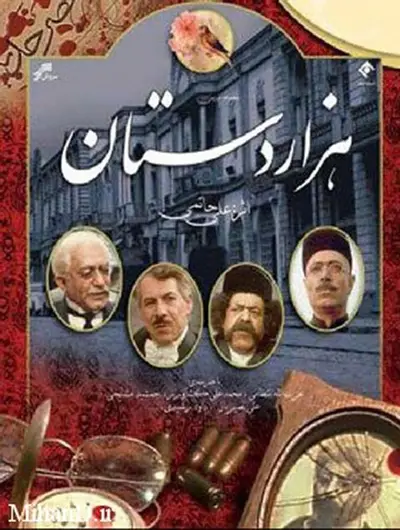
An epic tale of love, honor, and adventure unfolds across a thousand stories as this landmark Iranian series weaves together historical events with fantastical elements and timeless folklore. Directed by Ali Hatami and featuring an ensemble cast, the show became a cultural phenomenon in Iran for its ambitious scope and production values unprecedented for Iranian television at the time. The narrative follows multiple generations and storylines, incorporating elements of Persian mythology, actual historical figures, and romantic subplots into a sprawling tapestry of storytelling. What makes this exceptional is Hatami's commitment to authenticity—the costumes, settings, and cultural details were meticulously researched and recreated. The series demonstrates the richness of Persian narrative tradition while remaining thoroughly entertaining, balancing intimate character moments with grand historical sweep. For viewers interested in international television history or Persian culture, this remains essential viewing that showcases storytelling ambition rarely attempted on television.
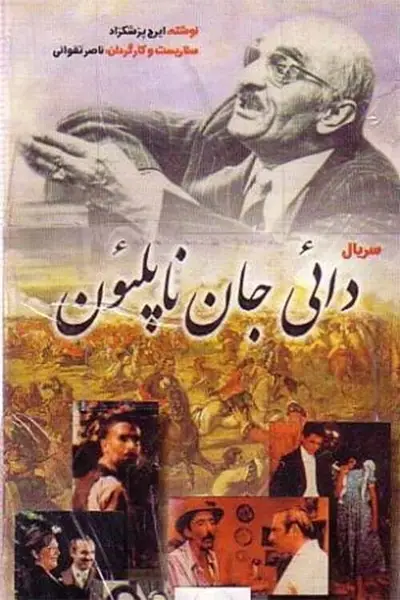
This comedy masterpiece satirizes Iranian society through the neurotic fears and delusions of Dear Uncle Napoleon, a patriarch convinced that the British are plotting against him specifically while his extended family navigates love, jealousy, and absurd misunderstandings. Based on Iraj Pezeshkzad's novel and adapted for television by director Nasser Taghvai, the series features Parviz Sayyad in the iconic title role, delivering a performance that's both hilarious and oddly sympathetic. Set in 1940s Tehran, the show uses its historical setting to comment on paranoia, family dynamics, and national identity with wit that hasn't dimmed decades later. The ensemble cast brings depth to what could have been mere caricatures, and the writing balances slapstick moments with genuinely clever satire. This remains one of Iranian television's crowning achievements, endlessly quotable and rewatchable, demonstrating how comedy can illuminate cultural anxieties while remaining timelessly entertaining.
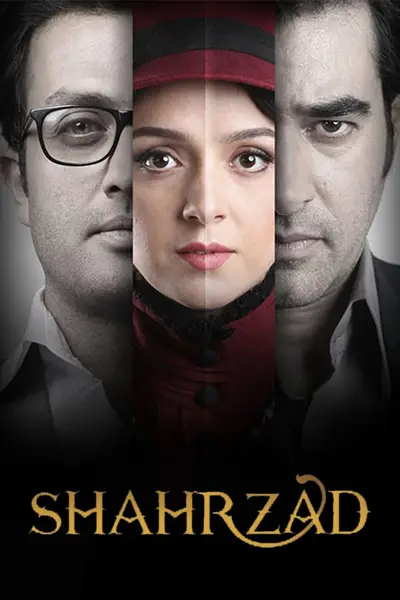
Set against the tumultuous backdrop of 1950s Tehran, this Iranian television series has captivated audiences with its epic tale of forbidden love and political intrigue. Created by Hassan Fathi, "Shahrzad" follows the passionate romance between the titular character (Taraneh Alidoosti) and Farhad (Shahab Hosseini) as they navigate a society torn between tradition and modernization during the years leading up to the 1953 coup. The production values are exceptional, with period-accurate costumes and sets that transport viewers to a pivotal era in Iranian history. What makes the series truly remarkable is how it interweaves personal drama with the broader political upheaval of the time, creating a rich tapestry that illuminates a complex period. The performances are uniformly excellent, and the storytelling spans multiple seasons while maintaining emotional depth and historical authenticity.
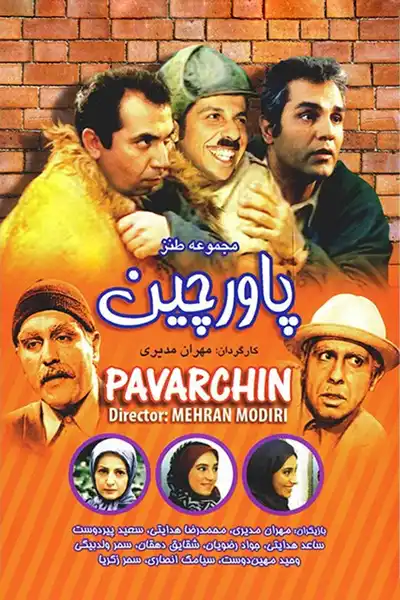
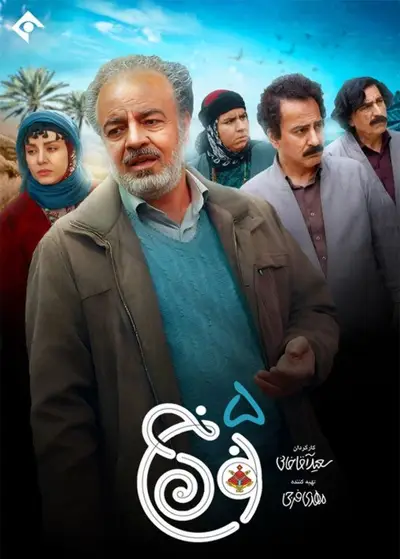
When a family discovers that genetic circumstances have led to unexpected challenges regarding height, they must navigate complex emotional terrain and societal perceptions. This drama explores themes of acceptance, identity, and what it means to be different in a world that often prioritizes conformity. The series tackles its premise with sensitivity and heart, allowing each character to develop beyond their physical characteristics into fully realized individuals dealing with universal struggles. Strong ensemble performances bring authenticity to the material, while the writing avoids easy answers or pat resolutions. Instead, it offers a thoughtful examination of family dynamics under pressure, showing how love and understanding can bridge seemingly insurmountable differences. It's a touching exploration of human resilience that rewards patient viewers.
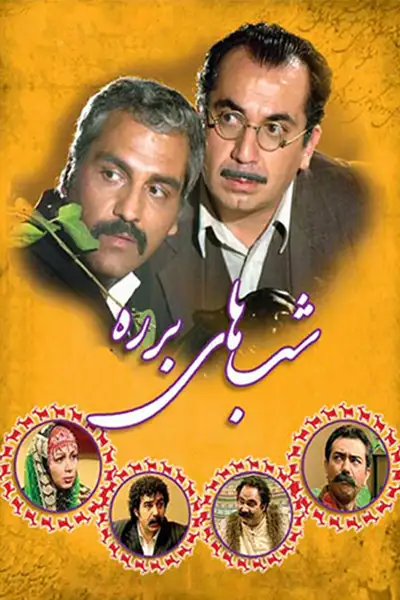
Charming and warmly humorous, this Iranian sitcom set in a fictional village offers delightful escapism with its gentle satire and lovable characters. Created by Mehran Modiri, who also stars as the hapless protagonist, the series follows the absurd daily life of Barareh's eccentric residents during the Qajar dynasty era. The show's comedy relies on clever wordplay, physical humor, and the amusing clash between the villagers' simple worldview and the occasional outsider who stumbles into their midst. What makes it work so well is the affection it shows for its characters—even as it pokes fun at their ignorance and superstitions, it never feels mean-spirited. The ensemble cast creates a lived-in community that feels authentic despite the comedic exaggeration. It's lighthearted entertainment that showcases Iranian comedy at its most accessible and endearing.
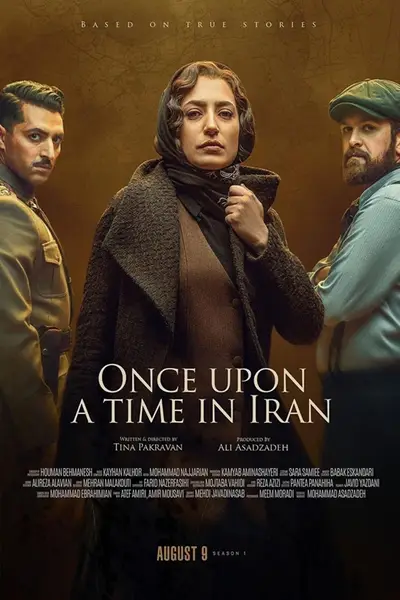
Ambitious and sprawling, this Iranian historical drama weaves together decades of the country's modern history through the interconnected lives of multiple families. The series spans from the 1940s through the Islamic Revolution and beyond, examining how political upheavals, social transformations, and personal choices shaped ordinary Iranians across generations. Director Hossein Shahabi creates a rich tapestry that balances intimate family moments with significant historical events, giving viewers unfamiliar with Iranian history an accessible entry point while offering those with knowledge a detailed and nuanced portrayal. The ensemble cast brings depth to characters who navigate changing regimes, evolving social norms, and family loyalties tested by circumstance. The production design authentically recreates each era, and the writing avoids simple heroes and villains in favor of complex individuals making difficult choices. It's an epic undertaking that rewards patient viewers with genuine insight.
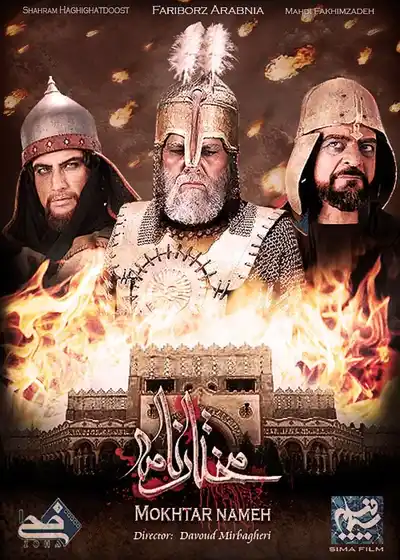
This Iranian historical drama follows the life of Mukhtar al-Thaqafi, a revolutionary figure who fought for justice in 7th century Iraq following the tragedy at Karbala. The series traces Mukhtar's transformation from a loyal companion of Imam Ali to a leader who challenged the Umayyad Caliphate's authority and sought to avenge the martyrdom of Imam Hussain. Created by Davood Mirbagheri, the show features strong production values and committed performances that bring this significant period of Islamic history to life. While the pacing occasionally drags during its expansive runtime, the series succeeds in presenting a complex portrait of faith, politics, and rebellion. For viewers interested in historical epics from Middle Eastern perspectives, The Mokhtar Narrative offers an accessible entry point into events that shaped the region's religious and political landscape.
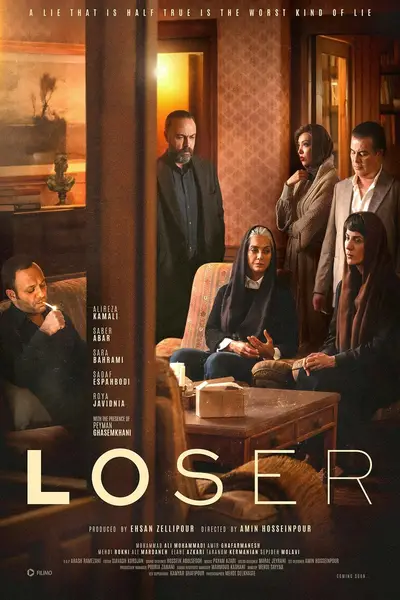
In this Spanish comedy, a man who's perpetually fallen short of expectations faces yet another crisis when his life falls apart spectacularly. Creator Javier Calvo follows his protagonist through various attempts to rebuild his existence, finding humor in the gap between delusion and reality. Javier Gutiérrez anchors the series with a performance that makes the character's failures sympathetic rather than simply pathetic, though the writing doesn't always give him enough to work with. The show aims for cringe comedy territory, where embarrassment and empathy coexist, but doesn't consistently nail the balance. Some episodes land their observational humor about mediocrity and masculine fragility quite effectively, while others drag or rely too heavily on repetitive situations. The supporting cast provides solid work, particularly in helping to flesh out how the main character's dysfunction affects those around him. It's fitfully amusing rather than consistently funny, offering enough decent moments to justify a watch if you're already invested in Spanish comedy, but unlikely to convert skeptics.
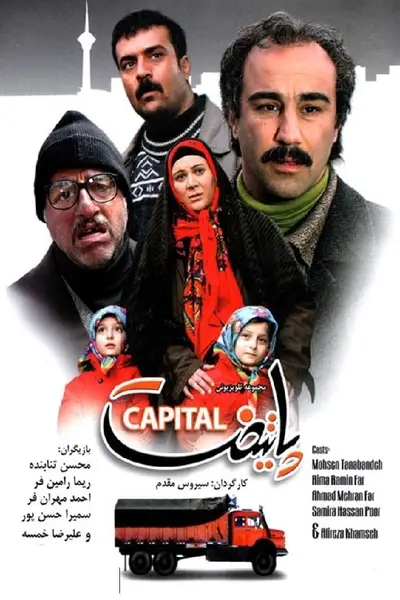
This lighthearted Iranian sitcom captures the everyday chaos and warmth of family life in Tehran with affectionate humor and relatable situations. Created by Mehran Modiri, the series follows the Kharazmi family—particularly patriarch Naqdi, played by Modiri himself—as they navigate modern urban Iranian life with all its quirks and contradictions. The show's gentle comedy derives from cultural observations and family dynamics rather than mean-spirited mockery, making it accessible while remaining distinctly rooted in its Iranian context. Over multiple seasons, the ensemble cast has become beloved fixtures in Iranian popular culture, with storylines addressing everything from financial struggles to generational differences with a consistently optimistic outlook. While some humor may require cultural familiarity, the universal themes of family, ambition, and community shine through, making it a comfortable watch that prioritizes heart over high-concept plotting.
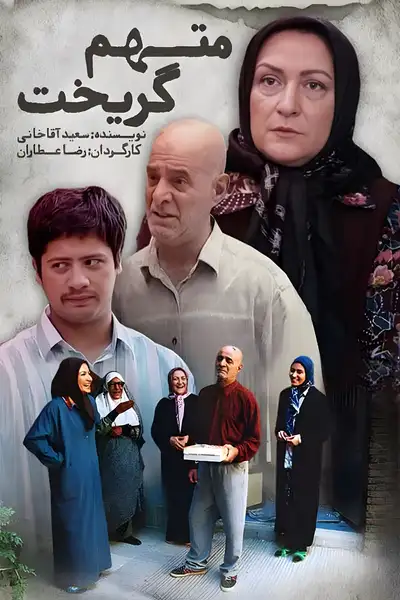
From creator Im Sung-han comes this South Korean thriller series that follows the aftermath of a high-profile criminal escaping from custody. The show explores the incompetence and corruption that allowed the escape while building tension around the manhunt and the criminal's motives. Jung Woong-in leads the cast in a role that demands both menace and complexity as viewers gradually understand the circumstances surrounding the case. The series takes a procedural approach while weaving in social commentary about South Korea's criminal justice system and media sensationalism. While not as polished as some higher-budget productions, it offers solid entertainment for fans of crime dramas who appreciate shows that balance suspense with character development and aren't looking for constant action.
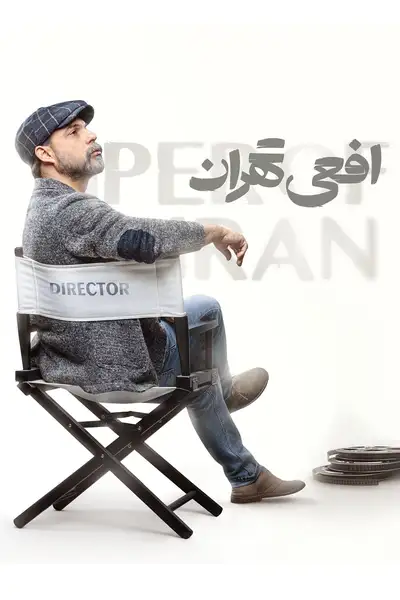
Set against the backdrop of 1980s Tehran during the Iran-Iraq War, this espionage thriller follows an Israeli spy operating deep undercover in one of the world's most dangerous cities. The series attempts to blend geopolitical intrigue with personal drama as its protagonist navigates shifting allegiances and moral compromises. The period detail is meticulously crafted, from the war-torn streets to the paranoid atmosphere of revolutionary Iran, giving viewers a rarely-seen glimpse into this turbulent era. However, the pacing often falters, with tension building slowly across episodes before dissipating without satisfying payoff. The lead performance carries weight and complexity, making the character's impossible choices feel genuine, but supporting characters sometimes feel underdeveloped. When the show commits to its spy-craft elements, it delivers compelling sequences, though it occasionally gets bogged down in exposition that could have been woven more naturally into the narrative.
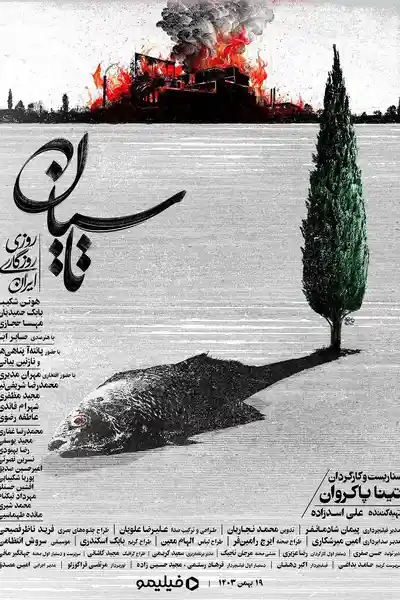
From creator Faruk Turgut comes this Turkish drama following the Tasian family's struggles to maintain their business empire while navigating personal betrayals and shifting loyalties. The series features Kaan Urgancıoğlu leading an ensemble cast through corporate intrigue and family drama, but the execution feels familiar rather than fresh. The production values are solid, and Istanbul provides a striking backdrop for the power plays and emotional confrontations. However, the plotting relies heavily on soap opera conventions—secret affairs, sudden reversals, and melodramatic confrontations—without adding enough unique perspective to distinguish itself in a crowded genre. Some performances elevate the material, particularly in quieter moments between characters, but others veer into overwrought territory. The show will likely satisfy viewers seeking traditional family saga dynamics with a contemporary Turkish setting, though those looking for innovative storytelling may find themselves checking their phones between the more engaging scenes.
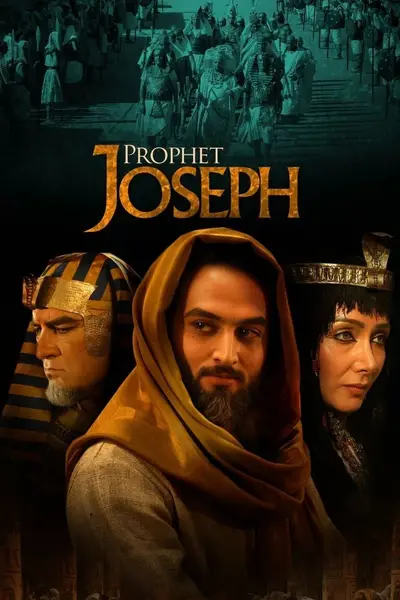
Mostafa Zamani delivers a compelling portrayal of the prophet Yusuf (Joseph) in this ambitious Iranian historical drama that chronicles one of the most beloved stories from Islamic and Biblical tradition. Created by Farajollah Salahshoor, the series traces Joseph's journey from his childhood marked by his brothers' jealousy through his years of hardship in Egypt to his eventual rise to power and reconciliation with his family. The production values are impressive for Iranian television, with elaborate sets and costumes that bring ancient Egypt to life. While the pacing can feel slow at times, particularly across its 45 episodes, the series treats its subject matter with reverence and succeeds in making this ancient tale accessible to modern audiences. Supporting performances, particularly those depicting Joseph's trials in Potiphar's household, add emotional depth to this spiritually-focused retelling.
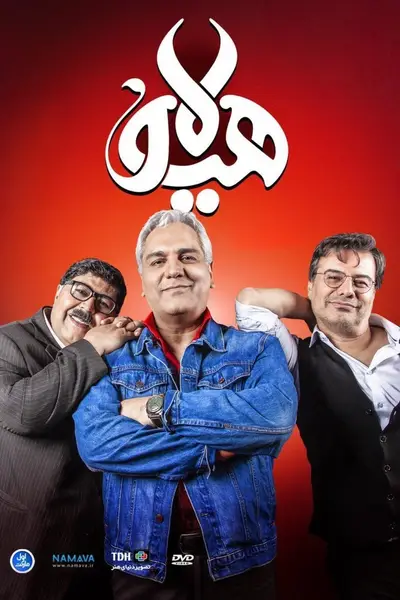
In this series, viewers follow the psychological profile and criminal investigation of a serial offender whose crimes shocked a community. The docudrama format blends interviews with dramatic recreations to build a comprehensive picture of both the crimes and the person behind them. While the subject matter is inherently dark, the series handles it with appropriate seriousness, focusing on the investigative process and impact on victims rather than gratuitous details. The pacing occasionally drags during the middle episodes, and some of the dramatic recreations feel less necessary than the documentary elements. However, the thorough approach and willingness to explore difficult questions about criminal psychology give the series value for true crime enthusiasts. It's thoughtfully constructed without being exploitative, though it won't offer much new to those already familiar with similar documentary series.
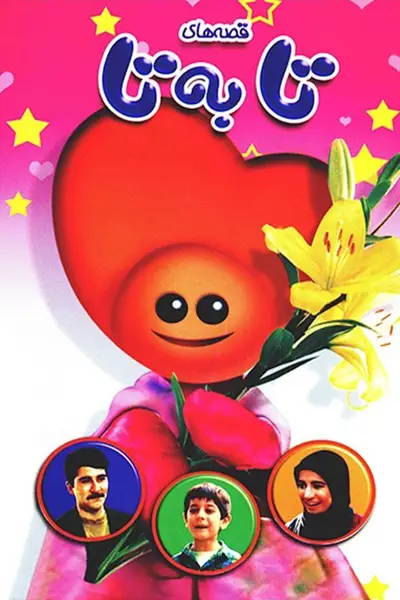
From creator Teruhiko Kuze comes this Japanese anthology series that weaves together folklore-inspired tales with contemporary sensibilities. Each episode presents a different story, drawing from traditional Japanese narrative traditions while making them accessible to modern audiences. The series features a rotating cast of Japanese actors who bring these fables to life, exploring themes of morality, consequence, and human nature through fantastical scenarios. The production design embraces a theatrical quality that enhances rather than distracts from the storytelling, creating a distinctive visual atmosphere. While some episodes resonate more strongly than others—an inherent challenge in anthology formats—the series maintains a consistent tone that respects its source material. For viewers interested in Japanese culture beyond the typical offerings, this provides an engaging entry point into storytelling traditions that have endured for generations.

In Istanbul's competitive business world, this Turkish drama chronicles the personal and professional entanglements of characters whose lives intersect around corporate ambition and family secrets. The series centers on complicated relationships that develop against the backdrop of modern Turkey's economic landscape, where traditional values clash with contemporary aspirations. The ensemble cast, led by strong performances from Nesrin Cavadzade and Mehmet Aslantuğ, brings depth to characters who could easily have become soap opera stereotypes. The writing takes time to develop relationships and motivations, though the plotting occasionally gets tangled in its own complexity. The show's exploration of corporate culture, gender dynamics, and generational conflict provides substance beyond the romantic entanglements that drive much of the drama. While it sometimes relies on familiar melodramatic beats, the production maintains enough authenticity in its character work to keep viewers invested across its run.
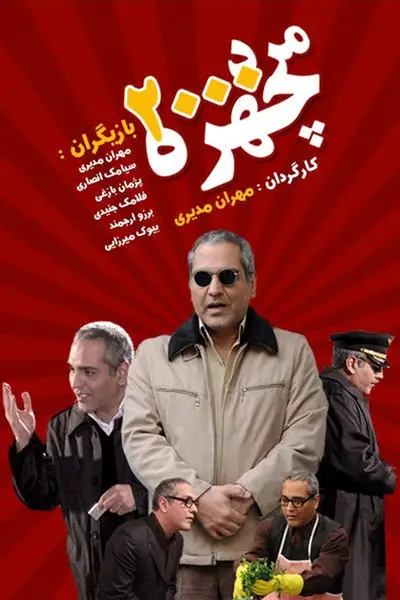
Eduardo Noriega brings remarkable depth to his portrayal of a master of disguise in this engaging Spanish thriller series. Created by Ramón Campos and Gema R. Neira, the show follows a man whose extraordinary ability to transform his appearance leads him through a labyrinth of identities and dangerous situations. Noriega's charismatic performance anchors the series, supported by a strong ensemble cast including Megan Montaner and Michel Brown. The premise offers plenty of intrigue as each episode peels back layers of mystery surrounding the protagonist's true motivations and past. While the narrative occasionally stretches credibility, the slick production values and Noriega's compelling work keep viewers invested. The series strikes an effective balance between character-driven drama and pulse-pounding suspense, making it a satisfying watch for fans of intelligent thrillers with a European sensibility.
When a young journalist returns to her rural Thai village to investigate a series of mysterious disappearances, she uncovers a web of local folklore, family secrets, and modern corruption. This atmospheric thriller weaves supernatural elements with grounded social commentary, exploring the tensions between traditional beliefs and contemporary Thai society. Director Pimpaka Towira crafts a deliberately paced mystery that rewards patient viewers, with stunning cinematography showcasing the lush countryside and tight-knit community dynamics. Lead actress Chutimon Chuengcharoensukying delivers a compelling performance as the determined reporter caught between two worlds, supported by a strong ensemble of veteran Thai actors. The series excels at building dread through suggestion rather than explicit scares, and its exploration of intergenerational trauma and environmental exploitation adds satisfying depth. While Western audiences may need to adjust to its rhythm and cultural context, those willing to engage will find a rich, absorbing mystery.
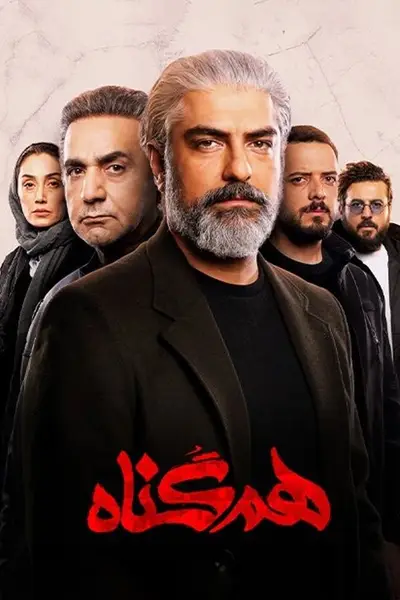
When a criminal defense attorney discovers evidence that could free her imprisoned client but implicate someone she loves, she's forced into an impossible moral dilemma that threatens to destroy everything she's built. This tight psychological thriller from creator-showrunner Laura Sosa keeps viewers guessing as allegiances shift and new revelations complicate what initially seemed like a straightforward wrongful conviction case. The lead performance anchors the mounting tension, conveying the attorney's internal conflict through subtle shifts that make her increasingly questionable choices feel understandable, if not entirely forgivable. The supporting cast fills out a morally gray world where everyone seems to be hiding something, and the show wisely avoids easy answers about justice, loyalty, and truth. While it occasionally strains credibility with its twists, the propulsive pacing and genuine suspense make it an engaging watch for fans of legal dramas with a darker edge.
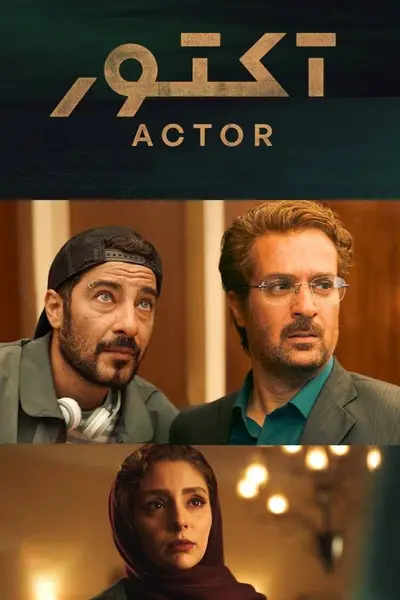
Melancholic and introspective, this Japanese series examines the life of a struggling actor navigating Tokyo's competitive entertainment industry while grappling with personal relationships and professional disappointments. Tomoya Nakamura portrays the protagonist with understated vulnerability, capturing the quiet desperation of someone whose dreams are gradually being tempered by reality. Created by the team behind several acclaimed Japanese dramas, the show opts for observational realism over dramatic fireworks, following its subject through auditions, part-time jobs, and the slow erosion of youthful confidence. The pacing is deliberately measured, which will resonate with viewers who appreciate character studies but may frustrate those seeking more conventional narrative momentum. Supporting performances add texture to the protagonist's world, particularly in scenes depicting the camaraderie and competition among fellow performers. The series offers an honest look at artistic ambition and the compromises people make, though its commitment to low-key realism sometimes tips into monotony.

Contemporary Tehran provides the backdrop for this documentary series offering glimpses into daily life and creative expression in Iran's capital city. The show attempts to bridge cultural divides by showcasing artists, entrepreneurs, and ordinary citizens navigating their lives within Iran's complex social and political environment. While the access is admirable and some segments provide genuinely illuminating moments, the series occasionally feels constrained—whether by production limitations or political sensitivities—leaving viewers wanting deeper exploration. The subjects themselves are compelling when given space to share their perspectives, particularly younger Iranians balancing tradition with global influences. Production quality varies across episodes, and the overall structure lacks cohesion, feeling more like assembled segments than a unified narrative. Still, for Western audiences seeking perspectives on Iranian society beyond news headlines, Made In Iran offers valuable, if incomplete, insights into a frequently misunderstood culture and the creative resilience of its people.